Pulling Weeds? You May Be Making Them Stronger
September mornings arrive smelling of damp soil, cold coffee, and the faint sweetness of tomatoes past their prime. Then you notice it, that low green rosette smirking between the stakes like it pays rent.
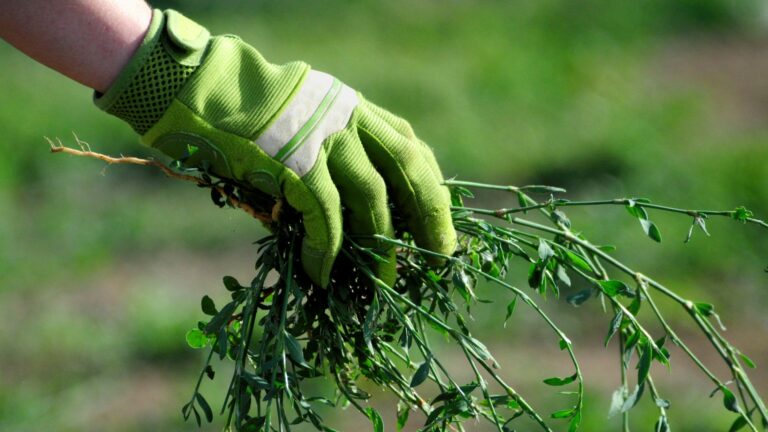
You tug, you grunt, you drop the intruder in a bucket, and feel briefly triumphant. Two weeks later it is back, broader, bushier, and apparently signed up for strength training.
Gardeners have faced this quiet struggle for centuries, equipped with gloves, patience, and a suspicious amount of optimism. Still, the ground beneath your knees keeps its own agenda and rewrites the rules each season.
Sometimes effort backfires, and the harder you push against nature, the tougher your leafy rival seems to get. Turns out the garden has been keeping score, and your bucket is not winning.
Broken Roots And The Regrowth They Trigger
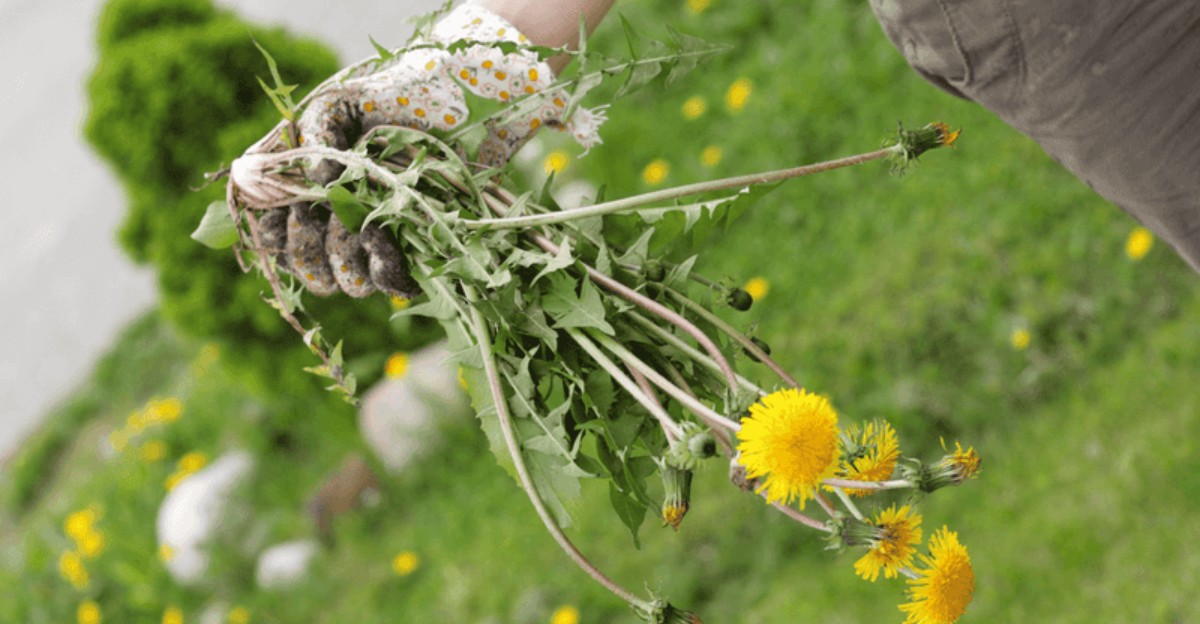
Grab a dandelion by the leaves and you get a satisfying snap, plus a root still underground. That leftover piece holds stored sugars, and it treats your tug as a pruning signal.
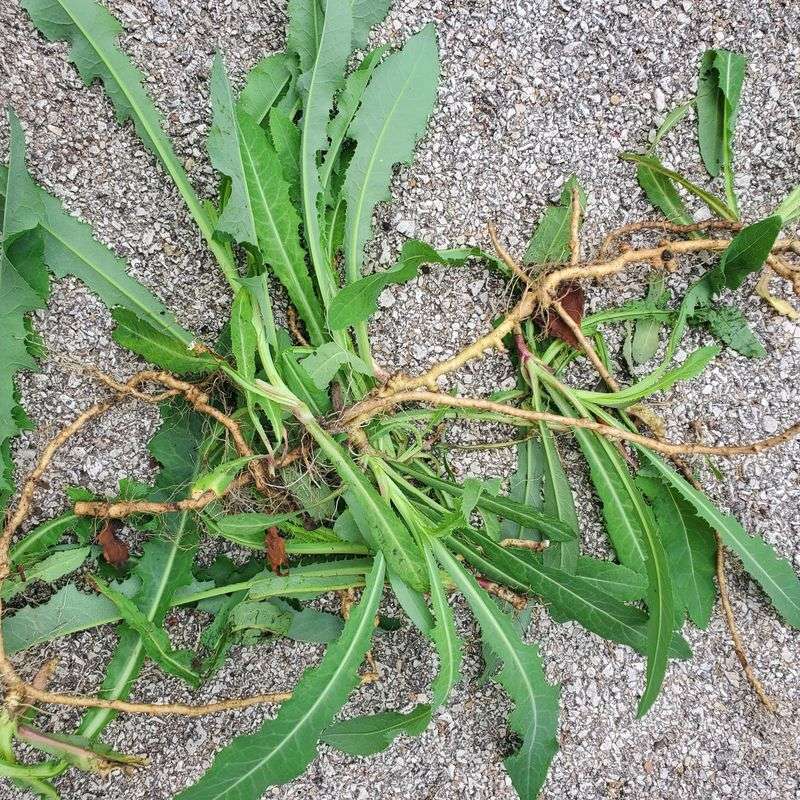
Many stubborn garden plants keep taproots or creeping roots that store energy for exactly this emergency. When the top disappears, buried buds wake up and push several new shoots instead of one.
Bindweed, thistle, and quackgrass are famous for it, turning one snapped root into a small colony. Each fragment left behind can sprout, which is a rough deal for your weekend efforts.
Gardeners often notice the patch looks thicker a month after a big cleanup session. Nothing supernatural happened, the plant simply spent its savings on fresh growth above ground.
Annual types behave differently, since they rely on seeds rather than thick underground storage. Pulling those before flowers form works well, especially while the soil stays loose and damp.
The lesson is not to stop weeding, but to match your method to the root. Shallow fibrous roots come out clean, while deep taproots need loosening first with a fork.
Take a second to look at what comes up in your hand each time. A white broken stub is a receipt, proving the plant kept most of its savings.
Curious fact, some root pieces barely an inch long can still produce a full plant. Gardeners have accidentally spread patches for years by rototilling through them with great enthusiasm.
Disturbed Soil And The Seed Bank Below
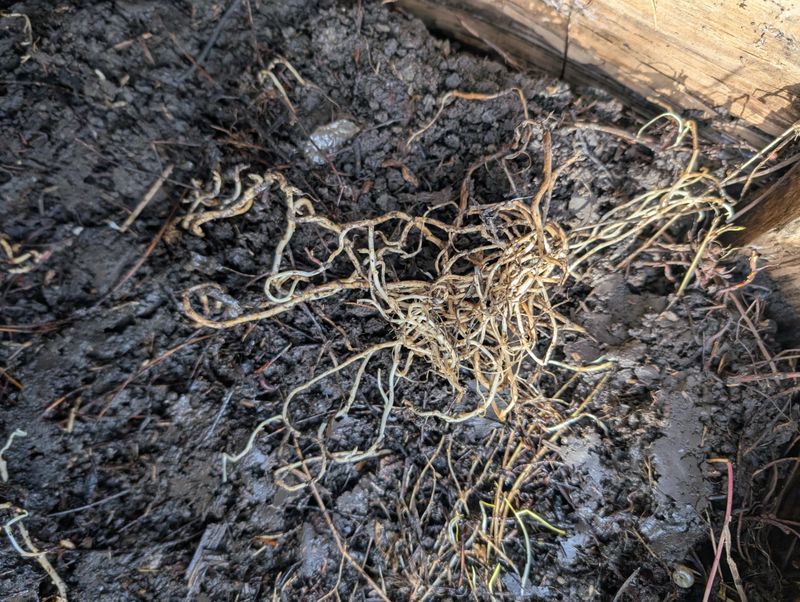
Under every garden bed sits a hidden library of seeds, waiting for light and a little chaos. Scientists call it the seed bank, and one square foot may hold thousands of deposits.
Most of those seeds stay quiet while buried in darkness under settled, undisturbed soil. Scratch the surface during a cleanup, and sunlight plus air acts like a wake up call.
That is the strange trade off with hand weeding across a large, crowded bed. You remove today’s growers and simultaneously hand tomorrow’s batch an invitation to sprout.
Lamb’s quarters and chickweed seeds can stay viable for decades in ordinary garden soil. Some studies found seeds sprouting after forty years of patient waiting underground.
Minimizing disturbance helps more than heroic digging, which is good news for tired backs. Slice young growth at the soil line instead of churning the top three inches.
Covering bare ground afterward matters just as much as the removal itself. Seeds that wake up under mulch run out of stored energy before reaching sunlight.
Compost from your own pile can add seeds too, if the pile stayed cool. Hot composting reduces that risk, though turning the pile regularly takes real commitment.
Think of your soil surface as a lid, not a blank page for scribbling. Every time you lift that lid, something down there gets very excited.
Autumn cleanups stir the most seeds, since beds open up as crops finish. Leave the lid closed where you can, and the library stays politely shut.
September Timing And The Autumn Root Rush
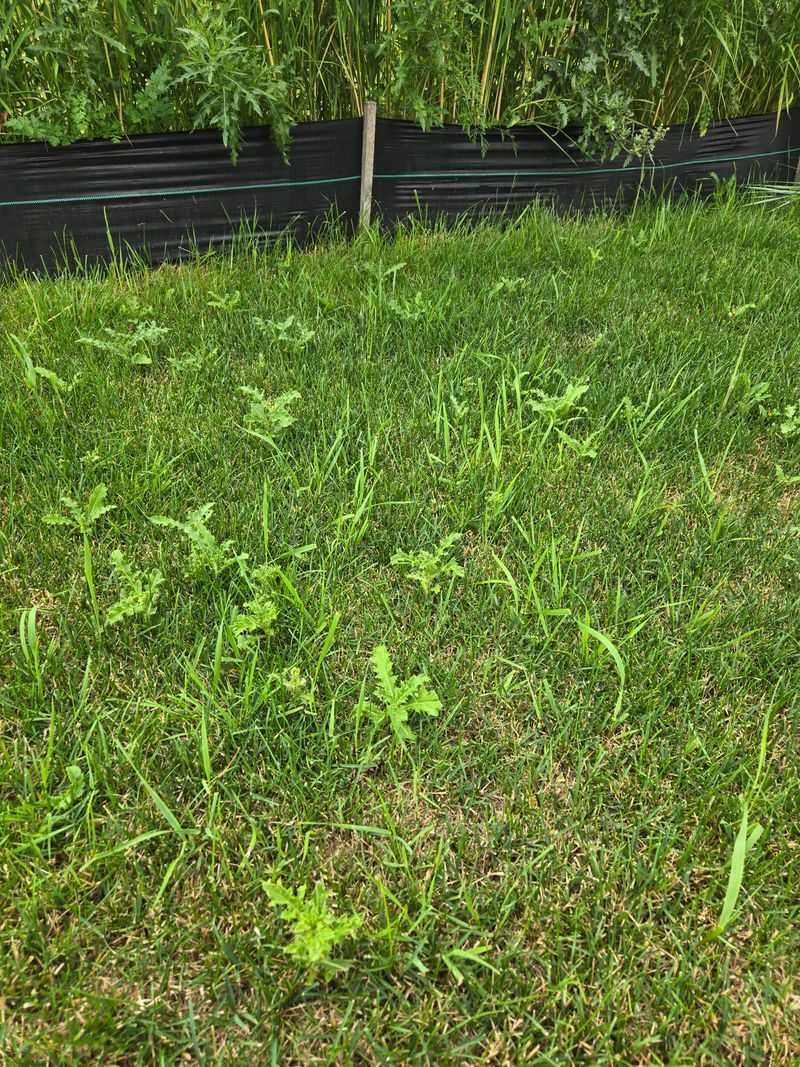
By September, perennial garden invaders shift gears and start shipping sugars down into their roots. They are packing for winter, which changes how they answer any disturbance above ground.
Break a top off during that downward flow and the plant still has full storage tanks. It can rebuild leaves quickly in mild fall weather, then overwinter stronger than before.
Interestingly, the same downward flow makes early autumn ideal for other control methods. Anything applied to leaves travels toward the roots along with those stored sugars.
Timing also affects annual types finishing their life cycle in late summer heat. Many have already dropped seeds by now, so pulling them feels weirdly ceremonial.
Checking for seed heads before touching anything saves headaches next April and May. Bag the flowering tops rather than shaking them across the path on your way out.
Cool September soil stays damp longer, which loosens its grip on shallow root systems. Morning moisture after rain is your best window for clean, satisfying full root removal.
Deep taprooted plants resist anyway, so consider cutting them low and covering the crown. Repeated shading through fall drains reserves without scattering root fragments everywhere.
Gardeners who match their work to the season spend less time repeating it. September rewards patience, and frustrates anyone who tackles a thistle in dry, cracked clay.
Mark problem patches now with a stake or a scrap of bright ribbon. Future you will appreciate knowing exactly where the trouble hides next spring.
The Quick Tug Habit That Backfires
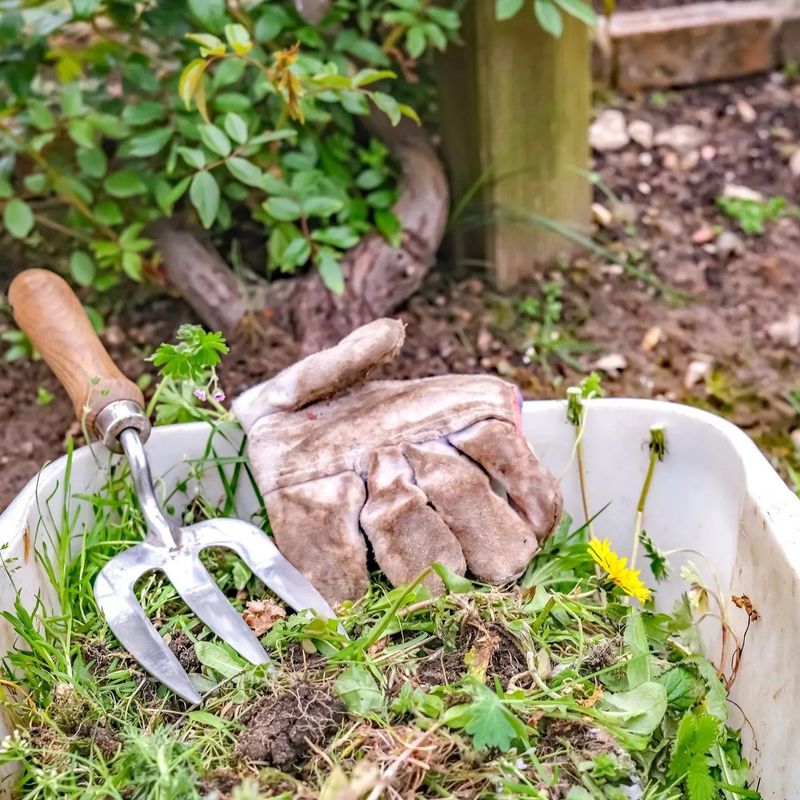
Walking past a bed and yanking one leafy weed feels productive, almost like tidying. Trouble is, dry soil holds roots tight, so the top snaps and the base stays.
Speed is the usual culprit, especially in the middle of a hot, bright afternoon. Pulling straight up shears the root at its weakest point, right below the crown.
Another common slip involves grabbing only the leaves of a rosette shaped plant. Leaves tear away easily, leaving the growing point untouched and ready to regrow.
Tossing pulled growth onto the path also backfires more than people expect. Purslane and chickweed can reroot from stems, especially after a helpful evening rain.
Shaking soil off roots over the same bed spreads seeds with impressive efficiency. Carry a bucket, and empty it somewhere the escapees cannot start a new neighborhood.
Hoeing too deeply belongs on the list as well, though it looks thorough. Deep chopping cuts creeping roots into pieces, and each piece happily becomes a plant.
Better habits are simple, unglamorous, and honestly a bit boring to watch. Water the area first, wait an hour, then grip low and pull slowly and steadily.
Slow, wiggling pressure lets long roots slide out instead of snapping under strain. It takes five extra seconds, which is cheaper than five more weekends of work.
Keep a hand fork in your pocket for anything that resists. Loosening soil beside the root works better than pulling a thistle by brute force.
Slow Removal Techniques For Tougher Roots
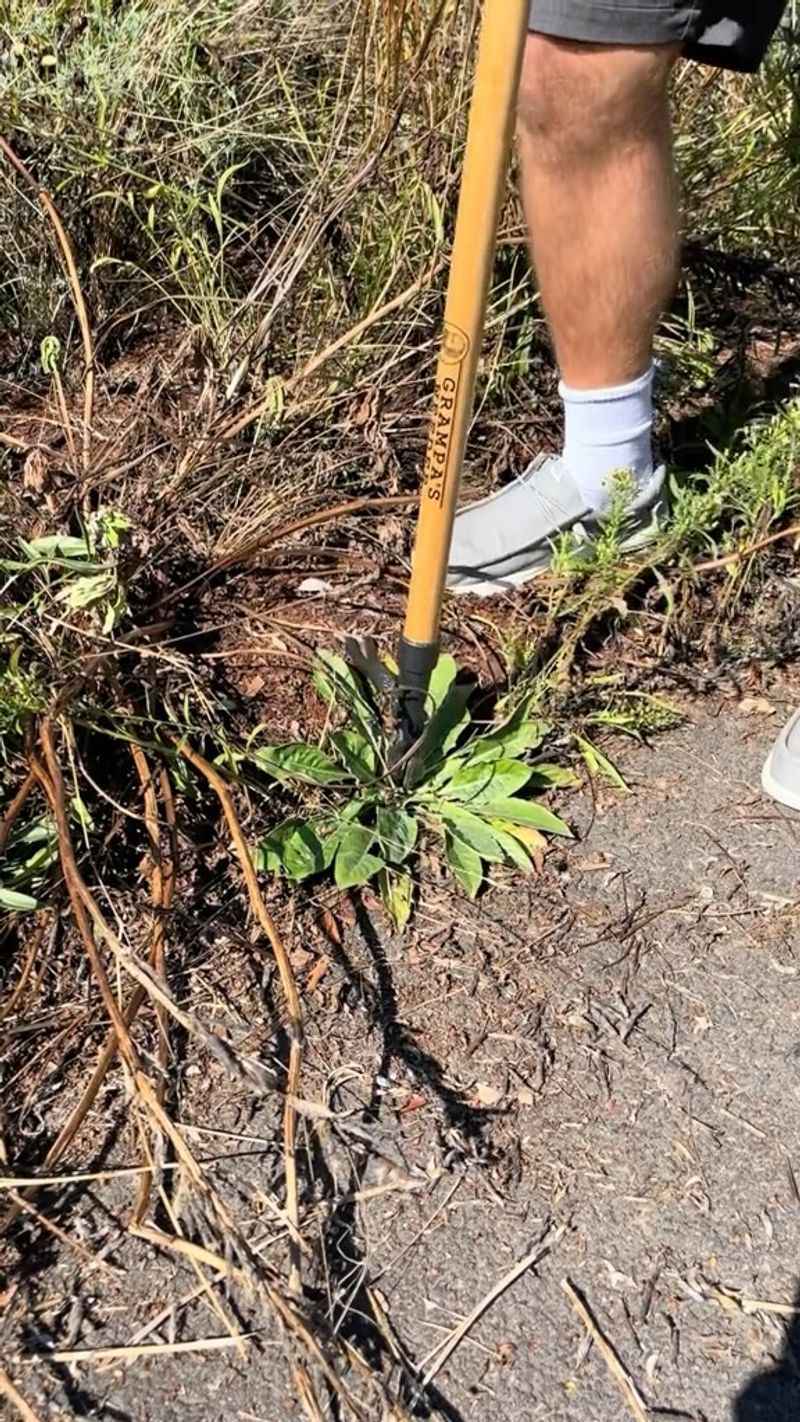
Stubborn perennials call for a different approach than a quick weekend grab and pull. The goal is draining stored energy, not winning one dramatic showdown in the border.
Start by loosening soil four inches away from the crown with a narrow fork. Rock the handle gently, lift the whole clump, and follow pale roots with your fingers.
For bindweed and field thistle, repeated cutting works better than digging every few weeks. Snip new shoots at soil level each time they appear, roughly every ten days.
Each regrowth cycle costs the plant sugars it cannot replace without healthy green leaves. After a season of that treatment, even ambitious root systems run low on fuel.
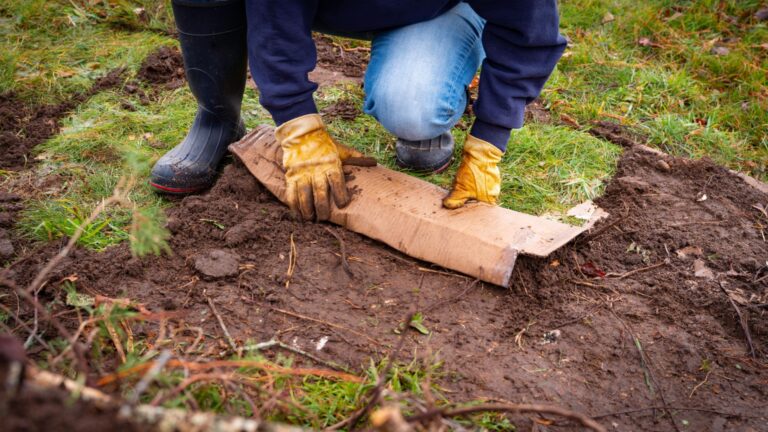
Smothering helps where digging risks slicing roots into hundreds of eager little pieces. Cardboard topped with four inches of wood chips blocks light for many months.
Patience is the hardest ingredient, since results arrive quietly over weeks rather than minutes. Check edges regularly, because runners love traveling sideways toward your lawn and pathways.
Tools matter less than technique, though a hori hori knife earns its shelf space. A long thin blade slides beside taproots and lifts them without much snapping.
Wet soil, slow hands, and steady follow up beat sheer force in every bed. Your compost pile gets fewer surprises, and your knees file fewer formal complaints.
Keep notes on which patches shrink and which stage a comeback tour. Patterns show up fast, and they usually point straight at bare, sunny soil.
Mulch, Shade, And A Quieter Garden Next Spring
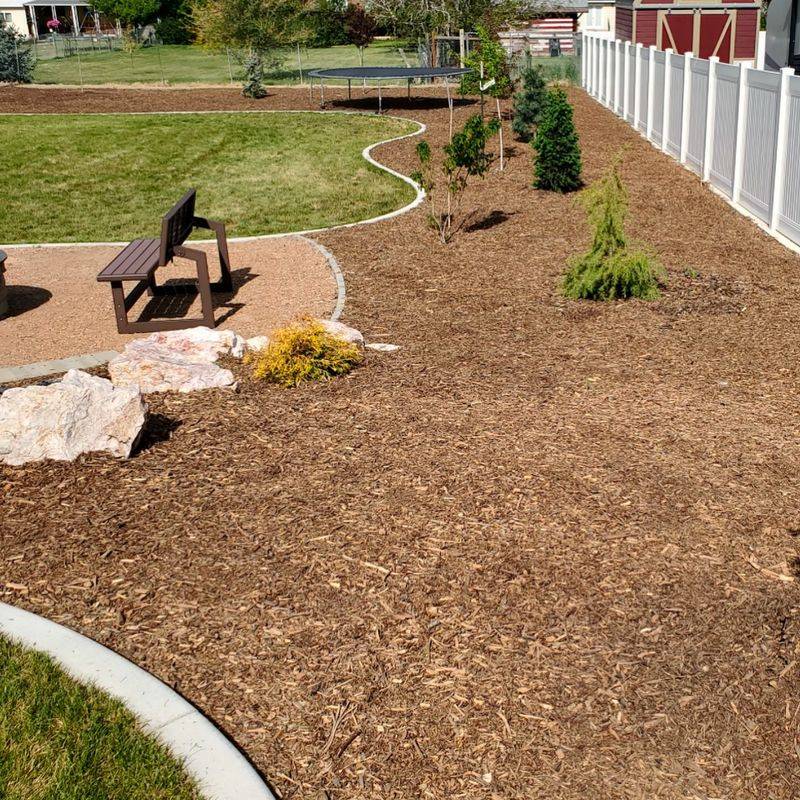
Bare soil is an open invitation, and opportunistic plants read it as a housewarming card. Covering ground is the least glamorous garden job and also the most effective one.
Three to four inches of shredded leaves, straw, or bark chips blocks most seedlings. Light cannot reach the surface, so waking seeds waste their reserves before emerging.
Pull mulch back a couple inches from stems to keep bark and crowns airy. Piling material against trunks invites rot and rodents, which nobody requested this season.
Living cover works beautifully too, especially in September when soil stays warm and moist. Crimson clover, oats, or annual rye fill space that opportunists would otherwise claim.
Dense plantings of perennials and ground covers shade soil without any yearly refresh. Creeping thyme, ajuga, and geraniums knit together and leave little open real estate.
Edges deserve attention, since runners sneak in from lawns, fences, and neighboring yards. A clean cut edge or a buried barrier board slows that steady sideways spread.
Scouting once a week keeps small problems small and honestly takes about ten minutes. Young seedlings lift out with two fingers, long before they build serious root systems.
Gardens that stay covered need far less weeding, which sounds suspiciously like magic. It is just shade, timing, and refusing to leave the dinner table unattended.
Plan the mulch delivery before the first frost, while trucks still have room. Spring you will be too busy admiring seedlings to spread wood chips.