The California Native Shade Plant That Outperforms Hostas For Pollinators
Hostas may be a classic choice for shady garden spots, but they are not the only plants that can bring life to those darker corners.
If you want a California garden that supports pollinators, a native shade plant may offer something hostas cannot.
Finding plants that thrive without full sun can be challenging, especially when you also want flowers, texture, and wildlife value. The right choice can transform a quiet, overlooked area into a space that attracts more activity throughout the season.
You might be surprised by which California native plant can handle shade while still giving pollinators a reason to visit.
Adding it to your landscape could help you create a more natural garden without sacrificing beauty or structure.
1. This Plant Brings Pollinators Into Shady Gardens
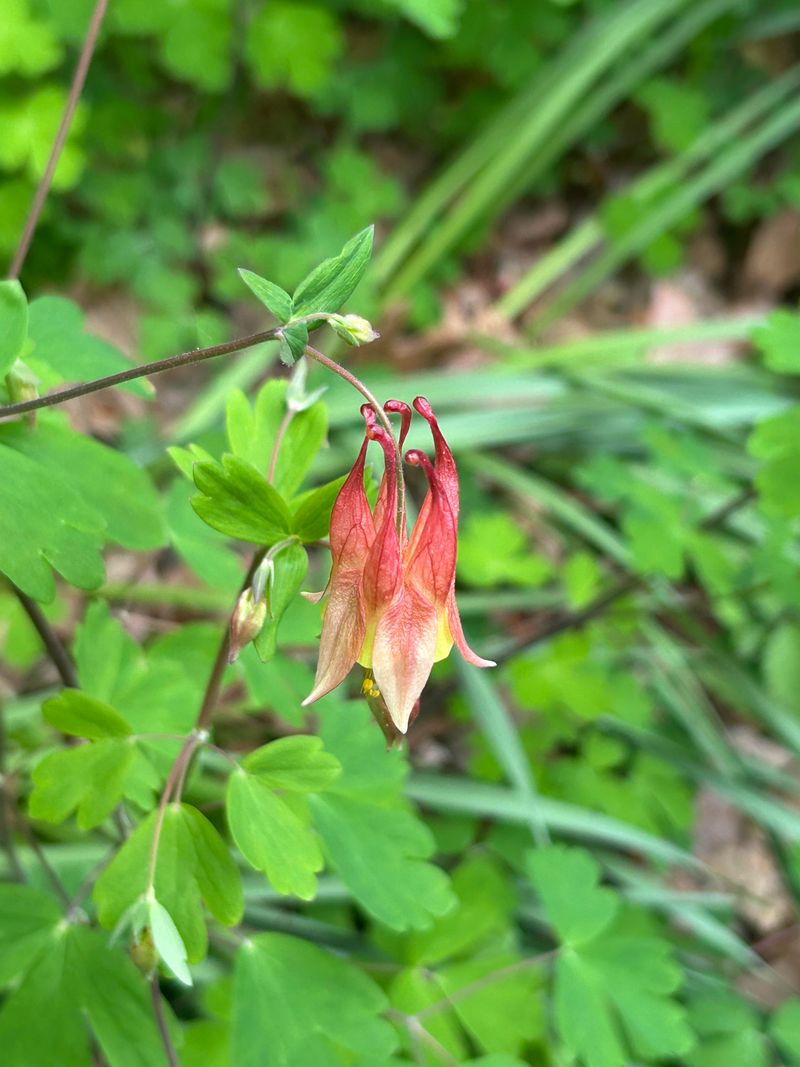
Shady gardens often feel a little empty when it comes to buzzing, fluttering visitors. Western Columbine changes that in a big way. This cheerful native draws in bees, butterflies, and hummingbirds even in spots that get little sun.
Most shade plants focus on leaves and offer nothing to hungry pollinators. That’s where columbine really stands out from the crowd. Its nodding flowers act like little feeding stations tucked into the darker parts of your yard.
Gardeners who care about wildlife love how this plant fits into quiet corners. You get color, movement, and busy little visitors all at once. A shady bed suddenly feels alive instead of still and forgotten.
Fun fact: Western Columbine grows wild across California’s forests and canyons. It has fed native creatures there for thousands of years. Bringing it home means you’re supporting the same helpful bugs and birds that belong in your region.
Because it evolved in these local conditions, it handles shade like a champ. You won’t need special tricks or fancy fertilizers to keep it happy. A little care goes a long way with this easygoing bloomer.
Adding just a few plants can turn a dull spot into a pollinator hotspot. Watching a hummingbird zip toward those flowers is a real treat. It’s a simple way to make your garden both beautiful and useful for nature.
2. Its Red And Yellow Flowers Attract Hummingbirds
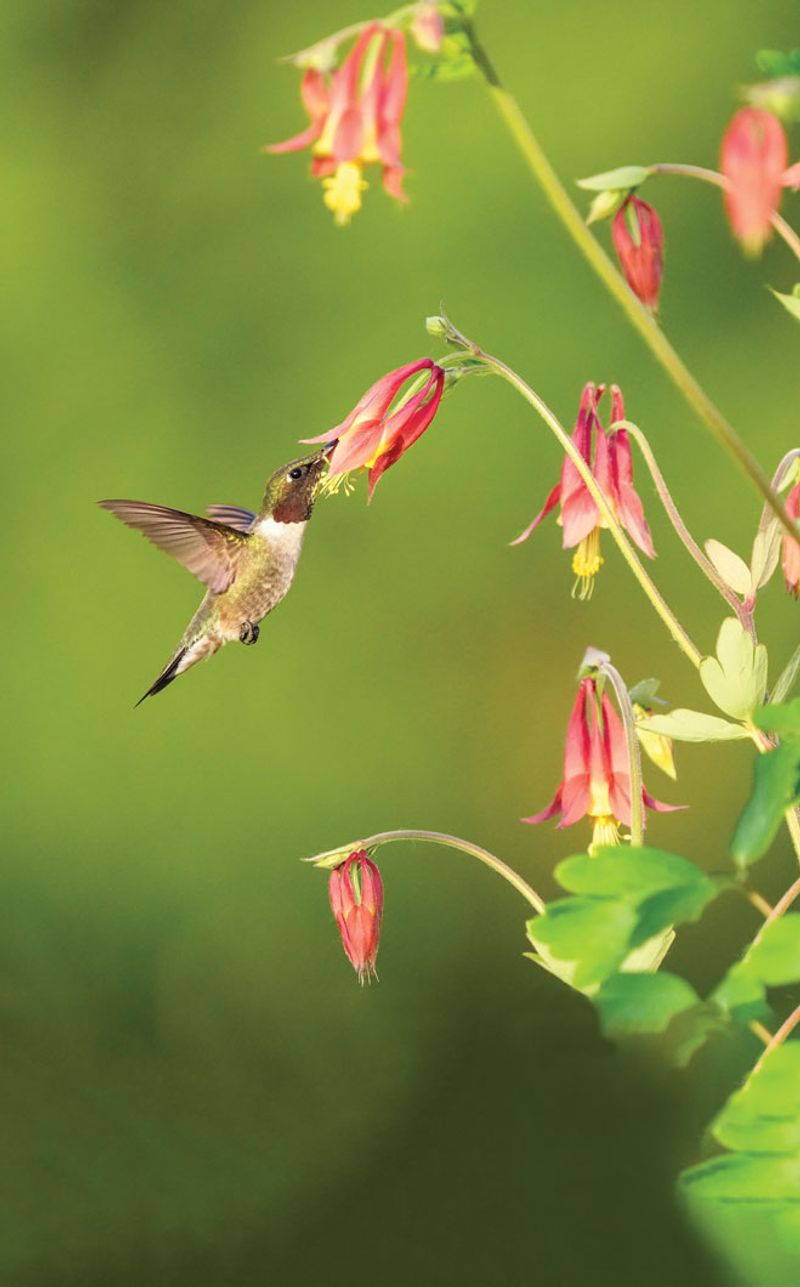
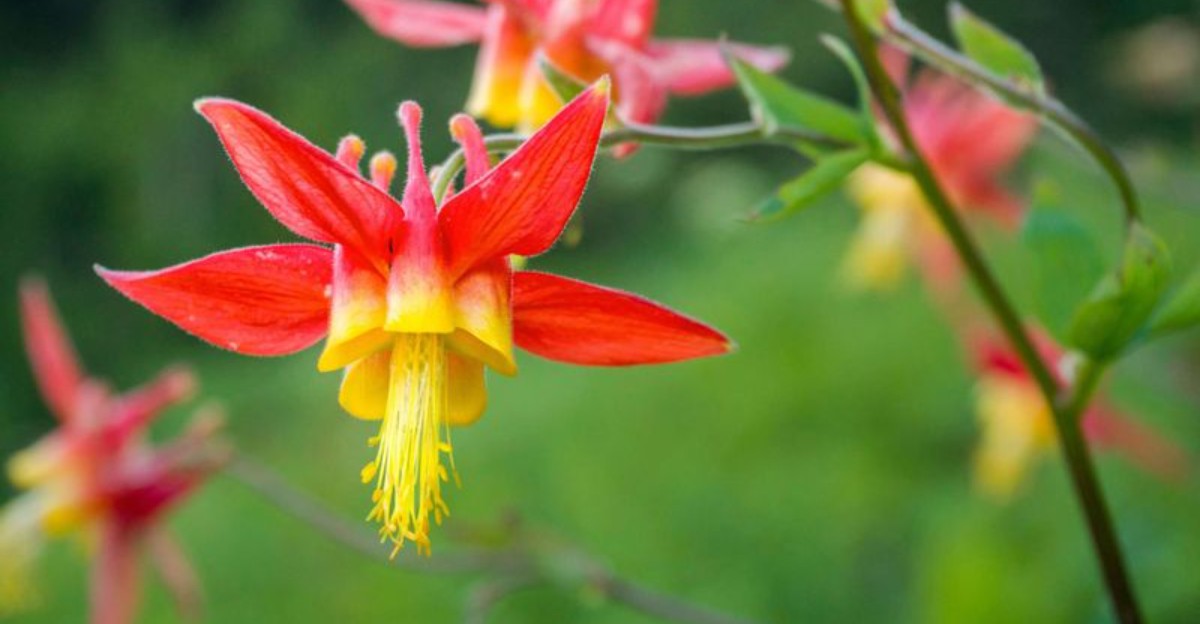
California hummingbirds have a soft spot for bright colors, and columbine delivers. Those bold red and yellow blooms practically shout an invitation to passing birds. The shape and color combo is like a welcome sign just for them.
Each flower dangles downward with long spurs holding sweet nectar inside. Hummingbirds have the perfect long tongues to reach it. This special match means the birds keep coming back throughout the blooming season.
Watching one hover and sip is one of gardening’s greatest joys. The tiny wings blur while the bird pauses at each flower. Kids and grown-ups alike stop to stare when it happens.
Here’s something neat: the flower’s spurs are tricky for most insects to reach. That leaves the nectar mostly for hummingbirds and long-tongued bees. Nature designed a clever little partnership right in your garden.
Your California Garden Changes Every Week. Your Plan Should Too.
Gardening in California changes quickly throughout the season. Every Friday you’ll receive a simple weekly plan showing exactly what to plant, prune, fertilize, harvest, and protect so you never miss the right timing.
Placing columbine near a window lets you enjoy the show up close. You’ll spot flashes of green and ruby throats as birds visit. It turns an ordinary afternoon into a bit of backyard magic.
To keep hummingbirds happy, plant a few columbines in a cluster. A bigger patch gives them more reasons to stop by. The more flowers you offer, the more visitors you’ll welcome.
Compared to hostas, which hummingbirds ignore, this native is a clear winner. It feeds the birds while adding warm color to shade.
3. It Handles Woodland-Style Conditions Well
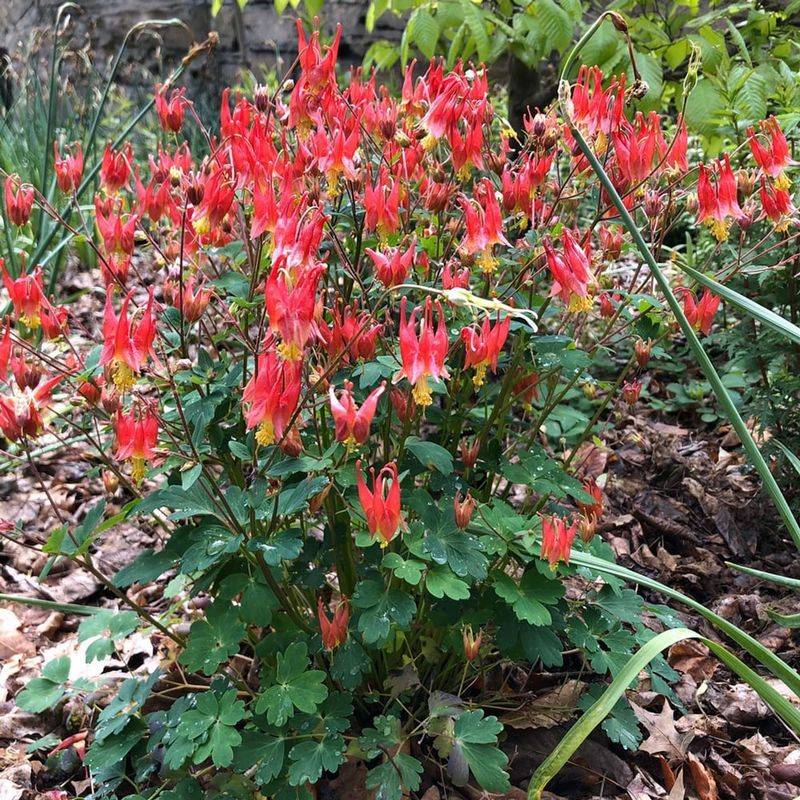
Some plants sulk the moment they lose full sun. Not this one. Western Columbine feels right at home in the dappled light beneath trees and along shady slopes.
In the wild, it grows in forests, canyons, and rocky woodland edges. Those natural spots stay cool and shaded for much of the day. Your garden’s shady corners mimic those same conditions nicely.
Because it’s used to filtered light, it doesn’t need a sunny bed to thrive. That makes it perfect for tricky areas where grass or veggies struggle. A once-bare spot can finally become useful and pretty.
Loose, rich soil with plenty of old leaves suits it best. Woodland floors are covered in decaying leaves that feed the ground. You can copy that by adding compost or leaf mulch around your plants.
Good drainage matters too, since soggy roots make it unhappy. A slightly sloped or well-draining spot keeps things just right. Rocky or gravelly soil actually works in its favor.
Once settled, it shrugs off summer heat better than many shade plants. The cool ground and leafy cover protect it during hot spells. You’ll spend less time worrying and more time enjoying it.
For gardeners with wooded lots or tree-filled yards, this native is a gift. It fills the gaps hostas leave behind while feeding wildlife. Woodland gardens really come alive with it mixed in.
4. Unlike Hostas, It Offers Nectar-Rich Blooms
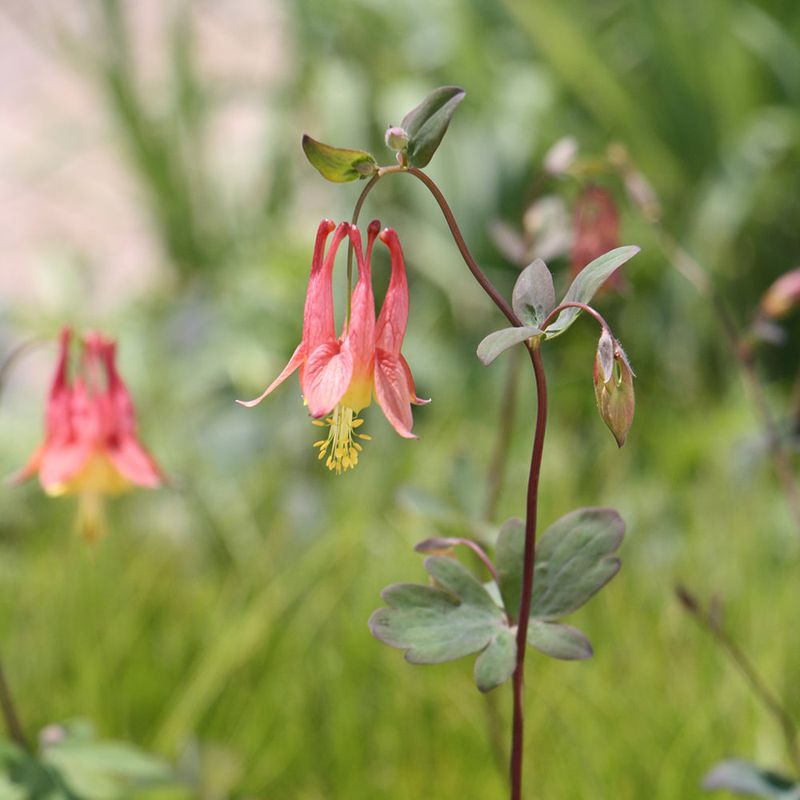
Hostas are famous for their big, leafy mounds, and that’s about it. Their flowers are small and offer little to pollinators. Western Columbine flips that story with blooms packed full of nectar.
Each columbine flower holds sweet nectar deep inside its curved spurs. That hidden reward keeps bees and hummingbirds returning again and again. It’s like a tiny snack bar built right into the plant.
Think about what your garden actually gives back to nature. Leaves alone don’t feed hungry visitors. Nectar-rich blooms turn your yard into a helping hand for local wildlife.
Bees especially benefit from these early-season flowers. Columbine blooms in spring when food can be hard to find. That timing makes it a lifesaver for busy pollinators just waking up.
You still get lovely foliage too, so you don’t have to choose. The lacy blue-green leaves look great even before the flowers open. It’s the best of both worlds in one plant.
Swapping a few hostas for columbine adds real value beyond looks. Your garden becomes part of a bigger web that supports insects and birds. Every flower plays a role in keeping nature balanced.
California gardeners who make the switch often notice more buzzing and fluttering right away. That extra activity is proof the plant is doing its job. Beauty and purpose come together in each little bloom.
5. It Works Beneath Trees And Larger Shrubs
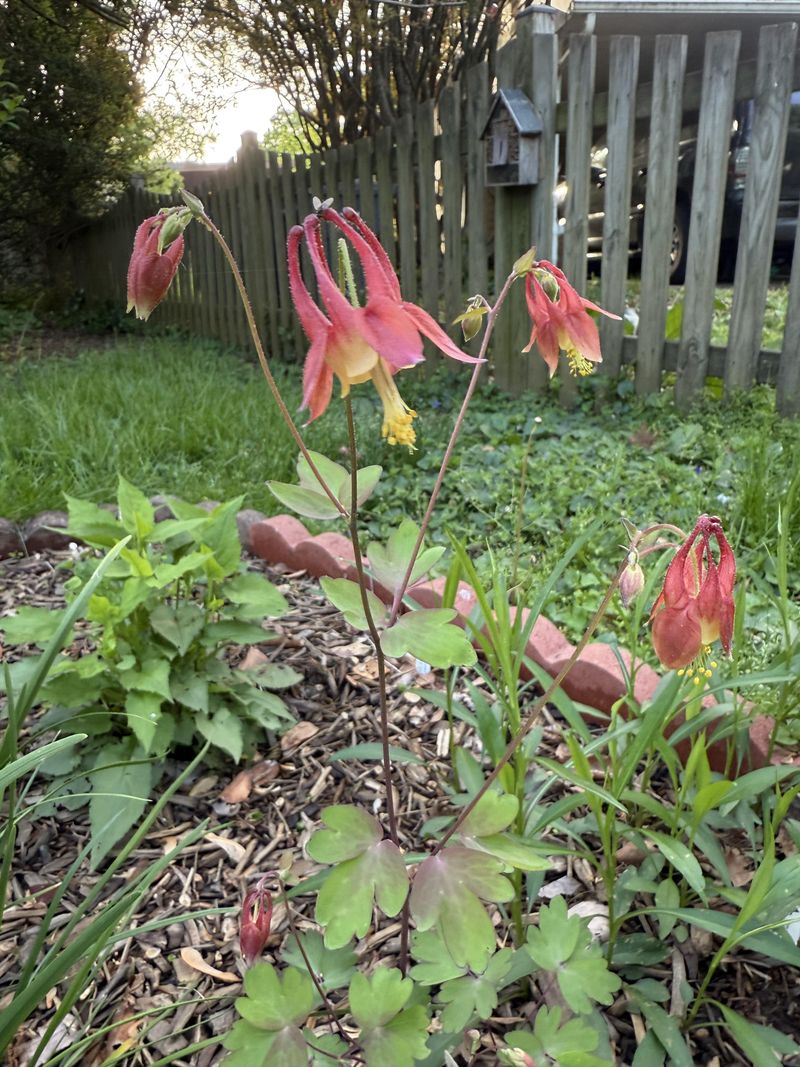
The ground under trees can be one of the hardest places to garden. Not much light gets through, and roots compete for water. Western Columbine handles that tough spot with surprising ease.
Its natural home is the forest floor, right beneath tall trees. So planting it under your oak or maple feels completely familiar to it. The shade and cool soil are exactly what it likes.
Around larger shrubs, it fills empty gaps with soft color. Bare dirt at the base of bushes suddenly looks finished and cared for. The airy foliage blends nicely without crowding bigger plants.
Because it stays fairly small, it won’t fight for space up top. It tucks in politely beneath branches and taller neighbors. That makes it a great team player in layered garden beds.
When planting near tree roots, dig gently and pick pockets of loose soil. Adding a bit of compost helps the young plant settle. Once established, it manages the competition just fine.
A helpful tip is to water a little more at first under thirsty trees. The tree roots soak up moisture quickly, so young columbine needs backup. After it roots in, it becomes far more independent.
Filling those shady under-tree zones turns wasted space into a wildlife garden. Pollinators get food where nothing else would bloom. It’s a smart way to use every corner of your yard.
6. Fall Planting Helps Roots Establish
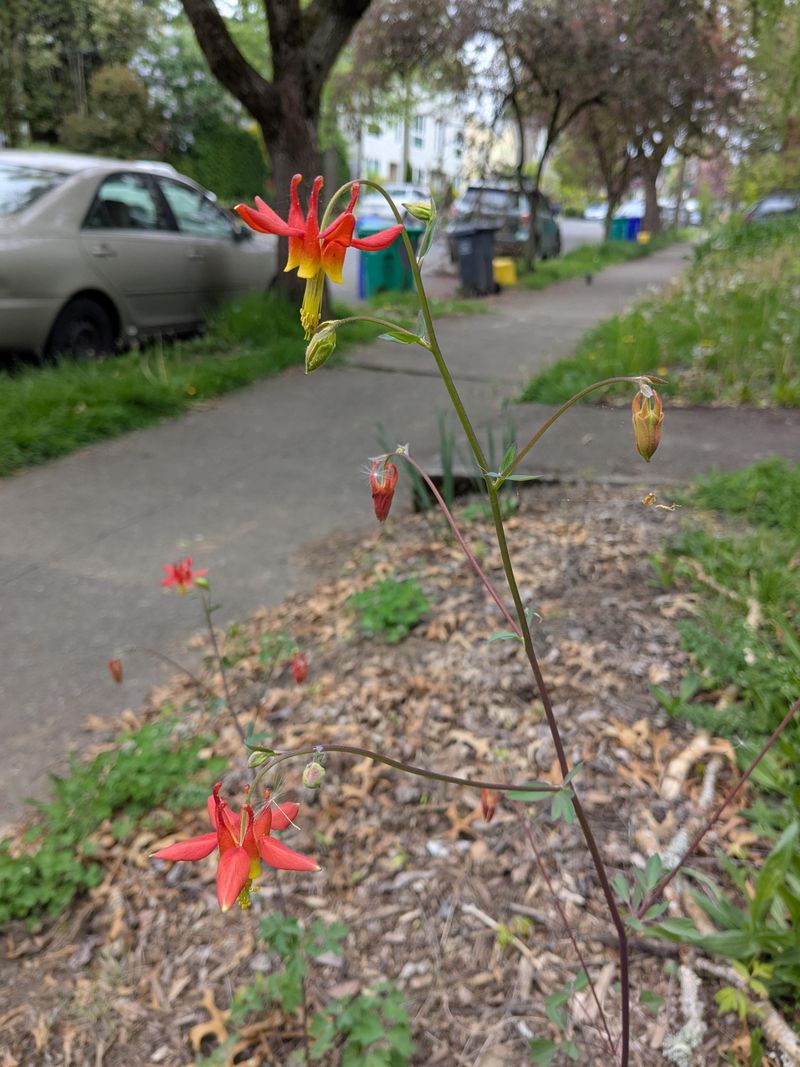
Timing makes a big difference when starting new plants. For columbine, fall is often the sweet spot. Cooler days and gentle rains give roots the perfect chance to settle in.
During autumn, the air cools but the soil stays warm for a while. That combo lets roots grow steadily without stress from summer heat. The plant focuses its energy underground where it counts.
By the time spring arrives, a fall-planted columbine is already strong. It bursts into growth and blooms while newer plants are just starting. You get a head start on all that beautiful color.
Rainy fall weather also means less watering work for you. Nature does much of the job while roots stretch out. That’s a nice break for busy gardeners.
To plant, loosen the soil and mix in some compost first. Set the plant at the same depth it was in its pot. Firm the soil gently and give it a good drink.
A layer of mulch on top holds in moisture and protects roots from cold. Leaf mulch works especially well and mimics the forest floor. It also feeds the soil as it breaks down.
Gardeners who plant in fall often see stronger, healthier plants overall. The early root growth pays off for years to come. Patience now leads to a livelier garden later.
7. Keep Soil Moist While It Settles In
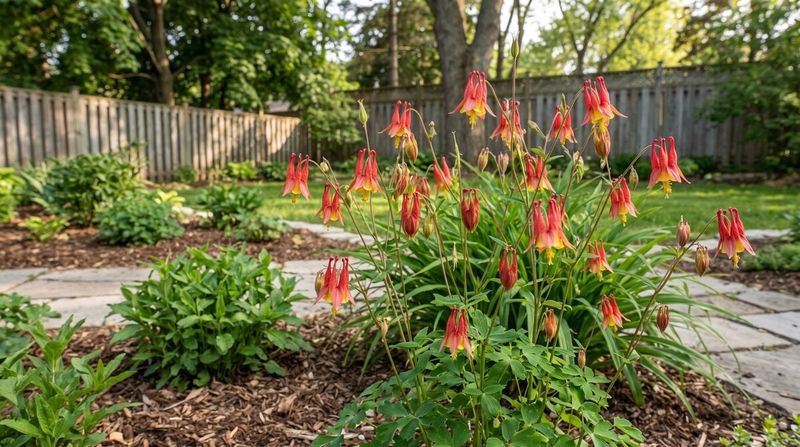
New plants need a little extra attention before they toughen up. Keeping the soil moist is the key to helping columbine settle. Steady moisture lets young roots reach out and grip the ground.
You don’t want soggy mud, though, since that harms the roots. Aim for soil that feels damp like a wrung-out sponge. Checking with your finger is the easiest way to tell.
During the first few weeks, water regularly and watch the weather. Dry, windy days pull moisture away faster than you’d expect. A quick drink keeps the plant from getting stressed.
Mulch really helps during this stage by locking in dampness. Spread a couple inches around the base, but keep it off the stems. It also keeps weeds from stealing water and space.
Once the plant looks perky and starts new growth, it’s rooting well. That’s your sign it’s beginning to handle things on its own. You can slowly ease back on the watering after that.
Established columbine becomes surprisingly tough with drier shade. It won’t need much fussing once those roots run deep. Early care sets the stage for that easygoing future.
Morning is the best time to water, giving leaves time to dry. This simple habit keeps the plant healthy and happy. A little effort up front means a thriving native for seasons ahead.
8. Leave Seed Heads For Natural Reseeding
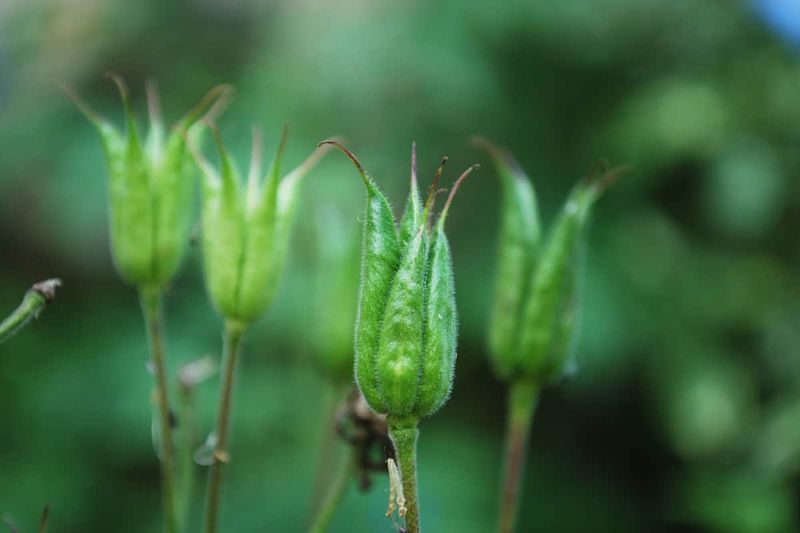
After the flowers fade, don’t rush to clean everything up. Those dried seed heads hold a hidden gift. Left alone, they let columbine plant its own babies for free.
Once blooms finish, small pods form and slowly dry out. Inside are tiny black seeds ready to scatter. When the pods open, wind and movement spread them nearby.
Come next season, you may spot little seedlings popping up around the garden. Each one is a brand-new columbine at no extra cost. Over time, your patch grows fuller and more natural-looking.
This self-seeding habit is one of the plant’s best features. You get more flowers without buying more plants. It’s a budget-friendly way to build a lush shade garden.
If you want seeds in a specific spot, you can gather a few pods. Sprinkle them where you’d like new plants to grow. Nature usually handles the rest with little help from you.
Some gardeners like to trim a few heads while leaving others to spread. That way you control the look without losing the free plants. It’s an easy balance to strike.
Birds sometimes enjoy the seeds too, adding another layer of wildlife value. Every part of the plant seems to give something back. Letting it reseed keeps the cycle of life going right in your yard.
9. Pair It With Other Native Shade Plants
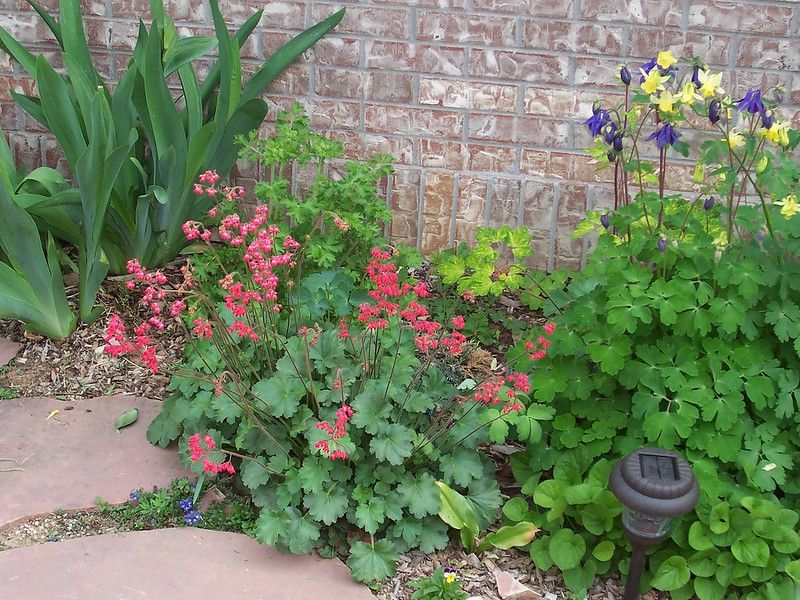
One plant is lovely, but a mix is even better. Pairing columbine with other native shade lovers creates a rich, layered look. Together they support more wildlife and fill your garden with texture.
Ferns make wonderful partners with their feathery green fronds. Their soft shapes contrast nicely with columbine’s delicate flowers. The two blend into a natural woodland feel.
Wild ginger works well too, spreading a low green carpet below. It covers bare soil and keeps moisture in for its neighbors. Layering tall and short plants makes the whole bed look full.
Coral bells add pops of color with their fancy leaves. They also draw pollinators, doubling the wildlife appeal. A team of natives feeds bees and birds all season long.
Choosing plants from your local region keeps everything low-maintenance. Natives share the same needs for shade, soil, and water. That means less work and fewer surprises for you.
Grouping them also helps the whole garden support itself. Roots hold soil in place and shade keeps things cool. The plants basically look after each other once settled.
Start with a few favorites and add more over time. Watching a native shade garden fill in is truly rewarding. Bit by bit, you build a living space that’s beautiful and good for nature.
Best of all, these combos leave hostas looking dull by comparison.