The California Compost Mistake That Attracts Possums Instead Of Breaking Down Waste
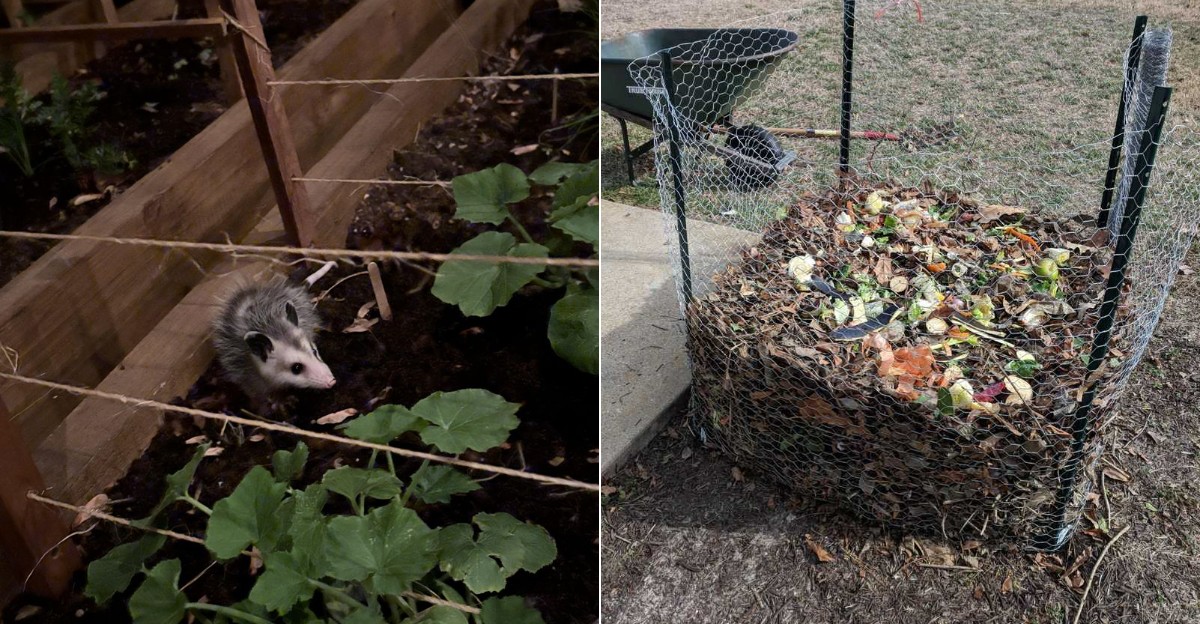
A compost pile can be one of the best tools in a California garden, turning kitchen scraps and yard waste into something valuable for your soil.
But one small mistake can change what shows up around your compost bin and create problems you never intended.
Instead of quietly breaking down into rich compost, an unbalanced pile can become an easy food source for curious wildlife.
Possums and other backyard visitors may be drawn to certain smells and materials, especially when the pile is not managed the way it needs.
You do not have to give up composting to avoid unwanted guests. A few simple adjustments can help your pile work properly while making your yard less appealing to animals looking for an easy meal.
1. Food Scraps Left On Top Attract Wildlife
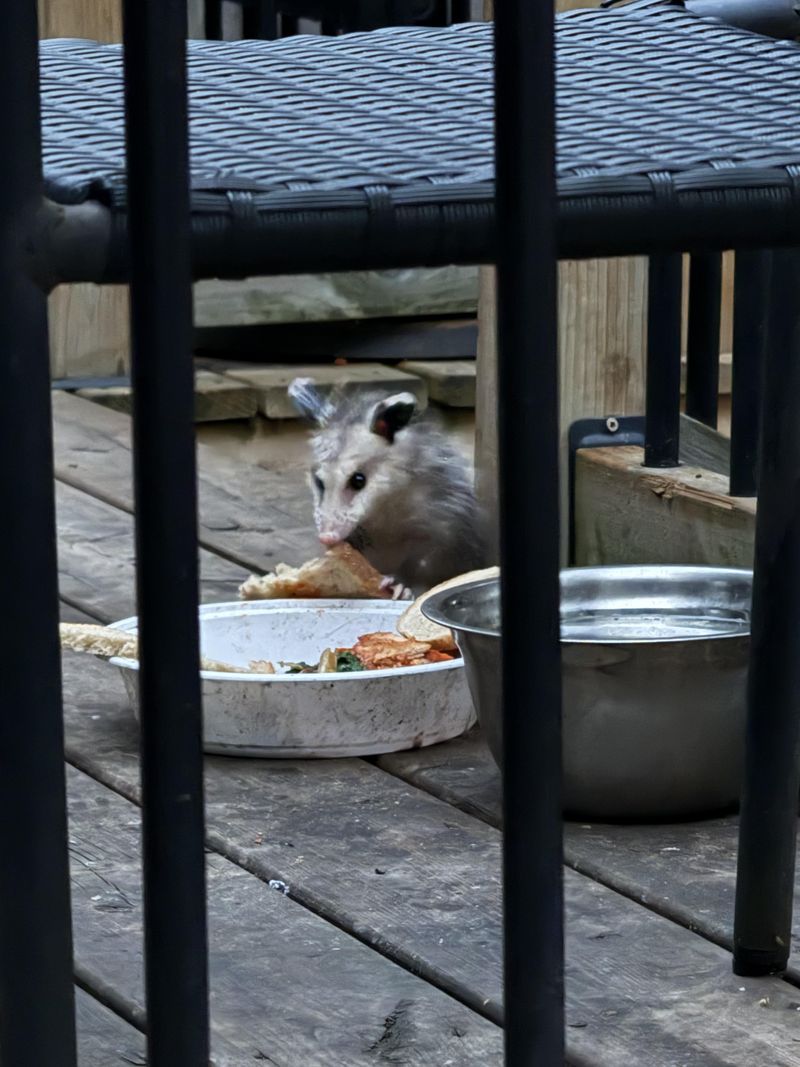
The quickest way to draw hungry animals is to dump peels and leftovers right on the surface. Fresh scraps sitting in the open give off a strong smell that carries far.
Possums have excellent noses. They can sniff out a banana peel or apple core from a good distance. Once they find an easy snack, they remember the spot and return night after night.
Leaving food exposed also slows down the whole composting process. Scraps on top dry out or rot in a smelly way instead of blending into the pile. That means less rich soil for your garden and more trouble with critters.
A better habit is to always tuck new scraps down into the center of the heap. The middle stays warmer and hides the odor that pulls animals in. This simple move keeps your pile working and your yard quieter.
Think of the surface of your compost like a plate on a table. If food is out in plain view, something will come to eat it. Covering or burying scraps takes away that invitation.
Many California gardeners fix this problem in one weekend. Once they stop leaving food on top, the nightly visitors slowly lose interest and move along elsewhere.
2. Meat And Dairy Create Bigger Problems
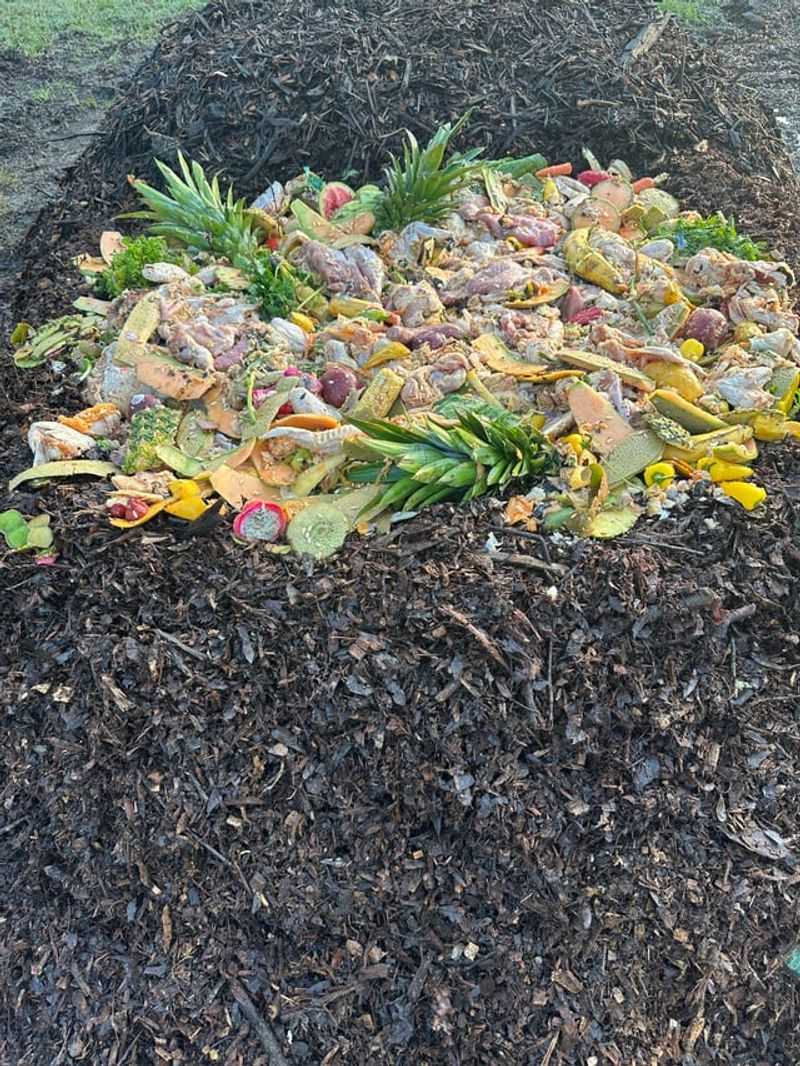
Some foods cause far more trouble than others, and meat and dairy top that list. These items smell powerful as they break down, and that scent travels straight to a possum’s nose.
Unlike vegetable peels, meat scraps and cheese rot slowly in a backyard pile. They turn greasy and sour, and they draw not just possums but also raccoons, rats, and flies.
Home compost piles usually do not get hot enough to break these foods down safely. The result is a messy, stinky heap that becomes a magnet for every hungry animal in the neighborhood.
A smart rule is to keep meat, bones, cheese, and milk out of the backyard bin entirely. Save those for your city green waste cart if your California town collects it. Many local programs handle these items in large industrial systems that reach high heat.
Stick to fruit and vegetable scraps, coffee grounds, and eggshells for your home pile. These break down cleanly and give off far less smell.
Your California Garden Changes Every Week. Your Plan Should Too.
Gardening in California changes quickly throughout the season. Every Friday you’ll receive a simple weekly plan showing exactly what to plant, prune, fertilize, harvest, and protect so you never miss the right timing.
Fun fact: rinsed eggshells are fine, but leftover egg or cheese casseroles are not. The difference is the fat and protein that animals crave.
Cutting out meat and dairy is one of the biggest wins for keeping wildlife away from your compost.
3. Open Compost Piles Invite Night Visitors
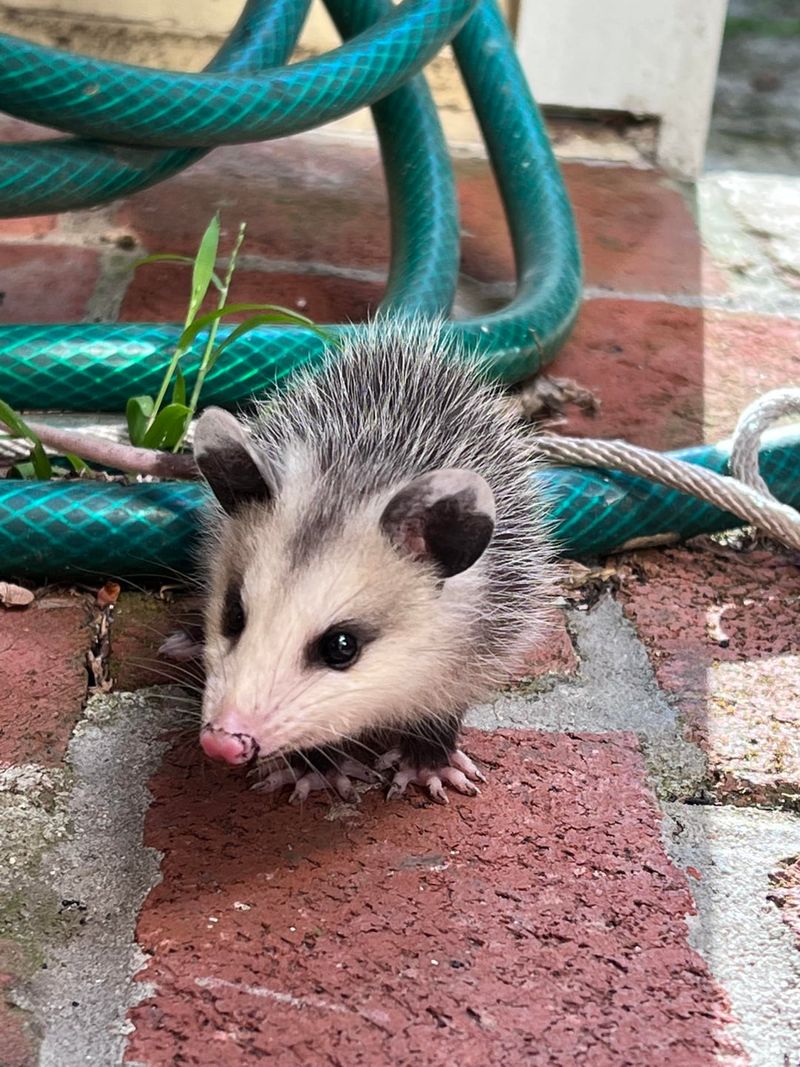
An open heap with no lid or wall is basically a welcome sign for nighttime animals. Possums do most of their roaming after dark, and an uncovered pile is easy for them to reach.
Without a barrier, there is nothing stopping a curious critter from climbing in and digging around. They scatter scraps, tip over materials, and leave a mess for you to clean up.
Enclosed bins work much better in California yards. A closed container with a secure lid keeps smells trapped inside and blocks paws from getting in. Even a simple wire mesh bottom helps stop diggers.
If you love an open pile for airflow, you can still protect it. Adding a hinged lid or a heavy tarp overnight makes a huge difference. Some gardeners frame their pile with hardware cloth to keep animals out while letting air flow.
Location matters too. Placing the bin away from fences and shrubs removes the hiding spots possums like to use as cover.
Keep in mind that possums are not aggressive. They are just looking for a quiet, easy meal. Take away the easy access, and they usually wander off to search somewhere else.
A little enclosure goes a long way toward peaceful, animal-free composting nights.
4. Bury Fresh Scraps To Reduce Odors
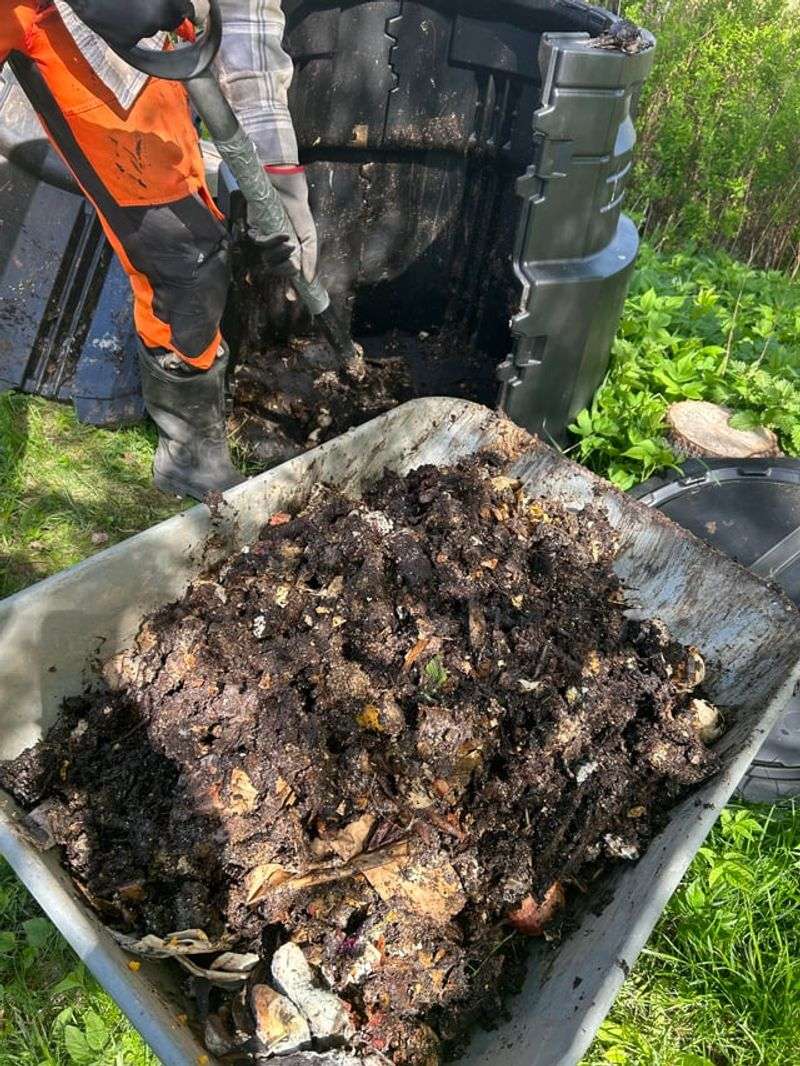
One of the easiest tricks for a calmer compost pile is burying every new addition. When you dig a little hole and drop scraps inside, the smell stays trapped under the surface.
Possums rely on scent to find food. Bury the scraps, and you cut off the signal that leads them straight to your yard. It is a small effort with a big payoff.
Grab a garden fork or trowel and push aside the top layer before adding food. Place the scraps in the middle, then cover them back up with the material you moved. The warm center also speeds up how fast they rot.
This method works especially well for smelly items like melon rinds or onion skins. Tucked deep in the pile, they break down without broadcasting their odor to the whole block.
Some California gardeners keep a dedicated spot in the bin and rotate where they bury. That way the pile stays even and no single area gets overloaded.
Burying also helps hold in moisture and heat, which are two things your microbes love. Happy microbes mean faster, cleaner composting.
Make burying a quick habit every time you empty your kitchen scrap bowl. In just seconds, you protect your pile and keep the nightly critters guessing.
5. A Balanced Pile Breaks Down Faster
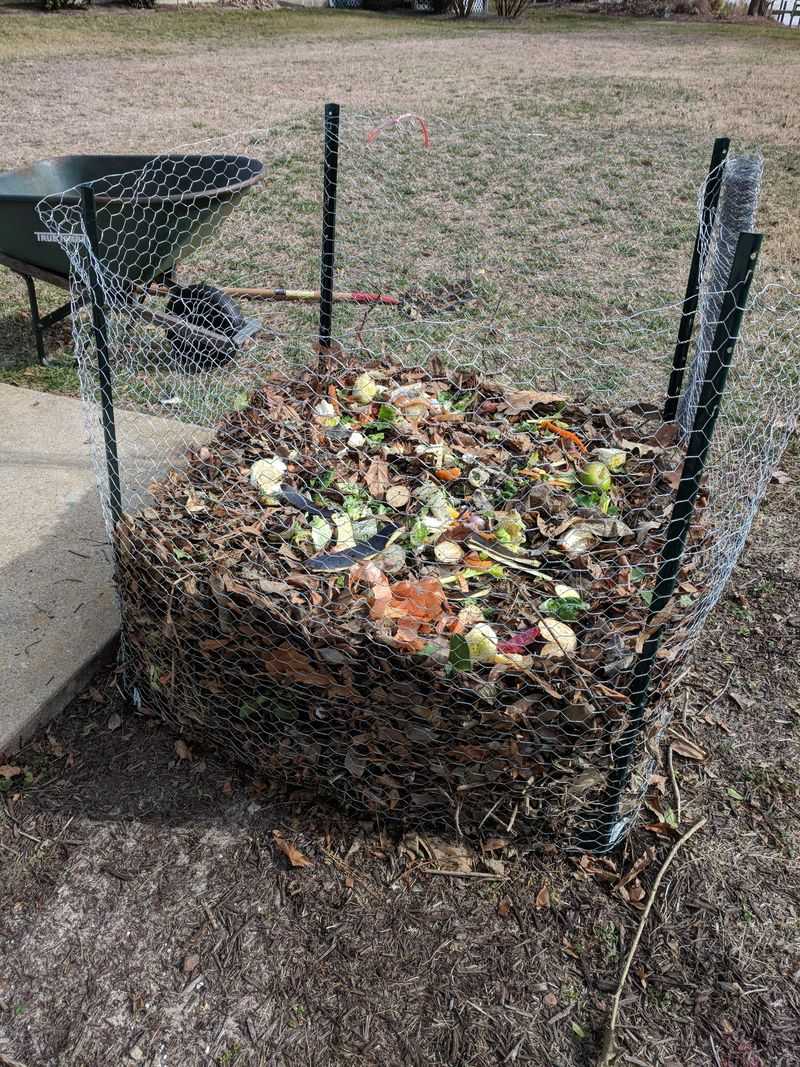
A pile that rots quickly rarely attracts animals, and balance is the secret behind speed. Good compost needs the right mix of greens and browns working together.
Greens are wet, fresh items like fruit peels, grass clippings, and coffee grounds. Browns are dry things like leaves, cardboard, and straw. Together they feed the tiny microbes that do all the breaking down.
When the mix is right, the pile heats up. That warmth speeds up decay and helps scraps vanish before they have time to smell strong or attract possums.
A common rule is to add roughly two or three parts brown for every part green. This keeps the pile from getting soggy and stinky.
Turning the heap every week or two adds air, and air keeps the good microbes active. A pile that gets stirred stays sweet-smelling and works much faster.
You can tell a balanced pile by its feel. It should be damp like a wrung-out sponge, not dripping wet or bone dry.
Here in California’s warm, dry climate, browns can pile up fast, so keep a stash of dry leaves nearby. Having them ready makes balancing simple.
When your compost breaks down quickly, there is less food sitting around to tempt hungry visitors overnight.
6. Too Much Wet Material Slows Composting
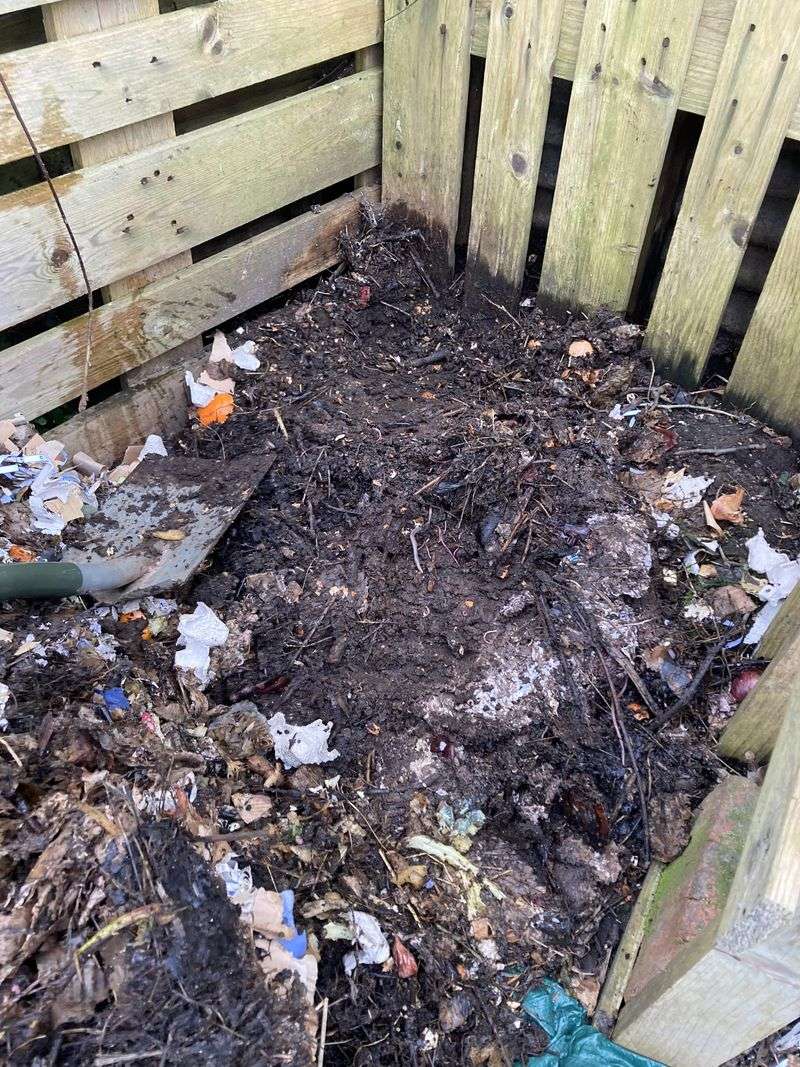
Ever notice a compost pile that turns into a slimy, smelly mess? That usually means too much wet material has piled up without enough dry stuff to balance it.
Wet greens like melon, tomatoes, and grass clippings hold lots of water. Pile them on without browns, and the heap gets soggy and starts to stink.
Soggy compost blocks air from reaching the microbes. Without air, the pile shifts to a slow, sour kind of rot that gives off a strong smell possums can find easily.
The fix is to add more dry brown material whenever the pile feels wet or heavy. Shredded cardboard, dry leaves, and straw soak up extra moisture fast.
Turning the pile also helps water escape and lets fresh air back in. A quick stir with a garden fork can revive a stinky, soggy heap in a day or two.
Watch the weather too. After rain, your pile may need extra browns to dry out and get back on track.
A good test is the squeeze check. Grab a handful and press it. If water drips out, it is too wet and needs dry material added right away.
Keeping moisture in check means faster composting and far fewer reasons for possums to come sniffing around your yard.
7. Cover New Additions With Brown Materials
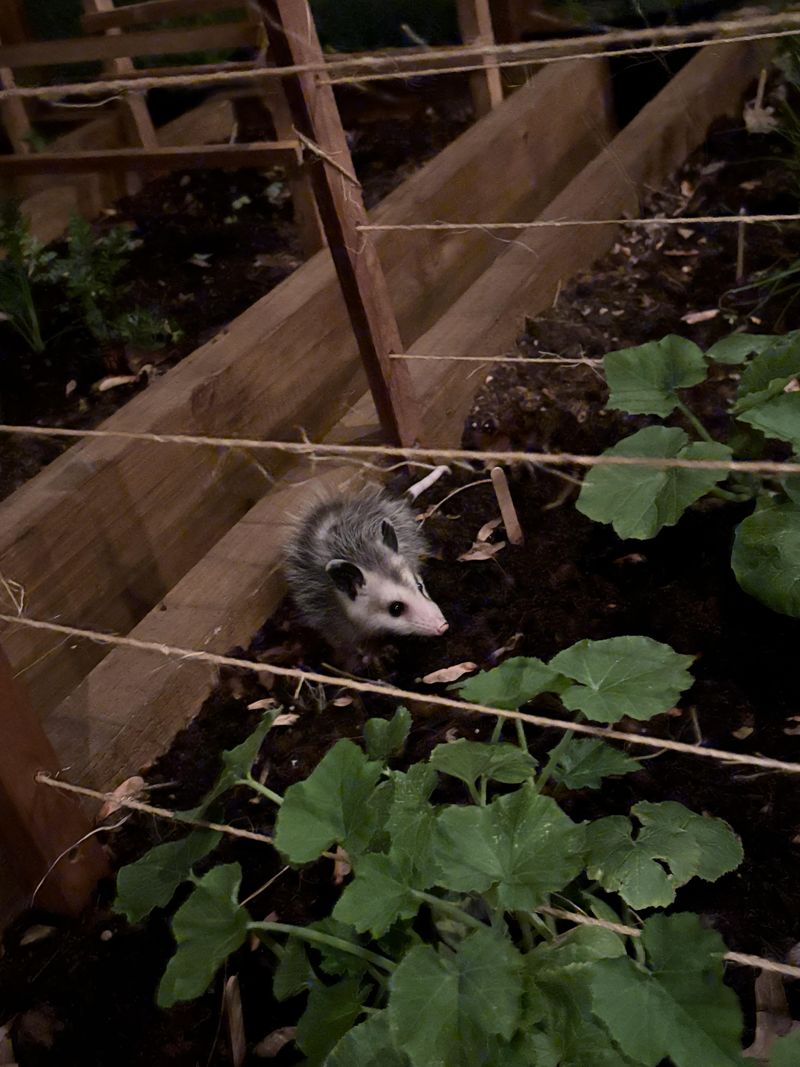
Covering every new batch of scraps with dry browns is like putting a lid on the smell. This simple layer hides food from noses and eyes alike.
Whenever you add kitchen waste, sprinkle a good handful of dry leaves, shredded paper, or straw right on top. The brown blanket locks in odors and keeps flies away too.
Browns do double duty here. They cover the food and also add the carbon your pile needs to stay balanced and break down quickly.
Keep a bin or bag of dry materials right next to your compost. Having browns within reach makes covering scraps a fast, no-fuss habit.
In fall, rake up leaves and save them in bags for the whole year. California gardeners often run short on browns during dry months, so stocking up pays off.
Shredded cardboard from delivery boxes works great too. Just remove any tape or shiny labels before tearing it into pieces.
A well-covered pile looks tidy and smells like plain earth instead of rotting food. That is exactly what you want.
Think of each brown layer as both a shield and a snack for your microbes. It protects against possums while feeding the busy little workers that turn scraps into soil.
8. Possums Follow Easy Food Sources
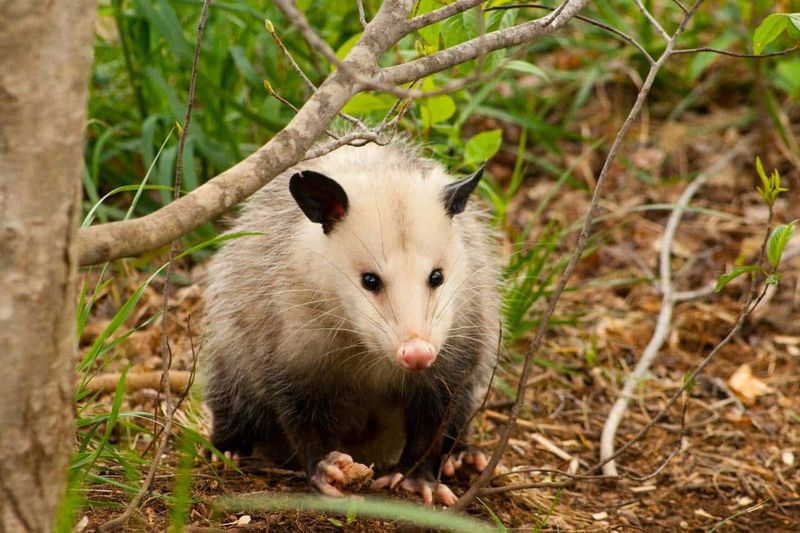
At their heart, possums are opportunists that simply follow the easiest meal available. If your compost offers a free buffet, they will keep coming back for more.
These animals are not picky eaters. They happily munch on fruit, vegetables, and anything sweet or greasy left within reach. An open, smelly pile is exactly the kind of spot they love.
The good news is that once the easy food disappears, so does their interest. Remove the reward, and possums move on to hunt somewhere else quickly.
Beyond fixing your compost, clean up other food sources too. Fallen fruit under trees, pet food left outside, and unsecured trash cans all invite the same visitors.
Interestingly, possums actually help your garden in small ways. They eat snails, slugs, ticks, and other pests you probably do not want around.
The goal is not to chase them off completely but to keep them out of your compost. Give them no reason to dig in your pile, and everyone stays happy.
Motion-activated lights or a splash of water can gently nudge them along if they get too curious. These tricks are kind and simple.
Manage the food sources, and your California compost stays a soil factory instead of a nightly diner for wildlife.