The Best Way To Make A California Garden Feel Private Without Tall Hedges
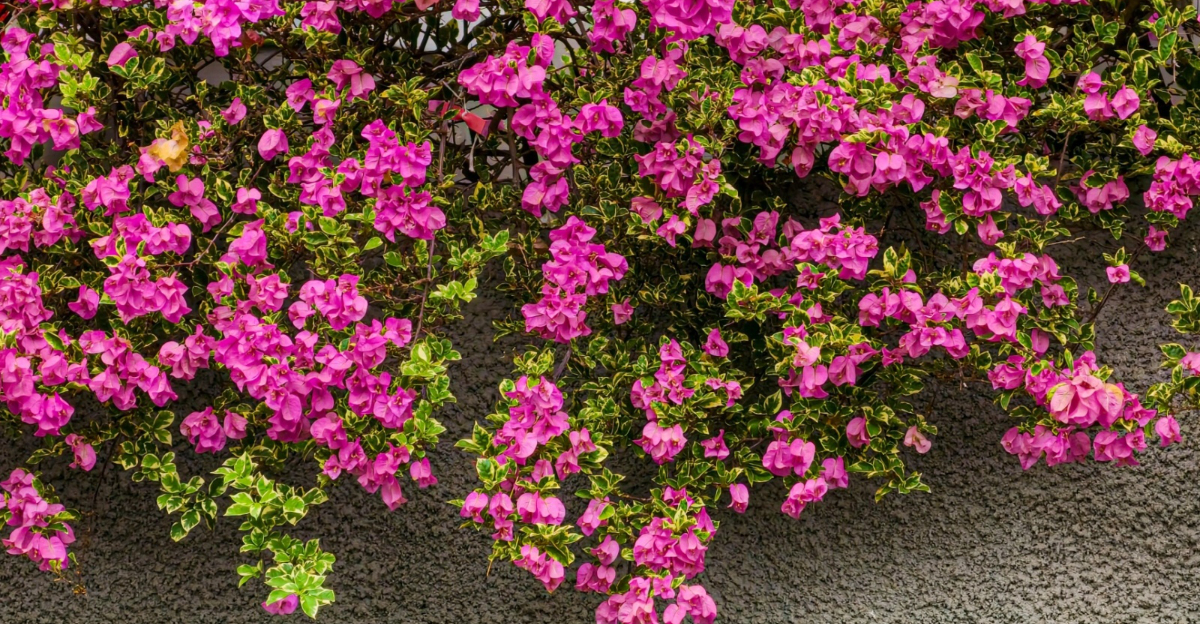
Achieving a little solitude in a California garden can feel like trying to find a quiet corner at a crowded beach.
Between the compact backyards in the Bay Area and those cozy, sun-drenched patios down south, neighbors often feel like they are practically part of your dinner party!
Most people immediately think of planting a giant wall of hedges, but let’s be real. Those thirsty green giants take forever to grow and suck up way more water than our golden state usually likes to share.
Plus, nobody actually enjoys spending their weekend wrestling with a hedge trimmer. The good news is that you can snag some much-needed seclusion without turning your yard into a fortress.
Smart, water-wise layers and creative textures can make your space feel like a private oasis while keeping that breezy, open vibe we love.
1. Use Layered Plantings To Create A Natural Screen
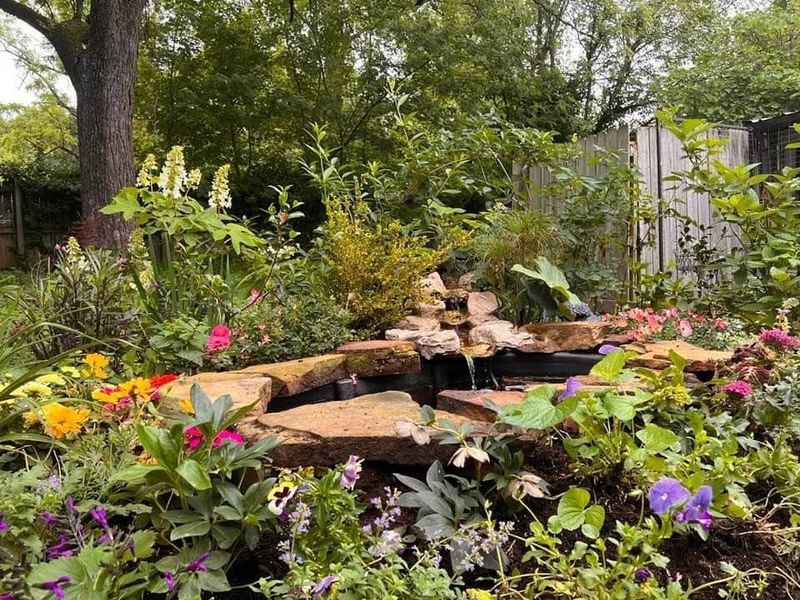
Walking into a backyard that feels tucked away without feeling boxed in is one of the best things a well-designed California garden can offer. Layered planting is one of the most reliable ways to achieve that feeling.
Instead of relying on a single row of tall plants, you build depth by placing low-growing ground covers at the front, medium shrubs in the middle, and slightly taller plants toward the back or edges.
This approach works especially well in California because it allows you to mix drought-tolerant plants at each height level, reducing your overall water use while still creating a full, lush look.
A front layer of creeping rosemary or low salvia, paired with mid-height woolly blue curls or coffeeberry, and a back row of toyon or lemonade berry can create a screen that feels natural rather than manufactured.
Layered plantings also tend to support local wildlife, attracting birds and pollinators that make the garden feel more alive. As the plants mature and fill in over one to three growing seasons, the space starts to feel genuinely private without needing a single hedge.
One thing to keep in mind is that plant spacing and sun exposure will affect how quickly the layers develop. In shadier spots, plant choices will shift, but the layering principle stays the same.
Starting with a rough sketch of your yard can help you plan which plants go where before you buy anything.
2. Choose California Native Shrubs That Double As Privacy Plants
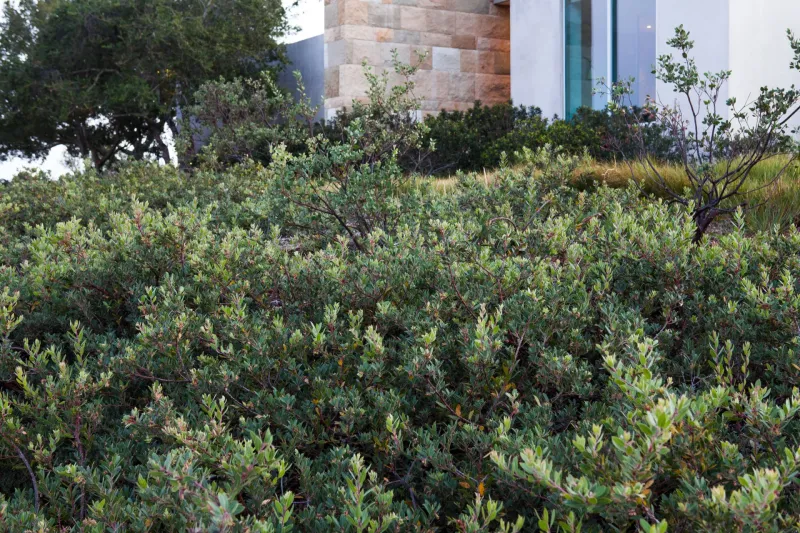
Some of the most effective privacy plants for a California yard are ones that have been growing here for thousands of years. Native shrubs tend to be well-suited to dry summers, lean soils, and the kind of irregular rainfall that most of California gets.
When chosen with privacy in mind, they can form soft, natural-looking screens that blend into the landscape rather than standing out as obvious barriers.
Toyon, also called California holly, is a sturdy native shrub that can reach six to ten feet and produces bright red berries in winter that birds love.
Coffeeberry is another solid choice, offering dark green foliage and a tidy growth habit that works well along fences or property lines.
Your California Garden Changes Every Week. Your Plan Should Too.
Gardening in California changes quickly throughout the season. Every Friday you’ll receive a simple weekly plan showing exactly what to plant, prune, fertilize, harvest, and protect so you never miss the right timing.
Lemonade berry, native to coastal Southern California, forms a dense mounding shape and handles heat and drought with ease. Each of these plants can provide meaningful screening without the constant trimming that formal hedges require.
One advantage of going native is that once established, these shrubs typically need far less irrigation than non-native alternatives. Establishment usually takes one to two years, and during that period some supplemental watering helps the roots settle in.
After that, many California native shrubs can get by on seasonal rainfall in the right region.
Matching the plant to your local climate zone and sun exposure is important, since coastal, inland, and desert California gardens can have very different conditions that affect how well a given shrub performs.
3. Train Vines On Trellises Or Fences For A Softer Look
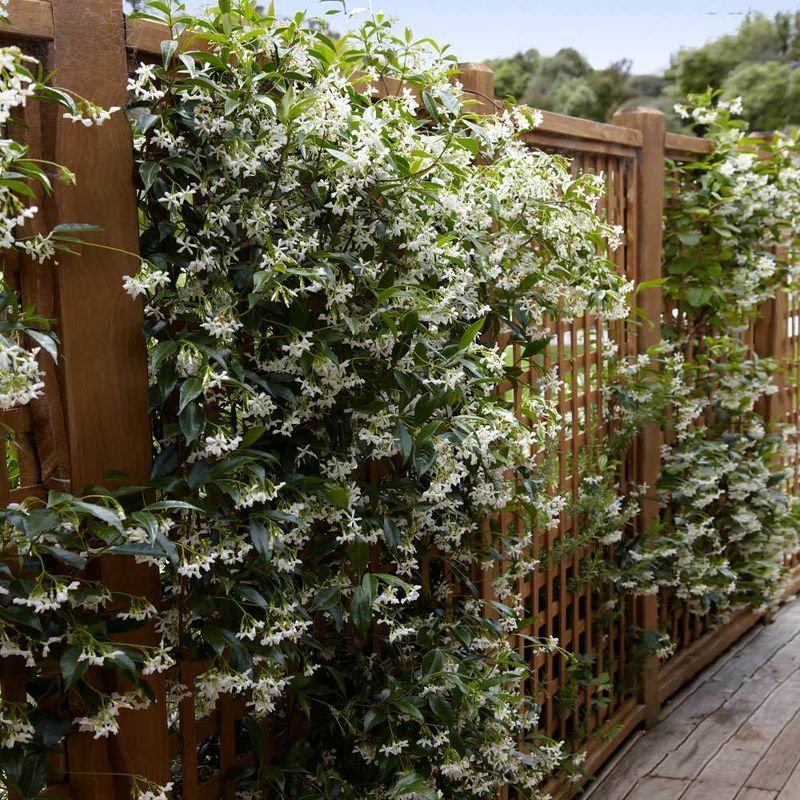
Exposed fences can make a yard feel stark and open in a way that is hard to ignore, especially on a bright California afternoon when the sun hits bare wood or metal at just the right angle.
Training vines onto a trellis or along an existing fence is one of the quickest ways to soften that look and add a layer of visual privacy without building anything new or planting large shrubs.
Vines work by filling vertical space efficiently, which makes them ideal for narrow side yards, small patios, or spots where you simply do not have room for a wide shrub.
Star jasmine is a popular choice across California because it grows steadily, produces fragrant white flowers in spring, and stays evergreen through most of the year.
Bougainvillea is another well-known option for warmer, drier parts of the state, offering bold color and a somewhat thorny growth habit that adds a natural deterrent quality to a fence line.
For a more California-native approach, California grape or island snapdragon can add texture and seasonal interest to a trellis.
Keep in mind that most vines need some guidance early on, meaning you may need to tie new growth to the trellis until it finds its own way.
Watering needs vary widely between vine species, so it helps to check the specific requirements before planting.
With the right vine and a simple trellis structure, even a plain fence can start to feel like a living garden wall within a single growing season.
4. Use Ornamental Grasses To Add Height And Movement
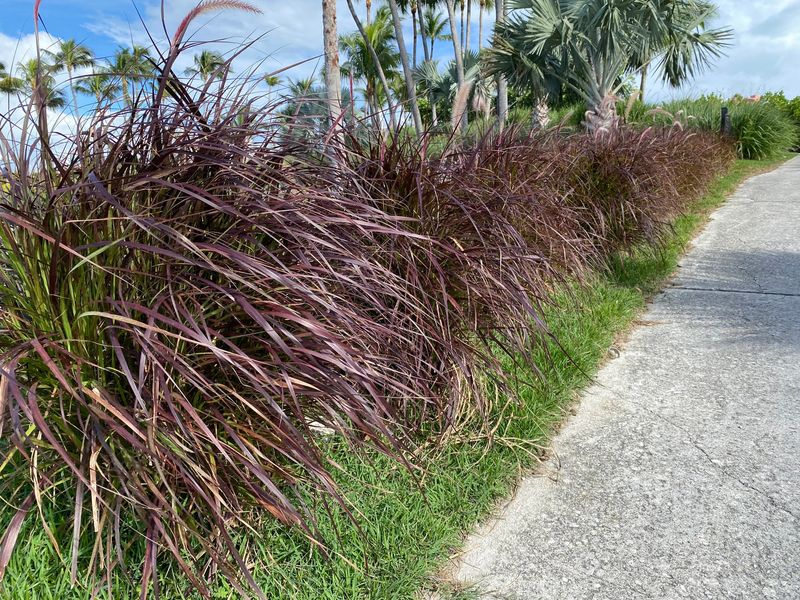
Few plants bring the same combination of height, texture, and gentle movement that ornamental grasses offer.
In a California garden, where summers are dry and water-wise choices matter, ornamental grasses can fill vertical space in a way that feels airy rather than heavy.
Planted along a patio edge or at the corner of a seating area, they create a soft visual boundary that shifts with the breeze.
Deer grass is one of the most widely recommended ornamental grasses for California landscapes. It is native to the state, handles drought well once established, and forms a rounded clump that can reach three to four feet tall.
Blue oat grass offers a striking blue-gray color and a slightly smaller profile, making it useful in tighter spaces or as a front-of-border accent.
For larger areas, giant feather grass or purple fountain grass can create more dramatic height, though purple fountain grass is considered invasive in some California counties and may not be the best choice depending on where you live.
One reason grasses work so well for privacy is that they do not create a solid wall. Instead, they filter views and define space in a way that still feels open and garden-like.
Grouped in clusters of three or five, they can mark the edge of a seating area or soften the transition between a patio and a planting bed.
Most ornamental grasses used in California appreciate good drainage and a sunny spot, and they tend to look their best when cut back once a year in late winter to encourage fresh new growth.
5. Position Container Plants Strategically To Define Boundaries
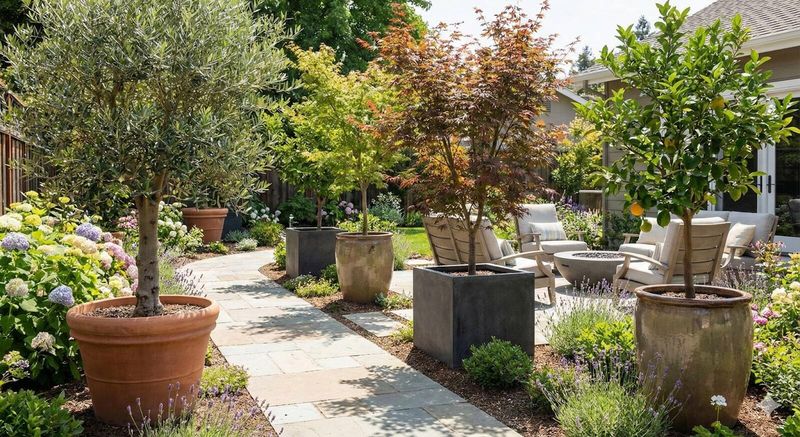
Renters, homeowners with paved patios, and anyone who wants flexibility in their garden layout can benefit from using container plants to create privacy.
Containers let you move plants around as your needs change, which makes them one of the most adaptable privacy tools available.
Positioned along the edge of a patio, grouped near a seating area, or lined up along a property boundary, large containers filled with the right plants can define space in a way that feels intentional and attractive.
In California, olive trees in large pots are a popular choice because they are drought tolerant, slow growing, and have a naturally elegant shape that suits many garden styles.
Dwarf citrus trees, rosemary trained into a standard form, or large clumping grasses in wide ceramic pots can all add height and greenery without requiring permanent planting.
The key is choosing containers large enough to support a mature plant, since undersized pots dry out quickly in the California sun and can stress the roots.
Grouping containers in clusters rather than spacing them evenly tends to look more natural and creates a better sense of enclosure.
A cluster of three pots with varying heights, for example, can screen a view much more effectively than three pots spaced ten feet apart.
One practical consideration is weight: large containers filled with soil can be very heavy, so choosing a lightweight potting mix and placing pots on rolling platforms makes repositioning easier.
Watering needs are higher for container plants than for in-ground planting, so a drip system or self-watering pot can help during hot California summers.
6. Add A Pergola Or Shade Structure To Anchor Private Seating Areas
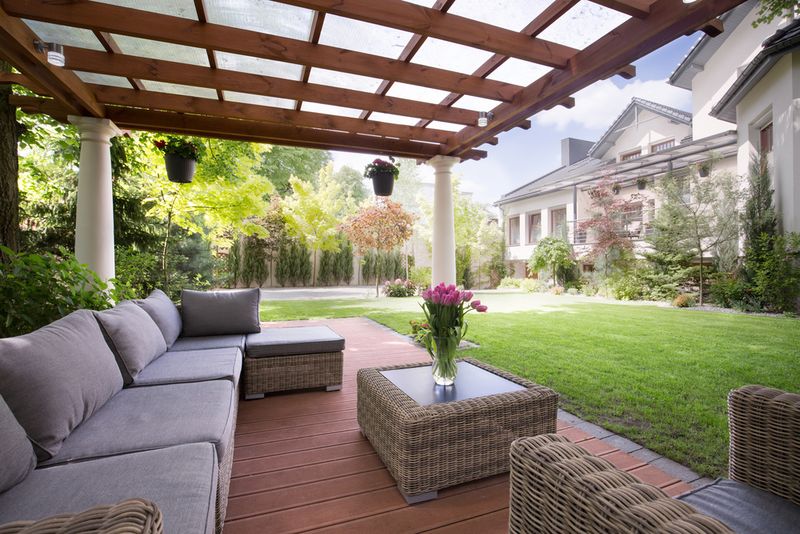
A seating area out in the open can feel exposed in a way that makes it hard to truly relax, even when the rest of the garden is beautiful.
Adding a pergola or shade structure is one of the most effective ways to create a sense of shelter and enclosure without building a solid wall or planting a hedge.
The overhead element alone changes how the space feels, giving it a room-like quality that encourages people to linger.
In California, pergolas are especially practical because they can support climbing plants that add both shade and privacy over time.
Wisteria, star jasmine, and grapevines are all popular choices for covering a pergola, though each has different water needs and growth rates.
A pergola draped in a fast-growing vine can go from bare structure to leafy retreat in two to three growing seasons, depending on the plant and the conditions.
Adding fabric panels, outdoor curtains, or reed screens to the sides of a pergola can also provide more immediate privacy while the plants fill in.
From a design standpoint, a pergola helps anchor the garden by giving the seating area a clear center. Once the structure is in place, container plants and surrounding shrubs can be arranged around it to reinforce the sense of enclosure.
Cedar, redwood, and powder-coated steel are all commonly used materials for California pergolas because they hold up reasonably well against sun exposure and the occasional wet winter.
Sizing the pergola to fit the seating area rather than the whole yard tends to make the space feel more intimate and inviting.
7. Work With Your Existing Fence By Adding Climbing Plants
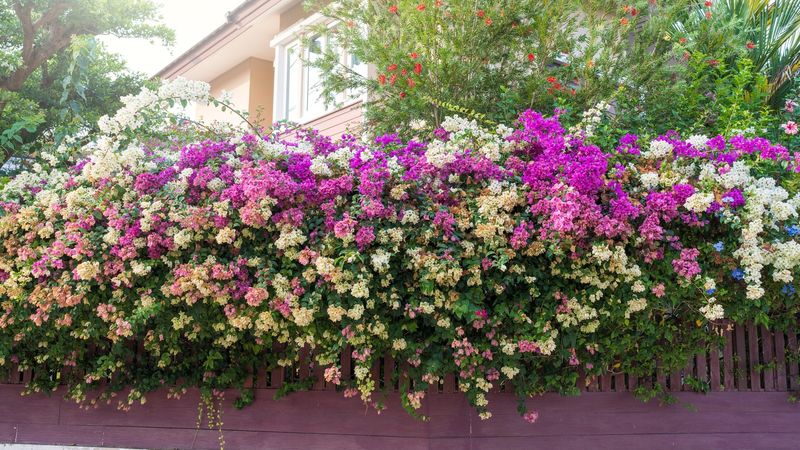
Most California yards already have some kind of fence, whether it is a standard six-foot wood panel, a concrete block wall, or a low-slung metal rail.
Rather than replacing or extending that fence, working with what is already there and adding climbing plants is often the most cost-effective and visually rewarding approach to increasing privacy.
Climbing plants soften the hard lines of a fence and add a layer of living greenery that changes with the seasons.
Star jasmine is one of the most reliable choices for California fences because it is evergreen, fragrant, and grows well in both sun and partial shade.
Creeping fig clings directly to surfaces and creates a flat, dense carpet of small leaves that looks refined and tidy on a wall or fence.
For a more colorful effect, bougainvillea works well in warmer, drier parts of California where it can grow vigorously and cover a large section of fence in just a few years.
One thing worth knowing is that some climbing plants can be aggressive over time. Creeping fig, for example, can eventually work its way into mortar or wood if left unmanaged, so occasional trimming helps keep it in bounds.
Planting climbers at the base of a fence and guiding new growth with simple ties or small hooks speeds up coverage in the early stages.
Adding a narrow raised bed or a row of large containers along the fence base can improve drainage and give climbing plants a better start, especially in yards where the soil near the fence line tends to be compacted or dry.
8. Consider Drought-Tolerant Shrubs That Suit California’s Climate
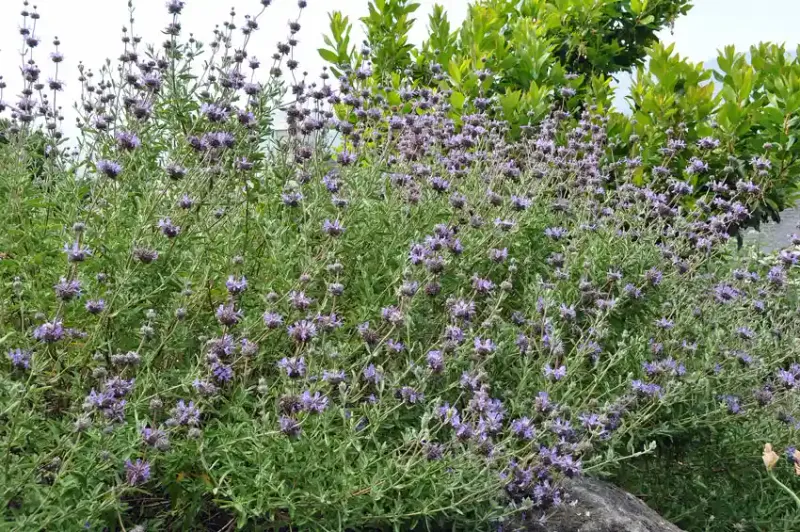
Choosing shrubs that are genuinely suited to California’s dry summers is one of the most practical decisions a homeowner can make when planning a privacy planting.
Many traditional screening shrubs come from climates with regular summer rainfall, which means they can struggle in California without consistent irrigation.
Drought-tolerant shrubs, on the other hand, are built for the conditions that most California gardens actually experience.
Lavender is a well-loved option that offers fragrance, soft texture, and a mounding shape that can reach two to four feet tall depending on the variety.
Planted in a row or grouped along a patio edge, lavender creates a gentle sensory boundary that is pleasant rather than imposing.
Cleveland sage and other native sages can grow taller, some reaching five to six feet, and their silvery or gray-green foliage adds a soft, Mediterranean quality to the garden.
Manzanita is another California standout, offering interesting branching structure, small urn-shaped flowers in late winter, and a growth habit that varies widely by species from low-growing ground cover forms to upright shrubs over six feet tall.
Matching the shrub to the specific conditions in your yard matters more than it might seem.
Coastal California gardens can support plants that would struggle in the inland heat, and shaded north-facing slopes have different needs than a south-facing slope that bakes in full sun all day.
Taking time to assess your sun exposure, soil drainage, and available water before selecting shrubs will help the planting establish more successfully and look better over the long term without requiring excessive maintenance.