7 Colonial Williamsburg Garden Techniques Virginia Yards Are Bringing Back
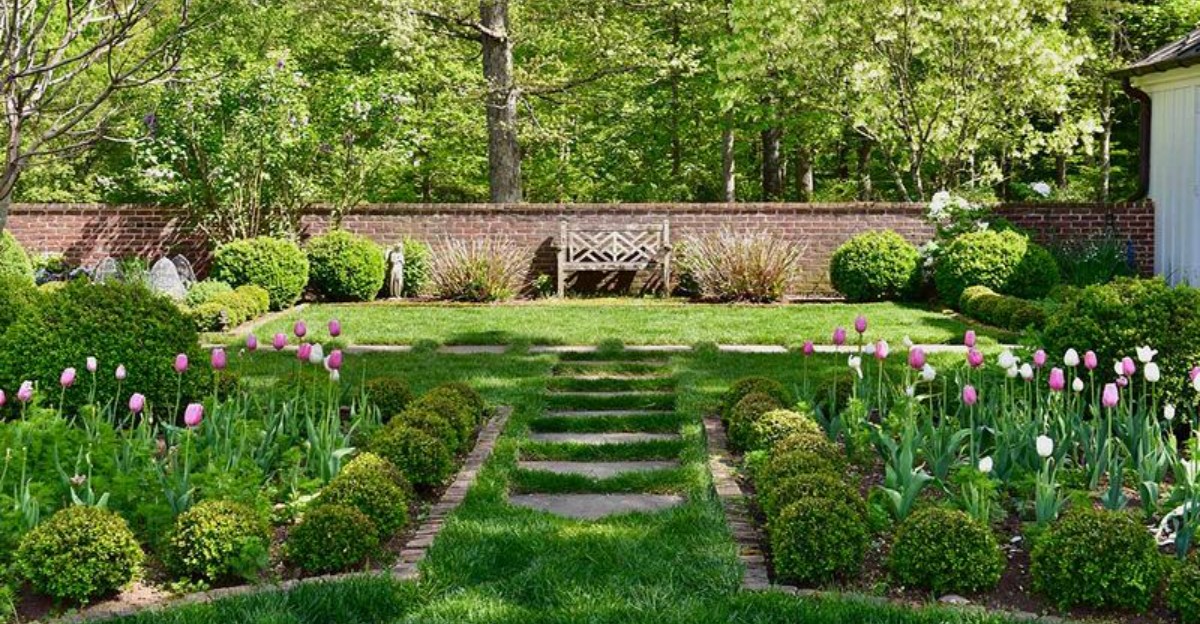
A walk through Colonial Williamsburg reveals a different kind of garden. Herbs spill over paths, vegetables fill tidy beds, and every plant has a purpose beyond looking pretty.
Those gardens were built for everyday life. They provided food, medicine, and useful plants long before modern garden centers filled shelves with quick fixes.
Many of those old ideas still make sense today. Virginia homeowners are bringing back kitchen gardens, composting, heirloom plants, and pollinator-friendly spaces because they are simple and practical.
These traditional methods lasted for generations for a reason. They fit local conditions, save resources, and bring more life into the yard.
1. Kitchen Gardens Bring Fresh Food Closer To Home
Step outside, snip a handful of lettuce, and have dinner started before the kettle whistles. That was the whole point of a colonial kitchen garden, and it is winning people over all over again.
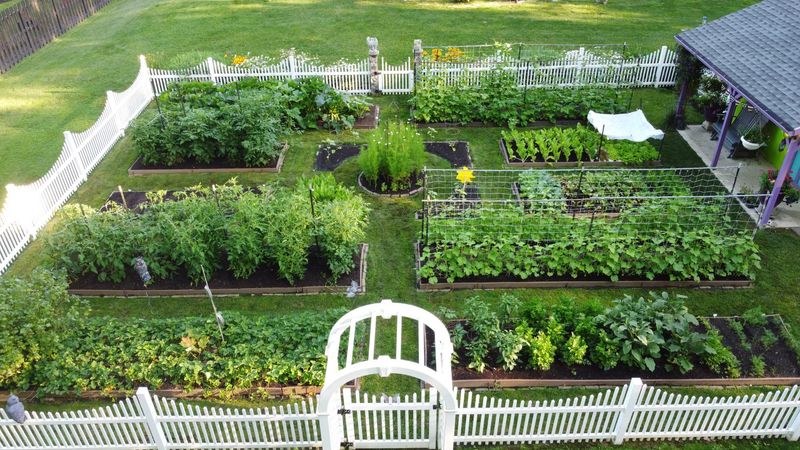
Gardeners in Colonial Williamsburg kept these plots plain and practical. Beds sat close to the back door so cooks could grab what they needed without trekking across the property.
Layouts followed tidy grid patterns, usually with raised beds framed by narrow walking paths. Some of those paths were made from crushed shells or laid brick, which kept feet dry after rainstorms.
What went into the beds might surprise you. Vegetables, fruits, herbs, and a few cheerful flowers all shared the same soil, since nobody wasted space on a garden that only looked pretty.
Modern yards are borrowing that exact thinking. Raised beds are popping up beside patios and driveways because they warm faster in spring, drain better, and keep soil from getting stomped down.
Start small if you’re new to it. Two beds, each about four feet wide, let you reach the center from either side without stepping on your plants.
Fill them with a blend of quality topsoil and compost, then plant what your household actually eats. Salad greens, bush beans, and cherry tomatoes give quick wins for beginners.
The payoff goes beyond groceries. There’s real satisfaction in serving a meal you grew twenty steps from your kitchen table.
2. Compost Piles Turn Garden Waste Into Rich Soil
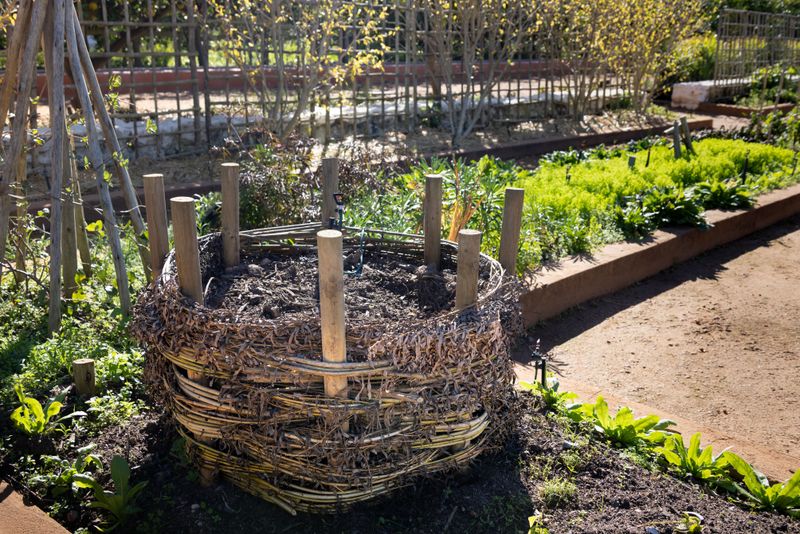
Eighteenth-century gardeners had no garden center to run to, so they made their own soil boosters from whatever the yard produced. Leaves, straw, sticks, spent vegetable plants, and even some weeds all went into the pile.
Williamsburg soil is naturally sandy loam, which drains fast and loses nutrients quickly. Colonial growers fixed that by working four to six inches of composted manure into their beds every year and before each new crop went in.
Plenty of yards face the opposite problem: heavy clay that bakes hard in July. Compost loosens clay just as effectively as it enriches sand, which is why the habit translates so well.
The modern recipe is easy to remember. Layer carbon-rich browns like dried leaves, twigs, and torn cardboard with nitrogen-rich greens like food scraps, coffee grounds, and grass clippings.
Aim for roughly three parts browns to one part greens. Too many greens turn smelly, and too many browns slow everything to a crawl.
Your Virginia Garden Changes Every Week. Your Plan Should Too.
Gardening in Virginia changes quickly throughout the season. Every Friday you’ll receive a simple weekly plan showing exactly what to plant, prune, fertilize, harvest, and protect so you never miss the right timing.
Turn the pile every couple of weeks to let air reach the middle, since the helpful microbes need oxygen to work. In a few months you’ll have dark, crumbly material that smells like a forest floor.
Spread it into vegetable beds, blend it into potting mix, or rake it over thin patches of lawn. It holds moisture, feeds plants slowly, and cuts down on store-bought fertilizer.
Short on time? Trench composting works too.
Bury scraps in a shallow ditch and let the soil handle the rest.
3. Heirloom Plants Preserve Old Virginia Flavors
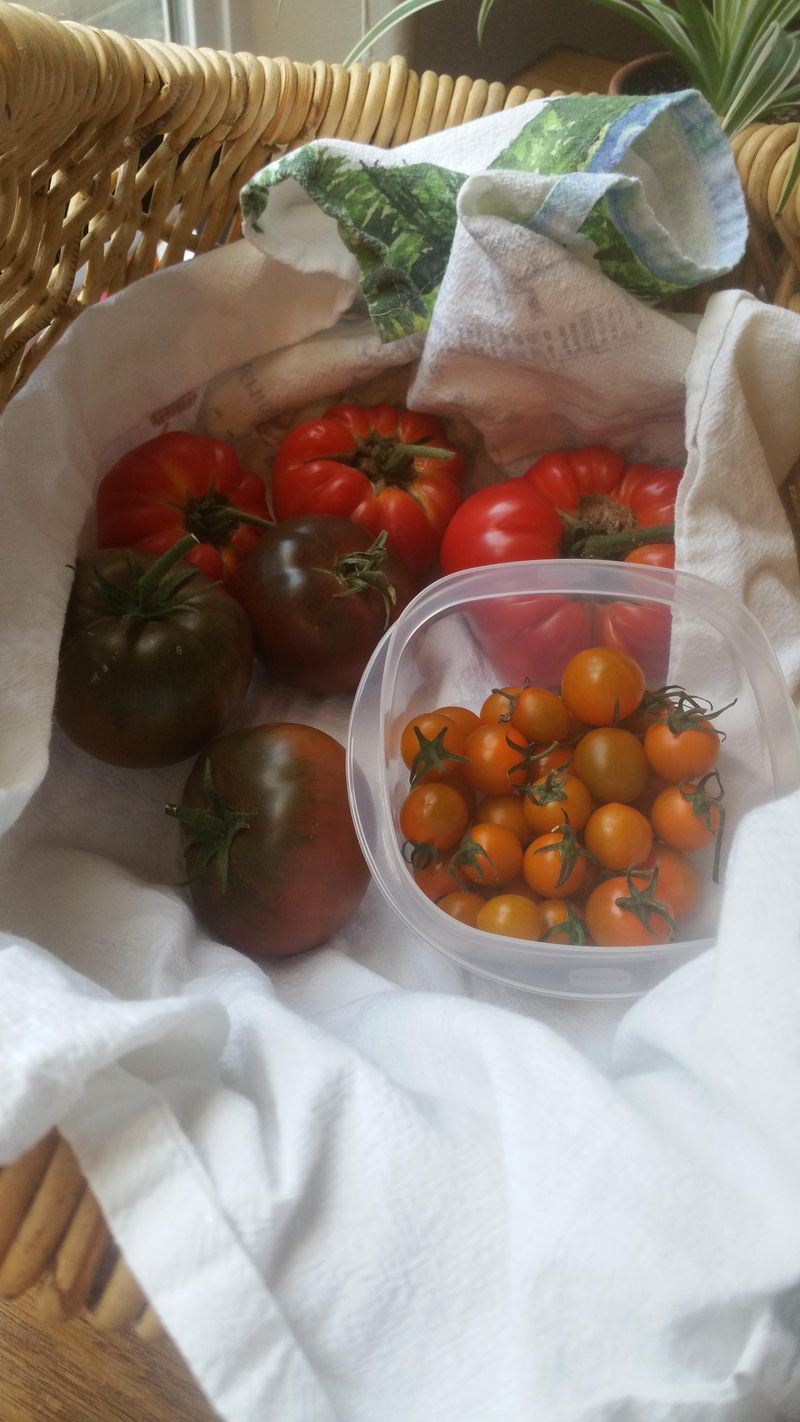
Bite into a lumpy purple tomato from an heirloom vine and you’ll understand why gardeners guard these seeds like family silver. Flavor was the whole reason our ancestors saved them.
An heirloom is an open-pollinated variety with a documented history going back at least fifty years, though many stretch far longer. Open-pollinated means bees, birds, and wind do the work, no laboratory required.
Here’s the part that makes seed saving possible. Heirloom seeds breed true, so the plants you grow next summer will match the ones you loved this summer.
The historic gardens of Colonial Williamsburg still showcase dozens of eighteenth-century varieties, many of them treasured heirlooms. Walking those beds feels like flipping through a living cookbook from three hundred years ago.
Growing them does more than fill a salad bowl. Each variety you keep going adds to the genetic diversity that helps crops adapt to changing weather and new pests.
Many heirlooms were chosen generation after generation for taste and for how well they handled local soil, humidity, and bugs. That toughness often means fewer sprays and less fuss in a backyard.
Farms scattered across the state keep their own tomato varieties going, along with beans, melons, and squash you’d struggle to find in stores. Farmers markets and local seed swaps are the easiest places to start collecting.
Compared with hybrids bred for shipping and shelf life, heirlooms offer stranger shapes, richer colors, and flavors worth remembering.
4. Companion Planting Creates Healthier Garden Beds
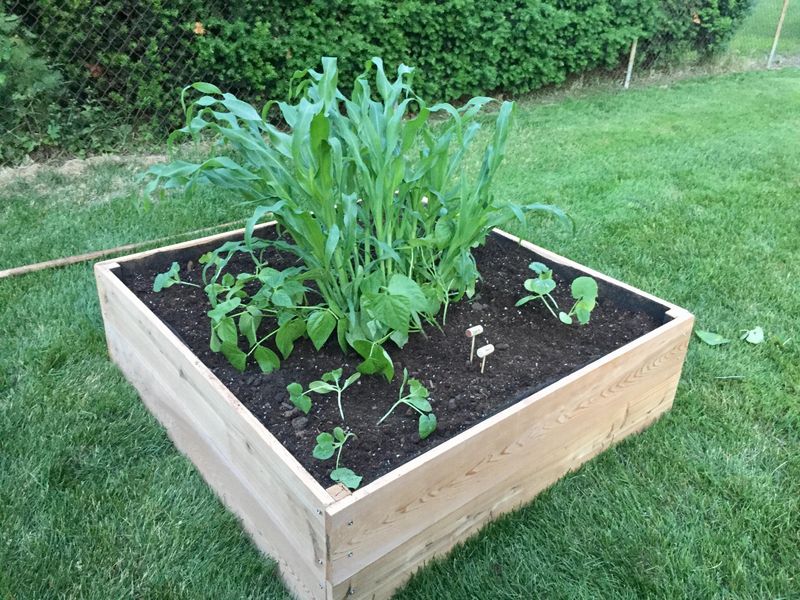
Some plants simply get along better than others, and colonial growers figured that out through plenty of trial and error. Pairing the right neighbors made beds healthier without a single bottle of chemicals.
The most famous example predates the colonies entirely. In a Three Sisters planting, corn gives beans something to climb, beans can add nitrogen to the garden system through their root nodules, and sprawling squash leaves shade out weeds while helping hold moisture.
Cottage gardens of centuries past used the same logic on a smaller scale. Herbs, flowers, and vegetables shared beds because each one contributed something useful.
Gardeners are leaning on these pairings again for very practical reasons. Legumes such as beans and peas feed the soil, while dense plantings crowd out weeds better than any mulch.
Strong-smelling plants pull their weight too. Aromatic herbs and flowers can add diversity to the garden and may help attract beneficial insects or support certain pest-management strategies.
Try tomatoes with basil and marigolds, a classic combination that adds variety to the garden and can attract beneficial insects. Onions tucked beside carrots help throw carrot flies off the trail.
Flowering companions bring in pollinators and predatory insects that handle aphids for you. Free pest control is hard to argue with.
Native companion plants work especially well in Virginia, since local beneficial insects already recognize them as home. Mix a few natives among your vegetables and watch how quickly the bed comes alive.
Keep notes each season. Your yard will teach you which combinations it prefers.
5. Herb Gardens Add Beauty And Everyday Use
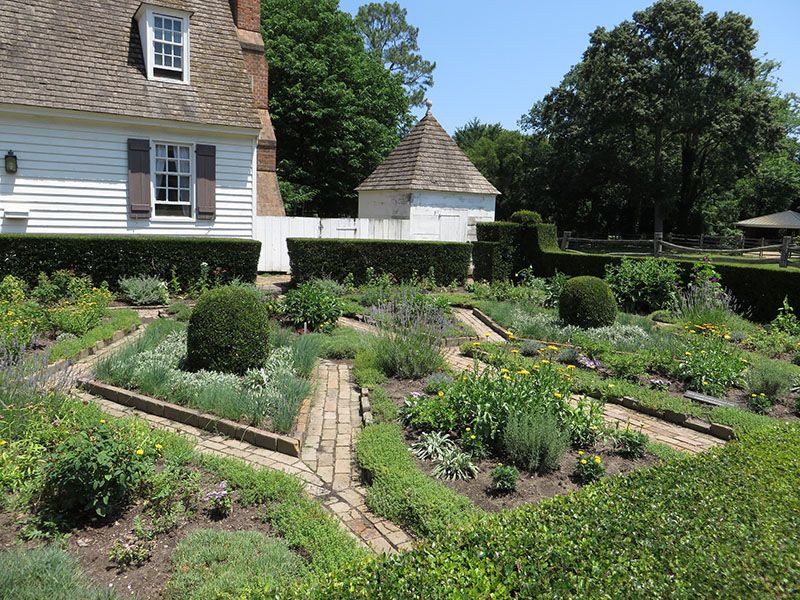
Rub a sage leaf between your fingers and you’re smelling the same thing a Williamsburg cook smelled while stuffing a chicken in 1770. Herbs were the workhorses of the colonial household.
Most herb plots sat tucked inside the kitchen garden rather than standing alone. Convenience mattered more than show.
These plants did far more than season supper. Households relied on them for home remedies, for dyeing cloth, and for keeping insects out of cupboards and linens.
Familiar names filled the beds: chives, dill, fennel, parsley, sage, rosemary, lavender, basil, and lemon balm. Fences and clipped hedges often surrounded them, partly for looks and partly to keep wandering animals out.
Gardeners today are weaving herbs into all sorts of places instead of giving them a separate corner. Flower borders, shrub beds, patio containers, and vegetable rows all make fine homes.
Rosemary deserves special mention. In warmer parts, it can behave like a hardy evergreen shrub, while colder areas may need protection or container growing.
Bees adore herb blossoms, so letting a few plants flower feeds pollinators and fills the air with fragrance. Basil, oregano, and thyme are especially popular with them.
Beginners should start with three or four herbs they actually cook with. A pot of basil by the grill and a clump of chives near the path will get used far more than a fussy collection you forget about.
6. Seasonal Planting Works With Virginia Weather
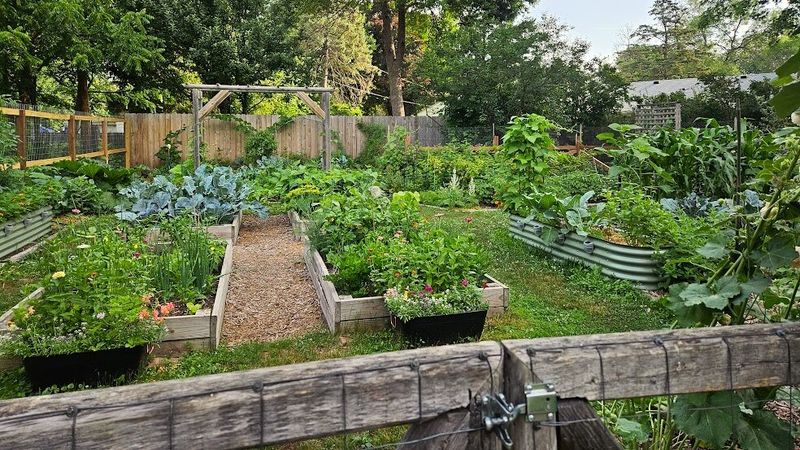
Timing beats effort in the garden, and colonial growers built their whole year around that idea. Planting schedules followed the seasons closely because a mistimed crop meant an empty pantry.
Virginia spans USDA hardiness zones 5b through 8a, which is a wide range for one state. Plants here need to handle both cold snaps and thick summer heat.
Fall is one of the best planting windows for many trees, shrubs, and perennials across much of the state. Cooler air eases stress on young plants while the soil stays warm enough for roots to spread.
Those roots keep growing underground through winter, even when the top of the plant looks like it’s napping. Come spring, fall-planted stock takes off noticeably faster.
Trees, shrubs, perennials, and groundcovers all benefit from autumn installation. So do cool-season vegetables like kale, spinach, and radishes.
Rainfall tends to be steadier in fall, which means less dragging the hose around. Spring and summer plantings usually demand far more watering attention.
Summer belongs to the heat lovers. Tomatoes, peppers, zucchini, and okra shrug off humidity, while sunflowers and zinnias keep the yard colorful.
Gardeners wanting more time on either end often add a greenhouse or simple cold frame. In western Virginia they stretch the cool-season harvest, and near the Tidewater they shelter tender plants from blazing afternoons and hungry pests.
Keep a simple calendar of your first and last frost dates. That one page will guide nearly every decision you make.
7. Pollinator Friendly Gardens Welcome More Wildlife
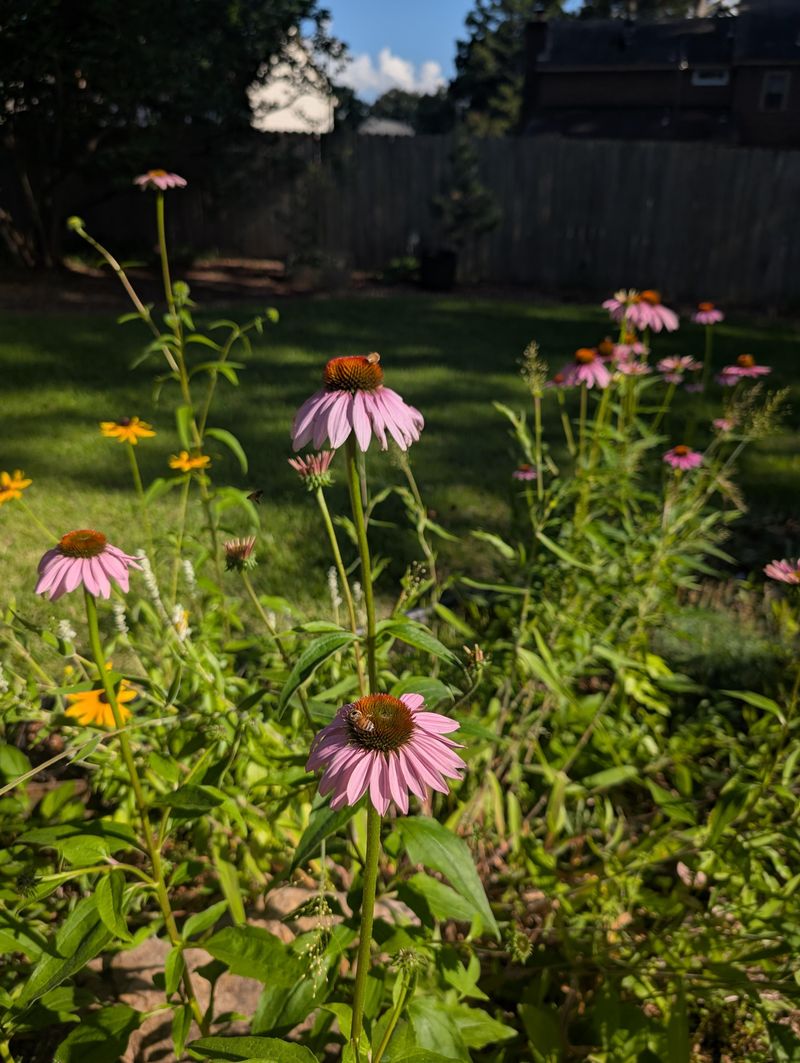
Colonial gardeners understood something modern science later confirmed: more bees meant more food. Beehives often sat right beside planting beds so pollinators had a short commute to the blossoms.
Fast forward to today and yards are rolling out the welcome mat again. Bees, butterflies, hummingbirds, and other pollinators keep crops producing and ecosystems humming.
These gardens help push back against habitat loss in a very hands-on way. Built with native plants, they also need less water and less babysitting than fussy imports.
Choosing natives is the smartest first move. Plants already suited to the state’s climate and soil settle in quickly and support the insects that evolved alongside them.
Variety matters just as much as quantity. A mix of species keeps nectar and pollen available from early spring through late fall instead of one short burst in June.
Solid choices include milkweed, which monarch caterpillars depend on, plus coneflowers, black-eyed Susans, bee balm, mountain mint, asters, and goldenrods. That lineup covers most of the growing season.
Shelter counts too. Well-designed bee houses, bundles of hollow stems, and a modest brush pile can provide nesting and shelter sites for some native bees and beneficial insects.
Set out a shallow dish of water with pebbles for landing spots, refreshed every few days. Thirsty pollinators will find it fast.
Cut back hard on pesticides, or skip them entirely. Protecting these small visitors is the single best thing a gardener can do for the whole yard.