Things Pennsylvania Gardeners Should Do Before The First Frost
The first frost in Pennsylvania arrives without much ceremony, and the gardeners it catches unprepared tend to spend the following weeks dealing with losses that a little advance attention would have prevented.
Some tasks can be postponed, shifted around, or handled when the mood strikes. The ones on this list cannot.
Before the first frost hits, certain garden tasks have a hard deadline.
Miss them and you’re either losing plants you didn’t need to lose, missing a planting window that won’t return for a full year, or starting next season with conditions that are harder to manage than they needed to be.
Pennsylvania’s first frost window varies by region, but the preparation required before it arrives is largely the same regardless of which end of the state you’re gardening in.
1. Harvest The Last Of Your Vegetables
Frost has a sneaky way of arriving overnight, and it can ruin the veggies you worked so hard to grow.
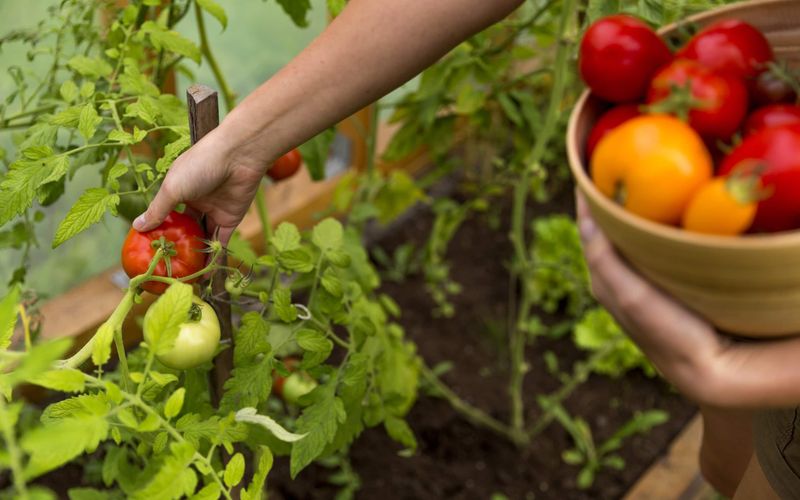
Tender crops like tomatoes, peppers, cucumbers, and squash are the most sensitive to cold. Picking them before that first freezing night keeps them fresh and useful in your kitchen.
Even green tomatoes are worth grabbing. Bring them indoors and place them on a sunny windowsill or in a paper bag with a ripe apple. They will slowly turn red over the next week or two.
Root vegetables like carrots, beets, and turnips are a bit tougher and can handle a light chill. Still, pulling most of them before a hard freeze makes storing them easier. Wipe off the dirt and keep them in a cool, dry spot.
Herbs such as basil hate the cold, so snip them early. You can dry the leaves, freeze them in ice cube trays with a little water, or make pesto to enjoy later.
Take a walk through your garden and check every plant. Beans, eggplants, and melons all need attention before temperatures dip. Missing even one plant could mean losing a big part of your harvest.
Fun fact: many Pennsylvania gardeners keep a close eye on local frost dates, which usually fall in early to mid October in the northern parts of the state. Marking that date on your calendar gives you a helpful deadline.
With a full basket of fresh produce, you will feel proud of your season and ready for the colder days ahead.
2. Cover Tender Plants To Shield Them From Cold
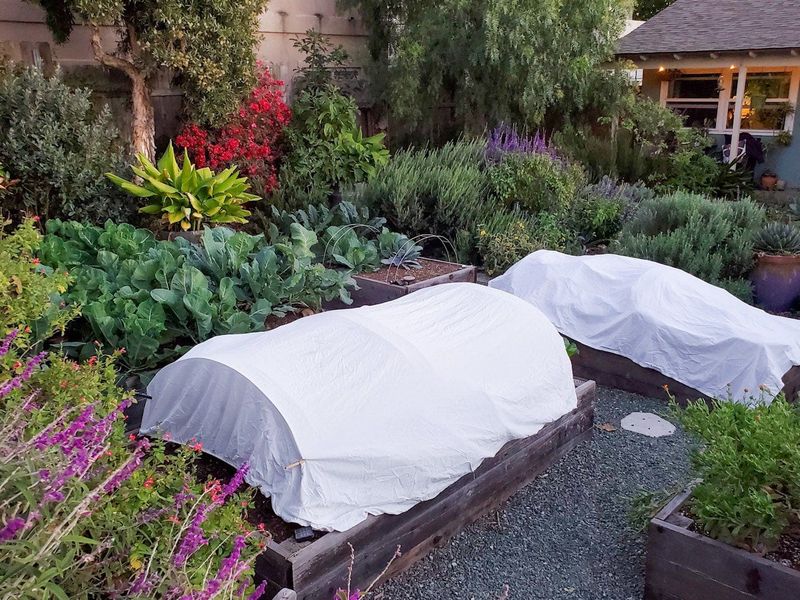
Sometimes the calendar says frost, but your plants still have more growing to do. Covering them is a simple trick that buys extra time and keeps them safe on chilly nights.
A cover traps warmth from the soil and creates a cozy pocket of air around the leaves.
Old bedsheets, blankets, and lightweight frost cloth all work well. Drape them over your plants in the late afternoon, before the temperature really drops. Make sure the cover reaches the ground so the heat stays trapped underneath.
Avoid using plastic directly on the leaves. Plastic can freeze against the plant and cause damage in the spots where it touches.
Your Pennsylvania Garden Changes Every Week. Your Plan Should Too.
Gardening in Pennsylvania changes quickly throughout the season. Every Friday you’ll receive a simple weekly plan showing exactly what to plant, prune, fertilize, harvest, and protect so you never miss the right timing.
If plastic is all you have, prop it up with stakes or tomato cages so it does not press on the foliage.
Remove the covers in the morning once the sun warms things up. Leaving them on all day can trap too much heat or block the sunlight your plants need.
Container plants are easy to protect too. Simply move them into a garage, shed, or onto a covered porch for the night. Grouping pots together also helps them share warmth.
This little routine can stretch your growing season by several weeks. Many gardeners in Pennsylvania cover and uncover their plants for a while during those early fall cold snaps, since warm days often return afterward.
Keep your covers folded and ready near the door so you can act fast. A quick evening trip outside might save the flowers and vegetables you love the most.
3. Dig Up And Store Tender Bulbs
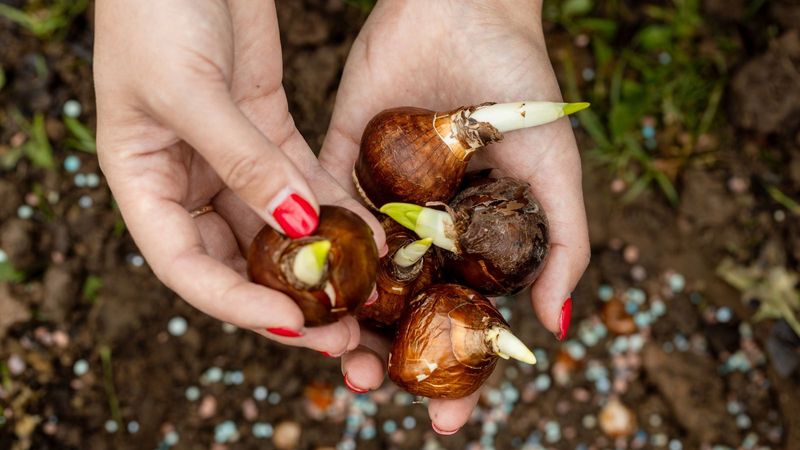
Not every flower can survive a Pennsylvania winter buried in the ground. Tender bulbs like dahlias, gladiolus, cannas, and elephant ears need to come inside before the freeze sets in. Storing them properly means you can enjoy the same beautiful blooms next year.
Wait until the first light frost nips the top leaves, then carefully dig around each plant. Use a garden fork to lift the bulbs gently so you do not slice through them. Shake off the extra soil and let them air out.
Once they are dry, brush away the remaining dirt and trim off the stems. Place the bulbs in a box or paper bag filled with peat moss, sawdust, or shredded newspaper. This keeps them from drying out completely or getting too damp.
Store your boxes in a cool, dark place like a basement or unheated closet. The ideal temperature sits around 40 to 50 degrees Fahrenheit. Check on them every few weeks to make sure none are getting soft or moldy.
Label each bag with the flower name and color so spring planting is a breeze. It is easy to forget which bulb is which after months in storage.
Here is a neat tidbit: dahlias come in thousands of varieties, from tiny buttons to dinner plate sized blooms.
Saving your favorites saves money too, since new bulbs can be pricey at the garden center. With a little care now, your storage boxes hold the promise of a bright, colorful garden waiting for warmer days.
4. Add A Thick Layer Of Mulch
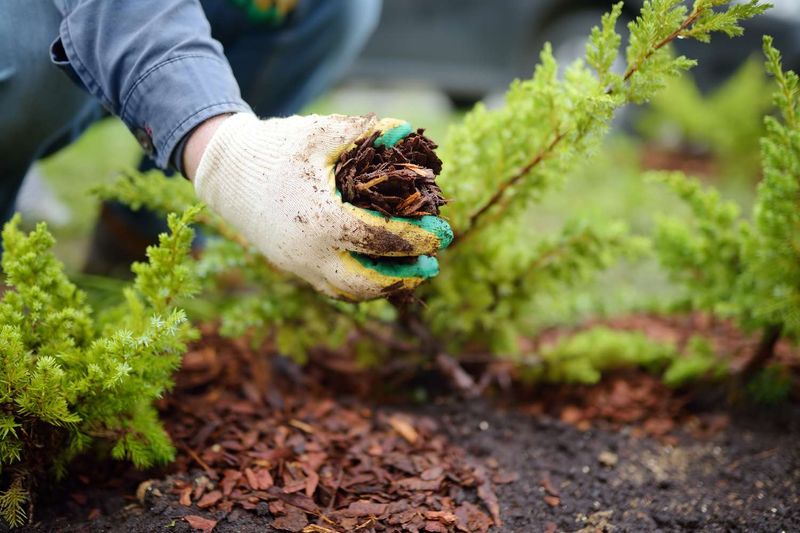
Think of mulch as a warm blanket for your garden soil. When cold weather rolls in, a thick layer protects plant roots from the freezing and thawing that can push them out of the ground.
This simple step helps perennials, shrubs, and young trees stay steady through winter.
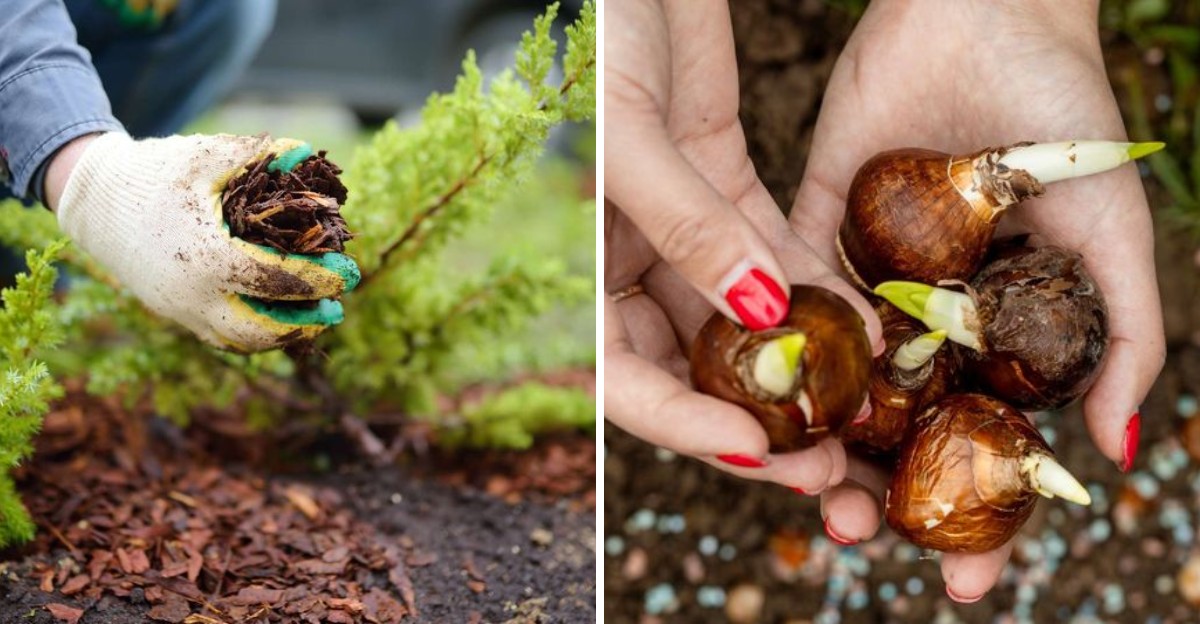
Spread mulch about two to three inches deep around your plants. Shredded leaves, wood chips, straw, and pine needles all make excellent choices. Best of all, some of these materials are free if you rake up your own fallen leaves.
Keep the mulch a few inches away from stems and tree trunks. Piling it right against the base can trap moisture and invite pests or rot. A little breathing room keeps everything healthy.
Mulch does more than guard against the cold. It also locks in moisture, blocks weeds, and slowly breaks down to feed the soil. By spring, your garden beds will be richer and easier to work with.
Fall is actually one of the best times to mulch because the ground is still warm. Adding a layer now gives roots time to settle before the deep freeze arrives.
If you have a vegetable garden, mulching empty beds keeps the soil from washing away in winter rain and snow. Come spring, you will have a nice head start.
Pennsylvania winters can swing between mild and harsh, so that protective layer really pays off.
Take an afternoon to spread mulch across your beds. Your plants will thank you when they wake up strong and ready to grow.
5. Clean And Store Your Garden Tools
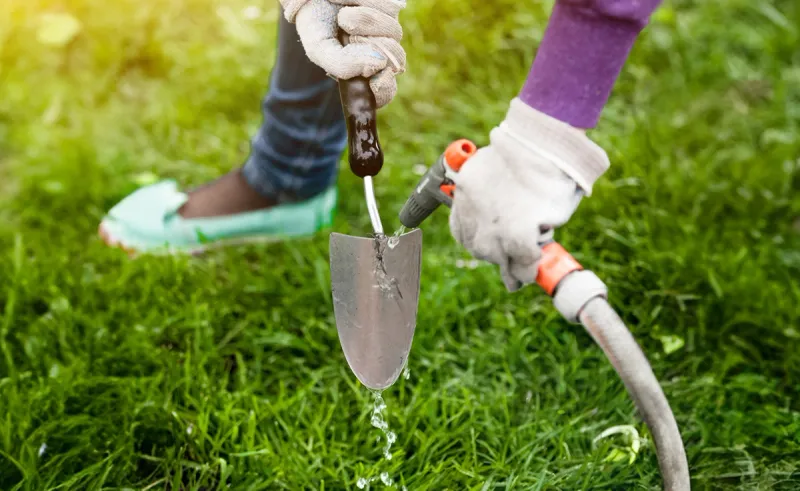
Your garden tools worked hard all season, and now they deserve a little care. Cleaning and storing them properly before winter keeps them sharp, rust free, and ready for spring. Neglected tools can corrode over the cold months and cost money to replace.
Start by wiping off all the dirt and dried plant matter. A stiff brush and some warm, soapy water do the trick for shovels, trowels, and rakes. Rinse them well and dry them completely so no moisture is left behind.
Rust loves damp metal, so a thin coat of oil helps a lot. Wipe cooking oil or machine oil over the metal parts with a rag. This creates a barrier that fights off moisture during storage.
Sharpen blades on your pruners, shears, and hoes with a file or sharpening stone. Sharp tools cut cleaner and make your work easier next season. A drop of oil on the moving joints keeps them smooth.
Wooden handles can dry out and crack, so rub them with linseed oil to keep them strong. Check for splinters or loose parts while you are at it.
Hang your tools or store them in a dry shed or garage. Keeping them off the damp floor prevents rust from creeping in.
Do not forget to drain and coil your garden hose too. Water left inside can freeze and crack the hose. Store it indoors if you can.
Taking an hour to care for your gear now means grabbing clean, ready tools the moment spring gardening calls you back outside.
6. Plant Spring Blooming Bulbs
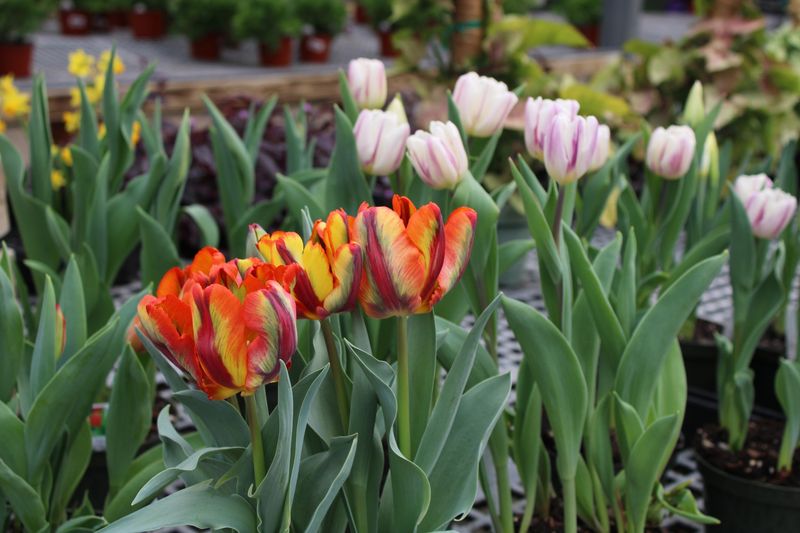
Here is a fun secret about spring flowers: you plant them in the fall. Tulips, daffodils, crocuses, and hyacinths all need the cold winter ground to rest before they burst into color. Getting them into the soil before the freeze is the key to a gorgeous spring.
Pick a spot that gets plenty of sunlight and has soil that drains well. Bulbs sitting in soggy ground can rot, so avoid low areas where water pools. Loosen the dirt so roots can spread easily.
A good rule is to plant bulbs about two to three times as deep as they are tall. Place the pointy end up and the flat root end down. Cover them with soil and give the area a good drink of water.
Mixing in some bulb food or compost gives them nutrients to build strong roots before winter. Planting in clusters instead of straight lines creates a fuller, more natural look.
Timing matters in Pennsylvania. Aim to plant about six weeks before the ground freezes solid, which usually means September through November depending on your area. This gives the roots time to get established.
Squirrels love to dig up fresh bulbs, so cover the spot with a bit of chicken wire or sprinkle some cayenne pepper to keep them away.
Did you know? Daffodils are naturally pest resistant, so critters tend to leave them alone. Once you tuck these bulbs into the ground, you can forget about them all winter.
When spring arrives, they will surprise you with cheerful, welcome color.
7. Clean Up Garden Beds And Compost Debris
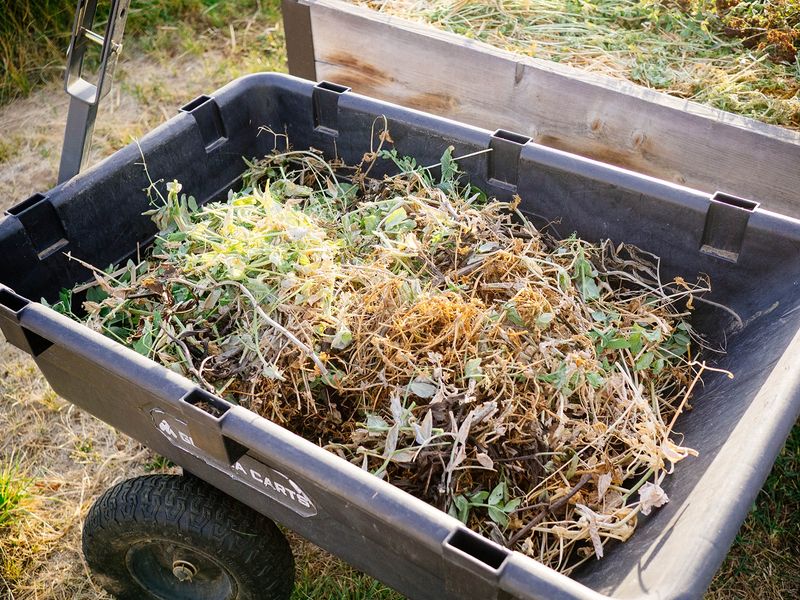
A tidy garden bed heading into winter saves you loads of trouble come spring. Old plants, fallen leaves, and rotting fruit can hide pests and plant diseases that overwinter and cause problems later. A good cleanup breaks that cycle.
Pull out spent vegetable plants and any annual flowers that have finished for the year. Clear away weeds too, since they love to drop seeds that sprout in spring. The cleaner the bed, the fewer surprises you will face next season.
Toss healthy plant scraps into your compost pile. Over the winter, they slowly turn into rich, dark soil that your garden will love. Just skip any plants that looked sick, since diseases can survive in compost and spread later.
Rake up leaves from your lawn and beds, but do not throw them all away. Shredded leaves make fantastic mulch or a great addition to the compost pile. Nature gives you free garden gold every fall.
While you work, keep an eye out for hidden pests or eggs on stems and under leaves. Removing them now stops a bigger infestation from taking hold.
Some gardeners like to leave a few seed heads standing for the birds. Coneflowers and sunflowers offer tasty snacks for finches and other feathered visitors during the cold months. A little wildness can be helpful.
Turning your compost pile one last time before winter speeds up the breakdown process. Cover it with a tarp to keep the heat in.
With your beds cleared and your compost cooking, you will step into spring feeling organized and ready to plant.