What California Roses Actually Need Once Summer Ends
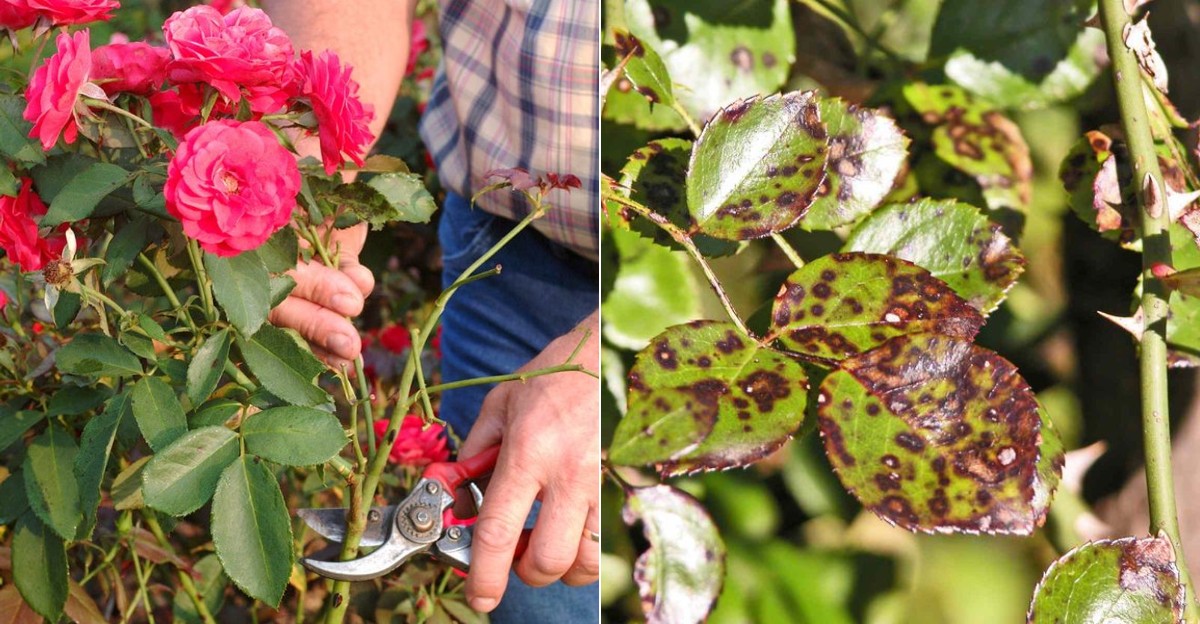
Summer heat can leave California roses looking tired, but the end of the season does not mean their needs disappear. The care you give them during this transition period can influence how well they recover and prepare for future growth.
Many gardeners focus on spring blooms and summer maintenance, then overlook what happens once temperatures begin to change. This is when roses may need a different approach with watering, pruning, and overall care.
You do not need to completely redo your rose routine as fall arrives. A few adjustments at the right time can help your plants stay healthier and set the stage for stronger growth later on.
Knowing what your roses need after summer can make a noticeable difference in how they perform.
1. Roses Need Deep Water After Hot Months
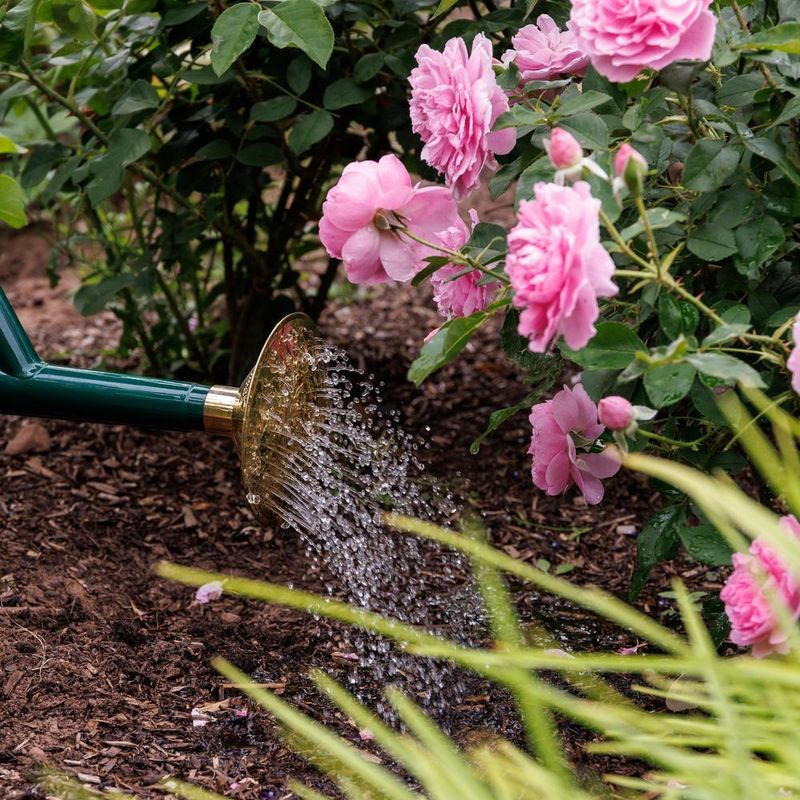
After a long, dry summer, rose roots are often thirsty deep below the surface. Quick sprinkles from a hose only wet the top layer of soil. That shallow moisture dries out fast and leaves the roots struggling.
What your roses really want is a slow, deep soak. Let water run gently at the base of each plant for several minutes. The goal is to reach down about a foot into the soil where the main roots live.
Try watering early in the morning. This gives the plant time to drink before the afternoon warmth returns. Morning watering also keeps leaves from staying wet too long, which helps prevent spots and mildew.
A soaker hose works wonders here. It drips slowly and lets moisture sink in without wasting a drop. In California, where water can be limited, this is both smart and kind to your plants.
Check the soil with your finger before you water again. If it feels dry two inches down, it is time for another deep drink. If it still feels damp, wait a day or two.
Deep watering now builds strong, healthy roots. Those roots will carry your roses through the cooler weeks ahead and set them up for a lovely fall bloom.
2. Remove Spent Blooms To Encourage New Flowers
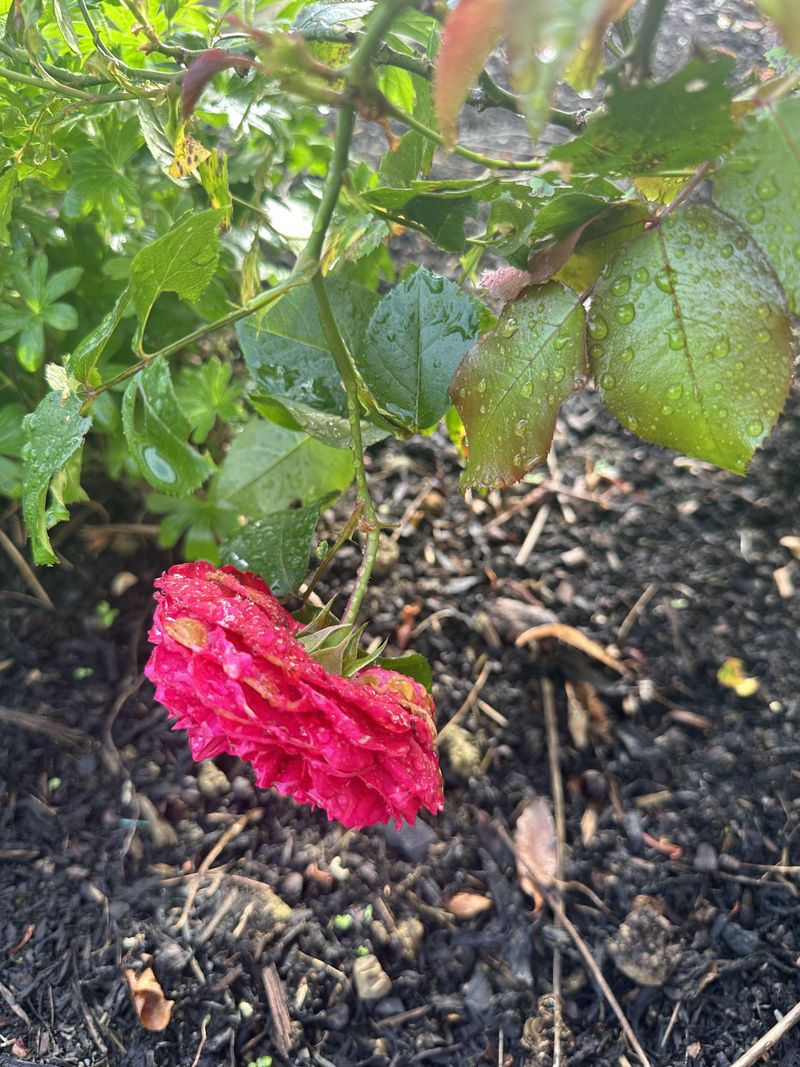
Faded flowers may look sad, but they are also a signal. When a rose finishes blooming, it starts making seeds. That takes energy away from growing fresh new buds.
Snipping off those spent blooms tells the plant to keep flowering instead. This simple task is called deadheading, and it makes a big difference in early fall.
Use clean, sharp shears for the job. Cut just above a leaf with five leaflets, since that is where strong new stems tend to grow. Angle your cut slightly so water slides off.
Do not toss the trimmings near the base of the plant. Old blooms can carry pests or spores, so bag them up and throw them away.
In California, warm fall days often let roses keep producing well into autumn. By staying on top of deadheading, you can enjoy an extra round of color before the season truly cools down.
Make it a weekly walk through your garden. Snip anything that looks brown or wilted, and gently shape the bush as you go.
Your California Garden Changes Every Week. Your Plan Should Too.
Gardening in California changes quickly throughout the season. Every Friday you’ll receive a simple weekly plan showing exactly what to plant, prune, fertilize, harvest, and protect so you never miss the right timing.
Your reward is a tidier plant and more blooms. Each cut clears the way for buds that might have never opened if the old flowers had stayed. It is a small effort with a bright payoff.
3. Check Leaves For Late-Season Problems
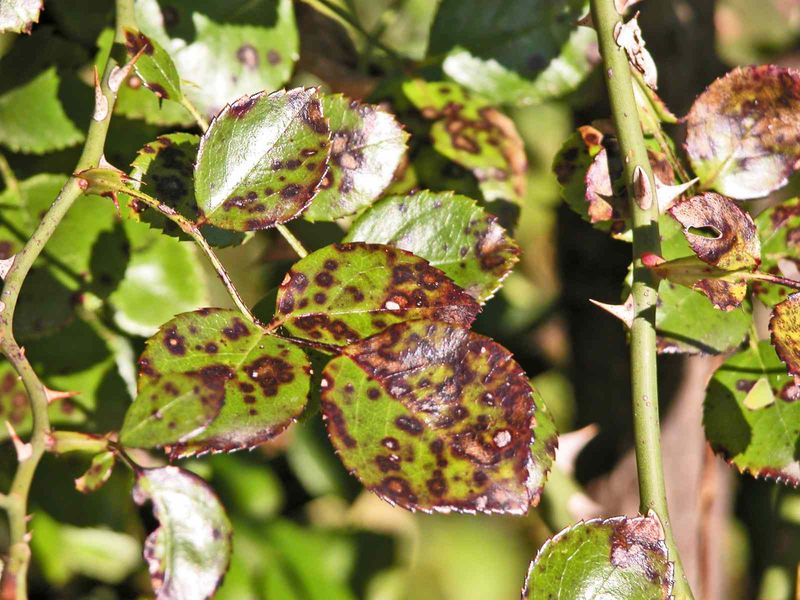
Leaves tell you a lot about how a rose is doing. After summer, they often show signs of trouble that built up during the hot, dusty weeks.
Take a close look at both the tops and undersides of the leaves. Yellow patches, black spots, or a white powdery film all point to common rose problems. Tiny bugs like aphids and spider mites love to hide underneath too.
Catching these issues early keeps them from spreading. A blast of water can knock off many pests. For stubborn ones, a gentle insecticidal soap usually does the trick.
If you spot black spots or powdery mildew, remove the affected leaves right away. Do not compost them, since the trouble can travel to healthy plants.
Good airflow helps a lot. Thin out crowded stems so breezes can move through the bush and dry the leaves after watering.
In California’s dry climate, spider mites are especially common in late summer. They thrive in heat and dust, so rinsing your plants now can really help.
Healthy leaves feed the whole plant through a process that turns sunlight into energy. Protecting them means your roses stay strong. A few minutes of checking each week keeps small problems from becoming big ones later.
4. Avoid Heavy Pruning Too Early
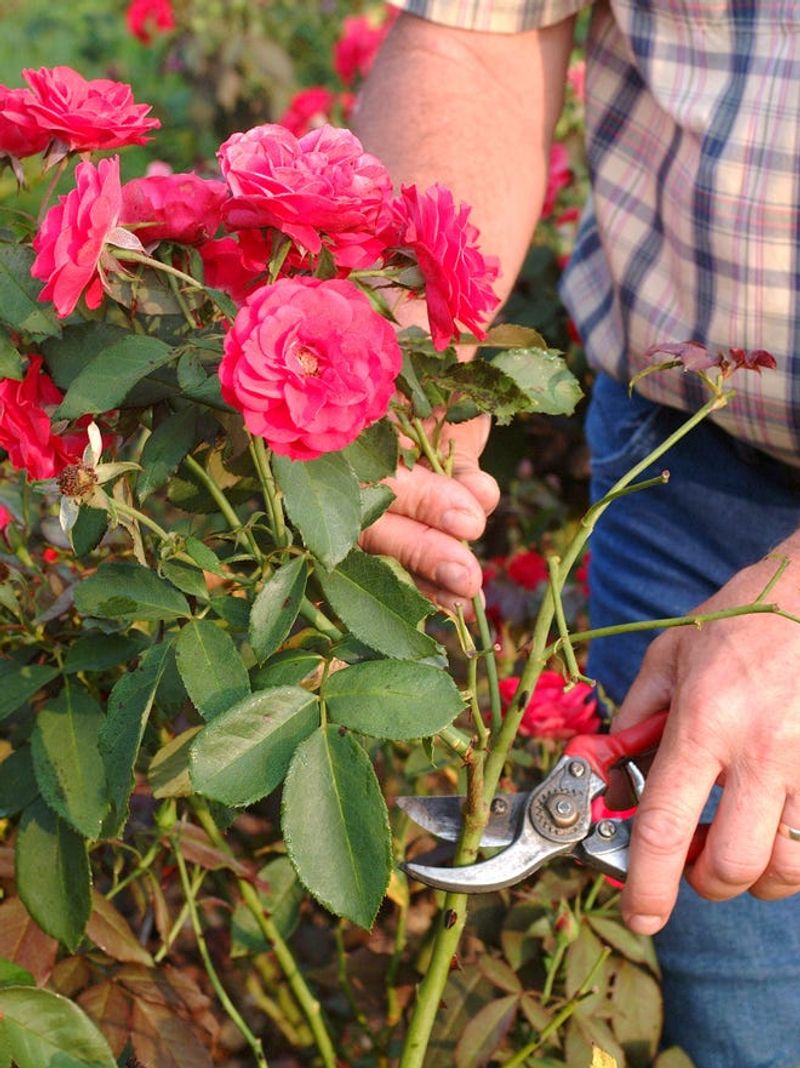
It can be tempting to grab your shears and cut everything way back once summer ends. Hold off on that big trim for now.
Heavy pruning tells a rose to grow lots of new shoots. Those tender shoots are soft and easily harmed by the first cold snap. Fresh growth in fall rarely has time to toughen up.
Instead, keep your cuts light during this season. Remove only what is clearly broken, sick, or crossing awkwardly. Save the serious shaping for late winter.
In most parts of California, the best time for major pruning is January or early February. That timing lets plants rest through the coolest weeks and burst back in spring.
Light trimming now still helps. Snip long, floppy canes just a little so wind does not whip them around and loosen the roots.
Think of fall as a settling-in period, not a makeover. The plant wants to slow down and store energy, not race to grow new branches.
By waiting, you protect the bush from wasted effort and weather damage. You also give it a stronger foundation for next year.
Patience really pays off here. A rose that is allowed to wind down naturally will reward you with fuller, healthier growth when the warm days return.
5. Refresh Mulch Around The Root Zone
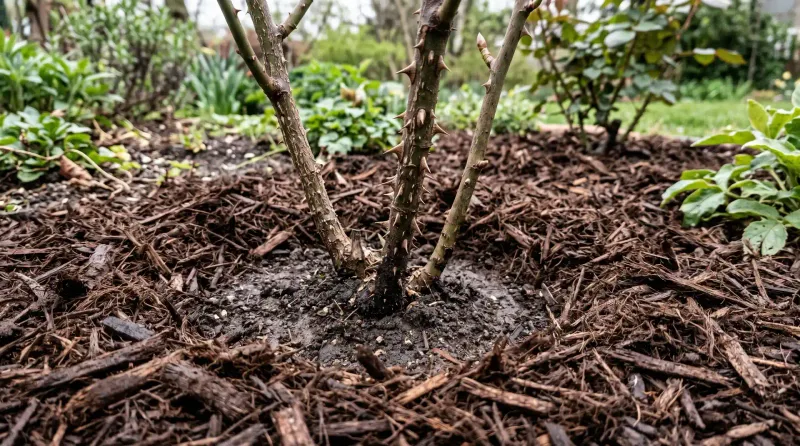
Mulch is like a cozy blanket for your rose roots. Over the summer, the old layer breaks down and gets thin, so fall is a smart time to add more.
A fresh layer helps the soil hold moisture longer. That means you water less often, which is a real bonus in California’s dry climate. It also keeps roots at a steady, comfortable temperature.
Spread about two to three inches of mulch around each plant. Bark chips, shredded leaves, or compost all work well. Choose whatever is easy for you to find.
Leave a small gap around the stem. Piling mulch right against the base can trap moisture and invite rot, so give it a few inches of breathing room.
As mulch slowly breaks down, it feeds the soil with nutrients. This quietly improves the ground your roses grow in, year after year.
Weeds also have a harder time popping up through a thick mulch layer. That saves you time pulling them and keeps your beds looking neat.
Take a few minutes to loosen the top of the old mulch before adding new material. This helps water soak through instead of running off.
A refreshed layer sets your roses up to stay hydrated and protected as the weather shifts toward cooler days.
6. Fall Feeding Can Support New Growth
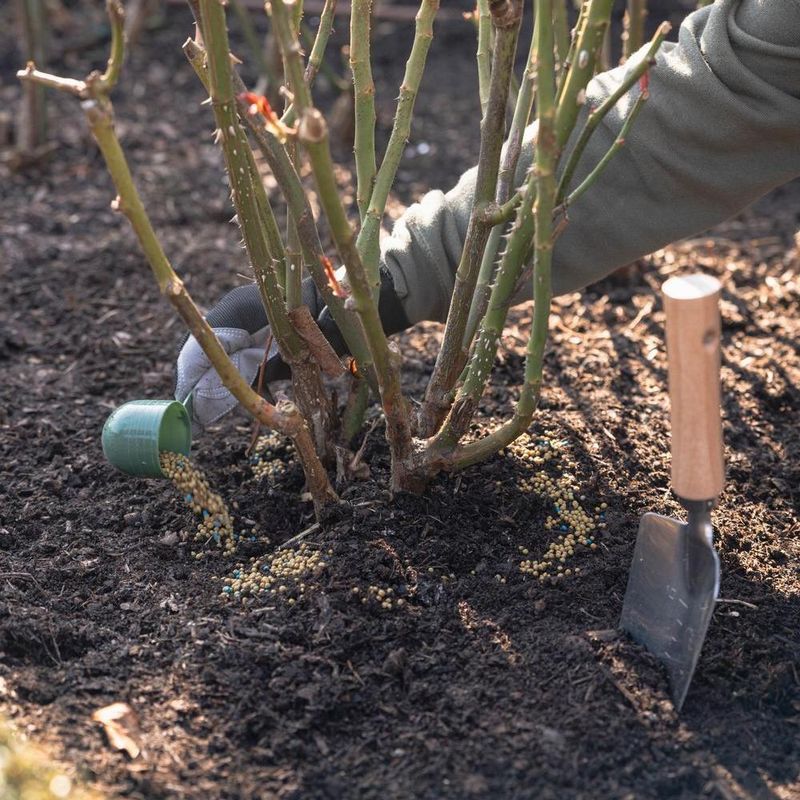
Roses work hard all summer, and by fall they can be running low on nutrients. A light feeding helps them stay green and keep blooming a bit longer.
Reach for a balanced, gentle fertilizer rather than a strong one. Too much food this late can push out soft growth that struggles when it turns cold.
Look for something with a bit of potassium. That nutrient helps plants build strength and prepare for cooler weather instead of rushing to grow tall.
Sprinkle the fertilizer around the base, following the directions on the package. Then water it in well so the nutrients reach the roots.
Timing matters here. In much of California, an early fall feeding is fine, but stop feeding about six weeks before your first expected chill. This lets plants slow down naturally.
Compost is another wonderful option. A thin layer worked gently into the topsoil adds slow, steady nourishment without any risk of overdoing it.
Watch how your roses respond. Perked-up leaves and fresh buds are signs the feeding is working its magic.
Avoid feeding a plant that looks stressed or extremely dry. Give it a deep drink first, then feed a day or two later.
A little nourishment now helps your roses finish the season strong and store energy for a beautiful comeback next spring.
7. Clean Up Fallen Leaves Around Plants
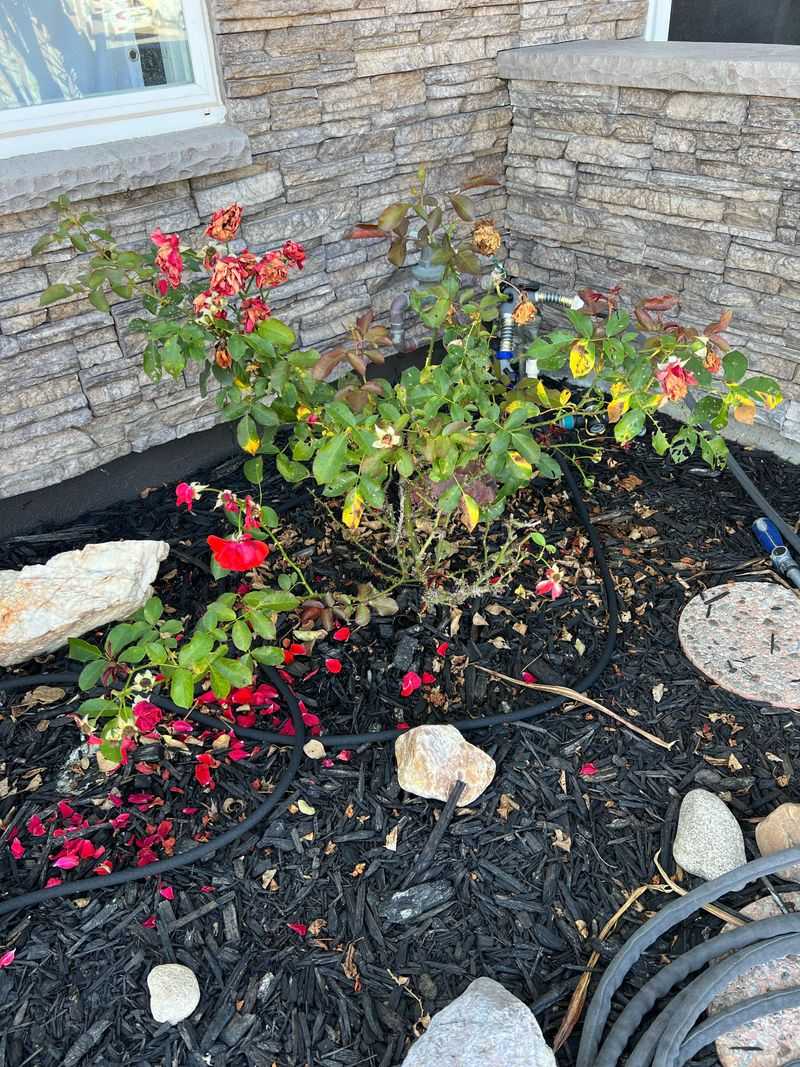
Those leaves scattered under your rose bushes might seem harmless, but they can cause problems. Old, fallen foliage often carries spores and hidden pests.
When rain or watering splashes those spores back onto the plant, diseases like black spot can return. Clearing the ground breaks that cycle before it starts.
Grab a rake or your gloved hands and gather up every leaf and petal beneath each bush. Get into the corners and under low branches where debris likes to hide.
Do not add this material to your compost pile. The trouble it carries could spread through your whole garden, so bag it and toss it in the trash.
A clean base also makes it easier to spot other issues. You can quickly see the soil, check the mulch, and notice any pests crawling around.
In California, mild fall weather lets fungus linger, so tidiness really helps keep your roses healthy through the season.
Try to make this a regular habit rather than a once-a-year chore. A quick sweep every couple of weeks keeps things manageable.
Good garden hygiene is one of the simplest ways to protect your plants. It costs nothing but a few minutes of your time.
Clean ground means fewer problems and stronger roses ready to greet the cooler weeks ahead.
8. Protect Roots Before Cooler Weather
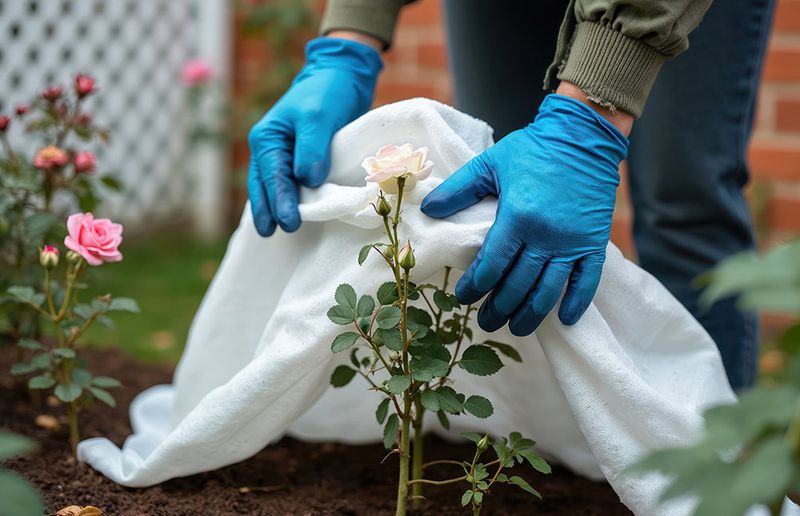
Even in mild California, chilly nights can surprise your roses. Protecting the roots now helps them stay safe when temperatures dip.
Roots are the heart of the plant. Keep them warm and steady, and the whole bush will handle cooler weather far better.
Start by mounding a little extra soil or compost around the base of each plant. This adds a cozy layer over the crown where the stems meet the roots.
On top of that, tuck in a thick blanket of mulch. Together they trap warmth and shield the roots from sudden cold snaps.
For roses in pots, move them close to a wall or under an eave. Containers lose heat faster than the ground, so they need a little extra shelter.
Water deeply before an expected cold night. Moist soil holds warmth better than dry soil and keeps roots more comfortable.
If a rare frost is coming, drape a light cloth over the bush in the evening. Remove it in the morning so the plant can breathe and soak up sun.
Most California gardeners will not face harsh winters, but a little preparation still helps in cooler regions.
Giving roots this protection now means your roses will rest safely and wake up strong when spring rolls back around.