The California Native Plant Sales Gardeners Plan Their Whole Fall Around
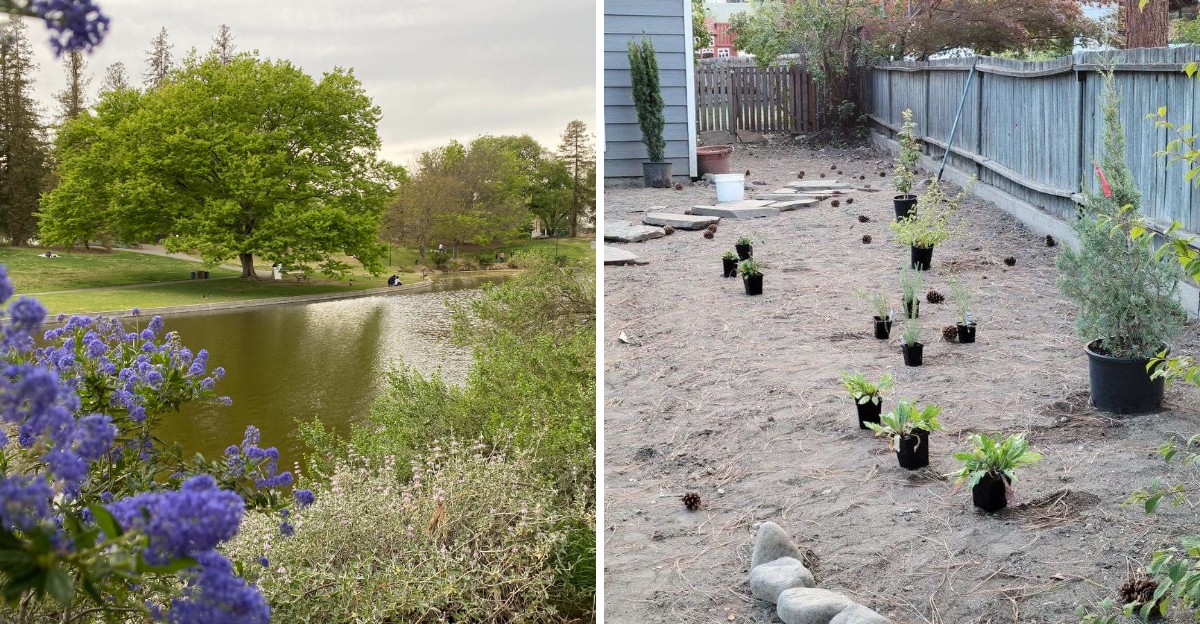
Every autumn, a certain kind of event fills calendars across California, often months in advance. Word spreads through mailing lists and garden clubs rather than billboards.
Shelves at big-box stores rarely hold what turns up at these gatherings, and the people behind the tables tend to know each plant on a first-name basis.
Timing plays a starring role, since the season itself does much of the heavy lifting for anything planted now.
Some events reward patience, others reward an early alarm, and a few run on rules that surprise first-time visitors.
A bit of preparation separates a smooth morning from a frustrating one.
For many gardeners, the year’s best shopping happens in a nursery yard or a quiet corner of a nature preserve.
1. CNPS Napa Valley Sale Fills A Whole Weekend
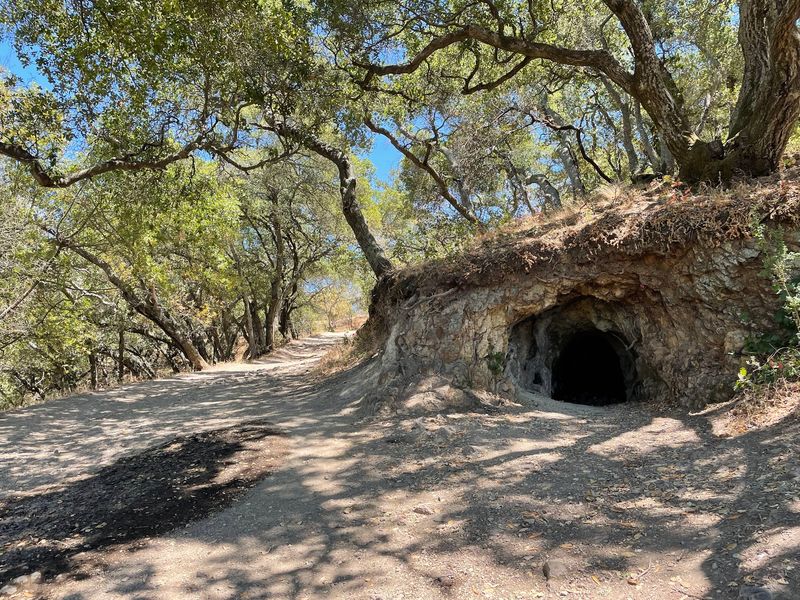
Oak-dotted hills and rows of potted shrubs set the mood at Skyline Wilderness Park in Napa.
The CNPS Napa Valley Chapter holds its plant sales there twice a year, and the fall edition traditionally spans a full Saturday and Sunday in early to mid-October.
Past fall sales have offered more than 1,000 hard-to-find natives, with free admission. Exact dates and hours for each season appear on the chapter’s official page.
A two-day format offers breathing room. Day one tends to bring the widest selection, so serious shoppers arrive early.
Day two often runs calmer, leaving more time to chat with volunteers about tricky spots in the yard.
Napa summers run hot and dry, while winters bring most of the rain, and the plant mix reflects that rhythm. Manzanita, ceanothus, and toyon rank among common favorites, along with sages, buckwheats, and native grasses that feed bees and butterflies.
Volunteers at chapter sales are often longtime native gardeners. Questions about which plants handle clay soil, or which ones stay small beside a walkway, can save a shopper from planting a giant in a tiny bed.
The adjacent Martha Walker California Native Habitat Garden, maintained by the chapter, shows many of these plants growing in a landscape setting.
A hat, water, and comfortable shoes help, since Napa afternoons can still feel warm in October. A weekend at Skyline easily turns into a picnic, a hike, and a car full of new plants.
2. CNPS South Coast Sale Lands In Late October
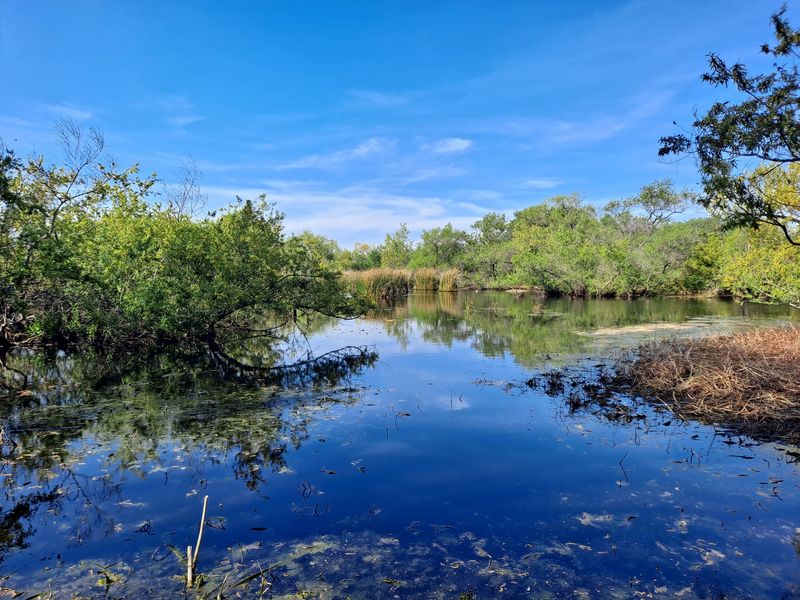
A wetland preserve tucked inside a busy Los Angeles County city hosts one of the South Bay’s favorite fall traditions.
Madrona Marsh Nature Center in Torrance serves as home base for the CNPS South Coast Chapter’s fall plant sale.
For 2026, the chapter lists the sale for Saturday, October 24, running until 2 p.m.
Late October timing suits Southern California nicely. Summer heat has usually eased, and the rainy season sits close at hand, giving new plants months of cooler weather to grow roots before next summer.
One perk stands out. Members of CNPS and the Friends of Madrona Marsh can shop starting at 9 a.m., an hour before the general public arrives at 10.
Your California Garden Changes Every Week. Your Plan Should Too.
Gardening in California changes quickly throughout the season. Every Friday you’ll receive a simple weekly plan showing exactly what to plant, prune, fertilize, harvest, and protect so you never miss the right timing.
For shoppers chasing rare finds, a membership can feel worthwhile in a single morning, and joining supports conservation work across the state.
Past sales have focused on species local to the Palos Verdes Peninsula and the South Bay, plus garden selections. Coastal sage scrub plants such as California sagebrush, buckwheats, and sages draw plenty of attention.
Many attract hummingbirds and native bees, and some grow well in containers on small patios.
A stroll through the marsh after shopping offers a free design lesson. Native plants growing wild show how they cluster in groups and handle sun and shade.
Hours and member entry details can shift, so the chapter’s official page deserves a final check before the drive.
3. CNPS San Diego Sale Runs On Member Orders
Crowded tables and elbow bumping have no place at this one.
The CNPS San Diego chapter switched to a new model for 2026, with members ordering online ahead of time and picking up at Sikes Adobe Historic Farmstead in Escondido.
Ordering ran from September 1 through September 15, with more than 350 native species and cultivars on the list. Pickup falls on Friday, October 16, and Saturday, October 17, in assigned two-hour windows.
The format carries a few rules. Orders are open to CNPS members only, a $150 minimum applies, and members receive 10 percent off.
Registered sale volunteers also gain guaranteed access to order any amount, a perk worth noting for next year.
Ordering online has real advantages. Every plant can be researched at the kitchen table before buying, and nobody grabs the last pot of a favorite right out from under a shopper.
Planning from home tends to mean fewer impulse buys and smarter choices.
San Diego County holds many microclimates, from foggy coast to hot inland valleys. A plant that loves coastal fog may struggle in an inland yard that bakes in August, so location deserves thought before ordering.
The chapter also notes that some fall plants arrive dormant, recently pruned, or less leafy than usual, which is normal for the season.
Boxes or flats keep pots upright on the drive home. Format and dates can change from year to year, so the chapter’s website remains the best source for future sales.
4. UC Davis Arboretum Sales Run Through October
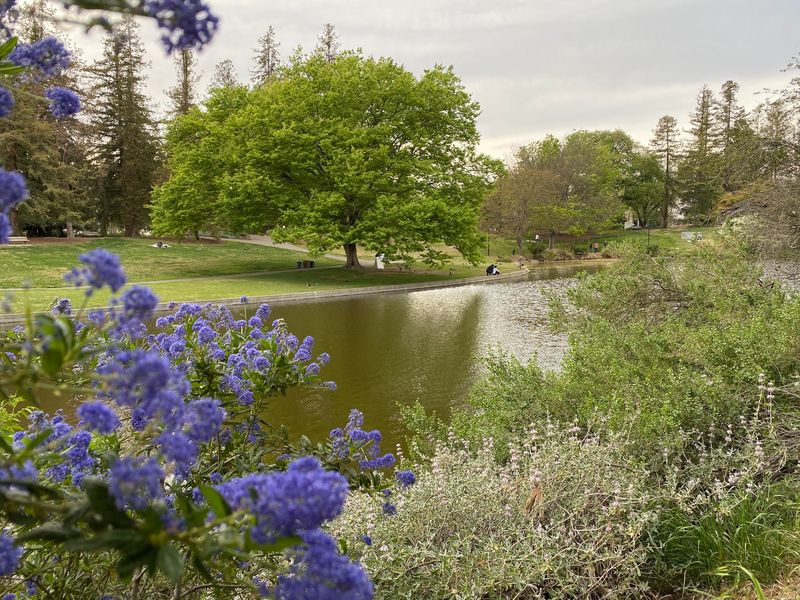
Red wagons rattling across gravel set the soundtrack of fall at the UC Davis Arboretum and Public Garden.
Its one-acre Teaching Nursery hosts a series of fall plant sales run by the Friends of the UC Davis Arboretum and Public Garden, a favorite stop for Sacramento Valley gardeners.
The season typically opens with a members-only sale, followed by a public sale and a clearance sale. Knowledgeable staff and student interns can answer questions about size and sun.
Shoppers find plenty of California natives alongside plants chosen for valley heat and low water use.
The Arboretum All-Stars collection, refreshed in fall 2025 to 130 water-wise plants, highlights tough, easy performers for the region and makes a solid starting point for beginners.
Members of the Friends and the Davis Botanical Society receive 10 percent off purchases. New members also receive a $10-off coupon.
The clearance sale closes out the season with remaining inventory marked down and all hours open to the public, plus the member discount on top. The selection runs smaller, but patient shoppers find real savings.
Flexibility works best at a clearance sale. A list built around plant types, such as a groundcover or a small shrub, beats hunting for one exact plant, and a surprise find may fit the yard perfectly.
The arboretum asks shoppers to bring a box, cart, or wagon. Dates shift each year, so the official plant sale page and its posted inventory deserve a look before each visit.
5. Regional Parks Botanic Garden Sale Opens The Season
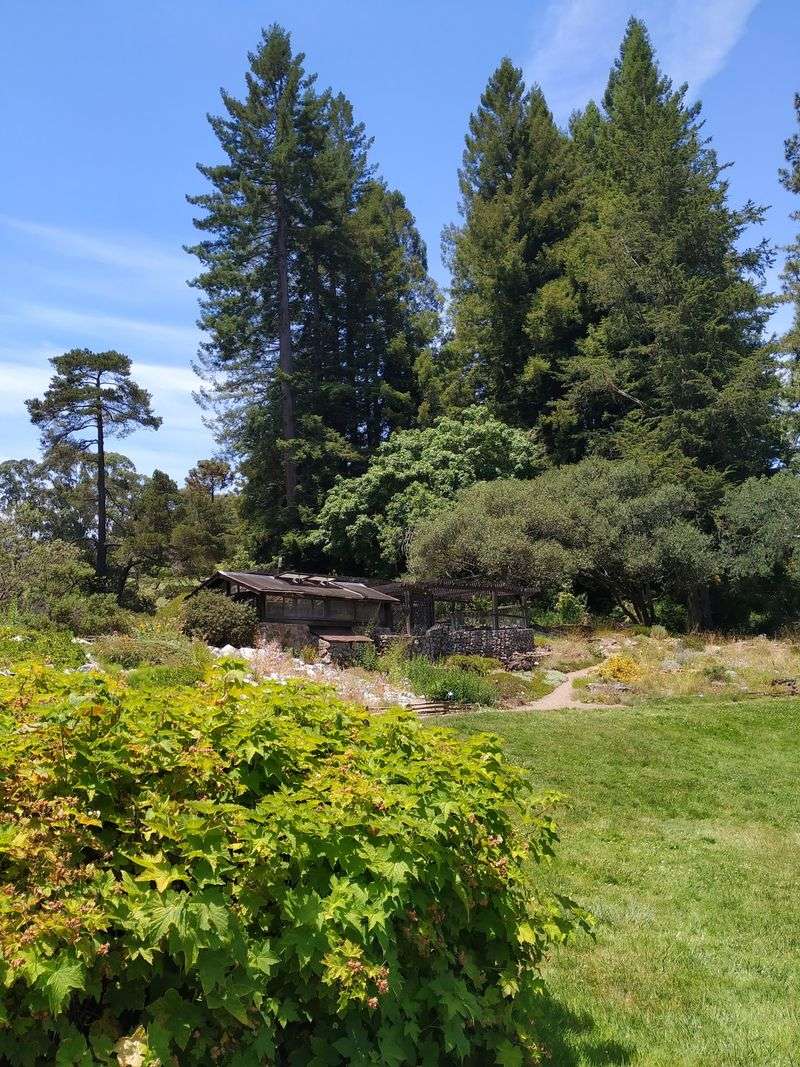
Early birds in the East Bay know the fall season often kicks off in the Berkeley hills.
The Regional Parks Botanic Garden in Tilden Regional Park traditionally holds its big fall plant sale on a Saturday in early October, often the first major native sale on the local calendar.
Friends of the garden members typically shop during the first hour, and memberships can be purchased on site that morning.
The garden itself is a treasure. Its 10 acres focus entirely on California native plants gathered from across the state, including many rare and endangered species.
A walk along its paths feels like a quick tour from coastal bluffs to mountain slopes, with mature specimens showing how young plants will eventually look at home.
The sale often features unusual natives from the garden’s own collection. Bay Area gardeners gravitate toward choices that handle summer fog and dry spells, and volunteers can point toward options suited to a specific neighborhood.
A plant list usually goes up on the garden’s website a week or so before the sale, a handy tool for planning ahead.
Missing the big day is no disaster. The garden has also offered smaller regular sales on set weekdays and Saturdays, with the current schedule and inventory posted online.
Parking can fill quickly on sale day, so an early arrival or a carpool helps. A sturdy box or small wagon keeps pots steady on the winding drive back down.
6. Check Your Local CNPS Chapter Calendar
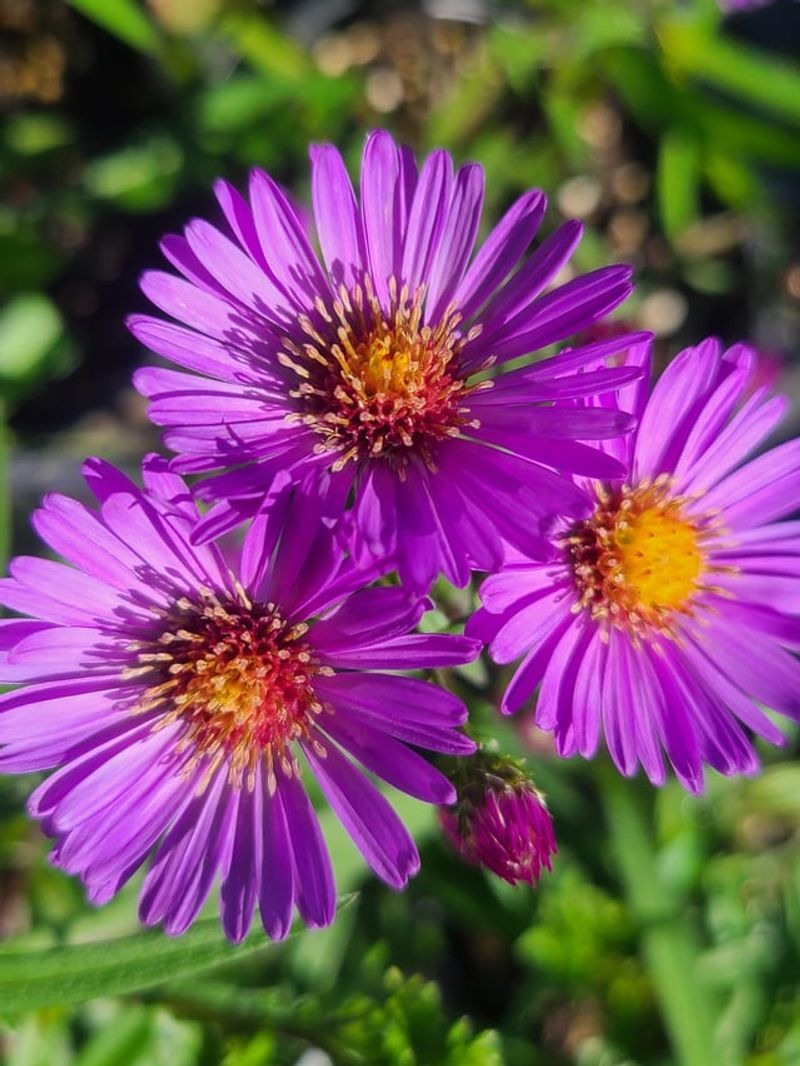
Missing a sale by one weekend stings more than a cactus spine, yet the fix takes only a few minutes. The California Native Plant Society has 35 chapters across the state, and many hold their own plant sales.
The CNPS website lists chapters by region, and each chapter’s events or calendar page usually posts sale dates, locations, and member perks first. Some chapters also share plant lists ahead of time.
Calscape, the society’s plant database, can also point toward nurseries that carry natives between sales.
Chapters stretch from the far north to the Mexican border, so a sale often sits within a short drive. Some gardeners visit two or three sales each fall, hunting for different plants at each one.
That way, plant shopping turns into a fun seasonal road trip with a fresh mix at every stop.
A chapter mailing list makes a smart addition to any inbox. Reminders arrive before sales, along with news about garden tours, talks, and nature walks.
Many chapters share planting tips tailored to the local climate, which can prove more useful than general advice found online.
Fall ranks as the busiest season for these sales, since autumn planting gives natives their best start. Several chapters, including Napa Valley, hold spring sales as well, so the calendar deserves attention year round.
The chapter’s official page outranks random event listings nearly every time. Older listings online may show last year’s dates, which can lead straight to an empty parking lot.
7. Arrive Early For The Best Selection
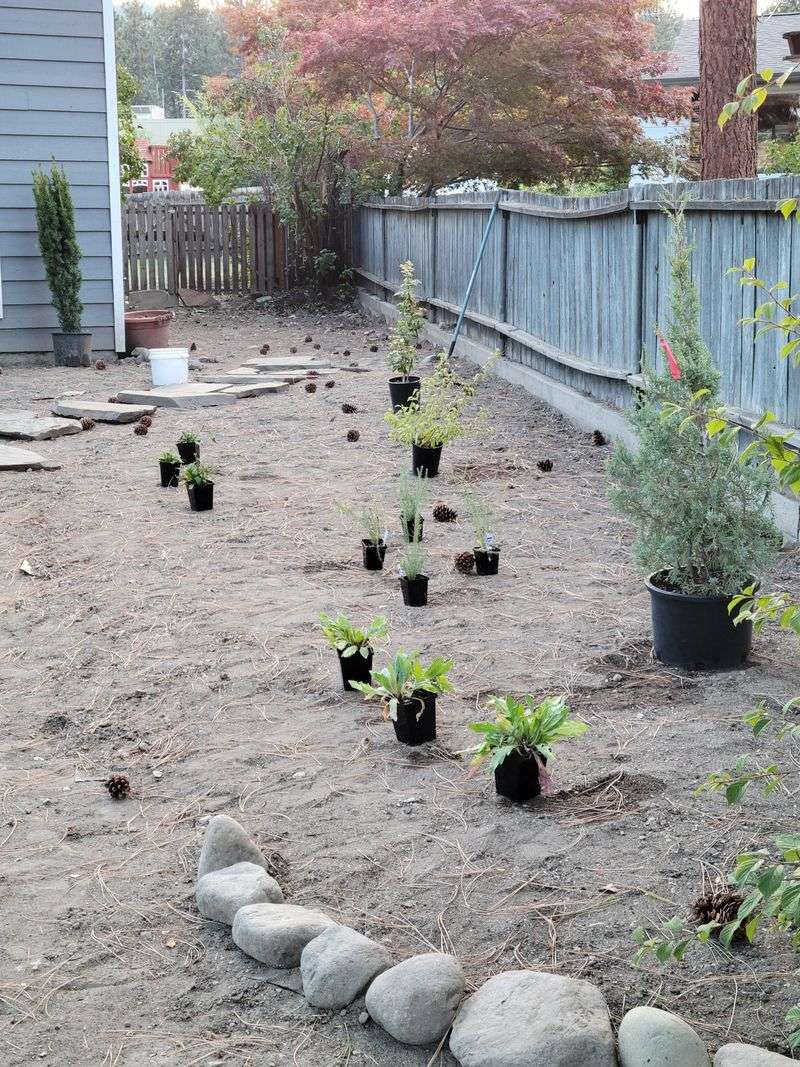
By mid-morning, the table labeled manzanita can look like a picked-over buffet. Popular natives sell fast at nearly every fall sale, and rare plants and crowd favorites may disappear within the first hour.
Arriving before opening time offers the best shot at a wish list. Fifteen to thirty minutes early works well for big sales, and a thermos of coffee, a friend, and some patience make the wait pleasant.
The line often fills with friendly gardeners happy to swap tips.
Member early entry works even better. The CNPS South Coast sale and the Regional Parks Botanic Garden both open an hour early for members, and the UC Davis Arboretum’s season starts with a members-only sale.
For gardeners who shop every fall, a membership can be well worth the cost.
A plan helps once inside. Heading straight to the top must-have plants before browsing protects the priorities, and then the slower exploring can begin.
Some sales offer holding areas where chosen plants can wait while shopping continues.
Late arrivals still have options. Some sales restock tables through the day, and later hours often run quieter, with more time for volunteer conversations. Clearance sales reward late-season shoppers with lower prices.
Official pages list opening times and member hours. Knowing when doors open helps with planning breakfast, parking, and the drive, and an early start often means a happier haul and a fuller wagon.
8. Bring A Plant List And Site Notes
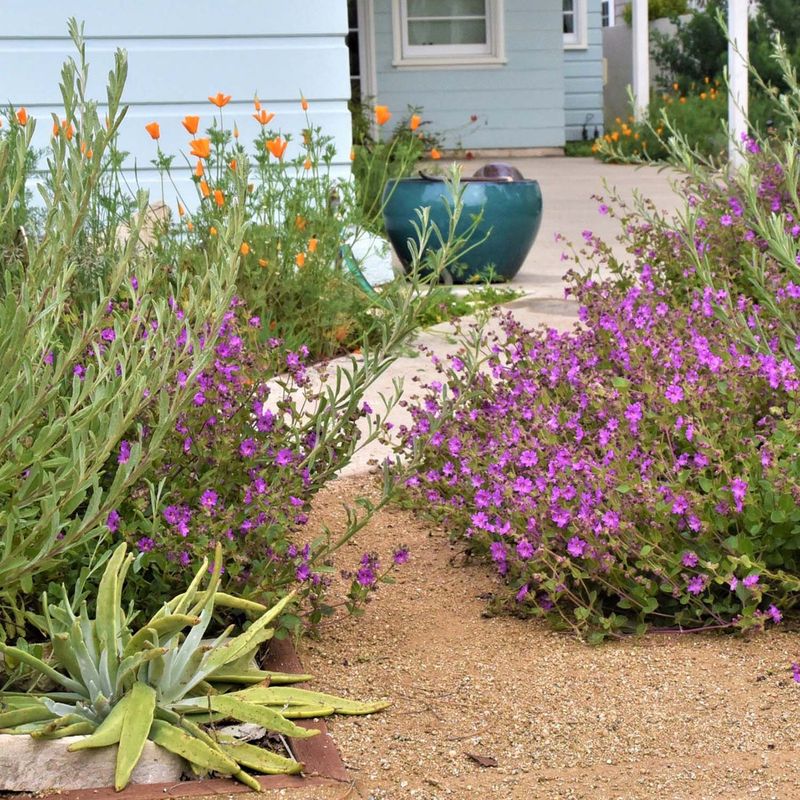
A gorgeous plant in the wrong spot becomes an expensive lesson. Smart shoppers avoid that by arriving with a plant list and notes about the yard, and ten minutes of homework can save a season of frustration.
Site notes come first. Hours of sun in each area, soil type, and the size of the space all matter, since a cute shrub in a one-gallon pot may grow eight feet wide.
Calscape, a free tool from the California Native Plant Society, helps build the list. An address entered into the site brings up natives that grow naturally in that area.
Each plant page shows size, sun and water needs, and the wildlife it supports, and favorites can be saved and printed.
Beds within five feet of the house fall under the new Zone 0 rules in designated fire hazard areas once they take effect, so CAL FIRE guidance helps narrow choices for that strip.
Packing rounds out the prep. Sturdy boxes or plastic flats keep pots upright, a folding wagon eases heavy hauling, and an old towel or tarp protects the car from spilled soil.
At the sale, volunteers welcome a look at those notes. Questions about a hot west-facing slope or a shady corner can lead toward plants a shopper never considered.
New plants settle best when they go into the ground soon after the sale. A first watering followed by steady care until fall rains take over sets the stage for a strong spring.