The Monarch Overwintering Spots Along The California Coast Every Gardener Should Know About
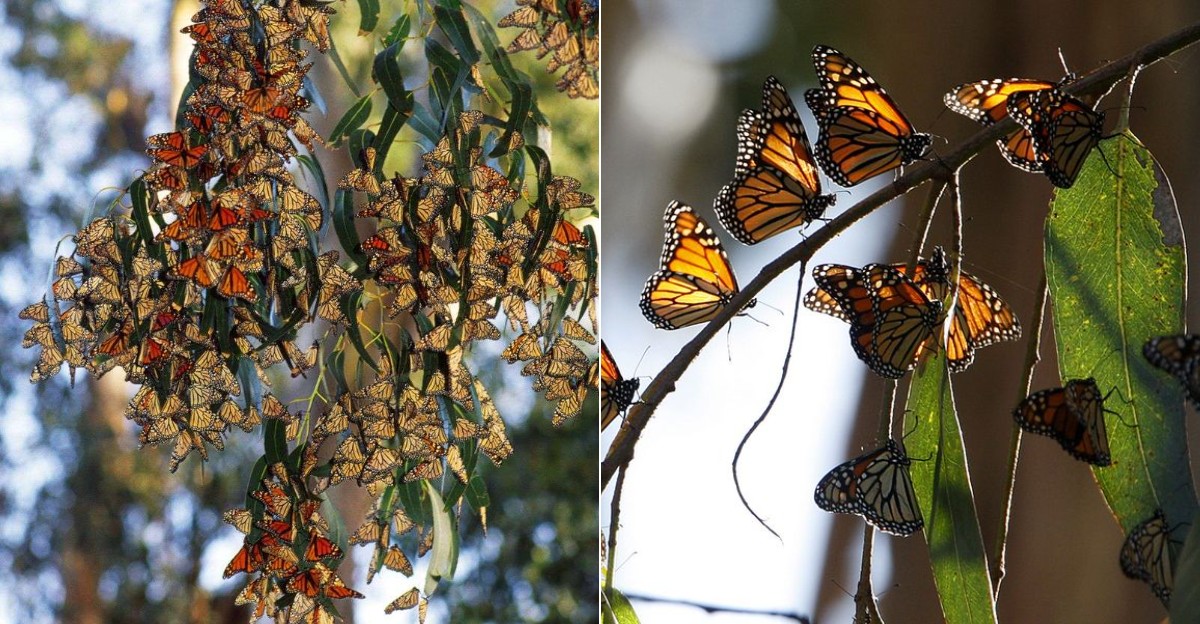
Every fall, thousands of monarch butterflies make an incredible journey to California’s coast, gathering in places that provide the shelter they need during the cooler months.
If you live near these areas, your garden may be closer to this seasonal wildlife event than you realize.
These butterflies are not just passing through randomly. The locations they choose offer specific conditions that help them rest, stay protected, and survive the winter season.
Some of these sites have become well-known, while others remain hidden gems that many people overlook.
You can also make your own outdoor space more welcoming to monarchs by understanding what draws them in.
Knowing where they gather and why those spots matter can help you appreciate one of California’s most fascinating seasonal visitors.
1. Pacific Grove Is One Of California’s Famous Sites
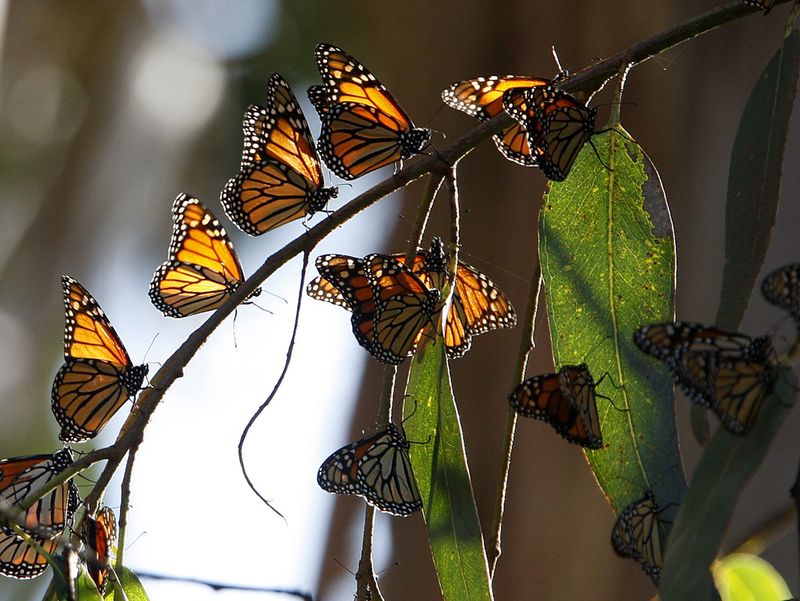
Known lovingly as Butterfly Town USA, Pacific Grove has welcomed monarchs for generations. The small coastal city sits near Monterey and takes real pride in its winged winter guests.
Visitors walk quiet paths beneath tall trees where clusters of butterflies hang like dried leaves. On sunny days, the monarchs open their wings and fill the air with flashes of orange. It feels like a living painting that changes by the hour.
The town even has laws protecting the butterflies, showing how seriously people take their care. Local schools teach children about the migration, and yearly parades celebrate the insects.
Gardeners can learn a big lesson here. Protecting habitat matters just as much as planting flowers. A community that works together can keep a species thriving for decades.
Try planting nectar-rich blooms in your own yard so passing monarchs have food. Late-blooming flowers help them build energy for the winter rest.
Fun fact worth sharing: Pacific Grove has celebrated its butterflies since the early 1900s. That long history makes it one of the most trusted monarch spots anywhere.
If you ever visit, keep your voice low and never touch the resting clusters. Small, respectful choices help these fragile creatures survive another season along the coast.
2. Pismo Beach Hosts Large Winter Gatherings
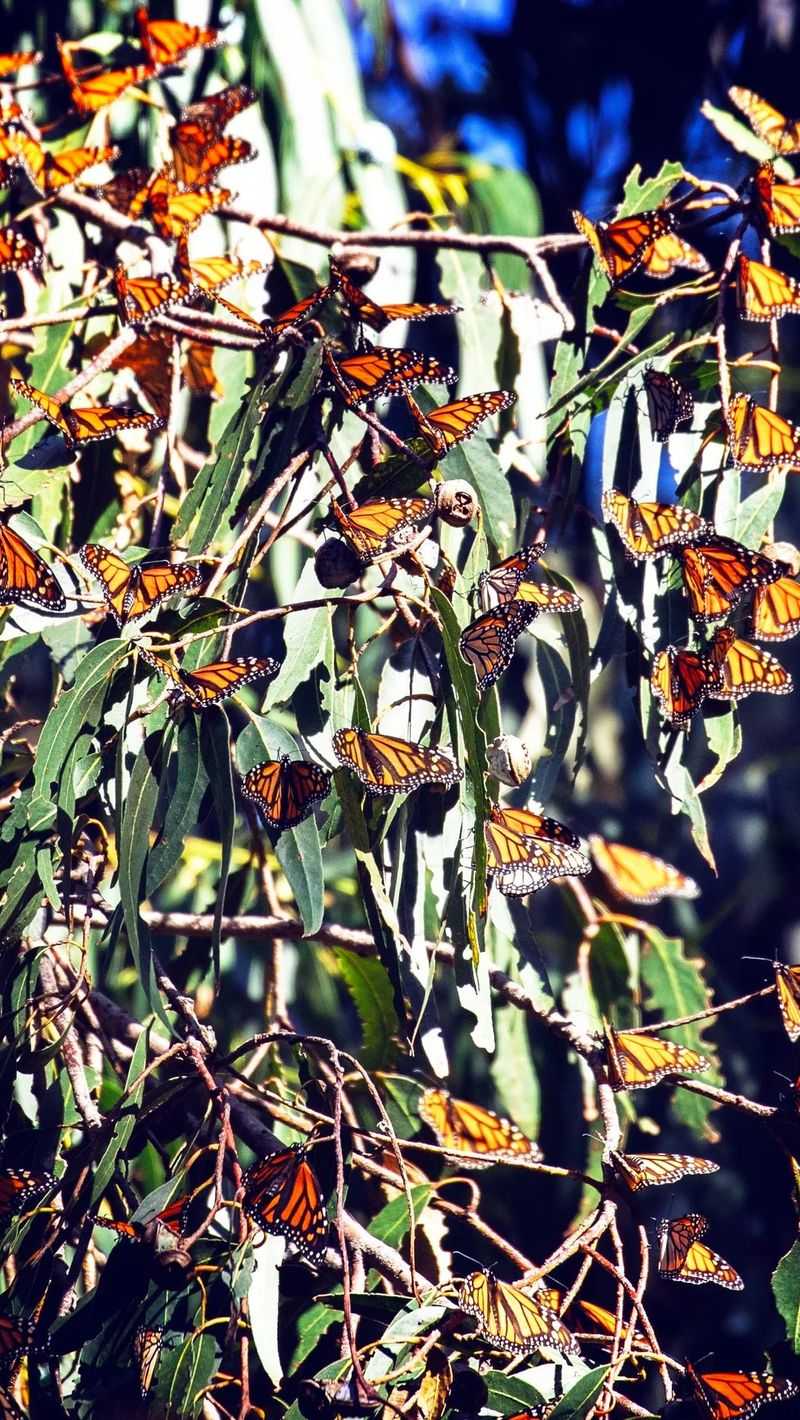
Picture tens of thousands of butterflies gathered in one grove, and you have Pismo Beach in winter. It ranks among the largest monarch gatherings on the entire West Coast.
The grove sits close to the sand, tucked among tall eucalyptus trees that block harsh wind. Volunteers stand ready with telescopes and stories, happy to point out clusters overhead.
Numbers here can climb into the thousands during peak season, usually from late October through February. Seeing that many butterflies at once leaves a lasting memory.
What makes this place work so well is the shelter. Thick branches trap warmth and keep the cold ocean breeze away from the resting insects.
Gardeners can copy this idea on a smaller scale. Planting shrubs or trees that block wind gives butterflies a calm place to pause and feed.
Adding a shallow water source with flat stones lets monarchs sip safely. Little touches like these make your yard more inviting.
Your California Garden Changes Every Week. Your Plan Should Too.
Gardening in California changes quickly throughout the season. Every Friday you’ll receive a simple weekly plan showing exactly what to plant, prune, fertilize, harvest, and protect so you never miss the right timing.
Here’s something neat: the exact number of butterflies changes every year, so scientists count them carefully each season. Those counts help track how the whole population is doing.
Visit early in the morning when the air is cool and the butterflies sit still. Patience rewards you with an unforgettable view of nature at rest.
3. Santa Cruz Has Long-Standing Monarch Habitat
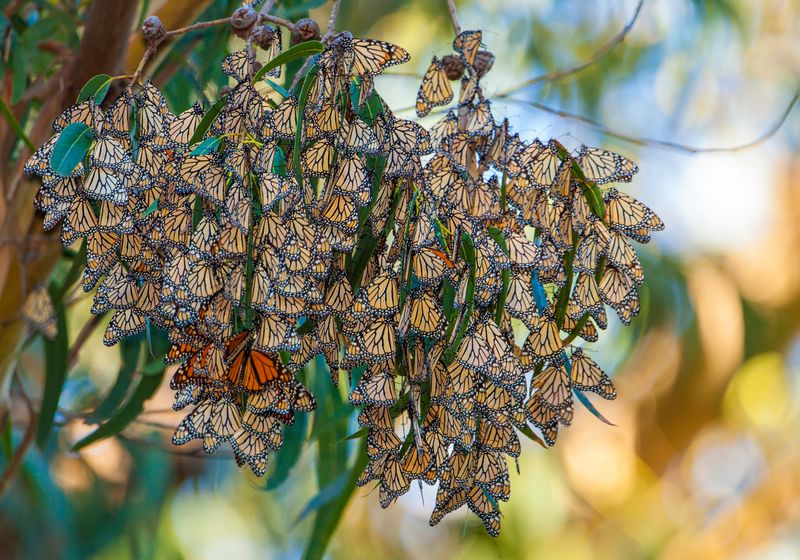
Along the northern edge of the migration path, Santa Cruz has sheltered monarchs for a very long time. Natural Bridges State Beach is the star of the show here.
The grove there sits in a protected canyon where fog and trees keep conditions steady. Boardwalks let visitors stroll through without disturbing the delicate clusters above.
Rangers host guided walks and share facts about the butterflies’ incredible journey. Kids love spotting the moment when sunlight nudges the monarchs into flight.
Steady habitat like this shows why old, established groves matter so much. Butterflies return to the same trusted spots year after year, generation after generation.
For your own garden, think about planting for the long haul. Trees and perennials take time to grow, but they create lasting shelter that helps butterflies down the road.
Mixing early and late bloomers keeps nectar flowing across many weeks. That variety supports monarchs during different stages of their travels.
A cool detail: the monarchs arriving in fall are not the same ones that left in spring. Several generations pass before the group returns to these northern groves.
Should you visit, aim for a mild, sunny afternoon. Warmth wakes the butterflies, giving you a fluttering, colorful show against the green canopy.
4. Natural Groves Provide Protection From Weather
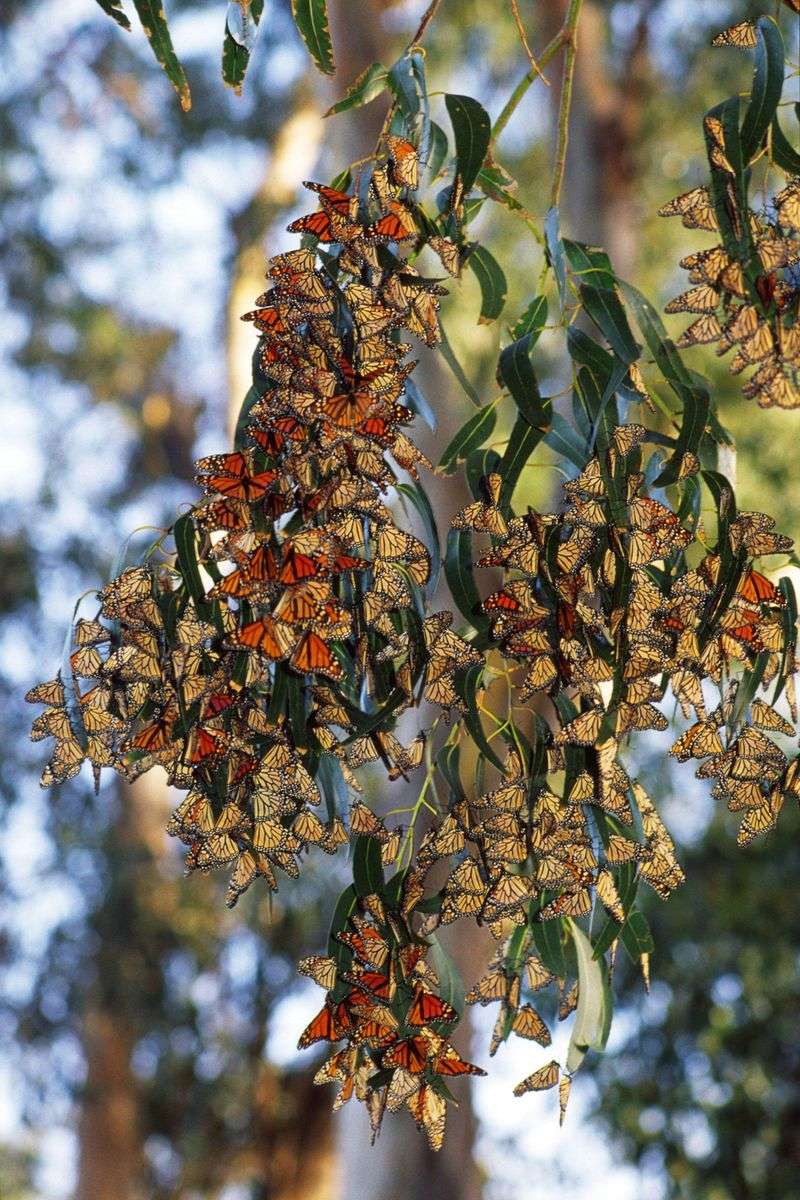
Beyond the famous named spots, natural groves all along the coast quietly do heavy lifting. These clusters of trees act like cozy shelters for tired travelers.
Cold wind, heavy rain, and freezing nights are real dangers for fragile monarchs. A thick grove softens all of those threats at once.
The branches trap a little warmth and slow the moving air. Inside, the temperature stays steadier than out in the open, which helps butterflies save energy.
Nature figured this out long before people did. Monarchs instinctively pick spots that balance shelter, sunlight, and moisture just right.
You can borrow the idea by grouping plants together instead of spreading them thin. A cluster of shrubs creates a pocket of calm air in your yard.
Placing that cluster where it blocks the strongest wind gives butterflies a safe corner to rest. South-facing spots also catch gentle morning sun.
Here’s a thought that surprises many people: monarchs barely feed while resting in these groves. They mostly conserve energy, sipping only on warmer days.
Protecting existing groves is just as important as planting new gardens. When old trees are removed, butterflies lose shelter that took decades to grow.
Support local efforts to save these habitats. Every grove that stays standing gives the next generation of monarchs a fighting chance.
5. Coastal Trees Create Important Shelter
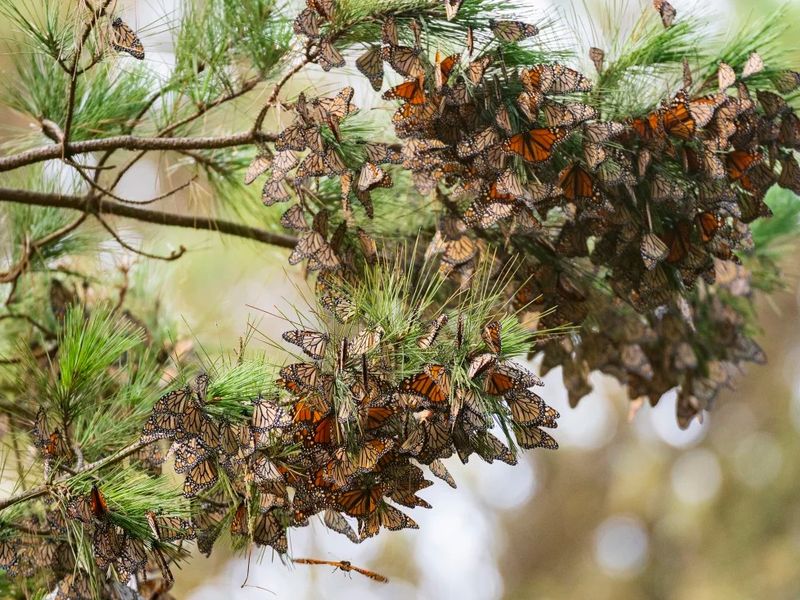
Have you ever wondered which trees monarchs actually choose? Along the California coast, three kinds do most of the work: eucalyptus, Monterey pine, and cypress.
These tall trees offer sturdy branches and dense leaves that hold butterflies safely. Their height keeps clusters above the reach of many ground predators.
Eucalyptus trees, though not native, became popular resting spots after settlers planted them widely. Monarchs adapted and now use them heavily each winter.
Native pines and cypress also matter, and many groves mix all three. The variety gives butterflies choices depending on wind and sun.
For gardeners with space, planting native trees is a wonderful long-term gift. They take years to mature, but the shelter they provide is priceless.
If your yard is small, tall shrubs can still offer a resting perch and a wind break. Every bit of vertical shelter helps.
Placement is key, so put taller plants where they guard against the harshest coastal breeze. That thoughtful spot becomes a little refuge.
A surprising truth: too many eucalyptus can crowd out native plants, so balance matters. Mixing species keeps the whole habitat healthy.
When you choose trees, think about what wildlife nearby already uses. Working with the local landscape helps butterflies and many other creatures thrive together.
6. Monarchs Need Calm Protected Areas
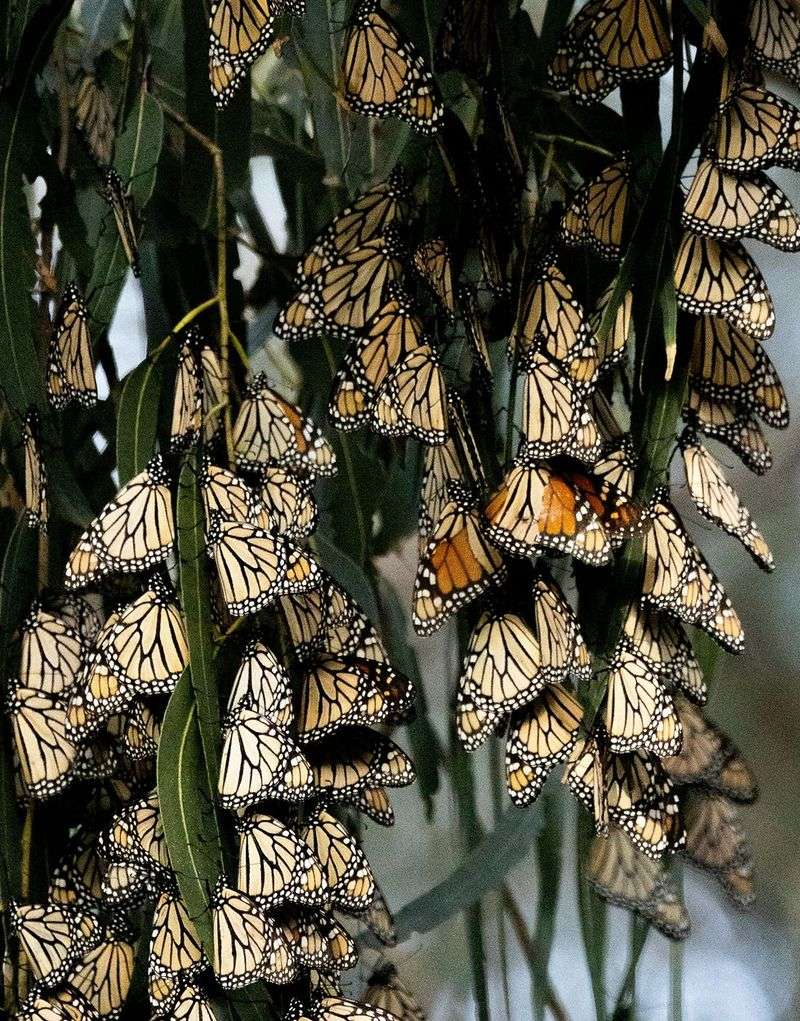
Rest is the whole point of the winter stay, and calm surroundings make that rest possible. Monarchs need places free from strong wind and constant disturbance.
Too much noise, movement, or foot traffic can startle resting clusters. Every unnecessary flight costs precious energy the butterflies cannot spare.
Quiet groves let them hang still for hours, saving strength for the journey ahead. Stillness truly is a gift to these fragile insects.
That is why so many sanctuaries ask visitors to whisper and stay on paths. Respectful behavior protects the very thing everyone came to see.
In your own yard, you can create calm corners too. Tuck butterfly-friendly plants away from busy walkways and loud play areas.
Avoid using leaf blowers or sprays near resting spots. Sudden gusts and chemicals both push butterflies away and can harm them.
Leaving a quiet, sunny nook undisturbed invites monarchs to linger. Sometimes the best help is simply giving them space.
Here’s a gentle reminder: pets and bright lights at night can also disturb wildlife. Keeping things peaceful after dark supports many creatures, not just butterflies.
Think of your garden as a small sanctuary. When you protect calm, safe corners, you become part of a coast-wide effort to keep monarchs healthy and thriving.
7. Gardens Can Support Migrating Butterflies Nearby
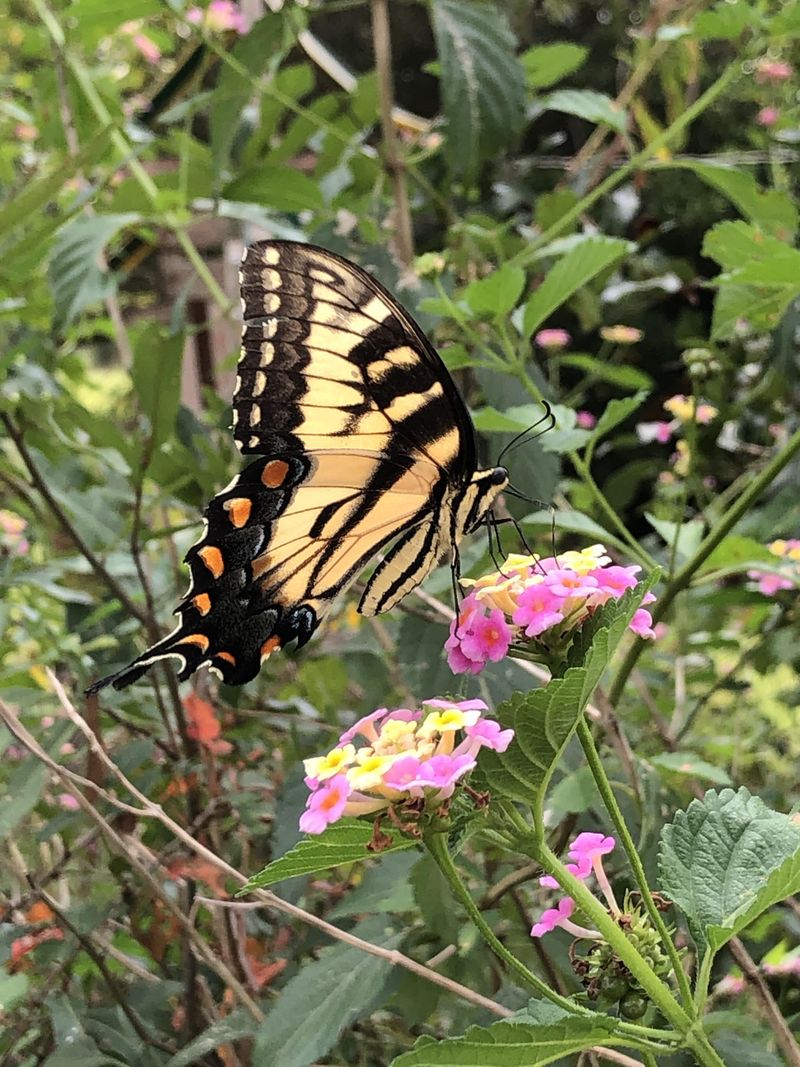
Your backyard might be closer to the migration route than you think. Gardens near the coast can serve as tasty pit stops for hungry travelers.
Monarchs burn energy flying long distances, so nectar-rich flowers are like fuel stations. A well-planted yard gives them a reason to pause and refuel.
Choosing plants that bloom in fall and early winter matters most here. That timing lines up with when butterflies pass through and settle in.
Flowers such as goldenrod, aster, and coastal sunflowers keep the buffet open. Bright colors also help butterflies spot the meal from above.
Grouping flowers in patches makes feeding easier and more efficient. Butterflies waste less energy hopping between blooms placed close together.
Skip the pesticides, since even gentle sprays can harm delicate wings. A chemical-free garden is a safer garden for every pollinator.
Adding a sunny, sheltered spot lets butterflies warm up between meals. Flat stones in the sun make perfect little basking benches.
Something worth remembering: helping monarchs also helps bees and other pollinators. One thoughtful garden supports a whole web of life.
Even a few pots on a balcony can make a difference. Small spaces add up when many neighbors join in, creating a chain of friendly rest stops along the coast.
8. Native Plants Help During Migration
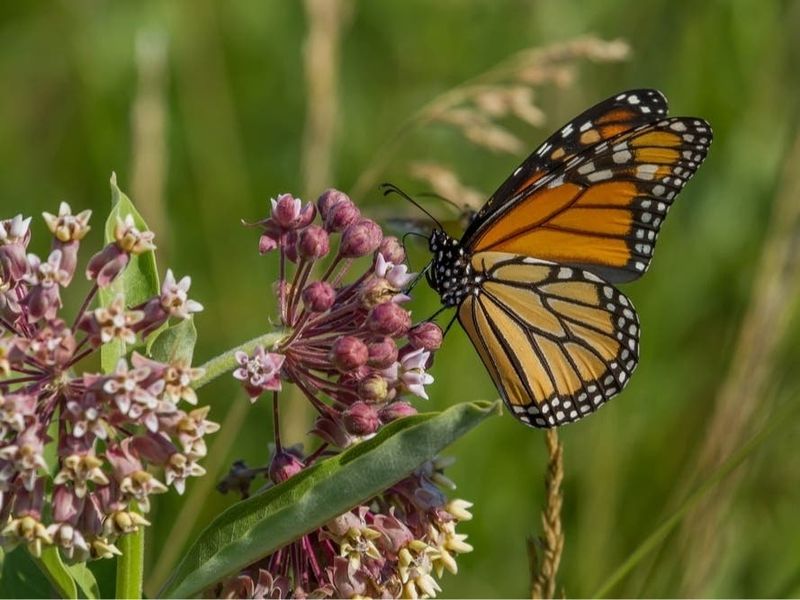
The secret weapon for helping monarchs is right in the ground: native plants. These local species evolved alongside butterflies and fit their needs perfectly.
Milkweed is the most famous example, since it is the only plant monarch caterpillars eat. Without it, the next generation cannot grow.
Choosing native milkweed that suits your region is important. Local varieties bloom and rest at the right times for California’s butterflies.
Beyond milkweed, native wildflowers provide nectar that matches what monarchs expect. They also thrive with less water and fuss than many imports.
Planting natives saves you effort while giving wildlife exactly what it needs. It is a win for both gardeners and butterflies.
Try mixing several native species so blooms overlap through the seasons. A steady supply of food keeps butterflies coming back.
Be careful with tropical milkweed, which can cause problems near overwintering sites. Sticking with local kinds keeps the migration on its natural schedule.
A neat fact: native plants also feed birds, bees, and other helpful insects. Your garden becomes a busy hub of coastal life.
Start small if you feel unsure, adding a few native plants each season. Over time, your yard grows into a true haven that supports monarchs on their remarkable journey.