The Common Citrus Pruning Mistakes California Gardeners Make In Summer
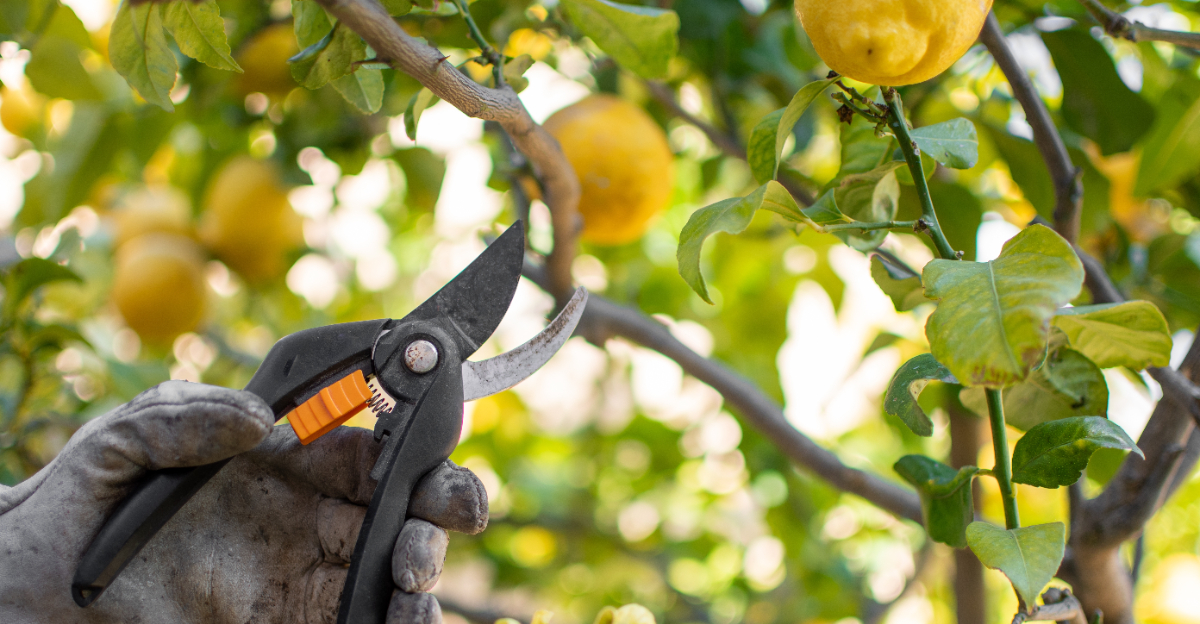
Citrus trees are forgiving right up until they aren’t. Most California gardeners get away with relaxed pruning habits for a season or two before something goes noticeably wrong.
Fewer fruits, sunburned bark, a tree that looks increasingly messy and unbalanced no matter how much attention it gets.
Summer is actually one of the trickier times to be reaching for the pruning shears, and a few very common mistakes are quietly costing California citrus trees more than most people realize.
The problem is that summer pruning feels productive. The tree is actively growing, issues are visible, and the urge to tidy things up or cut back problem branches is completely understandable.
But citrus has specific needs around timing, technique, and how much can safely come off at once, and violating any of those in the middle of a hot California summer creates stress the tree carries for months.
Heavy cuts during peak heat can expose bark that was previously shaded, leading to sun damage that weakens the tree and invites disease.
Knowing what not to do is genuinely just as valuable as knowing what to do, and the mistakes on this list are more common than most gardeners want to admit.
1. Don’t Prune In A Heat Wave
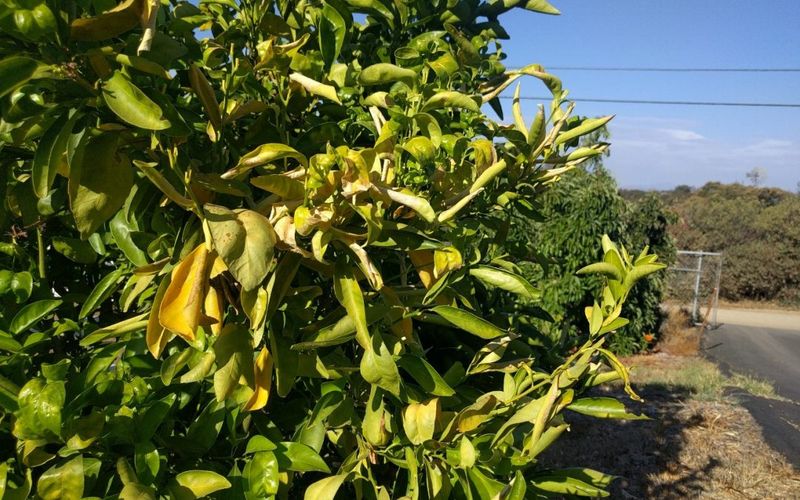
Picture this: it is 105 degrees in Fresno, the sidewalk is baking, and you decide today is the perfect day to prune your lemon tree. Bad idea.
Pruning during a heat wave puts your citrus tree under serious stress at the worst possible time.
When temperatures soar above 95 degrees Fahrenheit in California, citrus trees are already working overtime just to stay hydrated. Cutting branches opens fresh wounds on the tree.
Those wounds lose moisture fast in extreme heat, making it harder for the tree to recover. A tree fighting heat stress and healing from fresh cuts at the same time is a tree that is being asked to do too much at once.
Fresh cuts also expose the inner wood and bark to direct sunlight. In a heat wave, that exposed wood can dry out and crack before it even has a chance to heal.
This slows the whole tree down and can affect fruit production for the following season. In severe cases, sunburned bark leads to long-term structural damage that takes years to fully recover from, and no amount of careful pruning later can undo what one bad decision during a heat wave started.
The smartest move is to wait. If a heat wave is in the forecast for your area, hold off on any pruning until temperatures drop back to a more manageable range, ideally below 85 degrees.
Keep the tree well watered during hot stretches instead, since hydration is the priority when the heat is on. Early morning pruning on a mild California day is always the safer choice for your trees, and your patience will show up directly in the quality of your harvest.
2. Stop Opening The Canopy
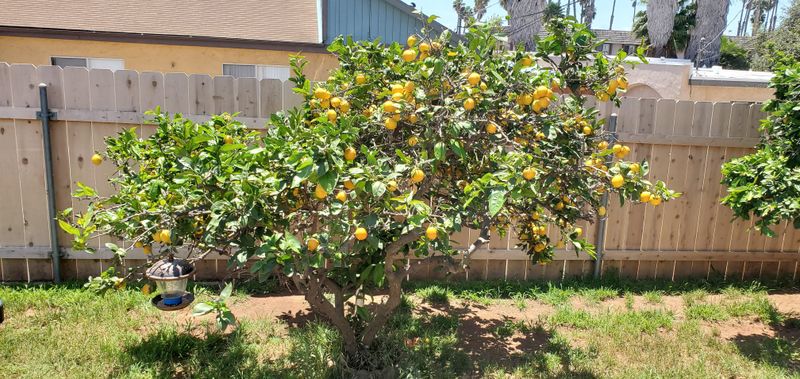
A lot of California gardeners think thinning out the inside of a citrus tree is always a good thing. They want more airflow, more light, and a cleaner look.
Your California Garden Changes Every Week. Your Plan Should Too.
Gardening in California changes quickly throughout the season. Every Friday you’ll receive a simple weekly plan showing exactly what to plant, prune, fertilize, harvest, and protect so you never miss the right timing.
But aggressively opening up the canopy in summer is one of the fastest ways to hurt your citrus tree.
Citrus trees actually use their own leaves and branches to protect their bark and fruit from the harsh California sun. The canopy acts like a natural sunshade.
When you remove too many interior branches, you strip away that protection and leave the trunk and main limbs exposed to intense California summer sun.
Exposed bark on a citrus tree is vulnerable. It can crack, peel, and suffer from what growers call sunscald.
Once the bark is damaged, pests and disease have an easy entry point into the tree. This is a common problem in Southern California where summer sun is relentless.
A good rule to follow is to never remove more than 10 to 15 percent of the canopy at one time during summer. Keep the interior shaded, let the leaves do their job, and save any major structural pruning for late winter or early spring when temperatures are cooler.
3. Sunburn Starts With Bad Cuts
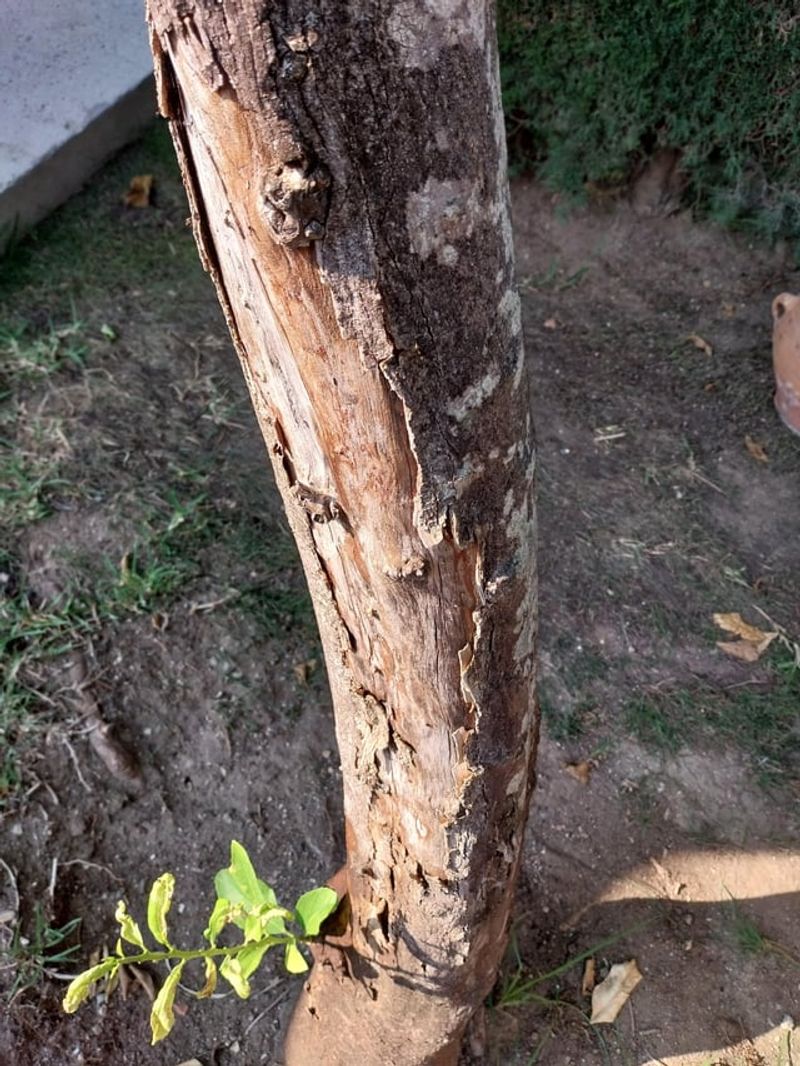
Sunburn on citrus is more common in California than most gardeners realize. It happens when bark or fruit that was once shaded suddenly gets hit with direct sunlight.
And in most cases, a bad pruning cut is what started the problem in the first place.
When you remove a branch, the area around that cut loses its natural shade cover. If you make large cuts on the south or west side of the tree, the remaining bark faces the afternoon sun head-on.
California afternoons can push temperatures past 100 degrees in many inland areas, and bark simply was not built to handle that kind of direct exposure.
Sunburned bark turns yellow or brown, cracks, and begins to peel. It looks a little like peeling paint on an old fence.
Once the damage is done, it is hard to reverse, and the weakened bark becomes a target for bugs and fungal issues.
To avoid this, always think about which direction a cut will face before you make it. If you must prune in summer, use diluted white latex paint or a commercial tree wrap to protect exposed areas.
This small step can save a lot of trouble for California citrus growers down the road.
4. Leave The Lower Skirt
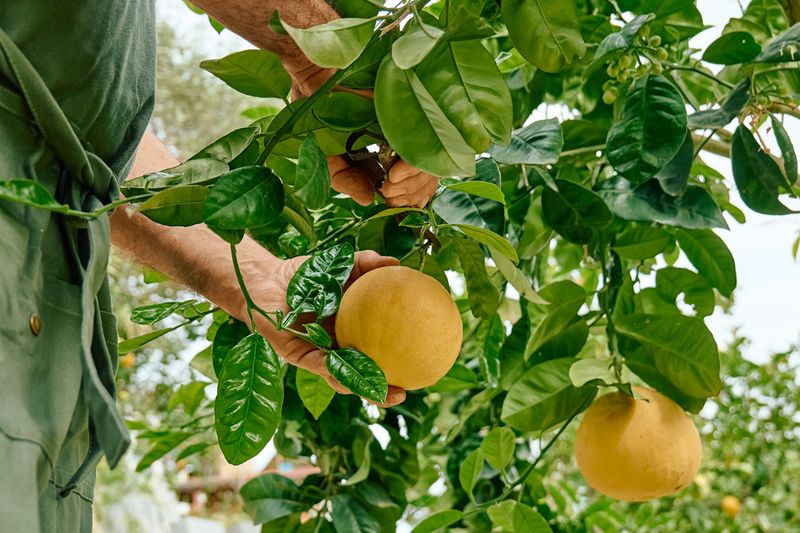
If you take a stroll through any California neighborhood and you will spot citrus trees that have been trimmed way up high, with a bare trunk and all the lower branches removed. It looks tidy, but it is actually doing the tree more harm than good.
Those low-hanging branches near the base of the tree are called the skirt. Many gardeners remove them to make mowing easier or just for the look of it.
But the skirt branches serve a real purpose. They shade the base of the trunk and the soil around the roots, keeping both cooler during the brutal California summer heat.
When you remove the skirt, the trunk gets direct sun exposure. This is especially damaging on the south and west sides of the tree.
The soil around the roots also heats up faster without that shade, which stresses the root system and reduces the tree’s ability to take up water efficiently.
Keeping the lower skirt intact through the summer months is one of the easiest things you can do to protect your citrus. If branches are touching the ground and collecting moisture, you can trim just the tips.
But leave enough skirt to keep that trunk and soil shaded throughout the long California summer season.
5. Citrus Isn’t Stone Fruit
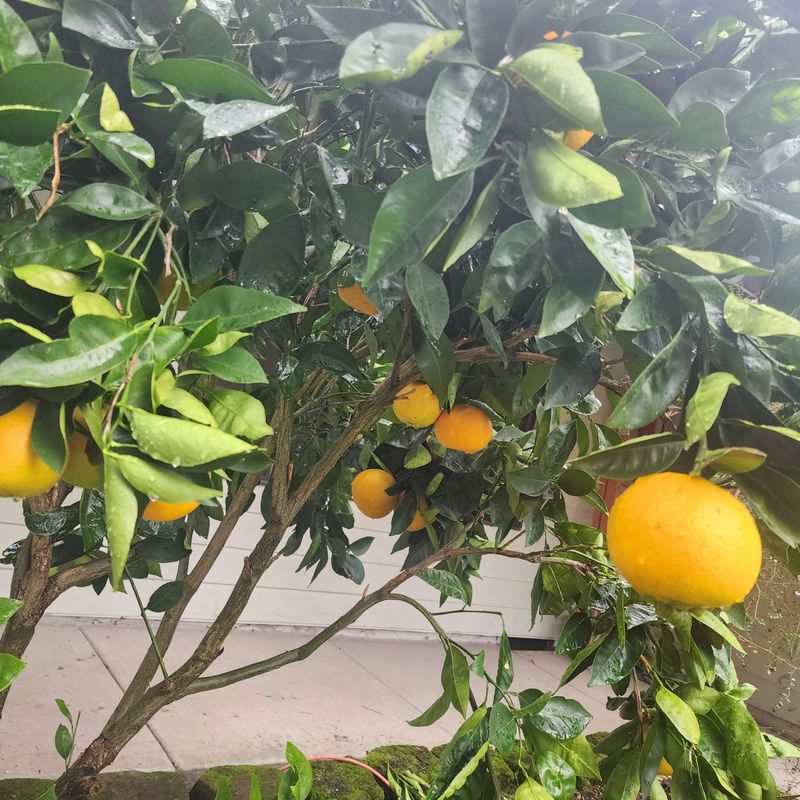
Here is something that trips up a lot of newer California gardeners. They prune their citrus trees the same way they prune peaches or plums, and then wonder why the citrus does not respond well.
Stone fruit and citrus are completely different, and they need very different pruning approaches.
Peaches, plums, and nectarines actually benefit from heavier summer pruning. They are tough, fast-healing trees that bounce back quickly.
Citrus does not work that way. Citrus trees heal more slowly, lose moisture through cuts faster, and have thin bark that is much more sensitive to sun exposure after pruning.
Stone fruit trees are also pruned to an open-center shape, which lets lots of light into the middle. That same open-center approach on a citrus tree in California’s summer heat would leave the tree badly exposed and stressed.
Citrus actually prefers a fuller, rounder canopy that keeps itself shaded.
If you have experience pruning stone fruit and you are new to growing citrus in California, take a step back and rethink your approach. Less is almost always more with citrus.
Light, careful cuts made at the right time of year will always outperform the heavier pruning style that works for your peach or plum tree in the backyard.
6. Watch For Rootstock Suckers
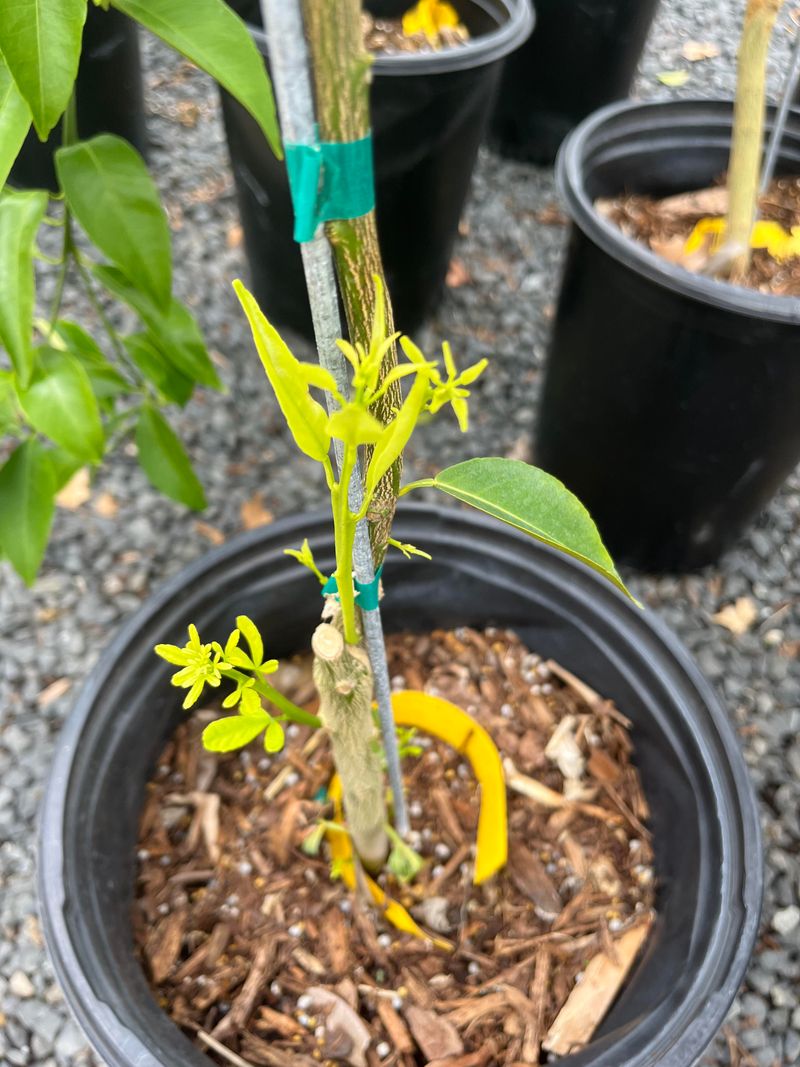
Rootstock suckers are sneaky. They pop up from below the graft union on your citrus tree and look just like regular new growth at first glance.
But if you let them go, they can take over the whole tree and crowd out the variety you actually want to grow.
In California, most citrus trees sold at nurseries are grafted. That means the fruiting variety is attached to a different rootstock that provides strength and disease resistance.
The rootstock itself does not produce the fruit you want. When it sends up suckers, those shoots are growing from the rootstock, not the grafted variety above it.
Summer is actually a great time to catch these suckers because the tree is in active growth and suckers appear fast. Look for shoots growing from below the graft union, which is usually a visible bump or scar low on the trunk.
Sucker growth often has different-looking leaves, smaller and sometimes more narrow than the main canopy leaves.
Remove suckers as soon as you spot them. Do not cut them.
Pull them off cleanly at the base, or use your fingers to snap them off right where they emerge from the trunk. This removes the growth point and slows regrowth.
Staying on top of this through the California summer keeps your tree growing the way it should.
7. Skip The Big Summer Cuts
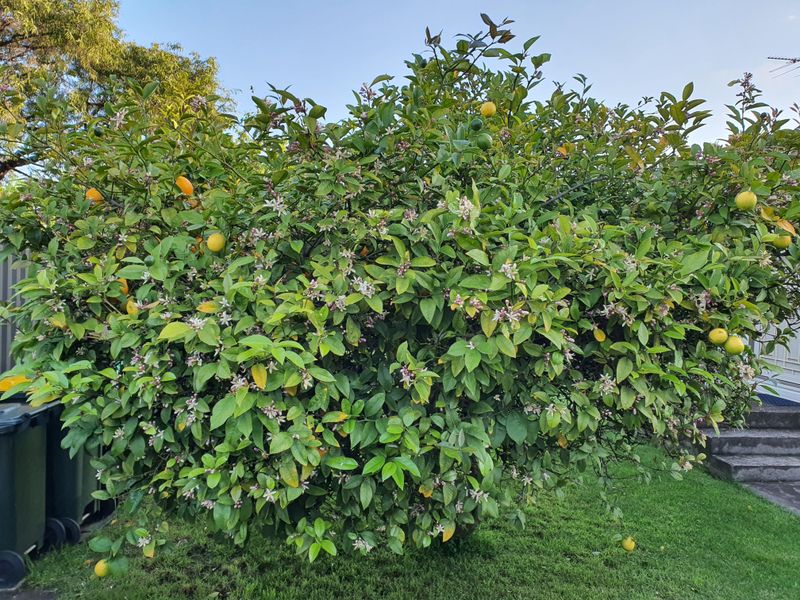
It is tempting to tackle big pruning jobs when you finally have a free weekend in July. But summer is simply not the right season for major structural work on citrus trees in California.
Large cuts during the hottest months create big problems that can linger for years.
When you remove a large branch, the tree has to work hard to seal that wound. That healing process requires energy and water, two things already in high demand during a California summer.
Big cuts also expose large areas of bark and inner wood to intense heat and UV rays, making sunburn almost inevitable on inland trees.
Major structural pruning, like removing crossing branches, reshaping the canopy, or cutting back long limbs, is best done in late winter or very early spring in California. At that time of year, temperatures are mild, the tree is not under heat stress, and it has the whole growing season ahead to recover and fill back in.
If something is truly urgent, like a broken branch or a limb that poses a safety risk, go ahead and make that cut. But for anything that can wait, write it on your calendar for February or March.
Your California citrus tree will reward your patience with healthier growth and better fruit the following season.
8. Prune Less Than You Think
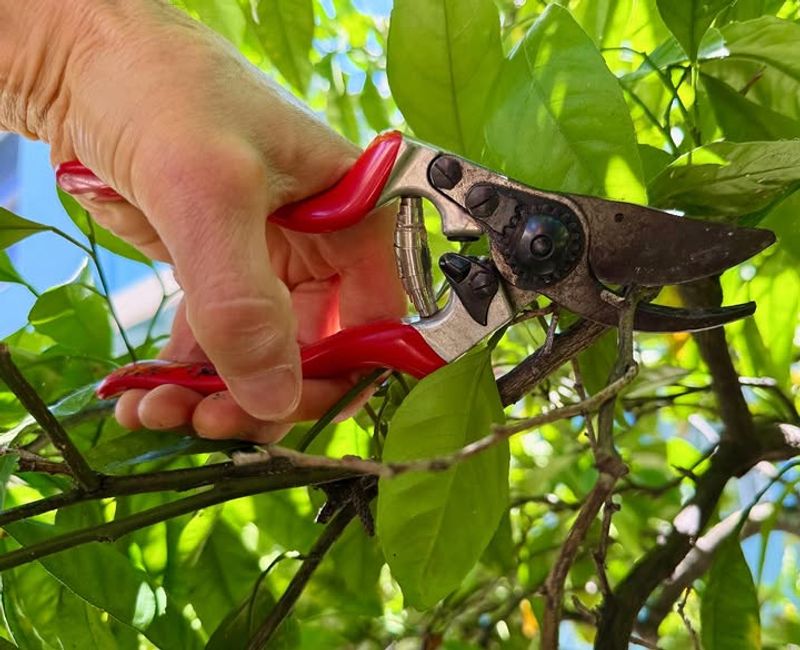
Most California gardeners prune their citrus trees too much. It is one of the most common mistakes made every summer, and it comes from a good place.
People want their trees to look neat, produce more fruit, and grow in a controlled shape. But citrus actually does best when you leave it mostly alone.
Citrus trees are not like roses or fruit bushes that need heavy cutting to stay productive. They are naturally efficient.
The more leaves they have, the more energy they can make through photosynthesis. When you cut away too many leaves and branches in summer, you reduce the tree’s ability to feed itself during the most demanding season of the year.
A good habit to build is to step back and look at your tree before you ever pick up a pair of shears. Ask yourself what actually needs to come off.
Dead wood, damaged branches, and rootstock suckers are always fair game. Everything else should stay unless there is a clear reason to remove it.
California gardeners who embrace a lighter touch with summer pruning almost always end up with healthier trees and better harvests. Start small, make one or two careful cuts, then step back again.
You can always cut more later, but you can never put a branch back once it is gone.