Why California Avocado Trees Take Longer To Bounce Back From A Brutal Summer Than Citrus
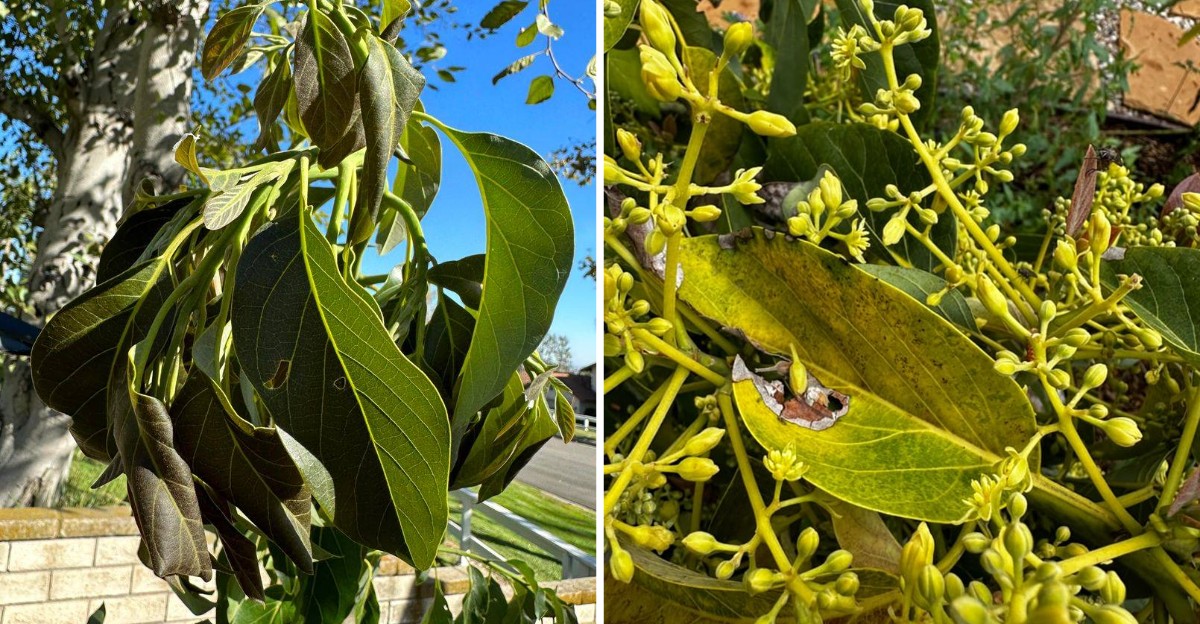
September in Southern California still smells like hot dust, warm irrigation water, and sunscreen left in the truck. The worst heat has passed, but the backyard looks like it lost a very long argument.
One tree shrugged off those scorching weeks and is already pushing shiny new growth toward the sun. The other just stands there, crispy at the edges, sulking like it is holding a serious grudge.
Nothing about their conditions differs, yet the two trees recover at wildly different speeds. The real story starts underground, where roots do quiet, unglamorous work that nobody standing above ever notices.
Growers have watched this lopsided pattern for decades, and the reasons behind it are stubbornly rooted in biology. Some trees recover from a rough summer quickly, while others take much longer to show it.
1. Shallow Roots That Cook In The Top Layer Of Soil
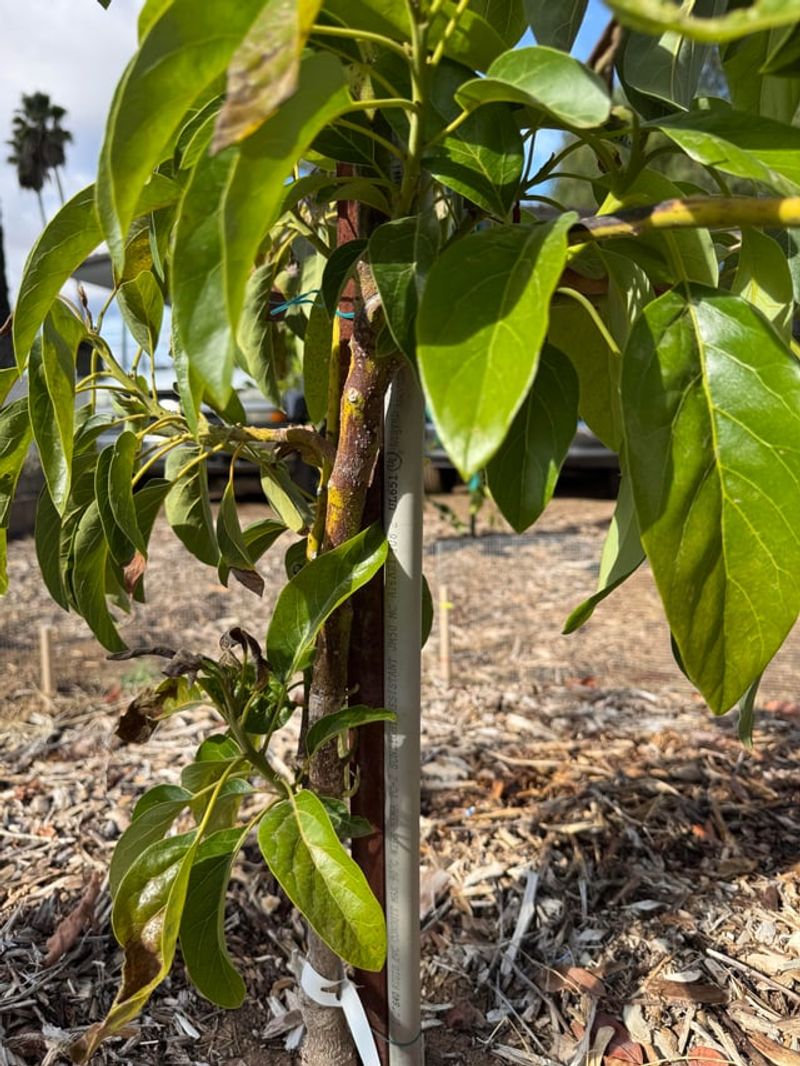
Picture a dinner plate buried a foot down, and you have a decent avocado root map. Most of those feeder roots live in the top twelve inches, where summer heat hits hardest.
Citrus, meanwhile, sends roots deeper and builds a sturdier system that reaches cooler, moister soil. When the surface bakes at 100 degrees, citrus still has a backup water supply below.
Avocado feeder roots are also thin and hairless, so they rely on soil moisture touching them directly. Lose that moisture for a few afternoons and thousands of tiny roots simply stop working.
Replacing those roots takes weeks of mild weather, which September only sometimes delivers in California. Until the root system rebuilds, the canopy cannot pull enough water to push fresh leaves.
Mulch is the cheapest fix available, and growers swear by six inches of coarse wood chips. Keep the mulch about six inches away from the trunk to avoid trapping moisture there.
Shade from the canopy matters too, so resist heavy pruning right after a punishing heat stretch. Those scruffy inner leaves are protecting the soil and the roots hiding underneath them.
Water shorter and more often during recovery rather than flooding the tree once a week. Frequent light irrigation keeps that shallow root zone damp without drowning roots that already struggled.
Fun fact: an avocado root system can hold less stored water than a similar sized citrus. That small difference explains why one tree shrugs and the other sulks for months.
2. Thin Leaves That Burn Before Citrus Even Wilts
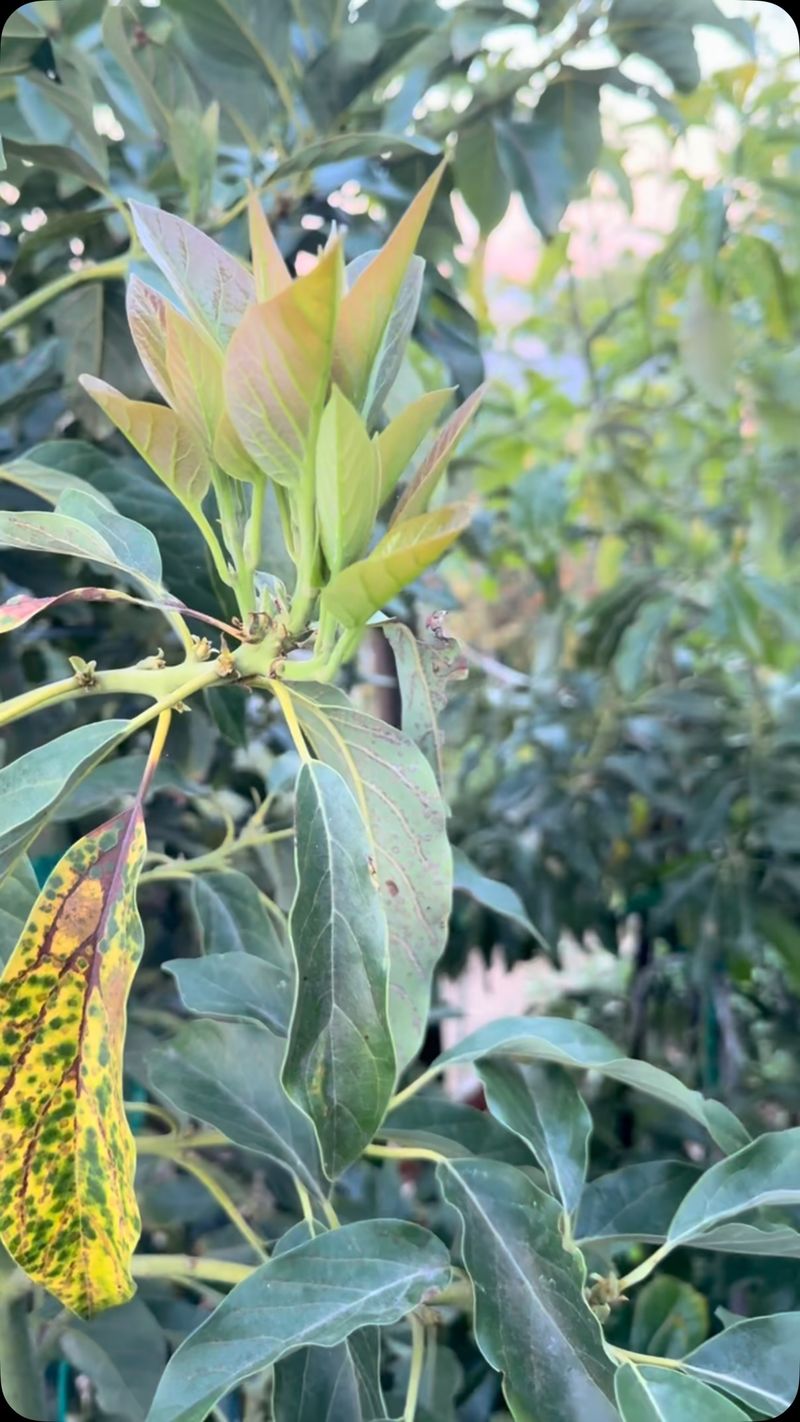
Hold an avocado leaf up to the afternoon light and you can almost see through it. Citrus leaves feel thick and waxy, like little shields built for desert afternoons.
That waxy coating slows water loss and reflects some sunlight away from the leaf surface. Avocado leaves lack that armor, so they scorch along the edges during triple digit days.
Burned leaf margins turn brown and crispy, and the damaged tissue does not heal later. The tree must grow entirely new leaves before it can make food at full speed.
Photosynthesis powers everything, including root repair, new flower buds, and next season’s fruit set. A tree running on half its leaves is essentially working a shift with half its crew.
Your California Garden Changes Every Week. Your Plan Should Too.
Gardening in California changes quickly throughout the season. Every Friday you’ll receive a simple weekly plan showing exactly what to plant, prune, fertilize, harvest, and protect so you never miss the right timing.
By September, those damaged leaves are still hanging on, looking rough but doing a job. Leave them alone, because they shade inner branches and prevent sunburn on the exposed bark below.
Citrus often responds to heat by dropping a few leaves and pushing replacements within weeks. Avocado waits instead, sometimes holding scorched foliage until the spring growth flush finally arrives.
Rinsing dust off the canopy in the early morning helps leaves breathe and cool themselves. Skip midday spraying, since water droplets can magnify sunlight and worsen the existing burn.
Foliar feeding is tempting but rarely helpful on stressed leaves that are already compromised. Focus on steady soil moisture instead, and let the tree rebuild its own canopy naturally.
3. Salt Buildup That Lingers Long After The Heat Breaks
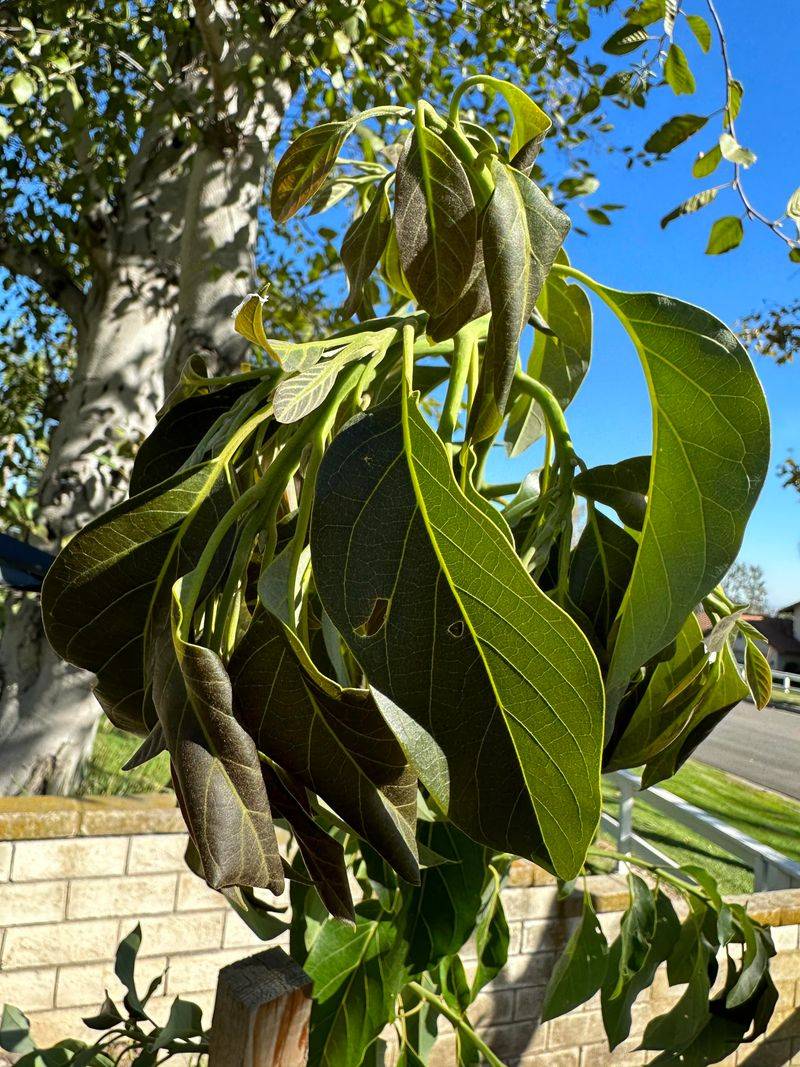
Here is the sneaky part of a hot summer, since trouble continues after temperatures finally drop. Every gallon of irrigation water carries dissolved salts that stay behind when water evaporates.
Avocado trees rank among the most salt sensitive fruit trees grown anywhere in California. Chloride and sodium collect in leaf tips, causing the brown burn growers see every autumn.
Citrus tolerates salt far better, especially on rootstocks bred for tougher, saltier irrigation water. A lemon tree may shrug at salinity levels that leave an avocado looking scorched and tired.
Heavy summer watering during heat waves actually speeds salt accumulation in the shallow root zone. More water in means more salt left behind once the sun pulls the moisture away.
Leaching is the standard cure, and September is a smart month to start that process. Apply a long, slow irrigation that pushes salts well below the feeder root layer.
Rain helps enormously, but Southern California rarely delivers meaningful rainfall before late November arrives. Until then, growers must flush salts themselves using extra irrigation runs every few weeks.
Gypsum can improve water movement through clay soils, which makes deep leaching more effective. Test your soil first, because guessing at amendments wastes money and sometimes creates new problems.
Recovery from salt injury takes many months because damaged leaf tissue does not repair itself. The tree needs a fresh flush of clean growth, and that timing belongs to spring.
4. Flower Buds That Set While The Tree Is Still Exhausted
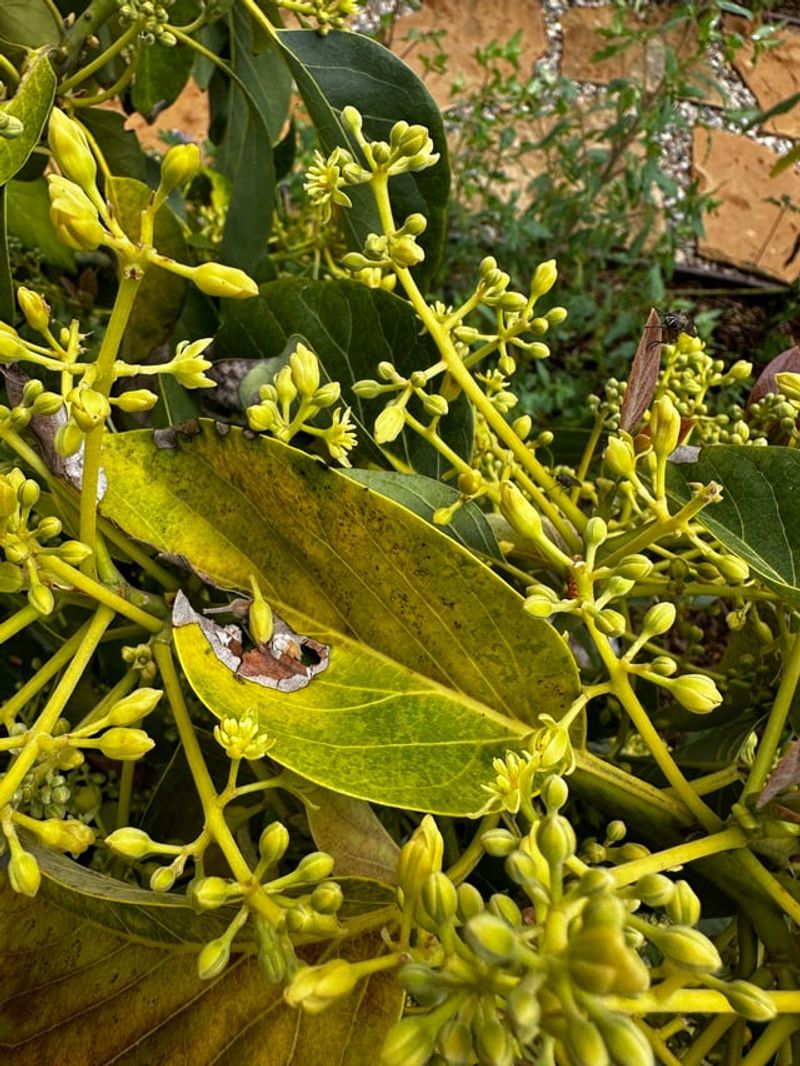
Timing is everything in a working grove, and avocado trees have famously terrible timing. Floral initiation begins in late summer and fall, exactly when a heat battered tree feels weakest.
A tree spending energy on repair has less left over for building next spring’s flowers. Fewer buds now means a lighter bloom in February, and a smaller crop after that.
Citrus sets its flower buds later, usually during cool winter weeks after recovery has begun. That delay gives lemons and oranges extra time to rebuild strength before committing to blossoms.
Carbohydrate reserves stored in wood and roots fuel the whole process quietly behind the scenes. A brutal summer drains those reserves the way a long road trip drains a gas tank.
Growers checking trees in September often see healthy looking wood with disappointing bud development inside. The damage is invisible until spring, which makes it especially frustrating to plan around.
Gentle, balanced fertilizer in early fall can help, but heavy nitrogen pushes soft growth instead. Soft new shoots are magnets for late heat spikes and hungry insects looking for tender food.
Potassium and calcium support recovery better than a big nitrogen shot at this point. Split small applications over several weeks so roots absorb nutrients without extra salt stress.
Patience pays here, since one weak bloom does not mean the tree has given up. Most trees rebound the following season once reserves refill and the canopy returns to normal.
5. Bark That Sunburns Once The Canopy Thins Out
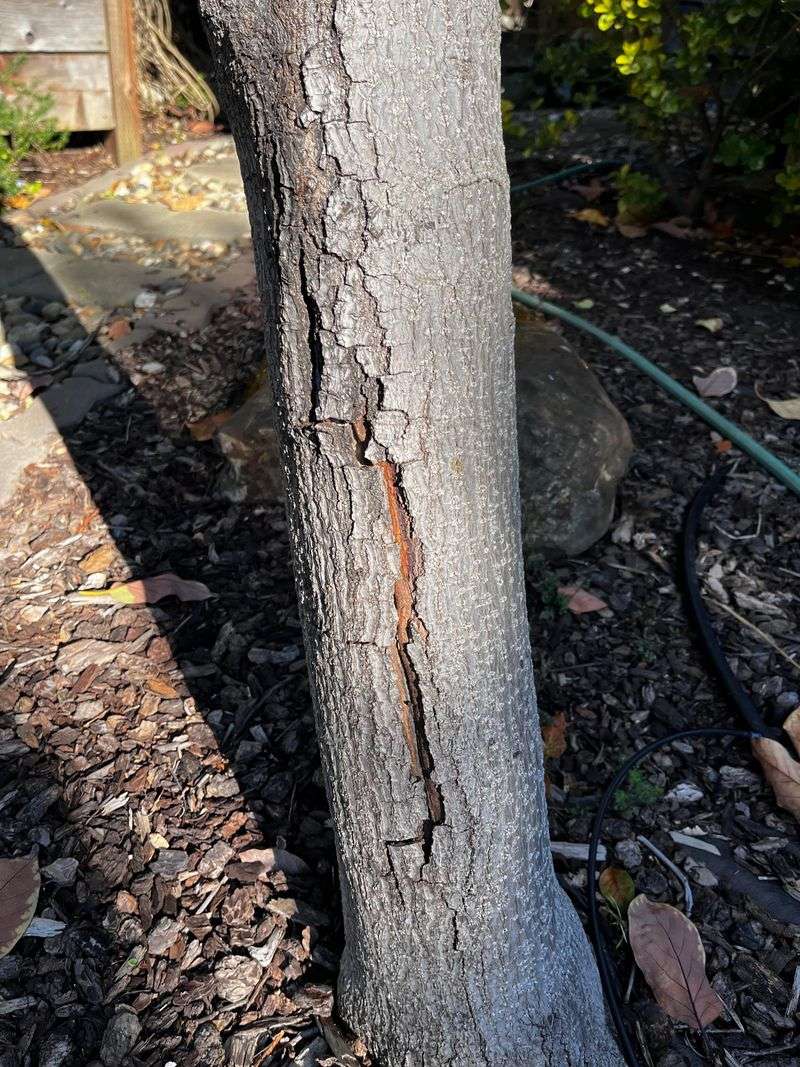
Sunburned bark sounds strange until you see it, chalky white patches splitting along a limb. When heat strips leaves away, branches that spent years in shade suddenly face direct sun.
Avocado bark is thin and smooth, offering almost no protection against intense afternoon radiation. Citrus bark handles exposure somewhat better, and citrus canopies usually stay denser after heat events.
Damaged bark cracks, peels, and creates open doorways for wood boring beetles and fungi. Those secondary pests and fungi cause problems that last far longer than the original heat wave did.
White latex paint, diluted half and half with water, is the classic orchard solution. Brush it on exposed trunks and major limbs, and refresh the coating every year or two.
Skip oil based products, because they trap heat and can damage the tissue you want protected. Water based interior white paint works fine and costs very little per tree.
September is prime painting season, since sun angles shift and newly bared limbs stay vulnerable. Autumn sun still carries plenty of punch in inland valleys and on hillside groves.
Shade cloth draped over young trees offers another layer of insurance during recovery years. Thirty percent shade is usually plenty, and it comes off once the canopy fills back in.
Citrus growers rarely fuss this much about bark, which tells you something about the difference. One tree wears a sweater. The other shows up to the desert in a tank top.
6. Root Rot That Moves In While The Tree Is Weak
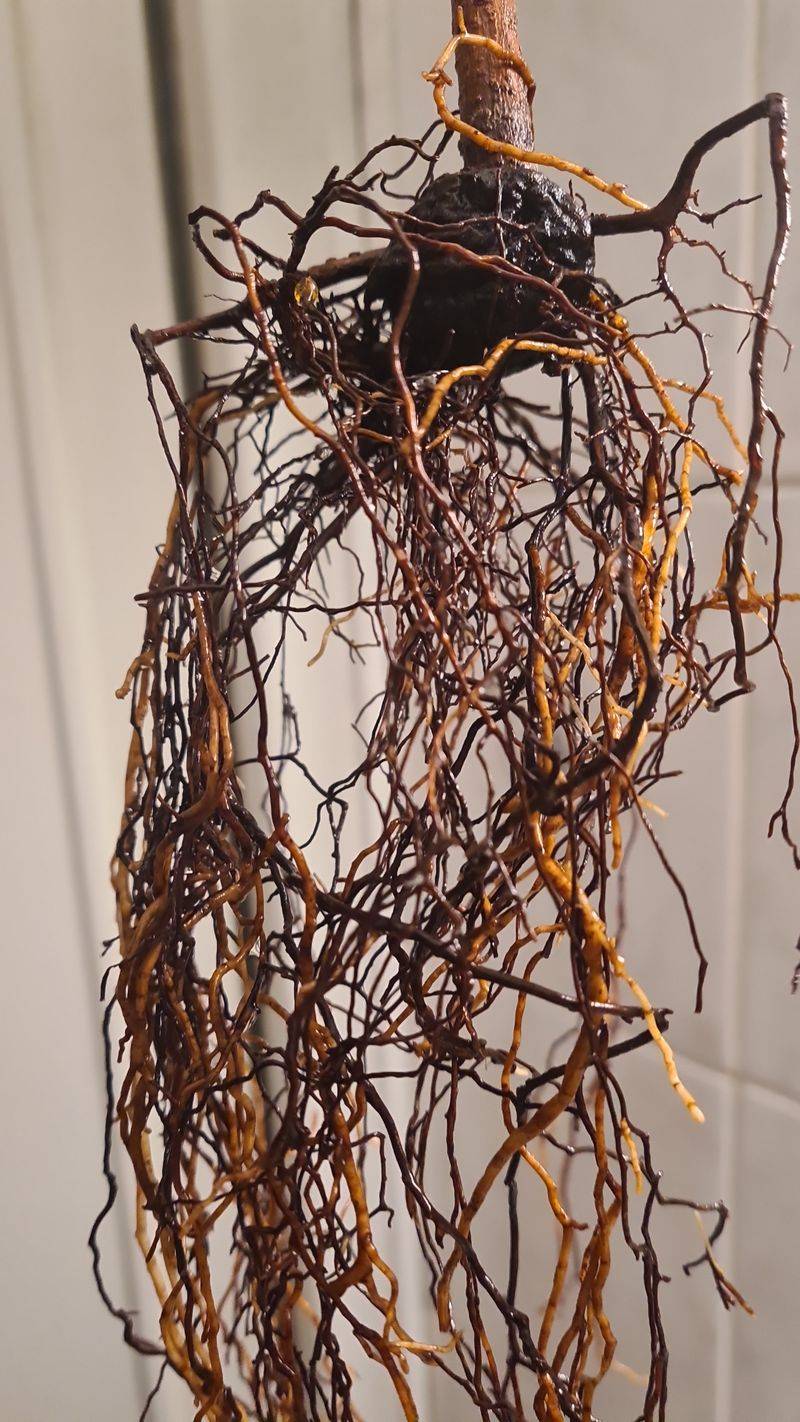
Phytophthora cinnamomi has been the avocado industry’s biggest headache for more than half a century. The water mold attacks feeder roots, and stressed trees make unusually easy targets.
Heat waves push growers to water heavily, and soggy soil is exactly what the pathogen loves. Warm, wet, poorly drained ground creates perfect conditions for spores to swim toward roots.
Citrus faces its own root problems, but tolerant rootstocks have solved much of that issue already. Avocado rootstocks with real resistance exist, though many older groves were planted before they arrived.
Symptoms show up as small, pale leaves, thin canopies, and branches that quietly decline. Growers often blame the heat alone when real trouble is happening eighteen inches underground.
Improving drainage helps more than any spray, so check your grove for hardpan and standing water. Raised planting berms keep crowns above wet soil and make a real long term difference.
Coarse mulch encourages beneficial microbes that compete with the pathogen in the upper soil layer. Yard trimmings and chipped avocado wood both work well and cost almost nothing extra.
Phosphonate treatments are common in commercial groves, applied as trunk injections or as foliar sprays. Timing matters, so coordinate applications with natural growth flushes rather than random calendar dates.
Recovery takes seasons, not weeks, because rebuilding a damaged root system is genuinely slow work. That slow underground timeline is the single biggest reason avocados lag behind their citrus neighbors.
7. Slow Regrowth That Waits For Spring Instead Of Fall
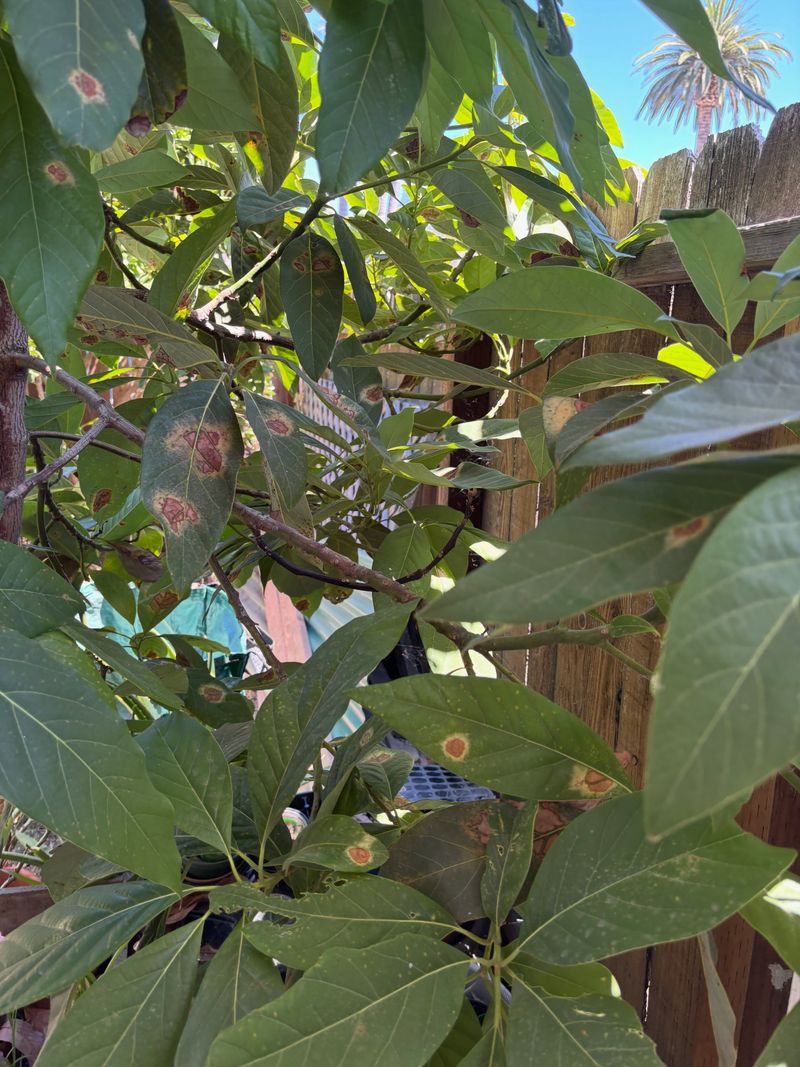
Cut back a citrus branch in August and you might see new shoots by late September. Avocado trees are far less enthusiastic about unscheduled growth spurts of almost any kind.
Avocados push growth in distinct flushes, mostly in spring and then again in early summer. Miss those windows, and the tree essentially waits until the next year to try again.
Citrus flushes far more frequently, sometimes three or four times across a single growing season. More flushes mean more chances to replace damaged leaves before winter weather settles in.
Temperature drives the whole schedule, and avocados want soil in the upper 60s to mid 70s for strong root growth. September soil is often still too warm, and by November it usually turns too cool.
That narrow window explains why a scorched avocado can look sad straight through the winter holidays. The tree is not sulking for fun, it is waiting for conditions it actually likes.
Feeding heavily in fall does not force a flush, it just adds salt to tired soil. Light nutrition, steady moisture, and deep mulch do more good than any aggressive push.
Hold off on major pruning until after the spring flush shows you what survived. Cutting too early removes wood that might still leaf out beautifully come next March.
Mark the calendar and check trees again in April, when the real recovery becomes visible. Until then, a quiet tree is usually just a tree working on its own timetable.
8. Fruit Loads That Compete With Recovery For Energy
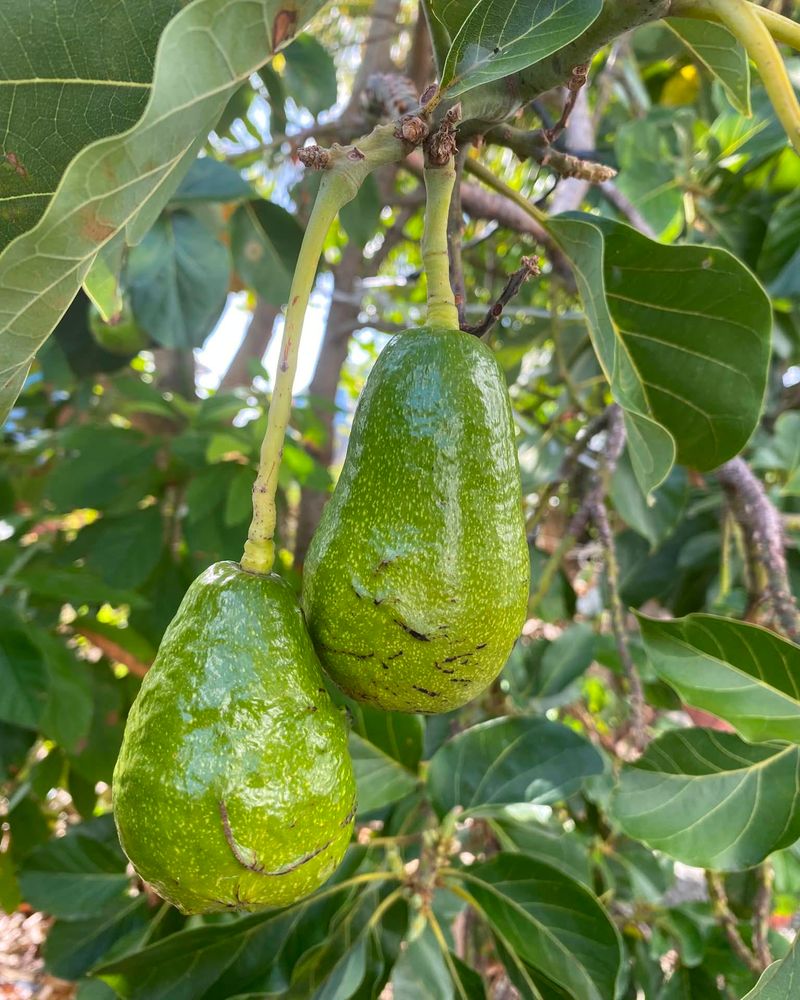
Hass avocados hang on the tree for months, sometimes over a year after bloom. That long hang time means fruit and recovery are fighting over the same energy supply.
Every developing avocado is rich in oil, which takes far more energy to build than sugar. Citrus fruit stores mostly water and sugar, a much cheaper product from the tree’s perspective.
A heat stressed avocado carrying a heavy crop has almost nothing left for new roots. Something has to give, and the tree usually sacrifices new growth to finish the fruit.
Heat waves also trigger heavy fruit drop, which looks wasteful but is actually smart triage. The tree sheds what it cannot support and protects the remaining crop and itself.
Thinning fruit by hand after a harsh summer can noticeably speed recovery on younger trees. Removing a portion of the crop frees energy for roots, leaves, and next season’s buds.
Harvesting on time matters too, since late fruit keeps drawing resources through fall and winter. Many California growers pick a little earlier after a hard year to give trees a break.
Alternate bearing becomes a real risk when stress and heavy crops collide in the same season. One monster crop year often produces one very disappointing year right behind it.
Citrus bounces back partly because its fruit is cheaper to make and quicker to finish. Avocados are the luxury item of the orchard world, and luxury takes a long time.