The Early October Lawn Routine That Gives California Grass A Head Start On Spring
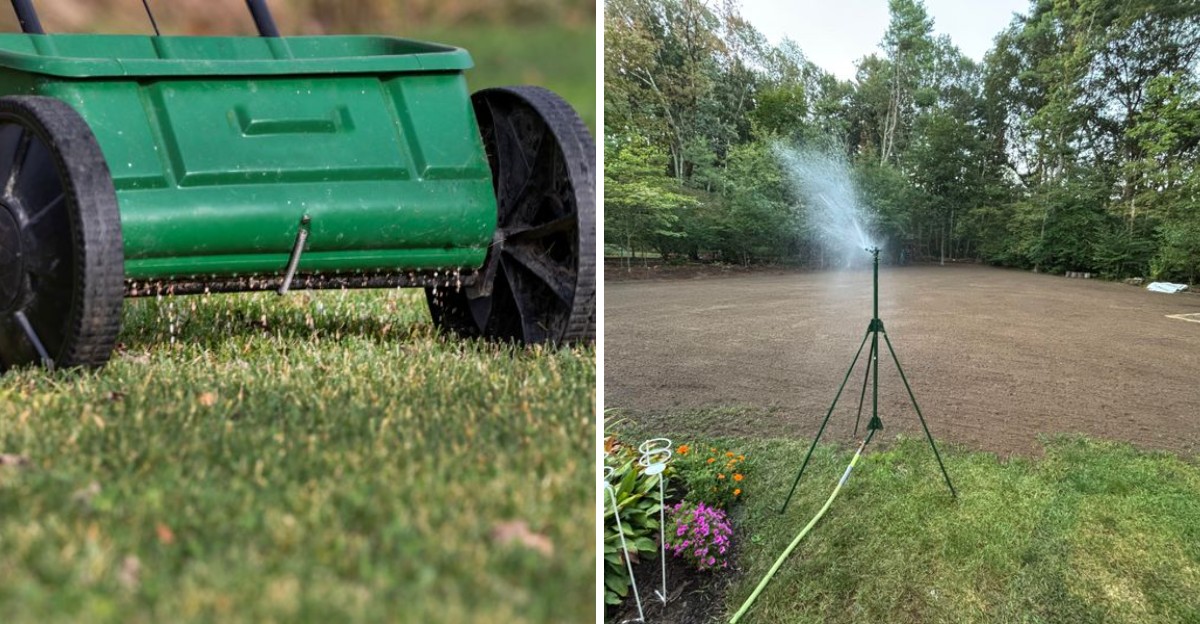
October often finds California lawns looking a little worn. Summer heat leaves behind tired edges, thin patches, and a few spots of bare soil that seem to grow wider every week.
This month, however, holds a quiet opportunity that many homeowners miss.
Warm soil and cooler air create ideal conditions for certain kinds of lawn work, and a few well-timed steps now can shape how the grass looks months from now.
Not every lawn wants the same treatment, though. What helps one type can set another back, and a coastal yard rarely behaves like a desert one.
Matching the routine to the right grass makes all the difference, turning a tired October lawn into a thick, green carpet by spring.
Check Your Grass Type First
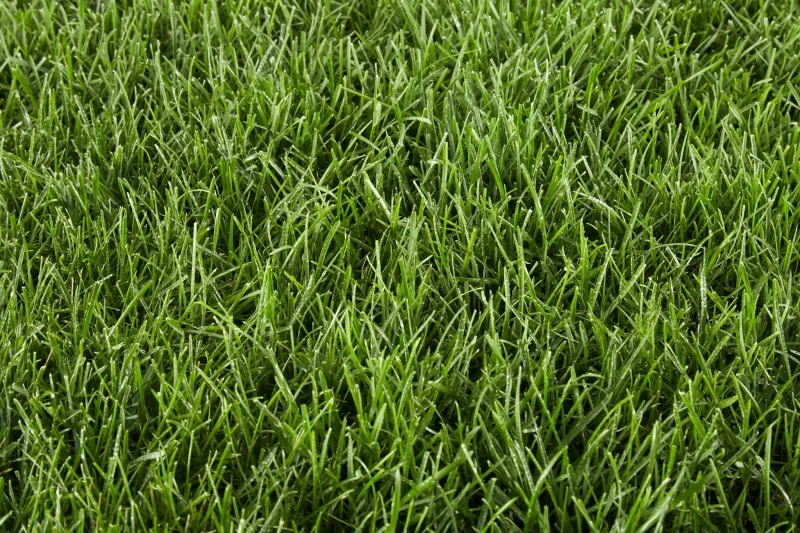
A close look at a handful of grass reveals plenty. Wide, stiff blades growing in clumps usually point to tall fescue, while fine blades creeping across the sidewalk on wiry runners often mean Bermuda grass.
Identifying the grass comes first because October care splits into two paths. Cool-season grasses include tall fescue, perennial ryegrass, and Kentucky bluegrass.
They love mild weather and do much of their best growing in fall and spring. Warm-season grasses include Bermuda, zoysia, St. Augustine, and kikuyu.
Those types thrive in summer heat and slow down as the weather cools. Each group follows its own calendar.
Cool-season lawns are waking up for a busy season of root growth. Warm-season lawns are heading toward winter rest, and many will turn tan or brown until spring.
Feeding or seeding the wrong lawn at the wrong time wastes money and can invite problems. A sample brought to a local nursery can often be identified quickly when the grass type remains a mystery.
Region matters, too. Coastal yards stay mild longer, inland valleys cool faster, and desert lawns still feel summer heat into October.
Many desert homeowners grow warm-season grass and handle fall very differently. Climate shapes every decision that follows.
Once the grass type and climate are clear, each step in the routine falls neatly into place. That simple check works like reading the instructions before building the furniture.
Dethatch And Aerate While Soil Is Warm
A lawn that bounces like a sponge underfoot often hides a layer of thatch. That mat of old stems and roots sits between the grass blades and the soil.
A thin layer causes no harm. Once it grows past about half an inch, though, water and nutrients struggle to reach the roots.
For cool-season lawns, early fall offers a fine time to fix this. A dethatching rake or rented power dethatcher pulls out the extra material, and the debris can head to the green waste bin or compost pile.
The lawn may look a bit rough afterward. Warm soil and cool air help it bounce back quickly.
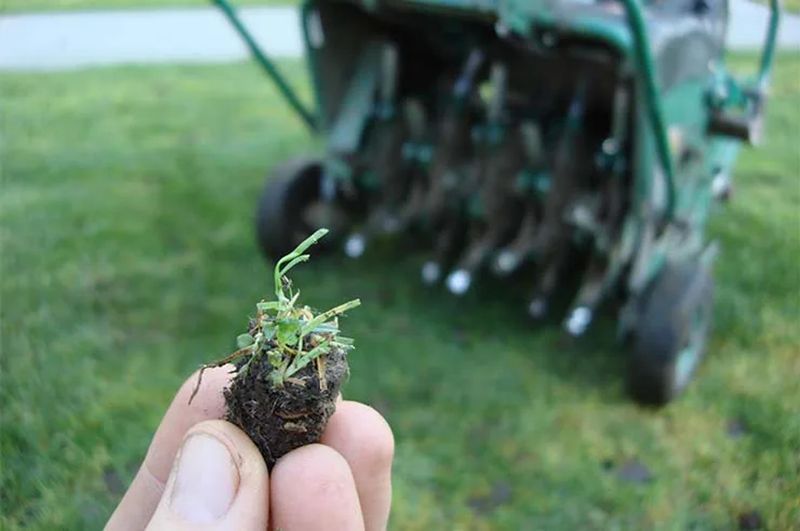
Core aeration comes next, and it works wonders on compacted soil. A core aerator pulls out small plugs of dirt, leaving holes that let air, water, and roots move deeper.
Your California Garden Changes Every Week. Your Plan Should Too.
Gardening in California changes quickly throughout the season. Every Friday you’ll receive a simple weekly plan showing exactly what to plant, prune, fertilize, harvest, and protect so you never miss the right timing.
Heavy clay soils, common in many California neighborhoods, benefit most. Watering a day or two beforehand helps the tines dig in easily.
The soil plugs can stay right on the lawn. They break down within a week or two and return nutrients to the surface.
Flags marking sprinkler heads beforehand keep the machine from cracking them. That small step prevents a costly repair.
Warm-season lawns do better with aeration in late spring or early summer, when they grow fast, so Bermuda and zoysia can skip this step for now.
The soil breathes easier afterward, and so does the gardener.
Overseed Cool Season Lawns Right After Aerating

Fresh aeration holes work like a welcome mat for new seed. Seed that lands in them, or on soil loosened by dethatching, gets direct contact with dirt.
That contact helps seed sprout instead of sitting on top of old grass and drying out. Good preparation makes all the difference.
Matching seed to the lawn matters. Tall fescue lawns do best with tall fescue seed, while ryegrass lawns call for perennial ryegrass.
Mixing in a different type can leave odd-looking patches with mismatched colors and textures. A seed bag label showing the variety name and a low weed seed percentage signals quality.
A broadcast or drop spreader delivers even coverage. Following the rate printed on the bag keeps things balanced, since overseeding uses less seed than starting a new lawn.
Splitting the seed into two batches and spreading in crisscross directions helps prevent striped, uneven results. That simple trick pays off visually.
A light raking afterward settles seed into the holes and soil. A thin layer of fine compost or topdressing helps hold moisture around the seed.
Thick layers are best avoided, since tiny seedlings struggle to push through a heavy blanket. A light touch works far better.
Timing shifts by region. Cool coastal and inland areas usually enjoy good seeding weather from September into October.
Hot inland and desert spots do better waiting until daytime highs ease. Seed planted now gains months to build roots before summer heat returns.
Feed Cool Season Lawns A Light Fall Dose
More fertilizer doesn’t always mean better results. A big dose of nitrogen in fall can push soft, fast top growth that becomes an easy target for lawn diseases.
A smaller, steady meal works better for cool-season grass this time of year. Fall marks a strong growing season for tall fescue, ryegrass, and bluegrass.
Their roots spread and store energy as the weather cools. A modest feeding supports that root work, and the stored energy helps the lawn green up sooner in spring.
Many UC guidelines suggest spreading nitrogen across the growing season in small amounts rather than one heavy blast. That approach keeps growth steady and balanced.
A lawn fertilizer with a slow-release form of nitrogen makes a smart choice. Applying at or below the label rate prevents overfeeding.
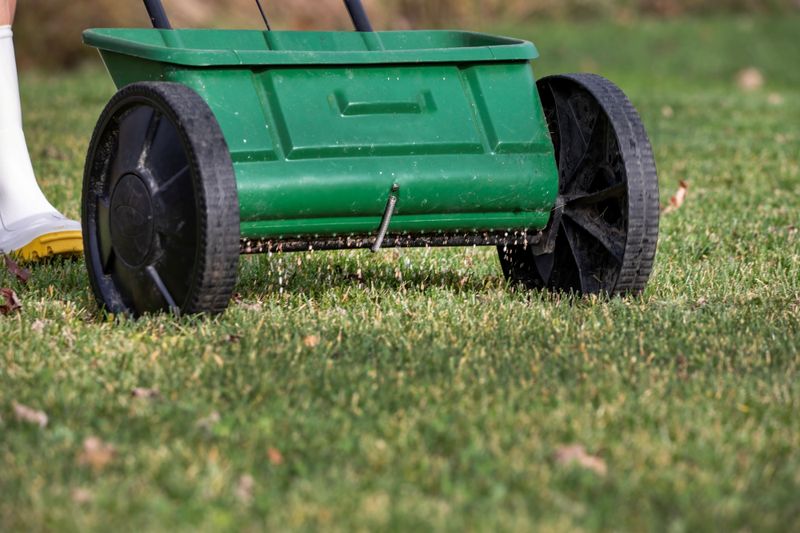
A spreader gives far more even coverage than tossing granules by hand. Stray pellets on driveways and sidewalks deserve a quick sweep back onto the grass.
Fertilizer washed into storm drains can pollute creeks and the ocean. That small cleanup step protects local waterways.
A light watering after feeding moves granules into the soil, unless the product label says otherwise. A freshly overseeded lawn can benefit from a starter fertilizer made for new seed, which does double duty.
Feeding right before a heavy rain is best avoided. Small and steady wins this race, rewarding the lawn with a deeper, healthier green when spring arrives.
Warm Season Lawns Get Their Last Feeding Now
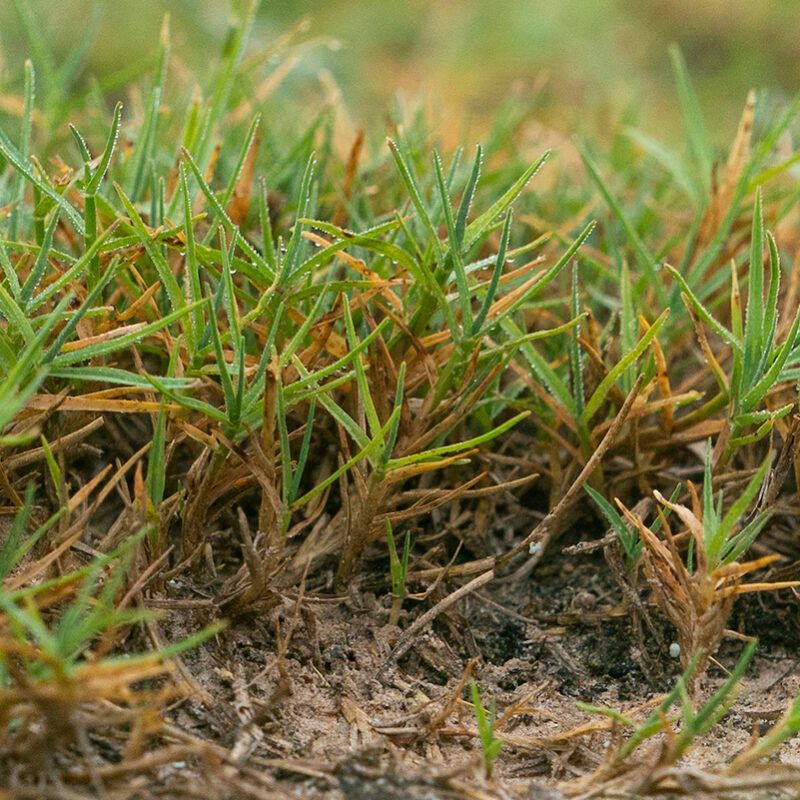
Bermuda grass is a true sun worshipper. Once long, hot days fade, it begins slowing down and preparing for its winter nap, and the feeding schedule should slow right along with it.
For Bermuda and zoysia, the final feeding of the year usually happens in early fall. In many parts of California, that means September or early October, depending on the area.
Desert lawns may stay active a little longer, while cooler inland valleys slow sooner. A light final dose helps the grass hold good color and store a bit of energy before dormancy.
Heavy fall feeding is best skipped. Pushing lots of nitrogen into a lawn that’s winding down wastes fertilizer and may weaken it heading into winter.
Much of that extra food can wash away instead of feeding the grass. Following the label rate and keeping the dose light works best.
Overseeding also makes a poor fit for most warm-season lawns in fall. Some homeowners plant ryegrass over Bermuda for winter color.
That rye, however, competes with the Bermuda when it tries to wake up in spring. The competition can leave the warm-season grass thin and patchy.
Unless a green winter lawn feels worth that tradeoff, letting the Bermuda rest makes more sense. Patience pays off by late spring.
A tan winter lawn isn’t an unhealthy one. It’s simply taking a well-earned break before roaring back once warm weather returns.
Time Winter Weed Prevention Carefully
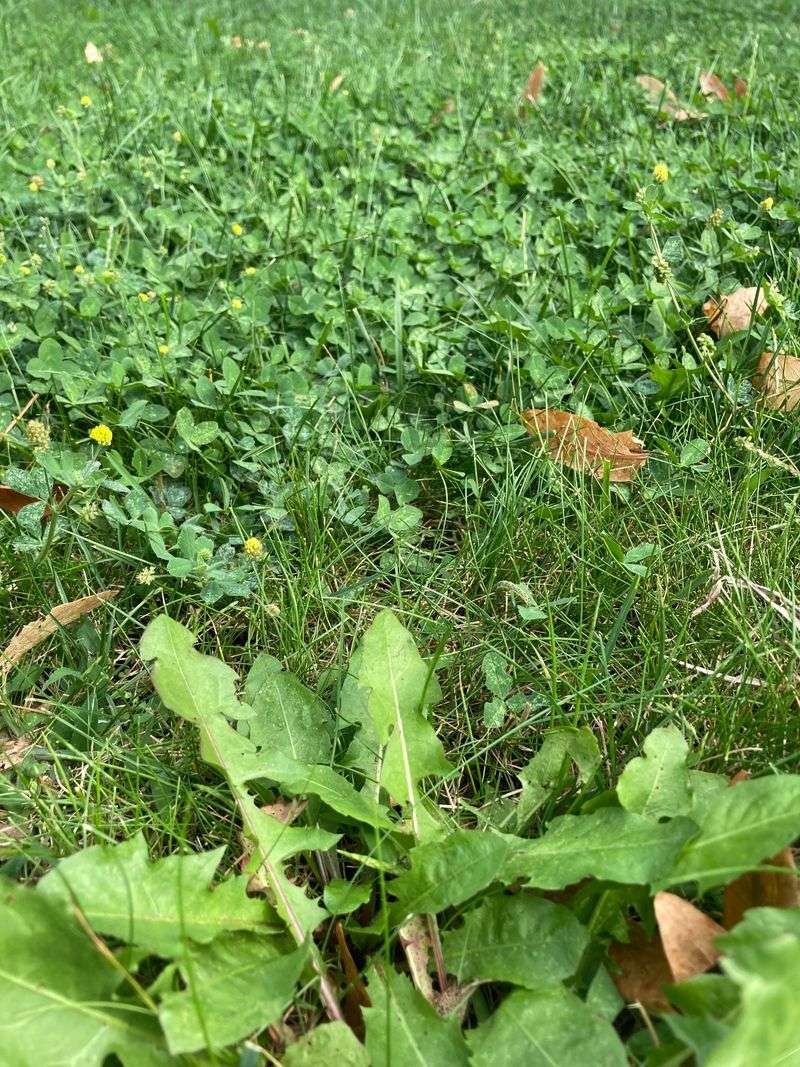
A common mistake follows a predictable pattern. Grass seed goes down on Saturday, weed preventer follows on Sunday, and a month later, almost nothing has come up.
Pre-emergent herbicides work by stopping seeds from growing as they sprout. They can’t tell the difference between a weed seed and a grass seed.
Applied to a freshly seeded lawn, they can keep new grass from appearing at all. Fall, then, calls for choosing one path or the other.
An overseeded cool-season lawn does best without a pre-emergent this fall. A thick, healthy lawn ranks among the best weed blockers anyway, since dense grass shades out weed seedlings.
Weeds that pop up later can be pulled or spot-treated once the new grass is well established and has been mowed a few times. Patience protects the young turf.
Lawns skipping seed this year have a different option. A fall pre-emergent can help stop winter weeds like annual bluegrass before they sprout.
Timing matters a great deal. The product must be in place before weed seeds germinate, often as cooler temperatures and the first rains arrive.
Labels deserve a careful read, since many products list waiting periods before seeding afterward. Those details prevent costly surprises.
UC IPM Pest Notes offer helpful weed photos for identifying what’s growing in the yard. Knowing the opponent first makes picking a plan far easier, since this particular choice really can’t go both ways.
Keep New Seed Evenly Moist
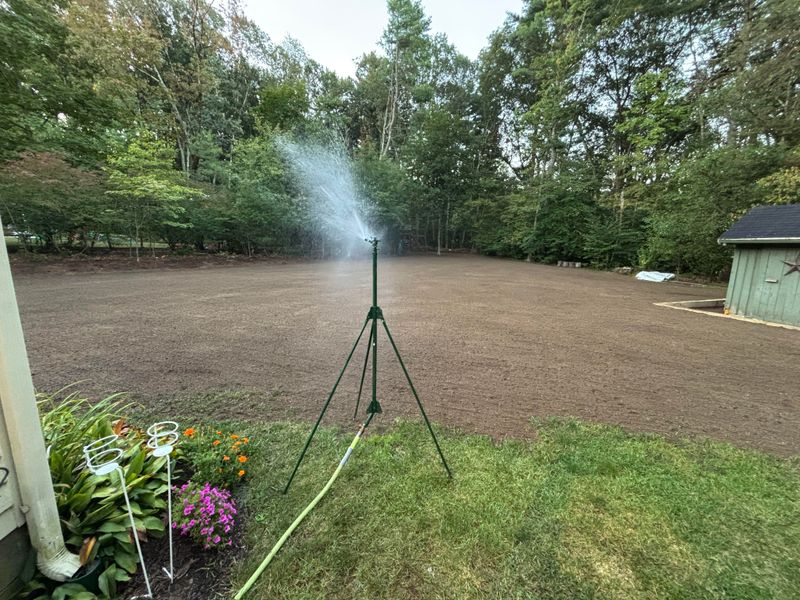
A tiny seed sitting in warm soil swells with its first sip of water. A dry spell halfway through sprouting can stop it in its tracks, so new seed needs steady moisture rather than big floods.
Light, frequent watering works best until the seed sprouts. In many yards, that means short sprinkler runs once or twice a day, just enough to keep the top layer of soil damp.
Hot, windy afternoons may call for an extra light watering. Cooler coastal areas often need less.
Puddles and runoff deserve attention. Heavy watering can wash seed into clumps or down a slope into the gutter.
Runoff signals a need for shorter run times. Several brief cycles soak in better than one long blast, especially on clay soil.
Tall fescue usually sprouts in about one to two weeks, while perennial ryegrass can come up even faster. Once seedlings appear, a gradual shift toward longer, less frequent watering helps.
That change encourages roots to reach deeper into the soil rather than staying near the surface. Deeper roots handle future heat far better.
Foot traffic, kids, and pets are best kept off the seeded area as much as possible. The first mowing works best once new grass reaches normal mowing height, using a sharp blade.
Patience matters here. A few weeks of careful watering now turns bare patches into a thick, even carpet by spring.