The Native Perennials That Keep New York Gardens Blooming Into Fall
September can arrive before the garden feels ready to let summer go. One cool morning can make fading flower beds look tired.
But some plants barely notice. As days grow shorter, they put on a fresh show of color across New York gardens.
You do not need expensive fertilizer or special equipment. The right plants can keep beds colorful until the first frost.
Pollinators benefit too. Bees and other insects still need nectar as the season winds down.
Late-blooming plants give them one more food source when fewer flowers remain. They also keep your garden lively when most summer blooms have faded.
1. New England Aster Keeps Purple Blooms Going Into Fall
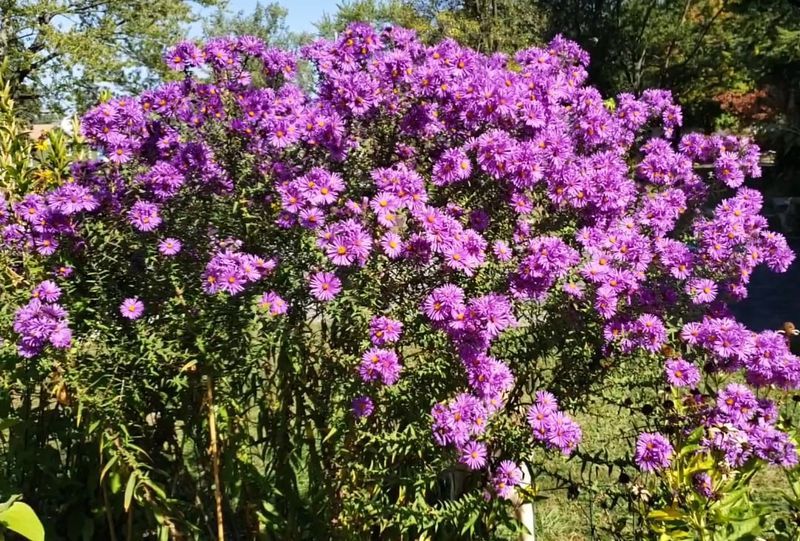
Few flowers make a bigger late-season entrance than the shaggy purple stars of New England aster. Blooming runs from late summer clear through October, right when most garden beds start looking sleepy.
Stems climb anywhere from three to six feet, so plant them toward the back of borders. Rich purple, lavender, and pink petals circle golden-yellow centers that seem to glow on gray afternoons.
Monarch butterflies heading south treat these blossoms like a favorite roadside diner during their long migration. Native bees crowd in as well, making the plant a true workhorse in the yards.
Full sun keeps the stems sturdiest, although a bit of afternoon shade causes no real trouble. Moist, well-draining ground suits it best, and even stubborn clay soil rarely brings any complaints.
One quirk worth knowing is that lower leaves often drop away as the plant stretches upward. Tuck shorter perennials in front, and nobody will ever notice those bare bottom stems.
Gardeners who want bushier growth can pinch stems back by about half in early June. That simple haircut encourages more branches, more flowers, and far less flopping come windy October.
Meadow plantings suit this aster beautifully, since it mingles happily with native grasses and goldenrod clumps. Cottage borders work too, especially when paired with something short and tidy up front.
Leave the stems standing through winter instead of cutting everything down in November. Birds pick through the dried seed heads, and small insects shelter inside the hollow stalks all winter.
2. New York Aster Brings Deep Color To September
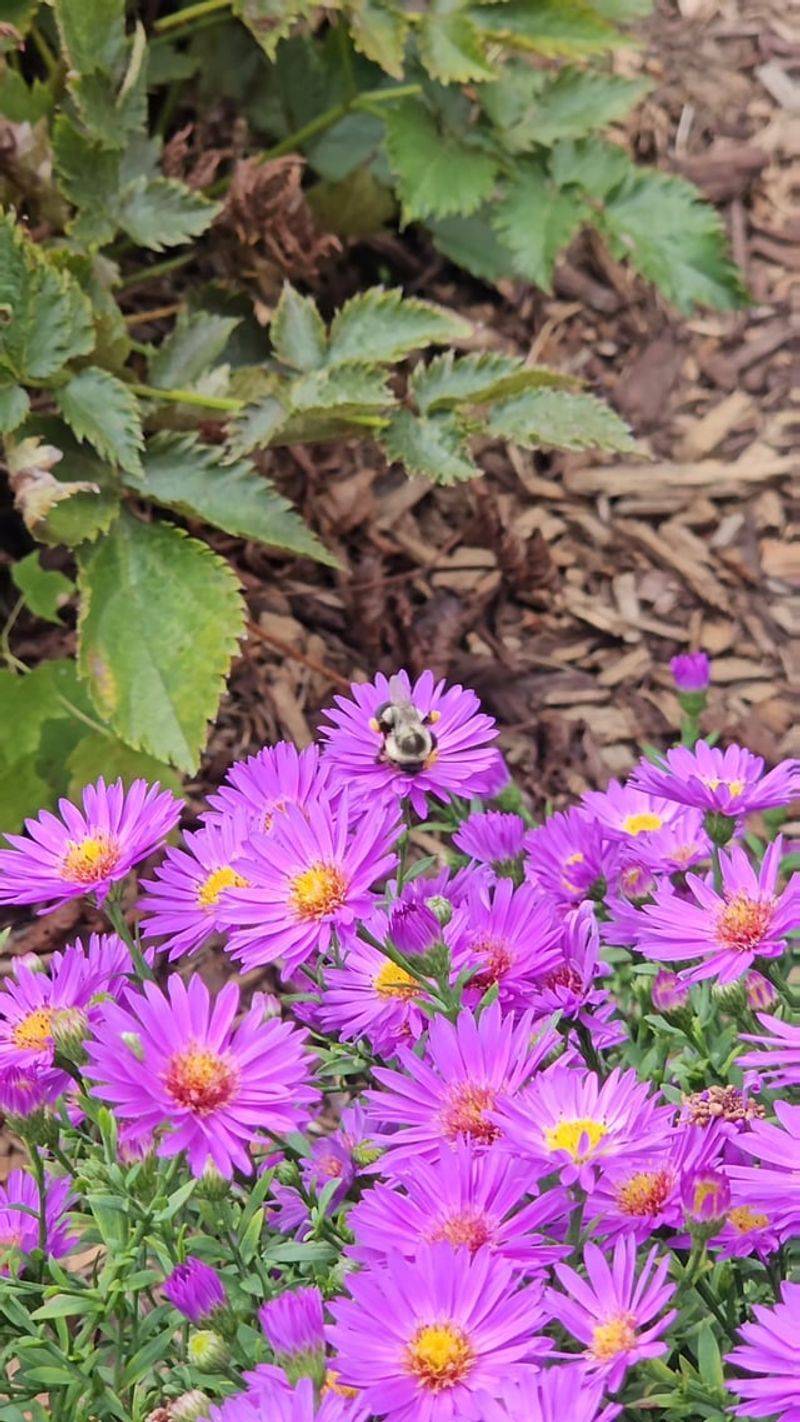
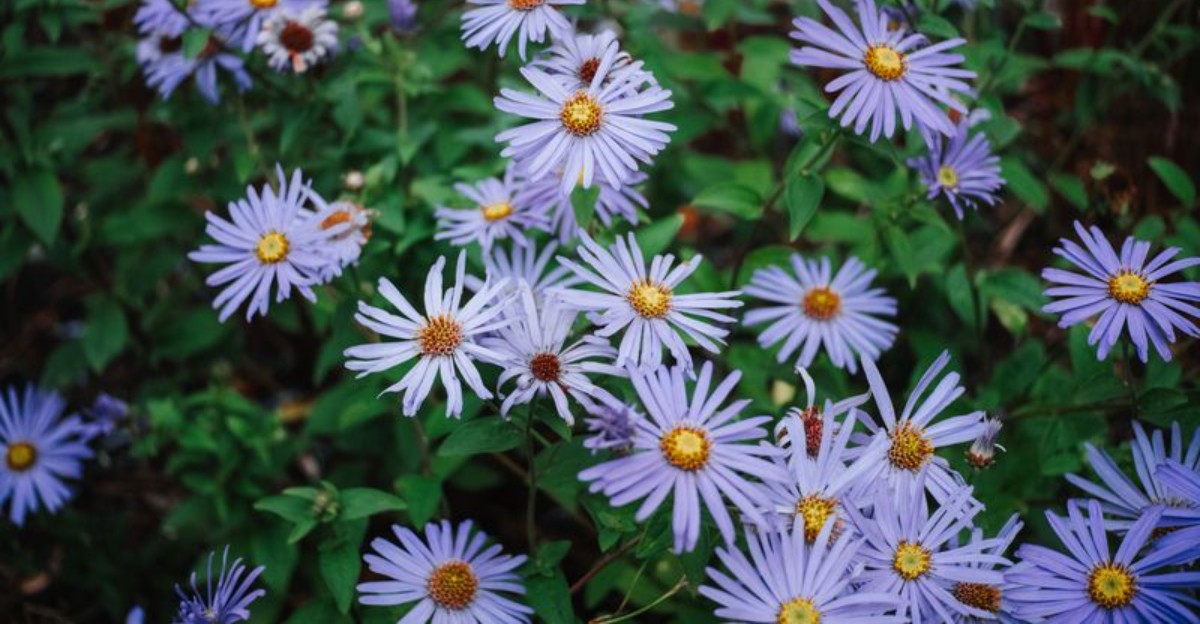
Think of New York aster as the tidier cousin who shows up dressed for the occasion. Dense crowns of daisy-like flowers open in September and keep going strong right through October.
Heights range from one to five feet, making this one easier to place than taller relatives. Colors include violet-blue, rose, lavender, deep purple, and clean white, usually around sunny yellow centers.
Upstate New York gardeners love it because bloom timing lines up with the first chilly nights. Monarchs fueling up for the trip south visit constantly, along with dozens of hungry native bees.
Full sun and moist, fertile soil produce the thickest, longest-lasting flower show by far. Part shade is tolerated well, though plants may lean toward the brightest patch of sky.
Deer tend to walk right past it, which is welcome news near woodland edges upstate. Rabbits show little interest either, so young plants usually settle in without protective fencing.
Your New York Garden Changes Every Week. Your Plan Should Too.
Gardening in New York changes quickly throughout the season. Every Friday you’ll receive a simple weekly plan showing exactly what to plant, prune, fertilize, harvest, and protect so you never miss the right timing.
Divide the clumps every three or four years to keep the centers from thinning out. Early spring is the easiest time, right as fresh green shoots push through cool soil.
Powdery mildew sometimes speckles the lower leaves during humid stretches in August. Good spacing and plenty of morning sun solve most of it, no spray bottle required.
Cut a few stems for a vase and the blooms hold up nicely indoors for days. A mason jar of these on the kitchen table beats any store-bought grocery bouquet.
3. Rough-Stemmed Goldenrod Lights Up October Gardens
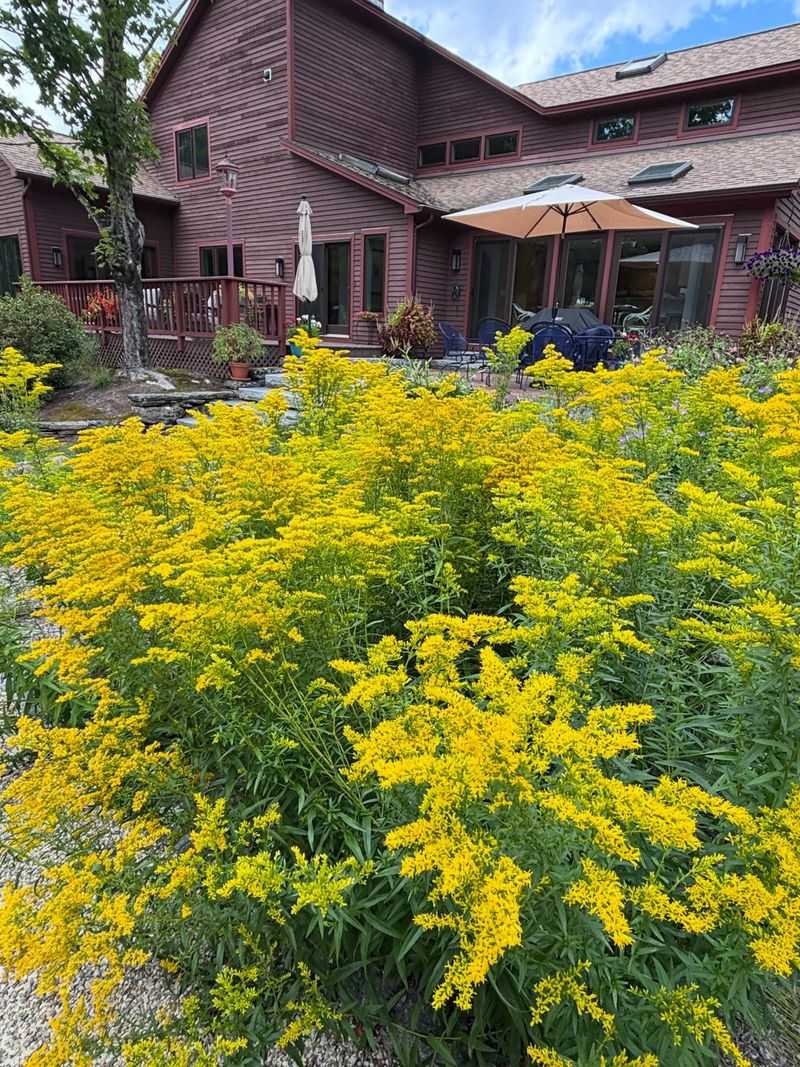
Goldenrod gets blamed every autumn for sniffles, but ragweed is usually the bigger culprit. Goldenrod pollen is heavy and sticky, so it is mostly carried by bees rather than drifting through the air.
Clouds of bright yellow flowers open in August and often stick around well into November. Few native perennials stretch the season that far without looking tired, floppy, and ragged.
Clumps grow upright somewhere between two and six feet, depending on soil richness and sunlight. The cultivar named Fireworks stays tidier, with arching sprays that fountain outward like bursts of sparks.
Bees, wasps, and small butterflies mob these blooms when almost nothing else in the garden offers nectar. Predatory insects also visit goldenrod, adding more beneficial insect activity to the garden.
Moist to wet ground makes it happiest, so soggy low corners of the yard work well. Full sun grows the sturdiest stems, though light shade produces a looser, softer, wilder look.
Spreading happens through underground runners, so give it space or plan on sharing divisions. Neighbors rarely turn down a free clump of something this cheerful and dependable.
Pair all that yellow with purple asters and the color combination practically hums out loud. Add a few ornamental grasses, and the whole bed starts reading like a roadside meadow.
Seed heads feed goldfinches well into winter, so hold off on the pruners for now. A February cleanup works fine and gives the garden something to look at in between.
4. Calico Aster Adds Late-Season White And Pink
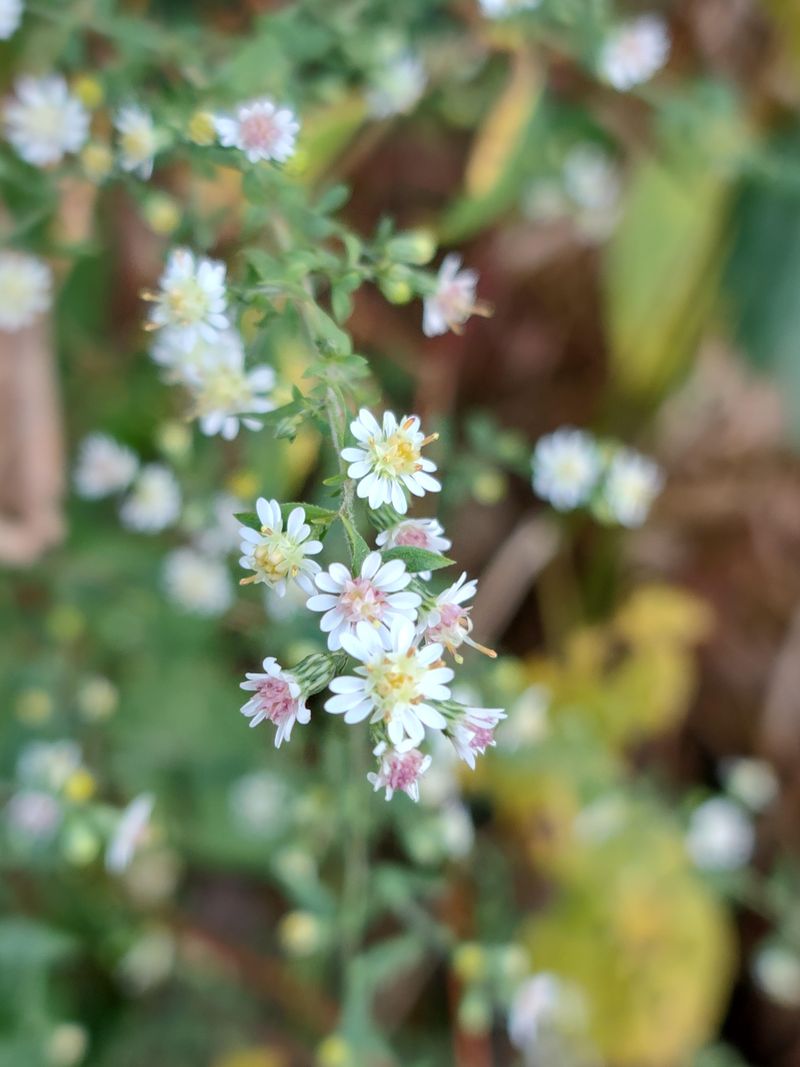
Calico aster earned its name from flower centers that change color as the blossoms age. Yellow disks shift to reddish-purple, pink, blue, or maroon, so one plant wears several shades at once.
Tiny white star-shaped blossoms smother the stems from late August straight through most of October. Each bloom is small, but the sheer quantity makes the effect surprisingly bright at dusk.
Another oddity worth noticing: flowers frequently line just one side of each arching branch. Botanists call that habit secund, and it gives the whole plant a loose, sideways charm.
Mature height stays between one and three feet, so front-of-border placement usually makes good sense. Dry shade under old maple trees suits it far better than most fussy garden perennials.
Drought tolerance is genuinely good once the roots settle in during that first growing season. Skipping the hose in September will not ruin the show, which busy gardeners really appreciate.
Late-flying bees, small wasps, and hoverflies work these blossoms on warm October afternoons. Several caterpillar species feed on the leaves, quietly supporting songbirds that need protein for nestlings.
Seedlings pop up freely, so pull the extras or move them wherever bare gaps exist. Free plants feel like a fair trade for five minutes of light weeding each spring.
Woodland edges across the Hudson Valley are full of this aster naturally. Copying that shady setting at home is the simplest recipe for success with it.
5. Sneezeweed Keeps Sunny Yellow Flowers Going
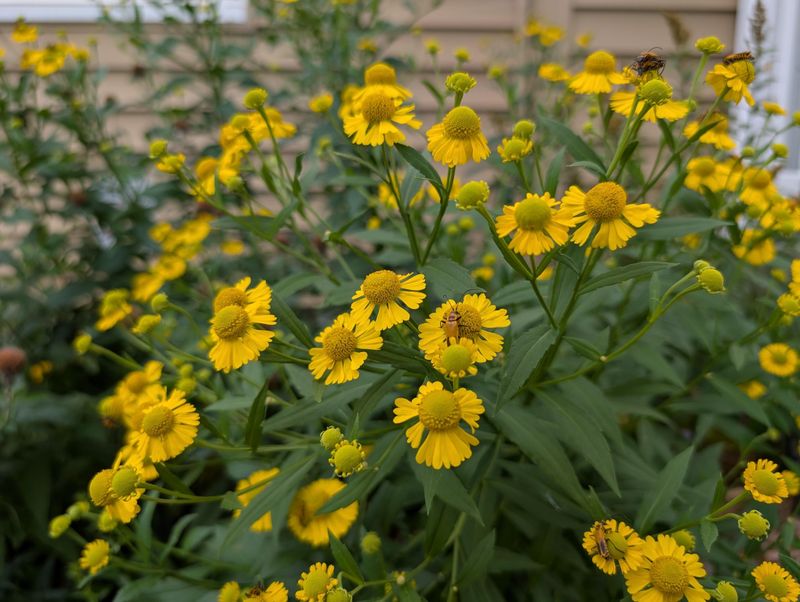
Despite that unfortunate name, sneezeweed will not make anybody sneeze out in the garden. Early settlers once dried the leaves for snuff, and the misleading nickname has simply stuck around.
Golden petals droop slightly around a raised, dome-shaped center, looking a bit like tiny shuttlecocks. Flowers open in August and keep right on coming through October in most gardens.
Height reaches three to five feet, with sturdy stems that shrug off gusty autumn wind. Cultivars in copper, rust, and burgundy exist, though the straight yellow species tends to feed pollinators best.
Damp ground is the real specialty here, which makes a rain garden an obvious home. Pond edges, ditch bottoms, and soggy lawn corners all suit it better than dry sandy soil.
Pinching the stems back in early summer keeps plants compact and delays flowering just slightly. Skip that pinch and you may need a discreet stake or two by late September.
Deer generally leave the foliage alone, since the leaves taste bitter and slightly unpleasant. Resistance like that matters in suburban areas where herds treat gardens like buffets.
Butterflies, bumblebees, and tiny sweat bees all crowd onto the flat, cushiony flower centers. Watching the traffic on a warm October morning easily beats scrolling through a phone.
Divide crowded clumps every third spring to keep bloom counts high and stems standing straight. Share the extra pieces with a neighbor who keeps complaining that their yard looks boring.
6. New York Ironweed Adds Tall Purple Blooms
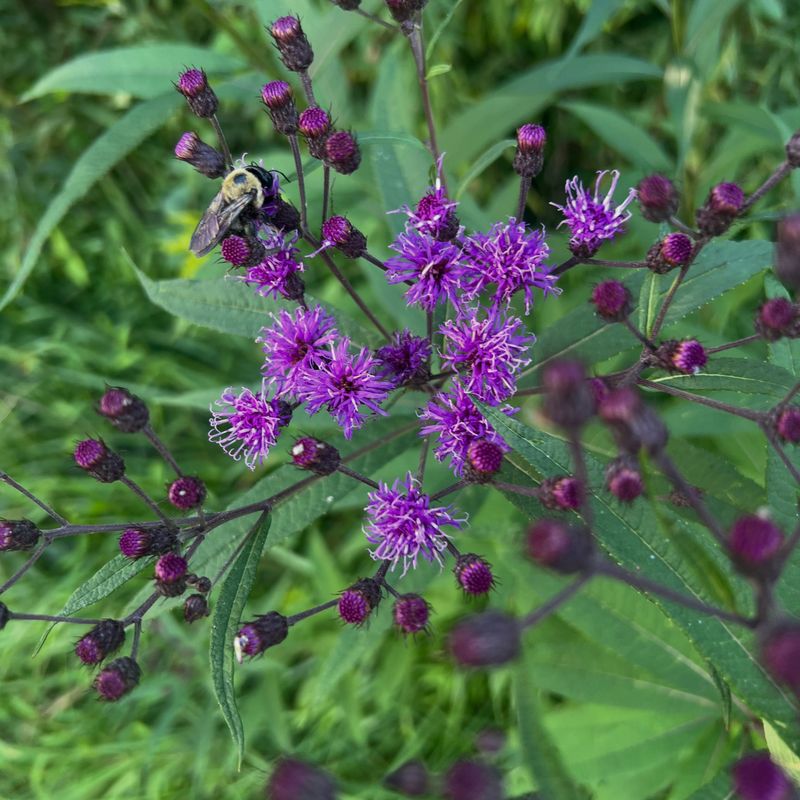
Height is the headline with New York ironweed, which can tower ten feet in good soil. Most garden plants settle around four to seven feet, which still commands plenty of attention.
Flat-topped clusters of fuzzy purple flowers open in late summer and hold on for several weeks. Shades range from royal purple to reddish-violet, depending on the plant and the afternoon light.
The common name comes from stems tough enough to resist bending, snapping, or flopping over. Iron-hard is an exaggeration, but staking is rarely necessary, even on exposed and windy sites.
Moist, fertile ground in full sun brings out the richest possible flower color on these plants. Clay soil and seasonal flooding cause no panic here, making stream banks a natural fit.
Migrating monarchs stop here constantly, and swallowtails, skippers, and heavy bumblebees join the busy crowd. Few native plants pull in butterfly traffic quite this reliably during warm September afternoons.
Deer and rabbits skip right past it, which explains why rural plantings stay intact. Gardeners fighting heavy browsing pressure often build entire back borders around this one tall species.
Seedlings will appear if the flower heads stay on the plant through winter storms. Snip the spent heads in November if volunteer plants are not part of your plan.
Pair it with goldenrod for a purple and yellow display that nobody walks past quietly. Add switchgrass behind for texture, and the whole border looks designed rather than accidental.
7. White Snakeroot Brightens Shady Fall Borders
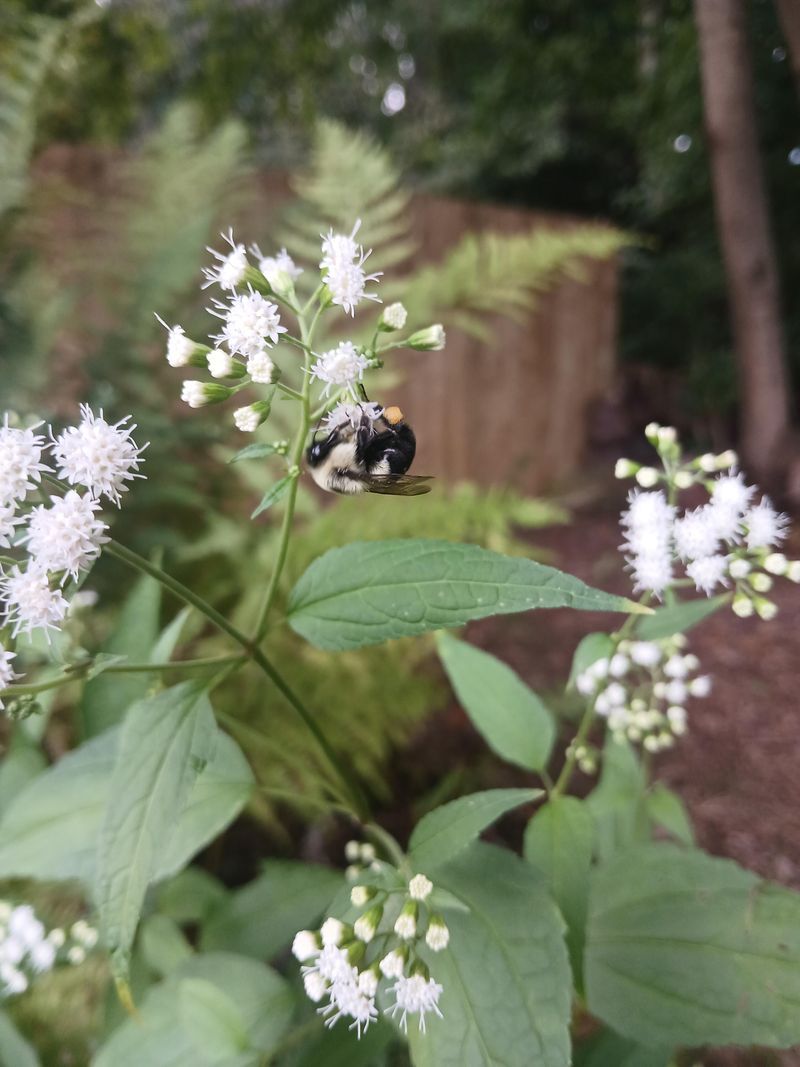
Shady fall borders are genuinely tough to brighten, and white snakeroot handles the job gracefully. Fluffy white flower clusters glow against dark green foliage from September until the hard frost arrives.
Plants reach two to three feet tall and roughly as wide, forming neat rounded mounds. Purple-stemmed selections add extra contrast, especially when planted beside ferns or shrubs with dark leaves.
History gave this plant a serious reputation that deserves an honest mention right here. Livestock that grazed on it once passed a harmful compound into their milk, so people avoided it.
Nobody should eat any part of it, and the plant deserves extra care around pets and children. Growing it is possible, but keep it away from areas where animals or children might chew on the foliage.
Adaptability is remarkable here, covering full sun, partial sun, deep shade, and everything between. Dry, moist, or even wet soils all work fine, which is unusual for a shade perennial.
Deer often show less interest in the leaves, a trait gardeners near the woods can appreciate. Woodland edges and the shady north side of houses become planting options instead of problem zones.
Late-season bees, flies, and small butterflies visit these blooms in steady and encouraging numbers. Tiny flowers add up fast, and a mature clump hums softly on sunny autumn afternoons.
Self-seeding happens readily, so trim in late fall if extra spreading feels unwelcome. Spare seedlings transplant easily in spring and fill shady gaps where grass refuses to grow.
8. Canadian Burnet Extends Blooms In Wet Spots
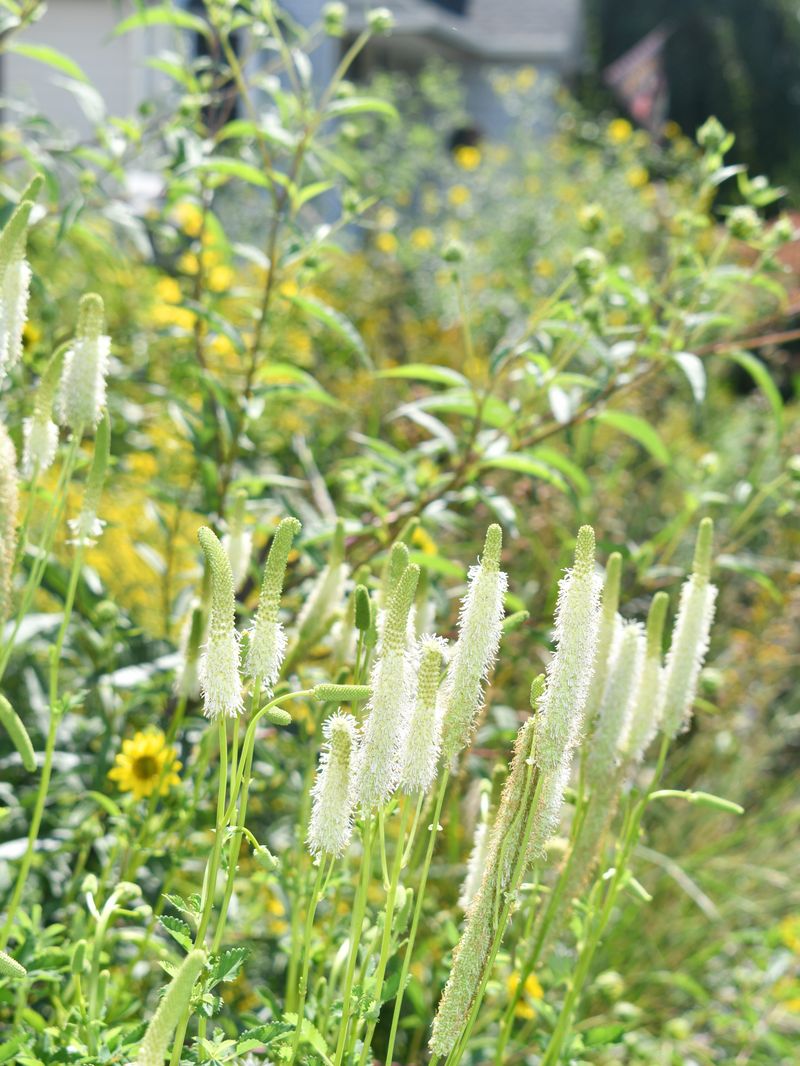
Creamy white bottlebrush spikes wave above ferny leaves, and the overall effect is pure elegance. Flowering starts in late summer and often continues right up until the middle of October.
Height lands between three and six feet, with fuzzy flower spikes held on slim stems. Movement in a light breeze is a big part of the appeal, since spikes nod constantly.
Wet ground is where this native truly shines, including bogs, swamps, and damp wild meadows upstate. Rain gardens and pond margins suit it perfectly, with almost zero fuss.
Ordinary garden beds work too, provided the soil holds a little moisture through summer heat. Established plants show decent drought tolerance, which surprises folks who expect bog natives to sulk.
Pinnate foliage looks sharp even before flowering, resembling a cross between fern fronds and rose leaves. From spring through midsummer, the clump earns its space on handsome foliage alone.
Bees and small butterflies work these spikes when most other nectar sources have already finished. Feeding pollinators in early October is exactly the sort of help that they need most.
Deer and rabbits pass right by it, another practical reason to try it in rural spots. Fencing budgets stretch much further when the plant list leans toward unappetizing native perennials.
Combine it with sneezeweed and ironweed for a damp corner that finally looks intentional. That trio turns the soggy spot most people complain about into the yard’s best feature.
9. Black-Eyed Susan Keeps Color Going Into October
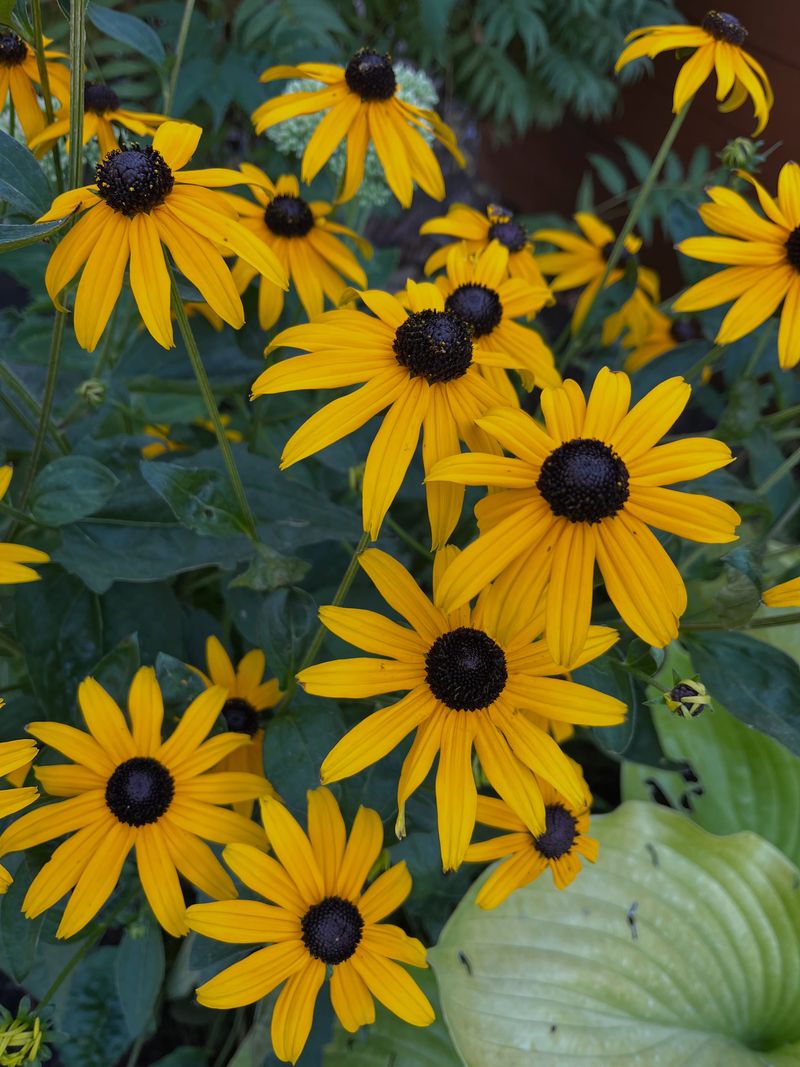
Golden petals wrapped around a chocolate-brown button are pretty hard for any gardener to mistake. Blooming runs from midsummer into October, often stopping only when the first hard frost lands.
Size stays manageable at one to three feet, which fits small city yards very nicely. Brooklyn stoop planters and Long Island garden borders both handle the plant without any real trouble.
Full sun and well-drained soil help black-eyed Susan perform well. It handles a range of garden conditions, but consistently soggy soil can cause problems.
Black-eyed Susan handles heat and dry spells well once established, making it a useful choice for sunny spots such as sidewalk strips. Watering during the first month helps roots establish, and after that the plant mostly coasts.
Bees and butterflies visit these flowers steadily from July until the light fades away in fall. Goldfinches arrive later for the seeds, balancing on stems and scattering husks across the mulch.
Removing the spent blooms through August pushes a fresh round of flowers into October. Stop clipping around mid-September so the seed heads can form for hungry birds in winter.
Deer usually ignore the bristly leaves, which feel scratchy and thoroughly unappealing to them. That rough texture is free protection in neighborhoods where browsing is a nightly event.
Some plants behave like short-lived perennials, then quietly reseed themselves nearby without asking permission. Honestly, a garden that replants itself for free is not much worth complaining about.