Learn 7 Easy Ways To Bring Back Fireflies In New York Gardens
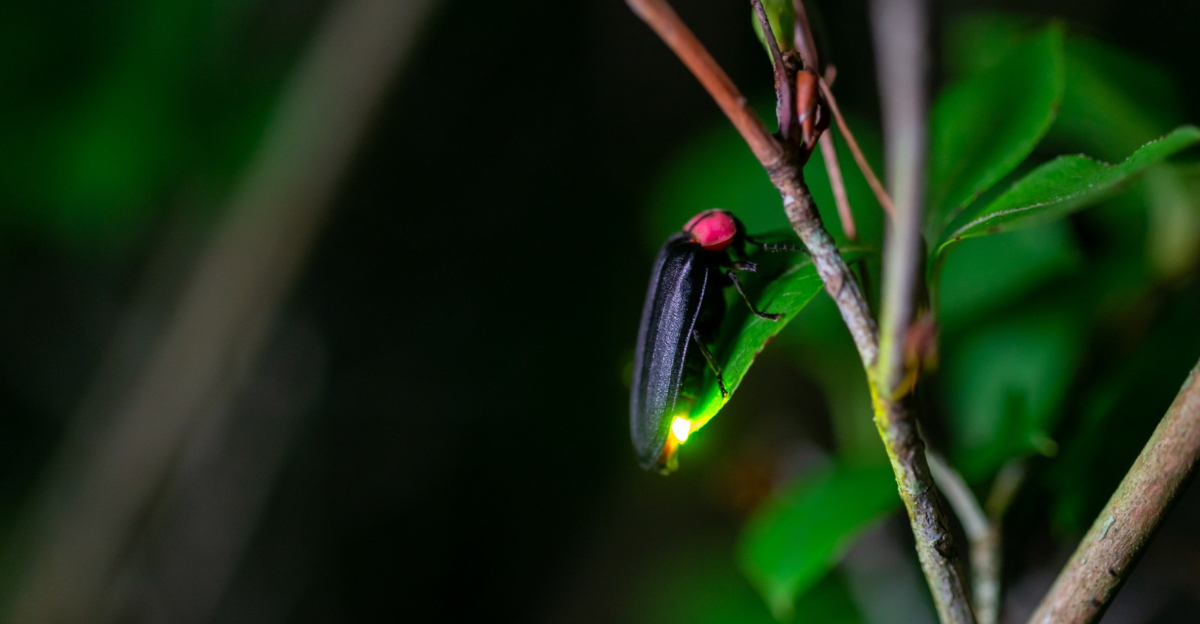
Remember chasing tiny sparks of light across the lawn on a warm July night? Bare feet on cool grass, a jar in hand, trying to catch a bit of summer magic.
That was childhood for countless families across New York. Fireflies were never just pretty background scenery.
They’re a gentle sign that a backyard ecosystem is thriving. Lately though, something has changed.
Yards that once flickered with dozens of these glowing beetles now feel quieter after dark. Most homeowners haven’t even noticed the shift.
Across New York, firefly numbers have been gradually fading, so gradually that the change can slip by unnoticed until one summer feels strangely still. Here’s the encouraging part.
Bringing these little lights back doesn’t call for a science degree, a big budget, or acres of space.
A few simple, thoughtful changes to your yard this season can welcome fireflies home again, turning your own patch of grass into a small summer night show.
1. Turn Off Outdoor Lights During Firefly Season
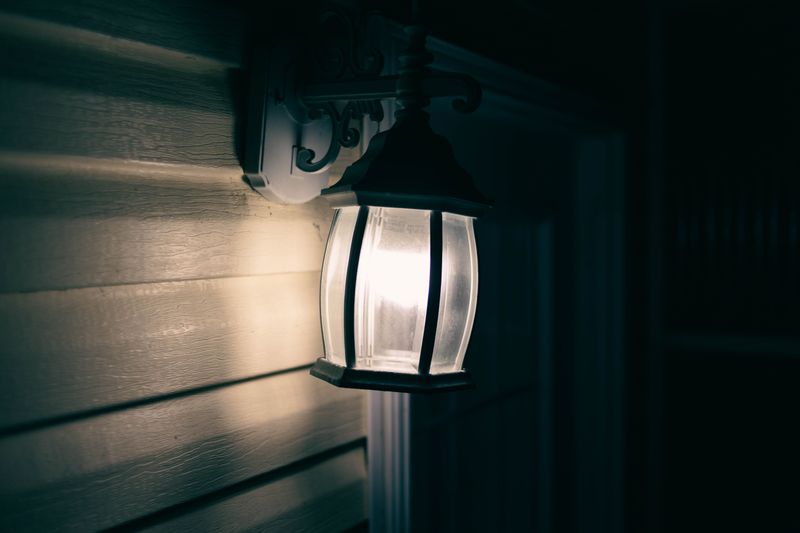
Bright nights are a major obstacle for fireflies. Male fireflies flash to attract mates, and artificial light drowns out their signals almost completely. It doesn’t take much to disrupt something so delicate.
When your porch light stays on all night, female fireflies struggle to spot the males they need. Mating success declines under constant artificial glow.
Turning off unnecessary outdoor lights from late May through July makes a real difference. That simple habit costs nothing, and it gives fireflies their best shot at finding each other during a brief summer courtship.
Motion-sensor lights are a smart swap for security fixtures you cannot skip entirely. They stay dark most of the time and only flash briefly when needed, keeping your home safe without flooding the yard with constant light.
Warm amber bulbs cause less disruption than cool white LEDs, in case some lights must stay on. Color temperature matters more than most people realize during firefly season, since warmer tones blend into the night instead of overpowering it.
Neighbors can join in too, making the whole block friendlier for fireflies. A dark yard surrounded by other dark yards becomes a real sanctuary for these glowing beetles.
Think of it like tuning a radio to the right frequency. Reduce the noise of artificial light, and the firefly signal comes through clear.
Start this season by switching off backyard lights after 9 p.m. Your garden will feel wilder, quieter, and far more magical on warm New York nights.
2. Leave Leaf Litter Undisturbed For Larvae Habitat
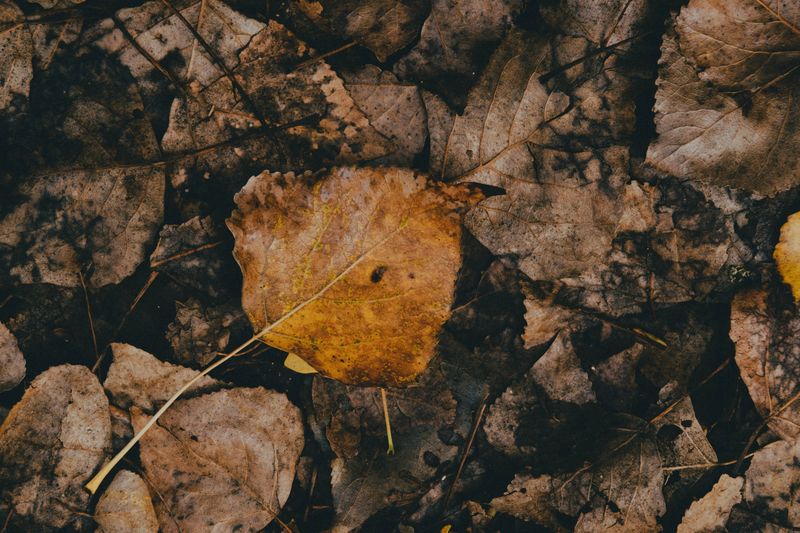
That pile of leaves you want to rake away is actually a firefly nursery. Firefly larvae spend up to two full years living beneath leaf litter before they ever glow.
Raking everything clean in fall removes the very habitat these insects depend on. A tidy yard looks nice to humans, but it offers little shelter for firefly young searching for cover.
Leaving a designated leaf zone in your garden takes very little effort. Pick a corner near shrubs or trees and let the leaves settle naturally each autumn, without raking, bagging, or blowing them away.
Your New York Garden Changes Every Week. Your Plan Should Too.
Gardening in New York changes quickly throughout the season. Every Friday you’ll receive a simple weekly plan showing exactly what to plant, prune, fertilize, harvest, and protect so you never miss the right timing.
The moist, dark environment under leaf layers shelters larvae through cold New York winters. It also hosts the slugs, snails, and worms that young fireflies hunt and eat as they grow.
You don’t need a messy yard to support fireflies, just one or two intentional wild patches. Even a four-foot section of undisturbed leaves near a fence line or tree base can support a small, growing population over time.
Shredded leaves work well too, if whole leaves feel too cluttered for your style. They break down faster into the soil and still provide the protective, moisture-rich cover larvae need underground through the colder months.
Think of leaf litter as a slow-release investment in future summer light shows. Every layer you leave behind is a quiet promise of more fireflies next June, glowing across your lawn.
Protecting larvae habitat is one of the most powerful steps in bringing fireflies back to New York gardens. Start small, stay consistent through the seasons, and watch the results appear on warm July evenings.
3. Avoid Pesticides That Harm Fireflies And Their Prey
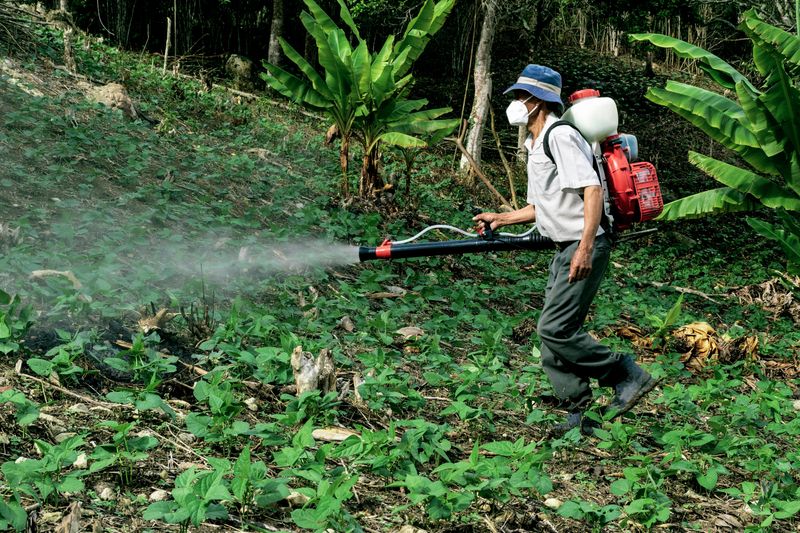
Pesticides affect target and non-target insects alike, including the ones you love. Broad-spectrum sprays wipe out fireflies, their larvae, and the small creatures they feed on, often in a single application.
Lawn chemicals seep into soil and linger for weeks after application. Firefly larvae absorbing those toxins underground never make it to adulthood, no matter how healthy the rest of the yard looks.
Skipping chemical pesticides is not about letting your garden go wild. Plenty of effective organic options protect your plants without poisoning the soil ecosystem below.
Neem oil, insecticidal soap, and hand-picking pests are all solid alternatives. They target specific problems without creating collateral damage across your whole yard.
Slug populations are especially important to protect near your firefly zones. Slugs are a primary food source for firefly larvae, and losing them means fewer fireflies later in the season.
Many New York gardeners are unaware that common grub control products can harm firefly populations directly. Grub-targeting soil treatments reach firefly larvae living at that same depth underground, often without anyone realizing the connection.
Reading product labels carefully before buying anything is a habit worth building now. If a label says broad-spectrum or systemic, set it back on the shelf and look for a gentler option instead.
Going pesticide-free in even one section of your yard creates a safe corridor for fireflies to thrive. Small chemical-free zones add up to big ecological wins across a whole neighborhood, especially when neighbors follow suit.
Bringing back fireflies to New York gardens means rethinking what a healthy yard looks like. Chemical-free patches, however small, are the foundation of a yard that truly glows come summer.
4. Let Grass Grow Slightly Taller In Certain Areas
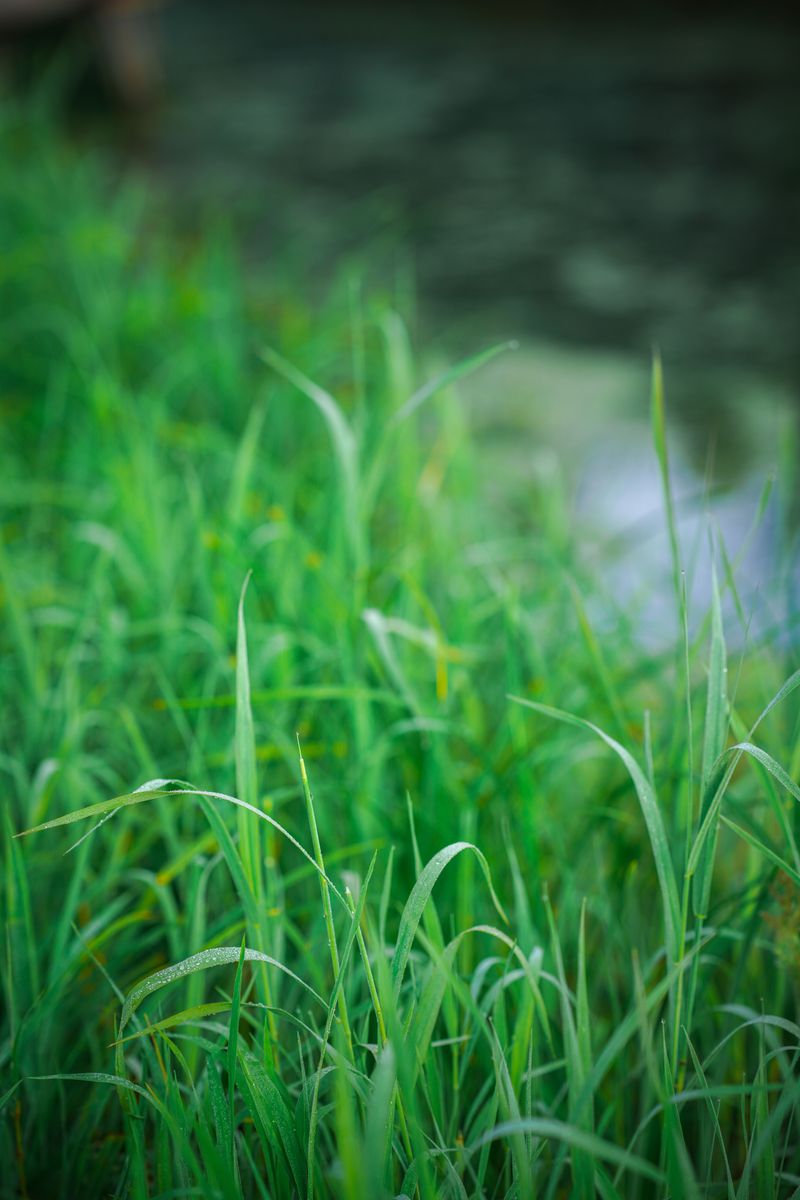
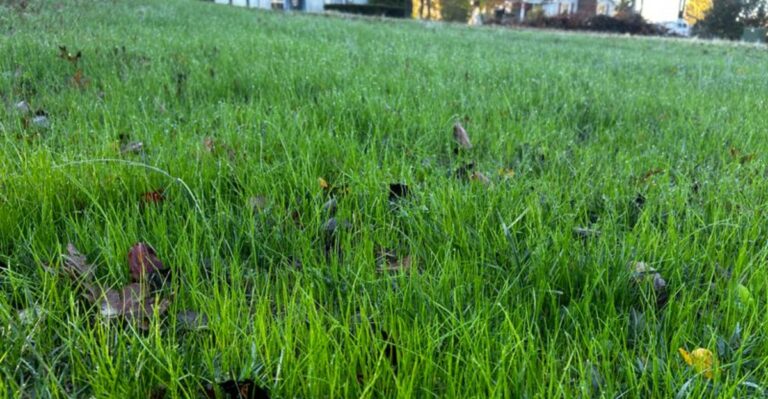
Perfectly manicured lawns look polished, but they offer little habitat for fireflies. Adult fireflies rest in tall grass during the day, hiding from heat and predators until dusk arrives.
Keeping one section of your lawn at three to four inches gives them a daytime refuge. That small height difference is enough to make your yard a welcome stop on their nightly route.
Tall grass also stays cooler and holds more moisture than a closely cropped lawn. Both of those conditions match exactly what fireflies seek out when choosing where to rest and breed.
You don’t need to abandon all lawn care to support firefly populations. Designating a specific unmowed strip along a fence or garden edge is plenty, and it takes almost no extra effort.
That strip becomes a living highway for fireflies moving through your yard each evening. They travel along edges where tall plants meet open space, following natural corridors instead of crossing exposed lawn.
Grass height also affects the insects fireflies hunt for food as adults. Taller grass shelters more prey, making your yard a full-service habitat rather than just a resting spot.
Some New York homeowners worry about how longer grass looks from the street. A simple border of low-growing flowers around the taller section keeps the yard looking intentional and neat, not neglected.
Letting go of the perfect-lawn ideal is a small mental shift with a big ecological payoff. A little wildness in the right places invites the kind of magic that money simply cannot buy, right in your own backyard.
5. Maintain Moist Soil Near Garden Edges
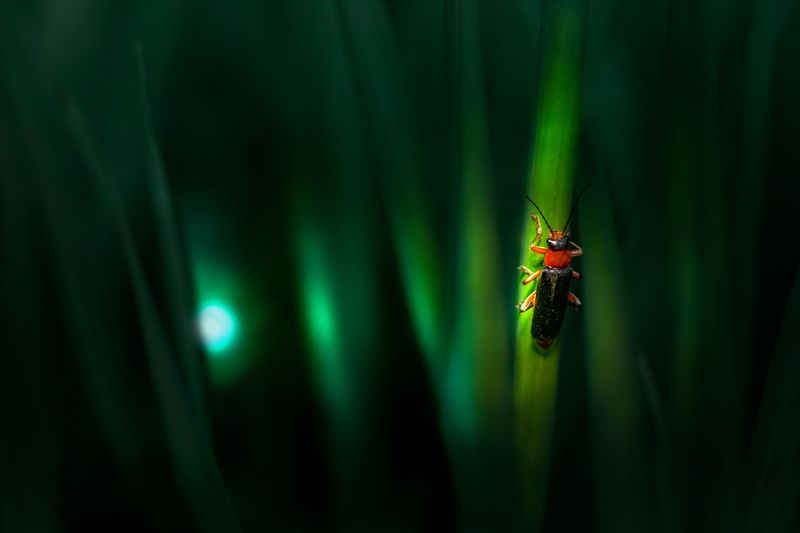
Fireflies are moisture lovers through every stage of their life cycle. Dry, compacted soil is one of the biggest reasons firefly populations have dropped in suburban New York yards.
Larvae need damp ground to move through as they hunt for food underground. Without consistent moisture, they cannot live long enough to reach adulthood.
Focusing water near garden edges rather than open lawn is the most efficient approach. That is where fireflies naturally concentrate, along the boundary between plants and open space.
Soaker hoses are a low-effort way to keep soil consistently damp without overwatering. They deliver water slowly right at the root zone where larvae actually live.
Mulching garden beds also helps lock in moisture between watering sessions. A two-inch layer of organic mulch keeps the soil beneath cool and consistently damp.
Native ground covers like wild ginger or creeping phlox hold moisture naturally near plant edges. They shade the soil, slow evaporation, and create the exact microclimate firefly larvae prefer.
Checking soil moisture by pressing a finger two inches into the ground takes seconds. If it feels dry at that depth, your firefly zones need a drink.
New York summers can swing between heavy rain and dry spells without warning. Building moisture-retaining habits into your routine keeps conditions stable for fireflies no matter the weather.
Moist garden edges are the unsung hero of any plan to bring back fireflies. Get the moisture right, and everything else falls into place naturally.
6. Plant Native Trees And Shrubs For Shelter
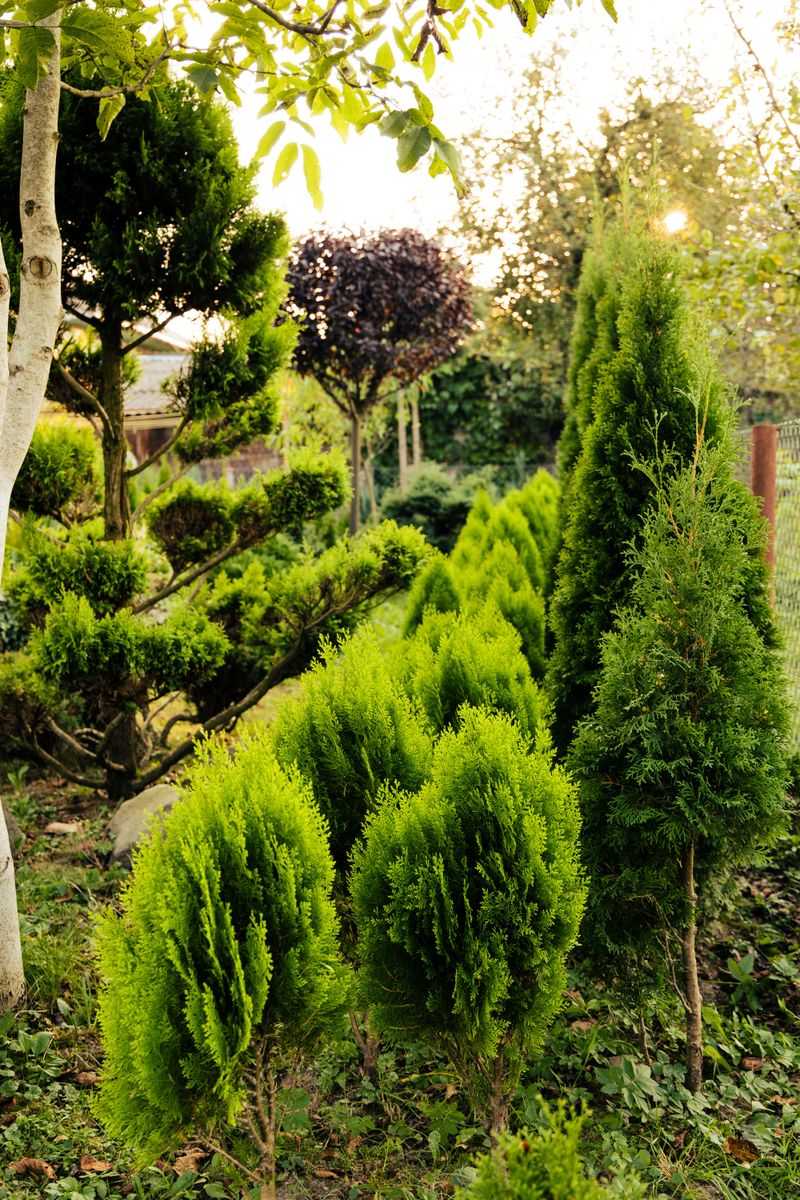
Native plants are the secret ingredient most firefly guides forget to mention. Trees and shrubs that evolved alongside local wildlife provide shelter that ornamental plants simply cannot replicate.
Serviceberry, elderberry, and native dogwood are top choices for New York gardeners. These shrubs offer dense branching where adult fireflies perch and rest between their nightly flights.
Fireflies also use tree bark and leaf surfaces to lay eggs during breeding season. The more native vegetation you add, the more egg-laying real estate you create.
Native plantings attract the prey insects that fireflies depend on as larvae. A yard full of native species essentially builds a full food web from the ground up.
Shrubs planted along fence lines or garden borders create layered habitat quickly. Within a single growing season, even young shrubs begin providing usable cover for firefly adults.
Choosing plants native to the Hudson Valley or Long Island region ensures they thrive in local conditions. Native plants need less water, fewer inputs, and no chemical support once established.
Mixing trees of different heights creates a stacked canopy effect that fireflies love. Tall trees, mid-level shrubs, and low ground covers together mimic natural woodland edge habitat.
Local nurseries across New York now stock excellent native selections in spring and fall. Asking specifically for firefly-friendly species usually gets you pointed in the right direction immediately.
Planting for fireflies means planting for the whole ecosystem. One native shrub today could mean hundreds of glowing beetles lighting up your garden for years ahead.
7. Reduce Mowing Frequency During Peak Breeding Months
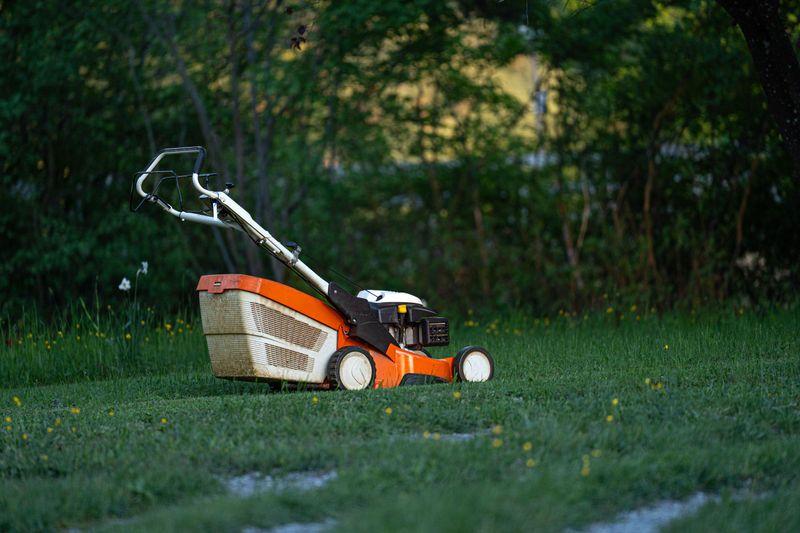
June and July are when fireflies are most active in New York, and also when most people mow most often. That timing mismatch is significantly harmful to local firefly populations.
Mowing during peak breeding months destroys adult fireflies resting in grass during daylight hours. It also disrupts egg-laying and crushes larvae living just beneath the surface.
Stretching mowing intervals to every ten or fourteen days during June and July makes a big impact. Your lawn may look slightly shaggier, but your evenings will look significantly brighter.
Mowing in the morning rather than evening also reduces harm to adult fireflies. Adults are most active after sunset, so daytime mowing gives them a better chance of making it through the season.
Raising your mower blade to the highest setting is another easy adjustment. Taller cut height leaves more plant material standing and reduces direct contact with resting fireflies.
Letting clover and low wildflowers grow between mowing sessions adds bonus habitat value. These plants attract the moisture-loving invertebrates that firefly larvae hunt underground.
Some New York homeowners create a mowing schedule that skips the back third of the yard entirely through July. That low-effort decision can turn a plain lawn into a firefly hotspot.
Sharing this habit with neighbors multiplies the effect across a whole street or block. Connected patches of less-mowed lawn create corridors that fireflies can travel and breed along freely.
Bringing back fireflies to New York gardens starts with knowing when to put the mower away. Less cutting during peak season is one of the simplest and most rewarding choices you can make.