Why Your Lawn Has Green And Brown Patches At The Same Time
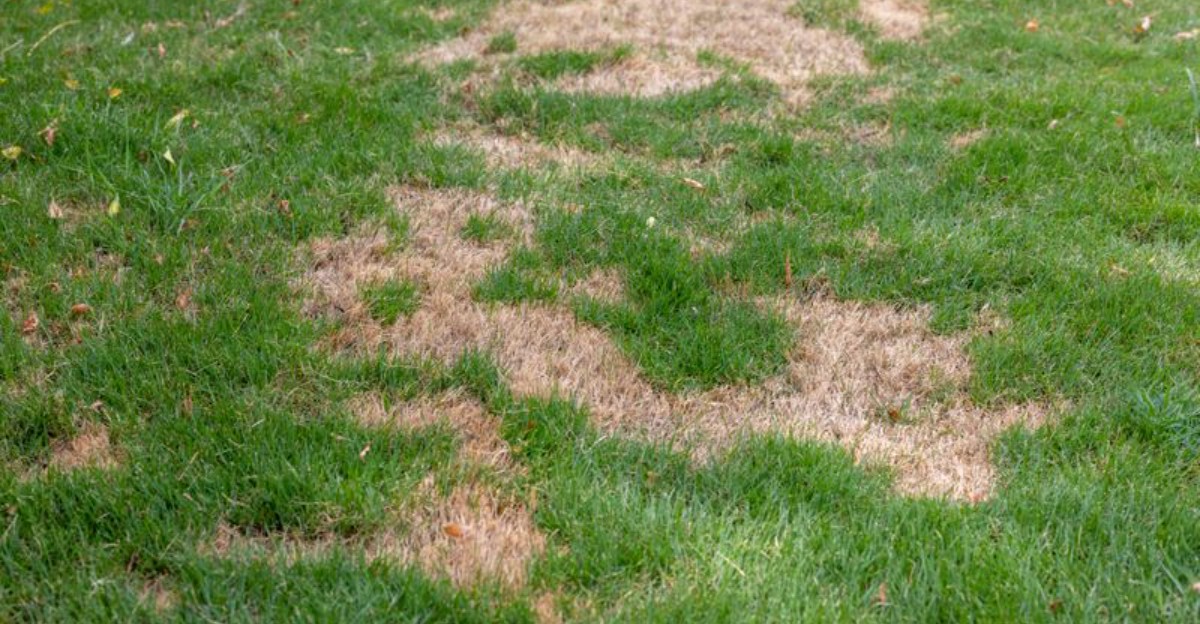
Your lawn is speaking in a language you rarely notice. Patches don’t form in your yard without a clear reason. Soil beneath your feet holds the real answers. Roots react to stress long before you see it.
Fungi, grubs, and drought each leave a signature you notice. Watering evenly does not guarantee even results across your yard. Compacted soil chokes roots while your grass keeps thriving.
Pests hide exactly where you would least expect to find them. Weather shifts fast, and your grass feels it first. September hands you a narrow, valuable repair window.
You hold far more influence over these patches than you realize. Understanding each patch means fixing your lawn faster and smarter.
This detective work rewards you well before next November. What you learn next could truly change how you treat your entire lawn this fall.
1. Uneven Sprinkler Coverage Leaves Thirsty Gaps
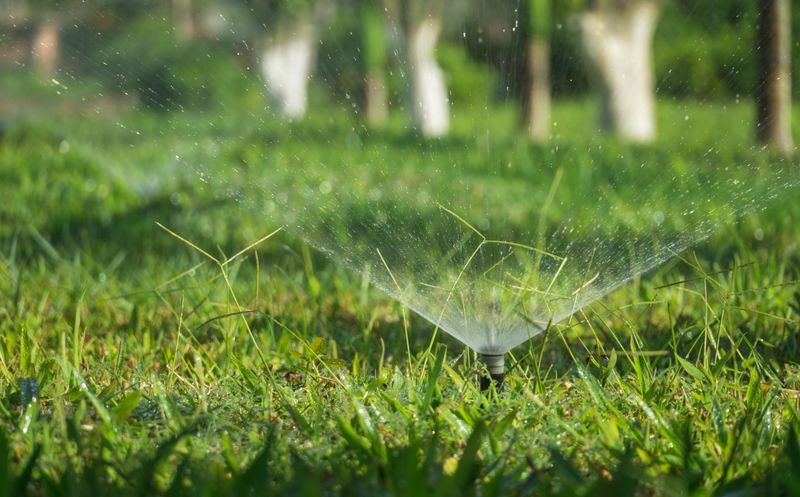
Walk your yard while the sprinklers run and you may spot the culprit in about three minutes. Water rarely lands evenly, and grass shows the difference within days.
Heads tilt over time, soil settles around them, and a single clogged nozzle can starve a whole corner. Wind on breezy September afternoons pushes spray sideways, soaking one strip while skipping another.
A classic test costs almost nothing. Set several empty tuna cans or straight-sided cups around the lawn, run the system for fifteen minutes, then measure the water in each one.
If one can holds half an inch and another holds a quarter, your coverage is lopsided. Adjust arcs, clean nozzles, raise sunken heads, and consider overlapping the spray so each head reaches the next.
Hoses and portable sprinklers have the same weakness. People tend to place them in a favorite spot out of habit, which builds a lush ring and a faded outer edge.
Aim for roughly one inch of water per week in early fall as a general starting point, adjusting for your soil type and grass species, delivered in one or two long soakings rather than daily sprinkles.
Deep watering pushes roots downward, where soil stays cooler and moisture lingers. Early morning is the smartest window, since less water evaporates and blades dry before evening.
Skip midday runs, which waste water and leave leaf tips scorched. Once coverage evens out, those faded zones usually green up again in two to three weeks. Grass forgives quickly when the water finally reaches it.
2. Grubs Chewing Roots Beneath The Surface
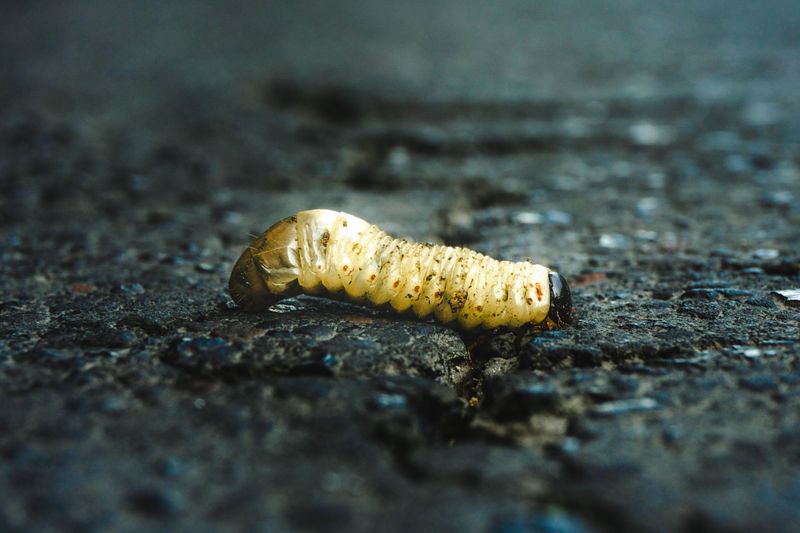
Here is a quick backyard trick: grab a handful of brown turf and tug. If it lifts like a loose rug with no roots holding on, grubs may be feeding underneath.
White, C-shaped beetle larvae feed on grass roots through late summer and early fall. Without roots, blades cannot pull up water, so patches fade while nearby turf stays rich and green.
Dig a square foot of sod about two inches deep and count what you find. Fewer than five larvae per square foot is usually tolerable in most lawns, while ten or more often explains a spreading brown map, though thresholds vary by grass type and region.
Extra clues help confirm it. Skunks, raccoons, and crows tearing shallow holes at night are often hunting the same snack you are looking for.
September is prime timing because larvae sit close to the surface and are still small. Products containing beneficial nematodes or labeled curative treatments work best now, applied to moist soil and watered in afterward.
Follow label directions carefully and treat only the affected zones plus a small border around them. Blanket applications across a healthy yard are rarely needed.
Afterward, help the lawn rebuild. Rake out loose debris, spread fresh seed, keep the area lightly moist, and hold off on heavy foot traffic for a few weeks.
Deep watering habits and taller mowing heights build thicker roots, which make future damage far less noticeable. Fun fact: adult beetles often return to lay eggs in the same sunny, short-cut turf year after year.
3. Fungal Circles Spreading In Humid Weather
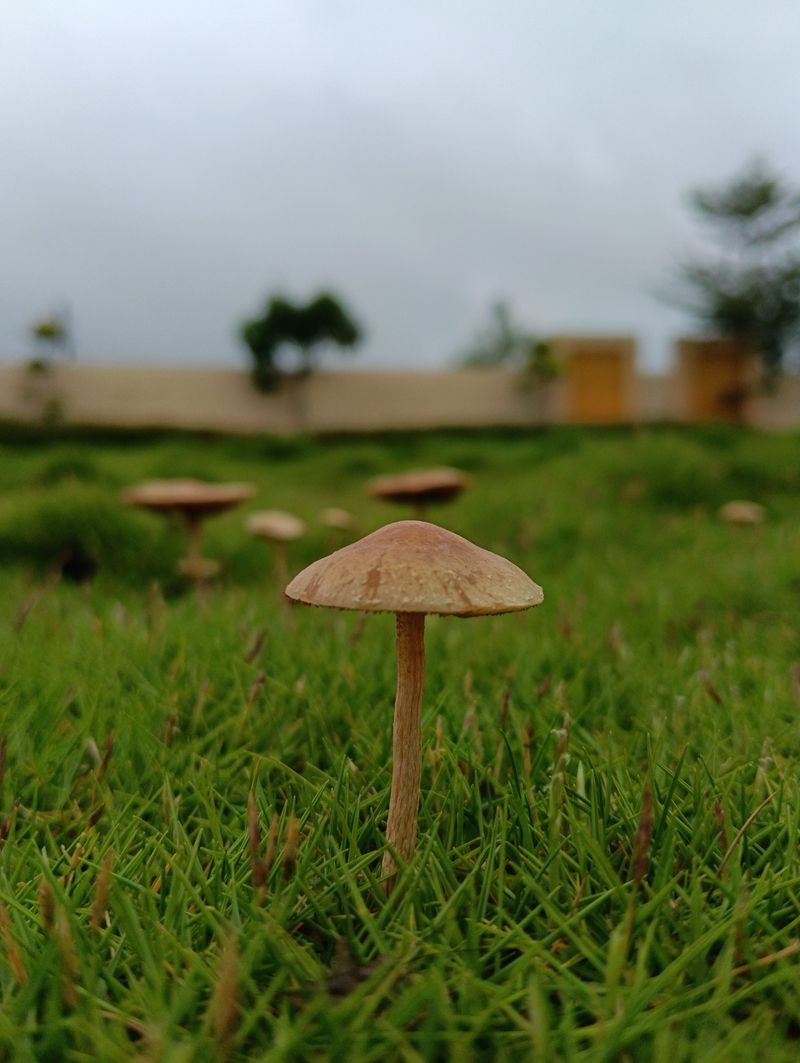
Ever notice tan rings that appear overnight after a warm, sticky week? Lawn fungus loves the mix of humid nights and heavy morning dew that September delivers.
Brown patch, dollar spot, and similar issues create circles or splotches ranging from the size of a coin to several feet across. Healthy grass often surrounds them, which is why the lawn looks two-toned.
Check the blades closely at sunrise. Fine white threads, tan lesions with dark edges, or a faint gray cast are common signs before the dew burns off.
Moisture management matters more than any bottle you buy. Water early, avoid evening irrigation, and trim shrubs or low branches so air moves freely across the turf.
Mowing habits help too. Keep blades sharp, since ragged cuts create wounds that let spores settle in, and clean your mower deck after cutting through an affected area.
Go easy on fast-release nitrogen right now. Lush, soft growth is exactly what fungus prefers, so choose a balanced slow-release feed instead.
If patches keep widening, a labeled lawn fungicide can slow the spread. Rotate active ingredients if you need repeat treatments, and treat the ring plus a foot of surrounding green.
Recovery is usually steady once conditions dry out. Many affected areas regrow from the crown within a few weeks, though thin spots may need a light overseeding. Fungus growth is closely tied to weather conditions.
4. Compacted Soil Blocking Water And Air
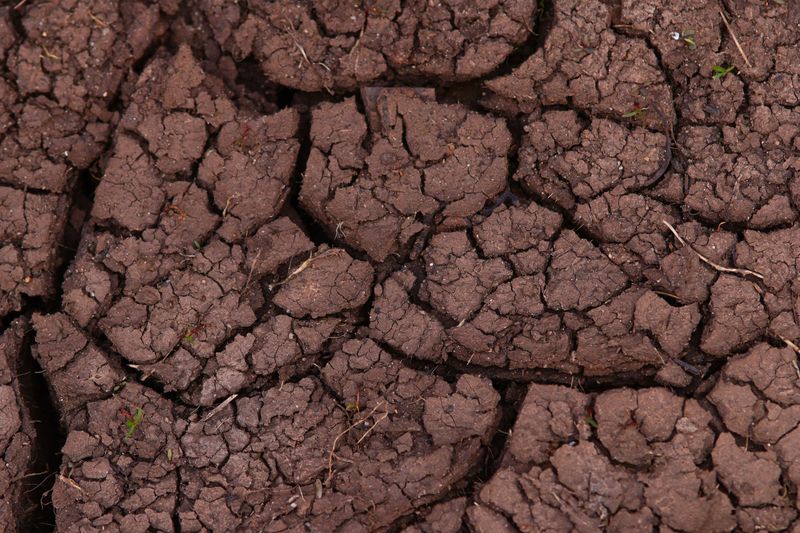
Some brown streaks follow the exact path people walk to the garage. That is not a coincidence, it is compaction.
Years of footsteps, mower wheels, parked bikes, and playful dogs squeeze soil particles together. Roots then struggle to push through, and water runs off instead of soaking in.
Test it with a screwdriver. If a six-inch blade slides into moist soil easily in one spot but stops short in another, you have found compressed ground.
Clay-heavy yards feel this fastest, since their tiny particles pack tightly. Sandy soils resist compaction but drain so quickly that they dry out in a different pattern.
Core aeration is the classic fix, and early fall is the sweet spot for cool-season grasses. A machine pulls out finger-sized plugs, opening channels for air, water, and fertilizer.
Leave the plugs on the surface to break down naturally over a couple of weeks. They return soil and microbes right back where they belong.
Follow aeration with seed and a thin layer of compost for a noticeable upgrade. Seed falls into the holes, where it stays moist and protected while it sprouts.
Small trouble spots can be handled by hand with a garden fork, rocking it back and forth every few inches. It works well for small areas.
Rerouting traffic helps the repair stick. A few stepping stones or a mulch path gives feet somewhere to go besides your best turf.
5. Pet Spots Burning Small Round Areas
A brown circle with a suspiciously bright green halo has a familiar signature. Dog urine, concentrated with nitrogen and salts, creates that bullseye pattern.
The center gets far more nitrogen than grass can handle, so blades fade. The outer ring receives a diluted dose, which acts like fertilizer and turns extra green.
Timing matters if you want to prevent it. Pouring a bucket or two of water over the spot within a few hours dilutes the salts before they settle into the root zone.
Training helps even more. Many families build a gravel or mulch corner and reward the dog for using it, which concentrates wear in one easy-to-maintain zone.
Plenty of fresh drinking water keeps urine less concentrated, which softens the effect. Skip supplements that promise to change urine chemistry unless your veterinarian approves them.
Repairing existing spots is straightforward in September. Rake out the crispy blades, rinse the area well, add a half inch of fresh topsoil, then sprinkle seed and keep it moist.
Tall fescue and perennial ryegrass tend to bounce back faster than fine fescue in these areas. Their thicker roots handle salt better.
Watch cats and rabbits too, though their smaller volume usually leaves fainter marks. Wildlife visitors can add random spots you never witness.
Worth knowing: female dogs tend to get blamed more often, since they empty in one spot rather than marking in small amounts across the yard.
6. Shade And Sun Creating Uneven Growth
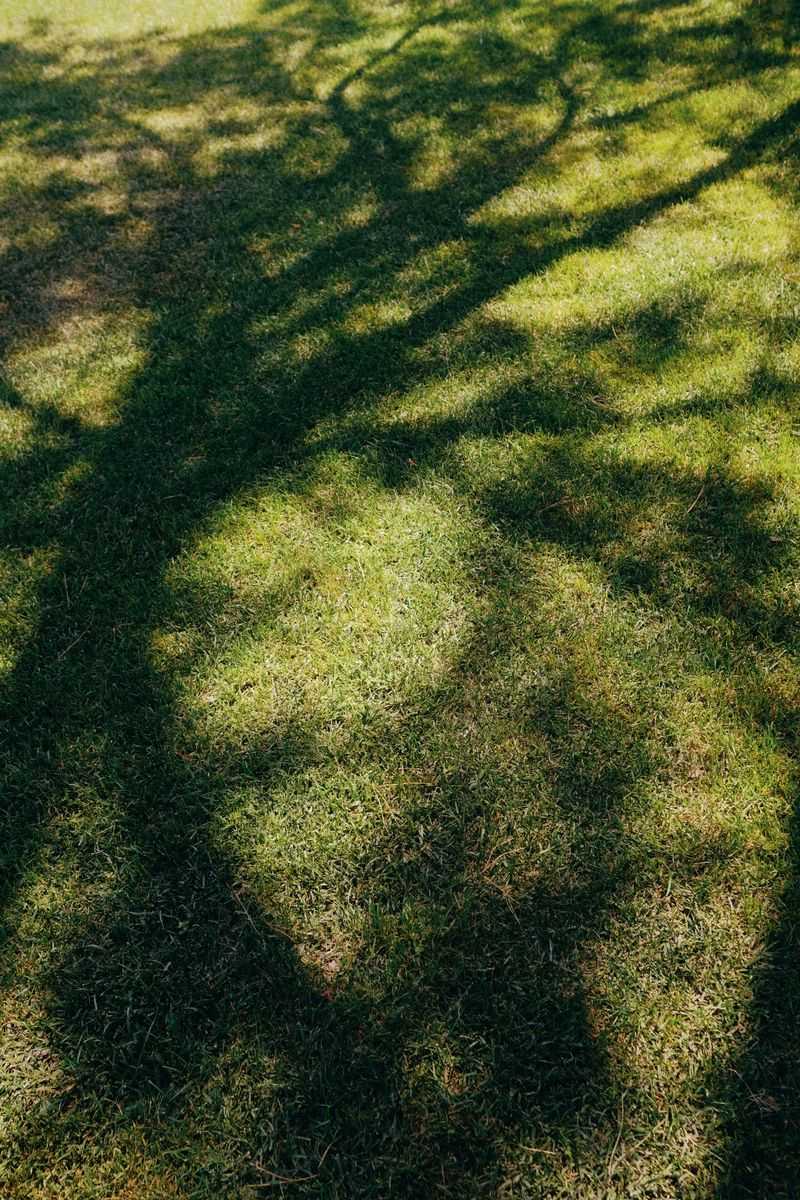
Trees give shade, and shade changes grass more than people expect. Under a maple, turf may thin and pale while the sunny half thrives.
Shaded grass receives less light for photosynthesis, so it grows fewer blades and weaker roots. Tree roots also drink an enormous amount of water, leaving less for the lawn above.
In September, the sun sits lower in the sky, which stretches shadows and shrinks the bright hours under branches. Areas that looked fine in June can slip by autumn.
Matching the plant to the place solves most of this. Fine fescues handle low light better than Kentucky bluegrass, and shade-blend seed mixes are widely available.
Pruning lower limbs and thinning the canopy lets dappled light reach the ground. Even a small increase in daily sunlight can make a visible difference by spring.
Mow higher in shady zones, around three to four inches, so each blade captures more light. Cutting short in dim areas is a fast way to lose ground.
Water shaded turf less often than sunny turf, since it dries slowly and invites fungus. Separate sprinkler zones make this easy.
Some corners simply will not support grass, and that is fine. Shade-loving groundcovers, mulch beds, hostas, or a small seating area turn a stubborn patch into a feature.
Choosing the right plant works better than repeating the same struggle each season. Your lawn will thank you with fewer bare spots.
7. Thatch Layer Trapping Moisture
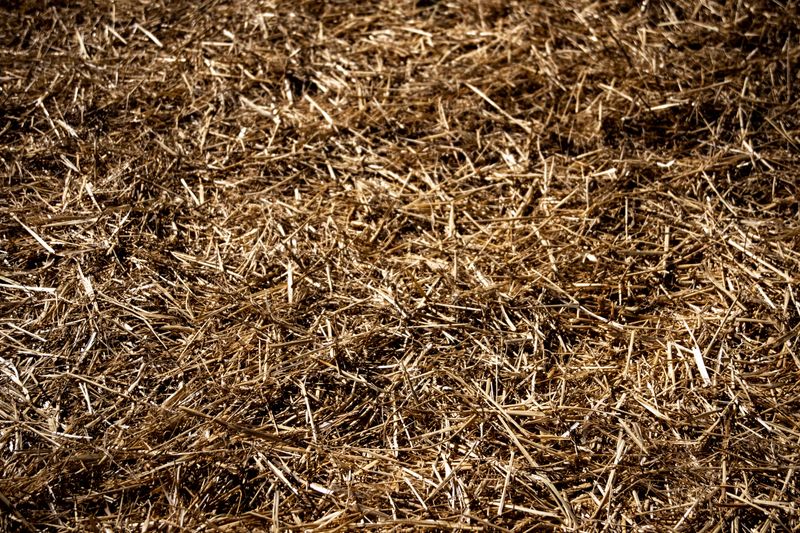
Push your fingers into the turf and feel for a spongy mat between the blades and the soil. That tan, felt-like layer is thatch.
A thin layer, generally under half an inch, actually protects roots and cushions foot traffic. Thicker buildup behaves like a sponge, catching water and fertilizer before they reach the soil, though tolerance varies by grass type.
Roots then grow sideways inside the thatch rather than downward into the ground. Those shallow roots fade fast during a dry September stretch, which is why patches appear where the mat is thickest.
Slice out a small wedge with a spade to measure. Anything over three quarters of an inch generally deserves attention, depending on your grass type.
Power raking or vertical mowing pulls the excess out, and early fall gives grass plenty of recovery time. Rent a dethatcher for an afternoon or hire it out for larger yards.
Core aeration works more gently and feeds soil microbes that break thatch down naturally. Many homeowners aerate yearly and dethatch only every few seasons.
Prevention beats removal. Avoid heavy nitrogen pushes, water deeply instead of frequently, and add a thin topdressing of compost to boost the organisms that digest old stems.
Grass clippings are often blamed unfairly. Clippings break down quickly and rarely contribute much, since thatch comes mostly from stems, crowns, and runners.
After dethatching, the lawn looks rough for a week or two. Overseed right away and the recovery usually outpaces the mess.
8. Mixed Grass Types Growing At Different Speeds
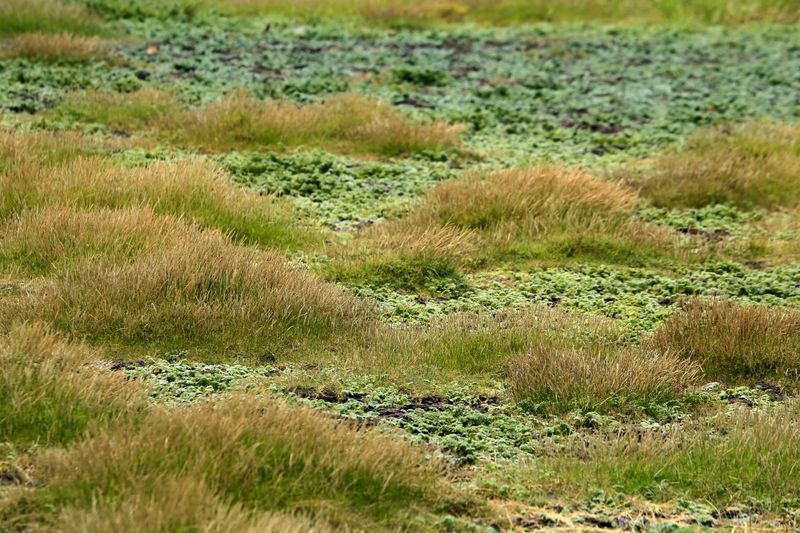
Sometimes the patchwork is not damage at all. It is two or three grass species sharing one yard and behaving differently.
Lawns collect varieties over the years through patch repairs, seed blends, sod pieces, and drifting seed from neighbors. Each type has its own color, texture, and seasonal rhythm.
Tall fescue looks coarse and stays green longer into fall. Bermuda and zoysia start fading to straw as nights cool, creating a striking two-tone effect that alarms people every September.
Look closely at blade width and growth habit. Clumping patches that sit slightly higher than the rest usually signal a different species rather than a problem.
Warm-season grasses entering dormancy are simply resting, and they green up again when soil warms in spring. No treatment is needed, just patience.
If the mismatch bothers you, uniformity takes planning. Overseed the whole lawn with one blend, or gradually remove the odd patches and replace them with your preferred type.
Buying quality seed matters here. Cheap mixes often contain filler species that look nothing like the rest of your yard once they mature.
Keep a record of what you plant. A note on your phone saves confusion when you patch a spot two years from now.
Here is a comforting thought: a blended lawn handles stress better than a single variety. What looks uneven in autumn is often the reason your yard survived a rough summer.