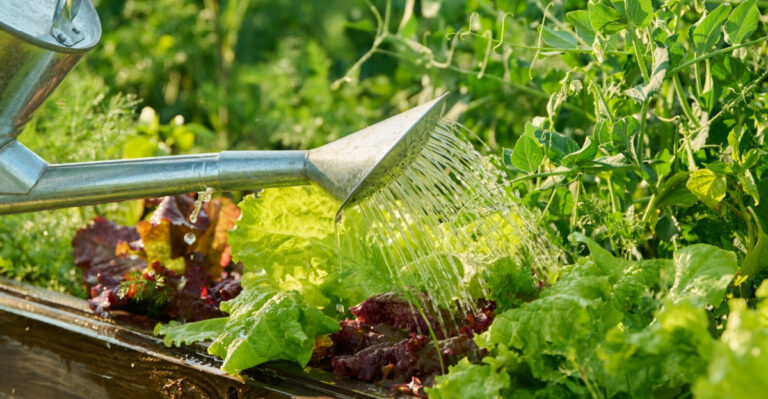
Why You Should Harvest And Dry Your Ohio Herbs Before September
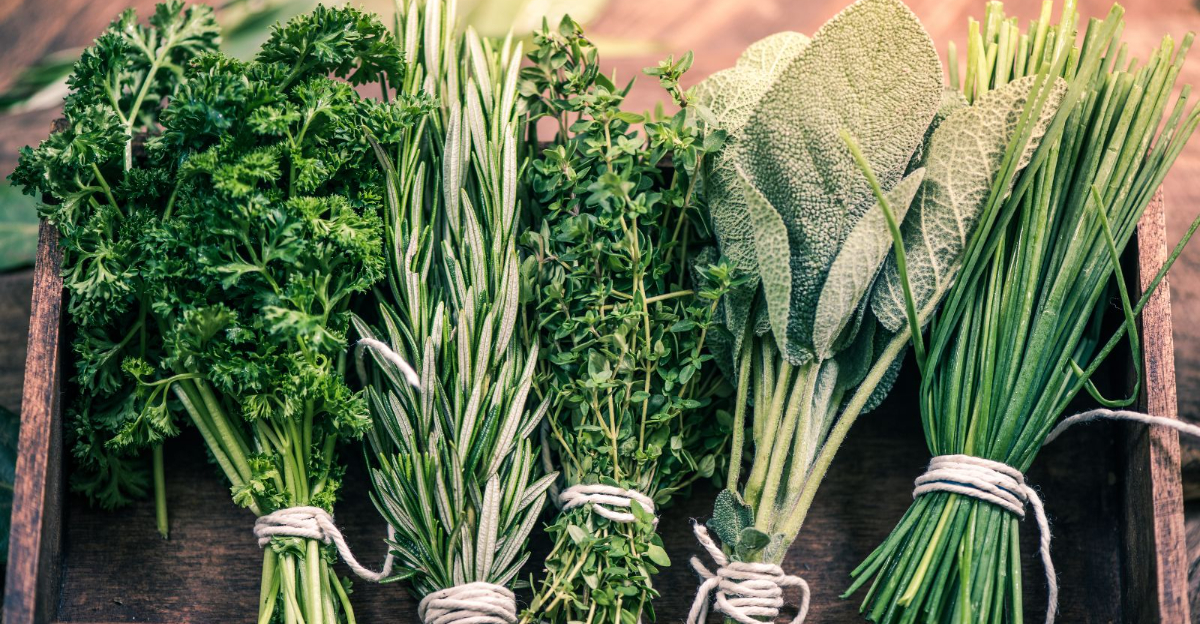
Late summer in an Ohio herb garden is one of those moments that rewards the gardeners who actually pay attention.
The plants are full, the growth has been vigorous, and a surprising number of herbs are sitting right at their flavor peak before the season starts shifting gears.
It is honestly one of the better times to be outside with a pair of scissors and a basket, which is a sentence that sounds far more wholesome than it needs to.
The one thing worth watching for is flower bud formation, because once a plant starts putting its energy toward blooming, the leaves can change in flavor and intensity.
August gives Ohio gardeners a great window to get ahead of that shift. And just to be clear: no herb got the memo about September 1 being a deadline.
Watch the plant, not the calendar.
1. Late Summer Can Be A Great Time To Capture Herbs At Peak Flavor
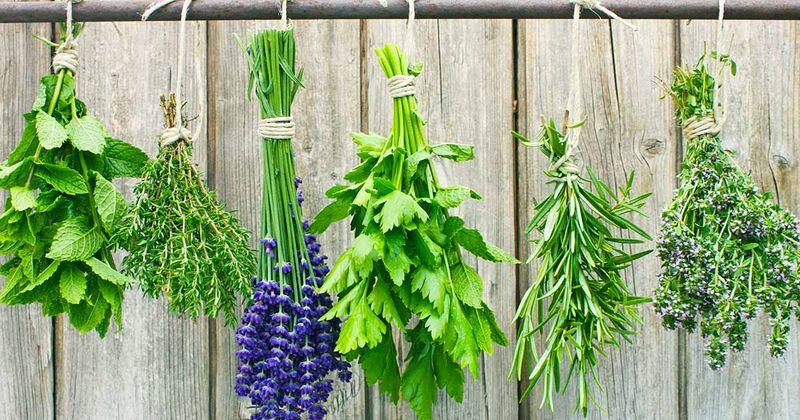
Clipping fragrant stems from a thriving herb garden on a warm August afternoon can feel like catching something fleeting and worth keeping.
For many Ohio gardeners, late summer represents a window when culinary herbs have had months of steady sunshine and warm soil to develop their character.
The plants may be full, leafy, and producing more than you can reasonably use fresh each week.
During August, many herbs are still actively growing, which can make it a practical time to gather leaves or stems while quality remains high.
Waiting too long into the season may mean cooler temperatures, shorter days, and shifting plant energy that moves away from leaf production.
That said, the right time to harvest is tied more closely to your specific plant’s growth stage than to any fixed date.
Ohio’s warm summers can encourage robust herb growth, and gardeners often find themselves with generous amounts of rosemary, thyme, oregano, and sage by mid-to-late August.
Capturing this abundance by drying or freezing can extend the usefulness of your harvest well into fall and winter.
Planning your preservation approach before the season shifts can help you avoid scrambling when cooler weather arrives. A little attention to timing now can make a noticeable difference in what ends up in your kitchen later in the year.
2. The Plant’s Growth Stage Matters More Than The Calendar
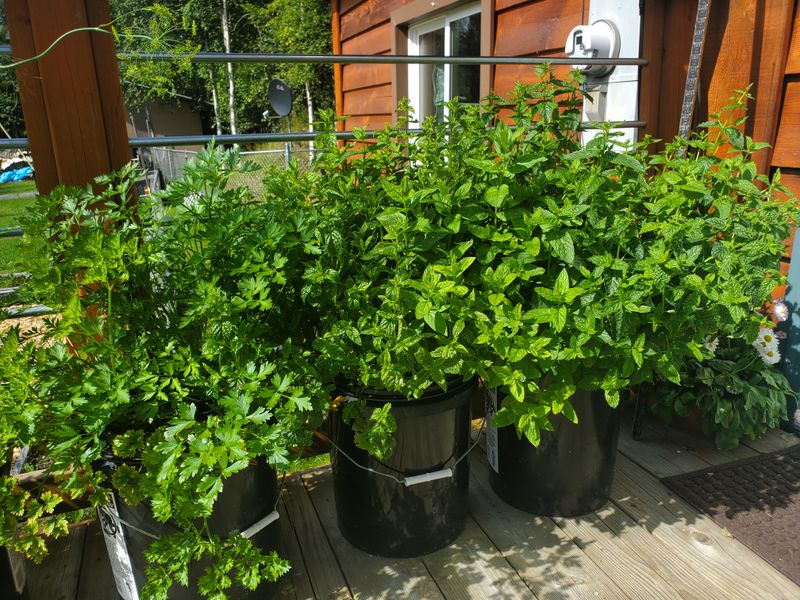
Noticing flower buds forming on your basil or watching your oregano stretch toward bloom can tell you more about harvest timing than any date circled on a wall calendar.
Ohio State University Extension guidance emphasizes that the growth stage of the plant is a more reliable indicator for when to harvest herbs for drying than following a rigid seasonal schedule.
Each herb species moves through its cycle at its own pace, and conditions in your specific garden can shift that timing further.
Leafy culinary herbs are often at a desirable stage for harvest when they are full and actively growing, before flowering begins in earnest.
Once a plant puts significant energy into producing flowers and seeds, leaf production may slow and the character of the foliage can change.
Watching your plants closely and harvesting when they look healthy and full gives you more control over the quality of what you preserve.
Ohio’s variable summer weather can also influence how quickly plants move through their growth stages. A particularly warm and dry August may push some herbs toward flowering sooner than expected.
Checking your plants regularly rather than waiting for a specific week on the calendar can help you respond to what is actually happening in your garden. Flexibility and observation tend to serve Ohio herb growers better than strict seasonal rules.
3. Harvesting Before Flowering Can Help Preserve Better Flavor And Color
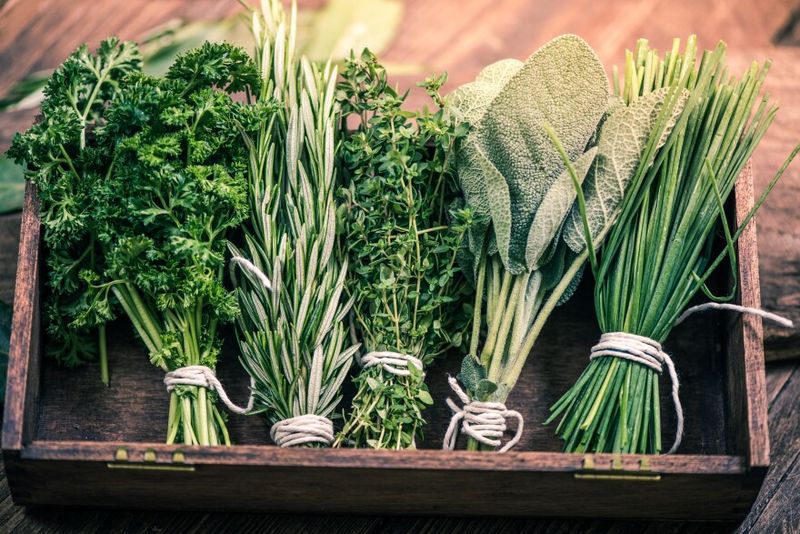
Many gardeners find that leafy culinary herbs harvested before the plant fully flowers tend to have a more vibrant appearance and a desirable aroma compared to leaves gathered after bloom.
Ohio State Extension guidance suggests that for many herbs used in cooking, gathering leaves before flowering can be a practical approach to capturing good quality foliage.
The plant’s energy at that stage is still focused on leaf development, which can be reflected in the condition of what you harvest.
Flowering does not make an herb useless or unpleasant, and leaves can still be gathered after blooms appear depending on the herb and how you plan to use it.
However, for home preservation purposes, earlier harvest timing may give you leaves that hold their color and scent reasonably well through the drying or freezing process.
Basil, for example, may show noticeable changes in its foliage once it begins to bolt, so many gardeners prefer to harvest it before that stage.
Color matters when it comes to dried herbs because it can reflect overall quality. Herbs that dry to a dull or brownish shade may have lost more of their desirable qualities during the process.
Harvesting leafy herbs while they are still green and vigorous, before the plant redirects its energy toward seeds, gives your dried or frozen supply a better starting point.
Ohio gardeners who pay attention to bud formation often find they are better prepared to time their harvests well.
4. Morning Harvesting Can Help Capture Herbs At Good Quality
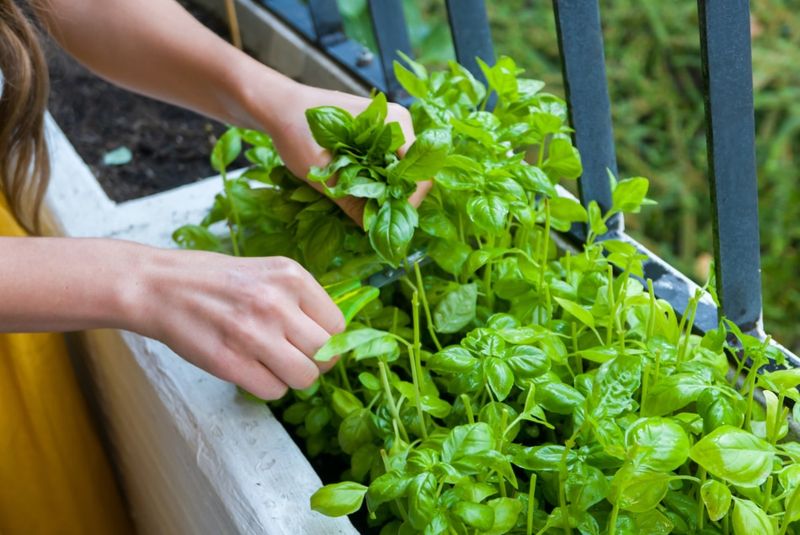
There is something satisfying about heading out to the herb garden in the morning, when the air is still cool and the plants look their freshest.
Ohio State Extension recommends harvesting herbs early in the day, ideally after any surface moisture or dew has dried from the leaves.
Gathering herbs while they are still wet from dew or recent rain can make drying more difficult and may increase the chance of moisture-related quality issues during the preservation process.
Waiting until mid-morning, after the sun has had a chance to evaporate surface moisture but before the strongest afternoon heat sets in, can be a reasonable approach for most culinary herbs.
At that point, the leaves are dry to the touch but the plant has not yet been stressed by peak summer temperatures.
This window can vary depending on the day’s weather and your garden’s specific conditions.
Morning harvesting is a straightforward habit that can make a practical difference in the quality of what you bring inside. Herbs that go into the drying process already carrying excess moisture may take longer to dry or may develop problems before they fully dry out.
Keeping this simple timing practice in mind during your late-summer Ohio harvest sessions can help your dried herbs turn out better. A clean, dry harvest in the morning is a good starting point for any preservation method you choose to use.
5. Perennial Herbs Need A More Moderate Harvest
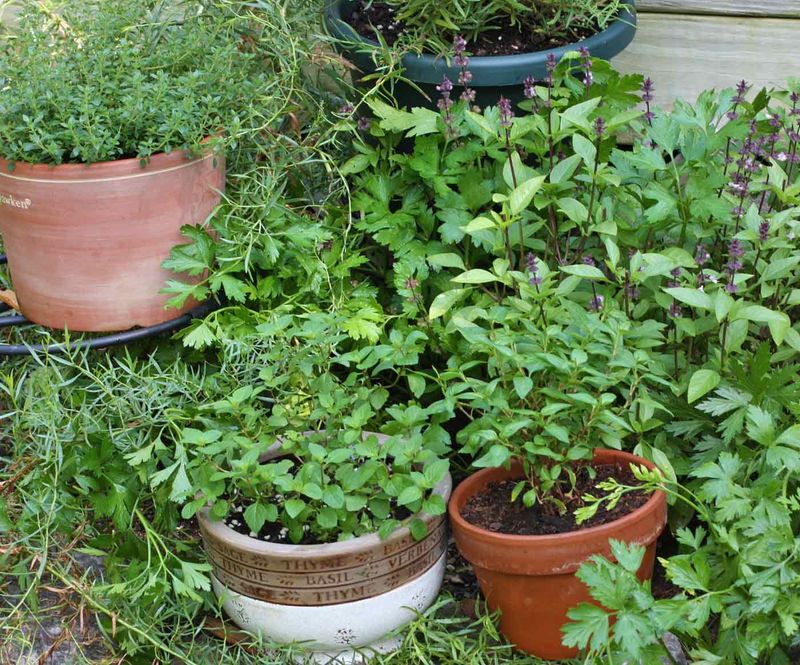
Established perennial herbs like thyme, oregano, and sage can be generous producers over many years, but they benefit from a thoughtful approach to harvesting.
Ohio State Extension guidance recommends removing no more than about one-third of a perennial herb plant’s height at one time.
Taking more than that in a single session can place unnecessary stress on the plant, particularly as it moves toward the later part of the growing season.
Leaving enough growth on the plant after harvesting supports its ability to continue producing and to prepare for the coming months.
Perennial herbs are long-term garden residents, and treating them with some care during late-summer harvest sessions can help them remain productive in future years.
A plant that has been cut back too aggressively may struggle to recover before seasonal conditions change.
This one-third guideline applies specifically to established perennial culinary herbs rather than to every plant in your garden. Annual herbs like basil or cilantro follow a different pattern and can generally be harvested more heavily without the same concerns.
Knowing which plants in your Ohio herb garden are perennials and approaching them with measured harvesting habits can make a real difference over time.
Consistent, moderate harvesting tends to work better for perennial herbs than infrequent but heavy cutting, so spreading your harvest across a few sessions may serve both you and your plants well.
6. Rosemary, Thyme, Oregano, Sage, And Lavender Are Well Suited To Drying
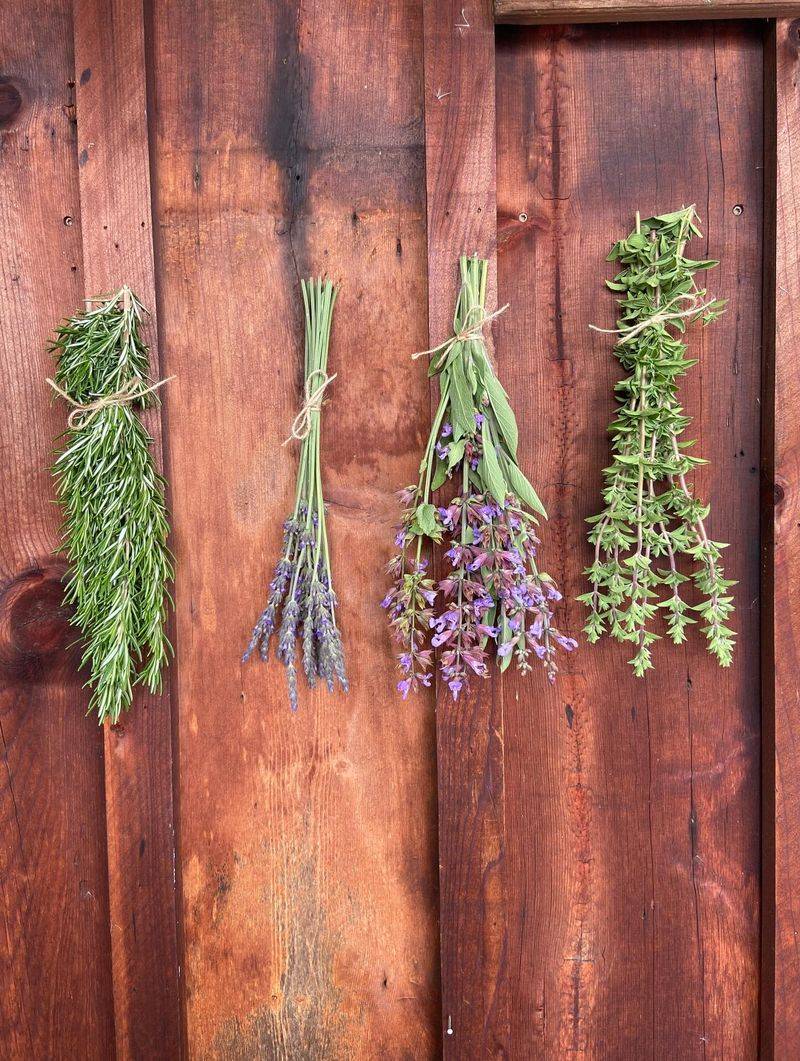
Among the many herbs that Ohio gardeners grow, rosemary, thyme, oregano, sage, and lavender stand out as particularly well suited to the drying process.
Ohio State Extension currently identifies these herbs as good candidates for drying, and their structural qualities help explain why.
These herbs have relatively low moisture content in their leaves and stems compared to more tender varieties, which can make them easier to dry successfully at home.
Drying is a practical preservation method for these herbs because it allows you to store them in a compact, shelf-stable form that can be used throughout the year.
Thyme and oregano, for example, are common additions to soups, sauces, and roasted dishes, and having a homegrown dried supply on hand can be convenient during colder months when fresh garden herbs are not available.
Sage works well dried for use in stuffings, roasted vegetables, and other savory preparations.
Lavender, while often associated with fragrance, is also used in cooking and baking, and it dries well when harvested at the right growth stage. Rosemary’s sturdy needle-like leaves hold up through the drying process and retain a recognizable aroma.
Choosing herbs that are genuinely well matched to drying, rather than trying to dry every herb in your garden, can lead to better results and less frustration. Starting with these five can give Ohio home preservers a reliable foundation for building a dried herb supply.
7. Some Tender Herbs May Be Better Preserved By Freezing

Finding yourself with more basil than you can use in a week is a familiar situation for many Ohio gardeners in late summer.
While drying might seem like the obvious answer for any surplus herb, some tender varieties may actually hold their qualities better when frozen rather than dried.
Ohio State Extension lists basil, cilantro, parsley, dill, chives, and mint among herbs that can be especially well suited to freezing as a preservation method.
Tender herbs have higher moisture content and more delicate leaf structures than woody perennial herbs, which can make them more difficult to dry without losing qualities that gardeners value.
Basil, for example, is known to brown and lose its fresh character fairly quickly during conventional drying, whereas freezing can help it retain more of its color and usefulness for cooking.
Freezing is not the only option for these herbs, but it may be the method that gives you results you are happiest with.
Common freezing approaches include blending herbs with a small amount of water and freezing the mixture in ice cube trays, or spreading clean, dry leaves on a baking sheet to freeze before transferring them to an airtight container.
Gardeners who grow a mix of woody and tender herbs may find it practical to use different preservation methods for different plants rather than treating everything the same way.
Matching the method to the herb can make a noticeable difference in what you end up with.
8. Ohio Humidity Can Make Air Drying More Challenging
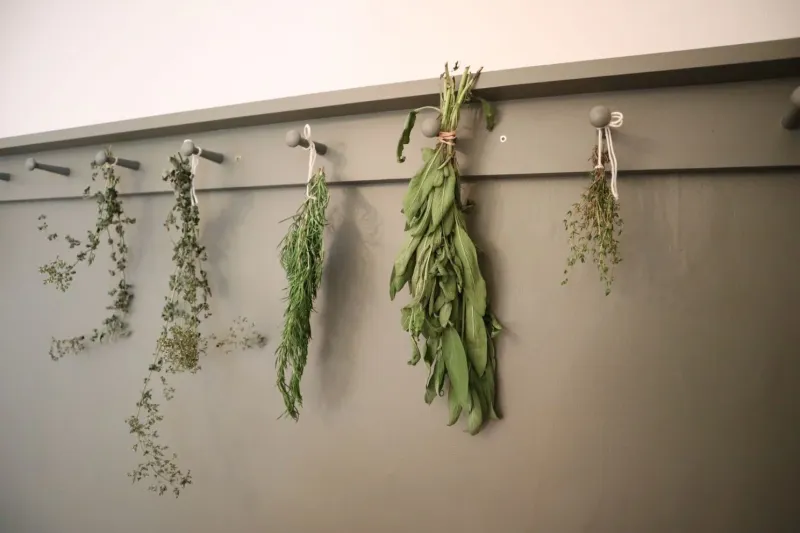
Dealing with Ohio’s humid summer air is something many gardeners know well, and that humidity can create real challenges when it comes to air drying herbs at home.
Ohio State Extension cautions that the region’s Midwestern humidity is not consistently ideal for traditional air drying, since herbs need adequate airflow and relatively low ambient moisture to dry properly.
When humidity is high, herbs may dry too slowly, which can create problems before the process is complete.
Air drying works best in a warm, well-ventilated space with low humidity, and summers do not always provide those conditions reliably.
A room with a ceiling fan, good cross-ventilation, or some climate control can improve results compared to a damp basement or a closed garage.
Keeping herb bundles small and spaced apart allows air to circulate around the stems and leaves, which can help even in less-than-ideal conditions.
A food dehydrator can offer a more controlled drying environment that is less dependent on outdoor humidity levels.
Using a dehydrator at a low temperature setting appropriate for herbs gives you more predictable results and may reduce the time needed to fully dry your harvest.
Ohio State guidance acknowledges dehydrators as a useful option for home herb preservation, particularly when ambient conditions are not favorable for air drying.
For gardeners who preserve herbs regularly, a dehydrator can be a practical investment that takes some of the uncertainty out of the process.
9. Proper Storage Helps Dried Herbs Hold Their Quality Longer
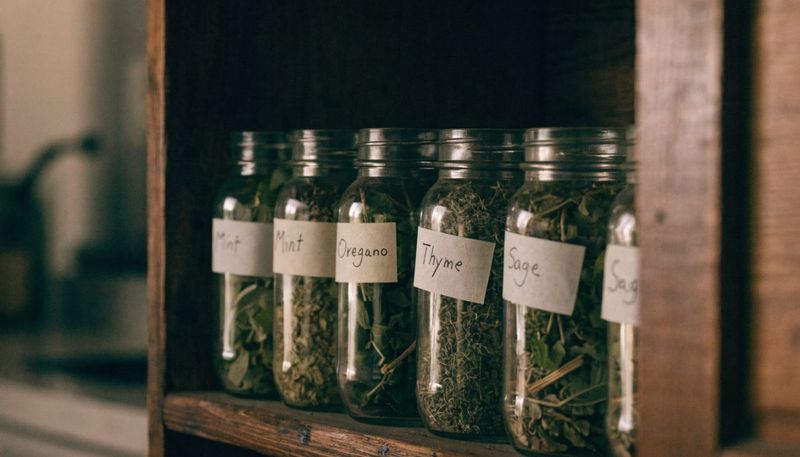
Putting in the effort to harvest and dry your Ohio herbs carefully only pays off fully if you store them in a way that protects what you have preserved.
Ohio State Extension recommends placing fully dried herbs in airtight containers and keeping them in a cool, dry, and dark location, away from heat sources, excess moisture, and direct light.
A kitchen cabinet away from the stove or a pantry shelf tends to work better than a spot near a window or above a hot appliance.
Making sure your herbs are genuinely dry before sealing them into containers is an important step that should not be rushed. Herbs that still feel flexible or slightly damp when you package them may develop quality problems inside a sealed container.
Checking a small sample by crumbling it between your fingers can help you judge whether the batch is ready for storage.
Ohio State guidance suggests that properly dried and stored herbs may maintain their best quality for up to about one year, though aroma, flavor, and overall character can gradually decline over time depending on storage conditions.
Labeling your containers with the herb name and the date you dried them can help you keep track of how long each batch has been stored.
Rotating older supplies and using them before opening new jars is a straightforward habit that can help you get the most out of your late-summer herb harvest over the months ahead.