8 Reasons Squirrels Keep Digging In Your Garden
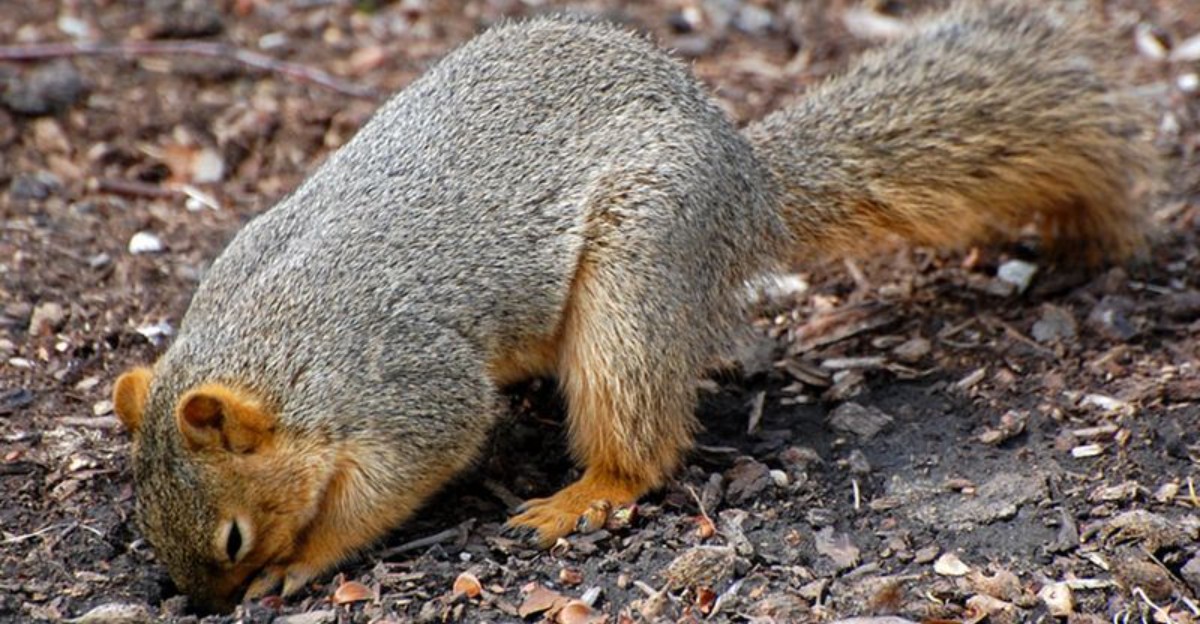
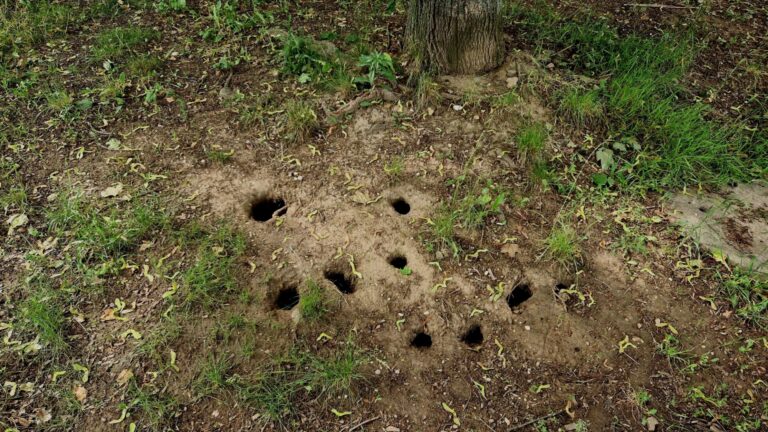
On a cool September morning, the flower bed is covered in fresh holes. Nothing was eaten, nothing was stolen, just overturned mulch and displaced soil.
Your tulip bulbs sit in a crooked row, shoved sideways like furniture after a wild house party. Someone clearly had a very busy afternoon out here while you were at work.
Autumn soil is soft, damp, and apparently the most entertaining thing available on the entire block right now. The strangest part is that your uninvited visitor is not the least bit hungry.
Gardeners lose whole weekends guessing at motives, patting holes flat, and muttering dark threats toward the quiet fence. Meanwhile the real culprit naps high in an oak tree, fully booked for tomorrow morning.
1. Stashing Nuts For The Winter Ahead
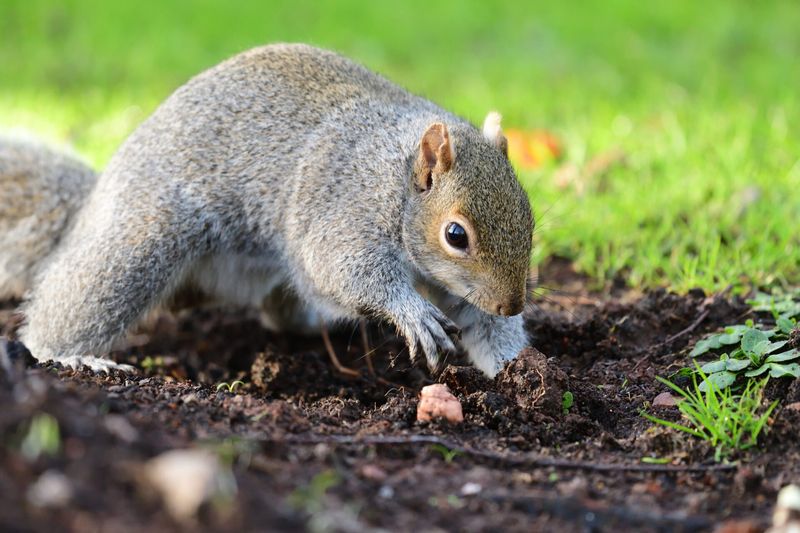
Fall turns your yard into a storage unit, and the tenant did not ask permission. Gray squirrels scatter-hoard, meaning they bury single nuts in hundreds of separate spots.
Each hole takes only seconds to dig, so a single animal can plant thousands of caches by December. Your soft garden beds are simply easier to dig than packed lawn.
The digging is not hunger at work, since acorns are everywhere in September and October. It is pure planning for the lean weeks after the first hard frost.
Researchers found that squirrels sort nuts by type and hide them in different zones. Your vegetable bed might be the walnut section of a very organized pantry.
To protect bulbs, lay chicken wire flat over the soil and cover it with mulch. Green shoots slip easily through the gaps while curious paws hit a solid barrier.
Watering the bed well before planting also helps, because firm damp soil resists casual excavation. Loose, fluffy dirt practically advertises itself as free digging space for the whole neighborhood.
Plant daffodils, alliums, and hyacinths near tulips, since those bulbs taste bitter to rodents. A ring of unpleasant flavors guards the tastier treasures in the middle.
Try offering a dedicated digging box filled with sand in a far corner. Some gardeners swear the decoy saves their best beds from daily remodeling.
Forgotten caches sprout into oak seedlings each spring, which is how many forests quietly expand. Your flower bed may be raising the next big shade tree.
2. Digging Fake Holes To Fool Thieves
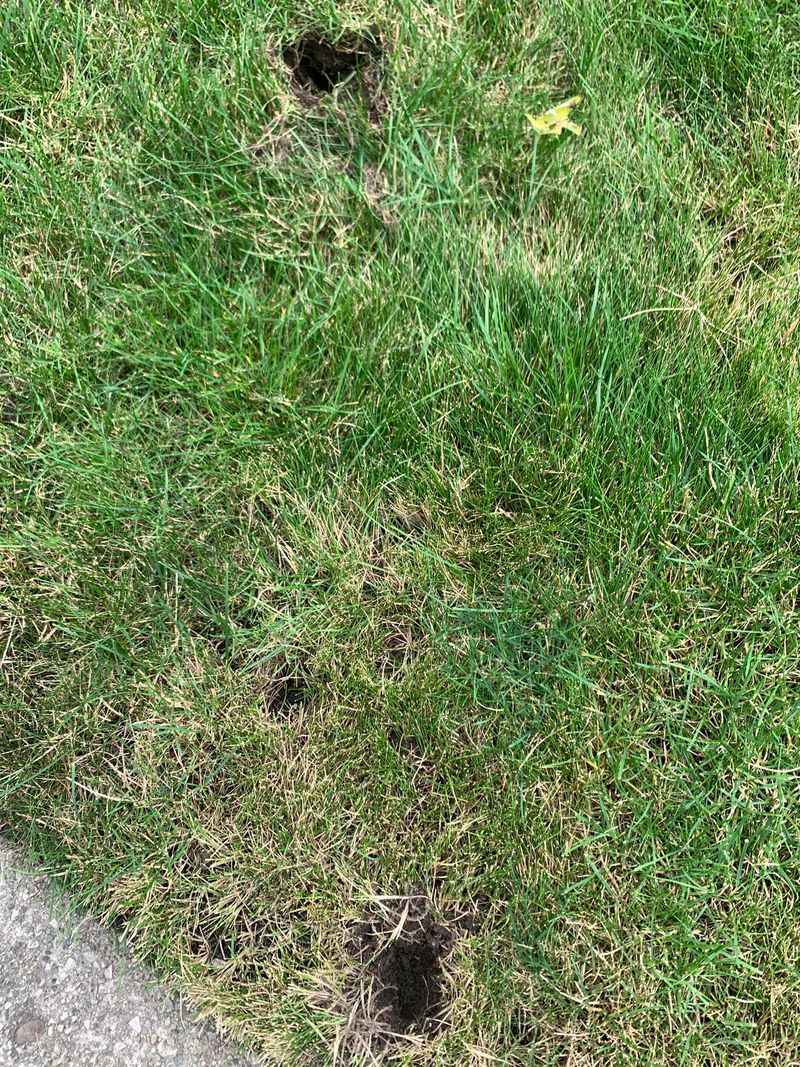
Here is a trick worthy of a spy movie, complete with misdirection. Squirrels dig empty holes, pat them shut, and stroll off with the nut still in their cheeks.
Scientists call the behavior deceptive caching, and it happens most when other animals are watching. The false burial wastes a rival’s time and protects the real stash.
Blue jays, crows, and rival squirrels all raid caches, so trust runs low in the yard. A little theater goes a long way in that suspicious neighborhood.
Researchers have found that squirrels increase fake digs when a human observer stands nearby. Your quiet presence at the kitchen window may be encouraging the whole performance.
That explains the maddening pattern of shallow empty holes with nothing buried inside them at all. You are cleaning up after a bluff, not a genuine storage project.
Since the digging is strategic rather than hungry, removing food alone usually won’t stop it. Cutting down on spectators sometimes helps more than any repellent spray.
Firm mulch, pine bark nuggets, or a layer of river rock makes bluffing less satisfying. Hard surfaces ruin the whole illusion for a performer who needs soft ground.
Keep a small trowel by the door and smooth the fake holes each evening. Consistent repair discourages repeat visits better than one big cleanup weekly.
Honestly, it is hard to stay angry at an animal running elaborate con jobs. Your poor petunias just happen to be the stage for the performance.
3. Taking Dust Baths To Shake Off Pests
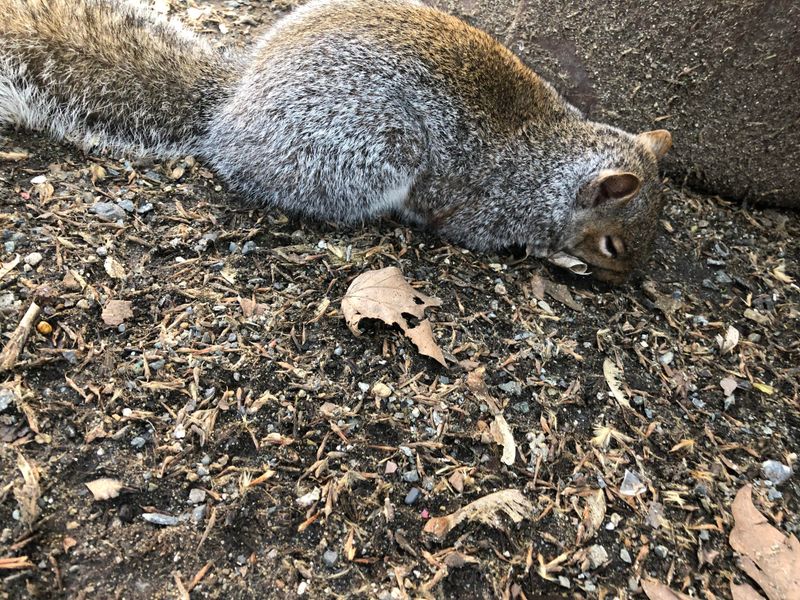
Picture a tiny animal flopping into loose dirt and wriggling like a dog on carpet. Dust bathing is a real behavior, and loose garden soil makes a fine spa.
Fleas, mites, and botflies bother squirrels all summer, especially in warm September weeks. Rolling in dry soil smothers those hitchhikers and soothes irritated, itchy skin.
The result looks like a shallow bowl pressed into your mulch or raised bed. Fur and squirming, not steady digging, created most of that shallow depression.
Newly worked compost stays fluffy and warm, which is exactly what a bathing rodent wants. Your tidiest, freshest bed somehow becomes the most popular bathtub on the block.
Fixing it starts with texture, since dust baths need dry, powdery ground. Consistent watering and a coarse bark mulch layer remove the appeal fairly quickly.
Some gardeners set out a sandbox in a sunny corner as a designated bath. Strange as it sounds, that simple swap can save your zinnias from ruin.
Bathing spots often sit near feeders, birdbaths, or fence rails used as highways. Moving a feeder just ten feet can shift the whole bathing routine.
Watch the timing too, because most bathing happens in warm late morning sunshine. Covering beds with row fabric during those hours breaks the habit.
Oddly enough, a squirrel taking a dust bath is a sign of a healthy yard. Your soil is loose, alive, and apparently five stars.
4. Cooling Their Bellies In Damp Soil
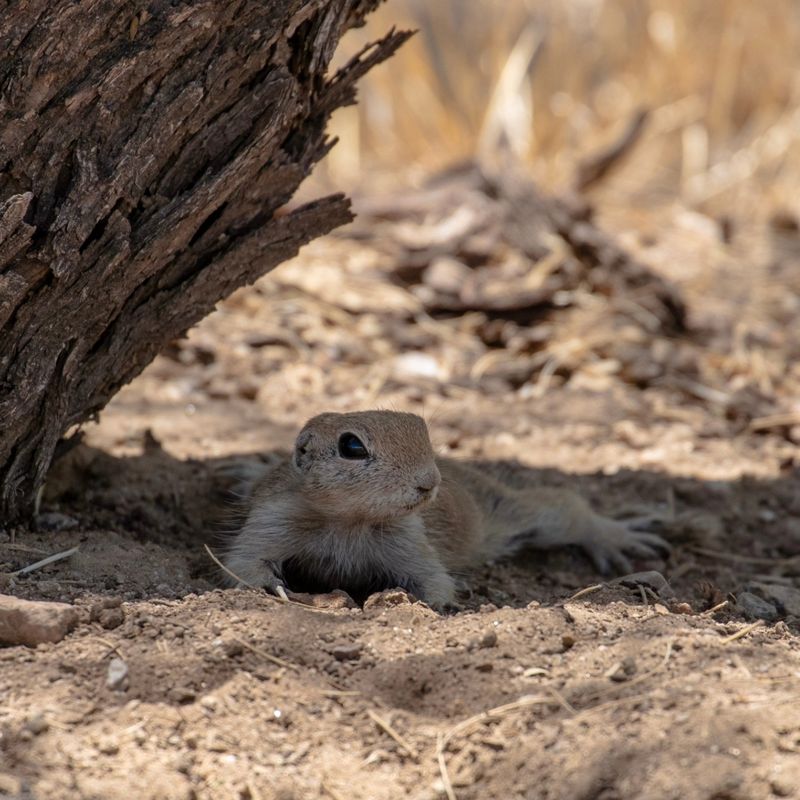
Late summer heat lingers into September, and fur coats do not come off. Squirrels dig shallow pits and lie flat, pressing their bellies against cool earth.
Wildlife folks call it splooting, that pancake pose you see on tree branches and patios. The same trick works on freshly watered soil.
Irrigated beds stay several degrees cooler than lawn or pavement during a hot afternoon. Your drip line basically built a small air-conditioned lounge for the neighborhood.
Damage from cooling digs looks different from cache holes, since they are wide and shallow. Plants get flattened and bruised more often than actually uprooted.
Providing a shallow water dish in a shady corner takes pressure off your flower beds. A wide clay saucer refilled each morning works surprisingly well.
Mulch helps here for the opposite reason, because it keeps surface soil cooler and firmer. Squirrels prefer bare ground they can press into directly.
Shade cloth over young vegetables serves double duty in an unusually warm autumn. Your plants stay happier, and the loungers lose their favorite resting spot.
Check for digging near downspouts, hose bibs, and birdbaths, where soil stays damp longest. Those consistently wet zones attract the most four-legged visitors.
Heat stress is real for wildlife, and a shaded corner benefits birds too. Everyone in the yard appreciates one cool, damp hideaway.
Once nights cool down in October, the sploot pits usually stop appearing. Patience and a full water dish handle most of it.
5. Chasing The Scent Of Bone Meal
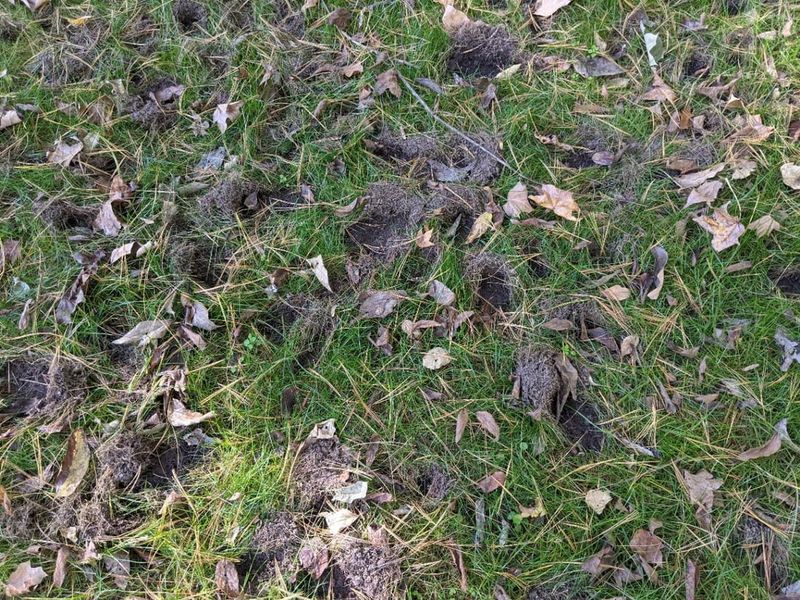
Bone meal smells like a butcher shop to a curious nose. Gardeners mix it into planting holes, and squirrels notice the moment the bag opens.
Blood meal, fish emulsion, and bone-based fertilizers all carry strong animal odors. Rodents investigate first and ask questions later, which means digging.
The digging targets brand-new plantings, which is why fresh bulbs suffer most. It looks personal, but the fertilizer is the real invitation.
Switching to a synthetic bulb food or plain finished compost removes that trigger. Your bulbs grow perfectly fine without any meaty perfume attached.
If you already used bone meal, water the bed deeply to push the scent down. Rain does the same job within a few days.
Fish-based liquid feeds are worse in autumn, when animals are stocking up and sniffing hard. Save those products for indoor houseplants instead.
Store leftover fertilizer in sealed bins, since the shed smell draws visitors to the door. Chewed bags create a far bigger mess than holes.
Layer a few inches of mulch over any amended bed to mask leftover odor. Scent barriers work better than fencing for this problem.
Coffee grounds and crushed pepper flakes sprinkled on top add a second deterrent layer. Refresh both after heavy September rain.
Funny enough, gardeners often blame the plants when the fertilizer wrote the invitation. Reading the label saves a lot of replanting.
6. Marking Territory With Scent And Scratches
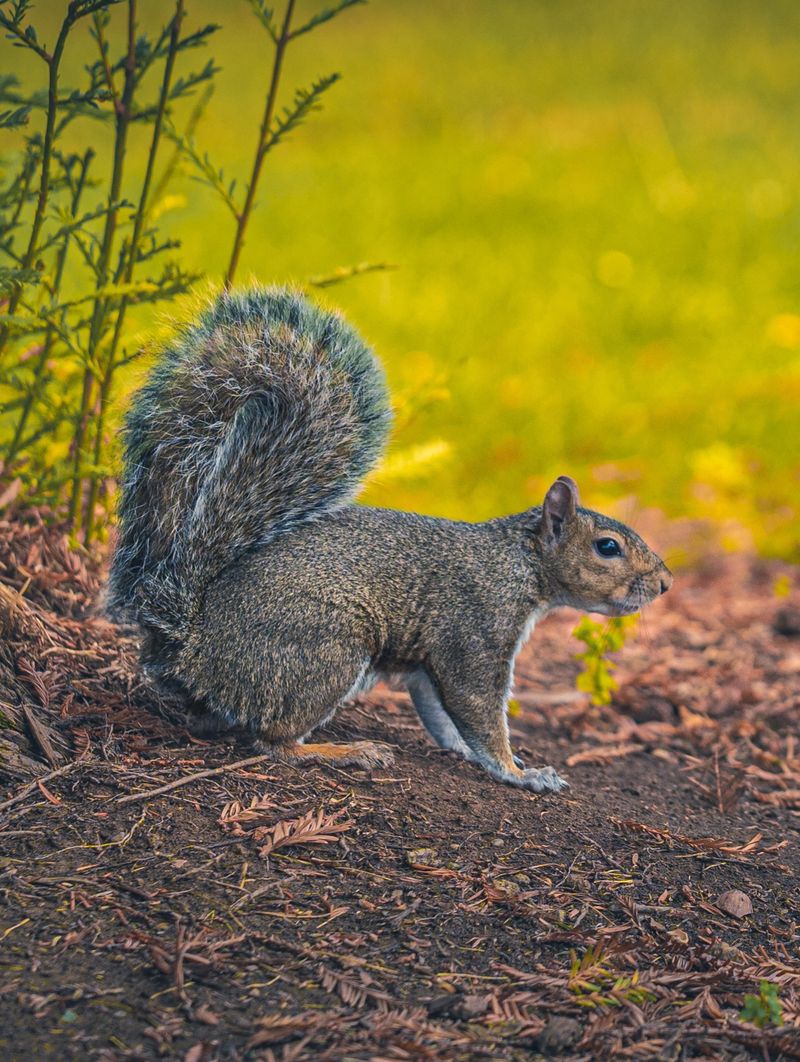
Property lines matter in the squirrel world, and they are written in smell. Scratching soil releases scent from glands in the cheeks and feet.
Autumn raises tension because caches need defending and mating season approaches in winter. More rivals means more boundary work in your beds.
Marking holes cluster along fences, tree bases, and garden edges rather than open ground. Reading the pattern helps you tell one motive from another quickly.
Scratches on bark, shallow scrapes, and tufts of fur often appear together. Think of them as signposts rather than pure vandalism against your garden.
Because scent fades, the same spots get refreshed every few days like a mailbox. Rinsing those areas with a hose interrupts the routine.
A dog or outdoor cat visiting the yard changes that smell map quickly. Many gardeners notice fewer scrapes when pets patrol regularly.
Predator urine products claim to help, though results vary and rain washes them away. Cheaper options include cinnamon, peppermint oil, and rags soaked in plain vinegar.
Blocking fence-top runways with slick pipe sleeves reduces traffic through the yard. Fewer commuters means fewer scent stops along your borders.
Territory digging tends to fade once the hierarchy settles in late autumn. The boldest resident wins the block, and the others quietly move along.
Meanwhile, your garden is functioning as a very small, very furry town square. Somebody apparently has to keep the neighborhood records updated.
7. Gathering Soft Material For Autumn Nests
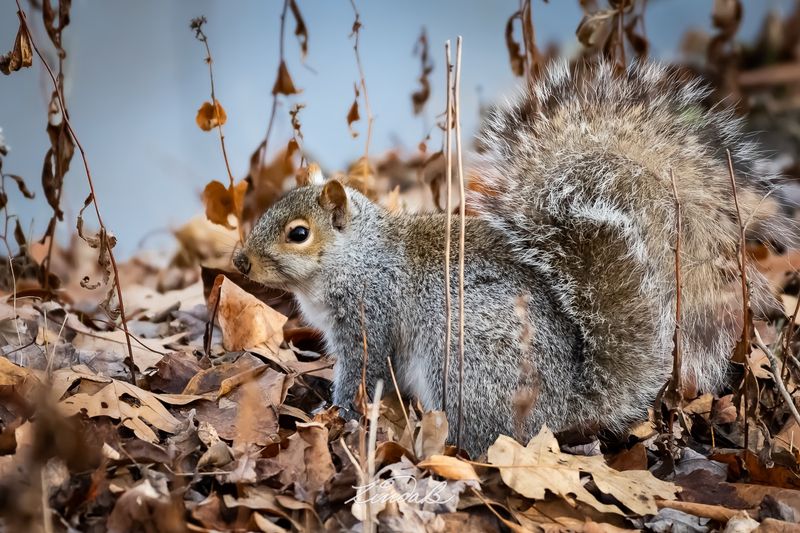
Come September, squirrels start remodeling, and your garden is the hardware store. They dig for moss, shredded bark, dry leaves, and soft root fibers.
Leaf nests called dreys need insulation before the first cold snap arrives. Building season runs from late summer through October in most regions.
Coir liners, hanging basket moss, and burlap wraps vanish fastest in a nesting rush. Container gardens and window boxes usually take the hardest hit.
Shredded mulch gets tossed aside in messy piles rather than neat little holes. That wide scatter pattern is usually the biggest giveaway of nest shopping.
Wire mesh secured over basket tops keeps coir in place without hurting plants. Zip ties make removal easy at repotting time.
Offering a pile of dry leaves and twigs in a back corner redirects the shopping. Wildlife rehabbers use that same simple trick with great success.
Avoid leaving string, plastic netting, or dryer lint outdoors, since those tangle young animals. Natural material is safer for everyone involved.
Nesting activity peaks right before storms, when animals sense pressure changes. Expect one busy afternoon whenever autumn rain is rolling toward your neighborhood.
Check hanging baskets weekly through October, because missing liners dry out roots quickly. A quick refill prevents bigger plant problems later.
Fun fact: a single squirrel may keep three or four nests in rotation. Redecorating is a lifestyle, not a weekend project.
8. Testing Freshly Turned Beds And Mulch
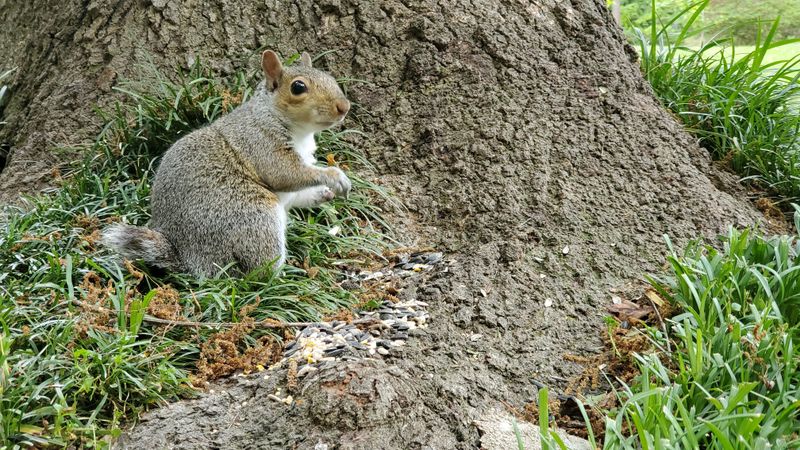
Nothing attracts a curious digger like a bed you just finished planting. Loose soil feels soft, smells fragrant, and practically advertises fresh possibility.
Squirrels investigate disturbance because new digging sometimes means someone else hid something valuable. Curiosity, not appetite, drives the first few holes.
Young squirrels born in spring turn especially nosy during their very first autumn. Practice digging builds skills they will genuinely need by January.
Damage usually shows up within forty-eight hours of planting, then tapers off. Timing your work before rain helps the soil settle fast.
Pressing soil down firmly with your hands or a board removes the fluffy invitation. Firm, settled ground is honestly boring ground to a young digger.
Temporary barriers work well for two weeks, which is usually all you need. Landscape pins and plastic netting come off once plants root.
Decoy digging areas help here too, especially a sand patch near a tree. Novelty seekers head for the easiest option available.
Motion-activated sprinklers earn their price in September, when planting season peaks. A surprise spray rewrites their mental map of the yard.
A thin layer of gravel around stems adds crunch that paws dislike. Small textures discourage more digging than most people expect.
Keep a spare bag of mulch handy for quick repairs after a raid. Ten minutes of patching beats replanting a whole row.
Try to enjoy the comedy, because the holes stop once the soil settles. Your bed will look intentional again by Halloween.