9 California Herbs That Thrive In Fall Gardens
The tomato vines are pulled, the basil has gone to seed, and the backyard looks like it has clocked out for the year without much left worth tending.
Meanwhile, the herb bed keeps right on going, and in California it may be heading into its best stretch of the whole year.
Once summer heat backs off, certain herbs settle in, grow thicker leaves, and taste better than anything you cut in July or August.
Most gardeners assume the herb bed follows the same wind-down pattern as everything else, missing the fact that fall genuinely improves several kitchen staples.
Here are nine worth planting, dividing, or simply paying attention to this fall before the season shifts further toward winter.
1. Rosemary Handles Cooling Temperatures With Ease
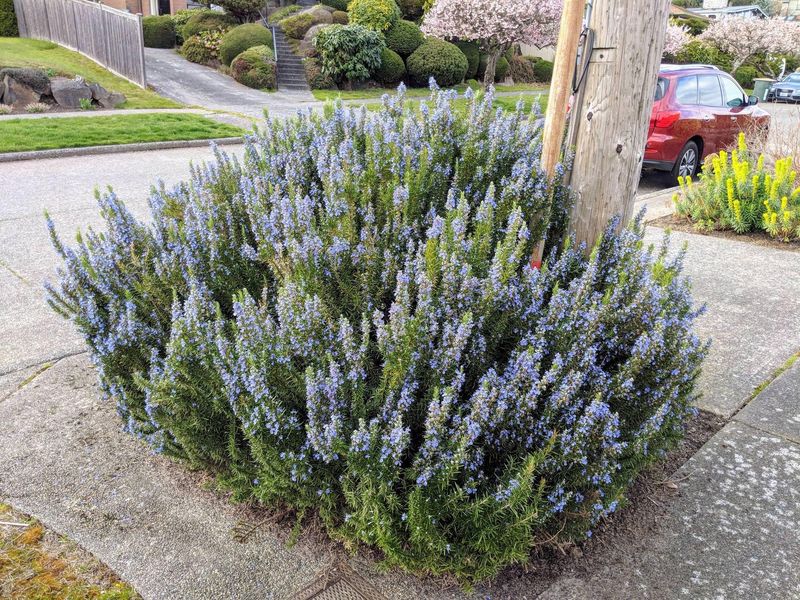
Walk past a mature rosemary shrub in October, and you might not notice anything has changed about it at all from summer.
That steadiness is exactly the point here. Rosemary evolved around the Mediterranean, in a climate that mirrors much of California closely.
UC ANR describes rosemary as a tough woody perennial that tolerates a wide temperature range, which is why the fall transition barely registers.
Established shrubs hold their needle-like leaves year round and often push fresh growth once brutal heat lifts from the surrounding landscape.
In mild parts of the state, small blue flowers appear during the cooler months, and bees show up for them reliably each season.
Hardwood cuttings taken now root easily too, giving you free plants by spring without much additional effort required beyond basic care.
Watering is where autumn gardeners stumble most often. Once the first rains arrive, dial irrigation back hard, since soggy roots ruin California rosemary.
Sharp drainage beats fertilizer every time with this plant, and pots should never sit in saucers holding water for extended periods.
Light pruning can continue through fall, though heavy shaping is safer in spring for colder inland valleys still experiencing occasional frost.
2. Thyme Stays Productive Into Late Fall
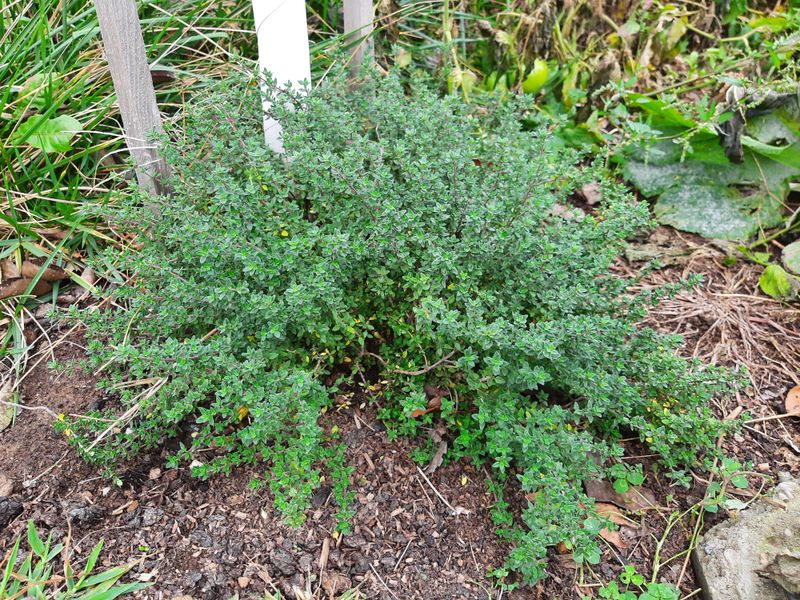
Thyme is the herb that quietly refuses to quit throughout the whole season. While basil collapses at the first cool night, thyme keeps going.
Credit the plant’s low, sprawling shape and its Mediterranean background for this resilience. UC ANR groups thyme with the woody perennial herbs handling seasonal swings.
Harvests get smaller and slower in November, but they keep coming, especially in coastal and Southern California gardens where winters stay milder.
Fall is a smart time to plant it too. Roots settle in while soil is still warm from summer, and winter rain does much watering.
Choose a spot with at least six hours of sun and soil that drains quickly, since heavy clay is thyme’s biggest enemy overall.
Harvest by shearing whole sprigs rather than plucking individual leaves one at a time from the plant’s many branches.
Cutting the top third of the plant keeps growth bushy and prevents the center from turning into bare, woody stubs over time.
Skip fertilizer now entirely, since lush, soft growth is exactly what you do not want heading into wet weather ahead.
Your California Garden Changes Every Week. Your Plan Should Too.
Gardening in California changes quickly throughout the season. Every Friday you’ll receive a simple weekly plan showing exactly what to plant, prune, fertilize, harvest, and protect so you never miss the right timing.
Flavor is another reason to keep cutting through fall. Cooler weather tends to concentrate the oils in thyme leaves considerably compared to summer growth.
3. Sage Rewards Minimal Fall Care
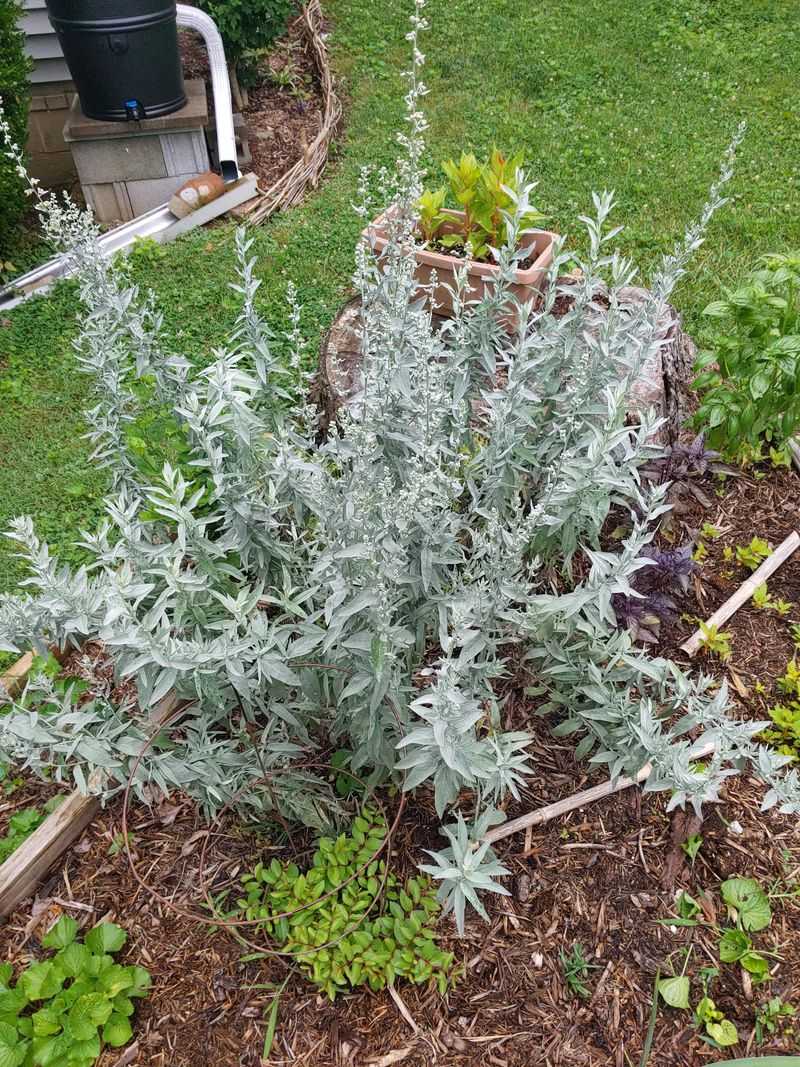
Some plants demand attention. Sage just wants to be left alone throughout most of the fall season without much interference from the gardener.
Gardeners who fuss over it in autumn usually do more harm than good, disrupting a plant that thrives on benign neglect.
A woody Mediterranean perennial, garden sage sails through California’s mild fall with its velvety gray-green leaves staying fully intact throughout the season.
UC ANR places it alongside rosemary and thyme as a drought-adapted perennial suited to the state’s dry-summer, wet-winter pattern overall.
Once temperatures ease, plants often perk up and put on a modest flush of new leaves without any special intervention needed.
Minimal care means what it says here. Water deeply but rarely, stop feeding entirely, and resist the urge to cut back hard.
Severe autumn pruning pushes out tender shoots that frost can damage in inland valleys and the Central Valley during colder nights.
Mulch lightly with gravel or coarse bark rather than heavy compost piled against the stems, avoiding trapped moisture near the crown.
Harvest as you cook throughout the season. Leaves picked in fall are thicker and more aromatic than the floppy summer growth from earlier months.
4. Oregano Keeps Growing As Nights Cool
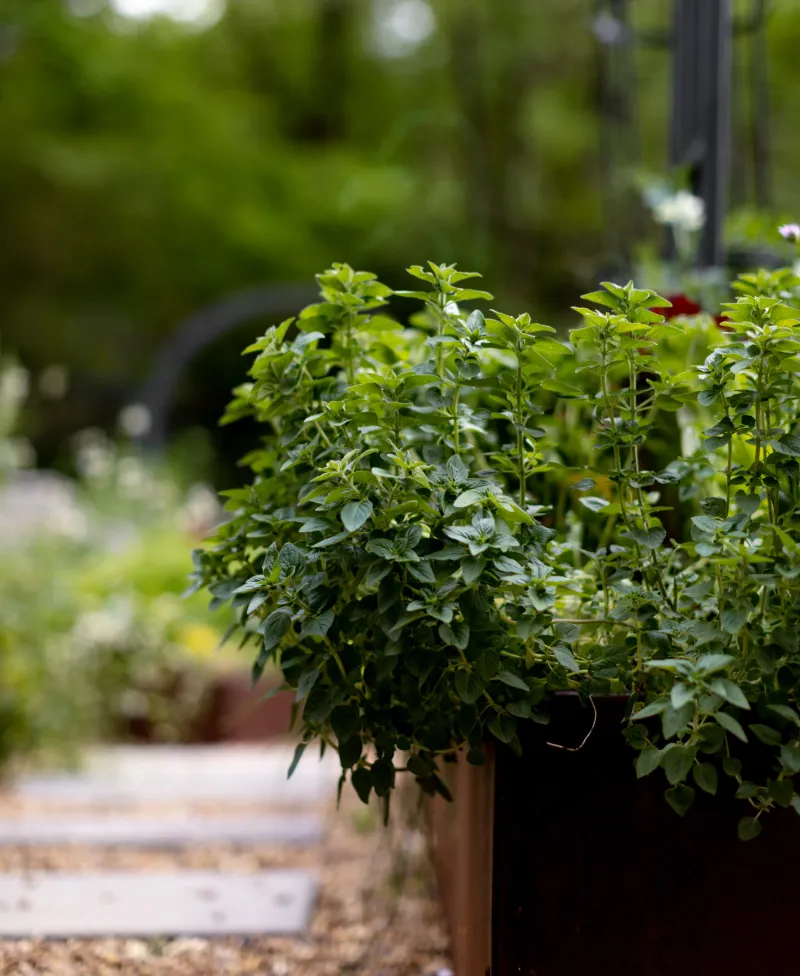
Ask anyone who has grown oregano, and they will mention how fast it spreads across a bed without much encouragement needed at all.
Autumn does not slow that habit much either. Cooler nights simply shift the plant from frantic summer sprawl into steady, compact growth.
Oregano belongs to the same Mediterranean crew as thyme and sage, and UC ANR treats it as a perennial tolerating seasonal shifts.
Stems that grew leggy and flowered during July fill back in as temperatures drop, producing denser growth than the summer version showed.
Leaves often taste sharper and less grassy once the heat is gone, improving the flavor considerably compared to what you cut earlier.
Give it sun, room, and restraint with watering. Overwatering in fall is the fastest route to yellow leaves and mushy stems.
Many gardeners grow oregano in pots or raised beds simply to keep its roaming roots in check within a defined space.
Cut plants back by about a third in early fall to remove tired summer stems, encouraging fresh growth to take their place.
Greek oregano carries the punchy flavor most people expect on pizza, while Italian and Mexican types differ noticeably in taste and appearance.
5. Parsley Prefers Fall Over Summer Heat
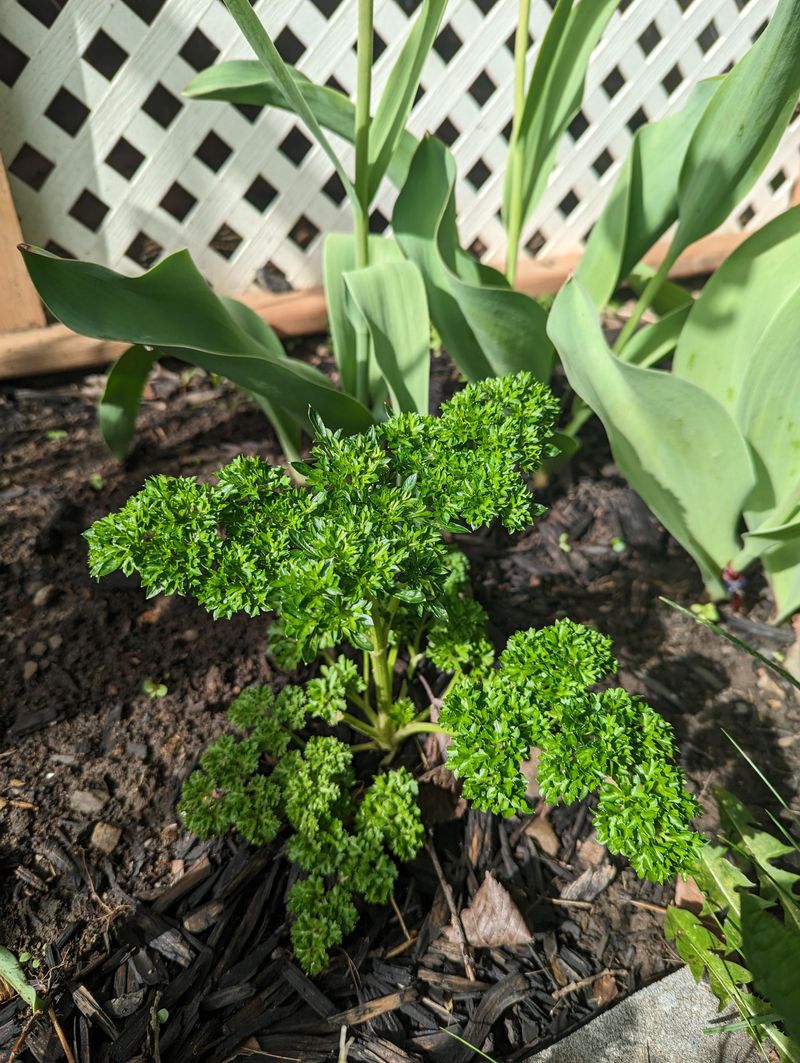
Summer parsley has a way of looking sad by August, pale, tough, and stretched toward seed without much appeal left in the leaves.
Fall changes that story completely though. Parsley is a cool-season biennial, not a heat lover, and that distinction explains everything about its behavior.
UC ANR recommends planting it during California’s cooler windows, when mild days and chilly nights encourage thick, tender leaves instead of stress.
Plants set out in September or October often produce steadily all the way through winter and into spring without much interruption.
Unlike the woody Mediterranean herbs, parsley wants consistent moisture and richer soil to really thrive throughout its growing period.
Work compost into the bed before planting and keep the top few inches damp, not soggy, to support healthy leaf production.
Seeds are famously slow to germinate, sometimes taking three weeks to sprout, so many gardeners start with transplants in fall instead.
Harvest from the outside in consistently. Cut the oldest stems at the base, and the center keeps producing new growth steadily.
Flat-leaf types offer stronger flavor for cooking, while curly parsley holds up well in salads and garnishes served fresh at the table.
6. Cilantro Finally Stops Bolting In Fall
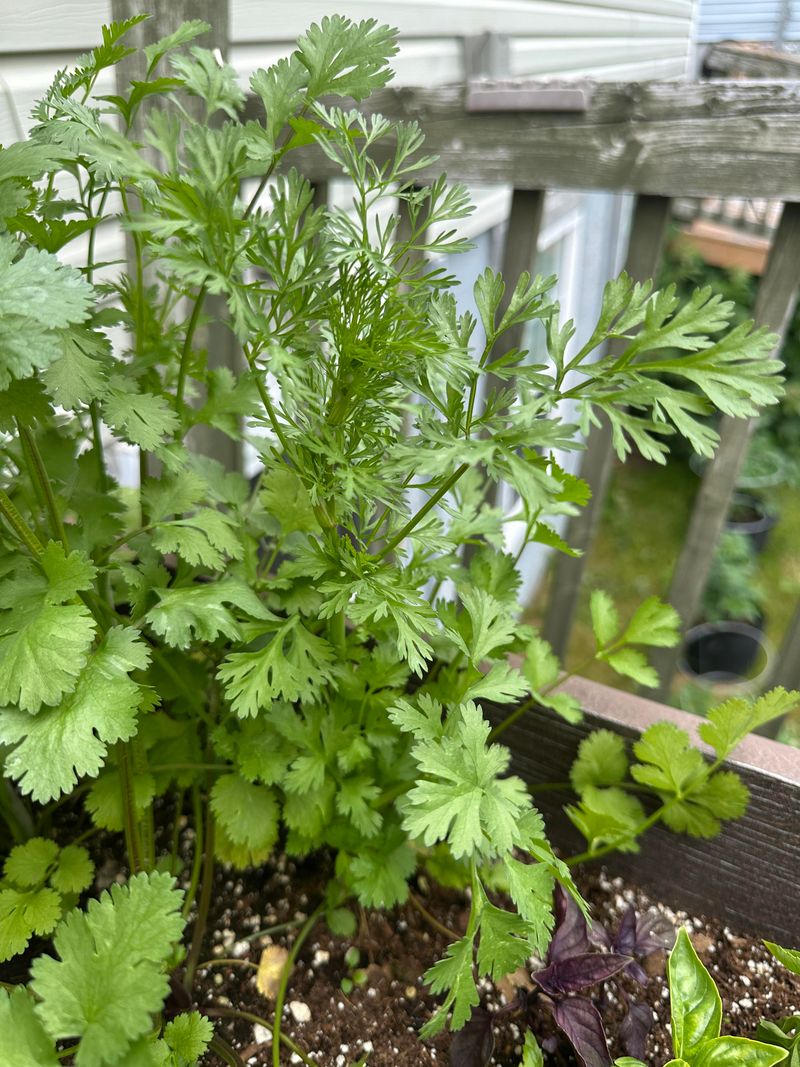
Every California gardener has the same cilantro complaint. It flowers before you can use it properly, wasting the whole planting effort entirely.
Summer heat is the culprit here, and autumn is the cure for this frustrating and common problem most gardeners encounter repeatedly each year.
Cilantro bolts, meaning it rushes to flower and set seed, when days grow long and hot throughout the summer months specifically.
UC ANR identifies it as a cool-season annual best grown from fall through early spring across most of California without much variation.
Once nights cool into the fifties, plants stay leafy for weeks instead of days, giving gardeners a real harvest window finally.
Sow seed directly into the ground rather than transplanting it. Cilantro has a taproot and resents being moved during establishment.
Pick a sunny spot in coastal gardens. In hot inland areas, a little afternoon shade still helps even during the cooler fall months.
Slow-bolting varieties such as Santo and Calypso buy extra weeks, though nothing beats simply planting at the right time of year.
When flowering finally happens, let it finish naturally. The white blossoms feed beneficial insects, and the seeds that follow become coriander for cooking.
7. Chives Come Back Strong With Cooler Weather
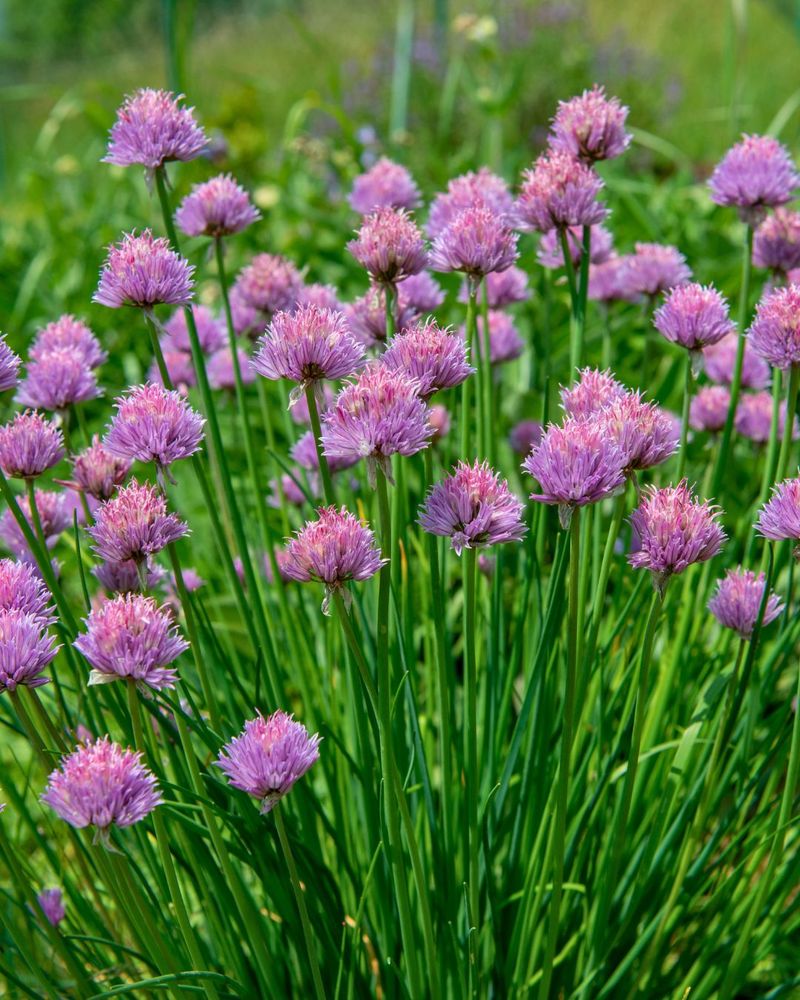
Chives spend late summer looking a little worn out, with floppy, hollow leaves and a faded green color that lacks its usual vibrancy.
Then the weather turns, and they act like a completely different plant altogether once cooler temperatures finally settle in for the season.
As a hardy perennial in the onion family, chives handle California’s fall shift without complaint, unlike some more temperamental herbs on this list.
Mild temperatures push a surge of thin, upright new leaves, often the best crop of the whole year for this particular herb.
Autumn is also the right time to divide an old clump that has grown crowded over the previous growing seasons in the garden.
Lift the whole thing, pull it into fist-sized sections, and replant with the white bases just below the soil surface carefully.
Feed lightly with compost and keep the soil moist, since chives are thirstier than their Mediterranean neighbors covered earlier in this piece.
Snip leaves with scissors an inch above the crown rather than pulling them, which can loosen the whole clump unintentionally during harvest.
Flavor stays mild and oniony, perfect stirred into eggs or soups right before serving to preserve that delicate taste before it fades.
8. Fennel Grows Sweeter As Nights Turn Cool
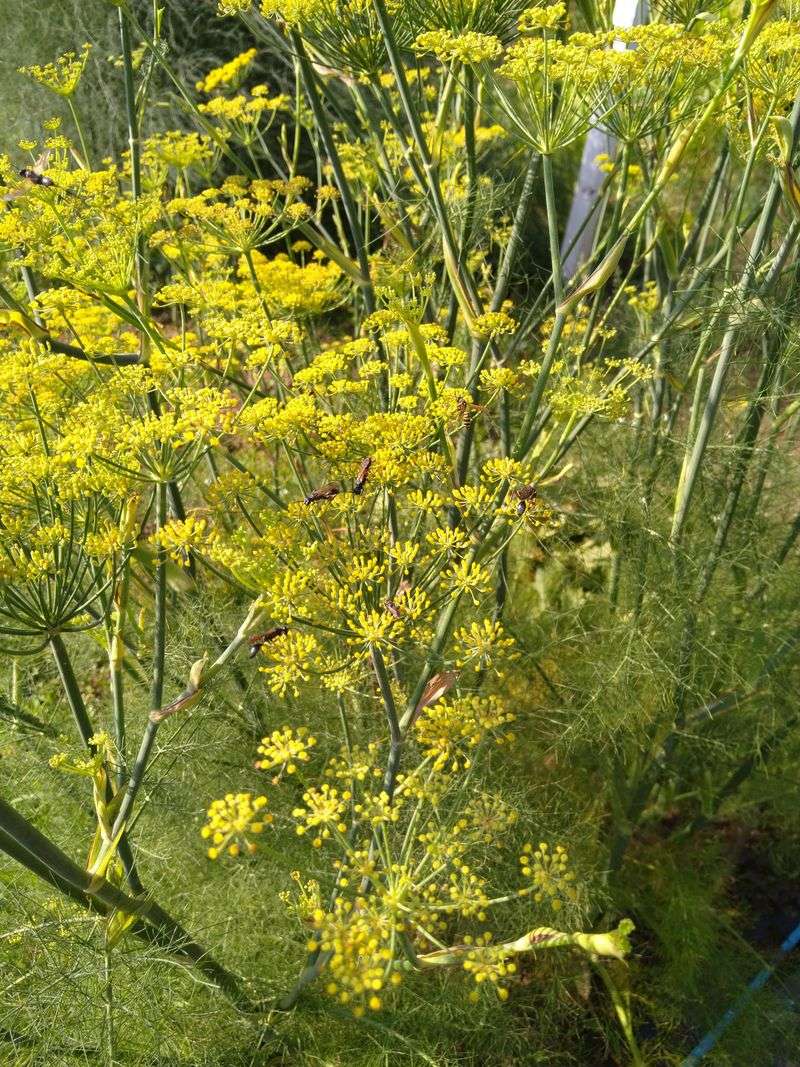
Feathery, anise-scented fronds and crisp, layered bulbs make fennel one of the more distinctive herbs to grow in a California fall garden, offering both leaves and a bulb worth harvesting.
This Mediterranean native, like rosemary and thyme covered earlier, handles the state’s dry-summer, wet-winter pattern comfortably, though it behaves more like a cool-season annual than a persistent woody perennial.
Bulbing fennel in particular benefits from fall planting, since the cooling temperatures ahead prevent the bolting and bitterness that summer heat tends to trigger before a proper bulb has a chance to form.
Direct seeding works better than transplanting for this herb, since fennel develops a taproot similar to parsley and resents having its roots disturbed during the moving process.
Give it full sun and consistently moist, well-drained soil, since fennel wants steadier moisture than the true Mediterranean herbs like rosemary and sage that thrive on relative neglect.
Space plants generously, since crowded fennel produces thin, disappointing bulbs, while properly spaced plants develop the crisp, layered base most cooks are actually hoping to harvest.
Harvest the bulb once it reaches the size of a tennis ball by cutting at the base, though the feathery fronds can be snipped earlier for garnishing soups and salads.
Left unharvested through winter into spring, fennel eventually flowers, and those blooms draw the same beneficial insects that parsley attracts, making a plant or two worth leaving for pollinators rather than harvesting entirely.
9. Lemon Verbena Holds Onto Fragrance Late Into Fall
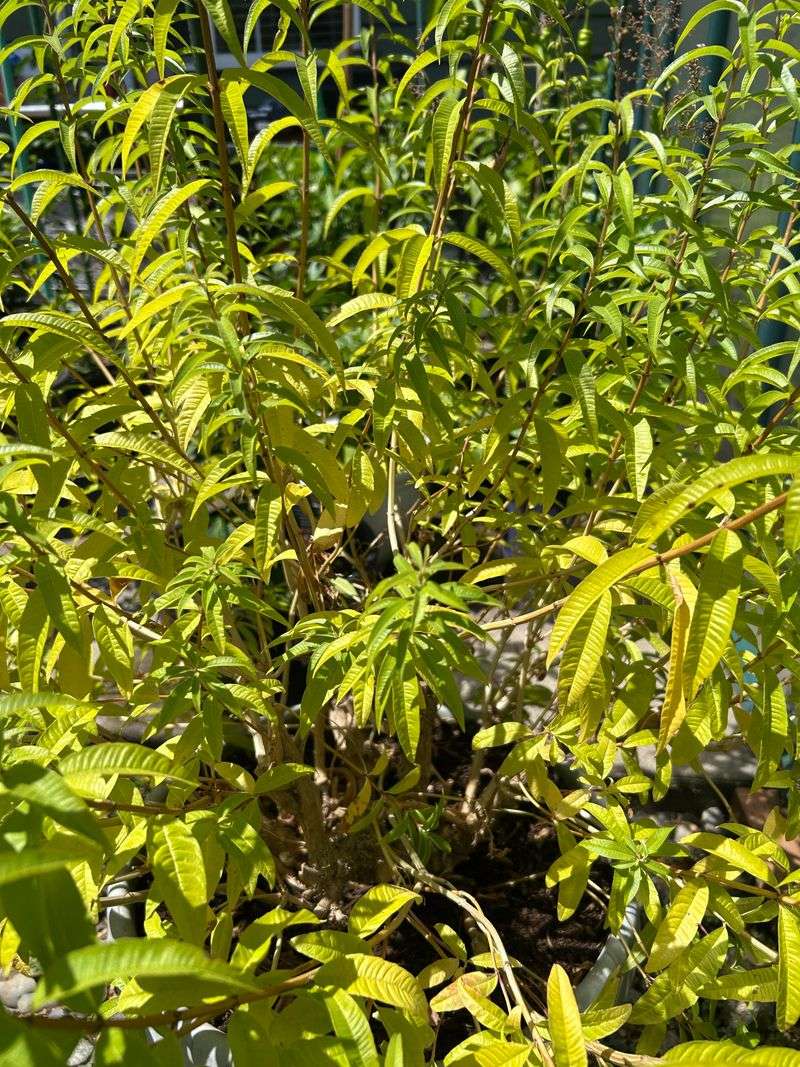
Bright, intensely lemon-scented leaves make this shrubby herb a favorite for tea and baking, and unlike many tender perennials, lemon verbena often keeps producing well into California’s mild fall season.
Native to South America rather than the Mediterranean, this herb still adapts well to California’s climate pattern, tolerating the state’s dry summers while appreciating a bit more warmth than rosemary or thyme prefer.
Fall pruning deserves more caution here than with the woodier Mediterranean herbs covered earlier, since lemon verbena can be more sensitive to hard freezes, particularly in colder inland valleys where nights drop sharply.
Established plants in mild coastal and Southern California gardens may hold their leaves through most of fall, while inland gardeners should watch for the first real cold snap signaling it is time to ease off watering.
Give it full sun and well-drained soil, watering moderately rather than following the strict drought tolerance appropriate for true Mediterranean natives like sage, since this plant appreciates a touch more consistent moisture.
Harvest leaves regularly for drying, since lemon verbena holds its fragrance remarkably well once dried, making it a favorite for homemade tea blends that outlast almost anything from a grocery store shelf.
In colder inland gardens, plants often fade back to the ground after a hard frost, though the roots frequently survive and resprout vigorously once warmer spring weather finally returns to the region.
Container growing offers extra insurance for colder areas, letting gardeners move the plant to a sheltered spot or indoors briefly during the coldest nights, protecting the top growth through winter until spring arrives.