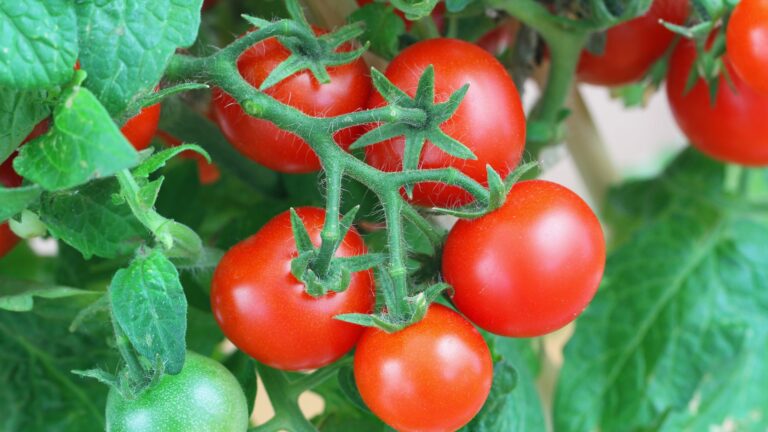
Don’t Pull Your Tomato Plants Until You Check This
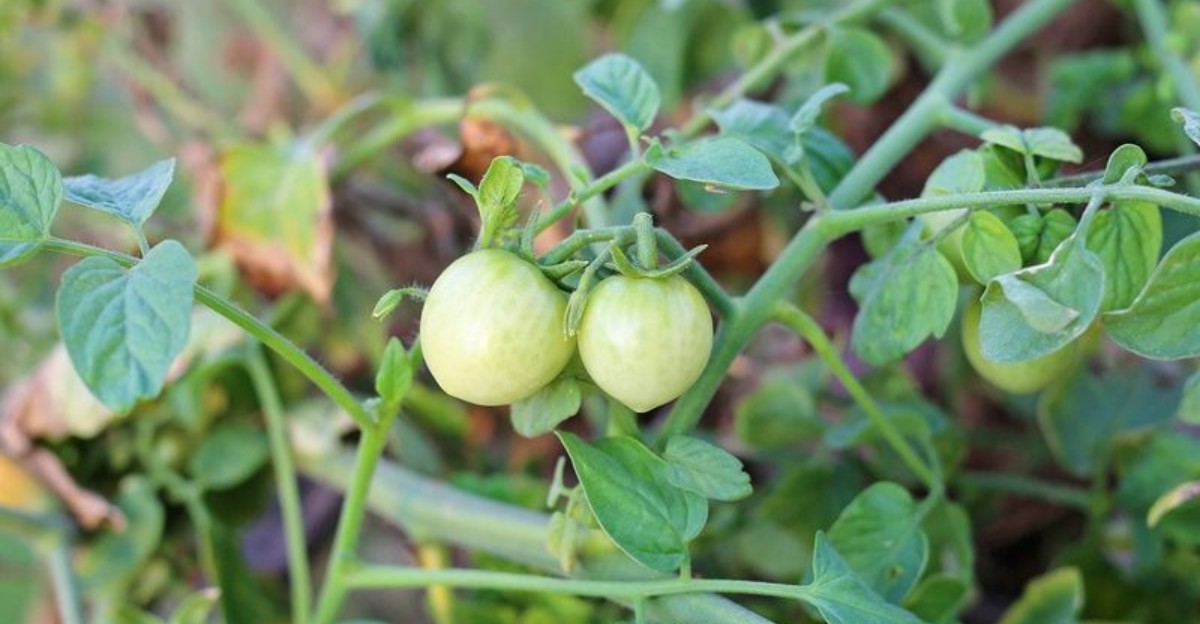
September has a sneaky way of making the entire garden look finished and slightly embarrassed about it. Leaves turn crispy, stems flop sideways, and the beds smell like they badly need a long nap.
So out come the gloves, the big trash bag, and that itchy urge to yank everything. Tidy beds do feel wonderful, but one hasty yank can toss out fruit you already paid for.
Underneath all that tired foliage, something is often still working quietly on the late night shift. A careful look near the middle of each plant usually tells a very different story.
Give those vines sixty seconds of honest inspection before the compost pile gets its afternoon snack. Your bed may look abandoned, yet the tenants clearly have not moved out.
The Hidden Second Flush On Tired Vines
Plants that look finished by mid September are often quietly setting a fresh round of blossoms. Cool evenings bring sweet relief after brutal August heat, so the pollen finally starts behaving itself.
During heat waves above ninety degrees, blossoms drop off without setting fruit, which looks a lot like failure. Once daytime temperatures ease back into the seventies, that same tired vine can fruit again quickly.
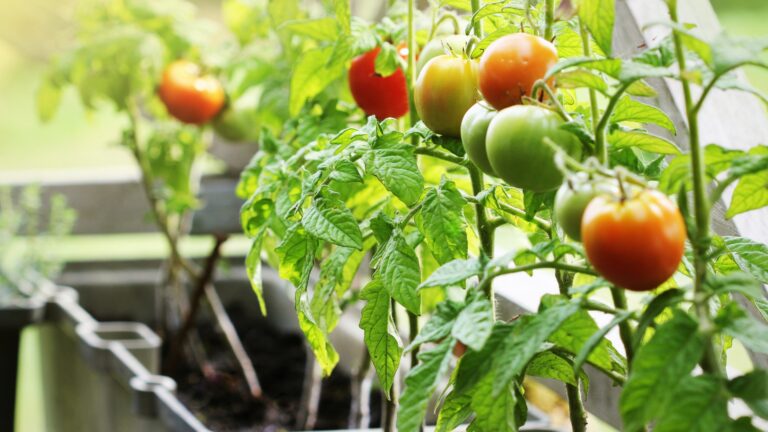
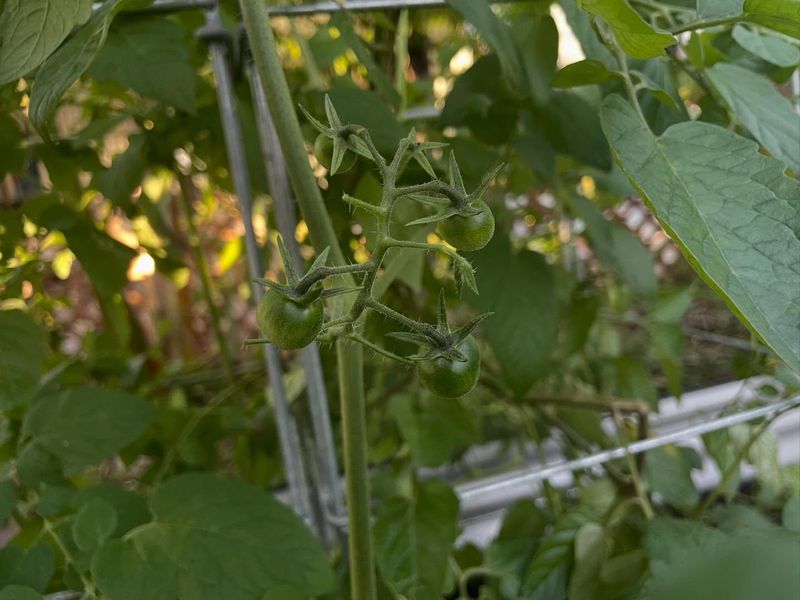
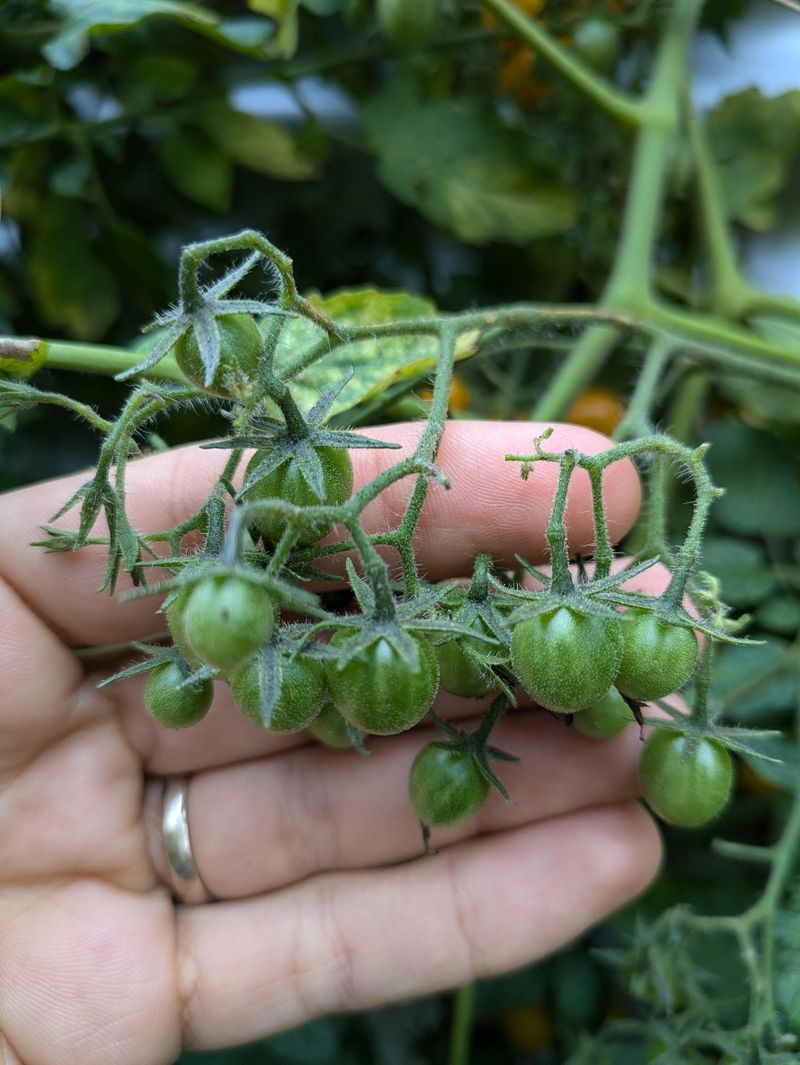
Look closely at the top twelve inches of each plant for yellow flowers or pea sized fruit. Those little green marbles are solid proof that the roots still have real fuel left inside.
Indeterminate varieties keep flowering right up to frost, so September growth is perfectly normal for them. Determinate types finish in one heavy wave, which makes their late blooms worth a careful check.
One healthy vine can still add several extra pounds of fruit across the autumn weeks. That bonus harvest costs nothing beyond a little water, some support, and ordinary patience.
Gardeners in warm southern zones often pick fruit through October or even into early November. Northern growers get a shorter window, yet three extra weeks fills a surprising number of baskets.
Before the shovel comes out of the shed, count the flowers you can actually see. Ten blossoms mean ten real chances at a tomato, and most of them are worth the wait.
Snap a photo of the plant today, then compare it against the vine two weeks later. The difference usually settles any argument between tidy gardening and free fruit.
Green Growth Tucked Under Crispy Leaves
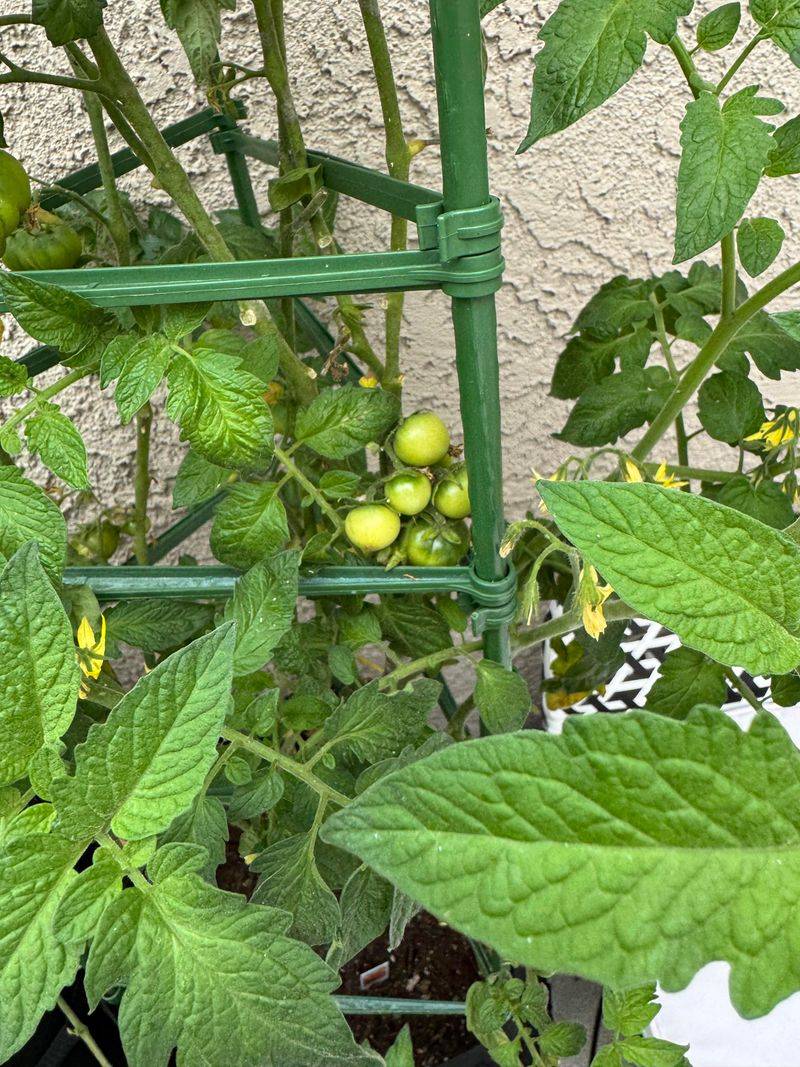
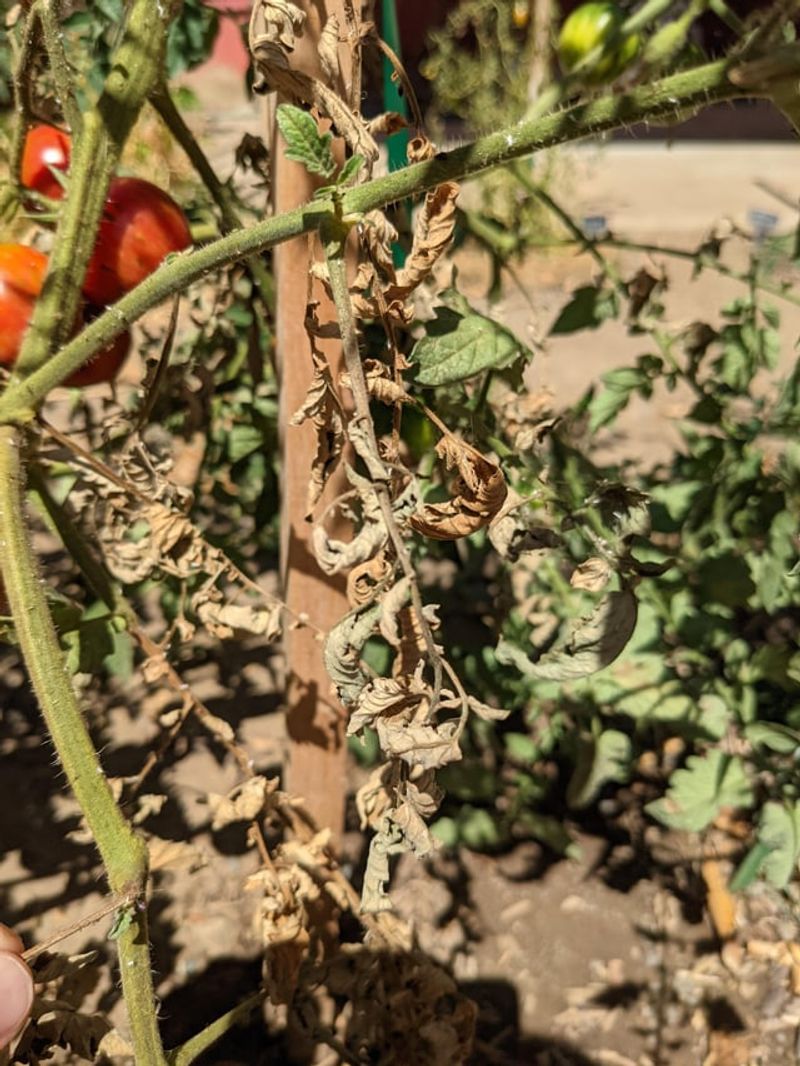
Brown outer leaves fool nearly everyone, because damage on the outside rarely reaches the plant’s core. Peel back the crunchy stuff and look carefully at what is happening near the main stem.
Scratch a fingernail gently along the lower stem to see which color hides just underneath. Bright green tissue means water still travels upward, while dry tan wood means the opposite.
Fresh side shoots near the base look tender, glossy, and noticeably lighter than the old growth. Shoots like that signal a plant rebuilding itself instead of shutting down for the season.
Lower leaves often turn yellow first from crowding, splashing water, or plain old age. Trouble that climbs steadily upward while stems darken points toward a genuine disease problem.
Fusarium wilt and verticillium show a one sided droop plus brown streaks inside sliced stems. Plants with those streaks belong in a trash bag rather than your tidy compost pile.
Sun scorched foliage feels papery and bleached, yet the fruit hiding underneath usually stays fine. A shade cloth or even an old bedsheet shields those clusters during hot afternoons.
Give the base a gentle wiggle to feel whether the roots still grip the soil firmly. Loose, mushy roots tell a sad story, while a stubborn anchor means healthy work below.
Two quiet minutes with a fingernail can rescue a plant with weeks of work remaining. Curiosity beats a garden fork almost every time during the first half of September.
Frost Dates Versus Remaining Ripening Days
Everything about this decision really depends on the calendar hanging in your kitchen right now. Find your average first frost date, then count the days remaining before that chilly morning.
Fruit that has already reached golf ball size usually needs about three or four more weeks. Blossoms opening today need roughly forty five days, which many northern regions no longer have.
Gardens up north often meet their first frost in late September, while southern beds coast into November. Coastal and mountain pockets vary wildly, so local extension charts beat general internet guessing every time.
With five weeks remaining, keep feeding, watering, and supporting every heavy branch you can reach. With ten days remaining, shift attention toward ripening whatever fruit has already set on.
Pinching off brand new blossoms sounds harsh, yet it redirects sugar straight into existing fruit. Those late flowers had no realistic chance anyway, so the plant spends its energy wisely.
Row cover fabric can buy another two or three weeks when nights dip toward forty. A frost blanket draped over simple hoops traps warmth around fruit through cold mornings.
Watch the ten day forecast instead of trusting the average date printed on seed packets. Weather rarely follows averages, and one warm October stretch rewrites the entire harvest plan.
Timing turns nervous guesswork into simple arithmetic, and honest arithmetic protects fruit you already worked for. Count the remaining days first, then decide whether those vines earn another month outdoors.
The Early Cleanup Mistake Many Gardeners Make
Labor Day weekend triggers a strange cleaning instinct inside otherwise patient gardeners across the country. Tools come out, beds get stripped bare, and half grown fruit lands in the compost heap.
Ugly does not mean unproductive, which is easily the hardest lesson in any September garden. A raggedy vine holding twenty green fruits beats a spotless empty bed every single October.
Plain thirst gets mistaken for illness constantly during dry late summer stretches without much rain. Plenty of droopy plants perk right back up a day after one long, slow soaking.
Some folks clear beds early to make room for garlic, greens, or a cover crop. Those plantings can easily wait two weeks, because the window stretches later than most assume.
Yanking one plant disturbs the soil around its neighbors, snapping roots that peppers still need. Snipping stems at ground level protects nearby crops far better than a forceful pull.
Another common slip involves tossing whole vines still loaded with fruit that would ripen indoors. Harvest first, inspect second, and let the compost pile wait until every basket is full.
Old photos from past seasons often show cleared beds while the nights stayed warm and mild. A few notes in a garden journal help break that reflex the following autumn.
Patience costs nothing here except a slightly untidy view from the kitchen window each morning. Neighbors might judge the tangle, though they rarely turn down a bag of free fruit.
A Late Season Rescue Plan For Struggling Plants
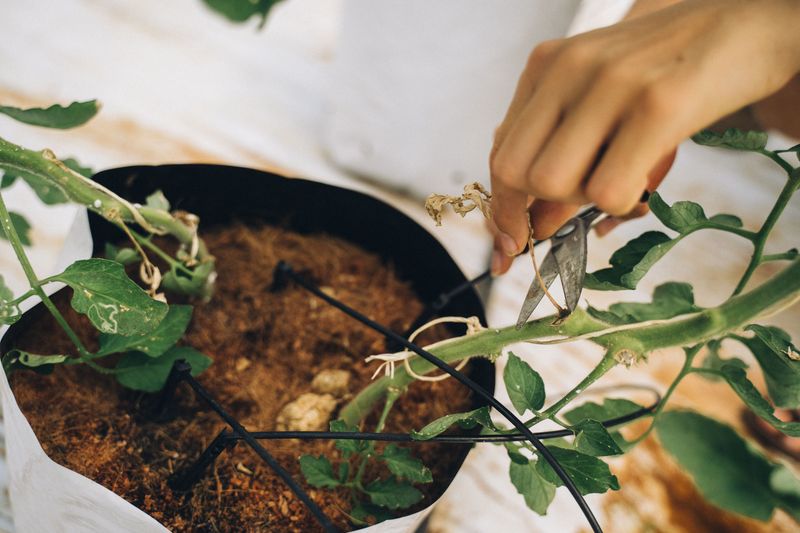
Rescuing a tired vine takes roughly fifteen minutes with clippers, a hose, and some fertilizer. Begin by clearing away every spotted lower leaf that touches the soil beneath each plant.
Good airflow around the base slows fungal trouble faster than any bottle from the garden store. Fresh straw mulch on top keeps splashing soil away from the remaining healthy foliage.
Water deeply twice each week instead of sprinkling lightly for two minutes every single afternoon. A deep soaking pushes roots downward, steadies fruit growth, and reduces those ugly cracked skins.
Feed with a fertilizer lower in nitrogen and higher in potassium to encourage better ripening. Too much nitrogen right now produces gorgeous leaves beside disappointing clusters of tiny green fruit.
Trim leafy shoots carrying no flowers, since they drink up resources without paying any rent. Keep leaves that shade fruit clusters, because bare tomatoes scald badly under strong afternoon sun.
Check the stems for hornworms, chunky green caterpillars that strip whole branches within two nights. A blacklight flashlight makes them glow faintly after dark, which turns the hunt into easy work.
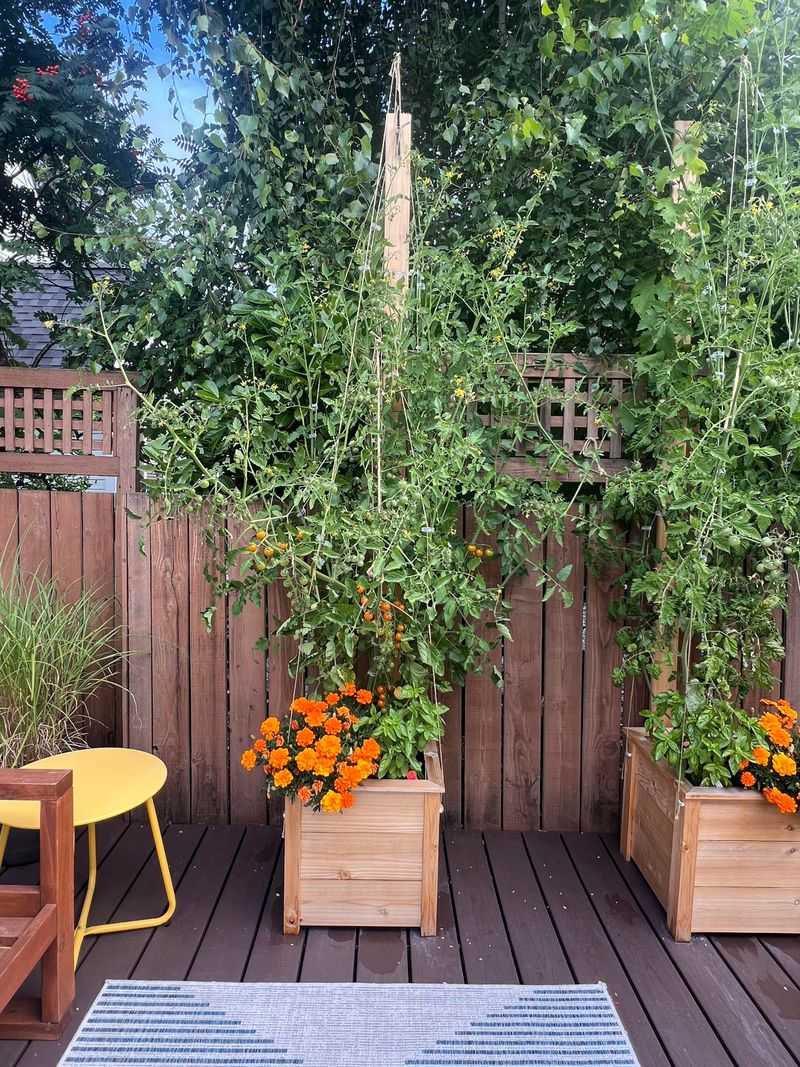
Tie floppy branches back onto stakes so the fruit stays off cold, damp autumn ground. Support also keeps air moving through the plant, and moving air means fewer spotted fruits.
Two weeks after that quick spa treatment, most vines honestly look like different plants. The one you nearly pulled often becomes the plant still feeding your family through October.
Smarter Bed Cleanup For Next Year’s Crop
Eventually the season truly does end, and careful cleanup decides how next summer’s garden behaves. Spotted foliage left lying on the ground overwinters happily, then greets new seedlings in June.
Bag up any leaves showing early blight or septoria spots rather than composting that material. Backyard compost piles rarely get hot enough to break down those stubborn fungal spores.
Bring the remaining green fruit indoors and set it on newspaper away from direct sunlight. One ripe banana nearby speeds everything along, while firm slices fry up beautifully in cornmeal.
Plant the same family somewhere new next year, since soil borne trouble lingers for seasons. Peppers, eggplants, and potatoes all count as relatives, so shuffle that whole group around.
Sow crimson clover or winter rye once the bed empties, sheltering that bare soil nicely. Cover crops feed earthworms, block winter weeds, and add organic matter before spring planting arrives.
Scrub the cages and stakes with soapy water so fewer old spores ride into next season. Storing them dry under cover keeps the metal from rusting through wet winter months.
Write down which varieties held on longest and which quit during the first heat wave. Notes like that shape your seed order far better than any glossy catalog photograph ever could.
Thorough cleanup is really next summer’s harvest wearing a sturdy pair of work gloves. Future you will appreciate the effort, probably while eating a tomato sandwich in July.