Popular Garden Plants That Are Actually More Trouble Than They’re Worth
Every garden hides one resident that arrived looking innocent, polite, and honestly too charming to refuse. A few seasons later, it acts like it pays the mortgage and owns your whole back fence.
Garden centers sell beauty, not warnings, and those tiny plastic tags rarely mention whole lost weekends. September is usually the month when the truth shows up loud, leafy, and impossible to ignore.
Some plants beg for sprays, stakes, endless pruning, and awkward apologies shouted over the back fence. Others quietly refuse to respect the neat little borders you carefully measured out last spring.
Spotting which crowd favorites are secretly high maintenance can save your money, your muscles, and your pride. Consider this a friendly warning from someone holding blisters, strong opinions, and one very tired shovel.
1. Mint
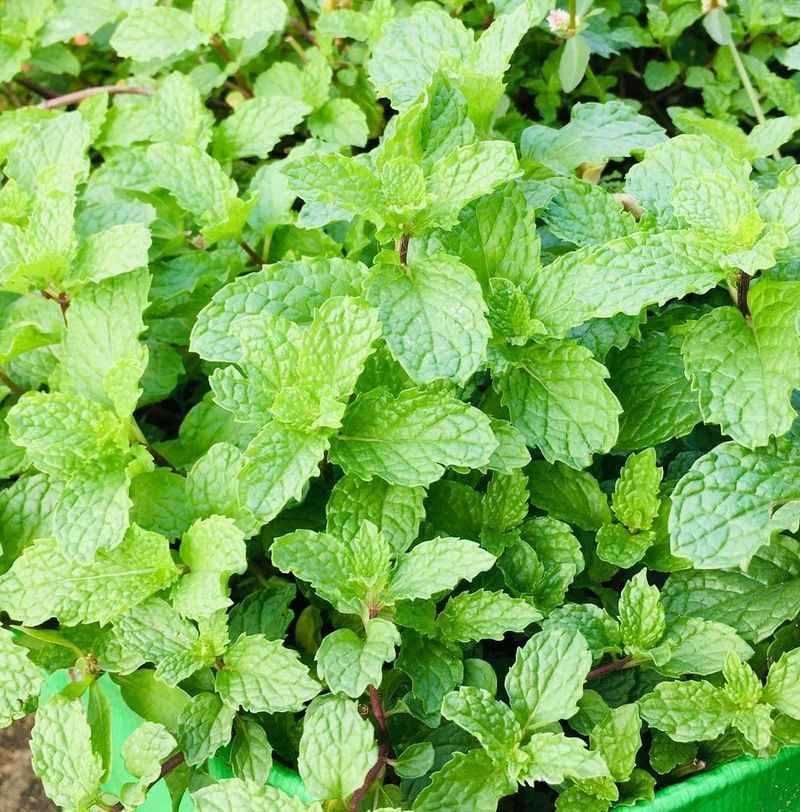
Ask anyone who planted one mint seedling beside the tomatoes a decade ago. That gardener is probably still pulling runners out of the lawn every single summer.
Mint spreads through underground stems called rhizomes, which travel sideways under paths, fences, and raised beds. Chop one into pieces and each piece cheerfully becomes a brand new plant.
Digging it out rarely works because tiny root fragments stay behind in the soil. Within weeks those leftovers sprout again, smelling wonderful and behaving terribly.
Containers are the honest answer, and September is a fine time to make the switch. Sink a bottomless pot into the bed, or keep mint on the patio.
Fun fact: most nurseries sell mint in small pots because shipping a happy clump would be ridiculous. One plant genuinely supplies a family with tea all summer long.
Mint also crowds out slower neighbors like parsley, basil, and young perennials you actually paid for. Its shade and thirsty roots leave little room for polite company.
Bees love the flowers, which sounds lovely until seeds scatter across your gravel and cracks. Snip blooms before they finish if you want fewer surprise seedlings next spring.
Harvest hard all season, since regular cutting keeps growth tidy and leaves tasting sweeter. Dry extra leaves in September for winter tea and holiday baking.
Keep mint, honestly, but keep it in a container with walls it cannot sneak under. Your future self, kneeling in the mud, will send a thank-you note.
2. English Ivy

Victorian estates made ivy famous, draping cold stone walls in soft green storybook charm. Modern homeowners mostly know it as the reason they rented a pressure washer.
English ivy climbs using tiny rootlets that grip mortar, siding, and painted wood with stubborn strength. Pulling vines off a wall often peels paint and loosens crumbly old mortar.
On the ground it forms a thick mat that smothers shrubs, seedlings, and spring bulbs. Ground cover sounds polite until the cover swallows the whole flower bed.
Once vines reach tree branches, they add heavy weight and catch wind during autumn storms. Branches break, and the tree spends years recovering from the extra load.
Mature ivy produces berries, birds spread the seeds, and new patches appear in nearby woods. Many regions list it as invasive for exactly that reason.
September is a solid month for removal, since cooler air makes heavy pulling far less miserable. Cut vines at chest height and again near the ground.
Leave the upper section alone, because it will dry out and drop on its own. Yanking it down usually brings broken bark and angry insects with it.
Wear gloves and long sleeves, since ivy sap irritates skin for plenty of people. Wash tools afterward and bag the clippings instead of composting them.
Better swaps include wild ginger, native sedges, or creeping phlox for sunny slopes. All three stay where planted and skip the home renovation drama.
3. Running Bamboo

Neighbors have gone to court over bamboo, and the lawsuits are genuinely easy to understand. One tidy screen can become a shared property dispute in three seasons.
Running types send rhizomes sideways, sometimes twenty feet or more, hunting for open sunny soil. Shoots then pop up in lawns, driveway cracks, and the neighbor’s tomatoes.
Those shoots arrive with surprising force, strong enough to lift thin pavers and push through mulch. Spring growth of a foot or more per week is common for vigorous kinds.
Removal means digging a trench, cutting every rhizome, and repeating the hunt for years. Herbicides help a little, but pure persistence does the real work here.
Clumping bamboo behaves much better, expanding slowly in a polite widening circle. Fargesia varieties suit cool climates and stay near their original spot.
Serious growers install rhizome barriers, thick plastic sheets buried two or three feet deep. The top edge stays above soil so wandering roots get caught early.
Autumn is a good time to check barriers and slice any rhizome that jumped the line. A sharp spade and fifteen minutes beat a full weekend next June.
Mowing new shoots weekly starves the system, since bamboo depends on fresh leaves for energy. Lawn edges therefore end up controlling new shoots without any extra effort.
Bamboo is lovely, fast, and useful for screening a hot fence in one summer. Just read the label and pick the variety that respects boundaries.
4. Chinese Wisteria
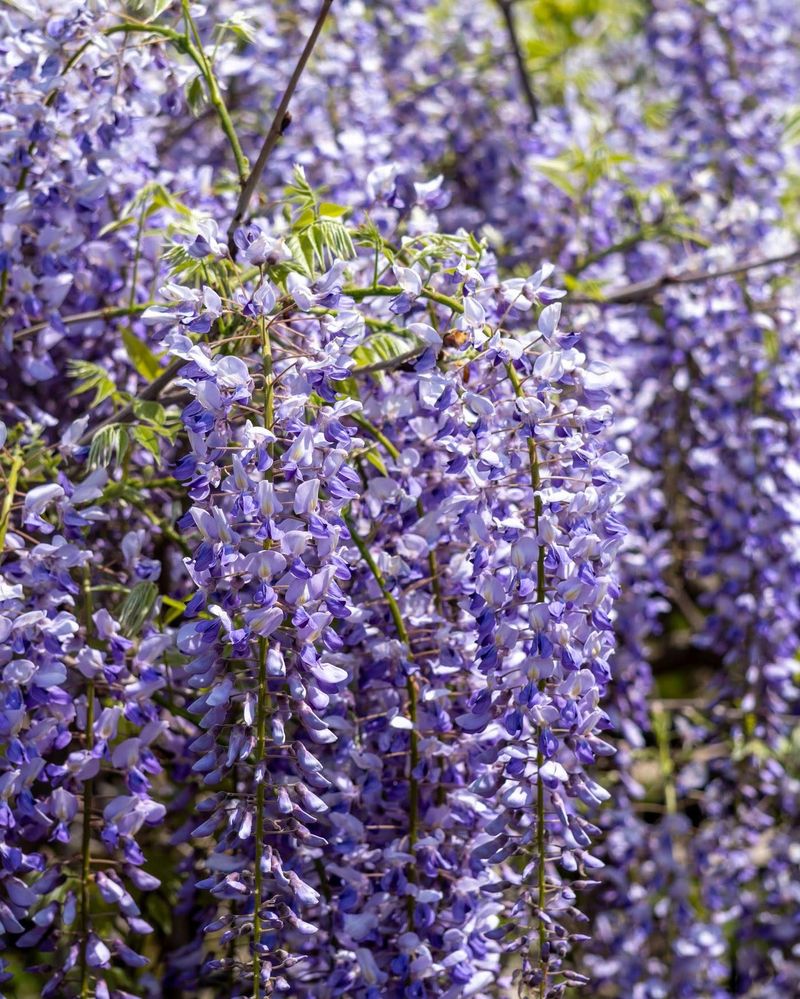
Nothing beats lavender wisteria chains hanging over a porch in late spring sunshine. Nothing also beats wisteria for prying apart gutters and squeezing a downspout.
Vines can reach thirty feet or more and thicken into woody trunks over time. That weight has flattened arbors, pergolas, and a few optimistic trellises.
Stems twist tightly around anything vertical, including young trees, railings, and porch support posts. Given years, that grip can restrict a trunk and slow its growth.
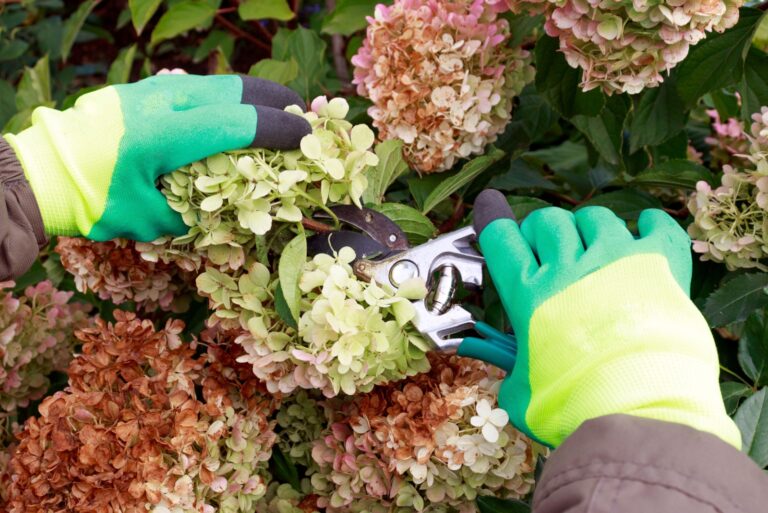
Pruning twice yearly keeps things reasonable, once in summer and once during winter dormancy. Skip a season and you inherit a green octopus.
Chinese and Japanese wisteria spread by runners and seed, escaping into woods across the Southeast. American wisteria stays tamer and still flowers beautifully.
Young plants sometimes take several years before blooming, which frustrates patient people. Grafted plants from a nursery flower much sooner than seedlings.
September work includes cutting long whippy shoots back to about six inches from main branches. That simple trim encourages flower buds instead of more rampant growth.
Build support from steel pipe or heavy timber, not thin lattice from the garden aisle. Wisteria treats flimsy structures as a light warm-up exercise.
Grow it if you enjoy pruning with purpose and own a sturdy ladder. Otherwise, admire someone else’s arbor and plant a clematis instead.
Wisteria rewards patience more than most vines, but only if the framework can handle the years ahead. Plant it once, build strong, and the reward outlasts every trellis you’ll ever replace.
5. Bradford Pear
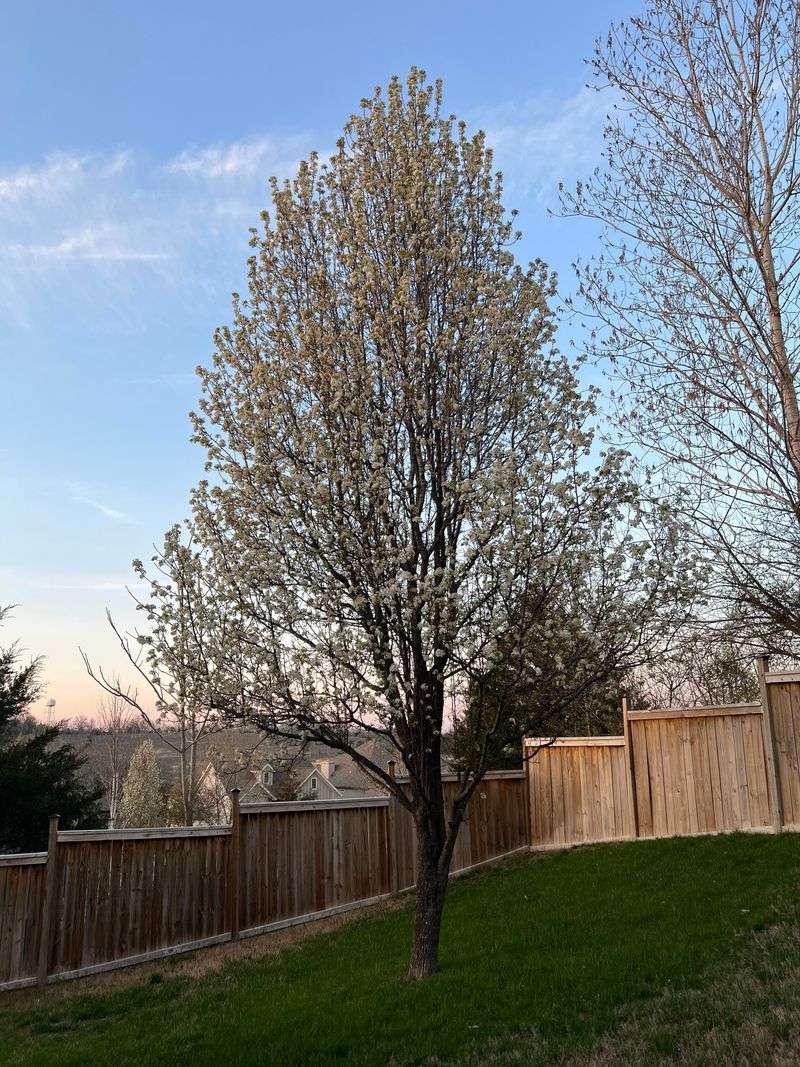
Suburbs planted millions of Bradford pears in the 1960s, charmed by fast growth and white spring clouds. Cities are now paying crews to remove those same trees.
Branches grow from one crowded point with narrow angles, creating weak joints that split in storms. Trees often break apart around fifteen to twenty years old.
Ice, wind, and heavy rain finish the job, dropping large limbs on cars and roofs. Insurance claims from these splits are unfortunately common.
Those pretty blossoms also smell unpleasant, often compared to rotting fish. Visitors rarely ask for the name of that particular tree.
Supposedly sterile, the cultivar cross-pollinates with others and produces fertile fruit birds happily spread. Wild thorny pear thickets now crowd roadsides across many states.
Those wild seedlings carry thorns sharp enough to puncture mower tires and work boots. Clearing a thicket takes machinery, not enthusiasm.
Fall color is genuinely nice, glossy red and purple hanging on late into November. That single month of beauty costs eleven months of worry.
Autumn is prime planting season, so choose serviceberry, redbud, or a native dogwood instead. All three offer flowers, fruit for birds, and far stronger wood.
Already own one? Ask an arborist about structural pruning while the tree stays young. Thinning crowded branches early buys years of safer shade.
Removal isn’t the only option, and plenty of homeowners simply manage the risk instead. A qualified arborist can help decide between structural work and replacement based on the tree’s condition.
6. Hybrid Tea Roses
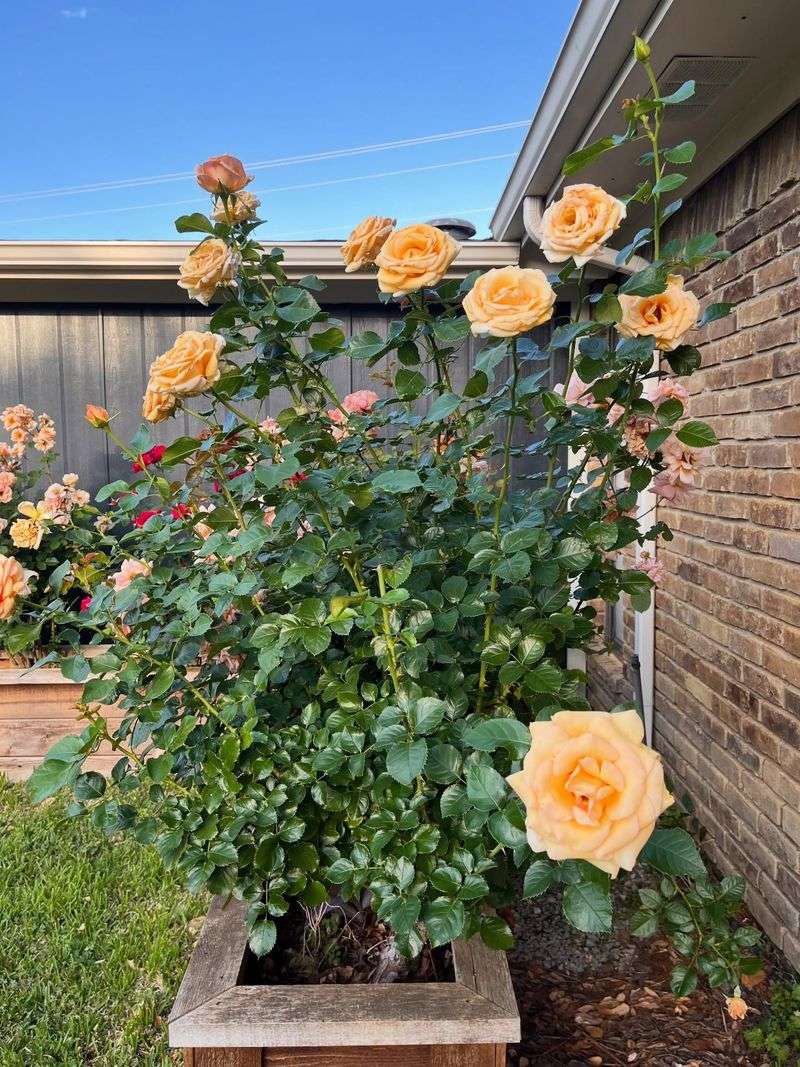
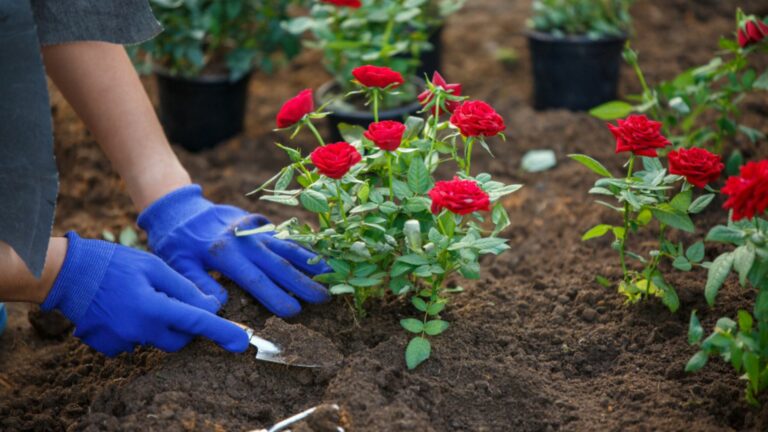
Florist-perfect blooms on long straight stems come with a maintenance calendar rivaling a pet. Hybrid teas want food, spray, water, and constant attention from March onward.
Black spot arrives with humid summers, turning leaves yellow and leaving canes bare by August. Powdery mildew and rust often join the party.
Japanese beetles chew flowers into lace, while aphids cluster on every tender new shoot. Gardeners end up spraying weekly just to keep foliage presentable.
Roots need rich soil, steady moisture, and mulch that stays fresh all through summer. Miss two weeks of watering and the plant sulks for a month.
Winter brings another chore, since grafted plants need mounding, collars, or heavy mulch in cold zones. Zone five gardeners know this routine well.
Shrub roses and landscape types such as Knock Out or rugosa need almost none of that. Modern disease-resistant varieties bloom hard with one yearly trim.
September care matters, so stop feeding now and let canes harden before frost arrives. Late nitrogen produces tender growth that suffers in November.
Rake fallen leaves under the bushes too, because fungal spores overwinter in that debris. Clean ground in autumn means fewer sprays next June.
Keep one hybrid tea for the vase and let tougher roses handle the landscape. Your Saturday mornings deserve better than fungicide rotation charts.
7. Morning Glory
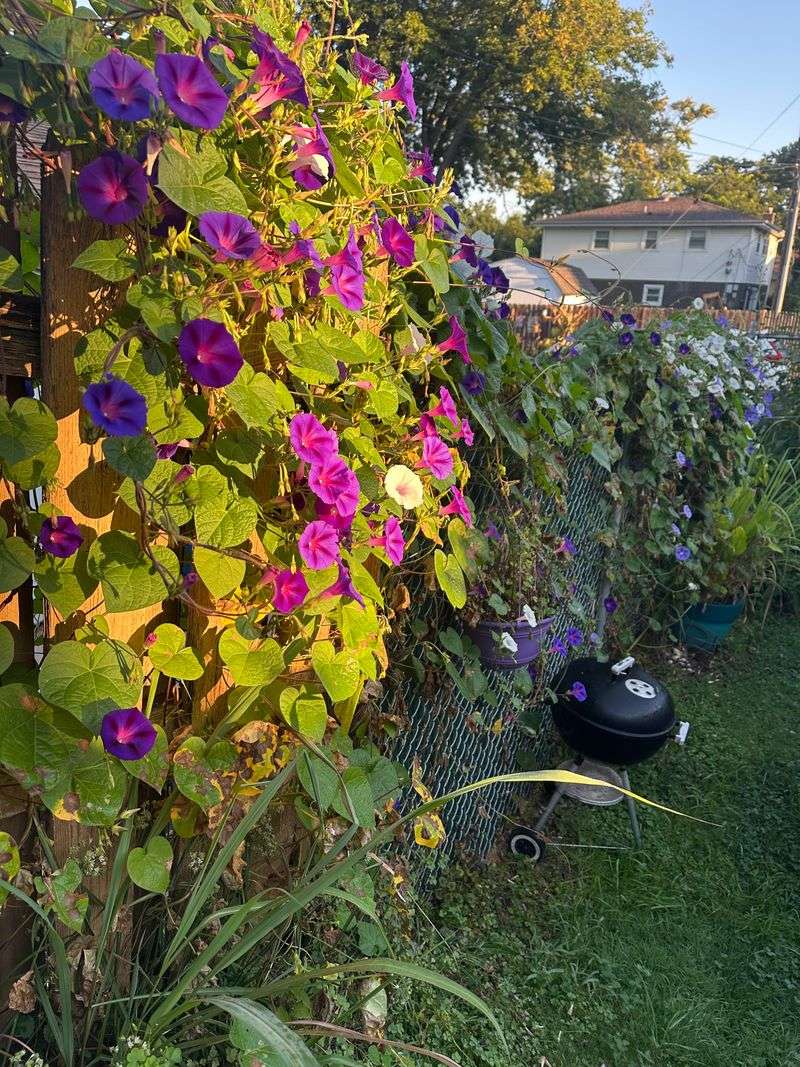
Blue trumpets opening at sunrise are one of the prettiest sights in a summer garden. Nobody warns you about the thousands of seeds arriving by October.
One healthy vine produces hundreds of hard seeds that stay viable in soil for years. Every spring a fresh crop appears where you planted nothing at all.
Seedlings twine around beans, peppers, and young shrubs, pulling stems sideways as they climb. Vegetable rows get tangled fast in warm wet weather.
Field bindweed, a close relative, makes things worse with deep roots reaching ten feet down. Gardeners confuse the two and lose ground early.
Pull vines before seed pods dry and turn papery brown near the stems. September is the exact moment that window starts closing.
Growing them in containers on a trellis keeps the show without the underground seed bank. Clip spent flowers weekly and the plant stays polite.
Mulch helps a lot, since buried seeds need light and warm soil to sprout. Three inches of shredded bark cuts seedling numbers sharply.
Hummingbirds and bees genuinely love the flowers, so the plant earns some real credit. Cypress vine and cardinal climber offer similar appeal with less chaos.
Enjoy the sunrise display, then treat cleanup as part of the deal. Skipping one autumn tidy means weeding lessons all next season.
A little diligence each fall keeps the display without the debt. One tidy autumn buys a calmer, more predictable garden next June.
8. Trumpet Vine
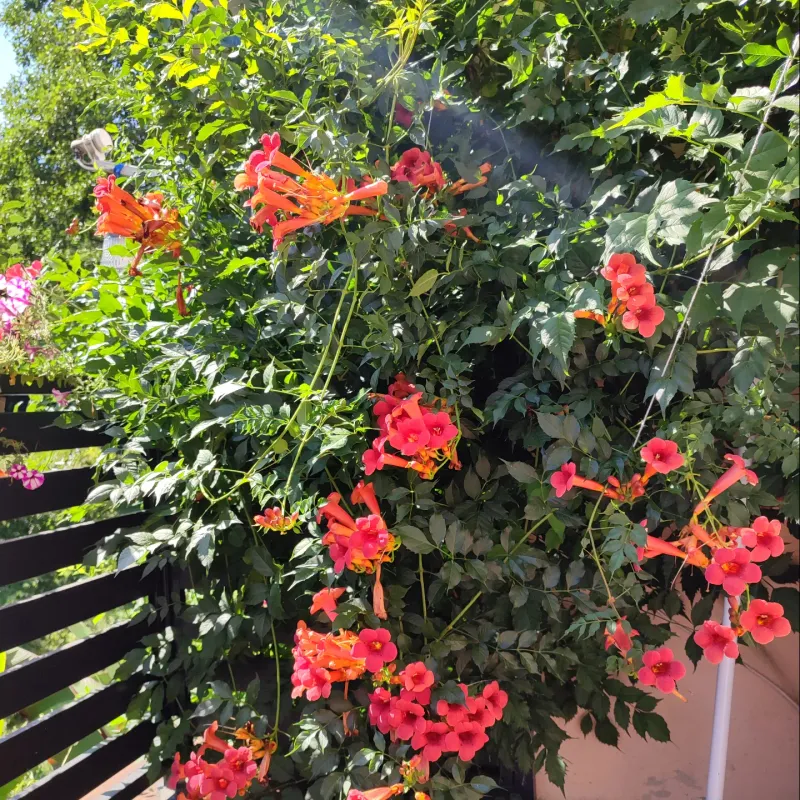
Hummingbirds adore those orange trumpets, and gardeners adore hummingbirds, so the romance starts easily. Then the vine sends shoots up through the deck boards.
Underground runners travel far from the main plant, surfacing in lawns and flower beds. Mowing controls lawn shoots, but beds need regular hand pulling.
Stems grow thick and heavy, reaching thirty feet and weighing down fences over time. Old plants have pulled apart trellises and bent chain link.
Aerial roots cling to siding and brick, leaving marks that need scrubbing after removal. Wood surfaces may trap moisture underneath and slowly rot.
Seed pods look like long beans and split open to release papery winged seeds. Clip them in September before wind handles distribution for you.
Site choice solves most problems, so plant it far from the house on a metal post. A spot surrounded by mowed lawn works especially well.
Sap bothers sensitive skin, giving the plant nicknames like cow itch vine in the South. Gloves belong in your pocket during every pruning session.
Hard pruning each winter keeps flowering strong and the frame manageable for one person. Blooms form on new wood, so cutting back costs nothing.
Native coral honeysuckle, crossvine, and bee balm draw the same visitors without underground ambition. Birds do not check plant tags, and neither do bees.