Your Ohio Buckeye Is Dropping Its Famous Seeds – Don’t Confuse Them With Edible Chestnuts
Pick up the wrong nut off the ground this fall, and what looks like a free snack could turn into a rough afternoon instead.
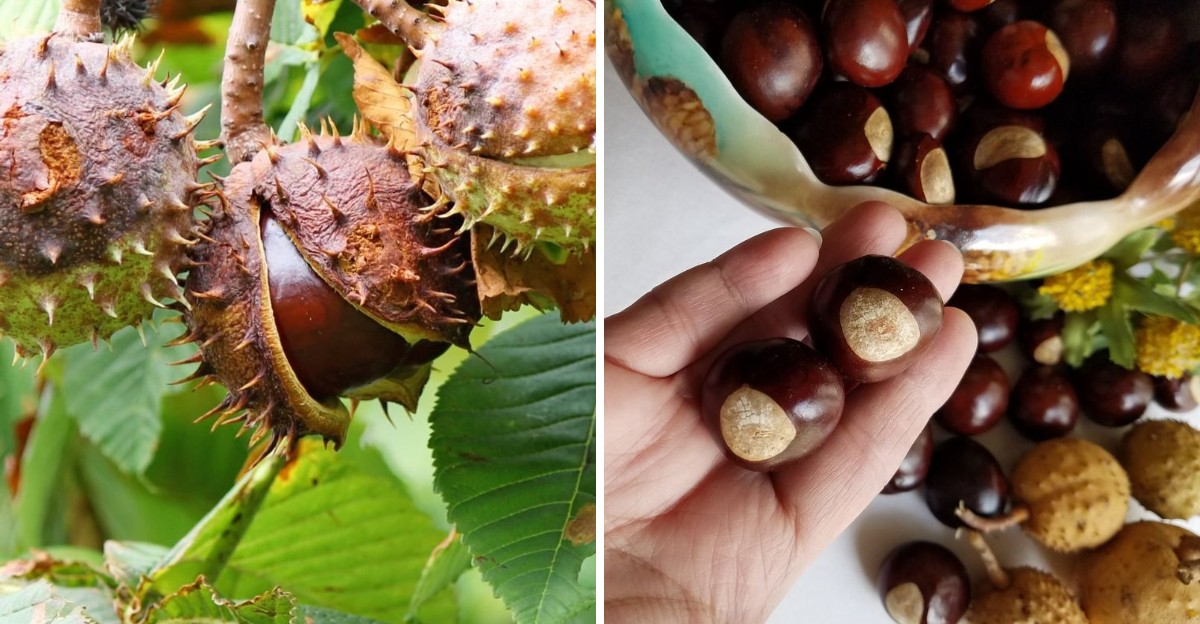
Ohio buckeye trees drop their signature seeds right around now, and the shiny brown shells look close enough to edible chestnuts that plenty of people get fooled every year.
That resemblance doesn’t hold up once you look closer, and mixing the two up isn’t something you want to find out the hard way.
A few small details separate them, tucked into shape, shell texture, and one particular marking most people walk right past without noticing.
Take a closer look before anything from under that tree ends up in your pocket, let alone your mouth. Ohio’s most famous nut isn’t quite the snack it might seem to be.
1. Meet The Ohio Buckeye And Its Glossy Seeds
Ohio picked its state tree for a reason, and the proof shows up every September. Aesculus glabra is often an understory tree in the western part of the state, happiest in sweet, alkaline soil near creek bottoms and woodland edges.
Some grow as shrubby thickets, while others stretch close to 50 feet tall, with branches that droop a little and then curve upward at the tips.
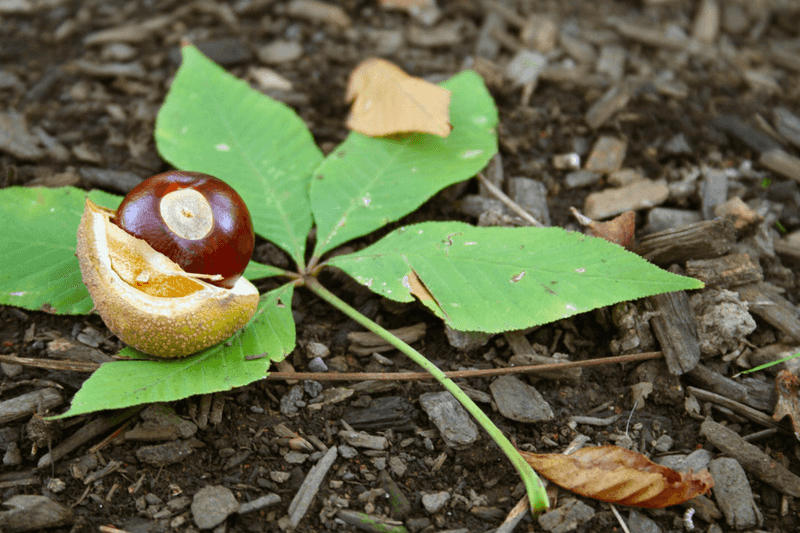
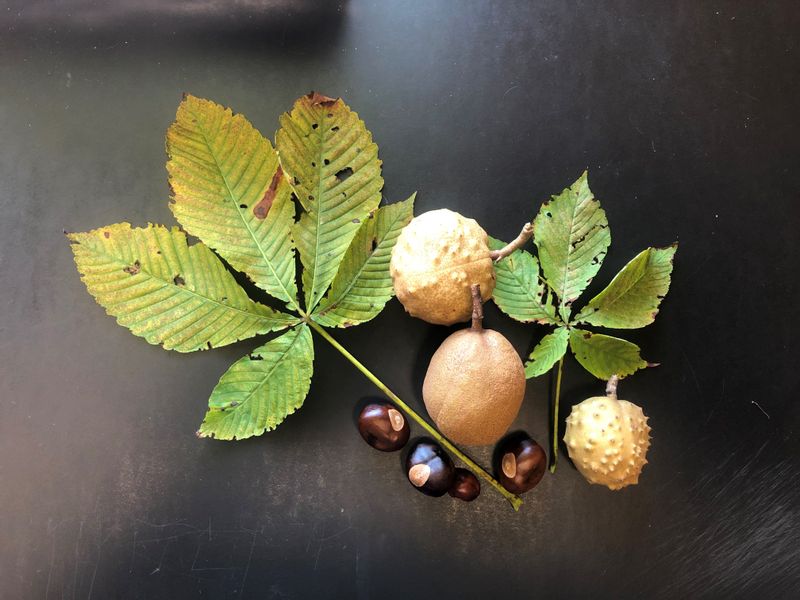
The leaves give it away fast: opposite, palm-shaped, and usually made of seven leaflets spreading out like fingers from one point.
Spring leaves come out clean and medium green, then switch to yellow, orange, or deep maroon in fall. Buckeyes are also early quitters in autumn, often bare while neighboring maples are still showing off.
From September into October, the fruit finally lands. Each one is a leathery capsule roughly 1 to 2.25 inches across, rounded and covered in blunt, warty spines rather than sharp needles.
Crack one open and you will find one to three seeds inside, smooth and polished in dark chocolate or chestnut brown. The large pale scar on each seed is the famous eye, said to resemble the eye of a deer, which is exactly how the tree earned its nickname.
2. Know Why Buckeyes Are Not Chestnuts
Two brown nuts sitting side by side on a picnic table can fool almost anyone. Yet Ohio buckeyes and edible chestnuts are not cousins at all, and the family tree explains everything.
Buckeyes and horse chestnuts belong to the soapberry family, Sapindaceae, a group known for soapy compounds called saponins. Edible chestnuts sit in the genus Castanea, in an entirely different branch of the plant world that also includes oaks and beeches.
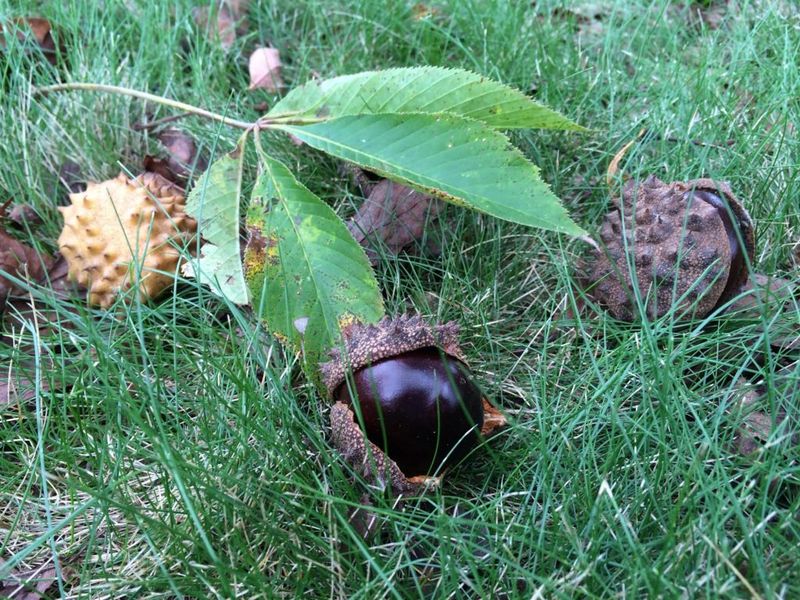
Leaves make the fastest field test. A buckeye leaf is palmately compound, with five to seven leaflets fanning out from one central stalk like an open hand.
A chestnut leaf is simple, meaning one long blade per stem, with a saw-toothed edge and a narrow, pointed tip.
The nuts themselves carry clues too. Buckeye seeds look rounder, plumper, and shinier, almost polished, with that big pale eye on one side.
Chestnuts tend to be flatter on one face, with a pointed tuft at the top and a duller, more matte shell.
Your Ohio Garden Changes Every Week. Your Plan Should Too.
Gardening in Ohio changes quickly throughout the season. Every Friday you’ll receive a simple weekly plan showing exactly what to plant, prune, fertilize, harvest, and protect so you never miss the right timing.
Here is a memory trick worth keeping: if it looks like it came out of a furniture polish commercial, leave it alone. Chestnuts you roast, buckeyes you admire, and mixing those two up leads to a rough evening.
3. Spot The Differences In Their Spiny Husks
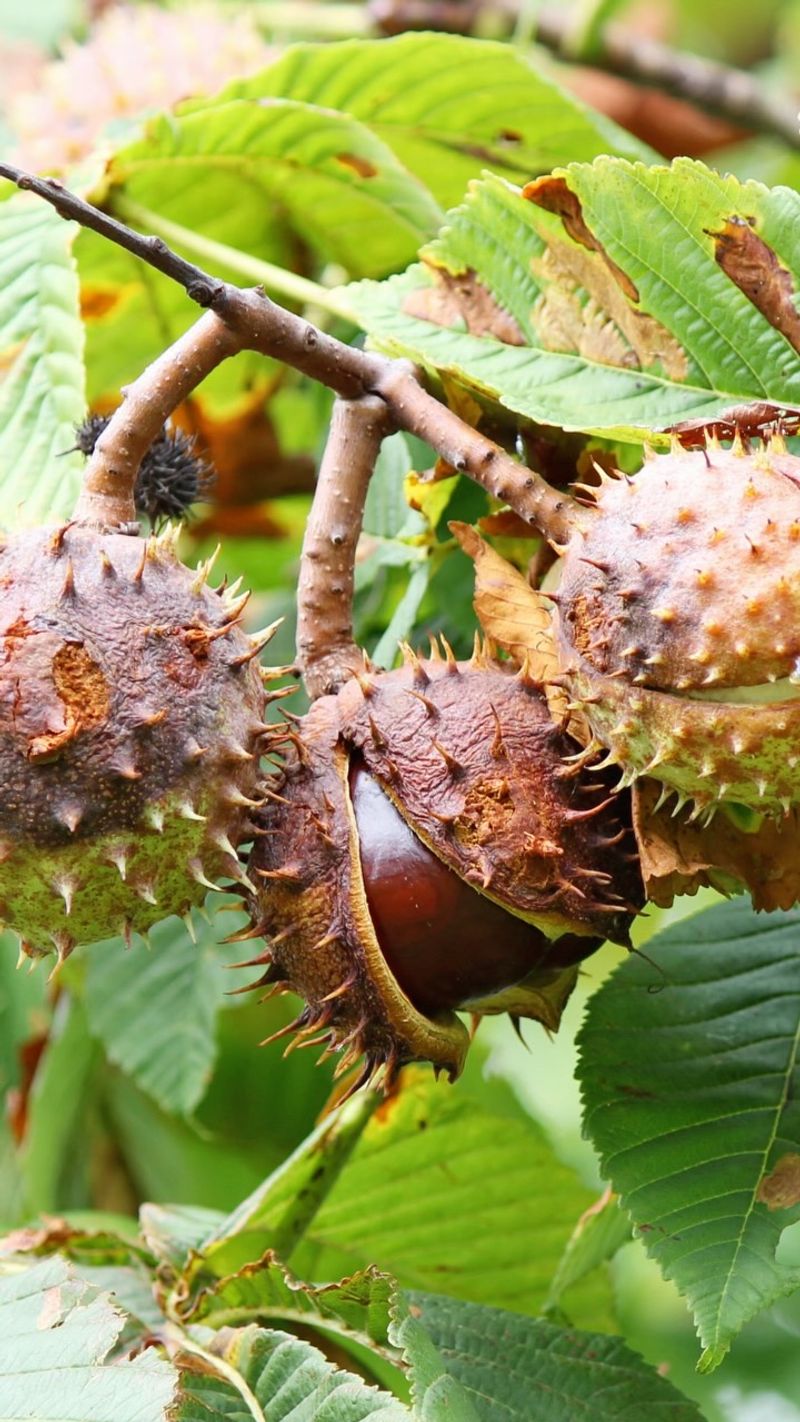
Forget the nuts for a second and look at the wrappers, because the husks tell the truth faster than anything else. A buckeye capsule is light brown, leathery, and globe-shaped, with blunt bumps and warty swellings topped by short, stubby prickles.
You can usually roll one between your palms without flinching. When it ripens, the capsule splits neatly into three sections and drops its shiny cargo onto the lawn.
An edible chestnut burr is a different beast entirely. It bristles with long, sharp, needle-like spines that genuinely hurt, which is why folks traditionally open them by stepping on them with a boot heel.
Peel back that armor and you will find several nuts nestled together inside a soft, velvety cream-colored lining. Buckeye capsules skip the plush interior and hold just one to three seeds in a fairly plain cavity.
So when the pile shows up under your tree, check the shell before anyone starts collecting for snacks. Warty and leathery with a three-way split means buckeye.
Wickedly spiky with a fuzzy inner lining and a cluster of flat-sided nuts means chestnut.
Rake the husks into the yard waste bin, since they break down slowly and can turn an ankle underfoot.
4. Remember Buckeyes Are Not Edible
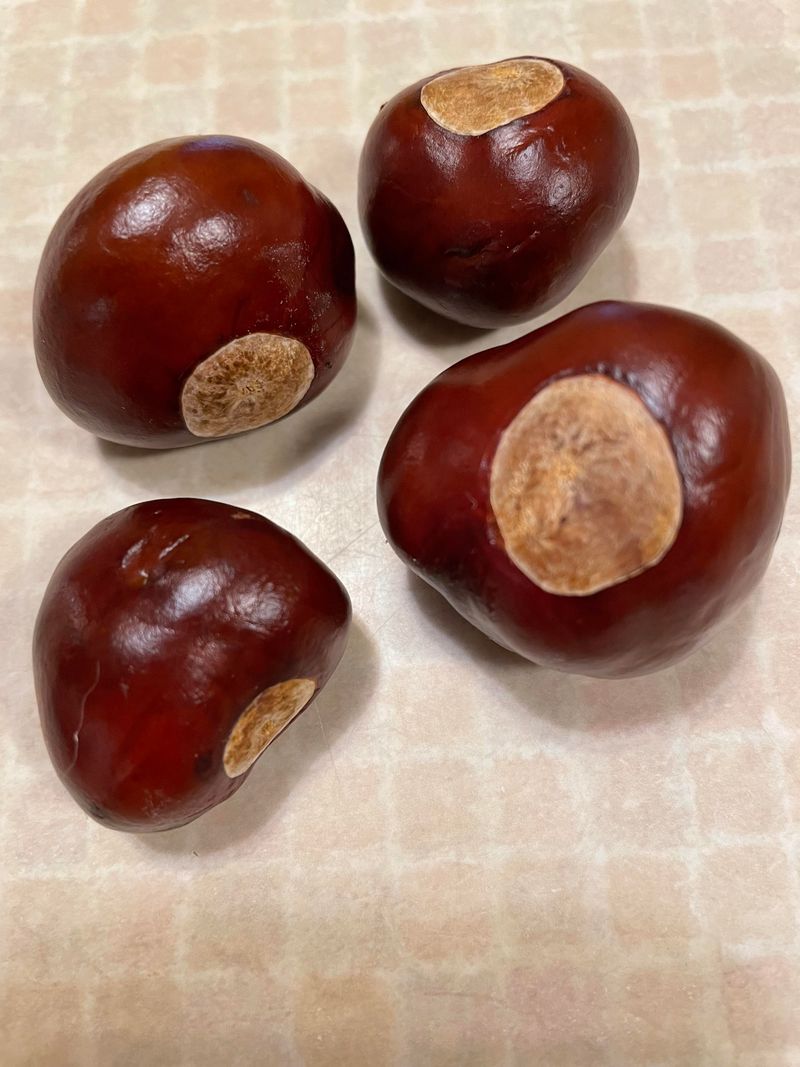
Tempting as they look, buckeye seeds are strictly for pockets and craft projects. The seeds contain compounds that can cause poisoning if eaten, and other parts of the tree also contain potentially harmful compounds.
The culprits are glycosidic saponins called aesculin and aescin, joined by a narcotic alkaloid and tannic acid. Saponins are the same sort of compound that makes soap foam, which explains the miserable reaction they cause in a stomach.
Someone who swallows a piece may feel severe stomach upset, throwing up, diarrhea, cramping pain, and heavy drooling.
Larger amounts can reach the nervous system and muscles, bringing confusion, unusual excitement or sluggishness, wide pupils, wobbly balance, weakness, twitching, tremors, or seizures.
A single nibble is unlikely to cause lasting harm, but a handful is a real medical situation. Call Poison Control or a doctor right away rather than waiting to see what happens.
Here is the fascinating part of the story. Native peoples did use buckeye nuts as food, but only after an involved process of roasting, mashing, and leaching them in running water for hours or days to wash out the bitter compounds.
That skill took generations to perfect, and it is not something to attempt from a video. Enjoy the shine, skip the snack.
5. Let Fallen Buckeyes Stay Out Of Compost
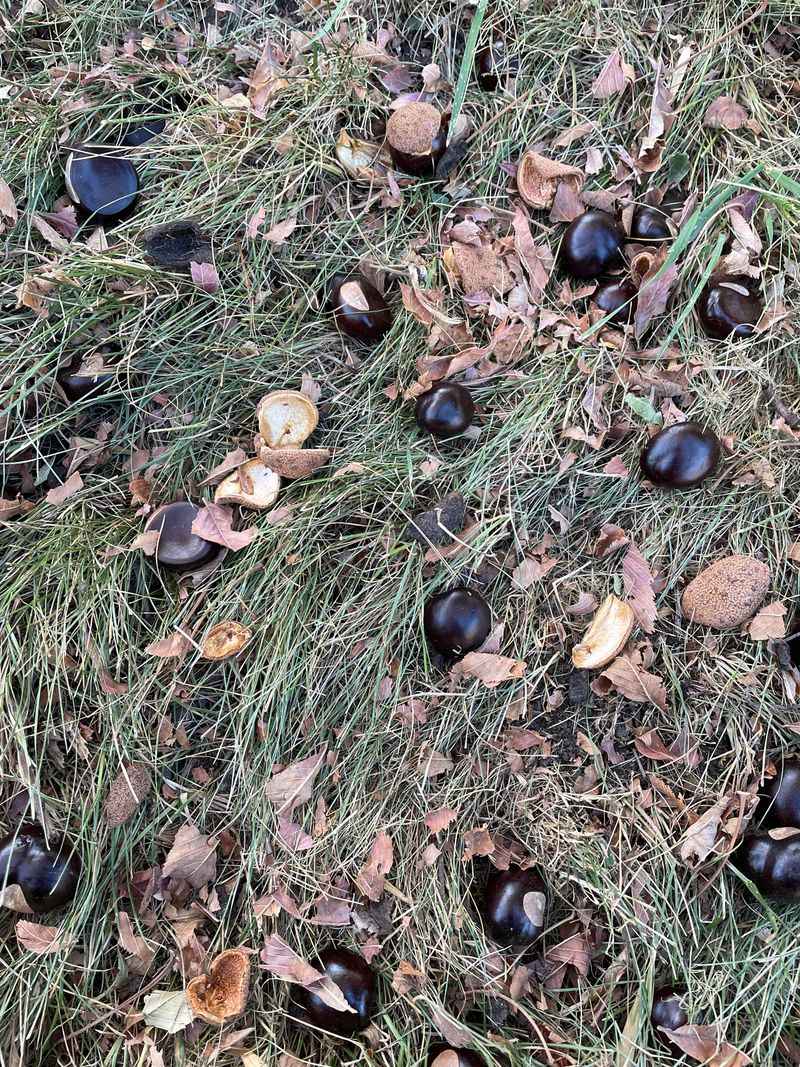
Compost piles are wonderful, forgiving things, but buckeye leftovers are one ingredient worth skipping. The seeds, leaves, and bark all hold those glycosides and saponins that made the tree famous for the wrong reasons.
Because backyard composting does not necessarily break down every plant compound completely, keeping buckeye material out of compost destined for the vegetable garden is the simpler choice.
There is a practical problem too. Buckeye seeds are dense and waxy, and they resist breaking down for a long time.
Instead of turning into crumbly black gold, they sit there like marbles, and some will sprout into seedlings once you spread the finished compost. Pulling buckeye volunteers out of a flower bed every spring gets old fast.
Bag the husks and seeds with your municipal yard waste if your town accepts them, or pile them in an out-of-the-way brush heap at the back of the property. Some folks bury them deep in a wooded corner where the squirrels can sort things out.
Give the lawn a quick rake before mowing as well, because a hidden seed can launch out of a mower deck with surprising force.
6. Collect Them For Traditional Ohio Keepsakes
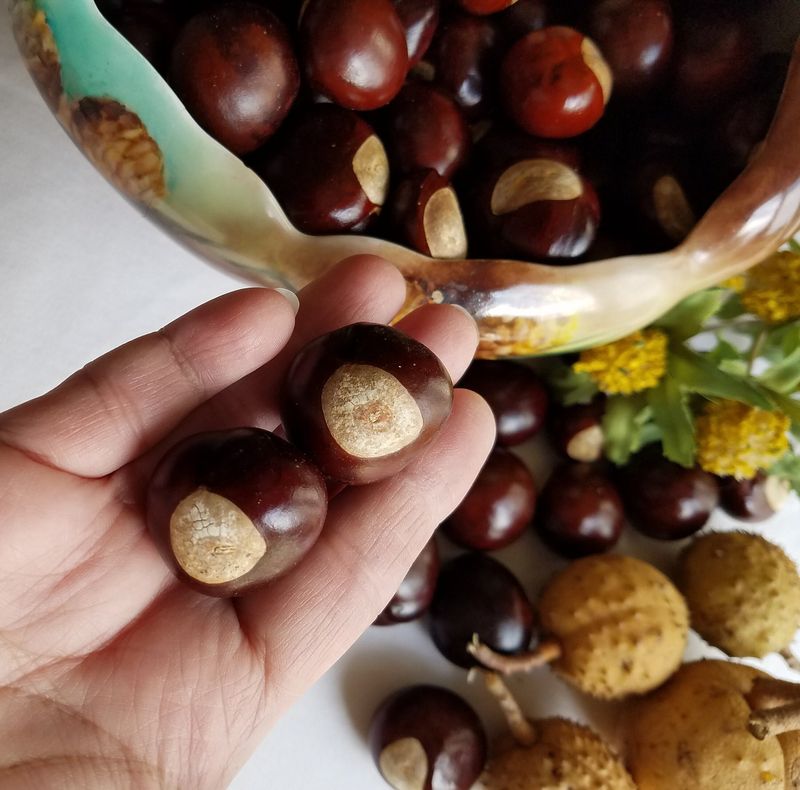
Ask anyone who grew up in Ohio and you will likely hear about a lucky buckeye rattling around in a coat pocket. Rubbing that smooth shell with your thumb is a small autumn ritual passed from grandparents to grandkids.
Good-luck charms are only the start. People drill and string them into necklaces for football Saturdays, glue them into wreaths, and set bowls of them out as table centerpieces.
To keep them looking sharp, gather freshly fallen seeds, wipe off the dirt, and let them air dry indoors for a week or two. They fade to a duller brown over time, and a light coat of clear finish or a rub with mineral oil keeps the shine going.
History adds another layer. Historical accounts describe medicinal uses of buckeye among Indigenous peoples, including preparations associated with ailments such as rheumatism and earaches.
Bark extracts even served as a dye for leather. Not bad for a nut most people walk right past.
Wash hands after a crafting session, and store finished projects where toddlers and pets cannot reach them. A keepsake is only charming when it stays a keepsake.
7. Give Wildlife A Different Food Source
Wildlife watchers often assume anything falling from a tree is a woodland buffet. Buckeye seeds can be toxic to livestock such as cattle, sheep, and horses, so fallen seeds are not something to treat as ordinary wildlife food.
Farmers have removed buckeye trees from pastures for exactly that reason. Livestock that browse young sprouts or fallen seeds can develop muscle weakness, staggering, paralysis, intestinal distress, and vomiting.
Squirrels are the famous exception. They seem able to process the compounds and will eat or cache buckeye seeds, especially when other food runs short.
Watch closely, though, and you will notice many squirrels take a couple of bites and then abandon the rest. Given a choice, they head straight for acorns, hickory nuts, and black walnuts, which pack more calories and less bitterness.
Honeybees deserve a mention too, since nectar and pollen from some buckeye species can be harmful to them.
If you want to feed backyard visitors this fall, put out sunflower seeds, peanuts in the shell, or a suet cake instead of sweeping buckeyes into a feeder. Planting an oak, hickory, or serviceberry nearby gives birds and mammals a genuinely useful pantry.
Keep pastures and paddocks raked clean where buckeye branches hang over the fence line.
8. Keep Buckeyes Away From Curious Pets
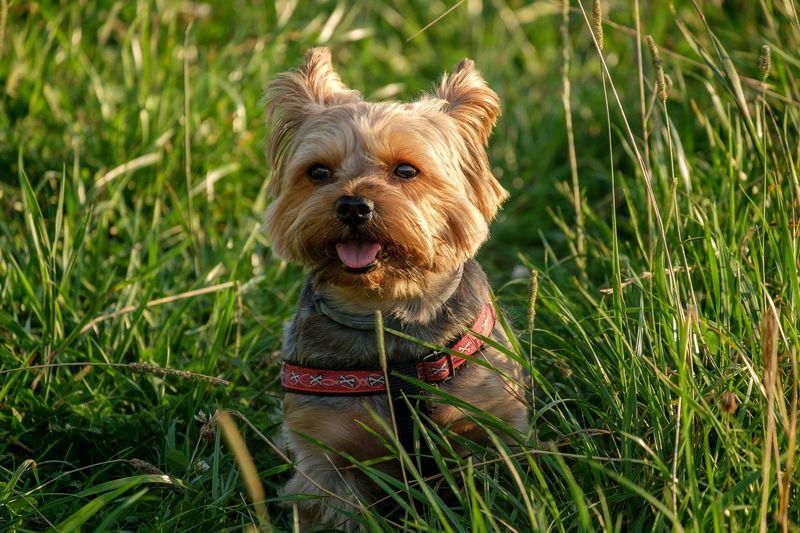
Dogs treat the yard like a snack bar, and a shiny brown ball that rolls is basically a dare. Buckeye seeds are toxic to dogs, cats, and horses, thanks to those same glycosides and saponins found throughout the tree.
Leaves, bark, sprouts, and seeds all carry the compounds, so a chewed twig counts as well. Puppies and young dogs get into the most trouble because they mouth everything they find.
Early signs usually involve the digestive system: vomiting, diarrhea, belly pain, drooling, and a sudden loss of interest in dinner.
Depending on how much went down, more serious neurological signs can follow, including unusual sluggishness or agitation, wide pupils, clumsy movement, twitching, tremors, and seizures.
Swallowing a whole seed brings a separate risk, since the smooth, hard shell can block the intestines.
Should your pet eat any part of a buckeye, call your veterinarian or a pet poison hotline right away instead of waiting for symptoms. Bring a sample or a photo of the seed if you can.
Prevention is simpler than treatment. Rake the lawn often during the September and October drop, keep dogs leashed under buckeye trees on walks, and teach a solid drop-it cue before autumn arrives.
9. Enjoy The Fall Drop Without A Mix-Up
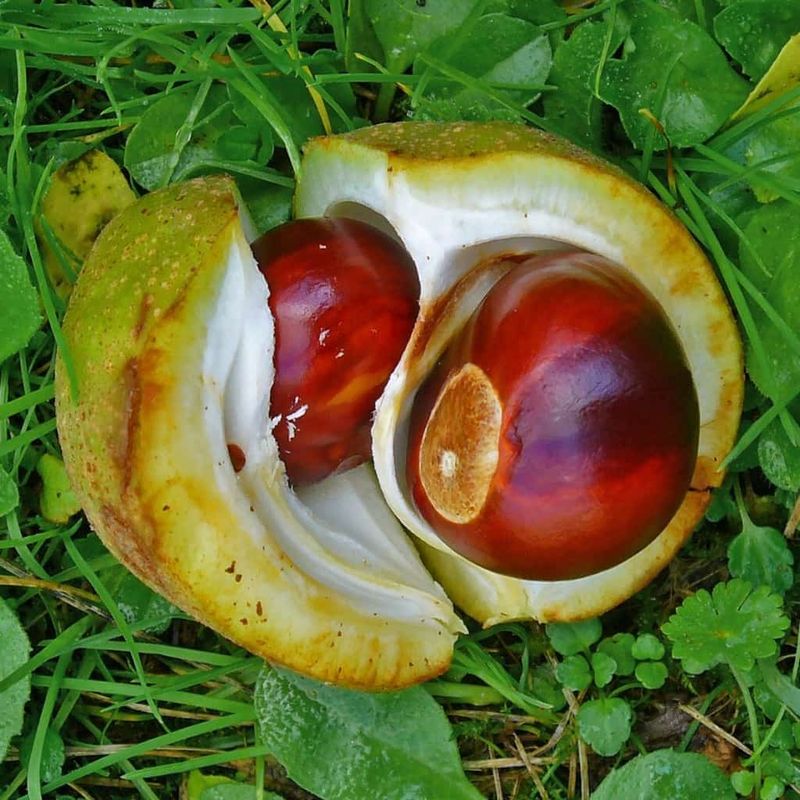
Knowing what is falling in your yard turns a nuisance into one of the best parts of October. A buckeye gives you three easy checks: palm-shaped leaves with several leaflets, a warty husk that splits in three, and a round, glossy seed with a pale eye.
Chestnuts answer with simple toothed leaves, ferociously spiky burrs, and flatter nuts with a pointed tip. Once you have compared the two in person, you will never second-guess again.
Build a simple routine for the season. Rake seeds and husks off walkways so nobody slips, keep pets and livestock away from the drop zone, and bag the debris rather than composting it.
Save a few of the prettiest seeds for pockets, jars, or a string of game-day beads. Let the rest go to the squirrels who have clearly made peace with them.
Fun fact to share at the next cookout: the name comes from that pale scar, which early settlers thought looked like the eye of a buck. Ohio liked the comparison enough to build a whole identity around it.
Admire the seeds, learn the differences, and let the roasting pan stay reserved for the real chestnuts.