What California Gardeners Should Know Before Planting Garlic This Fall
September in California smells like warm dust, hot pavement, and tomato vines that have clearly given up. Your beds look tired, your hose is cracked, and your motivation is hiding somewhere under the couch cushions.
Still, this is the sneaky season when the smartest planting happens, months before anyone else notices. Cool nights are creeping in, and the soil is finally soft enough to dig with ease.
California throws a curveball, though, with mild winters, wild microclimates, and rain on an unpredictable schedule. What works in Vermont can flop badly in Fresno, Sacramento, or a foggy coastal backyard.
A few timing tricks and soil choices now can decide whether next summer’s harvest is generous or embarrassing. Somewhere, a neighbor is already jealous and doesn’t even know it yet.
1. Pick Softneck Varieties That Love Mild Winters
Hardneck garlic hogs the spotlight in cooking magazines, yet it often sulks through California’s gentle, barely-there winters. Softneck types are the quiet overachievers that thrive in most California backyards.
Silverskin, Artichoke, and California Early varieties shrug off warm spells without demanding a long, frozen dormancy period. They also braid into those pretty kitchen ropes your neighbors will love.
Hardnecks can still work in colder spots like the Sierra foothills or high desert gardens. Gardeners around Los Angeles or San Diego will get fatter bulbs from softneck stock.
Elephant garlic tempts beginners with its giant cloves, though it behaves more like a mild leek. Flavor is softer and sweeter, so plan your roasting recipes with that in mind.
Storage life differs too, and softnecks generally keep six to nine months in a cool pantry. Hardnecks tend to fade faster once warm spring weather settles in for good.
Local nurseries and California seed companies usually stock varieties already proven in your climate zone. Ask the staff which varieties performed best for customers last season.
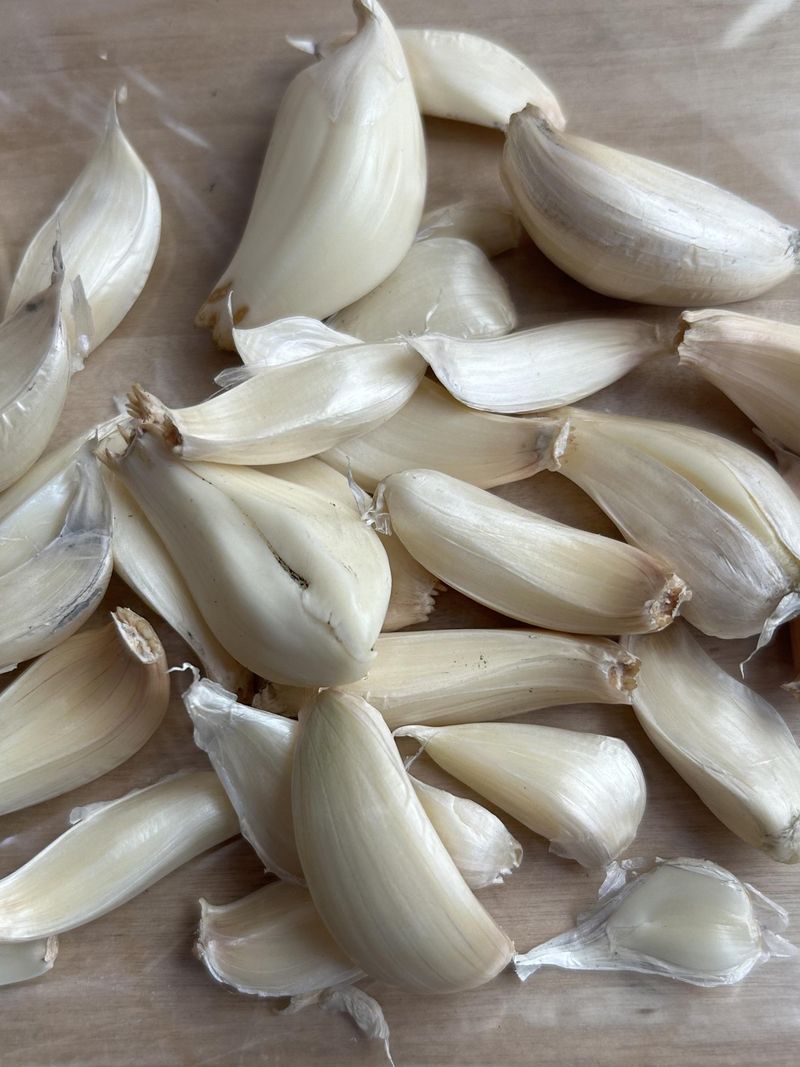
Cloves should feel firm and plump, with papery wrappers still intact and no soft spots. Skip anything shriveled, sprouting early, or speckled with mold.
Trying two or three varieties in one bed is a smart, low-risk experiment for first-timers. Label each row clearly so you remember the winners next autumn.
Fun fact: California grows a huge share of America’s garlic, mostly softneck types. Gilroy built an entire summer festival around that fragrant harvest.
2. Time Your Planting Around California’s Late Fall Chill
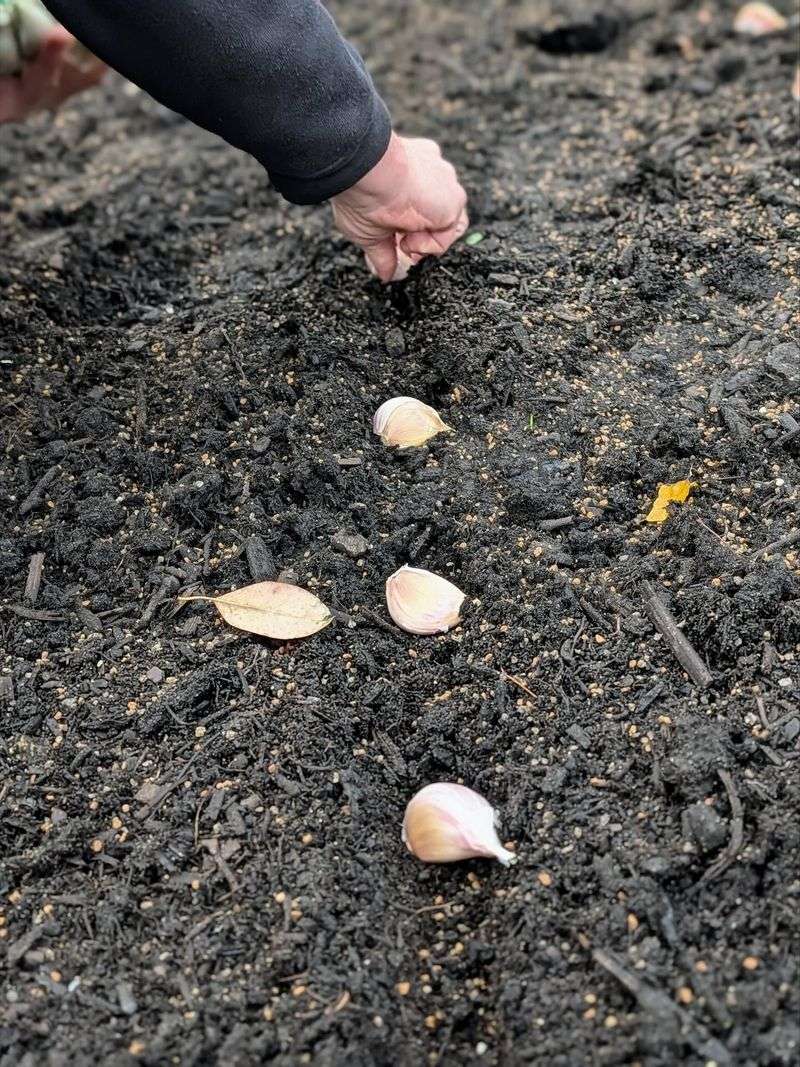
October and November hit the sweet spot for most California gardens, once evening temperatures finally relax. September planting often produces weak, floppy growth that struggles later.
Soil that still holds summer heat can cause cloves to rot before roots ever form. Patience now pays off in bulb size next June.
Coastal gardeners have a longer window and can plant comfortably into early December without trouble. Inland valleys should aim for late October or early November.
Mountain and high desert growers face earlier frost, so mid-September through early October works better. Roots need establishing time before the ground gets cold and stiff.
Garlic wants roughly eight months underground, which is why fall beats spring in California. Spring plantings usually deliver small, disappointing bulbs barely worth peeling.
Your California Garden Changes Every Week. Your Plan Should Too.
Gardening in California changes quickly throughout the season. Every Friday you’ll receive a simple weekly plan showing exactly what to plant, prune, fertilize, harvest, and protect so you never miss the right timing.
Watch the ten-day forecast and plant after the first real cooldown, not during a heat wave. A cheap soil thermometer removes most of the guesswork.
Sixty degrees at four inches deep is a reliable green light for tucking cloves in. Cooler is fine, while warmer means waiting another week.
Marking your calendar helps, since Thanksgiving weekend has become a traditional planting date for many families. Cousins can dig rows while the turkey roasts indoors.
Late planting is no disaster, just a smaller harvest with thinner papery wrappers. Those bulbs still taste wonderful roasted with olive oil.
Keeping notes on your planting date and harvest results makes next year easier to plan. Memory fades fast, but garden notebooks do not.
3. Loosen Heavy Clay Soil Before The Cloves Go In
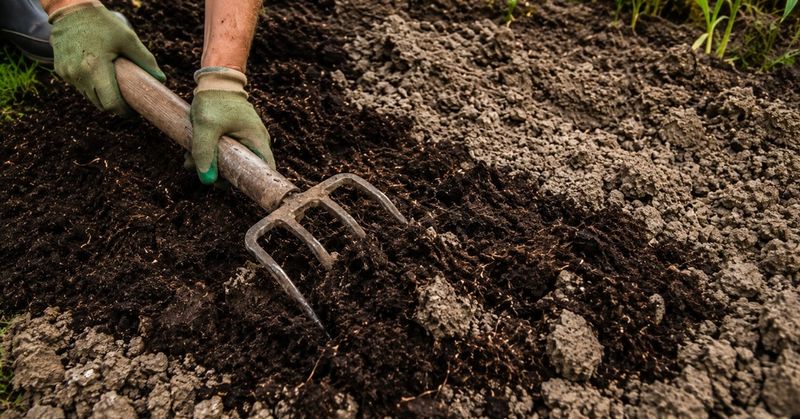
Central Valley clay can feel like brick when summer ends, and garlic roots struggle to push through it. Loose, crumbly soil is the real secret ingredient here.
Dig or fork the bed about ten inches deep, breaking apart any hard compacted layers. Bulbs expand sideways and need elbow room underground.
Mixing in two or three inches of finished compost improves drainage and feeds soil life. Skip fresh manure, which can burn tender young roots.
Raised rows or mounded beds help enormously where winter rain tends to puddle and linger. Six inches of extra height makes a real difference.
Adding sand to clay is an old myth that often creates something resembling weak cement. Organic matter works far better and lasts longer.
A simple drainage test helps: dig a hole, fill it with water, and watch the clock. Water should disappear within a few hours.
Coastal sandy soil has the opposite problem and drains too quickly for steady bulb growth. Compost helps sandy beds hold moisture longer.
Aim for a soil pH between six and seven, which suits garlic nicely. Cheap test kits from the nursery work well enough.
Pulling out summer weed roots now saves hours of spring frustration while bulbs are sizing up. Garlic strongly dislikes sharing its space.
Raking the bed smooth before planting makes straight rows easier and spacing much more accurate. Neat rows also look deeply satisfying.
4. Choose Seed Garlic Over Grocery Store Bulbs
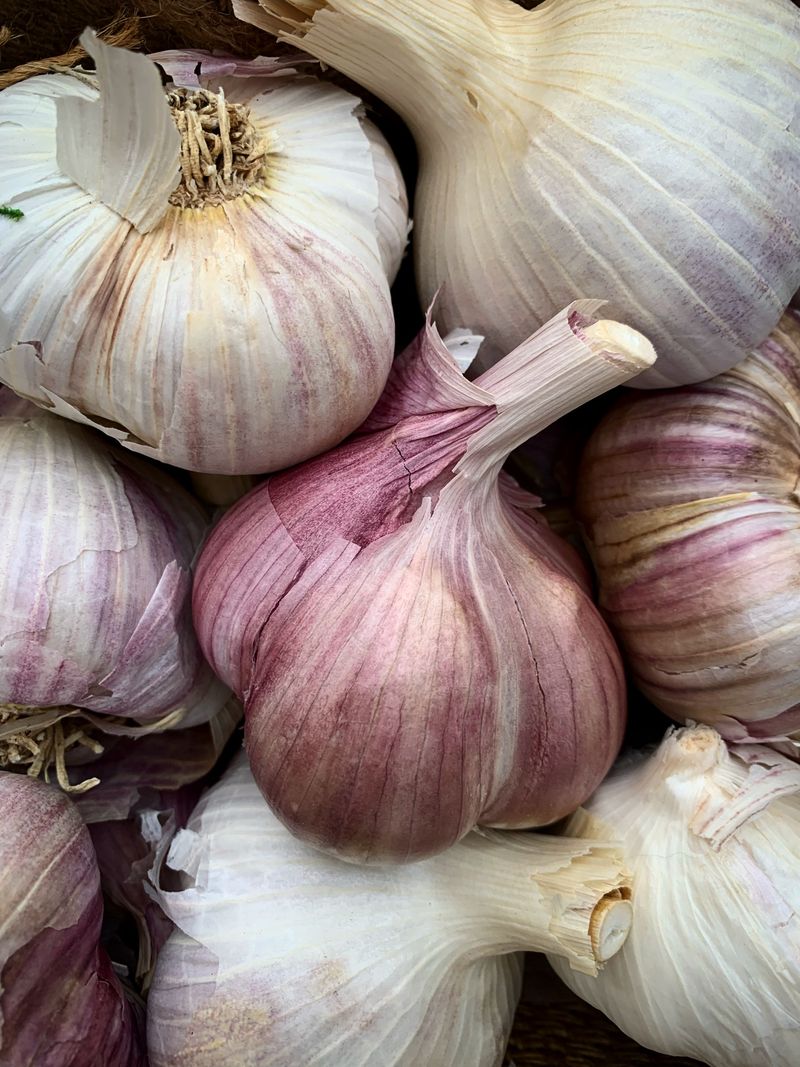
That bulb sitting in your pantry may look plantable, but supermarket garlic often hides problems. Certified seed garlic is the safer bet by far.
Imported bulbs are sometimes treated with sprout inhibitors, which leaves you staring at bare soil. Frustrating, and nearly impossible to diagnose later.
Grocery garlic can also carry white rot spores or nematodes straight into your beds. Those troubles linger in soil for many years.
Seed garlic from reputable growers is inspected, disease-screened, and sold by named, reliable variety. Labels tell you exactly what you are getting.
California suppliers and local nurseries ship cloves matched to western climates and mild winters. Ordering in September beats scrambling around in November.
Popular varieties sell out quickly, so early ordering prevents disappointment and last-minute substitutions. Set a phone reminder this week.
Farmers market bulbs are often a wonderful local option, grown in your own region. Ask the farmer whether they sell planting stock.
Bigger cloves generally produce bigger bulbs, so plant the outer ones and cook the tiny inner cloves. Size genuinely matters with garlic.
Expect to pay more per pound than grocery prices, roughly fifteen to twenty-five dollars. One pound plants a decent home row.
After a good season, save your finest bulbs for replanting and stop buying altogether. Free garlic year after year, essentially.
5. Water Smart When The Rains Arrive Late
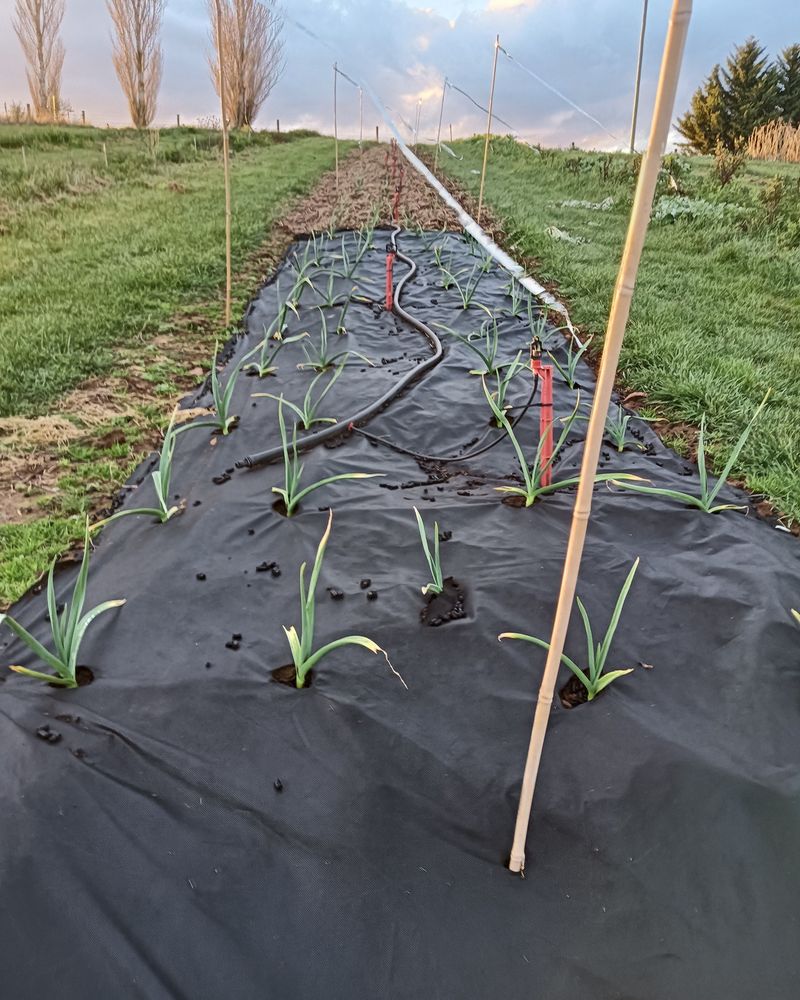
Rain in California keeps its own schedule, which makes fall watering a guessing game. Newly planted cloves still need steady moisture.
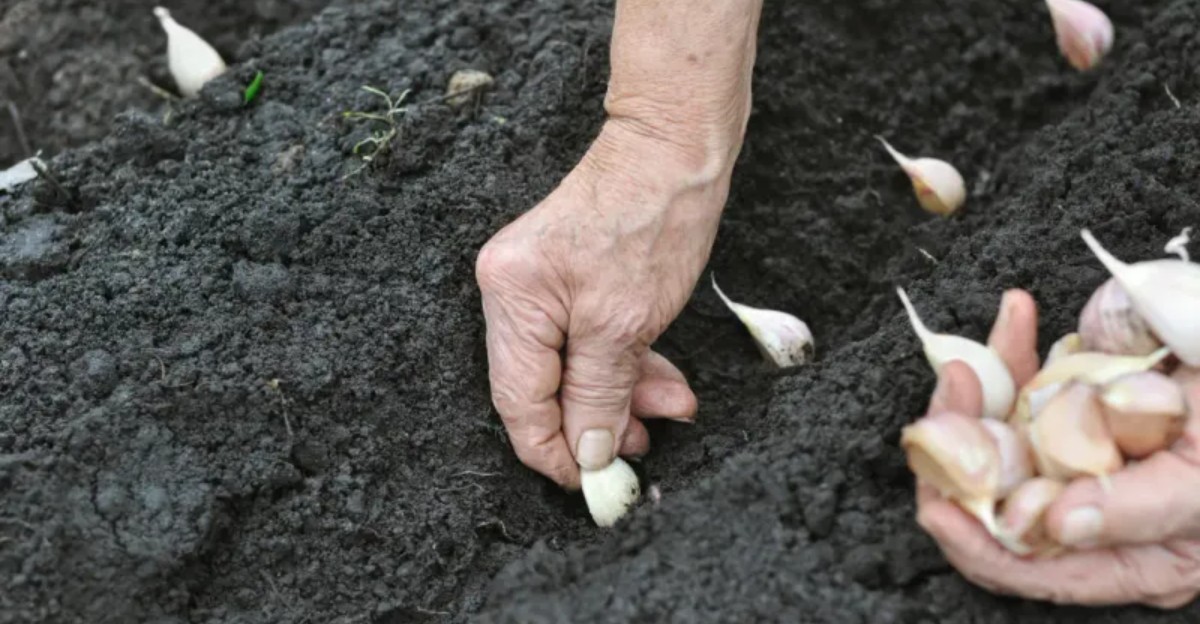
Water the bed right after planting so soil settles around each clove and roots begin growing. One good soaking usually does the job.
If storms hold off through November, irrigate about once a week to keep soil lightly damp. Skip the daily light sprinkle habit.
Drip lines or soaker hoses beat overhead sprinklers, which splash leaves and encourage fungal trouble. Roots want that water anyway.
Check moisture by poking a finger two inches into the soil before turning anything on. Damp means wait, dry means water.
Soggy beds invite rot, so drainage and restraint matter as much as any watering schedule. More water is not better water.
Spring brings the thirstiest stretch as bulbs swell, usually from March through May. Consistent moisture prevents small, lopsided bulbs.
Around two or three weeks before harvest, stop watering so the wrappers cure properly. Drier soil helps bulbs store much longer.
Dry Santa Ana winds can pull moisture from beds quickly, especially across Southern California. Mulch and a quick finger check help.
Water restrictions are a reality here, and garlic is forgiving compared to thirsty summer vegetables. Cool-season timing does most of the work.
6. Mulch Deep To Outsmart Winter Weeds
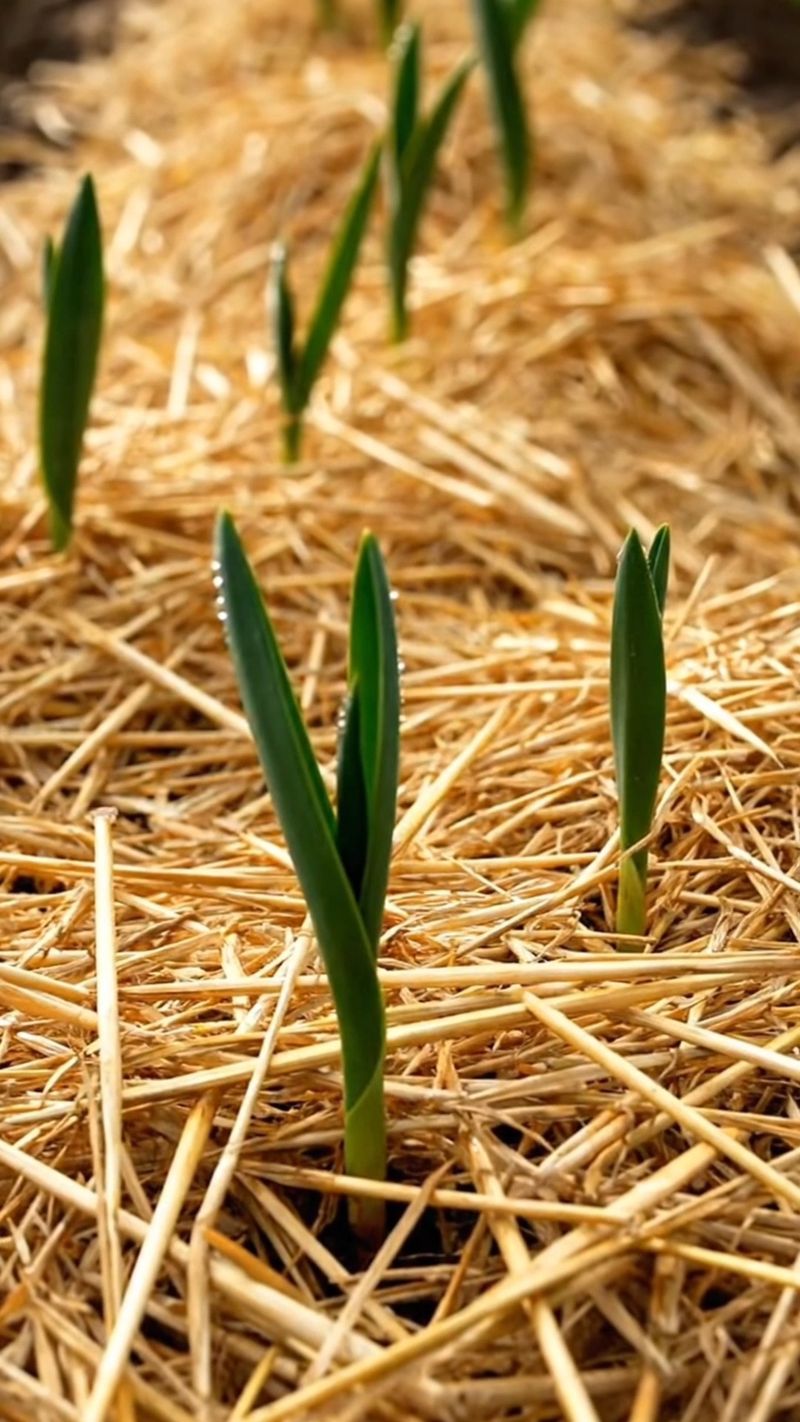
Weeds treat a freshly planted garlic bed like an open invitation, and garlic rarely keeps up. Mulch settles the argument quickly.
Three to four inches of straw spread after planting blocks most winter weed seedlings. Garlic shoots push through it easily in spring.
Straw also cushions soil temperature swings, which matters during those odd California warm spells in January. Roots strongly prefer steady conditions.
Moisture retention is another win, since mulched beds need noticeably less irrigation between storms. Your water bill notices the difference too.
Choose straw over hay, because hay often smuggles in a surprising amount of grass seed. Rice straw is popular throughout the valley.
Shredded leaves, pine needles, or aged compost all work well if straw is hard to find or simply not available locally. Avoid thick, matted piles of grass clippings, which tend to compact and block airflow.
Coastal gardeners should watch closely for slugs and snails nesting in damp mulch during those long rainy weeks. Pull the layer back slightly if the pests seem to be settling in for good.
Mulch prevents heavy clay soil from crusting over on top, helping tender shoots emerge without a struggle. Fewer broken tips generally means noticeably stronger, healthier plants later on.
Come March, thinning the mulch layer speeds up soil warming and improves airflow around the lower leaves. Better airflow around the plants discourages stubborn rust problems from settling in.
Any weeds that manage to sneak through should always be pulled by hand, since hoeing nicks shallow roots. Gentle tugging remains the safer, more reliable move overall.
7. Feed Hungry Bulbs Through The Cool Growing Months
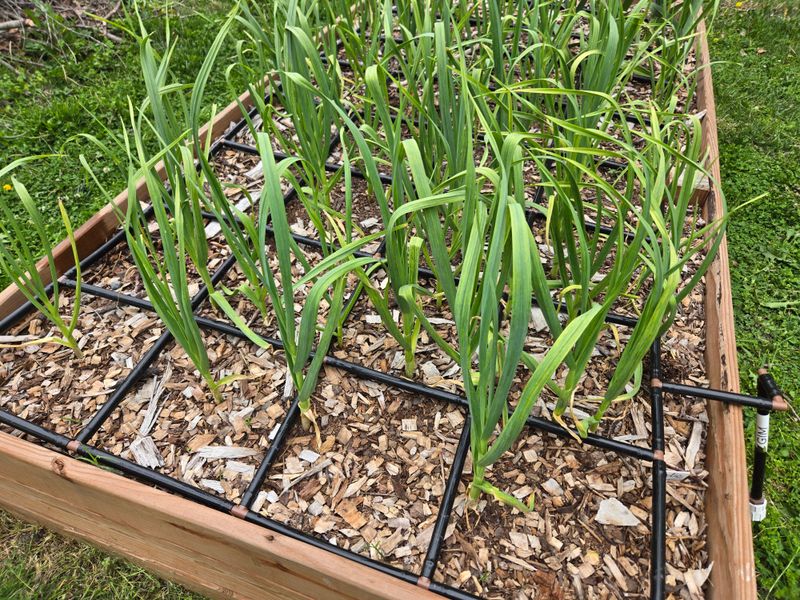
Garlic eats like a teenager, especially during that leafy stretch before bulbs begin forming. Planning nutrition now prevents skimpy harvests.
Work compost and a balanced organic fertilizer into the bed before cloves go in. Roots find that food exactly when they need it.
Nitrogen drives leaf growth, and more leaves mean more layers wrapped around bigger bulbs. Feather meal and blood meal deliver it steadily.
Side-dress in February and again in March, scratching fertilizer lightly into soil beside each row. Water it in thoroughly afterward.
Fish emulsion every few weeks gives a quick boost, though neighbors may comment about the smell. Honestly, the bulbs are worth it.
Pale or yellowing lower leaves in late winter usually signal hunger rather than something sinister. One nitrogen feeding often fixes things.
Stop nitrogen once bulbing starts in late April, since late feeding makes soft bulbs that store poorly. Timing beats generosity here.
Phosphorus and potassium support root strength and bulb quality, so avoid nitrogen-only products. Balanced blends serve home gardeners better.
A basic soil test every few years prevents guesswork and wasted money on unnecessary amendments. County extension offices can help interpret results.
Container-grown garlic needs feeding more often, because pots flush nutrients out with every watering. Monthly feeding keeps potted plants happy.
8. Watch For Rust And Nematodes In Damp Beds
Nothing deflates a gardener faster than orange freckles appearing across healthy green garlic leaves. Rust adores California’s damp coastal springs.
Good spacing, roughly six inches between cloves, encourages airflow that slows rust from spreading. Crowded rows stay wet far longer.
Removing affected leaves early and watering at soil level keeps the problem fairly manageable. Bulbs often size up reasonably well anyway.
Downy mildew can also creep in during unusually wet California springs, coating leaves with a grayish, fuzzy film. Thinning nearby plants and skipping overhead watering keeps the fungus from taking hold.
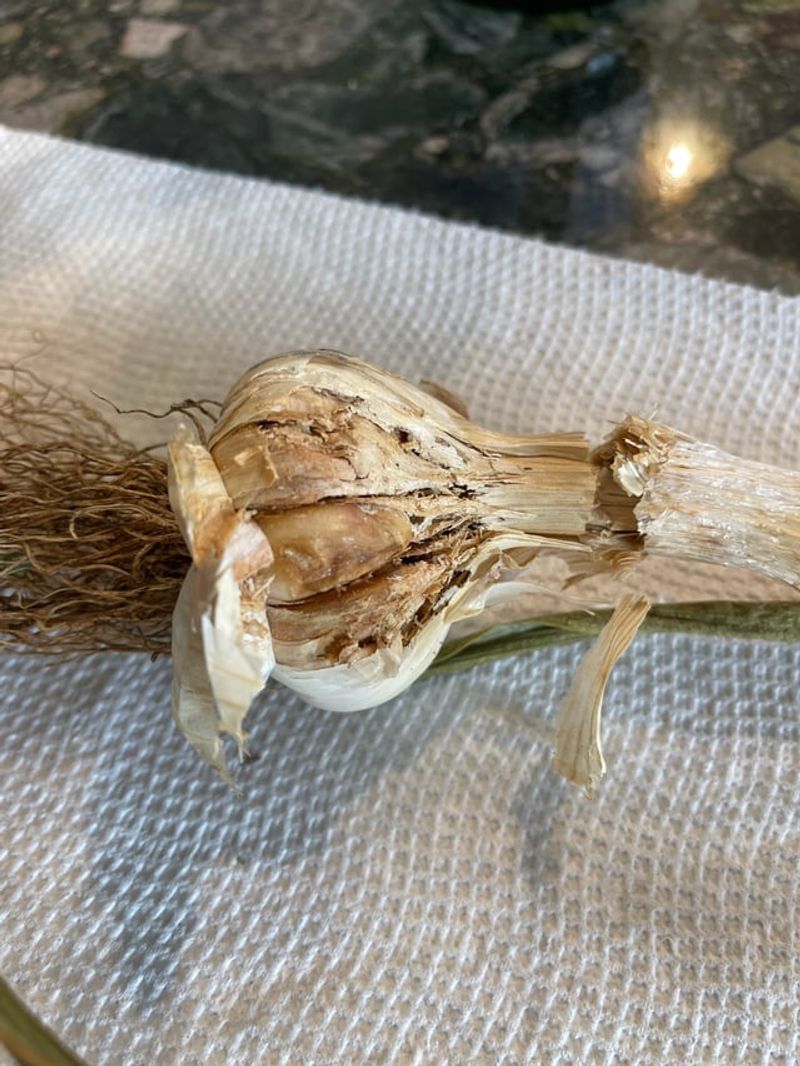
White rot is the serious one, and its spores can persist in soil for decades. Prevention beats every cure with this fungus.
Rotate beds so garlic and onions follow each other no sooner than every three or four years. Old onion patches deserve a long rest.
Stem and bulb nematodes cause stunted, twisted growth and unpleasant, softened bulbs at harvest. Clean planting stock prevents most cases.
Buying certified seed garlic remains the best safeguard against nematodes and soil-borne rots. Bargain bulbs carry genuine risk.
Rinsing tools and boots between beds sounds fussy, though it truly limits spreading trouble around. Two minutes, surprisingly big payoff.
Gophers occasionally sample bulbs, so wire baskets or hardware cloth under raised beds help. Fresh mounds near rows are your warning.
Keeping a simple garden journal of problems helps you spot patterns before they repeat. Future you will be very grateful.