These Tender New York Plants Are Worth Overwintering Instead Of Rebuying
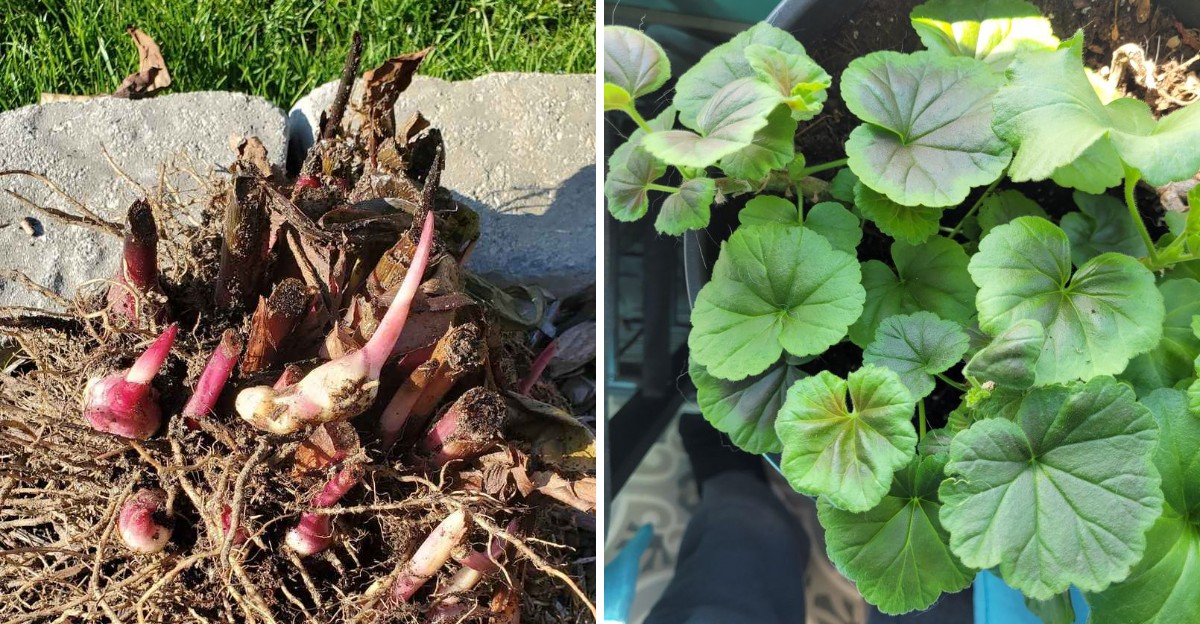
The first cold snap in New York can make a garden look finished overnight. Frost settles in, leaves collapse, and those colorful plants suddenly seem destined for the compost pile.
Not so fast. Many tender favorites can survive winter indoors or in storage and return next spring.
Saving them is often easier and cheaper than replacing them every May. Better yet, you can carry your favorite plants from one season to the next instead of starting over each year.
Before the cold arrives, decide which plants are worth saving and give them the protection they need. A little work now can put a whole collection back on your patio next spring.
Geraniums Can Come Back For Another Summer
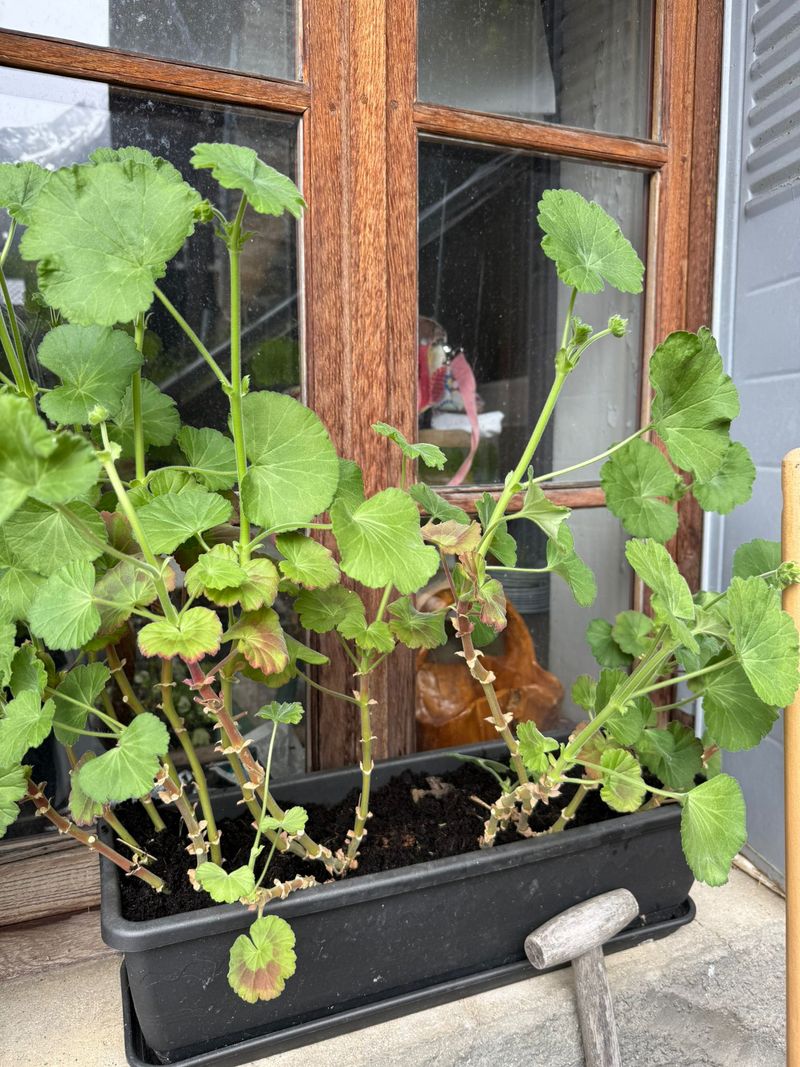
Few plants shrug off neglect like a zonal geranium. Gardeners have been hauling these indoors for well over a century.
Timing matters most here. Bring potted geraniums inside before the first hard autumn frost settles over New York.
Set them near a sunny window where the room stays around 60 degrees. A south-facing spot works well, though any bright window helps.
Water sparingly through the cold months. Soggy soil leads to root trouble faster than dry soil ever will.
Expect some leaf drop in November. That is normal while the plant adjusts to lower light indoors.
There is a second method worth trying if windowsill space is tight. Dig the plants before frost and shake loose soil from the roots.
Hang them upside down in a cool, dark basement or garage. Aim for 45 to 50 degrees, which most basements hit naturally.
Check them every few weeks through winter. Mist the roots lightly if they look shriveled or brittle.
Around March, pot them up in fresh soil and water well. Trim back any dried stems to encourage fresh shoots.
Cuttings offer a third option for the curious gardener. Snip four-inch pieces, strip the lower leaves, and root them in damp potting mix.
One healthy plant can yield six new ones by spring. That means free color for your porch railing and your neighbor’s too.
Given how much nurseries charge each May, saving geraniums pays off quickly. A single season of storage often replaces a whole flat purchase.
Cannas Can Be Lifted And Stored Until Spring
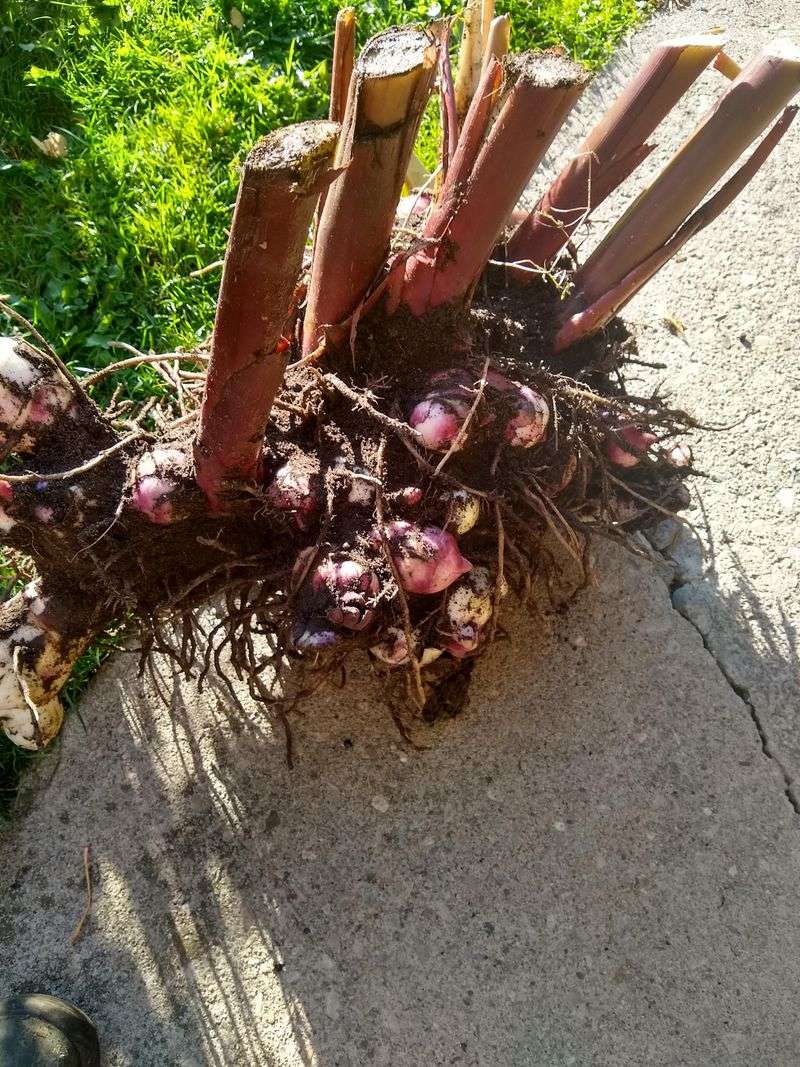
Cannas bring a jungle mood to northern gardens. Those paddle leaves and torch-like blooms handle summers beautifully.
Cold ground is their main weakness. In much of New York, rhizomes left in the soil need protection to make it through winter.
Wait until frost damages the foliage. Then lift the rhizomes before the soil freezes solid.
Dig before the soil freezes solid. A garden fork works better than a spade because it slices fewer rhizomes.
Cut the stalks back to about four inches. Then brush away excess dirt with your hands or a soft brush.
Let the rhizomes cure for roughly a week. A warm, ventilated spot like a garage shelf does the job nicely.
Skip the hose entirely if you can. Washing adds moisture that invites rot during long storage.
Your New York Garden Changes Every Week. Your Plan Should Too.
Gardening in New York changes quickly throughout the season. Every Friday you’ll receive a simple weekly plan showing exactly what to plant, prune, fertilize, harvest, and protect so you never miss the right timing.
Pack them in peat moss or wood shavings once dry. Use breathable containers such as cardboard boxes or mesh crates.
Target a cool storage spot that stays around the upper 40s to low 50s. A suitable basement or other unheated space can work well.
Peek at them monthly through winter. Toss anything soft, and mist the packing material if rhizomes look wrinkled.
Each clump usually multiplies over a single season. By spring you may have three or four divisions from one original plant.
Start them indoors in pots during April for an earlier show. Move them outside once nights stay reliably above 50 degrees.
Gardeners have traded canna divisions for generations. Yours could easily join that lineup.
Dahlias Are Worth Digging Before Winter
Ask any dahlia grower about their favorite variety and settle in. These blooms inspire genuine devotion, and good tubers are not cheap.
Saving them is simpler than most beginners expect. A hard freeze is your cue, though many gardeners dig even earlier.
Cut the foliage down to a few inches above the soil. Leave the stubs so you can grip the clump later.
Loosen the soil in a wide circle around each plant. Tubers snap easily, and broken necks will not sprout next year.
Lift the clump gently and shake off loose dirt. Label it right away, because unmarked tubers become a spring guessing game.
Air dry the clumps for one to several weeks. A cool garage or covered porch with good airflow works well.
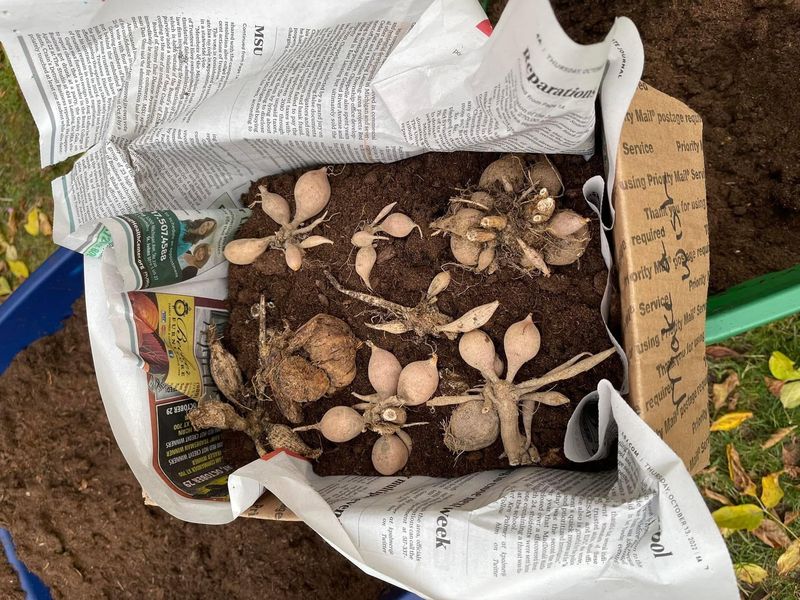
Once dry, nestle them into vermiculite, sand, or wood shavings. Cardboard boxes or paper bags allow useful air exchange.
Keep storage around 40 to 45 degrees. That range suits most basements without any extra equipment.
Inspect every few weeks through the winter. Remove any mushy sections before trouble spreads to healthy tubers.
Division can happen in fall or early spring. Each piece needs a visible eye near the crown to grow.
One well-grown clump can yield several plants when divided carefully. That can turn a single purchase into several plants for the border.
Fun bit of history: dahlias came from Mexico and were once grown as a food crop. Flowers eventually won out over dinner.
Caladiums Can Rest Indoors Until Warm Weather
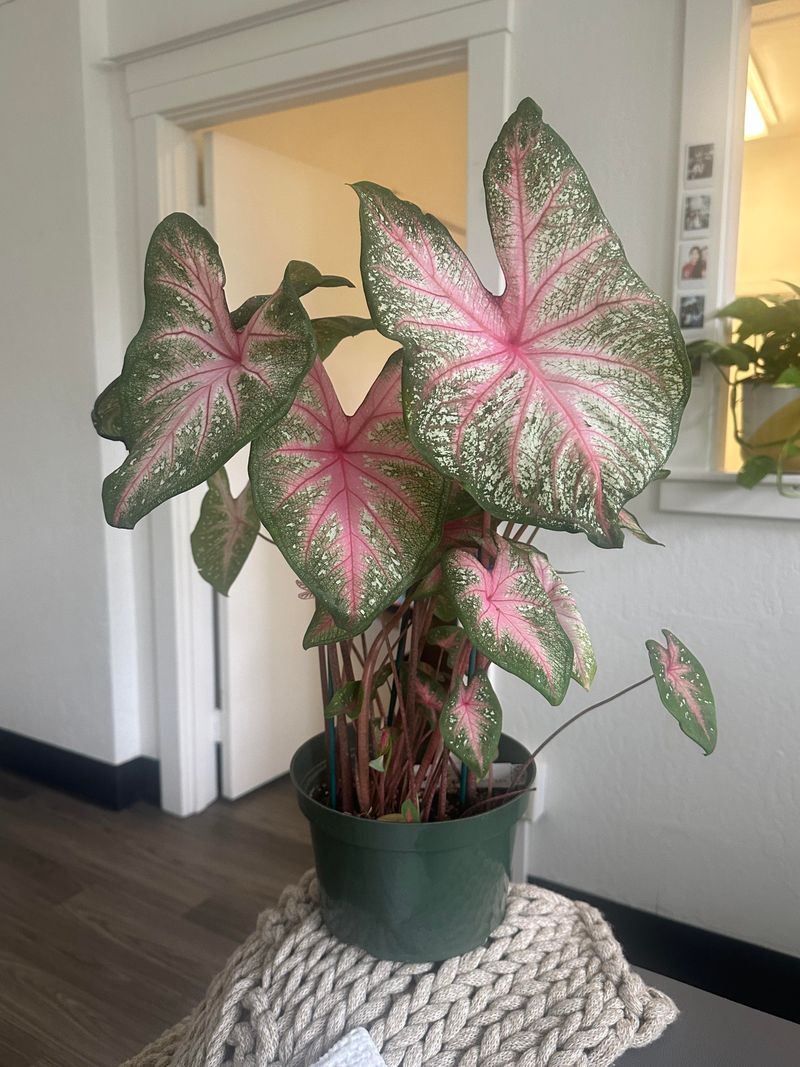
Caladium leaves look painted by hand. Those pink veins and white splashes light up shady corners where flowers sulk.
Shade gardens rely on them for summer color. The catch is that caladiums come from warm tropical regions.
Watch for leaves turning yellow in early fall. That fading is the plant heading into its natural rest period.
Dig the tubers then, or wait until the first frost. Either timing works, though earlier digging keeps tubers plumper.
Cure them for one to two weeks in a dry, cool room. Spread them on newspaper or a screen so air circulates.
Trim away dried foliage once it pulls off easily. Leave the small roots attached, since they cause no harm.
Pack the cured tubers in peat moss, vermiculite, or sawdust. Shallow boxes keep them from pressing against each other.
Here is the part people get wrong. Caladiums want warmer storage than most tubers, ideally 60 to 65 degrees.
Caladiums need warmer storage than some other dormant plants. Keep them in a warm, dry place and protect them from cold temperatures.
Check for softness once a month. Discard questionable tubers so the rest stay in good shape.
Start them indoors in pots around April. Warm soil speeds sprouting, so a heat mat helps considerably.
Move plants outdoors once nights hold above 60 degrees. Rushing them into cold ground stalls growth for weeks.
Gladiolas Can Return From Stored Corms
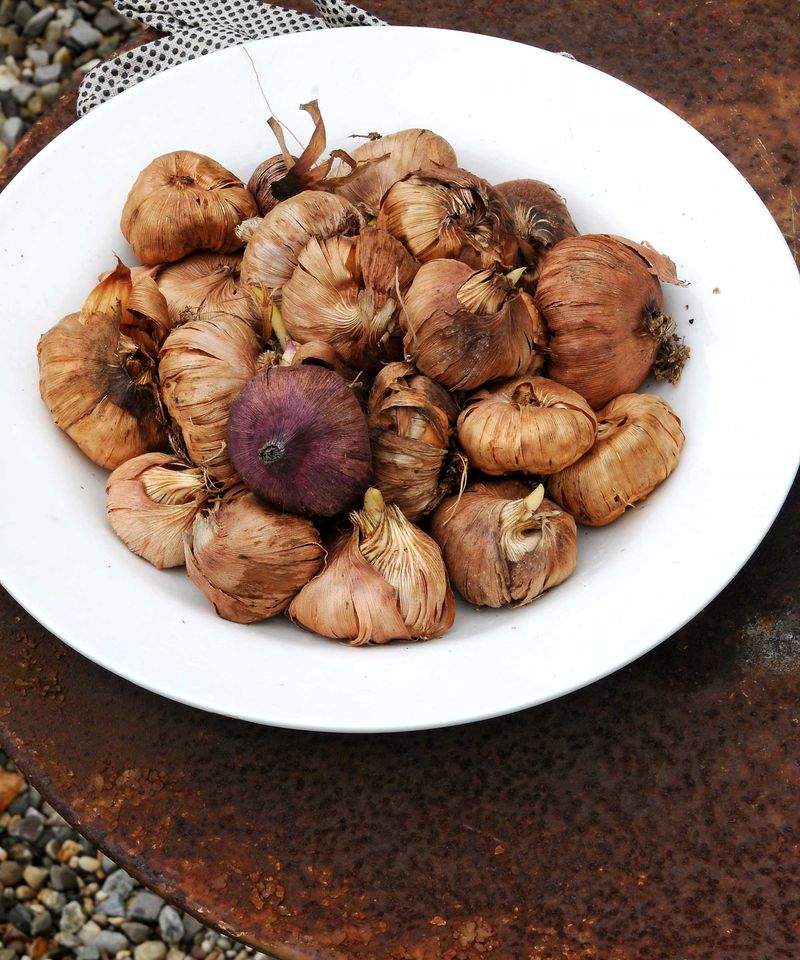
Grandmothers planted them in rows for cutting. Gladiolas still deliver those dramatic spikes that make a vase look expensive.
Each corm is a season’s worth of stored energy. Leaving them in frozen ground risks losing that investment, especially in colder parts of the state.
Let the foliage yellow before lifting, if the weather cooperates. Those fading leaves are still feeding the corm below.
A light autumn frost can also signal that it’s time to dig. The foliage may be damaged while the corms underground remain protected for a time.
Loosen soil with a fork and lift carefully. Shake off dirt rather than scrubbing, since moisture slows curing.
Snip stems down to about an inch. Long stems trap dampness and complicate storage.
Cure the corms two to three weeks in a warm, airy space. A screened rack or an open flat speeds drying.
After curing, separate the new corm from the shriveled old one underneath. That withered piece has done its job.
Save the tiny offsets, called cormels, if you feel patient. They take two or three seasons to reach blooming size.
Store cleaned corms in mesh bags, paper sacks, or open flats. Airflow matters more than any fancy container.
Aim for a cool, dark storage spot around 35 to 50 degrees. A dry basement or other suitable storage area can work well.
Plant them out in spring, staggering batches two weeks apart. Staggered planting stretches your cut-flower season through late summer.
Tender Herbs Can Keep Growing Indoors
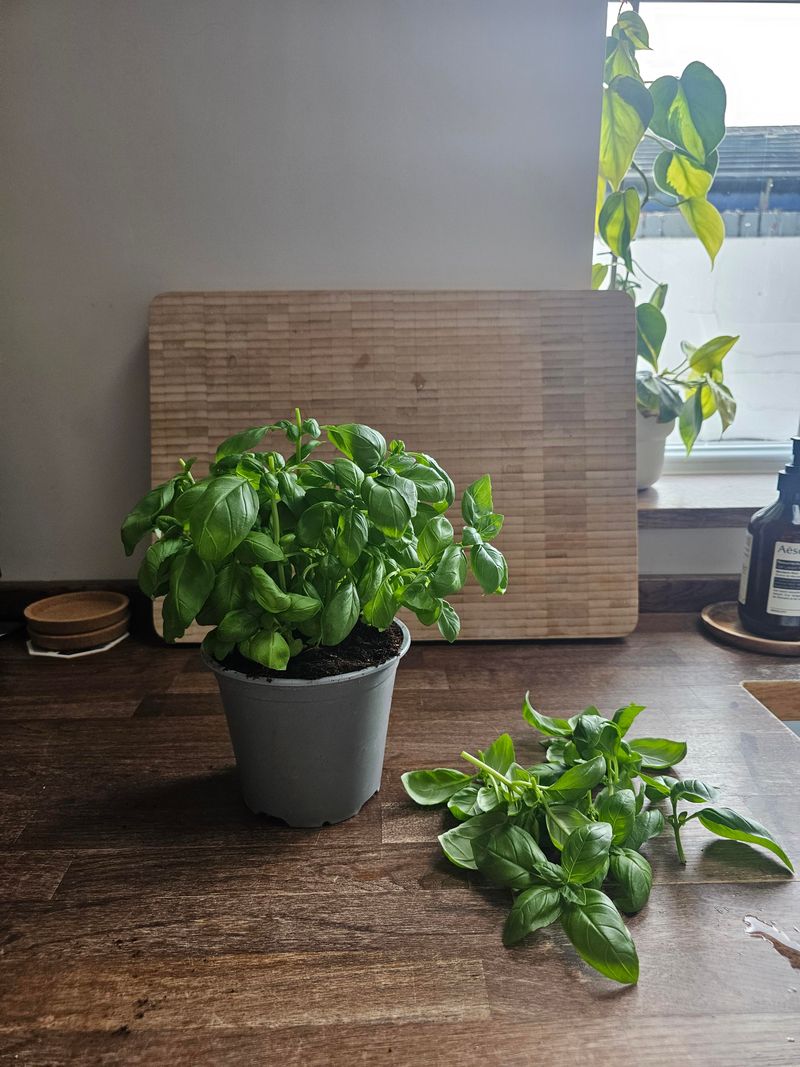
Fresh basil in February tastes like a small victory. Grocery store herb packets cost several dollars and wilt within days.
Your New York garden herbs can keep producing indoors instead. Basil, rosemary, and parsley all adapt reasonably well.
Pot them up before nights turn cold. Digging while stems are still lush gives roots time to settle.
Use fresh potting mix rather than garden soil. Garden soil compacts in containers and often carries unwanted hitchhikers.
Place pots at your brightest window, preferably facing south. Six hours of direct light keeps flavor strong and growth tight.
A simple grow light fills the gap in dim apartments. Even an inexpensive clip-on fixture makes a noticeable difference.
Water consistently, letting the top inch dry between sessions. Indoor air is drier, yet roots still resent constant wetness.
Pinch back leggy stems regularly. Trimming pushes new side shoots and keeps plants bushy instead of stretched.
Rotate the pots a quarter turn each week. Even light exposure prevents that lopsided lean toward the glass.
Watch for aphids and spider mites during winter. A quick rinse in the sink usually handles small outbreaks.
Basil dislikes cold drafts, so keep it away from doorways. Rosemary prefers cooler rooms and drier soil than most people provide.
Come May, harden the plants off gradually outdoors. A week of increasing sunshine prevents scorched leaves and shocked roots.
Coleus Can Become A Winter Houseplant
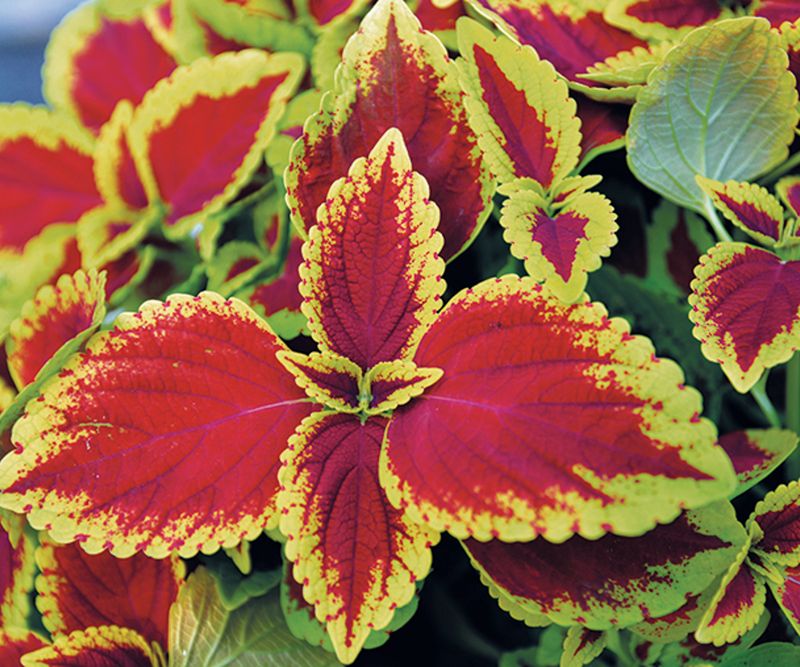
Coleus never needed flowers to steal attention. Those leaves come in burgundy, lime, chartreuse, and wild combinations of all three.
Gardeners often treat coleus as disposable. Skipping that habit saves money and keeps rare varieties in your collection.
Bring potted plants inside before nights dip under 50 degrees. Cold air makes coleus sulk quickly.
Choose a spot with bright morning light. Harsh afternoon sun through glass can scorch the thinner leaf types.
Add a grow light if colors start fading. Dim conditions push coleus toward plain green and stretched stems.
Water sparingly once temperatures drop. Let the top inch or two dry before reaching for the watering can.
Pinch off any flower spikes you spot. Blooming drains energy the plant should be spending on foliage.
Cuttings are the easier route for many people. Snip four-inch tips, remove lower leaves, and place them in a glass of water.
Roots often appear within a week or two. Pot the rooted cuttings and you have compact plants ready for spring.
One windowsill jar can hold six cuttings comfortably. That is a full container display waiting for warm weather.
Refresh the water every few days to keep it clear. Cloudy water slows rooting and invites problems.
Quick trivia: coleus belongs to the mint family, which explains those square stems. Rub one and you may catch a faint herbal scent.
Tropical Hibiscus Can Return With Indoor Care
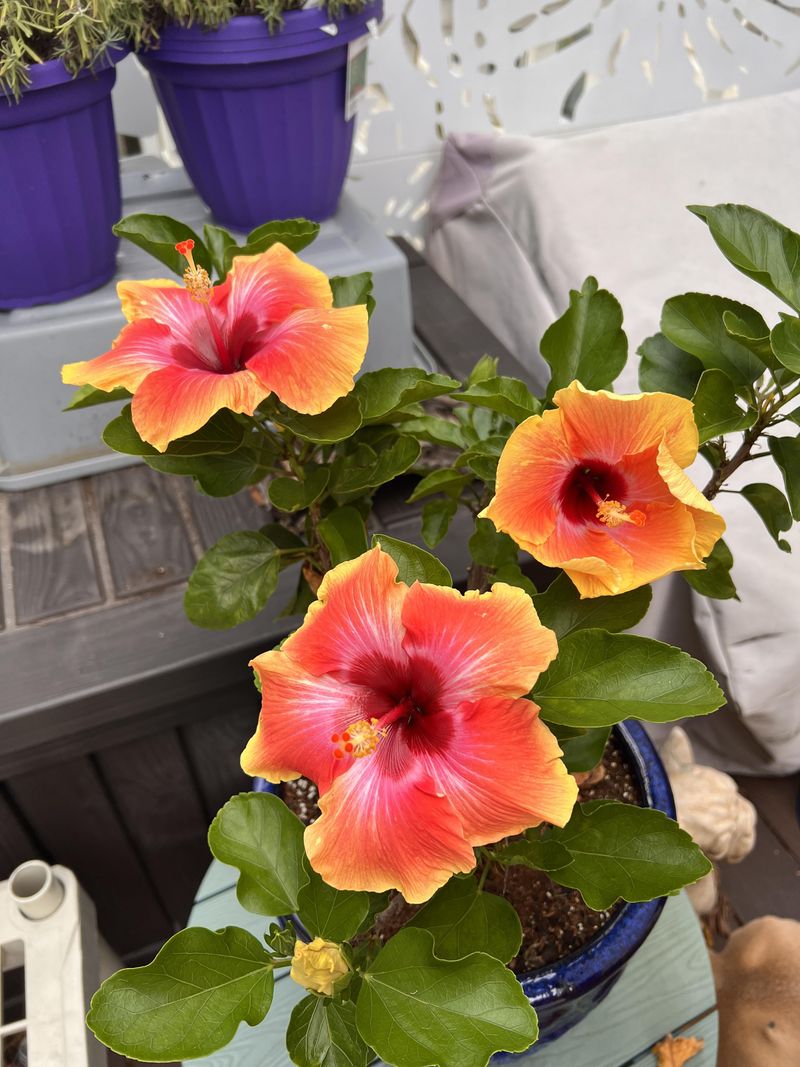
A hibiscus in full bloom turns a patio into a vacation postcard. Those dinner-plate flowers cost a fair amount at the nursery.
Replacing one every spring adds up fast. Keeping yours through winter is a smarter move for New York gardeners.
Move the pot indoors when evenings stay below 50 degrees. Waiting too long stresses the plant and drops buds.
Prune lanky branches back by about a third first. Lighter plants fit through doorways and handle indoor light better.
Inspect leaves closely before the plant crosses your threshold. Whiteflies and mealybugs love hitching rides inside.
Rinse the foliage with a hose, including leaf undersides. Insecticidal soap handles anything the water misses.
Set the plant in a very bright south or west window. Hibiscus needs more light than almost any other rescued patio plant.
Keep leaves from pressing against cold glass. Chilled foliage yellows and drops within days.
Water less often during winter months. Let soil become somewhat dry, then water thoroughly until it drains.
Expect leaf drop for a couple of weeks after the move. The plant is simply adjusting to lower indoor light.
Hold off on heavy fertilizing until late winter. A light feeding in February wakes it up gently.
Reintroduce it outdoors slowly in late May. Start in shade, then increase sun over ten days to avoid burned leaves.
Elephant Ears Can Be Stored As Dormant Tubers
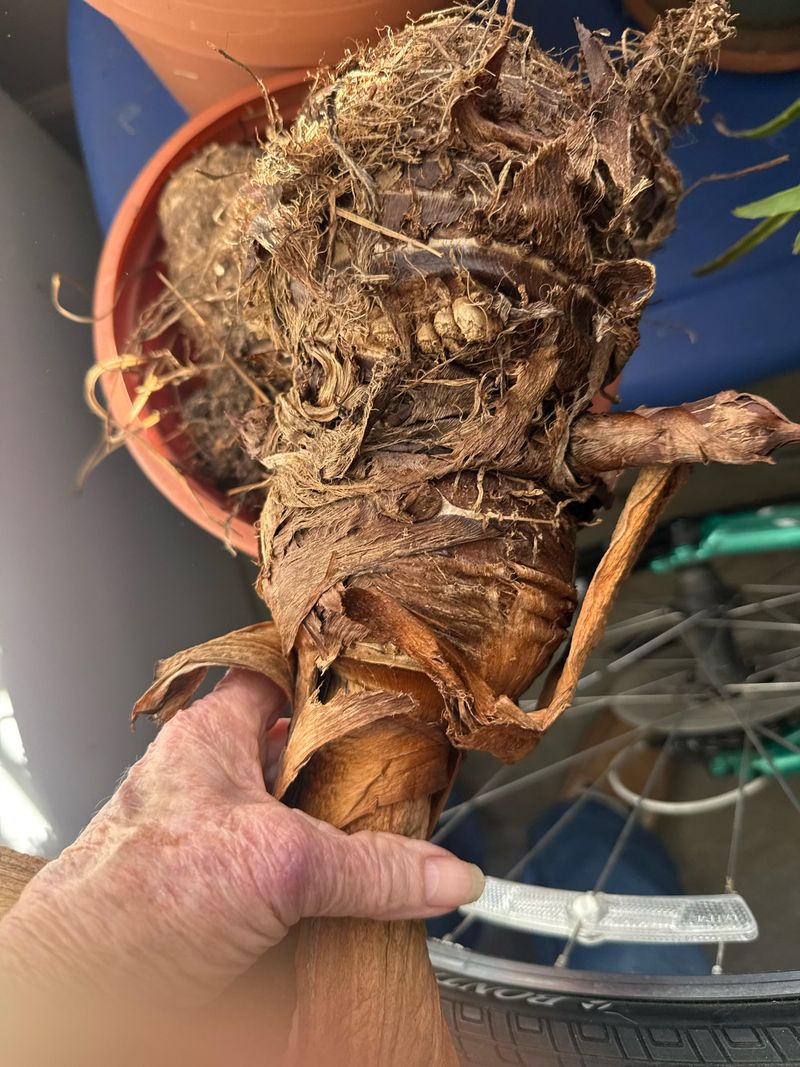
Nothing else in the garden makes guests stop and stare quite like elephant ears. Leaves the size of serving trays will do that.
Those big tubers carry real value too. Mature ones often sell for more than a fancy lunch.
Dig them after the first frost knocks the leaves down. Frost tells you the plant has entered dormancy.
Cut stems back to roughly six inches before lifting. Shorter stems make handling much easier.
Work a fork in wide around the crown. These tubers grow larger than most people expect underground.
Brush excess soil off gently by hand. Avoid washing, since added moisture lengthens the drying process.
Let them dry several days in a cool, dark spot. A basement corner or shaded garage shelf works fine.
Pack the dry tubers in peat moss, vermiculite, or sand. Keep them separated so air moves between them.
Store between 45 and 55 degrees in a dry place. Damp storage causes soft spots faster than cold does.
Look them over monthly and remove anything questionable. Healthy tubers stay firm like a raw potato.
Pot them indoors in April for a head start. Warm soil and steady moisture bring shoots up in a few weeks.
Plant outside once nights stay above 60 degrees. Feed generously through summer, because these leafy giants are hungry growers.