Tomato Plants Seem Finished? Don’t Be So Sure
The leaves are crispy, the stems look tired, and the whole thing smells like a hot August sidewalk. You stand there holding your morning coffee, ready to yank it out and call it a season.
Hold that thought, and maybe set down those garden gloves for just a minute or two. The droopy plant slouching in your garden might be faking it, like a teenager avoiding chores on a Saturday morning.
Gardeners everywhere give up way too early on plants that still have plenty of fight left inside them. Under those sad yellow leaves, the roots are often busy planning a quiet but mighty comeback.
The garden has a funny way of rewarding people who wait and watch instead of rushing to judge. So finish that coffee slowly, because the lazy teenager in your garden may still outwork you this year.
Those Tired Vines Are Not Done
Here is a secret most seed packets skip: a tired tomato plant is usually resting, not quitting. Brown leaves and fewer flowers can look scary, but they often signal a pause instead of an ending.
Tomato plants are much tougher than their droopy summer look suggests to most home gardeners. In the mountains of South America, wild tomatoes can keep growing for several years as perennials.
Your backyard plant still carries some of that stubborn spirit in its roots and stems. As long as the main stem stays green and firm, there is real hope.
Try a quick scratch test to check for hidden life inside the stem. Gently scrape a tiny spot on the stem with your fingernail and look for bright green underneath.
Green means the plant is still moving water and food from the roots to the leaves. Brown and dry all the way through is a much tougher sign to overcome.
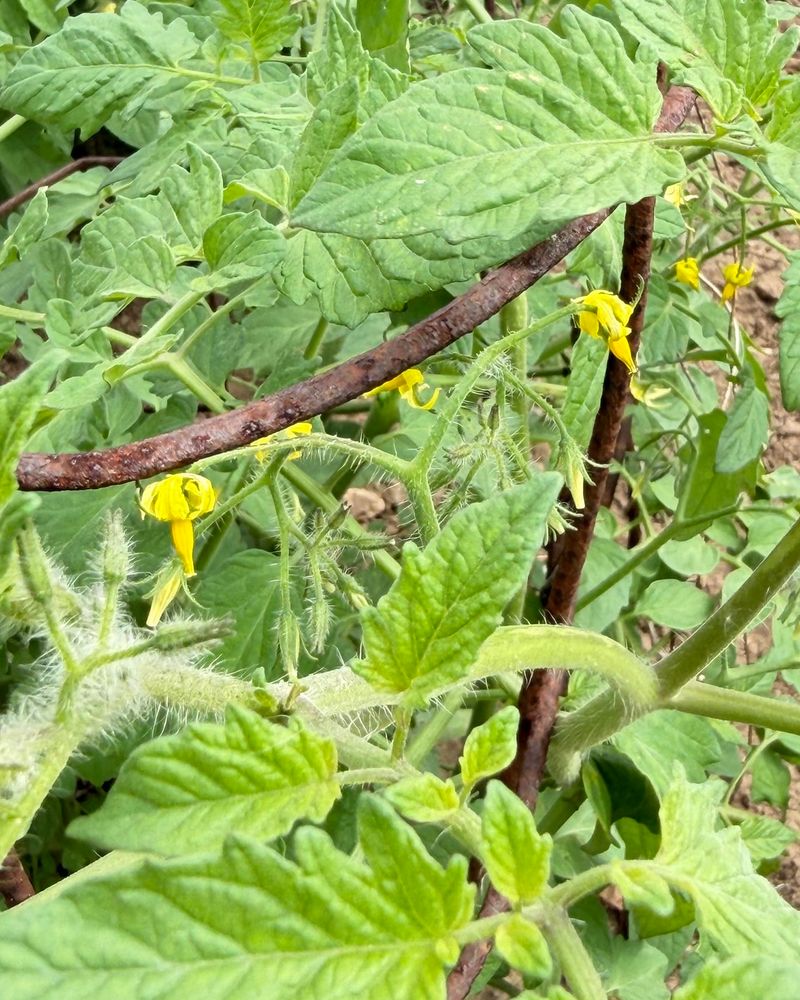
Also peek closely at the leaf joints along each branch, especially near the top. Tiny new shoots or fresh flower clusters mean the plant is quietly getting ready for round two.
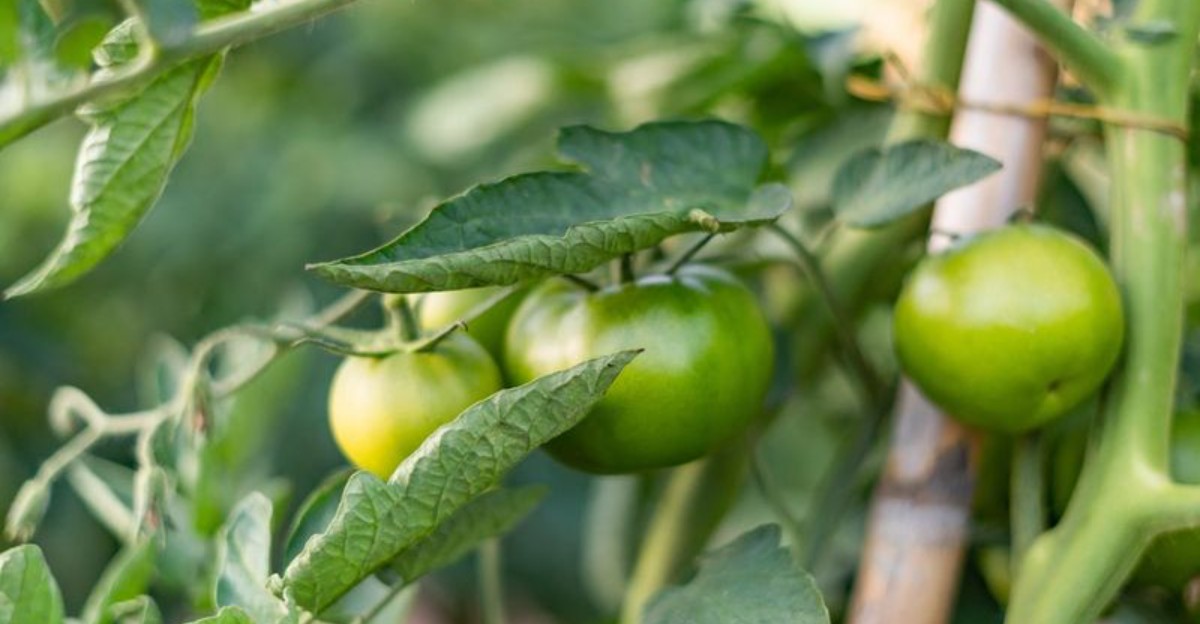
Fruit that is still hanging on the vines is another good clue. If green tomatoes keep swelling a little each week, the plant is clearly still on the job.
So before you grab the shovel, take five minutes to inspect things up close. A plant that looks rough on the outside may still have plenty of tomatoes to share.
Summer Heat Behind The Slump
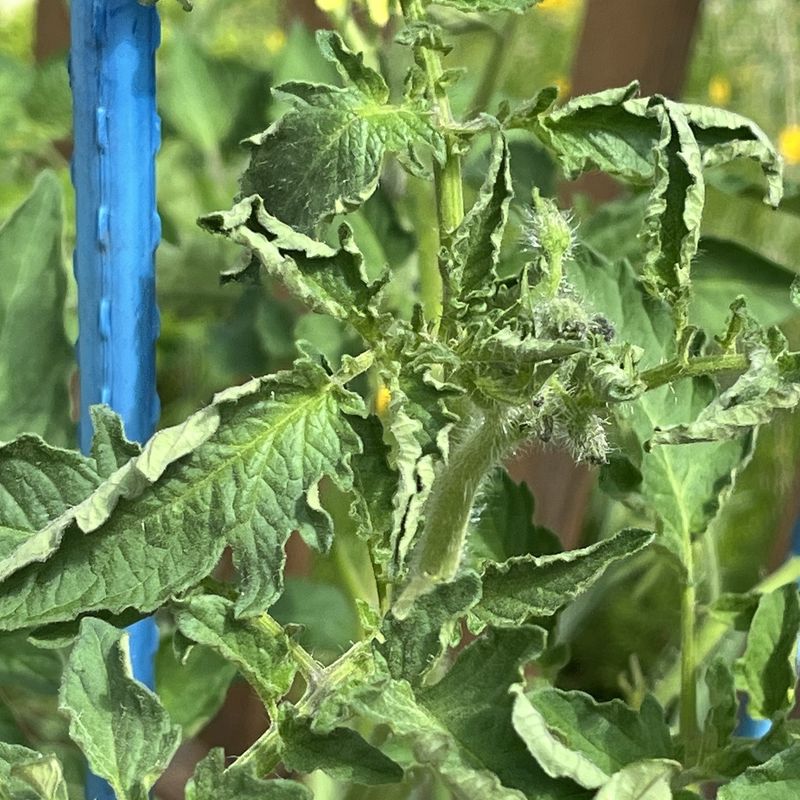
Picture yourself running a race in a wool sweater on the hottest day of July. That is roughly how a tomato plant feels during a long summer heat wave.
When daytime temperatures climb above about 90 degrees, most tomato varieties stop setting new fruit. Their pollen turns sticky and weak, so flowers simply drop off without forming tomatoes.
Warm, sticky nights make things even harder for a plant that already worked hard all day. If evenings stay above 75 degrees, the plant misses its chance to cool off and recover.
Leaves may curl inward, turn yellow, or look scorched along the edges. Lower leaves often go first because the plant pulls energy toward its newest growth at the top.
Dry, cracked soil adds another heavy layer of stress on top of the heat. Uneven watering in hot spells can also cause cracked fruit and dark, leathery spots on the bottom.
But there’s a silver lining hiding inside all that summer gloom and wilted foliage. Heat stress is usually temporary, and the plant often bounces back once the weather finally cools down.
Fun fact: many gardeners in hot places like Texas grow two tomato seasons each year. Some keep their spring plants, wait out the summer slump, and enjoy a second harvest in fall.
Knowing the real cause of the slump changes everything about your next move. A plant struggling with heat needs patience and water, not a trip to the compost pile.
The Costly Mistake Of Pulling Too Soon
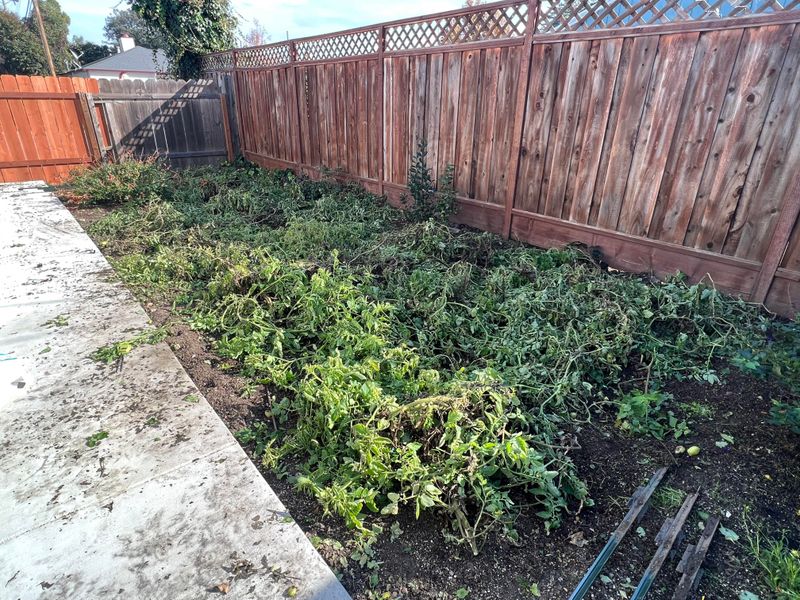
A gardener named Carl once ripped out six sad tomato plants in mid-August, grumbling the whole time. By late September, his cousin’s identical plants down the road were loaded with fruit.
Carl learned a hard lesson that many of us learn the same way. Pulling plants too early is one of the most common and costly moves in the vegetable garden.
Think about all the work that plant has already done for you. It built deep roots, thick stems, and a full frame that can support a second wave of tomatoes.
Starting over with a new seedling in late summer means waiting about two months for fruit. An established plant can often flower again within a couple of weeks once conditions improve.
Money matters too, especially if you bought pricey heirloom plants in spring. Every extra pound you pick in fall is basically free food from an investment you already made.
Another sneaky reason to wait involves the green fruit still clinging to the branches. Those hard little tomatoes can ripen on the vine as temperatures drop, or later on your kitchen counter.
Of course, some plants truly are beyond saving, and it helps to know the difference. A plant covered in spreading disease, with a brown, hollow main stem, can head to the trash bin.
For every other plant, patience is the smartest tool in the shed. Give that tired plant a few more weeks before you make a choice you might regret.
A Simple Revival Plan For Weary Tomatoes
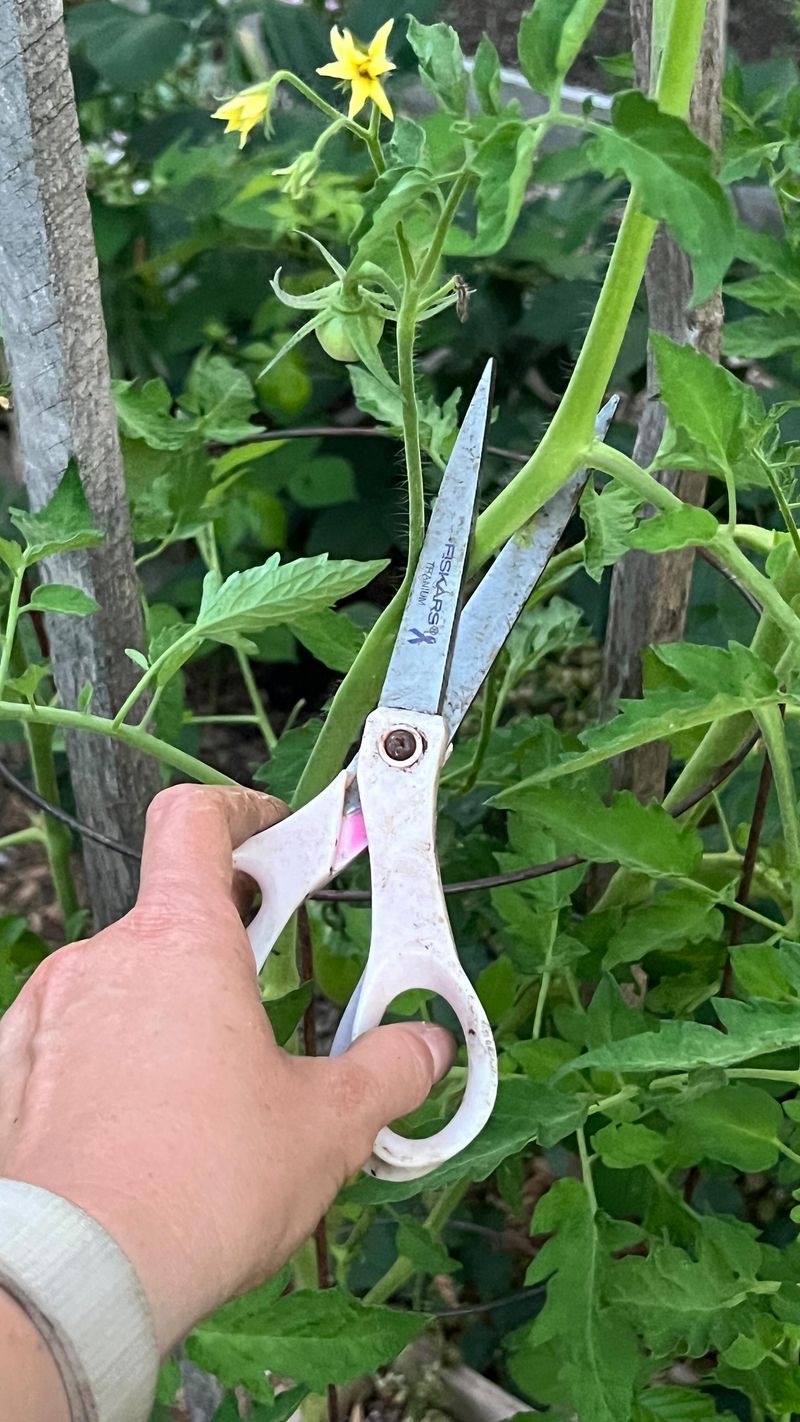
Treat your tired tomato plant to a relaxing spa day, backyard garden style. A few simple chores can wake up a sluggish plant much faster than most people expect.
Start by trimming off yellow, spotted, or crispy leaves with clean pruning shears. Removing that old growth improves airflow and lets the plant focus its energy on healthy branches.
Try not to remove more than about one third of the foliage at once. The remaining leaves still need to shade the fruit from harsh sun and make food.
Next, water deeply at the base of the plant early in the morning. Aim for about one to two inches each week, soaking the soil instead of sprinkling the leaves.
A fresh layer of mulch helps hold all that precious moisture in place. Straw, shredded leaves, or grass clippings spread two to three inches deep will keep roots cool and comfortable.
Feeding comes next, but please go easy on the nitrogen this late in the season. A balanced or tomato-specific fertilizer encourages new flowers, while too much nitrogen just grows a jungle of leaves.
Some gardeners also give their plants a light side dressing of compost around the base. Worms and soil microbes break it down slowly, releasing gentle nutrients over several weeks.
Finally, check your plant every few days for new side shoots and tiny yellow blossoms. Within two or three weeks, you should see fresh green growth cheering you on from the vines.
A Surprise Harvest Before Frost
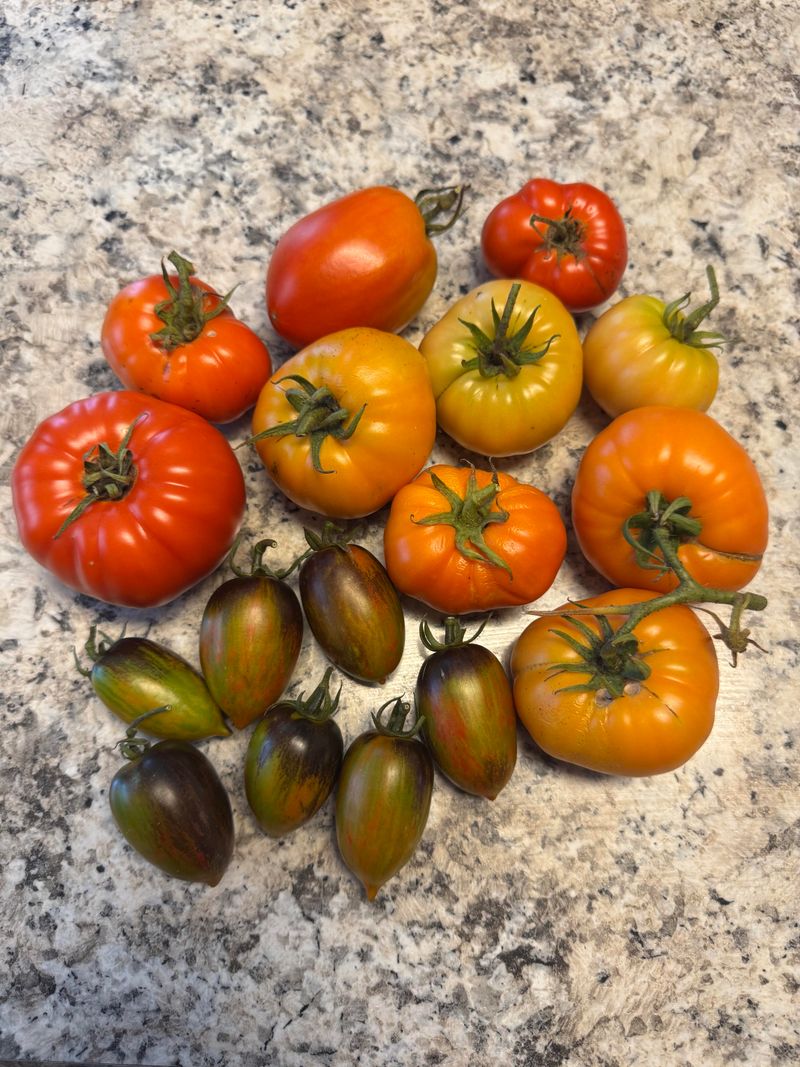
Few things taste better than a warm tomato picked on a cool October afternoon. The crisp air smells like fallen leaves, and suddenly your sulky summer plant is a hero again.
Once daytime temperatures settle into the 70s and 80s, revived plants often burst into bloom. Pollen works properly again, so those new flowers finally turn into real, round, colorful fruit.
Fall tomatoes may turn out a little smaller than their big, juicy July cousins. Many gardeners swear they taste even sweeter, though, thanks to cooler nights that slow down ripening.
Cherry tomato varieties are especially good at pulling off a late-season comeback. A single rebounding cherry plant can produce dozens of snack-sized treats before the first frost finally arrives.
Keep a close eye on the weather forecast as autumn rolls along each week. When frost threatens, cover plants overnight with an old bedsheet or frost cloth to buy extra time.
Eventually the cold weather takes over, and that is perfectly okay. Pick every green tomato before a hard freeze, even the small ones hiding deep inside the leaves.
Mature green tomatoes can ripen indoors in a paper bag with a ripe banana tucked inside. The banana gives off ethylene gas, a natural ripening helper that speeds things along nicely.
Smaller, underripe ones make fantastic fried green tomatoes or a tangy homemade relish. Either way, that plant you almost tossed in August ends up feeding your family well into fall.
A Stronger Start Next Spring
Every gardener has a little notebook of lessons, even if it only lives in their head. The summer slump is worth writing down, because next spring offers a fresh chance to plan ahead.
Seed shopping is the perfect place to begin, especially if your summers run hot. Heat-tolerant types like Heatmaster, Solar Fire, and Florida 91 keep setting fruit when other plants throw in the towel.
Planting earlier in spring also helps your crop beat the worst of the heat. More tomatoes ripen before July, and the plant has energy left for a strong second act.
Afternoon shade can work like sunscreen for sensitive plants. A piece of shade cloth blocking about 30 percent of the sunlight keeps leaves from scorching during brutal afternoons.
Healthy soil builds tougher plants from the ground up. Mix plenty of compost into your beds before planting so roots can grow deep and find water during dry spells.
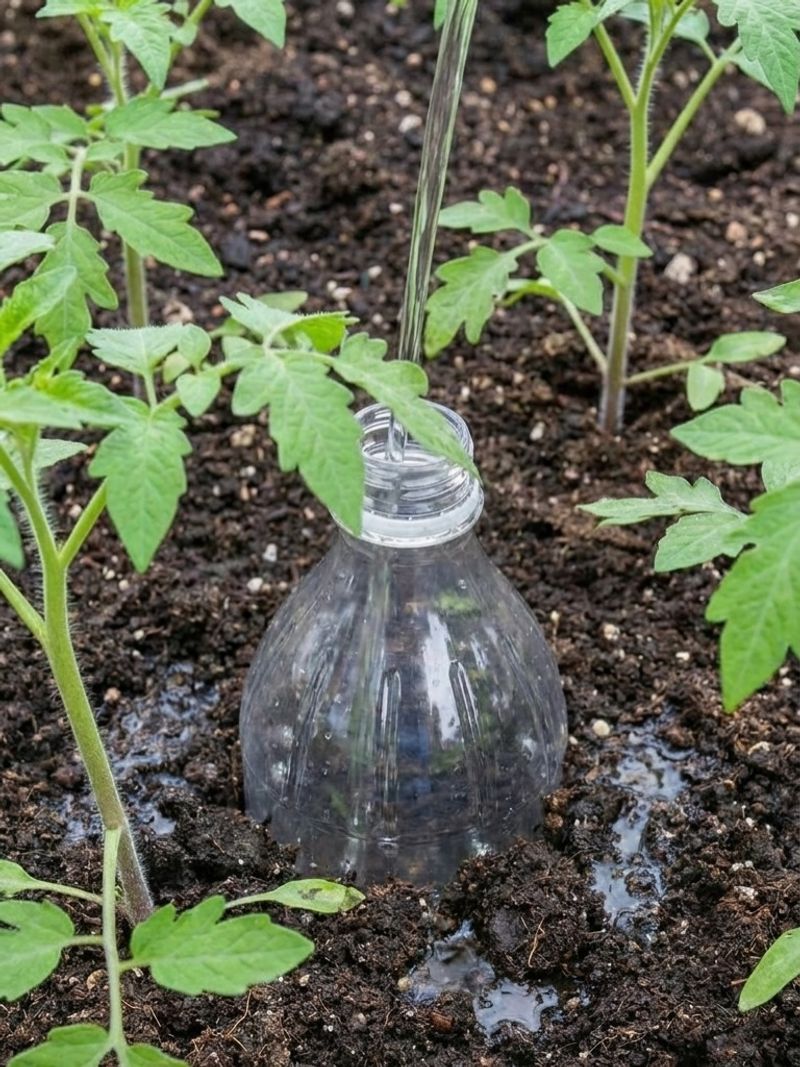
Drip irrigation or a soaker hose is another smart upgrade worth considering. Steady, even moisture at the roots prevents a lot of the stress that sends plants into a slump.
Rotating where you plant tomatoes each year helps a lot more than people realize. Soil diseases build up over time, so moving your crop to a new spot keeps those troublemakers guessing.
Next August, when your plants start to sulk, you will know exactly what to do. A tired tomato is just catching its breath, and you now have the skills to help.