Strawberry Runners Rooted This Month Become Next Summer’s Free Plants
Beneath the tangle of leaves in your strawberry bed, a quiet shift has already begun, and most people walk right past it. Every stem stretching across your mulch right now is secretly carrying next year’s entire harvest inside it.
Nothing about what is happening in your garden right now requires a trip to a nursery or a dollar spent. Grab this moment before the season turns, because the window will not stay open long.
Your neighbors will start asking questions the moment they notice how full your rows have become by late summer. Patience is the only tool you actually need, and it costs you nothing but a few weeks of watching closely.
Skeptics who doubt this kind of free abundance change their minds fast when they see what grows in your soil by next summer. That certainty belongs to you the moment you spot a tiny new leaf pushing up where nothing grew before.
Each Trailing Stem Tip Carries A Clone Of The Parent Plant
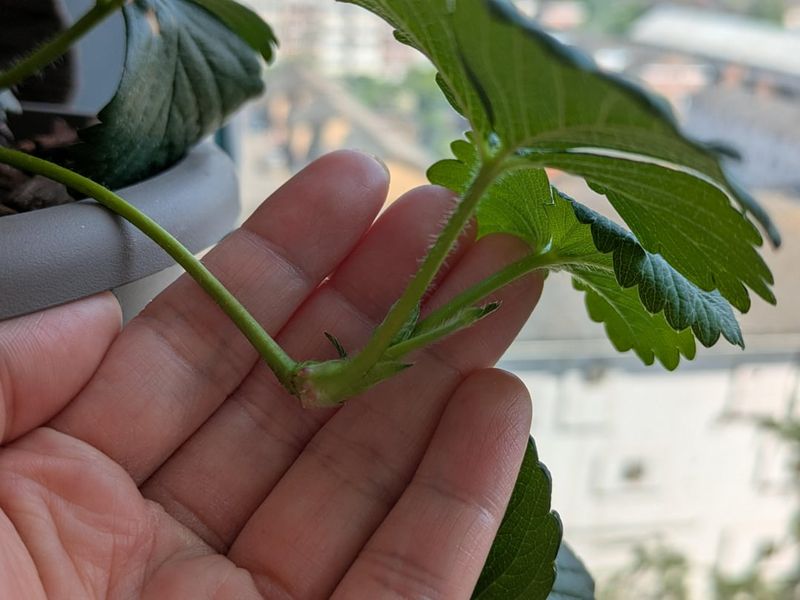
Plants had a way of copying themselves long before any machine did. A strawberry plant sends out long, skinny stems called runners, and each one can grow a brand new plant.
Along each runner you will spot little bumps called nodes, spaced a few inches apart. Those nodes are where fresh leaves sprout and tiny roots start poking downward toward the soil.
Here is the fun part that surprises many first-time growers in the garden. Each one is a genetic twin of its mother, so the fruit tastes just the same.
That means you get no surprises in size, sweetness, color, or even how early the berries ripen. If your favorite plant makes huge, juicy berries, its runners carry that same talent forward.
Fun fact: people have grown strawberries this way for hundreds of years, long before seed packets were sold in stores. Farmers long ago often swapped runners with neighbors, a bit like trading cards.
Pick runners from your strongest, healthiest plants for the best results. Skip any plant with spotted leaves, weak growth, or small, lumpy fruit this season, because problems get copied too.
One healthy mother can send out five to fifteen runners in a single summer. Choose the first baby on each stem, since it usually grows the thickest, sturdiest roots of the bunch.
Snip off any extra babies further down the runner if you want stronger plants. The mother then pours her energy into fewer, beefier youngsters instead of many weak ones.
The Short Window For Pinning Runners Into Moist Soil
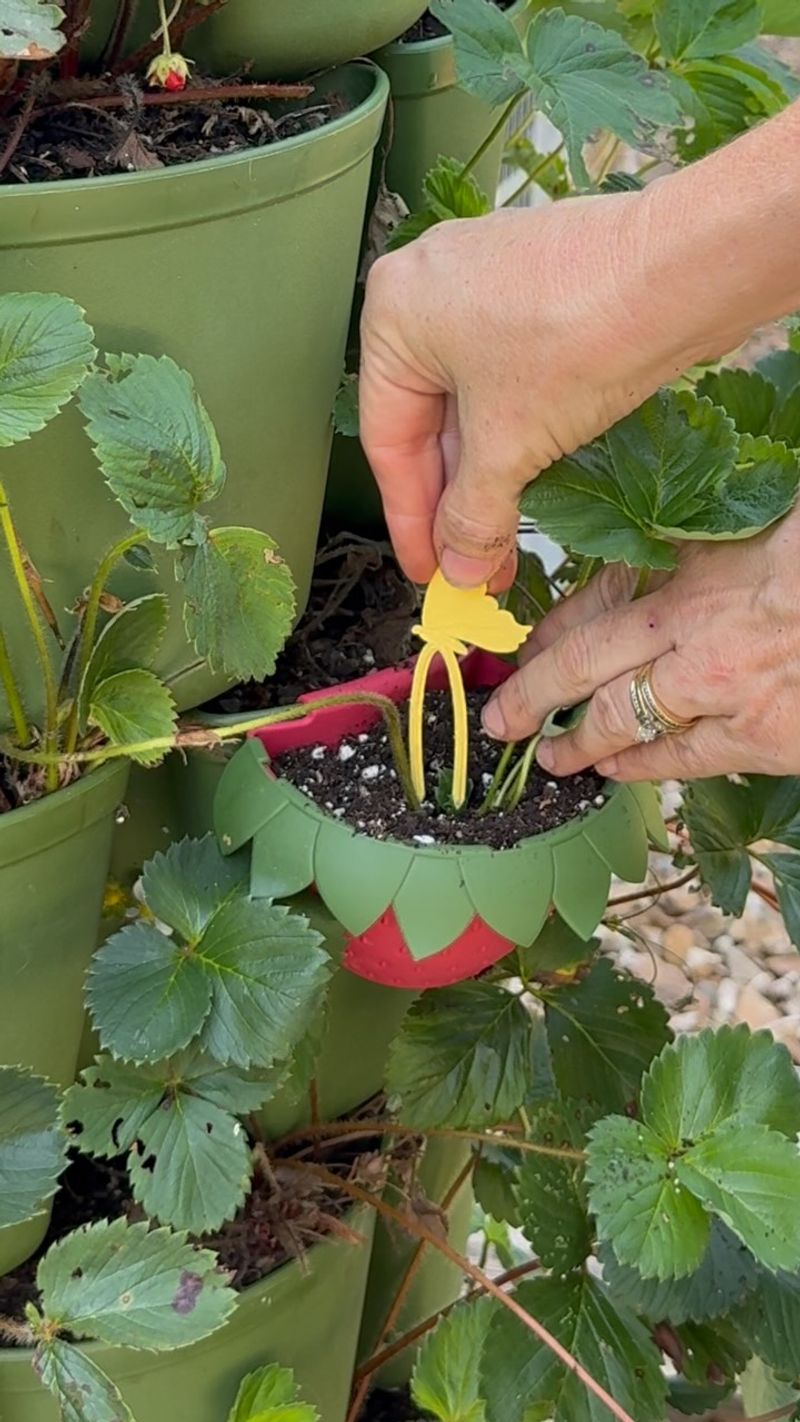
Timing matters here more than almost anything else you do in the patch. Runners pinned in mid to late summer have enough warm weeks left to build a solid root system.
Wait until early fall in colder areas, and chilly nights slow root growth to a crawl. Your babies may head into winter with roots too short to hold on.
Start by looking for a baby plant with a small cluster of leaves and tiny white nubs underneath. Those nubs are root starters, just waiting for something damp to grab.
Press the baby gently onto loose soil so the bottom touches the dirt. Then hold it down with a bent wire, a U-shaped garden staple, or even a small rock.
Moisture is the secret ingredient that makes the whole trick work. Dry ground turns those eager root nubs brown and brittle within a day or two.
Water the pinned spots every morning during hot spells, just enough to keep the soil feeling like a wrung-out sponge. A thin layer of straw nearby helps hold that dampness in.
Most runners will show new roots in about one to two weeks. Tug softly on the leaves, and if you feel resistance, the plant has grabbed hold.
Mark your calendar or set a phone reminder for late July or August. That little nudge can save you from missing the best stretch of the season.
Gardeners in warmer southern areas can stretch the window into early fall. Check your local frost date and count back about six weeks to find your deadline.
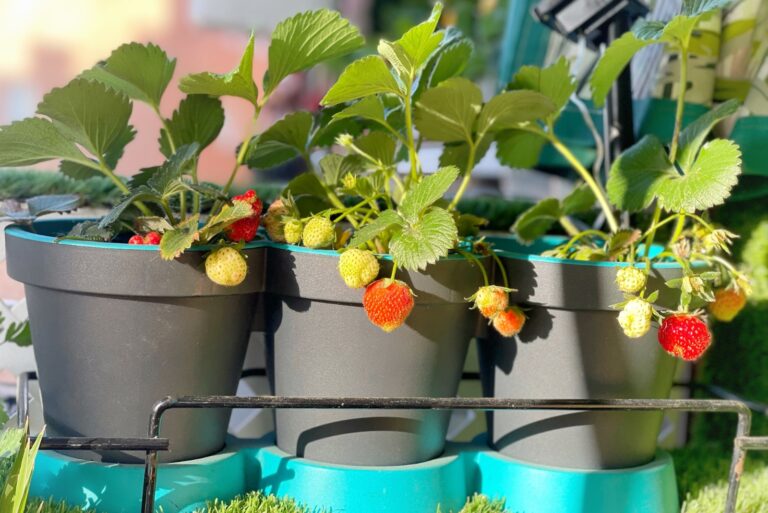
Small Pots Sunk Beside The Mother Plant
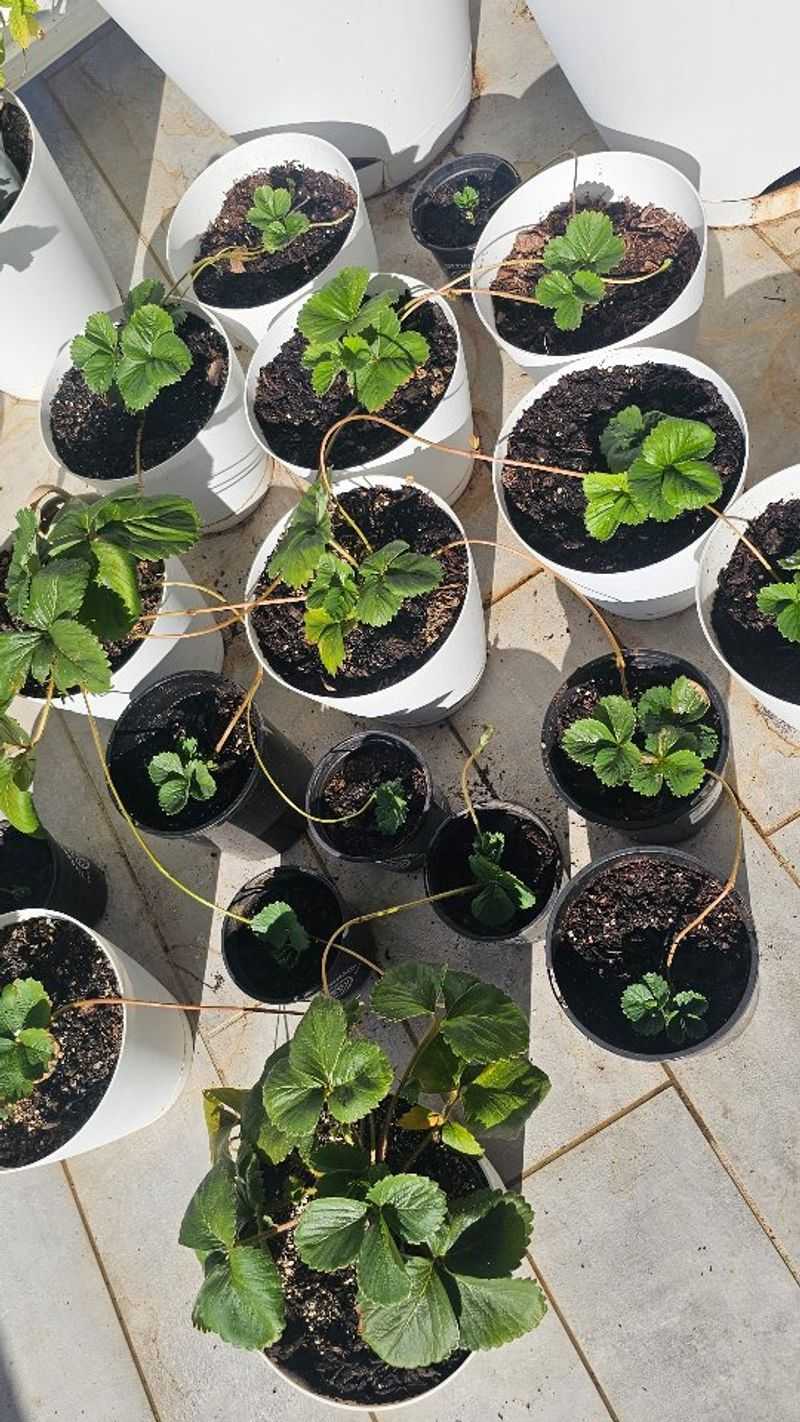
Think of this method as giving each baby its own tiny bedroom. Instead of rooting straight into the garden bed, the runner settles into a small pot of soil.
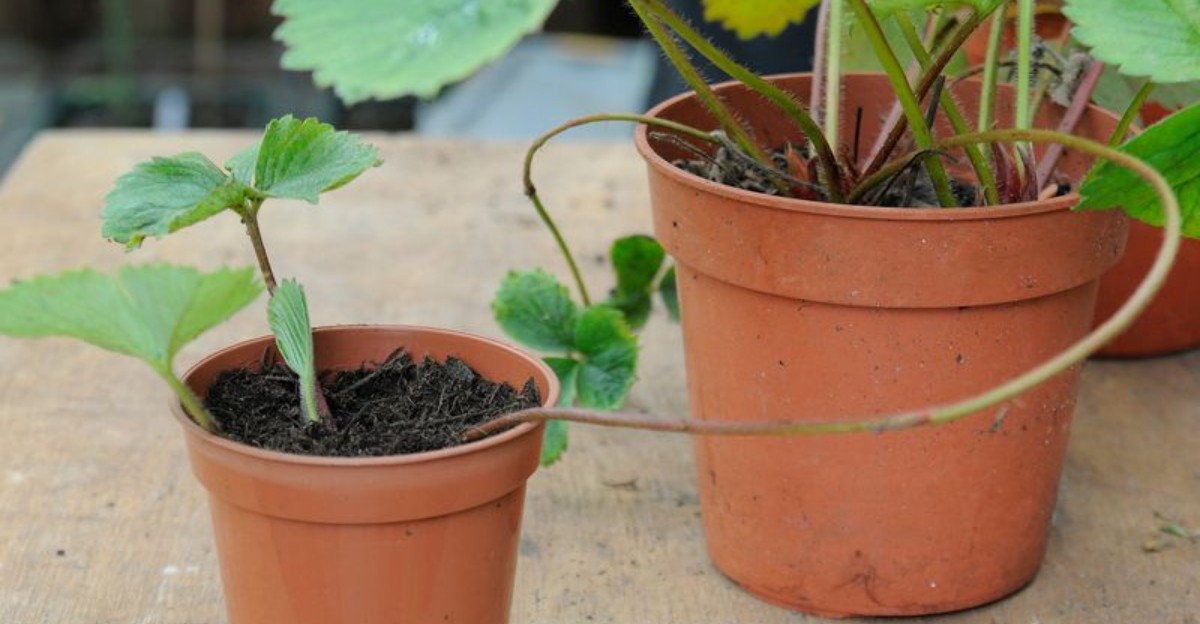
Grab three or four inch pots, fill them with moist potting mix, and bury them up to their rims. Place each pot right where a runner naturally wants to land.
Next, pin the baby plant onto the soil inside the pot with a hairpin or bent paperclip. Keep the runner attached to Mom, because she still feeds her little one.
Why bother with pots when the ground works just fine? When moving day arrives, you just lift the pot out with zero root damage and zero digging.
Plants rooted in pots also bounce back faster after moving. Their roots stay snug in one ball, so they barely notice the change of address.
Little containers dry out quicker than open ground, especially on sunny afternoons. Check them daily by poking a finger into the mix up to your first knuckle.
Plastic pots hold water longer, while clay pots breathe better but need extra drinks. Biodegradable fiber pots are handy too, since you can plant them right in the ground later.
Potted babies make wonderful presents for friends, teachers, or that neighbor who admired your berries all summer.
Label each pot with the variety name using a craft stick and a permanent marker. Future you will be grateful when spring arrives and memories get fuzzy.
Separation From The Parent Once Roots Take Hold
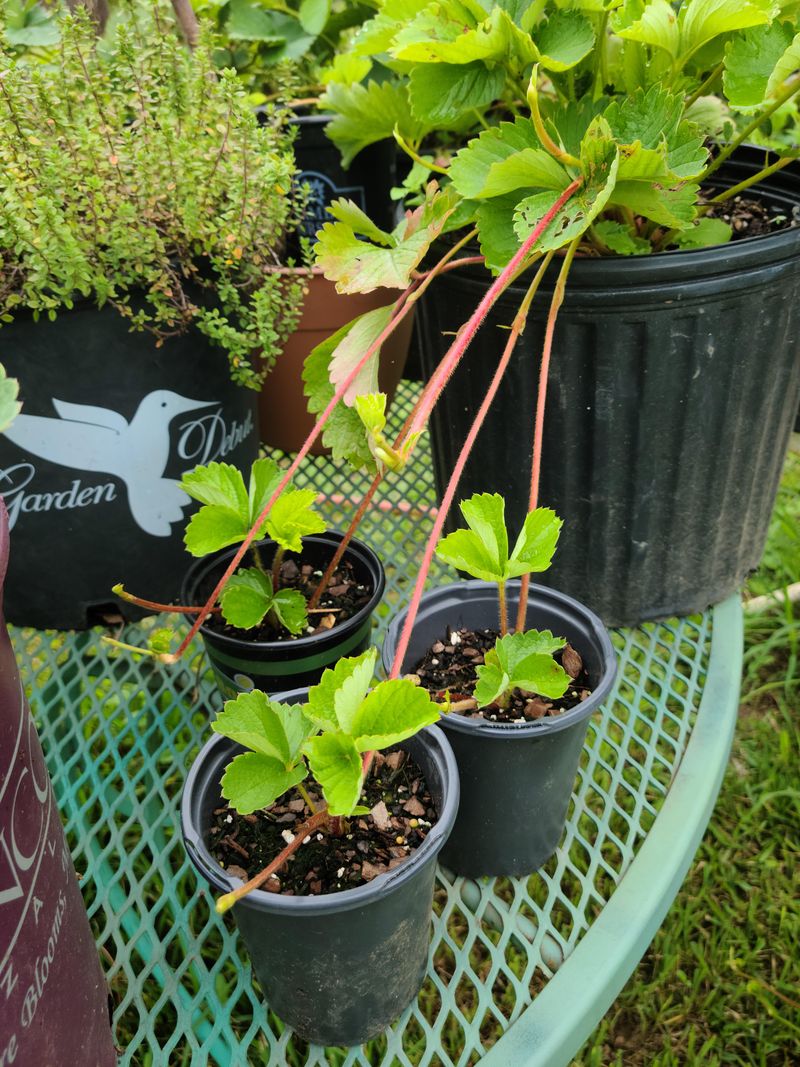
Every parent knows the bittersweet day when a kid finally packs up and moves out. Garden babies reach that moment too, usually four to six weeks after pinning.
Before cutting the cord, give the young plant a gentle tug test. Firm resistance and fresh new leaves mean the roots are ready to carry the load alone.
Clean scissors or sharp garden snips work best for this quick job. Cut the runner stem about an inch from the baby, leaving a short stub behind.
Some gardeners like to snip the runner a week before moving the plant. That gives the youngster a practice run at living on its own while still in familiar soil.
After the cut, dig around the baby with a trowel, keeping a nice ball of soil around the roots. Potted plants simply slide out of their containers with barely any fuss.
Replant each one at the same depth it was growing before. The crown, where leaves meet roots, should sit right at the soil surface, not buried or poking up high.
Water deeply right after planting to settle the soil around those new roots. A little shade cloth for the first few hot days helps prevent wilting and stress.
Mom will be just fine, by the way. With fewer runners pulling on her energy, she can focus on staying strong for her own fruit next year.
Space the new plants about twelve to eighteen inches apart in their fresh home. Crowded plants compete for sunlight and water, which leads to smaller berries later.
The Cold Rest Period Behind A Heavy Fruit Set
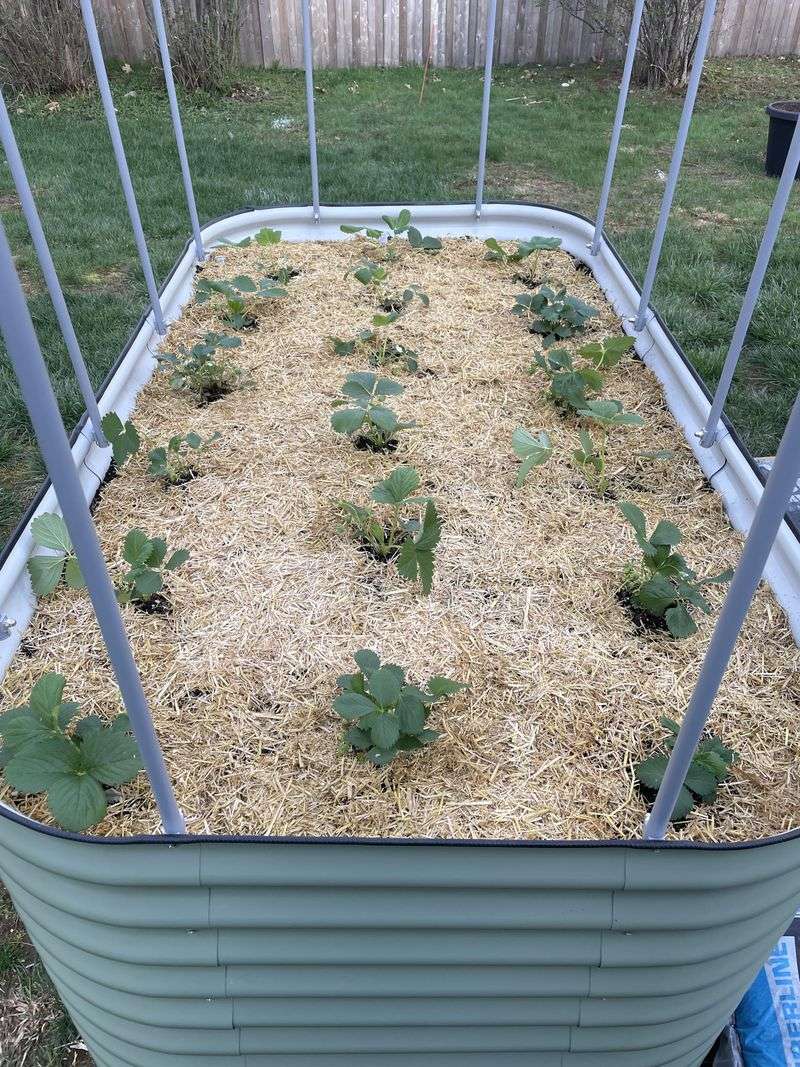
Strange as it sounds, a chilly winter is one of the best gifts your young plants can get. Strawberries need a stretch of cold weather to wake up ready for a big harvest.
Gardeners call this rest time dormancy, and it works like a long winter nap. During that nap, the plant quietly sets up the flower buds that become next summer’s berries.
Most varieties need several hundred chill hours to perform their best. A chill hour is simply one hour spent between about 32 and 45 degrees Fahrenheit.
Skip the cold, and plants often produce weak flowers or only a handful of berries. They may also grow lots of leaves and runners instead of fruit.
So resist the urge to bring your baby plants into a cozy, warm house. Indoor heat confuses them, and they wake up far too early.
June-bearing types tend to need the most chill time for their big early summer crop. Day-neutral and everbearing kinds are a bit more flexible but still enjoy a winter break.
Many new growers are surprised to learn how nurseries handle this. Commercial nurseries sometimes store young strawberry plants in giant refrigerators to give them fake winters.
Your backyard handles that job for free if you live where winters turn frosty. Warm-climate gardeners can mimic it by chilling bare-root plants in a fridge for several weeks.
Winter cold helps recharge your plants for the next growing season. The longer and steadier the chill, the fuller your berry bowl will be in June.
Overwintering Spots That Stay Just Above Freezing
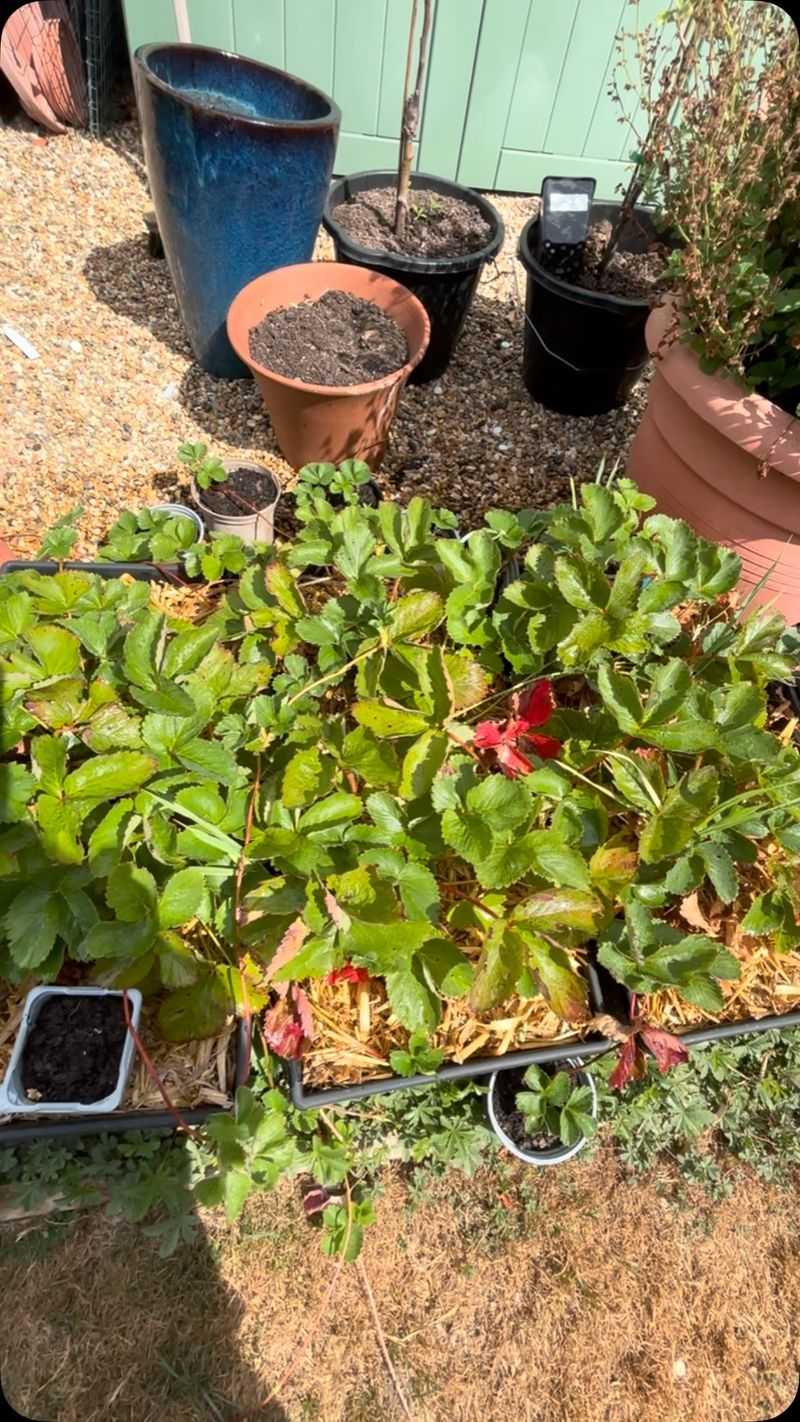
Some gardeners store their potted plants in a cold garage every November. That trick works because the space stays chilly but rarely freezes solid.
Young plants in pots are more exposed than those in the ground. Their roots sit above soil level, so harsh cold can freeze the whole container into an ice cube.
The sweet spot for storing them sits between about 33 and 40 degrees Fahrenheit. That range keeps plants resting deeply without harming tender roots or crowns.
Unheated garages, garden sheds, cold frames, and enclosed porches often fit the bill nicely. A cheap indoor-outdoor thermometer placed nearby lets you track the temperature without any guessing.
Plants left outside need a cozy blanket of straw or shredded leaves about three to four inches deep. Add the mulch after a few hard frosts so the plants settle into rest first.
Stored plants still need a sip of water now and then. Check the soil every two to three weeks and water lightly whenever it feels dusty dry.
Avoid spots that swing wildly between warm and freezing, like a sunny windowsill. Those ups and downs trick plants into waking early, then cold snaps damage the new growth.
Grouping pots close together also helps them share warmth. Some gardeners wrap the whole cluster in burlap or old blankets for extra snuggly protection.
Come early spring, move them back outside once the worst frosts pass. Your free plants will stretch, green up, and get busy making berries for summer snacks.