The Bulbs To Plant Right Now For A Colorful Spring In New York
Cool mornings, crunchy leaves, and a shovel by the door mean bulb season is here. While the soil is workable, you can plant now for colorful blooms next spring.
Those small brown bulbs may not look like much now. Come March and April, they can push up yellow trumpets, blue carpets, and purple blooms that brighten the whole garden.
New York offers a generous fall planting window, but timing still matters. Plant too early and bulbs may sprout, while frozen ground can make late planting difficult.
Choose a sunny, well-drained spot, plant bulbs at the right depth, and protect them from hungry critters. Get them in before the hard freeze, and spring will do the rest.
1. Daffodils Bring Reliable Color After Winter
Squirrels will dig up half your garden, but they leave daffodils alone. That single fact makes them the safest bet for any yard.
These hardy perennials return year after year with almost no fuss. Many varieties naturalize, meaning one handful of bulbs slowly becomes a cheerful patch.
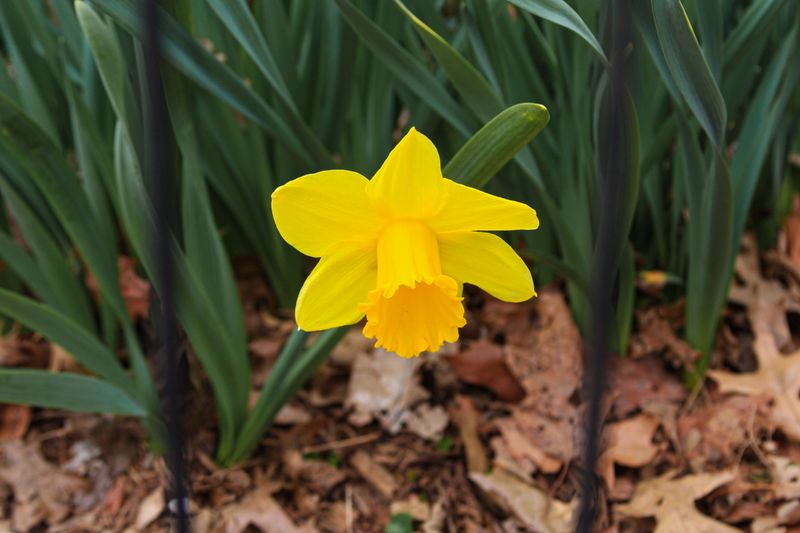
Blooms show up in yellow or white, often with a trumpet-shaped center called a corona. Deer and rodents skip them because of natural compounds inside the bulb.
Plant in fall, before the ground freezes. Timing varies across the state, so plant while the soil is still workable.
Set each bulb about six inches deep with the pointy end aimed upward. The flat, rooty end goes down into the loosened soil.
Full sun to partial shade gives you sturdy stems and richer color. Drainage matters most, so break up heavy clay with compost before planting.
Spots beneath deciduous trees work beautifully here. Daffodils finish flowering before the canopy fills in, so they grab plenty of early sunshine.
Water thoroughly after planting to settle soil around each bulb. That first drink helps roots start growing during the cool weeks ahead.
Let the leaves yellow naturally after blooming instead of trimming them early. Those green leaves feed next year’s flowers.
Plant in clusters of seven or more for a fuller look. Straight rows tend to look stiff and oddly formal.
Fun fact: daffodil clumps can flower for decades with little help. Some old farmsteads upstate still bloom where houses once stood.
2. Tulips Turn Spring Beds Into Colorful Displays
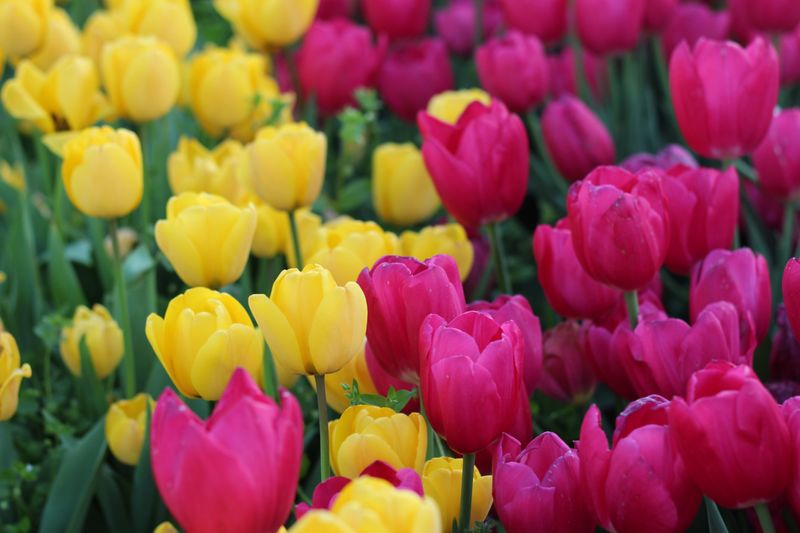
Few flowers announce warmer days quite like a bed of tulips. After a long winter, that burst of red or pink feels earned.
Color choices run wild, from creamy white to nearly black purple. Shapes vary too, including fringed, doubled, and classic goblet forms.
Timing decides everything with tulips. Mid-September through late November is the planting window across varied climate zones.
Plant tulips in fall while the soil is still workable. Cool fall conditions give the bulbs time to develop roots before winter.
Dig deeper than you think, roughly eight inches, or three times the bulb’s height. Deeper planting also helps hide bulbs from curious squirrels.
Space them four to six inches apart so each has room for nutrients. Crowding leads to smaller flowers the following year.
Your New York Garden Changes Every Week. Your Plan Should Too.
Gardening in New York changes quickly throughout the season. Every Friday you’ll receive a simple weekly plan showing exactly what to plant, prune, fertilize, harvest, and protect so you never miss the right timing.
Soggy ground is the main problem to avoid. Raised beds or compost-amended soil can improve drainage in some clay-heavy areas.
Many gardeners treat tulips as short-term performers. Blooms often shrink after the second or third season, so refreshing bulbs keeps displays strong.
Try laying chicken wire over planted areas before mulching. Stems push through easily while digging critters get discouraged.
Mix early, mid, and late-season varieties for weeks of color instead of one quick show. Labels usually list bloom timing clearly.
Here is a bit of history: tulip bulbs once traded like currency in 1600s Holland. Prices for rare bulbs reached wild heights before the market crashed.
3. Crocuses Wake Up At Winter’s End
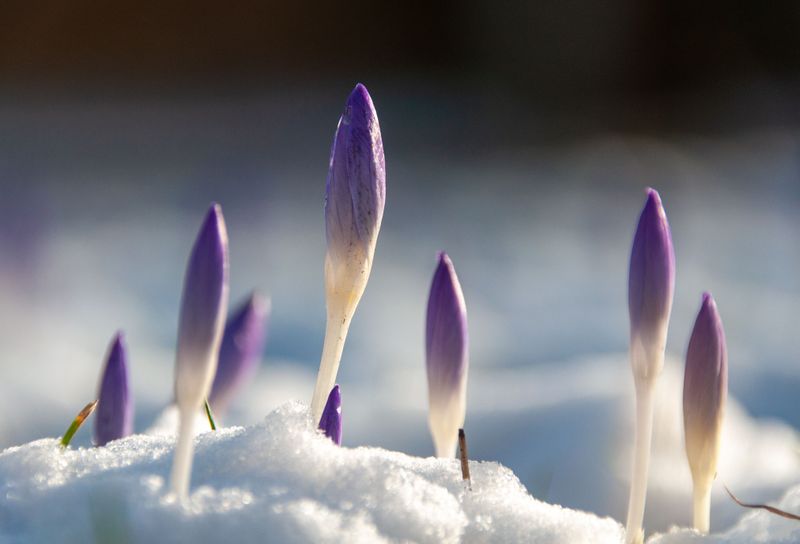
Purple petals poking through leftover snow always catch people off guard. Crocuses are usually the very first flowers to show in New York.
Colors include purple, yellow, lavender, cream, and white. Blooms open wide on sunny afternoons and close again when clouds roll in.
Fall is a good time to plant crocus corms, with timing depending on location. Getting them in before the ground freezes is the main goal.
Cold weather is a requirement, not a problem. Crocus corms need a period of winter cold to flower properly.
Plant about three inches deep and three inches apart. Shallow planting keeps them from struggling to reach the surface.
Well-drained soil and full to half-day sun produce the strongest showings. Rock gardens, border edges, and lawn areas all work nicely.
Naturalizing is where crocuses shine. Small patches multiply each season, and after a few years you may have hundreds of blooms.
Planting in lawns takes a little patience with mowing. Delay mowing until the crocus foliage has had time to recharge the bulbs.
Pollinators benefit too. Early bees rely on crocus nectar when almost nothing else is flowering yet.
Most varieties resist hungry critters better than tulips, though squirrels sometimes sample them. Scattering a thin mulch layer helps mask fresh digging smells.
Toss handfuls across an area and plant where they land for a natural look. Random placement beats neat rows every time with these little guys.
4. Hyacinths Fill Spring Gardens With Fragrance
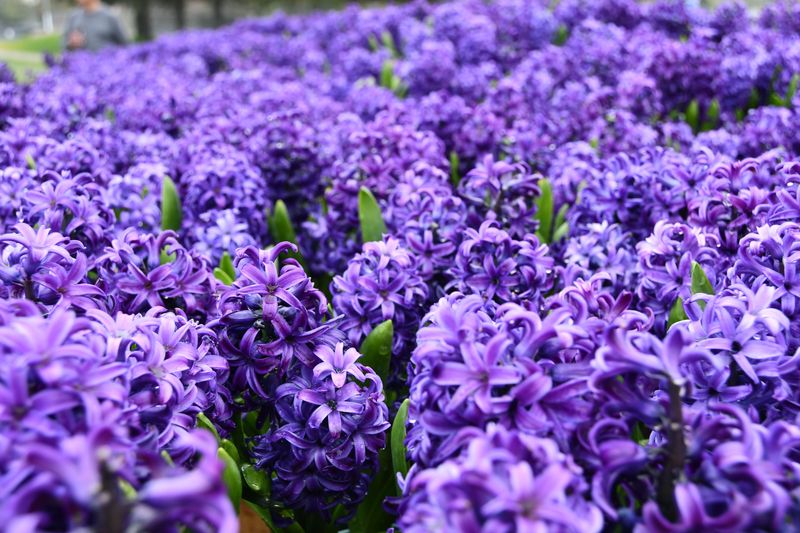
You smell hyacinths before you see them. One breeze carries that sweet perfume clear across a yard.
Each thick stalk holds dozens of tiny florets packed together. Shades range from snow white to deep blue, pink, purple, and soft yellow.
Fall planting works best while the soil is still workable. For northern New York, September or October can fit well.
Choose full sun to partial shade with well-drained, compost-enriched soil. Heavy wet ground shortens their lifespan considerably.
Plant bulbs according to the recommended depth, often about two to three times the bulb’s height, and space them according to the variety.
Wear gloves while handling them. Hyacinth bulbs contain irritating calcium oxalate crystals that can cause skin irritation.
Grouping intensifies both aroma and visual punch. A cluster of nine near a doorway beats scattered singles every time.
Deer tend to pass these by, which is welcome news for gardeners in areas where browsing is heavy. Containers and window boxes suit them nicely too.
After flowers fade, leave the foliage alone until it yellows naturally. Those leaves recharge the bulb for the following season.
Blooms often get smaller and looser in later years. Many gardeners enjoy that relaxed, cottage-style look more than the stiff first-year spikes.
Indoor forcing is another option worth trying. Chill bulbs for the period recommended for that particular type, then pot them for winter blooms.
5. Grape Hyacinths Create Dense Blue Flower Clusters
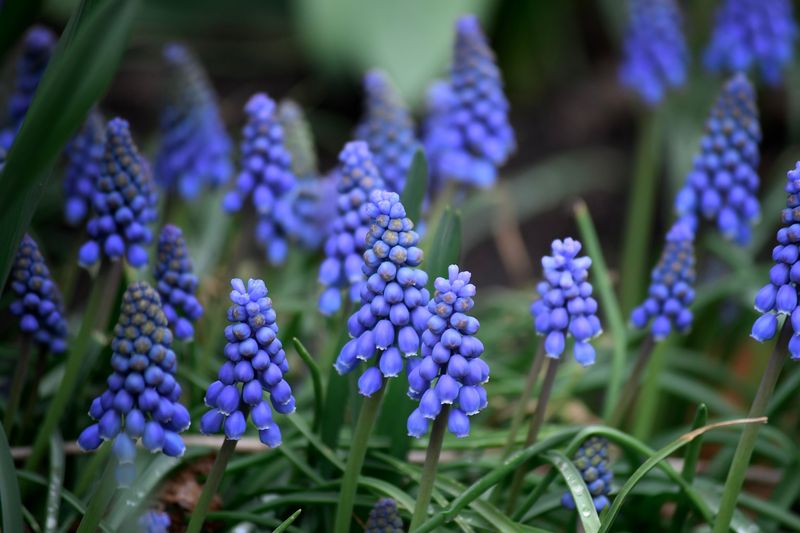
Tiny, tightly packed, and shaped like upside-down grape bunches, Muscari earned its nickname honestly. Most stand only six inches tall.
Deep cobalt blue is the classic color, though white and pale varieties exist. Massed together, they read like spilled paint across a bed.
Fall is planting time, same as other spring bulbs. Set them so the tops sit two to three inches below the surface.
Space roughly two to three inches apart for that carpet effect. Skimpy spacing defeats the whole purpose with such small flowers.
Naturalizing happens fast with grape hyacinths. Give them a few seasons and you will find drifts spreading into unexpected corners.
They partner wonderfully with taller bloomers. Blue Muscari beneath pink or yellow tulips creates the kind of contrast garden magazines love.
Here is an odd but useful quirk: leaves often appear in autumn and stick around through winter. Those grassy sprouts mark exactly where your bulbs are planted.
Gaps along walkways, edges of borders, and spaces between shrubs all suit them. Many gardeners use them as living edging.
Sun or light shade both work fine. Well-drained soil remains the only firm requirement.
Bees visit them eagerly in April. The nectar arrives right when colonies are ramping up for the season.
Buy more than you think you need. Fifty bulbs sounds like plenty until you see how small each one really is.
6. Snowdrops Bloom While Winter Still Lingers
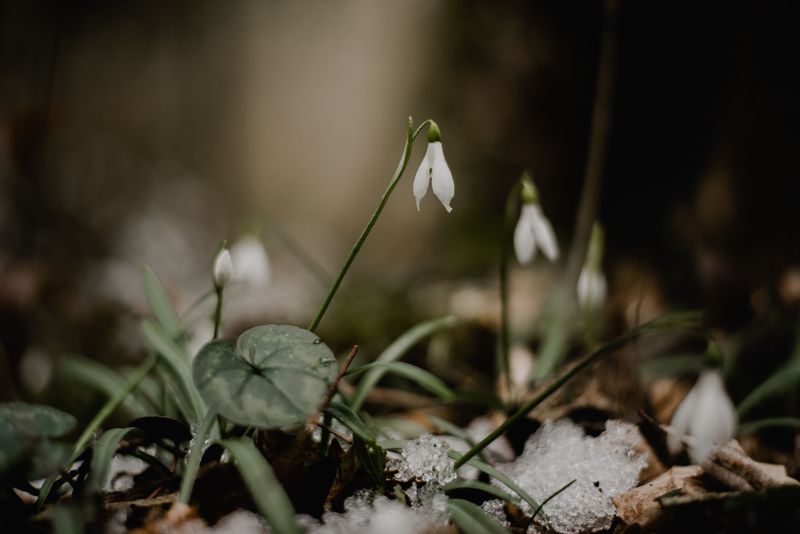
Picture February in New York, gray and quiet, and then a white nodding bell appears near the fence. Snowdrops have a talent for dramatic entrances.
Each flower hangs like a small lantern with three outer petals. Inner petals are notched and often marked with a green smudge.
Plant in fall as the soil begins cooling down. Getting roots established before the ground freezes gives the bulbs a good start.
Light to moderate shade suits them well. Full sun on a south-facing slope can push blooms even earlier.
Moist, humus-rich, well-drained soil keeps them content. Adding leaf mold or compost mimics the woodland conditions they prefer.
Tuck bulbs two to three inches deep and about three inches apart. Small bulbs dry out quickly, so plant them soon after purchase.
Deer and rabbits leave them undisturbed, which makes them dependable in rural and suburban properties alike.
Naturalizing is their specialty. Over years, a modest planting expands into a rolling white carpet beneath shrubs and trees.
Experienced gardeners often move snowdrops while still green, a method called planting in the green. Clumps transplanted right after flowering settle in faster.
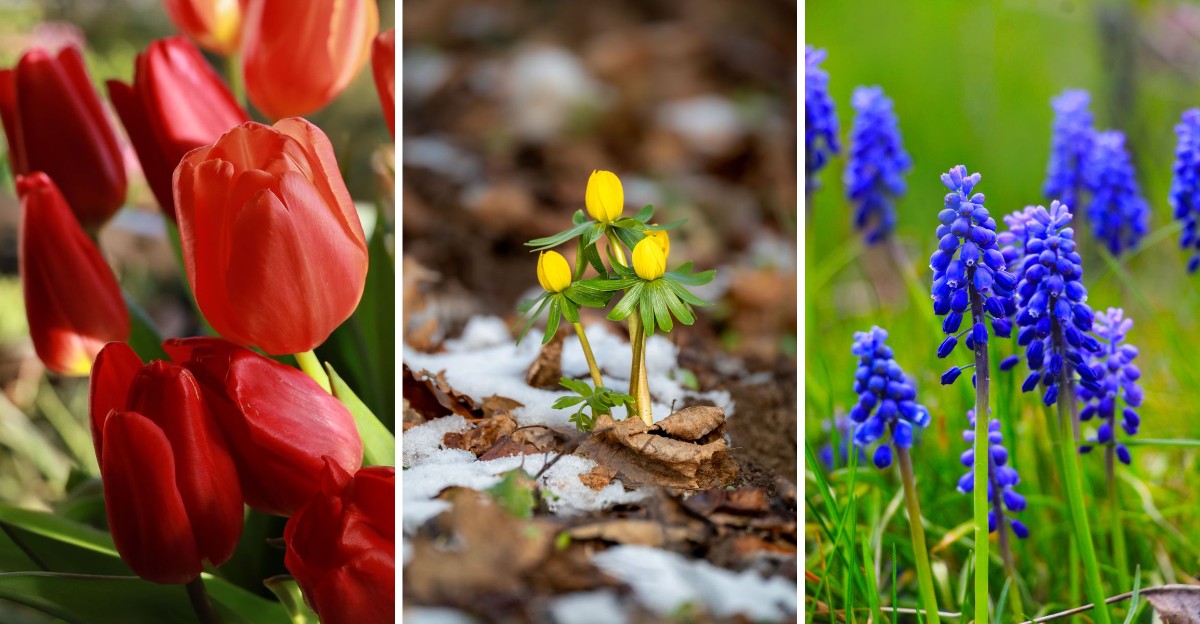
Pair them with winter aconite for a striking white and gold combination. The two bloom at nearly the same moment.
Collectors called galanthophiles chase rare snowdrop varieties, sometimes paying hundreds for a single bulb. Standard types cost pocket change and look just as charming.
7. Winter Aconite Adds An Early Yellow Splash
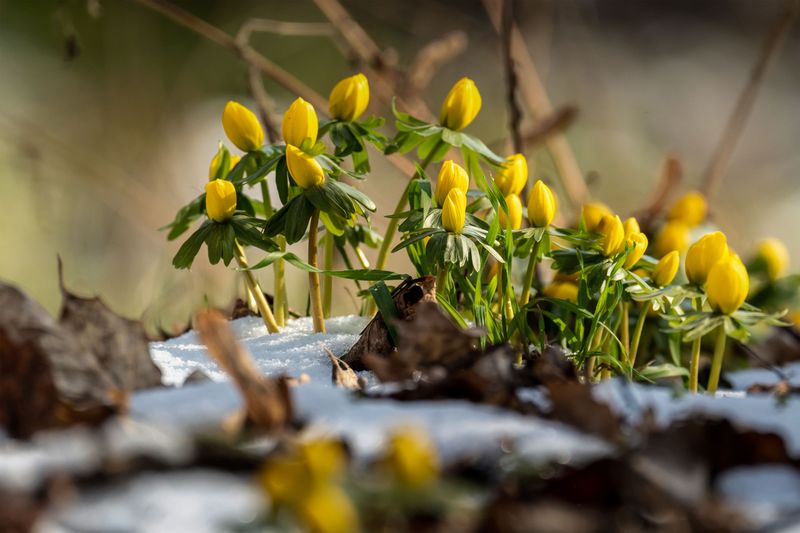
Bright as scattered gold coins, winter aconite often flowers in February while everything else sleeps. Frozen ground rarely stops them.
Each bloom looks like a glossy buttercup sitting on a green ruff of leaves. Height stays low, usually three to four inches.
Plant tubers in autumn, ideally September or October, before the soil hardens. Late planting reduces your success rate noticeably.
Soak dried tubers in lukewarm water for 12 to 24 hours first. Shriveled tubers plump up and establish far more reliably afterward.
Set them two to three inches deep and three to four inches apart. Humus-rich, well-drained soil suits them best.
Full sun or dappled shade during late winter can work well. Summer shade from deciduous trees can suit the tubers.
Given time, they naturalize into golden carpets. Woodland gardens show off impressive spreads that started with a single handful.
Combining them with snowdrops and early crocuses produces one of the prettiest sights of the season. Yellow, white, and purple together stop people mid-walk.
One caution: all parts of the plant are toxic if eaten. Keep that in mind around curious pets and small children.
The same trait explains why animals ignore them. Deer and voles pass right by without sampling.
Foliage disappears entirely by late spring. Mark planting spots so you avoid digging into them during summer projects.
8. Alliums Send Tall Purple Blooms Into Late Spring
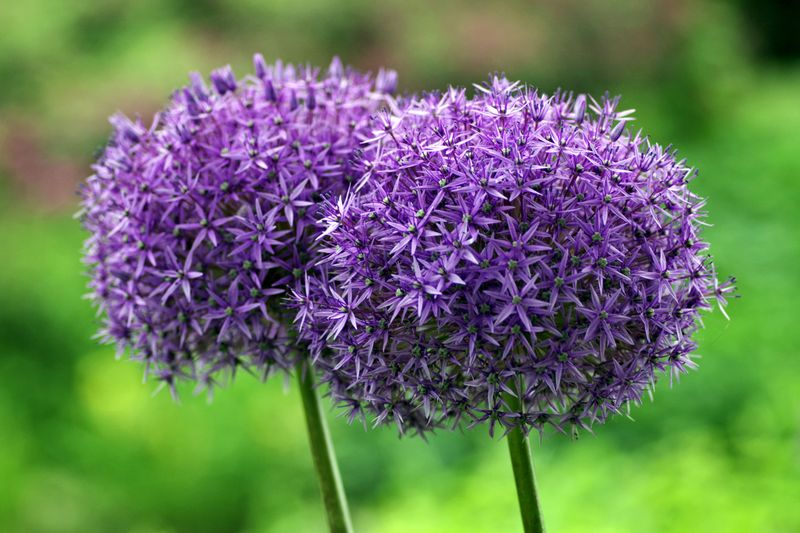
Giant purple spheres floating above a border look almost architectural. Alliums, also called ornamental onions, bring drama when other bulbs have finished.
Each globe holds hundreds of tiny star-shaped florets. Rosy-purple tones dominate, though white and lavender types are widely sold.
Sturdy stems hold blooms high, sometimes three feet or more. Wind makes them sway without snapping.
Fall planting produces flowers the following spring. Depth follows the usual rule of two to three times the bulb height.
Bloom time runs from late spring into early summer. That timing stretches your bulb season well past the last tulip in gardens.
Pollinators treat them like a buffet. Bees and butterflies crowd the globes on warm mornings.
Full sun keeps stems strong and flowers well formed. Shade tends to produce leaning, disappointing results.
Leaves often yellow while flowers are still opening. Planting alliums behind leafy perennials hides the fading foliage neatly.
Cut flowers hold up nicely in vases. The variety called Allium New York is prized for arrangements and dries into decorative seed heads.
Leaving spent heads in the garden extends interest into summer. Frost sometimes coats them beautifully in early winter.
Despite the onion family connection, most ornamental types have only a faint scent when crushed. Bulbs persist for many years with little maintenance.
Plant them in odd-numbered groups of three or five. Scattered singles lose the sculptural effect that makes alliums special.
9. Scilla Creates A Blue Carpet Beneath Trees
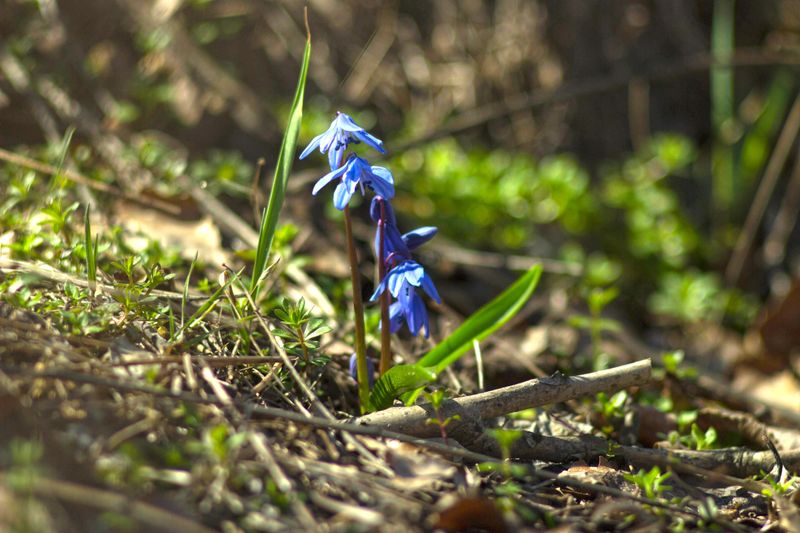
Walk past an old New York neighborhood in April and you might spot a lawn washed in blue. Chances are good that Scilla did it.
Often called squill, these dainty flowers open into starry, nodding bells. Scilla siberica is the most common type and pushes up through lingering snow.
Fall planting works best, after the first frost but before the ground freezes. A few weeks of cool soil gets roots going.
Full sun or partial shade both produce good results. Beneath trees and shrubs is where they truly belong.
Plant bulbs about three inches deep and two to three inches apart. Small bulbs mean you can cover a wide area quickly.
Multiplication happens steadily over the years. What starts as a modest patch becomes a sheet of blue given enough seasons.
Deer and other critters avoid them, so there is little worry about losing your investment overnight.
Foliage fades shortly after flowering, disappearing before the first lawn mowing of the year. That trait makes them ideal for grassy areas.
Cold winters are generally not a problem for Scilla. They are well suited to cold conditions, including much of upstate New York.
Pair them with white daffodils for a crisp contrast. Blue and white together brighten shady corners that feel dull in early spring.
Word of caution for tidy gardeners: Scilla spreads by seed as well as bulbs. Plant them where enthusiastic spreading is welcome.