The Tall Garden Plants New York Gardeners Should Stake Now, Before July Storms Roll In
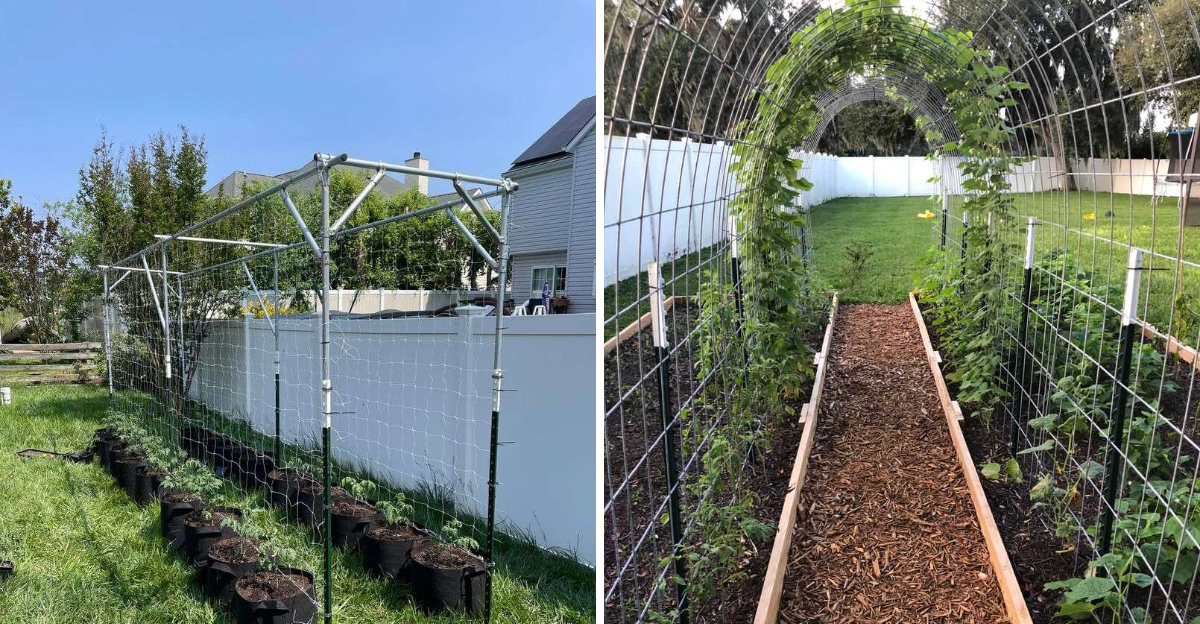
Nobody warns you how fast a July storm can undo a whole season of work. One afternoon your tomatoes are heavy and proud, your delphiniums standing tall against the fence. By evening, a single gust has snapped them flat against the mud.
Tall plants take the hit first because they catch wind like sails, and gardens across New York’s backyards and rooftops know this every summer.
The stems that looked sturdy in June buckle the moment real weather rolls through. Staking isn’t a chore you do after the damage. It’s insurance you buy before the sky turns green and the wind picks up.
A few stakes and some ties, placed early, can mean the difference between a garden that bends and one that breaks. This is the season to get ahead of it, not the morning after a storm forces your hand.
1. Delphinium
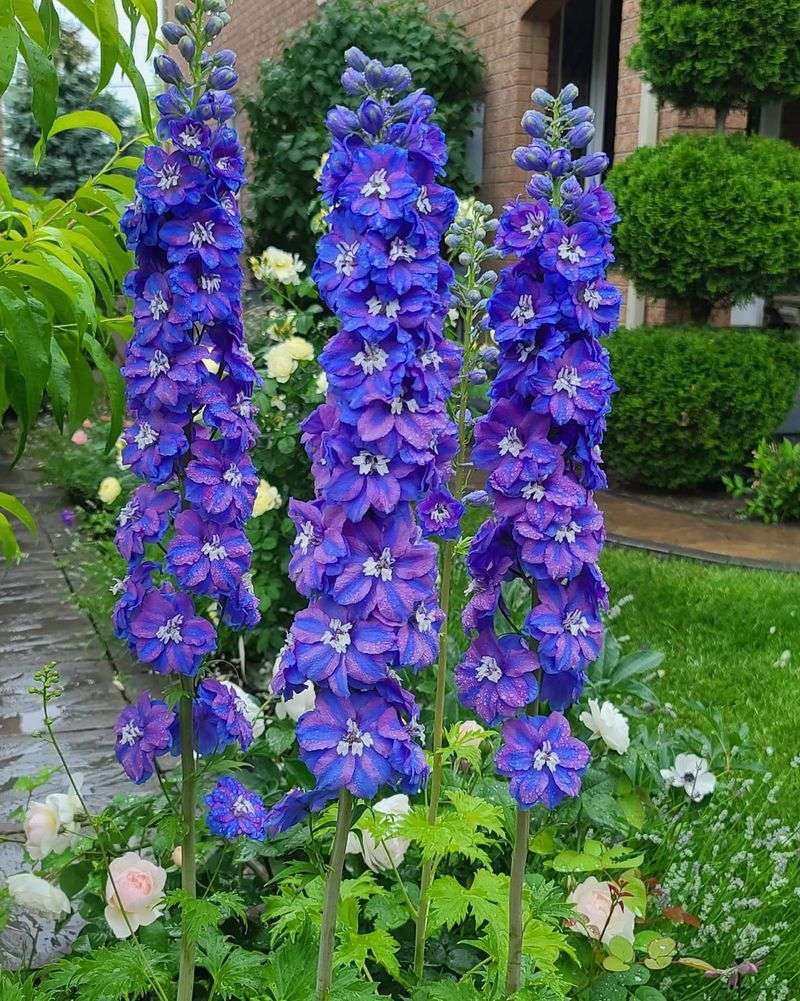
Few flowers stop people in their tracks like a towering delphinium spike. These dramatic bloomers can shoot up four to six feet, making them absolute showstoppers in any garden bed.
The problem is that height comes with a serious trade-off. Delphiniums have hollow stems that can snap clean in high winds with very little warning.
Staking them early is not optional if you’re gardening anywhere in New York, from Long Island backyards to rooftop plots in the city.
Use a sturdy bamboo cane placed about two inches from the main stem. Tie the plant loosely with soft garden twine, leaving a little slack so the stem can flex naturally.
Check your ties every week because stems grow fast and tight ties can cut into the plant. Many experienced gardeners use figure-eight knots to keep the stem from rubbing against the stake.
Plan to stake each individual flower spike as it emerges, not just the base of the plant. A single delphinium can throw up four or five separate spikes in one season.
These plants also benefit from removing spent blooms, which encourages a second flush of blooms in late summer. Keeping them upright through storm season means you get that gorgeous second show.
Delphiniums are one of those tall garden plants that reward every bit of extra effort you put in. Stake them right, and they will earn their spot in your yard many times over.
2. Corn (Sweet Corn)
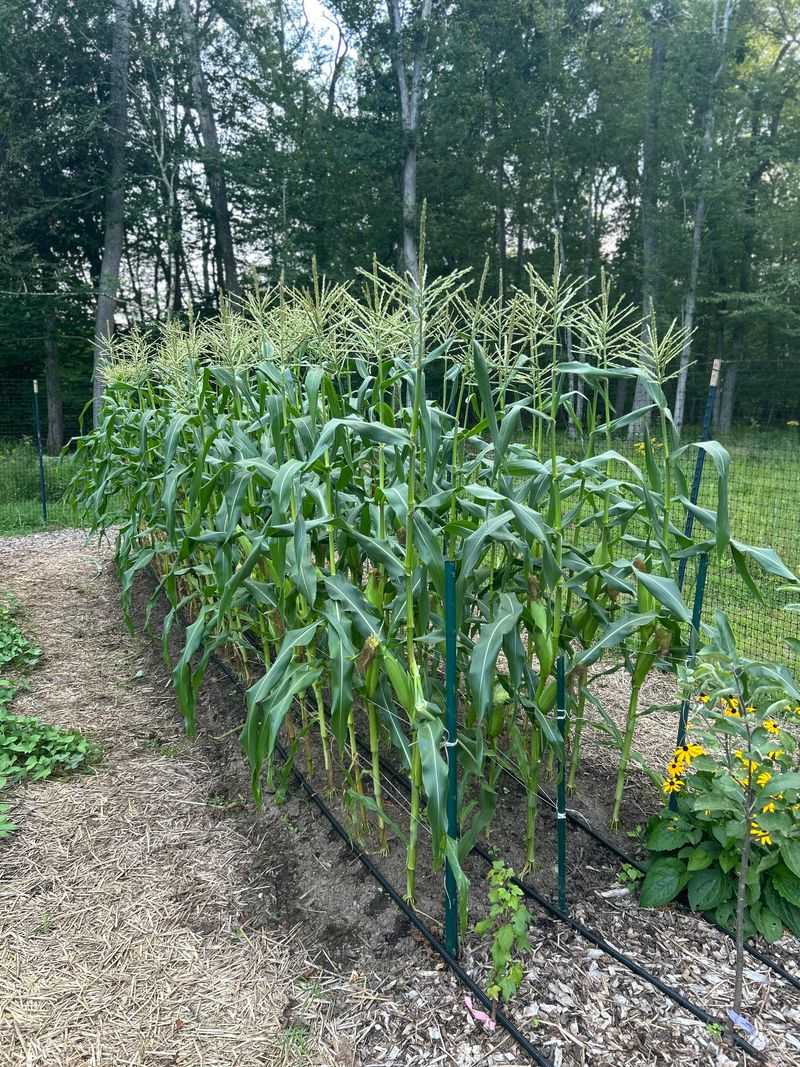
Sweet corn looks sturdy from a distance, but that impression doesn’t hold up once storm season arrives. Stalks can reach eight to ten feet, balanced on a surprisingly shallow root system.
Most of a corn plant’s roots stay within the top foot of soil. When heavy rain saturates the ground and wind pushes against tall stalks, the whole plant can tip over at the base, a problem growers call lodging.
Corn is almost always grown in blocks rather than single rows, which actually helps with wind resistance. Planting in a grid lets neighboring stalks lean on each other rather than standing alone against a gust.
For extra insurance, hilling soil up around the base of each stalk when plants are about knee-high gives the roots more to hold onto. That added soil encourages brace roots to develop closer to the surface, anchoring the plant more firmly.
Your New York Garden Changes Every Week. Your Plan Should Too.
Gardening in New York changes quickly throughout the season. Every Friday you’ll receive a simple weekly plan showing exactly what to plant, prune, fertilize, harvest, and protect so you never miss the right timing.
In smaller garden plots or raised beds, common across New York’s community gardens, a simple perimeter of stakes and twine around the whole block works well.
Brace roots, the thick roots that emerge above the soil line partway up the stalk, are the plant’s natural defense against tipping. Keeping soil mounded around them helps those roots do their job effectively.
Once ears begin to fill out, the added weight makes lodging even more likely during a storm. A block that survives June winds can still go down in a heavy July downpour if the roots haven’t been reinforced.
Losing a stand of corn to lodging late in the season means losing the harvest along with it. A little extra soil and a simple perimeter now protects weeks of growth still to come.
3. Dahlias
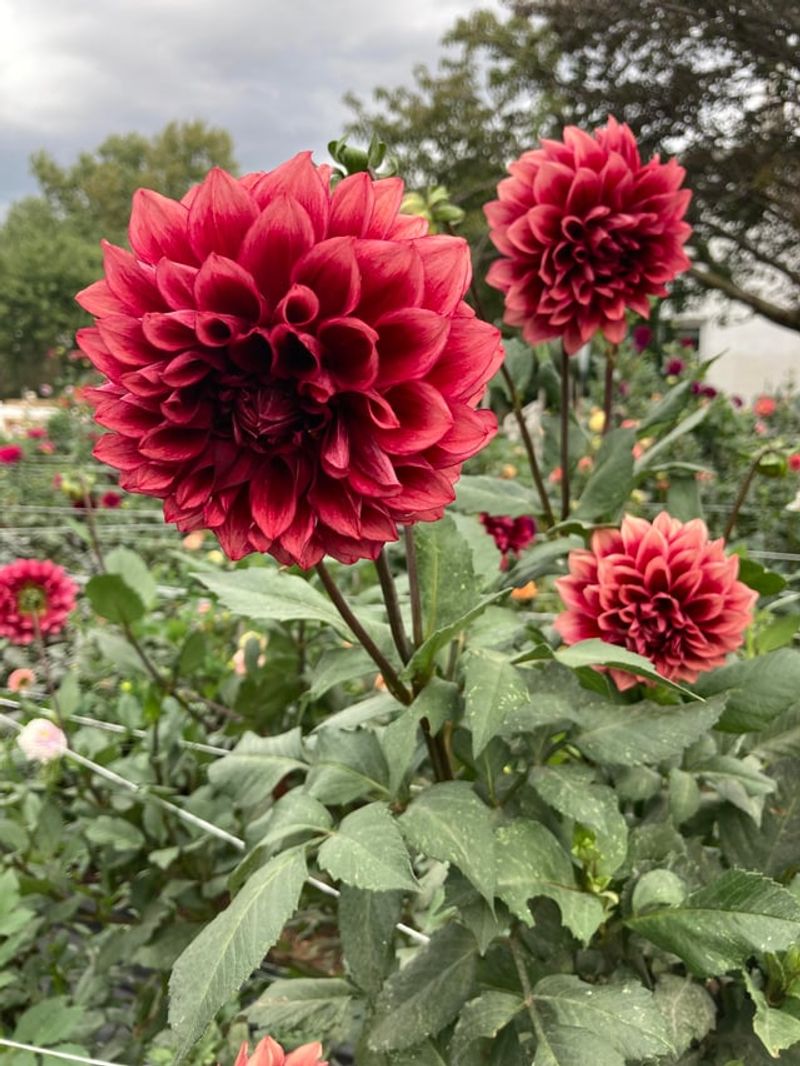
Dahlias are the drama queens of the summer garden, and honestly, they have earned that title. Dinner plate varieties can grow five feet tall with blooms the size of a dinner plate, exactly as advertised.
Those big, heavy flowers sit on top of surprisingly hollow stems. When a storm rolls through, that combination turns into a recipe for broken plants and crushed blooms.
Start staking when your dahlia reaches about one foot tall. Waiting until it looks like it needs help means you are already behind the game.
Metal tomato cages work surprisingly well for bushy dahlia varieties. For taller single-stem types, a six-foot wooden stake driven eight inches into the soil gives the best support.
Tie the main stem every twelve inches as the plant climbs. Use strips of old pantyhose or soft plant ties that won’t cut into the tender flesh of the stalk.
Dahlias are also heavy feeders, so they grow fast and can outpace a support system quickly. Check your setup every five to seven days throughout July and August.
Fun fact: Dahlias were originally grown as a food crop in Mexico, where the tubers were eaten like potatoes. Now they are prized purely for their jaw-dropping beauty in gardens across the world.
Putting in a solid staking system now means your dahlias will stand tall through every storm this season. A few minutes of prep work protects months of patient growing.
4. Hollyhock
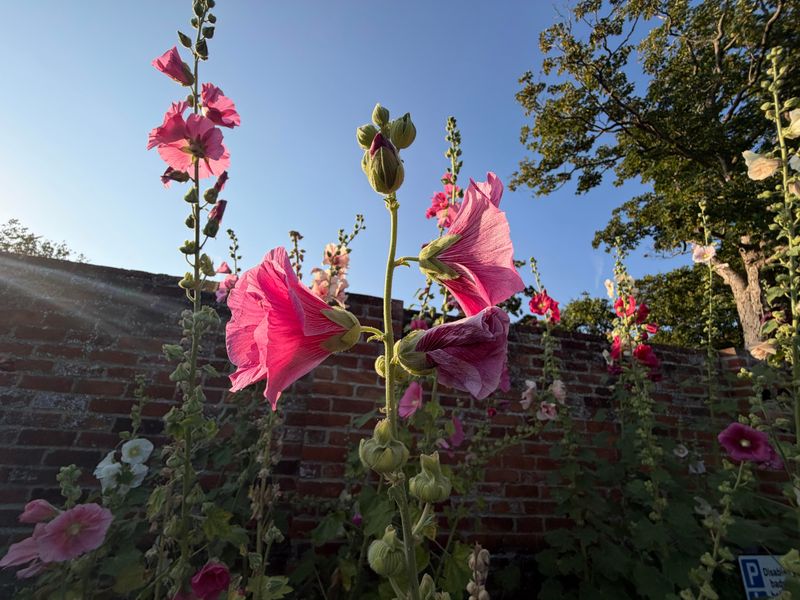
Hollyhocks feel like something out of a grandmother’s garden, and that nostalgic charm is exactly why so many people still grow them. These old-fashioned beauties can reach eight feet tall in a single season.
At that height, even a moderate summer breeze can send them swaying noticeably. A full-on July thunderstorm can snap the main stalk right at the base.
The good news is that hollyhocks are naturally inclined to grow near fences and walls. Using that existing structure as part of your support system makes staking much easier.
Tie stems loosely to a fence post or wooden trellis with soft twine. If your hollyhocks are growing in an open bed, a six-foot bamboo stake works perfectly well.
One thing many gardeners overlook is staking the lateral branches, not just the main stem. Those side shoots carry heavy flower clusters that can bend and break under their own weight.
Hollyhocks are biennials, meaning they spend their first year building roots and their second year blooming spectacularly. Protecting that second-year investment from storm damage is well worth the effort.
Rust fungus is a common issue with hollyhocks, so good air circulation matters. Staking them upright actually helps airflow and can reduce fungal problems through the humid summer months.
These towering blooms are a signature look of cottage-style gardens across New York. Keep them standing strong, and they will reward you with color from June all the way through August.
5. Tomatoes (Indeterminate)
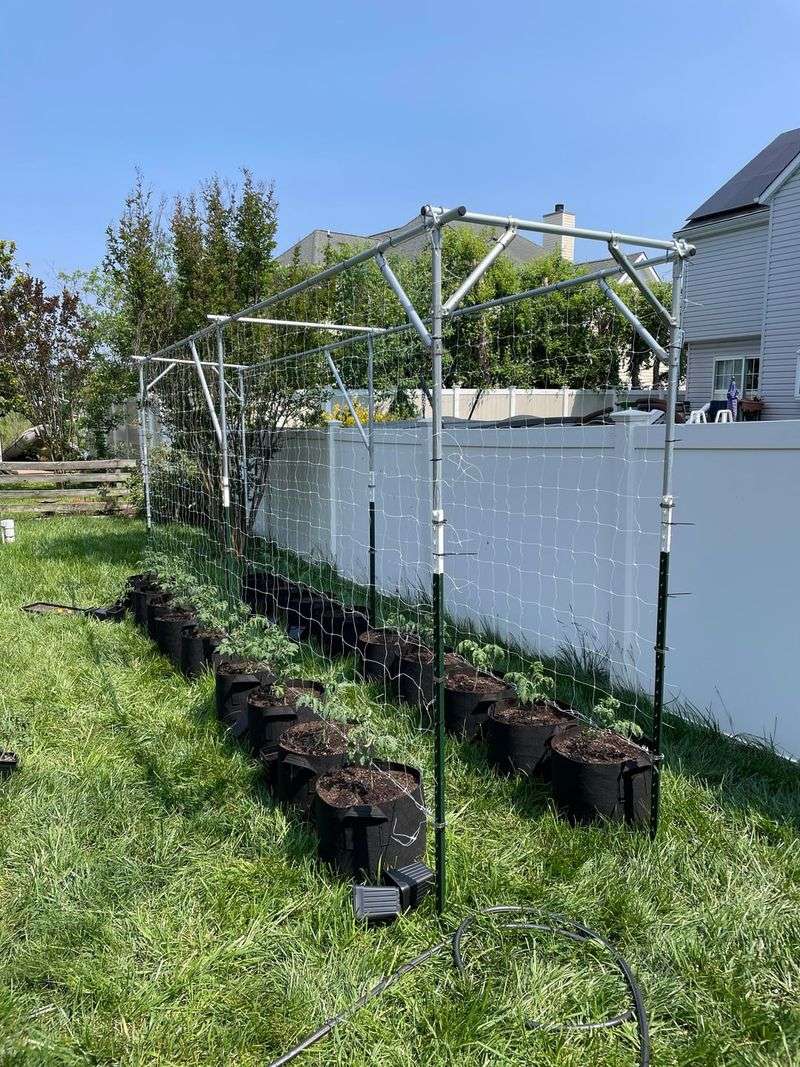
Indeterminate tomatoes never stop growing, and that is both their best quality and their biggest challenge. Left unsupported, a plant like a Brandywine or a Sun Gold can sprawl six feet across your garden bed.
Most gardeners start with a wire cage and think the job is done. But by mid-July, that cage is often overwhelmed, and a storm can topple the whole structure with the plant inside.
The most reliable setup is a combination approach. Use a sturdy wooden stake or metal T-post alongside the cage, then tie the main stem to that stake every twelve inches.
Soft silicone plant ties are ideal for tomatoes because they stretch as the stem expands. Avoid wire or hard twist ties that can cut into the skin of a fast-growing stem.
Suckers are the side shoots that grow in the crotch between the main stem and a branch. Pinching them on indeterminate varieties keeps the plant focused and easier to stake effectively.
Check your tomato support system after every rain event, not just before storms. Heavy fruit clusters shift the plant’s center of gravity and can loosen ties you thought were secure.
Indeterminate tomatoes are among the tall garden plants most likely to suffer wind damage in July. A fallen tomato plant usually means cracked stems and fruit that’s difficult to salvage.
Invest fifteen minutes now in reinforcing every support you have. Your August harvest will taste even better knowing you protected it when it counted most.
6. Pole Beans
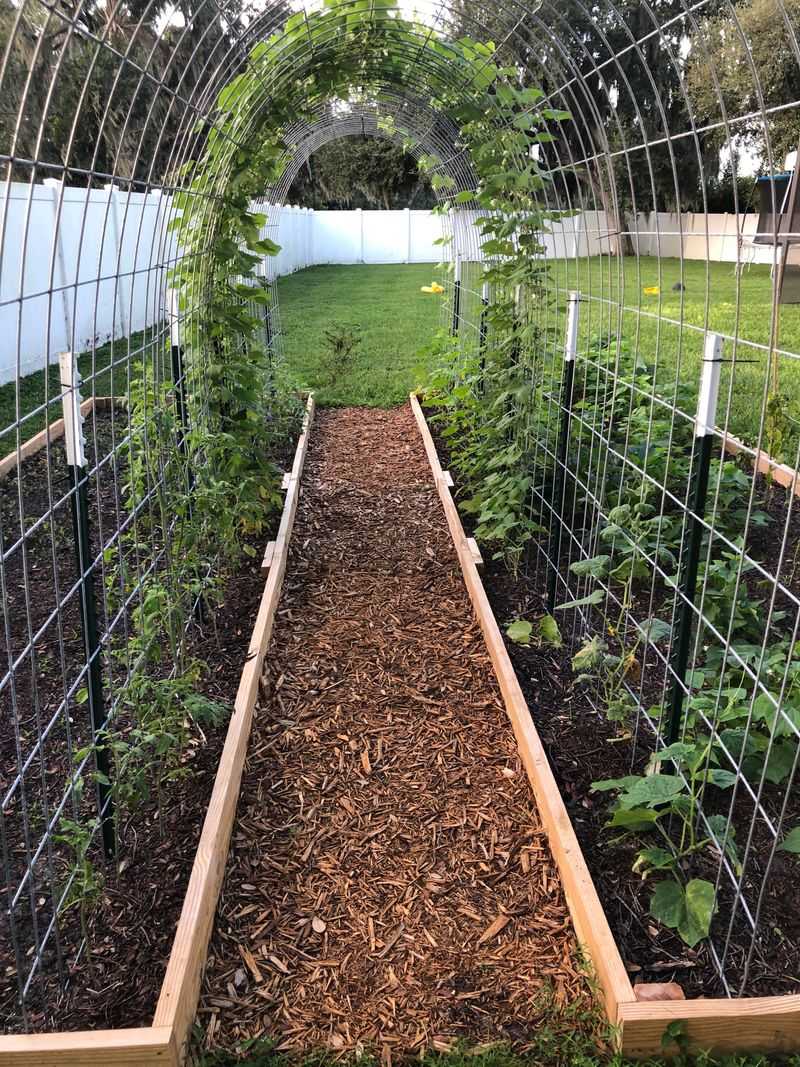
Pole beans are the overachievers of the vegetable garden. Given the right support, they will climb eight feet high and produce beans all summer long without much fuss.
The catch is that their support structure needs to be storm-ready before July arrives. A flimsy bamboo teepee that works fine in June can collapse completely under a strong gust.
The best structures for pole beans are those driven at least ten to twelve inches into the soil. Shallow stakes pull out easily when wet ground loosens around the base during heavy rain.
Cross-brace your teepee poles at the top by lashing them together tightly with twine. That triangular tension at the apex is what keeps the whole structure from folding sideways in a storm.
If you are using a trellis, check that the anchor posts are secure and not leaning. Even a slight lean will become a full collapse when a strong wind hits the broad surface of loaded vines.
Pole beans grow surprisingly fast, often adding several inches within a single week during warm weather. A support that seemed adequate last week might already be under serious stress this week.
The beans themselves add a lot of weight to the upper part of the structure. Harvest regularly to keep the load manageable and reduce the surface area that wind can grab onto.
Solid support means a longer, more productive season from your pole bean plants. A little structural reinforcement now keeps your harvest coming all the way through September.
7. Sunflowers
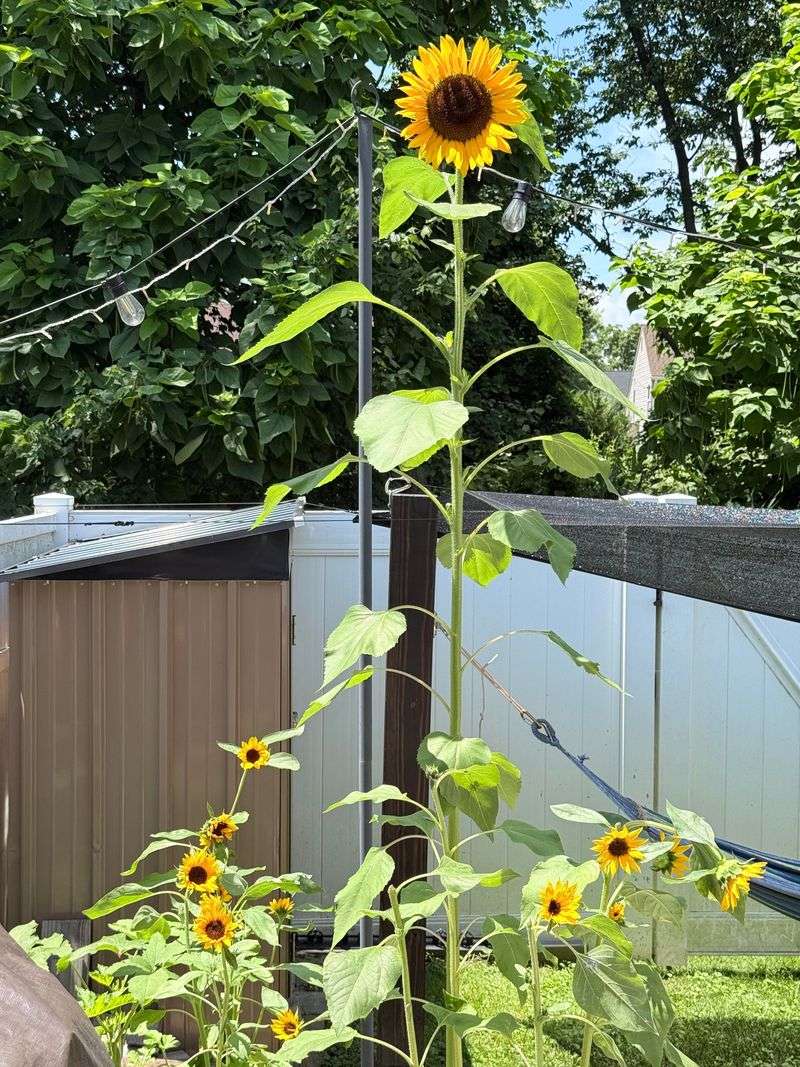
Few plants make a bolder statement than a sunflower in full bloom. Tall varieties can reach ten feet or more, with a single flower head heavy enough to test any stem.
That height comes with a real structural weakness. The stalk is fibrous rather than woody, and a loaded flower head acts like a lever in strong wind.
Staking is most effective when done early, right after the seedling is a foot or two tall. Waiting until the plant towers overhead makes driving a stake without damaging roots much harder.
A sturdy wooden or metal stake driven at least a foot into the soil gives the best anchor. Place it a few inches from the stem, never directly through the root ball.
Tie the stem loosely at two or three points as the plant grows taller. Soft fabric ties or garden twine work well, since anything rigid can cut into the thickening stalk.
Branching varieties with multiple smaller heads are generally sturdier than single-stem giants. If you are growing for size, plan on staking no matter the variety.
Sunflowers also benefit from a bit of extra soil mounded at the base. That added support at ground level helps the whole plant resist tipping in gusty conditions.
Birds love the seed heads later in the season, so leaving spent stalks standing through fall feeds New York’s local wildlife well into winter. A little support now keeps that late-season bonus intact.
8. Cosmos
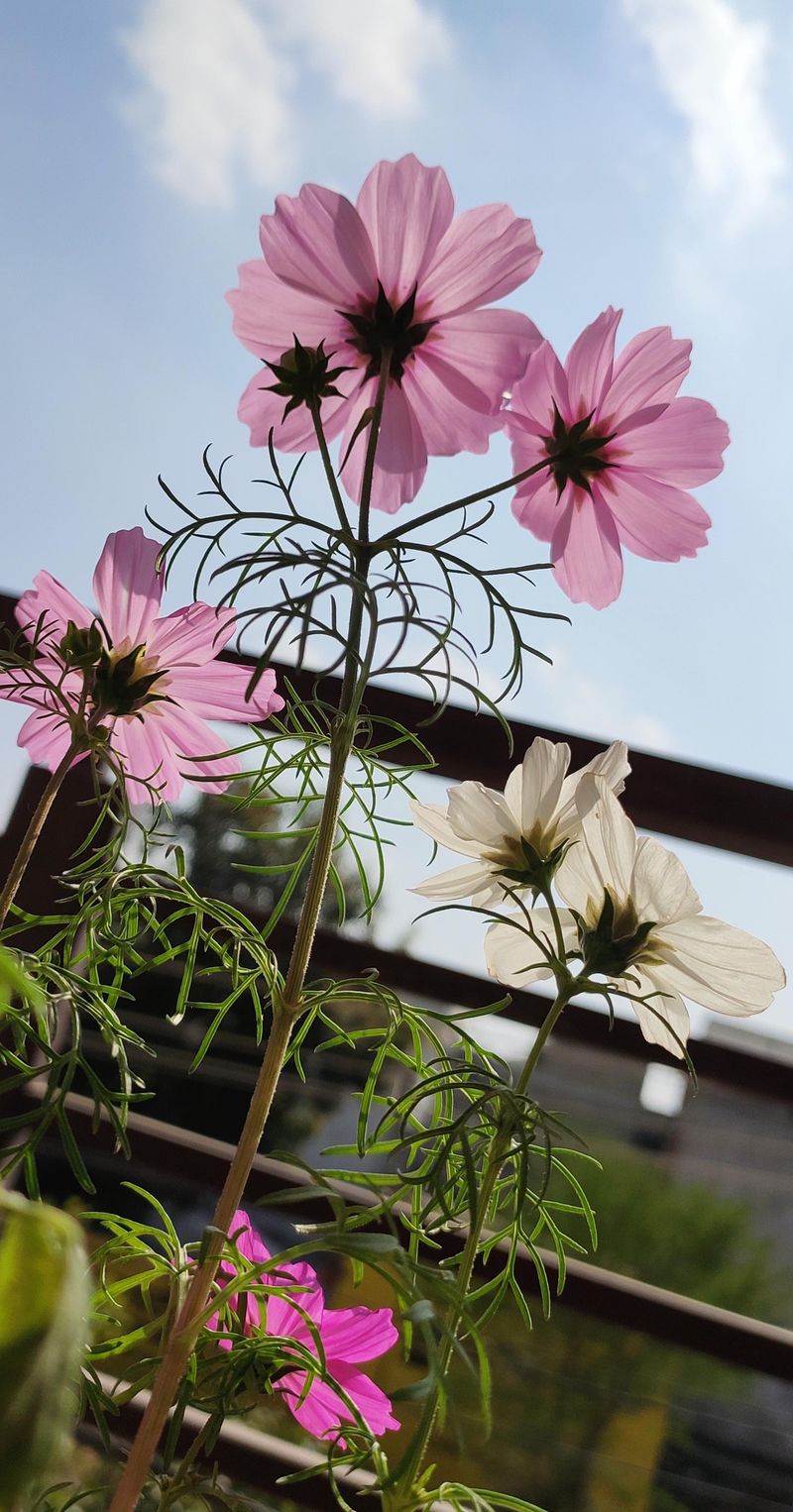
Cosmos looks delicate, and that appearance is not deceiving. Thin, wiry stems can push three to five feet tall while staying almost as slender as a pencil.
That combination of height and thinness makes cosmos one of the first plants to flop after a hard rain. A single storm can leave an entire patch leaning sideways within hours.
Staking works best with a light touch here. A few thin bamboo stakes or a simple grid of twine strung between short posts keeps the whole planting upright without weighing it down.
Corralling, rather than tying each stem individually, tends to work better for cosmos. Circle the planting with stakes and string, letting the mass of stems lean against the support as a group.
Start this kind of staking while plants are still young and flexible. Trying to corral a fully grown, floppy patch after the fact rarely looks tidy or holds up well.
Cosmos reseeds readily, so a patch left standing through late summer often produces volunteer seedlings the following spring. Keeping the plants upright through storm season protects that self-seeding habit.
Removing spent flowers regularly also keeps the plant producing new blooms rather than putting energy into seed. Combined with early support, that upkeep stretches the bloom season well into fall.