How To Force A Snake Plant To Produce Pups
Your plant has held the same shape for weeks, calm on top while something more deliberate builds underneath the surface. Nothing about that stillness means it has stopped working, it only means the work has gone quiet.
Beneath the soil, roots are pressing against the edges of their space, testing exactly how much room they actually have. Every bit of pressure they feel changes what happens next, either pushing new growth forward or holding it in place.
Light sets the pace for everything happening below, warmth keeps that pace from stalling, and a tight enough pot pushes the whole process forward. Patience decides if you notice the change in weeks or months, and small adjustments now decide how fast it arrives.
Right now, somewhere beneath that soil, a shift is already forming that you have not seen yet. That shift becomes yours the instant you see exactly what sets it in motion.
1. Keep The Roots Snug And Crowded
Picture a family of five squeezed into a tiny car on a road trip. Snake plants secretly love that cramped feeling, and it nudges them to start sending out new baby shoots.
When roots fill every inch of a pot, the plant senses it is time to spread. It sends out underground stems called rhizomes, which pop up as fresh pups nearby.
Many beginners make the mistake of moving their plant into a huge, fancy pot right away. All that extra room tells the plant to grow roots instead of new leaves.
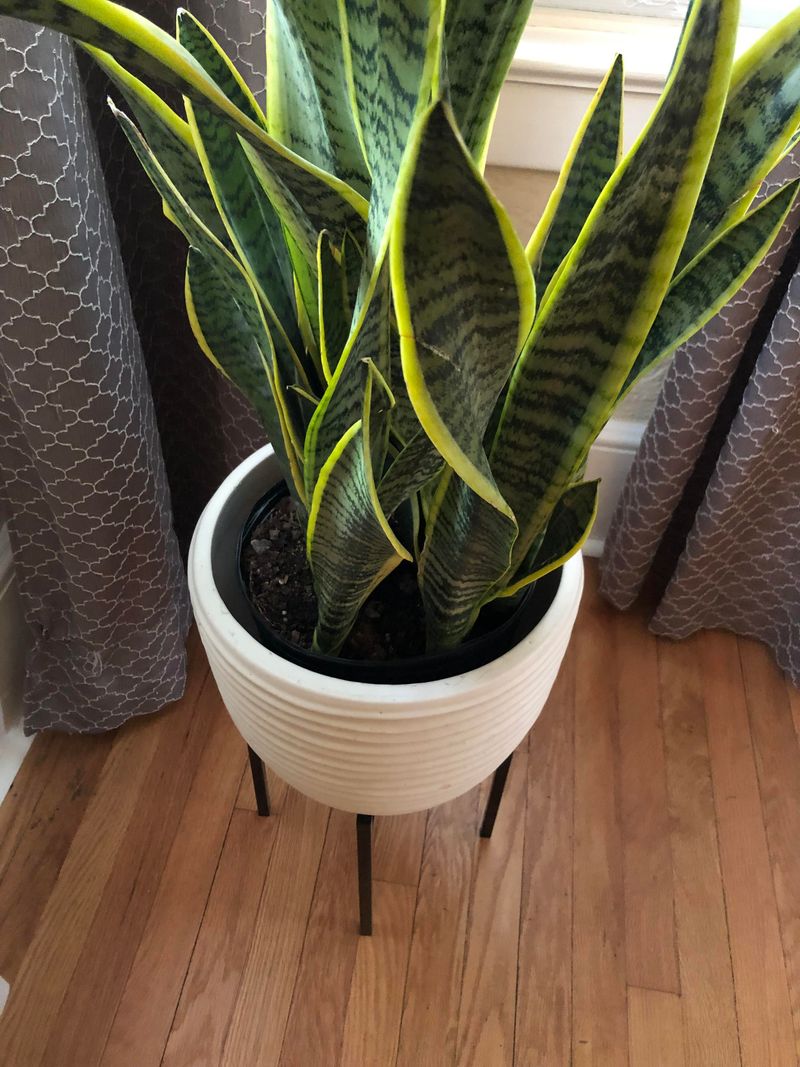
A good rule is to pick a pot only one or two inches wider than the root ball. You should feel the roots gently pressing against the sides when you squeeze the pot.
Plastic nursery pots work great here because you can check how tight things feel. If the pot bulges a little or roots peek out the drainage holes, you are on track.
Of course, there is a limit to how crowded is actually too crowded for comfort. If roots start cracking the pot or water runs straight through, it is time to size up slightly.
Fun fact: in the wild, these plants spread across dry African ground in thick clumps. Your cozy pot simply copies the tight family groups they naturally form under the hot sun.
So resist the urge to give your plant a roomy new mansion this year. A snug home might feel mean, but it is the kindest push toward a pot full of pups.
2. Flood It With Bright Indirect Light
Snake plants can survive in dim corners, which is why so many offices keep them around. Surviving and thriving are two different things, though, especially when you want babies.
Light is basically food for plants, since leaves turn sunshine into energy. A well-fed plant with extra energy has plenty to spare for growing brand new shoots underground.
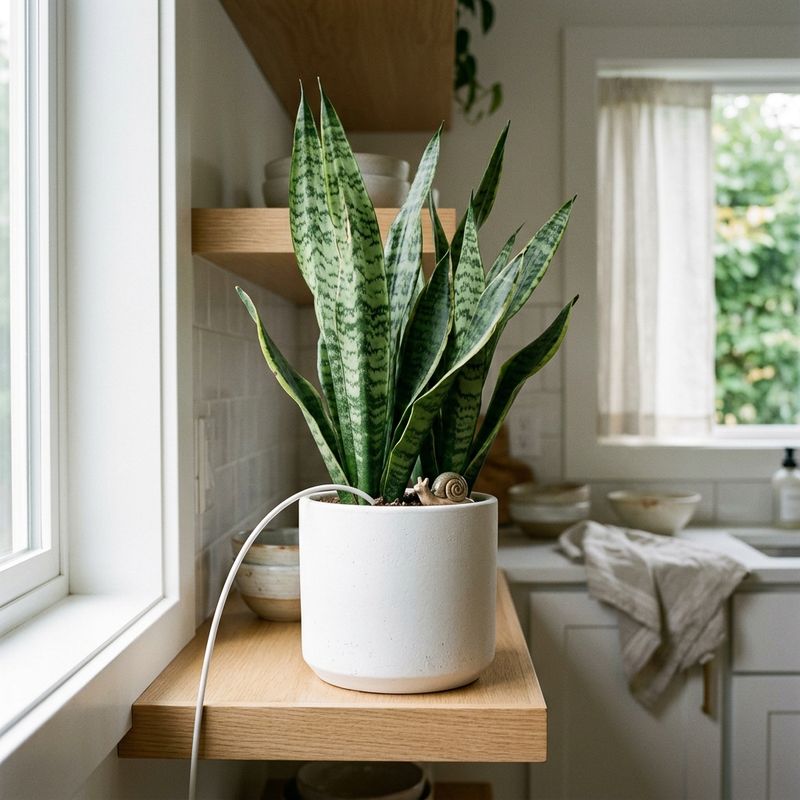
The sweet spot is bright, indirect light for about six to eight hours every single day. A spot a few feet from an east or west window usually works like a charm.
South-facing windows are great too, but the harsh afternoon rays can scorch those pretty striped leaves. A sheer curtain softens that glare, much like a good pair of sunglasses does for your eyes.
Watch the leaves closely for clues about how your plant is really feeling. Pale, floppy, or leaning leaves are begging for more light, while crispy brown patches mean it is getting too much.
If your home is on the dark side, a simple LED grow light can fill the gap. Set it about a foot above the plant and run it for twelve hours daily.
Give the pot a quarter turn every week so every side gets a fair share. That keeps growth even and helps pups appear all around the mother plant.
Move your plant slowly into brighter light over a week or two, not overnight. Sudden changes can shock it, just like stepping outside after a movie in a dark theater.
3. Crank Up The Warmth In Spring
Have you ever noticed how you feel sluggish on cold winter mornings? Snake plants feel the exact same way, and they mostly take a long nap when temperatures drop.
Warmth is the wake-up call that gets their roots moving again. Most pups appear in spring and summer, when the air feels toasty and the days stretch longer.
Aim to keep your plant between 70 and 90 degrees Fahrenheit during the growing season. Anything below 50 degrees can harm the leaves and stall growth for months.
Keep the pot away from drafty doors, chilly windows, and air conditioning vents. A sudden cold blast can make leaves turn mushy, which is a sad sight.
Some growers place a seedling heat mat under the pot to warm the soil. Warm roots grow faster, and faster roots mean more rhizomes creeping outward.
If you have a porch or balcony, a summer vacation outside can work wonders. Just pick a shady spot and bring the plant back in before nights get cool.
An old gardener’s trick is setting pots on top of the fridge, where gentle warmth rises. It sounds silly, but the cozy heat can keep roots active longer.
Remember that warmth and light work as a team. A toasty plant sitting in a dark closet will still stay stuck, so pair heat with a bright spot.
Warmth and light work as a team. Once both are in place, your plant finally has the energy to send out new growth.
4. Water Like A Desert Rainstorm
Imagine a desert that goes weeks without rain, then gets one big soaking storm. That boom-and-bust rhythm is exactly what snake plants crave from their human caretakers at home.
Too much water is the number one reason these plants struggle indoors. Soggy soil rots roots, and rotten roots cannot build the underground stems that become pups.
The trick is to soak the soil deeply, then let it dry out almost all the way. Water should pour out the drainage holes so every root gets a drink.
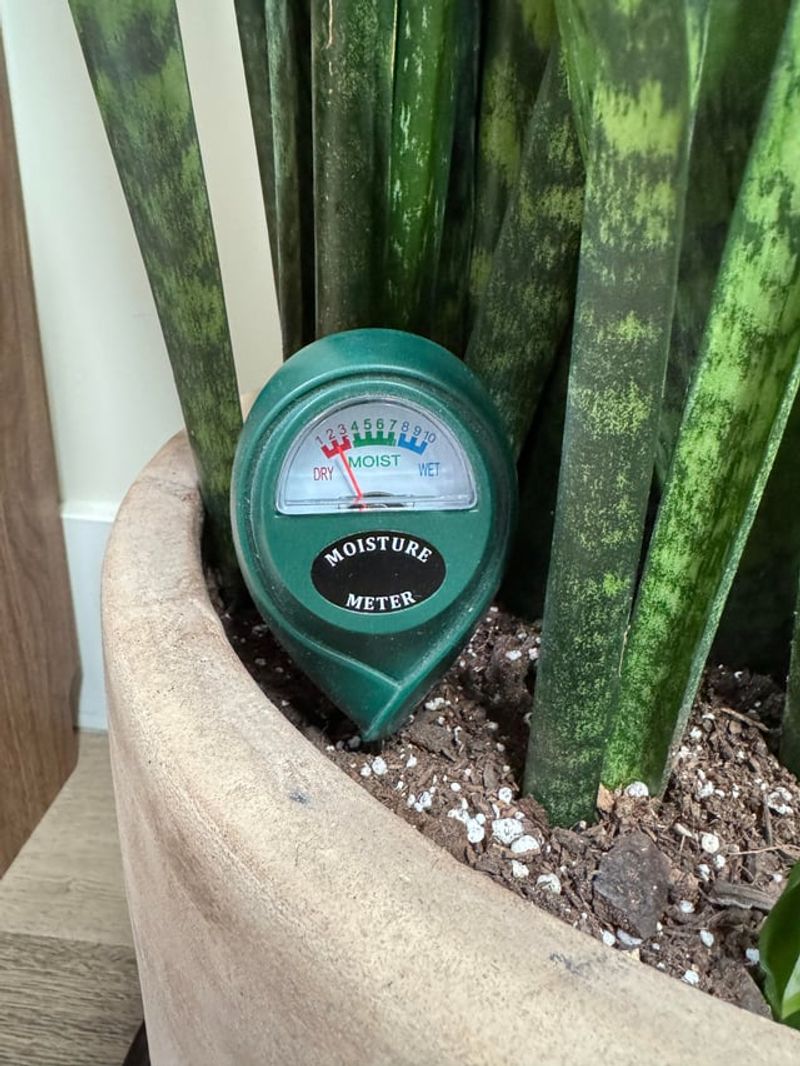
Stick your finger two inches into the soil before grabbing the watering can. If it feels even a little damp, walk away and check again in a few days.
In spring and summer, that usually means watering every two to three weeks. During winter, you might only water once a month or even less.
A wooden chopstick makes a handy moisture tester for deeper pots. Push it down, pull it out, and look for dark, damp soil clinging to the tip.
Try watering around the edges of the pot instead of into the center of the leaves. Water sitting in the leaf base can cause rot right where new growth starts.
Room temperature water is best, since icy water can shock warm roots. Rainwater or filtered water is a nice bonus if your tap water is heavy with minerals.
Here is a funny truth about these plants. Ignoring them a little is often the most loving and helpful thing you can do for them.
5. Serve A Light Diet Of Fertilizer
Think of fertilizer as a vitamin, not a giant holiday feast. A small, steady snack gives your plant the fuel it needs to build new shoots.
Snake plants are light eaters compared to leafy houseplants like pothos or ferns. Overfeeding can burn roots and leave crusty white salt on top of the soil.
A balanced liquid fertilizer, like a 10-10-10 mix, works well for most growers. Some people prefer a cactus or succulent formula, which is gentler and lower in nitrogen.
Dilute it to half strength, even if the label suggests more. Half the dose is plenty for a plant that grows slowly and hates being pushed too hard.
Feed once a month during spring and summer, when roots are busy spreading. Skip feeding in fall and winter, since a resting plant cannot use the extra food.
Phosphorus is a helpful nutrient for strong roots and rhizomes. A fertilizer with a slightly higher middle number can give underground growth an extra boost.
Water the soil lightly before you add fertilizer, so roots do not get a harsh jolt. Pouring fertilizer onto bone-dry soil can shock the roots instead of feeding them.
Every few months, flush the pot with plain water to rinse away leftover salts. Let water run through the holes for a minute, then allow the pot to drain well.
Fresh potting mix already holds some nutrients, so wait a couple of months after repotting. Your plant will thank you with sturdy growth instead of burnt leaf tips.
6. Choose A Gritty Fast-Draining Soil
Scoop up a handful of regular potting soil and squeeze it. If it clumps together like wet cookie dough, it is far too heavy for a snake plant’s taste.
These plants come from rocky, sandy places where water drains away in minutes. Their roots and rhizomes need air pockets to breathe and room to wiggle outward.
Heavy soil stays wet for days and smothers those tender underground stems. Loose, gritty soil lets rhizomes travel easily, so pups can pop up without a fight.
A store-bought cactus and succulent mix is an easy starting point. You can make it even better by stirring in a few extra ingredients at home with very little effort.
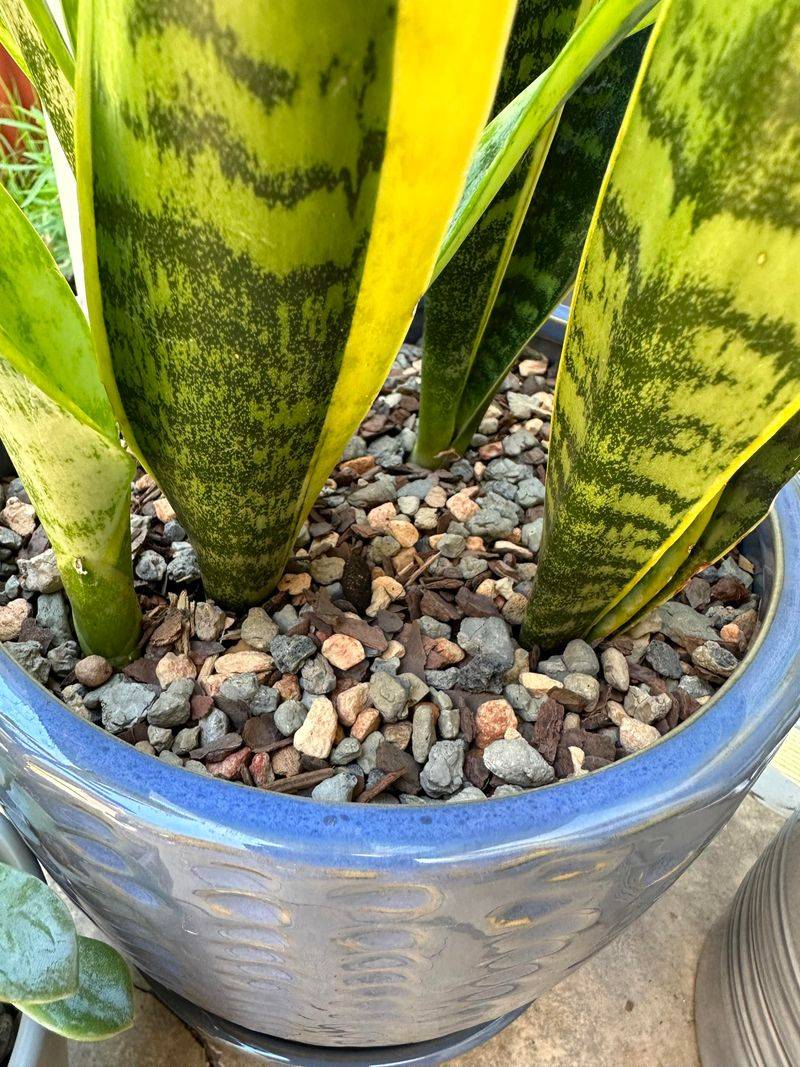
Try a simple recipe of two parts cactus mix, one part perlite, and one part coarse sand. Some growers also toss in small bark chips or pumice for extra airflow.
Skip fine beach sand, since it packs down tight and can carry salt. Coarse horticultural sand or crushed granite grit works much better for drainage.
Your pot matters just as much as the mix inside it. Terracotta pulls moisture out of the soil, and a drainage hole is a must for healthy roots.
A wide, shallow pot also gives rhizomes a little side room to roam. Deep pots mostly encourage long roots, while wide ones leave space for pups to surface.
Did you know that a good mix should dry out in about a week? If yours stays damp much longer, add more grit next time you repot.
7. Divide The Clump To Spark Fresh Growth
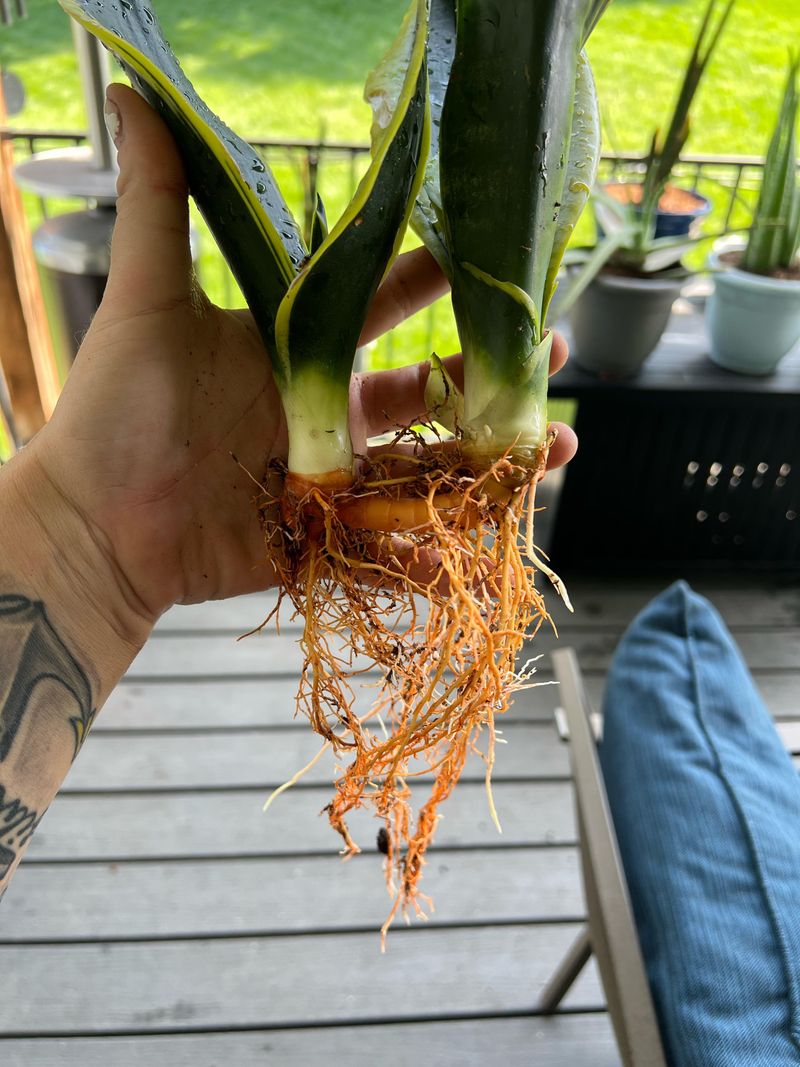
Sometimes the best way to get more babies is to split up the family. Dividing an overgrown plant can wake up sleepy rhizomes and kickstart a fresh round of growth.
There is a big difference between a snug pot and a jammed one. After years of crowding, tangled roots can run out of room and energy to push up anything new.
Spring is the best time to divide, since the plant is ready to grow. Start by sliding the whole root ball out of the pot and brushing away loose soil.
Look for natural sections, each with its own leaves and a chunk of rhizome. Use a clean, sharp knife to cut between them, making sure every piece has healthy roots.
Wear gloves while you work, since the sap can bother sensitive skin. Keep the leaves away from curious pets too, because they can upset tummies if chewed.
Let the cut pieces sit out for a day or two so the wounds can dry. This little rest helps prevent rot once they go back into soil.
Plant each section in its own snug pot filled with gritty mix. Wait about a week before the first watering, giving roots time to settle and heal.
Cutting a rhizome also sends a wake-up signal to hidden buds along its length. Many growers notice new pups within a few months after dividing.
Here is a bonus: you end up with extra plants to share or trade. Friends, neighbors, and teachers usually love receiving a tough little houseplant as a gift.
8. Practice The Fine Art Of Waiting
Gardeners like to joke that the first year plants sleep, the second they creep, and the third they leap. Snake plants follow that old saying more closely than most.
These are famously slow growers, even when you do everything right. It can take several months for a brand new pup to poke through the soil.
A lot of the exciting action happens underground, where you cannot see it at all. Rhizomes may be creeping sideways for weeks before a single green tip appears.
Resist the urge to dig around and check on progress. Poking at the roots disturbs them and can easily set growth back by several weeks.
Instead, keep a simple plant journal or snap a photo every two weeks. Comparing pictures helps you spot small changes you might miss day to day.
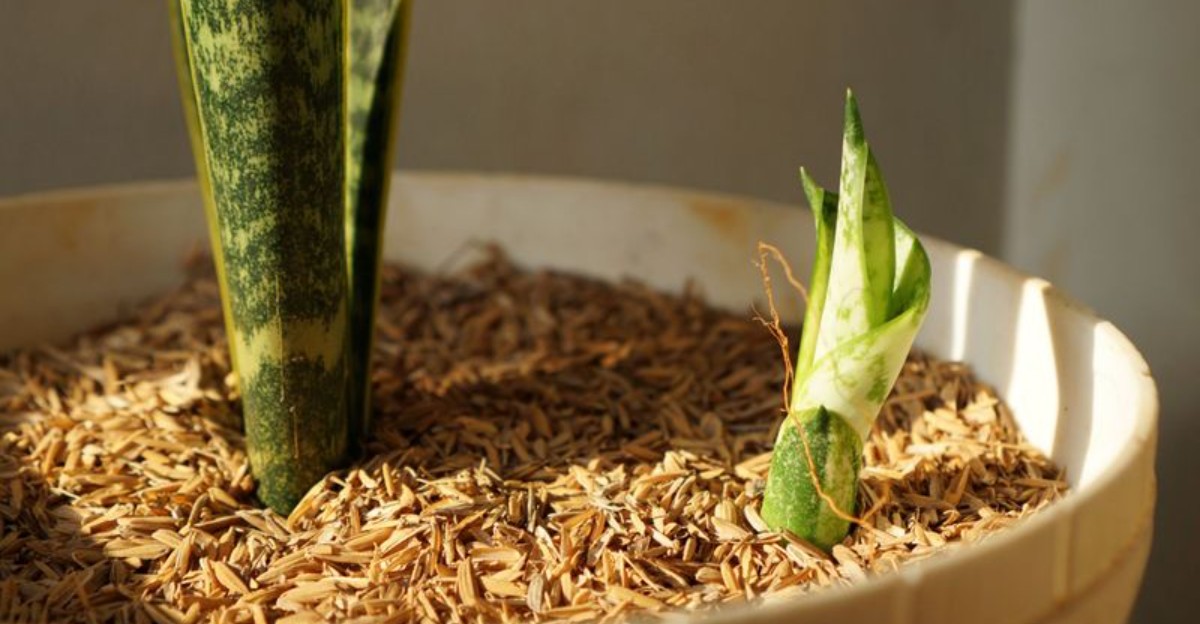
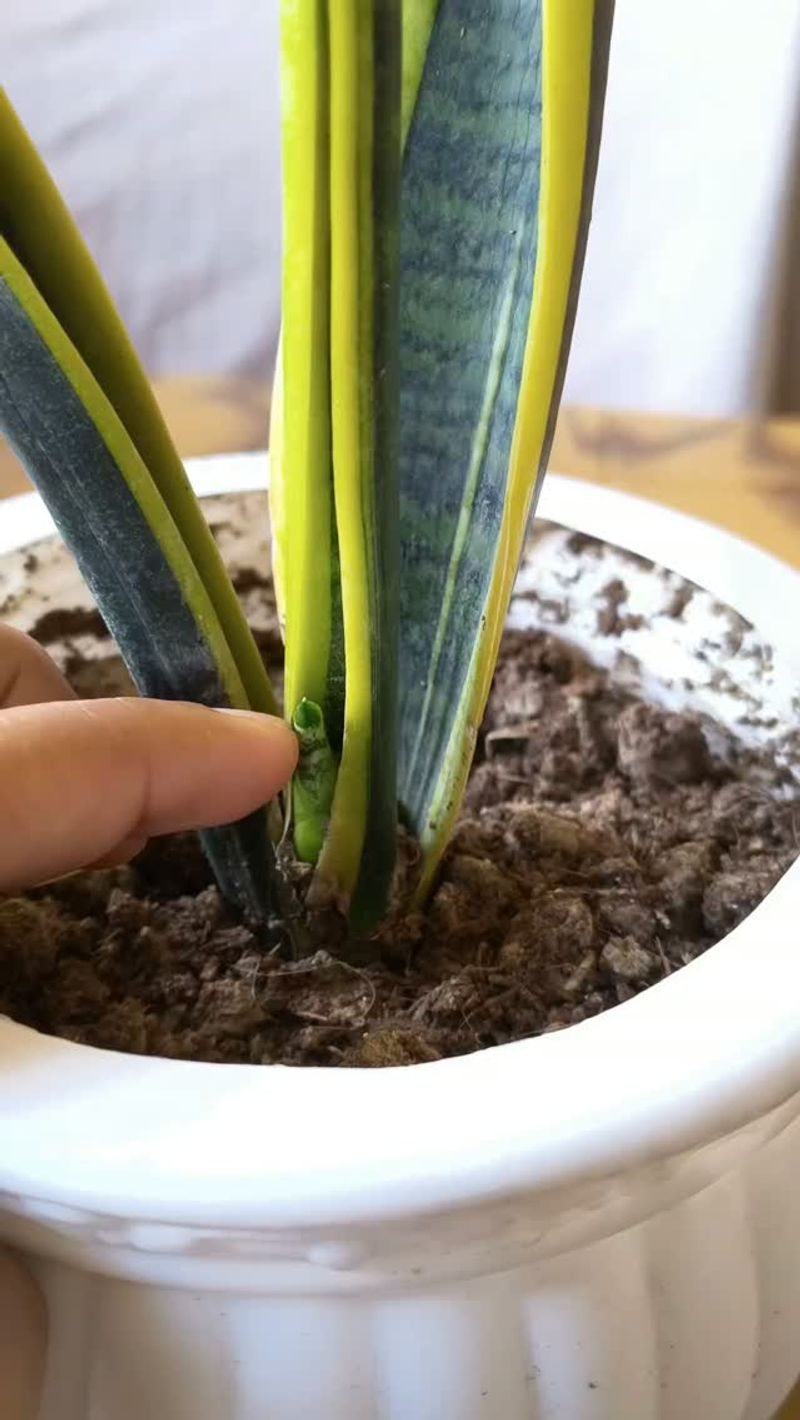
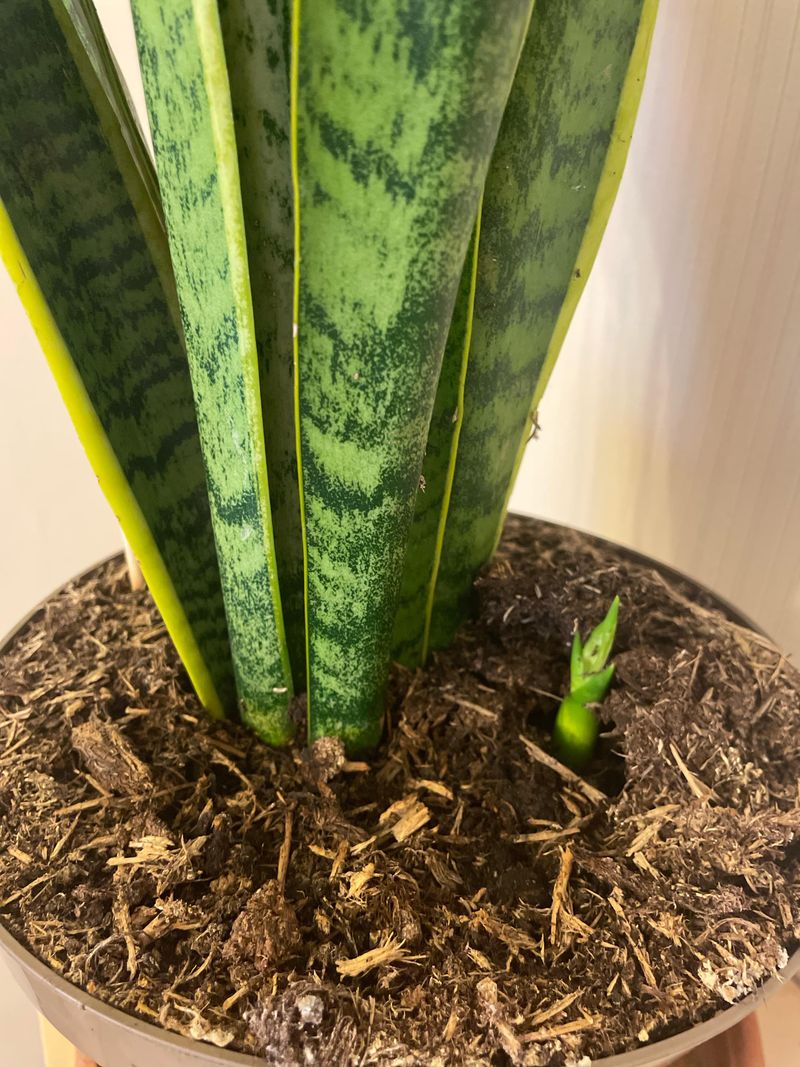
Watch for a tiny, pointed spear rising near the edge of the pot. Once you spot one, celebrate a little, because more often follow close behind.
Leave new pups attached until they are at least a third of the mother’s height. By then, they have their own roots and can handle life in a separate pot.
Keep your care routine steady instead of changing things every week. Plants love consistency, much like kids who sleep better with the same bedtime each night.
Patience might be the hardest step on this list, but it pays off. One day you’ll glance over and find a whole cluster of new pups has appeared.