Why North Carolina Sweet Potatoes Crack In October And How To Prevent It
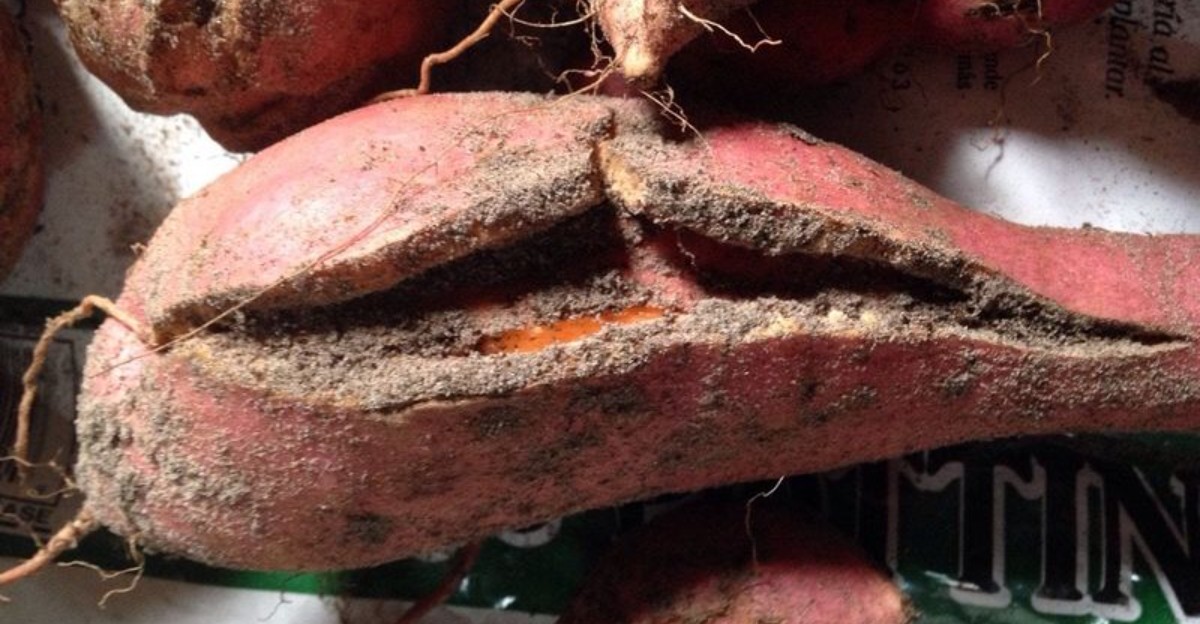
Sweet potatoes developing visible cracks by October is a frustrating but common issue in North Carolina gardens, and it almost always comes down to inconsistent soil moisture during the growing season.
When soil goes through cycles of extended dryness followed by sudden heavy watering or rainfall, the tuber’s growth rate speeds up too quickly for its skin to keep pace, causing it to split under the pressure.
This is especially common after a dry stretch that’s suddenly broken by a significant rain event, a pattern that shows up regularly in North Carolina’s fall weather.
Maintaining more consistent soil moisture throughout the growing season, rather than letting it swing between extremes, is the most effective way to prevent this kind of cracking.
Understanding this cause helps North Carolina gardeners adjust their watering habits well before harvest time arrives.
1. Uneven Moisture Can Cause Cracking
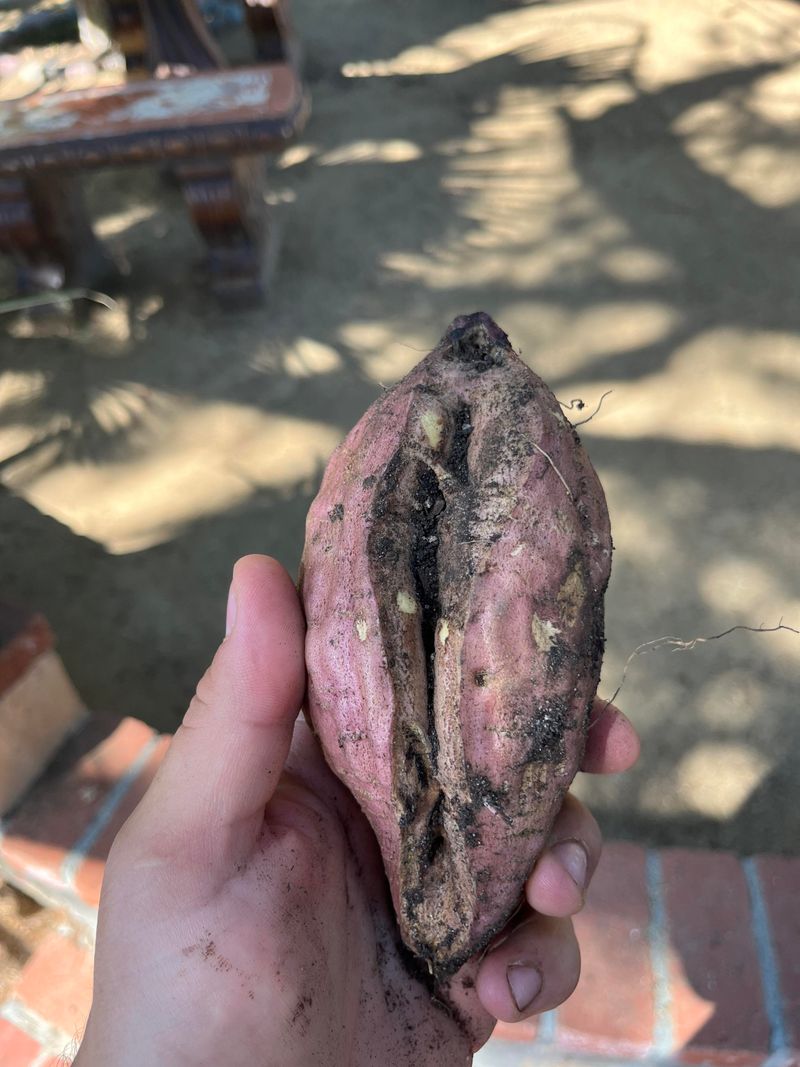
Picture a sweet potato that slowly grew all summer, then suddenly got a big drink of water. The inside pushes outward faster than the skin can stretch, and the result is a split you can see clearly.
Cracking often traces back to swings between dry soil and soggy soil. When a bed goes bone dry for a while and then gets soaked by rain or heavy watering, the roots pull in water quickly and swell.
That fast growth stretches the skin past its limit, and cracks appear along the sides. Late in the season this problem gets worse because the roots are already large. A big root has less room to expand smoothly, so any sudden change shows up as damage right away.
You can reduce this by watching your soil instead of watering on a fixed schedule. Stick a finger a couple inches down, and if it feels damp, hold off. If it feels dry deep down, give a slow, steady soak rather than a quick flood.
Mulch also helps a lot here. A layer of straw or leaves over the bed keeps moisture steadier and slows down how fast the soil dries out between rains.
Think of it like feeding roots small, even sips all season long. Steady moisture lets them grow at a calm pace, and calm growth means smooth, unbroken skin when you finally dig them up in fall.
2. October Rain Can Expose Earlier Drought Stress
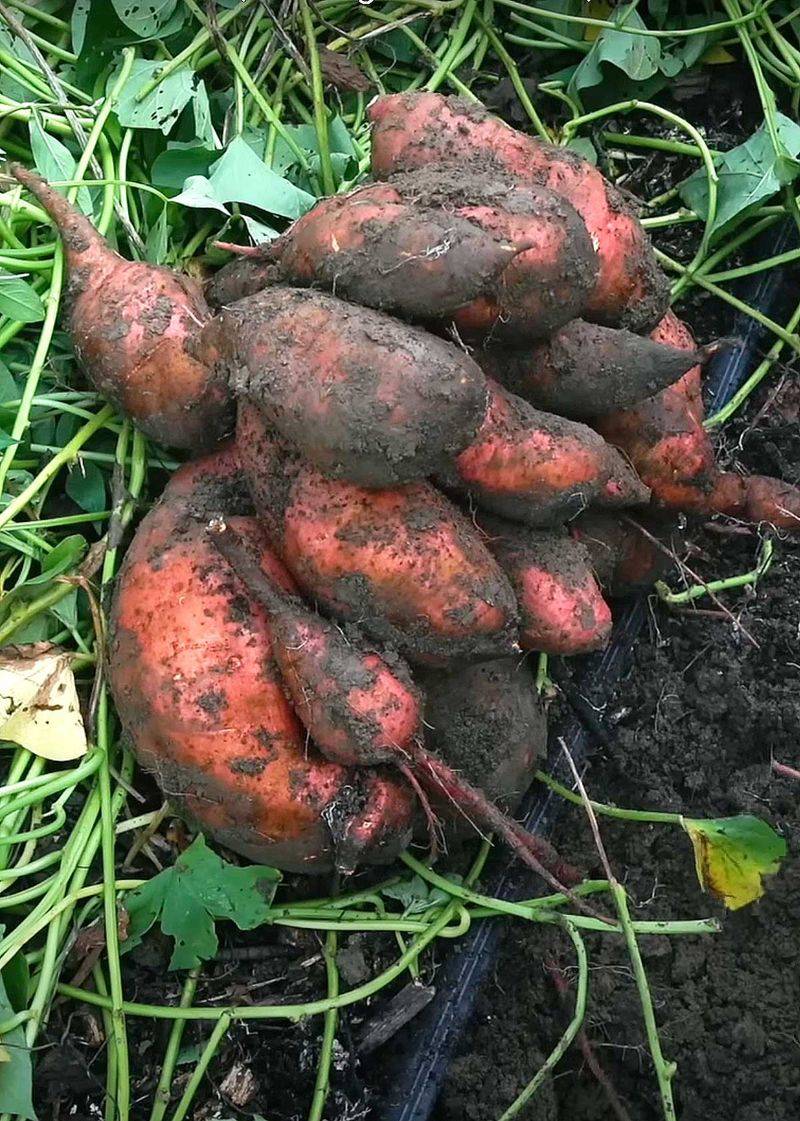
Sometimes the trouble started weeks before you ever noticed a crack. A dry spell in late summer can quietly stress your roots, and then October rain reveals the damage all at once.
Here is what happens under the ground. During a dry period, root growth can slow. When abundant moisture returns, rapid renewed growth can contribute to cracking, especially if soil moisture has fluctuated sharply.
The toughened skin cannot stretch quickly enough to match that sudden inside growth. So it splits, and you end up blaming the rain when the real cause was the earlier drought.
North Carolina falls can be tricky this way, with warm dry stretches followed by soaking storms. That back and forth is exactly the pattern that leads to cracked roots.
Your North Carolina Garden Changes Every Week. Your Plan Should Too.
Gardening in North Carolina changes quickly throughout the season. Every Friday you’ll receive a simple weekly plan showing exactly what to plant, prune, fertilize, harvest, and protect so you never miss the right timing.
To stay ahead of it, try not to let your bed dry out badly during late summer. Keeping some moisture in the soil during dry weeks means the roots never fully harden and shut down.
Watching the forecast helps too. If you know a big rain is coming after a dry stretch, a light watering a day or two before can ease the shock so the change feels gradual instead of sudden.
The main idea is to smooth out the ups and downs. Roots that never face a rough dry spell will handle October rain far better and stay whole for your harvest basket.
3. Keep Soil Moisture More Consistent
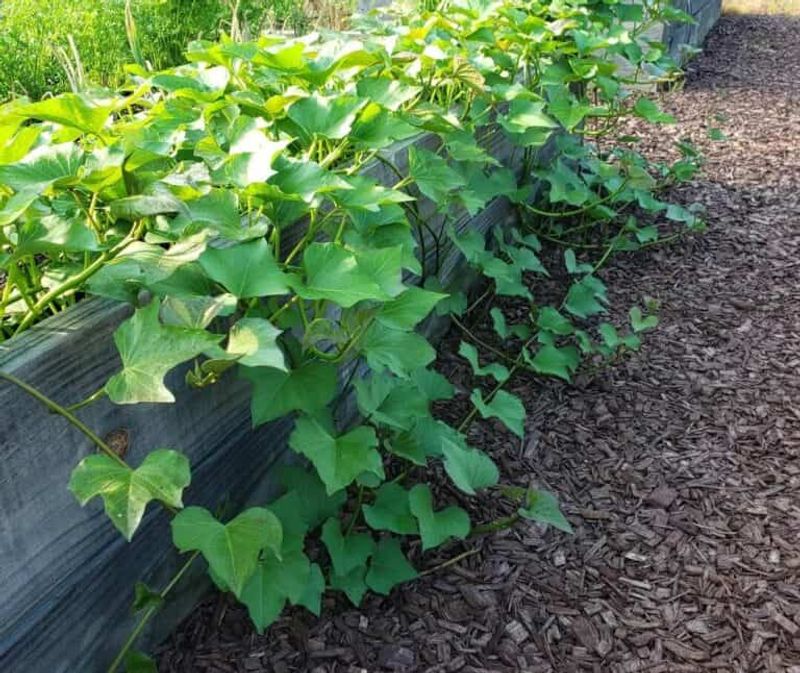
Steady wins the race when it comes to happy sweet potatoes. Roots that get even moisture from start to finish grow at a smooth pace, and smooth growth almost never leads to splits.
The trouble comes from the boom and bust cycle. Letting a bed turn extremely dry and then flooding it with water forces the roots to grow in quick bursts. Those bursts stretch the skin too fast and crack it.
Instead, aim for soil that stays lightly moist, like a wrung out sponge. It should not be muddy, and it should not be dusty. When you keep it in that comfortable middle range, the roots stay relaxed and keep filling out slowly.
A simple trick is to water deeply but less often. Deep watering reaches the root zone and encourages roots to grow strong, while shallow sprinkles only wet the top and dry out fast.
Mulch is your best friend for holding that even level. Spreading a few inches of straw or shredded leaves keeps the surface cool and slows evaporation, so you water less and the soil stays balanced longer.
Checking moisture by hand beats guessing every time. Push your finger down a couple inches every few days, and let what you feel decide whether to water.
When you treat your bed to calm, steady moisture, the roots reward you. They swell gently, hold their shape, and come out of the ground clean and crack free at harvest.
4. Do Not Over-Irrigate After Heavy Rain
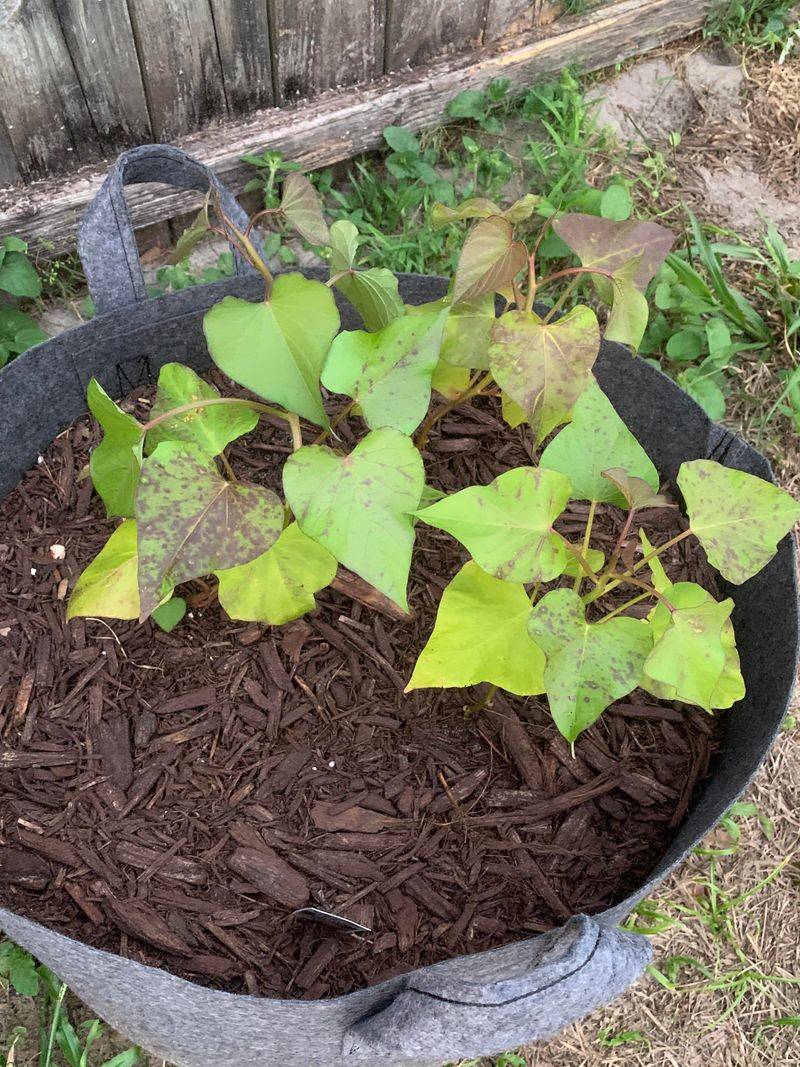
After a big storm rolls through, it can feel natural to keep watering out of habit. But adding more water right after heavy rain often does the roots more harm than good.
The soil is already full after a real soaking, sometimes for days. Piling on irrigation on top of that keeps the bed swampy, and roots sitting in soggy ground swell too fast and split.
Too much water causes other headaches as well. Waterlogged soil pushes out air that roots need, and it invites rot to move in around the roots you worked so hard to grow.
The smart move is to count rainfall as part of your watering plan. A cheap rain gauge tucked in the garden shows you exactly how much fell, so you can skip watering when nature already did the job.
Sweet potatoes only need about an inch of water a week, rain included. If a storm dropped that much or more, your bed is set and you can leave the hose alone.
Wait until the top couple inches of soil dry out before you water again. That pause lets the roots settle and keeps the moisture from spiking too high all at once.
Learning to hold back is a real skill for gardeners. By letting the soil breathe between waterings, you protect your roots from both cracking and rot, and your fall harvest stays firm, smooth, and worth every bit of the wait.
5. Improve Drainage In Heavy Soil
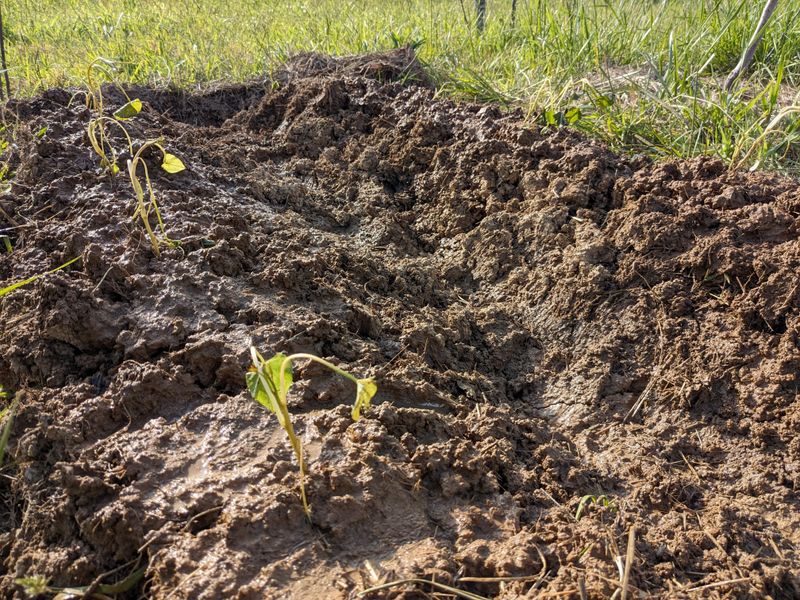
Clay soil is common across much of North Carolina, and it holds water like a sponge that never quite dries. That heavy, tight ground is a big reason roots face uneven moisture as they grow.
Well drained soil lets extra water flow away instead of pooling around the roots. When water can move freely, the moisture around each sweet potato stays more even, and even moisture means fewer cracks.
Compacted or poorly drained beds create a rollercoaster underground. After rain, the soil stays soggy for days, then it bakes hard and dry when the sun returns. Those wild swings stress the roots and lead straight to splitting.
Raised beds are one of the easiest fixes. Building the soil up a few inches gives water somewhere to drain and keeps the roots out of standing puddles.
Working in compost also does wonders. Mixing organic matter into heavy clay loosens it up, creates tiny air pockets, and helps the soil both drain well and hold the right amount of moisture.
Sweet potatoes love loose, crumbly ground where roots can spread and breathe. Loose soil also makes digging them up far gentler, so you get fewer nicks and bruises at harvest.
Before you even plant, spend a little time improving your soil. A bed that drains well sets the stage for the whole season, giving your roots the steady, comfortable home they need to grow smooth and whole right through October.
6. Avoid Excessive Nitrogen Late In The Season
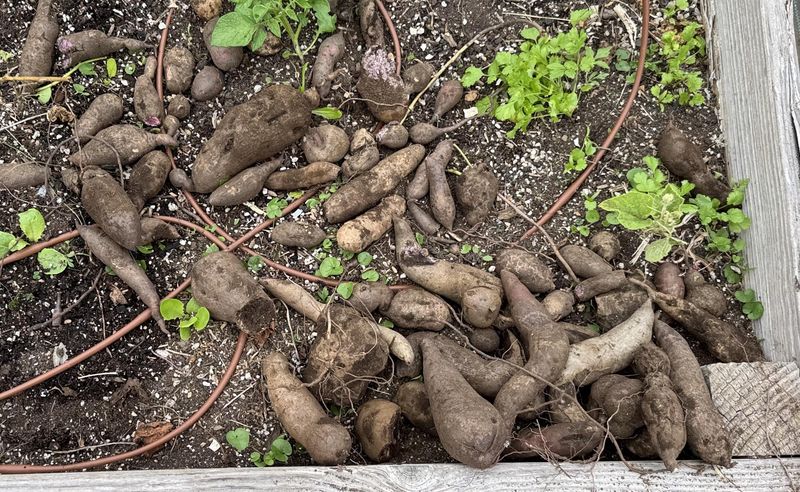
It might seem like more fertilizer always means bigger, better plants. With sweet potatoes, though, too much nitrogen sends all the energy to the wrong place.
Nitrogen feeds leafy growth, so a heavy dose pushes the vines to grow long and bushy. Meanwhile the roots below get shortchanged, growing unevenly and sometimes swelling in awkward spurts that lead to cracks.
Late in the season this matters even more. Dumping extra nitrogen on the bed in fall throws off the balance right when the roots should be filling out steadily and calmly.
Some gardeners reach for fertilizer hoping it will somehow fix cracking, but that plan usually backfires. Cracking comes mostly from moisture swings, and adding nitrogen on top can make growth even more uneven.
The better path is to feed based on what your soil actually needs. A simple soil test tells you what is missing, so you add only what helps instead of guessing and overdoing it.
Sweet potatoes are light feeders anyway. They do best with balanced nutrients early in the season and very little extra pushing once the roots are forming.
Watch your vines for clues. If the leaves look thick and jungle-like but few roots are forming, that is a sign of too much nitrogen already.
Feed smart and feed early, then step back and let the plant do its work. Balanced nutrition and steady water together give you firm, well-shaped roots instead of a tangle of vines hiding cracked, disappointing potatoes underneath.
7. Harvest At The Appropriate Time
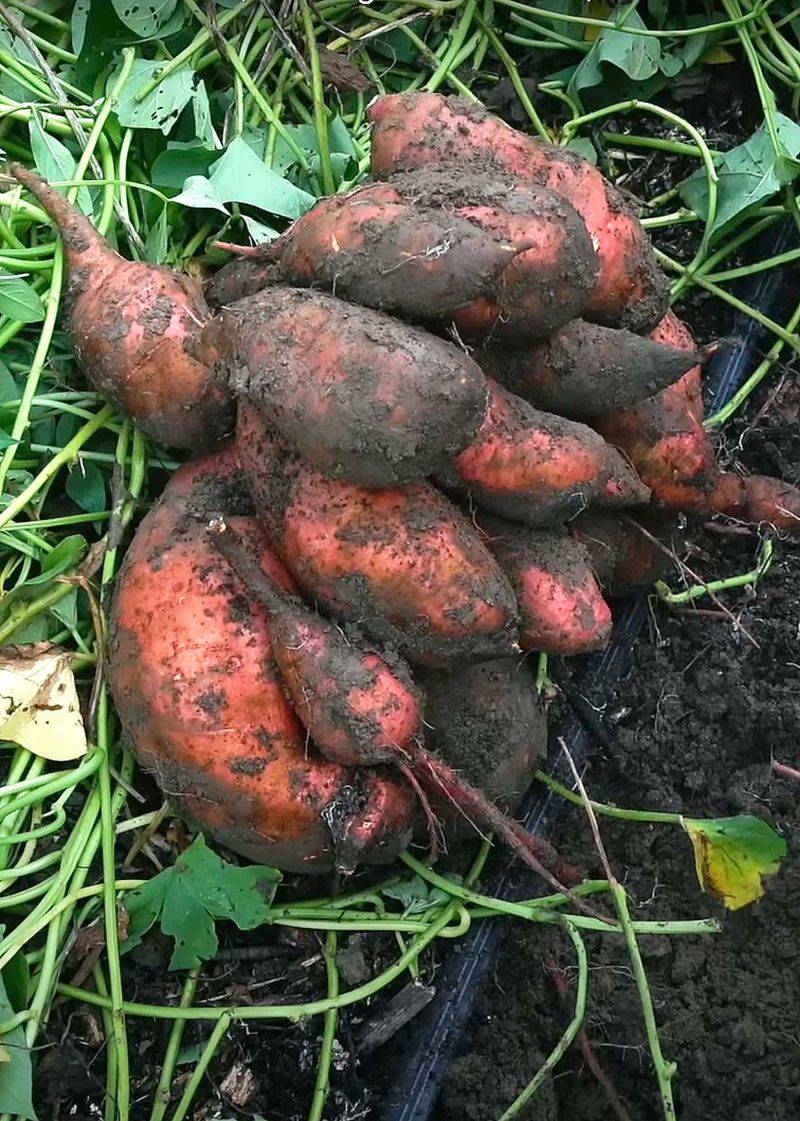
Timing your harvest is like catching a wave at just the right moment. Wait too long and the roots face fall weather that raises the odds of splits and damage.
Sweet potatoes in North Carolina are usually ready about 90 to 120 days after planting. Once they reach that mature size, leaving them in the ground much longer gives little benefit and adds real risk.
Late season conditions are the main worry. Cold snaps, soggy soil, and big rain events all pile stress on roots that are already fully grown and ready to come out.
Roots that sit through those rough spells often crack, especially when heavy rain follows a dry stretch. Getting them out on time skips that whole gamble.
A good rule is to dig before the first frost touches your area. Harvest before frost because cold temperatures can damage the vines and prolonged cold soil can cause chilling injury to the roots.
Check a test plant first. Gently dig up one hill to see if the roots have reached a nice, useful size, then harvest the rest if they look ready.
Pick a dry day for digging so the soil crumbles instead of clinging in muddy clumps. Dry ground makes lifting gentler and cleaner.
Bringing your crop in at the right window protects all your hard work. Harvest on time, and you trade the risk of cracked, rain-battered roots for baskets of firm, smooth sweet potatoes ready to cure and store.
8. Handle Cracked Roots Carefully
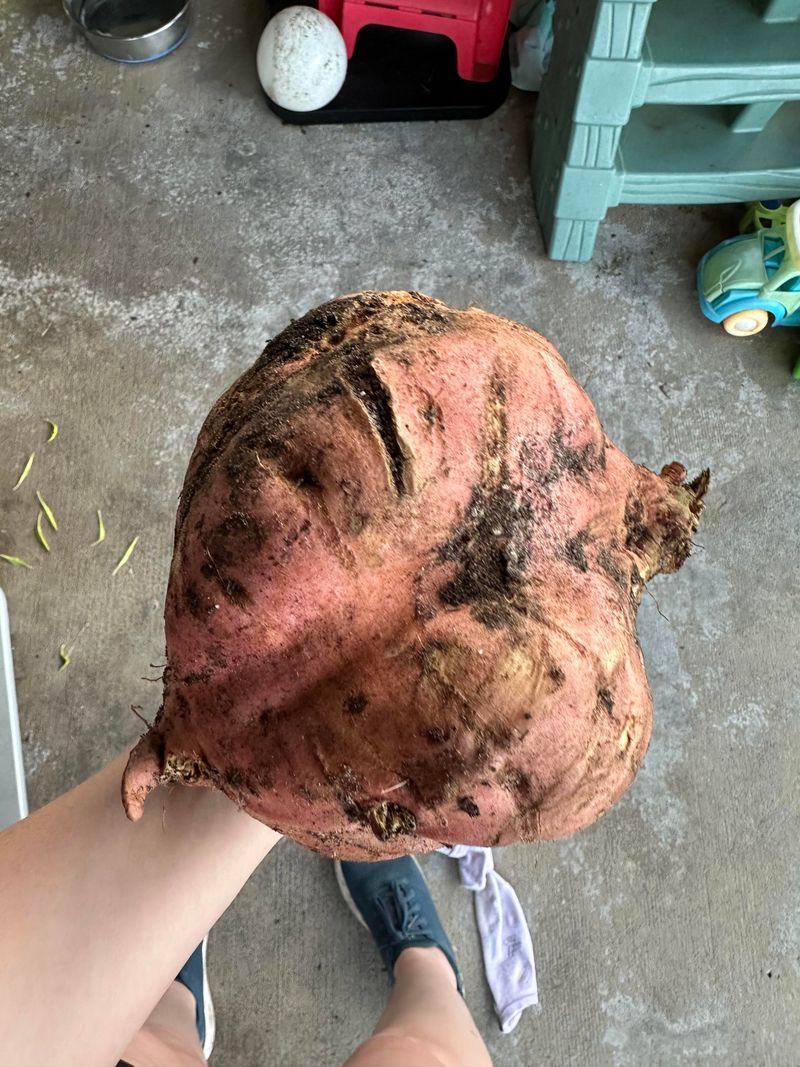
Finding a few cracked roots at harvest is not the end of your crop. What you do next decides whether those splits stay minor or turn into a bigger mess in storage.
Cracked sweet potatoes need a soft touch. The open splits are like little doorways, and rough handling can widen them or add new bruises that invite trouble.
Damaged roots are far more likely to rot than smooth ones. An open crack lets in moisture and tiny organisms that break down the flesh, so a cracked potato spoils much faster than a whole one.
Because of that, keep the cracked ones away from the good roots. One rotting potato can spread its problem to the healthy ones sitting right next to it in a bin.
Sort your harvest as you dig. Set smooth, unbroken roots in one basket and put anything cracked or nicked in another so you can watch them separately.
Use the damaged ones first in your kitchen. Cut away the split areas, and the rest of the potato is usually just fine for cooking within the next week or two.
The sound, whole roots are the ones worth curing and storing long term. Cure them in a warm, humid spot for a week or so, then keep them cool and dry.
Gentle hands and smart sorting protect the bulk of your harvest. A little care at digging time means more sweet potatoes lasting on your shelf all winter long.