10 Container Plants New York Gardeners Should Move Indoors Before October
That first crisp morning in New York comes with a warning for patio plants. Tender tropicals feel every chilly night, even when the calendar still says summer.
Many plants you cared for all season can return next year with the right winter protection. Some need a warm indoor spot, while others are better stored as dormant tubers or rhizomes.
Timing matters more than many gardeners realize. Waiting until October can be too late for plants that dislike cold nights.
Move them at the right time, and next summer’s garden can look just as full.
1. Tropical Hibiscus Needs A Warm Indoor Spot
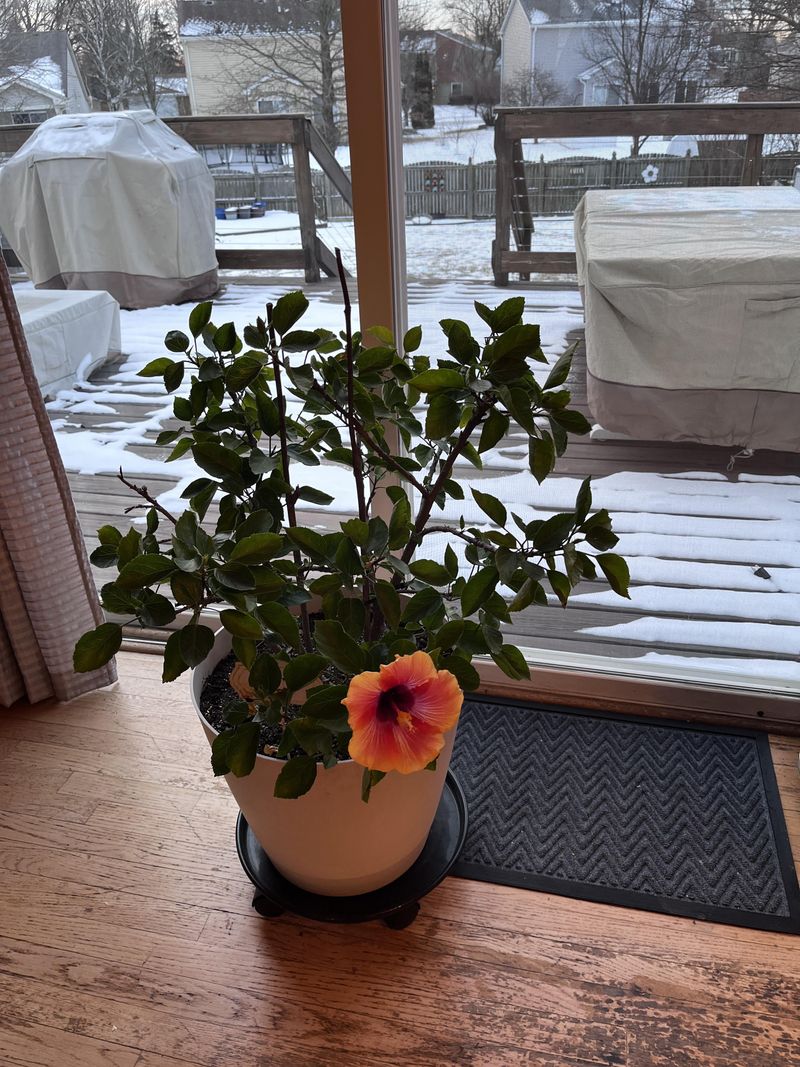
Few plants pout faster than tropical hibiscus when the air turns cool. Those dinner-plate blooms slow down once nights drop near 50 degrees.
Aim to move yours inside before outdoor lows stay under 50 degrees Fahrenheit. In New York, that window can open as early as late August, especially when nighttime temperatures begin dropping.
Hibiscus prefers indoor temperatures above 55 to 60 degrees, so skip the drafty mudroom. A warm living room with steady heat works much better.
Light matters just as much as warmth for this shrubby tropical. Park the pot beside a south or west-facing window for the brightest exposure.
Watering habits need to change too, since growth slows way down. Let the top of the soil dry before you water again.
Do not panic when leaves yellow and drop during the first few weeks. Adjusting to lower light and dry indoor air causes that shedding.
Before the pot crosses your threshold, inspect leaves, stems, and soil surfaces carefully. Aphids, whiteflies, and scale love to sneak inside for winter.
A quick shower with the hose knocks off most freeloaders. Insecticidal soap handles stubborn stragglers on the undersides of leaves.
Fun bit of trivia: tropical hibiscus flowers often last a single day. The plant just keeps pumping out replacements when conditions stay cozy.
Trim leggy branches lightly if the plant feels too big for your space. Save hard pruning for late winter when growth picks back up.
Come May, harden it off slowly on a shady porch. Your reward is another summer of showy color.
2. Mandevilla Should Come Inside Before Nights Turn Cold
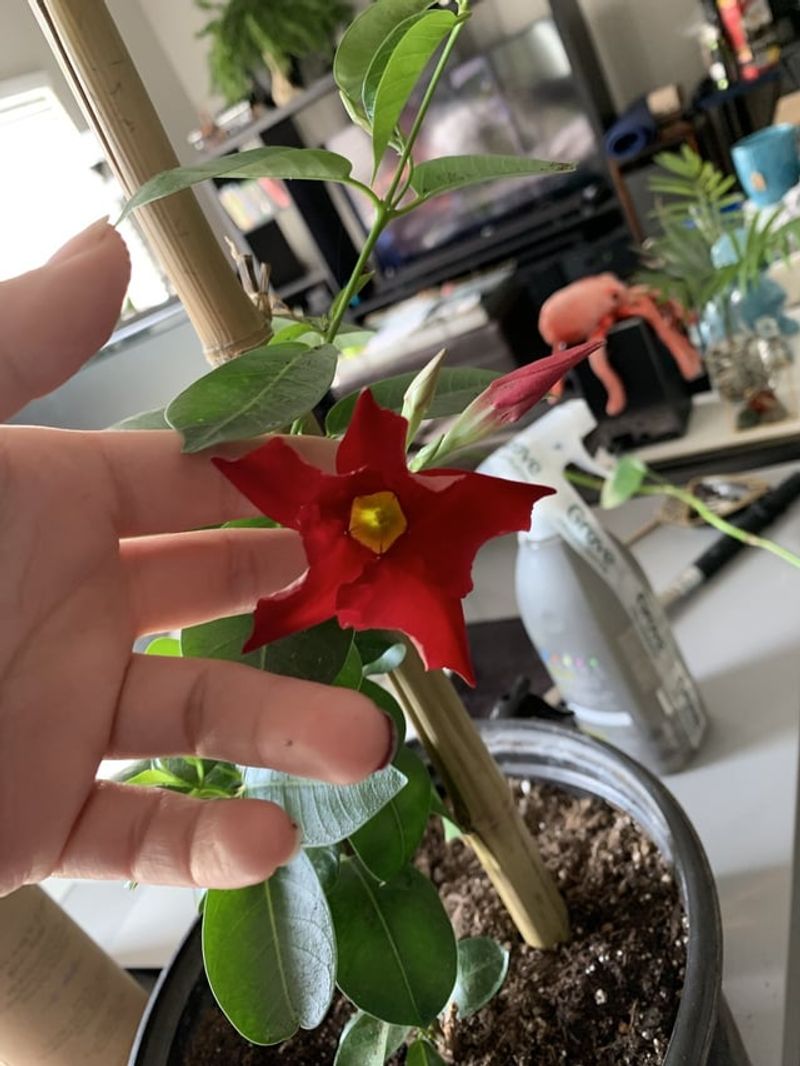
Mandevilla spent all summer climbing your trellis like it had somewhere to be. Cold autumn air brings that enthusiasm to a quick halt.
These tropical vines resent frost and even brushes with chilly nights. Bring pots indoors before nighttime temperatures start dropping into the chilly range.
Gardeners often wait too long, then scramble during the first cold snap. Early prep saves you a frantic evening rescue.
Indoors, a sunny window keeps the vine looking presentable through winter. South-facing glass gives the strongest light in most homes.
Cut watering back sharply so the soil dries between drinks. Semi-dormancy is the goal, not vigorous new growth.
Pruning the vines by roughly one-third makes the plant far easier to handle. Coil remaining stems loosely around a small stake or hoop.
Wipe down the container and check the trellis for egg clusters and webbing. Spider mites thrive in warm, dry rooms during winter.
Your New York Garden Changes Every Week. Your Plan Should Too.
Gardening in New York changes quickly throughout the season. Every Friday you’ll receive a simple weekly plan showing exactly what to plant, prune, fertilize, harvest, and protect so you never miss the right timing.
Expect fewer flowers indoors, and that is perfectly normal. Think of winter as a nap rather than a performance.
Curious detail: mandevilla belongs to the same family as periwinkle and oleander. The milky sap is a family trait, so wash hands after pruning.
When spring arrives, start feeding again with a balanced fertilizer. New shoots appear quickly once light hours stretch out.
Move it back outside after mid-May when nights stay mild. Blooms usually return within a few weeks of fresh air and sunshine.
3. Lantana Needs Protection From Chilly Temperatures
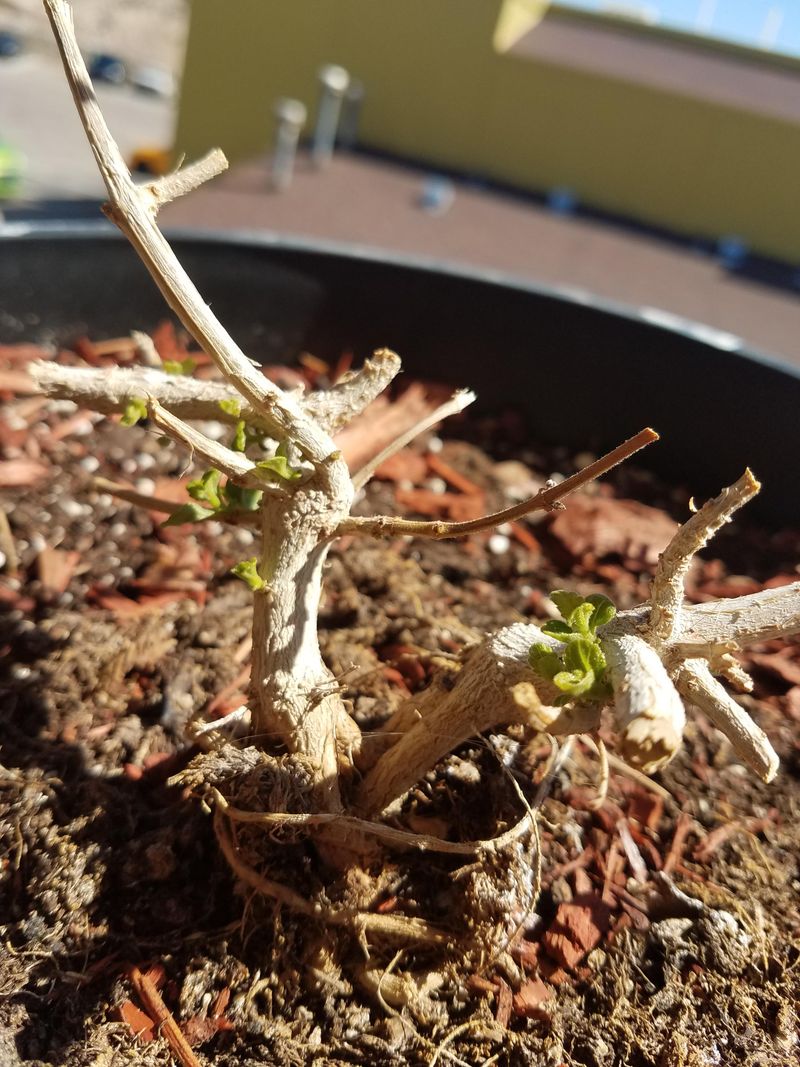
Butterflies treat lantana like a neighborhood diner all summer long. Once the cold arrives, that buffet closes fast.
Lantana cannot handle frost and will not make it through winter outdoors. Plan to bring containers in before lows settle between 40 and 50 degrees.
A bright but cool room suits lantana better than a toasty living room. Temperatures around 50 to 60 degrees keep it calm and resting.
Watering should drop to a trickle during these quiet months. Let the soil dry a couple inches down before adding more.
Skip fertilizer entirely until late winter. Feeding now encourages weak, stretched growth that flops over.
Cutting the plant back by about half makes it fit through doorways and onto shelves. Shorter stems also mean fewer leaves for pests to hide under.
Give the foliage a good rinse outdoors before the move. Whiteflies adore lantana and multiply quickly in heated rooms.
Leaf drop is common, and bare stems can look alarming in January. Scratch a stem lightly, and green tissue means the plant is fine.
Worth knowing: lantana flower clusters change color as individual blooms mature. That is why one head can show yellow, orange, and pink at once.
Around March, prune again and bump up the light. Fresh shoots appear within a couple weeks.
Harden the pot off gradually in May before returning it to full sun. Pollinators will find it again almost immediately.
4. Elephant Ears Need Shelter Before Frost
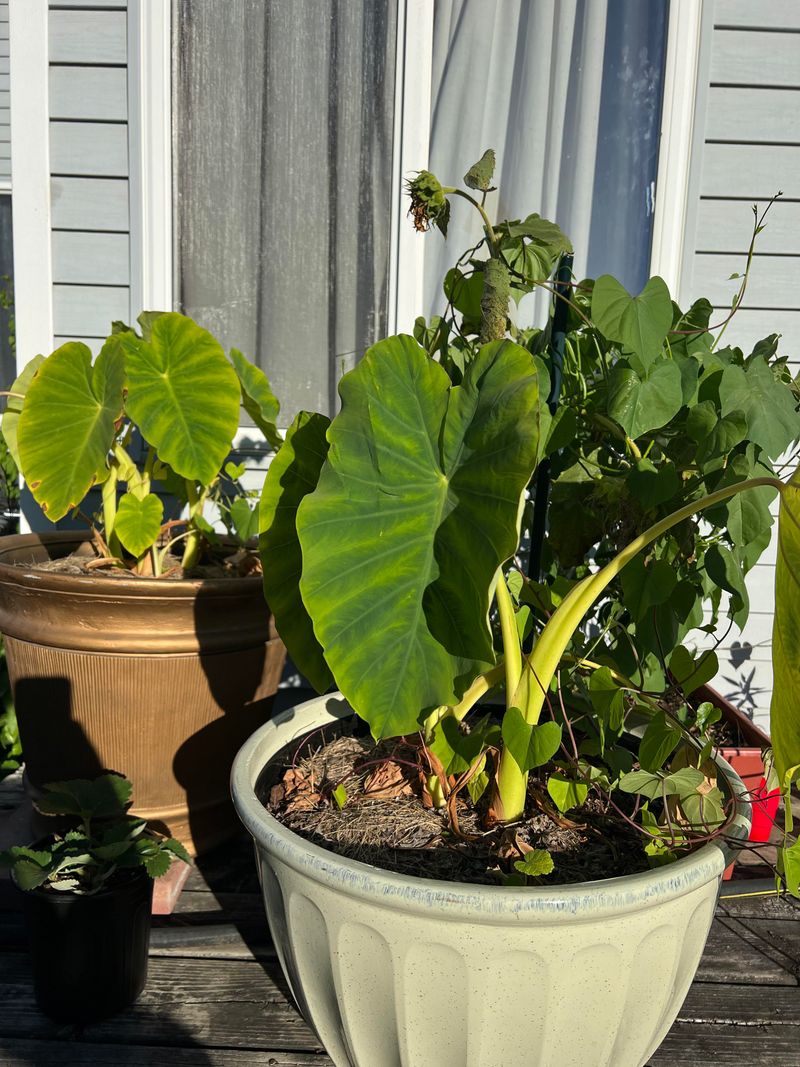
Nothing says summer drama like elephant ears waving leaves the size of serving platters. Frost, unfortunately, flattens that show overnight.
Colocasia elephant ears are tender in New York and generally need winter protection. Gardeners should plan to bring containers inside or store the underground parts for winter.
Move containers inside before the first frost, or when temperatures dip under 40 to 50 degrees. Watching the ten-day forecast helps you avoid surprises.
Two paths exist for winter care, and both work well. You can store dormant tubers or keep the plant growing as a houseplant.
For dormant storage, dig tubers after foliage has been nipped by frost. Trim the stems, brush off soil, and let them air dry for a few days.
Tuck the dried tubers into a cool, dark, dry spot. Peat moss, sawdust, or newspaper wrapping all keep them from shriveling.
Choosing the houseplant route means bright light and steady moisture. Elephant ears sulk in dry soil and shed leaves quickly.
A saucer of pebbles and water raises humidity around the pot. Grouping tropicals together helps too.
Fun note: the tuber of some Colocasia species is taro, a food crop grown for thousands of years. The ornamental types are not meant for dinner.
Check stored tubers monthly for soft spots or mold. Toss anything mushy and let the rest keep sleeping.
Repot in April, water well, and watch those enormous leaves unfurl again.
5. Cannas Need A Plan Before Cold Weather
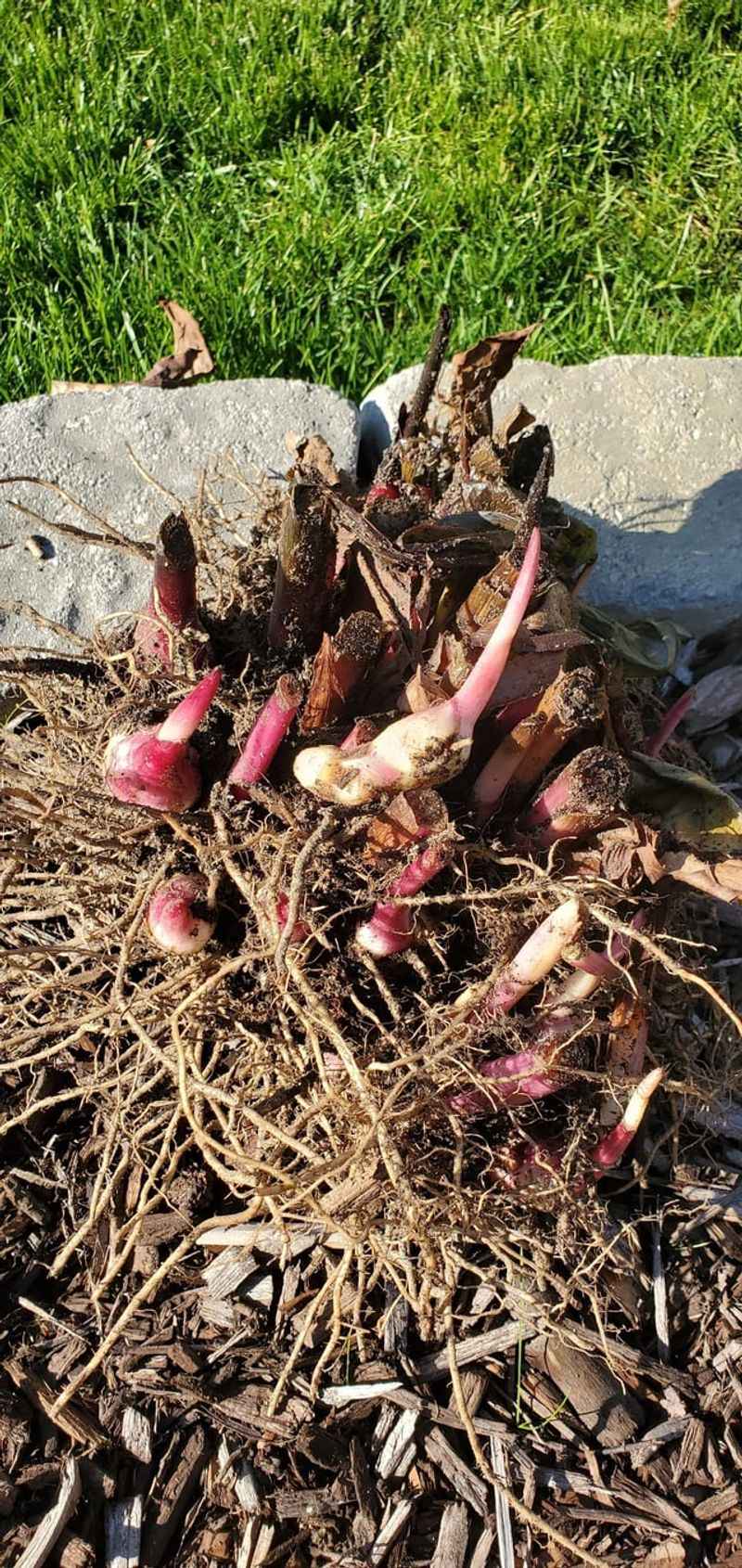
Cannas bring a tropical parade to patios with bold leaves and torch-like flowers. Freezing weather ends that parade without much warning.
These plants are not reliably winter-hardy in much of New York. Rhizomes need lifting and storing before winter.
Timing is easier than people expect. Wait until frost damages the foliage, then lift the rhizomes before the ground freezes.
Cut stems back to a few inches above the rhizome. Then loosen the clump and lift it out of the container gently.
Rinse or brush away most of the soil clinging to the roots. Spread the rhizomes on newspaper and let them air dry several days.
Storage should be cool, dark, and dry, like an unheated basement corner. Aim for temperatures in the 45 to 55 degree range.
Pack them in peat moss, sand, or vermiculite so they hold moisture without rotting. Cardboard boxes and mesh bags both work fine.
Check them every few weeks through winter. Keep the stored rhizomes from drying out completely, and remove any that become soft or rotten.
Historical tidbit: Victorian gardeners went wild for cannas and bred hundreds of named types. Many heirloom varieties still circulate among hobbyists today.
Around April, divide clumps into pieces with at least one growing eye. Pot them up indoors for a head start.
Move containers out after the danger of frost passes. Blooms can return later in the summer.
6. Coleus Should Move Indoors Before Chilly Nights
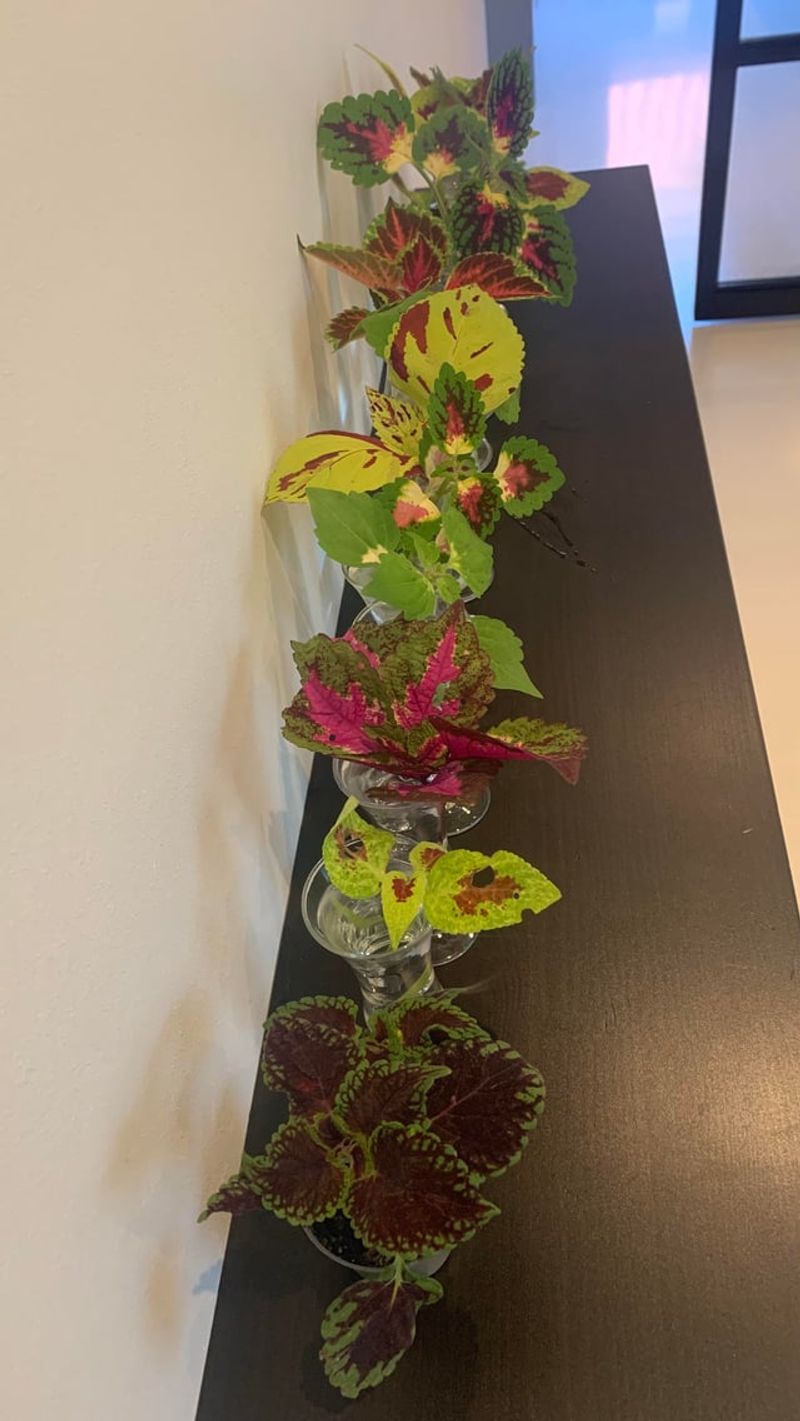
Coleus earns its keep with wild leaf patterns instead of flowers. Painted pink, lime, burgundy, and chocolate, it steals attention all summer.
Tenderness is the trade-off, since coleus cannot handle freezing air. Bring pots in once nighttime lows hold below 50 degrees.
Gardeners often overwinter coleus two different ways. Keep the whole plant, or root a handful of cuttings.
Cuttings are ridiculously easy and take up almost no space. Snip four-inch tips, strip lower leaves, and set them in water or moist potting mix.
Roots usually appear within two weeks on a bright windowsill. Pot the rooted pieces once roots reach an inch long.
Keeping the full plant works too, especially for large specimens. Prune it back by a third and set it in a sunny window.
Moisture should stay steady without ever getting soggy. Indoor air runs dry in winter, so check the soil twice a week.
Some leaf drop happens as the plant adapts to lower light. Pinching stem tips encourages bushier regrowth.
Quick fact: coleus belongs to the mint family, which explains the square stems. Crush a leaf and you may catch a faint herbal scent.
Watch for mealybugs tucked into leaf joints during winter. A cotton swab dipped in rubbing alcohol clears them out.
By May, you will have several plants from one. Free color for every container on the porch.
7. Begonias Need Protection From Falling Temperatures
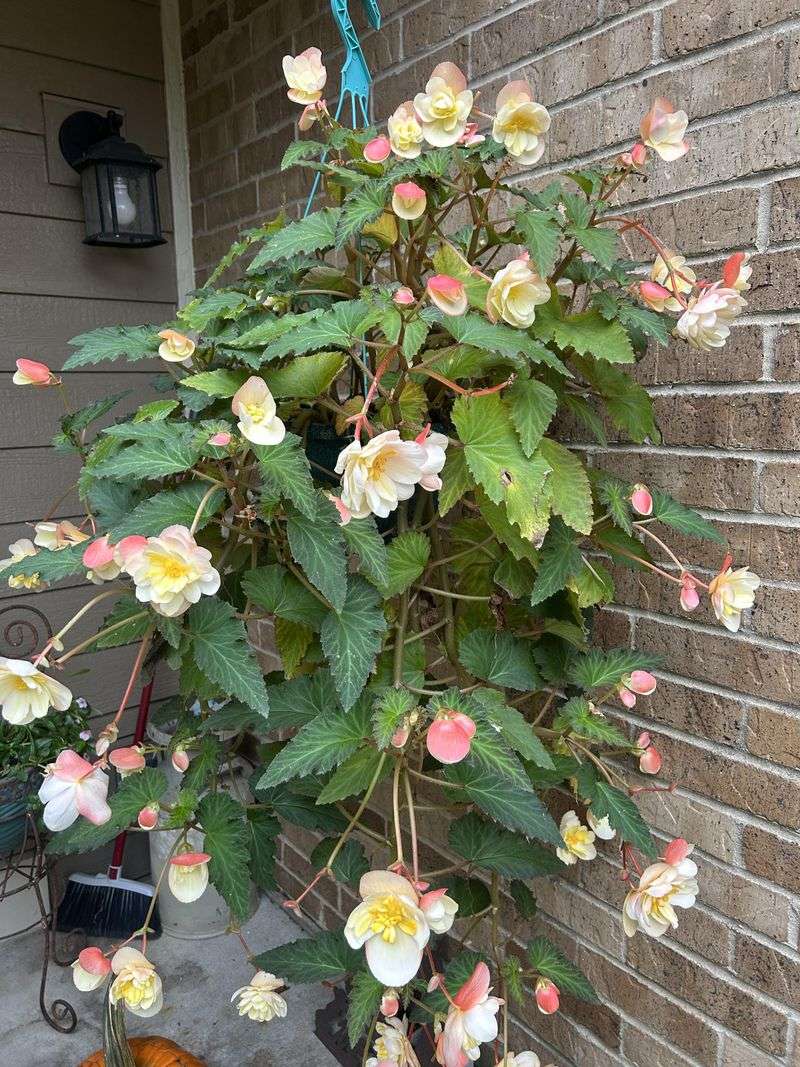
Tuberous begonias produce blooms so full they almost look fake. Cold weather, though, brings that ruffled display to a close.
Frost is not something these plants shrug off. Move containers inside before the first frost, or once temperatures regularly fall under 40 degrees.
Many gardeners store begonia tubers rather than fussing with houseplant care. The method is simple and takes very little room.
Let the foliage yellow and collapse naturally first, since the tuber is still gathering energy. Stop watering as the leaves fade.
Once the top growth withers, lift the tubers out of the pot. Snap or cut away the shriveled stems.
Brush off loose soil and let the tubers cure in a dry, airy spot for a week. Skip washing, because extra moisture invites rot.
Nestle them into peat moss or vermiculite inside a shallow box. Store at roughly 45 to 55 degrees in the dark.
Inspect the box monthly and remove anything soft or moldy. Healthy tubers feel firm like a small potato.
Neat history note: tuberous begonias trace back to species collected in the Andes during the 1800s. Breeders crossed them into the giant-flowered forms we plant today.
Start tubers indoors in March with the hollow side facing up. Barely cover them with mix and keep things lightly moist.
Shoots appear within a few weeks under bright light. Plant outdoors after the danger of frost has passed for another summer of ruffles.
8. Geraniums Can Be Saved For Another Season
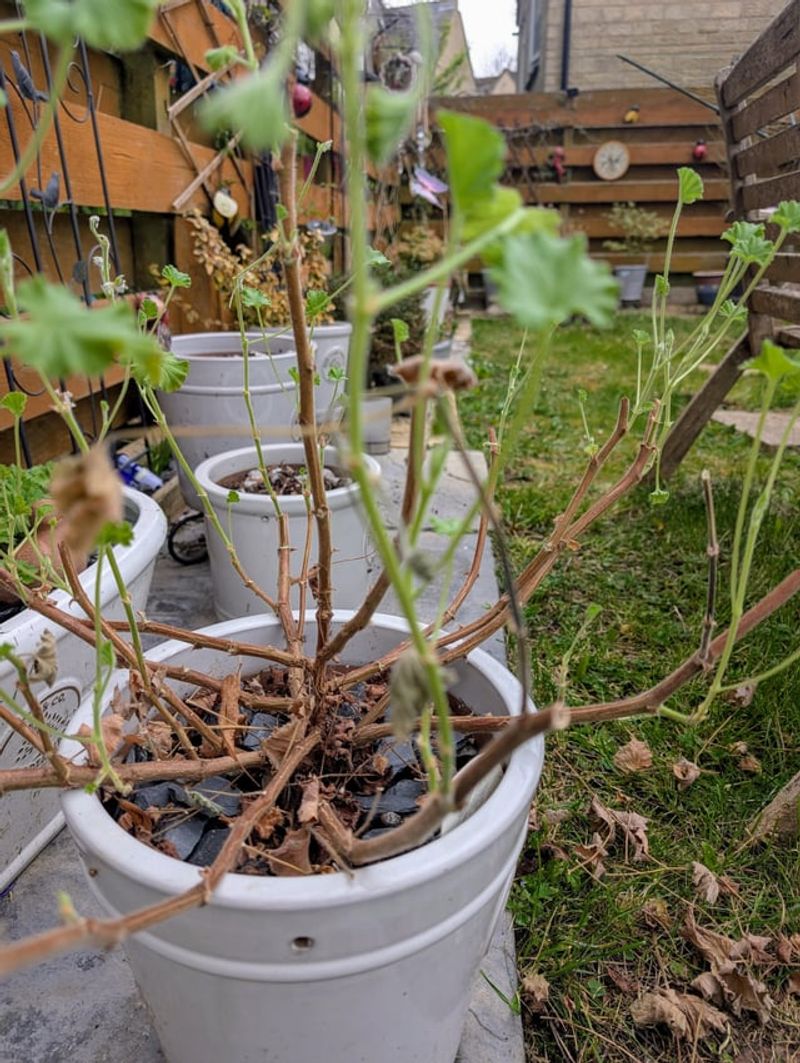
Grandmothers have been carrying geraniums indoors for generations, and the habit still pays off. One plant can decorate your steps for many summers.
Garden geraniums are actually tender perennials in the genus Pelargonium. Freezing winters end their run outdoors.
Bring pots inside before the first hard frost, generally when lows settle below 45 degrees. A frost blanket buys you a night or two if needed.
Whole plants and cuttings both overwinter nicely. Pick whichever fits your window space.
For full plants, prune stems back by roughly a third. Remove yellow leaves and spent flower heads while you are at it.
Check stems and soil closely for pests before the pot comes in. Repotting with fresh mix reduces hitchhikers.
Set the container in a cool, bright room, ideally between 45 and 60 degrees. Enclosed porches and spare bedrooms work well.
Water sparingly, maybe every two or three weeks. The goal is a resting plant, not a growing one.
Cuttings root easily in damp potting mix on a sunny sill. Four-inch tips with the lower leaves removed usually take hold in three weeks.
Odd fact: true hardy geraniums are a completely different plant called cranesbill. The nickname mix-up dates back centuries.
In March, increase water and light, then pinch tips for bushier shape. Feed lightly as growth resumes.
Move them outside in mid-May, and blooms follow quickly. Old favorites keep coming back.
9. Fuchsias Need A Cooler Indoor Winter Spot
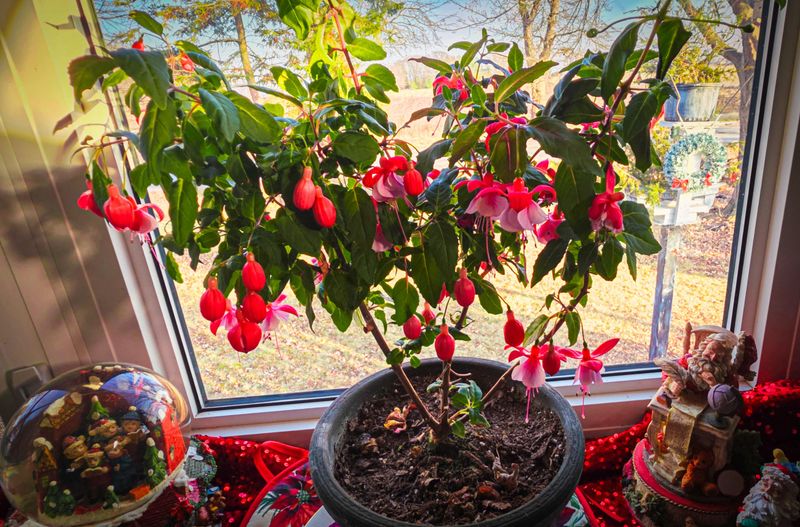
Fuchsia flowers dangle like tiny ballerinas and hummingbirds cannot resist them. Cold nights, sadly, cut the show short.
Most container fuchsias are not hardy in the New York climate. They need winter shelter to make it to spring.
Bring baskets in before the first frost, or when lows hover below 45 to 50 degrees. Hanging baskets chill faster than ground-level pots, so act early.
Cool and bright beats warm and cozy for this one. Look for a spot around 40 to 50 degrees, like an unheated porch or garage window.
Watering drops to roughly once every two or three weeks. Just keep the root ball from drying out entirely.
Pruning helps more than you might think. Cut stems back by a third to a half so the plant fits and stays tidy.
Leaf drop is expected, and bare branches do not mean trouble. Green wood under the bark tells you the plant is resting.
Watch for whiteflies, which adore fuchsia foliage. Yellow sticky cards catch adults before populations climb.
Fun background: fuchsias were discovered in the Caribbean in the late 1600s and named after a German botanist. Breeders have since created thousands of cultivars.
In late February, prune again and move the pot to warmer, brighter quarters. Water more and begin light feeding.
Fresh shoots appear fast, and flower buds follow. Hang the basket outside once nights turn mild.
10. Citrus Trees Need Indoor Protection Before Frost
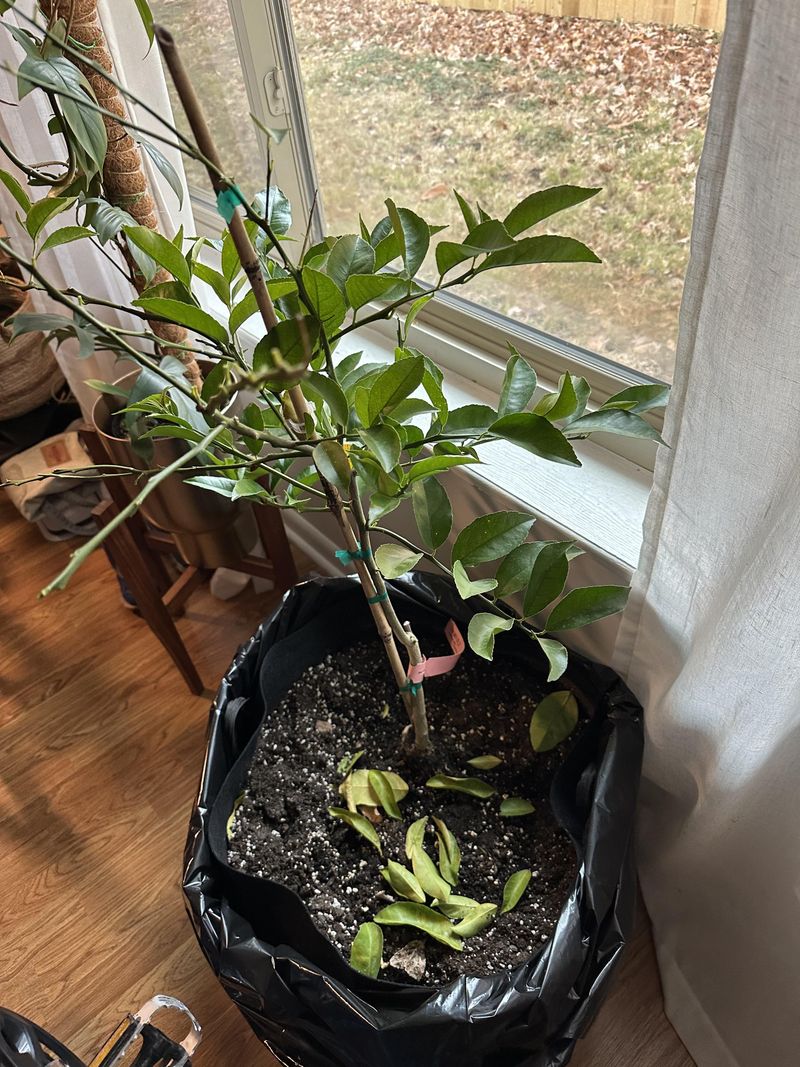
A potted lemon tree in the corner of a bright room feels like a small vacation. Getting it there before frost is the important part.
Citrus is tropical to subtropical and reacts badly to freezing air. Frost can cause serious damage to branches and fruit.
Move trees indoors when outdoor temperatures consistently drop below 50 degrees. In New York, late September is a reasonable target.
Do the transition gradually if you can manage it. A week in partial shade helps leaves adjust to lower light levels.
Indoors, citrus wants the sunniest window you own plus decent air movement. A small fan on low prevents stale, stuffy conditions.
Water consistently but less often than during summer. Let the top inch dry, then water until it drains freely.
Humidity helps a lot, since heated rooms run desert-dry. Pebble trays or a small humidifier keep leaves from crisping at the edges.
Spider mites are the number one indoor citrus pest. Rinse leaves in the shower monthly and check undersides with a magnifier.
Hand-pollinate open blossoms with a soft brush for winter fruit. A gentle swirl in each flower is all it takes.
Neat history: Meyer lemon arrived in the United States in 1908 from China, collected by plant explorer Frank Meyer. It remains the favorite for pots.
Feed with citrus fertilizer starting in late winter. Return the tree outdoors after nights warm past 50 degrees.