What It Means When California Roses Produce Fresh Growth After Summer Heat
All July, the rose bush by the fence looked worn out. Dusty leaves, hardly a bud in sight, nothing worth photographing.
Then one cool September morning, shiny red shoots poke out along every cane, seemingly overnight.
Something shifted underground and inside the plant itself, and it has almost nothing to do with what most gardeners assume is happening.
That burst of growth is telling you something specific about the weeks ahead, something worth understanding before you reach for the pruners or the fertilizer bag out of habit.
Curious what your rose is actually signaling right now, and how one wrong move could undo the whole thing? The answer starts with a comparison to running laps in extreme heat.
1. Cooling Temperatures Restart Active Growth
Trying to run laps on a 105-degree afternoon would slow anyone down fast, sending them looking for shade until evening arrives.
Roses handle extreme heat in a surprisingly similar way.
When temperatures climb into the high 90s and beyond, many rose bushes put active growth on hold.
Their leaves lose water fast, so the plant saves energy by making fewer new shoots and smaller flowers. This summer slowdown counts as a normal response, not a sign that something is wrong.
Once the days cool down and nights get more comfortable, the pressure lifts.
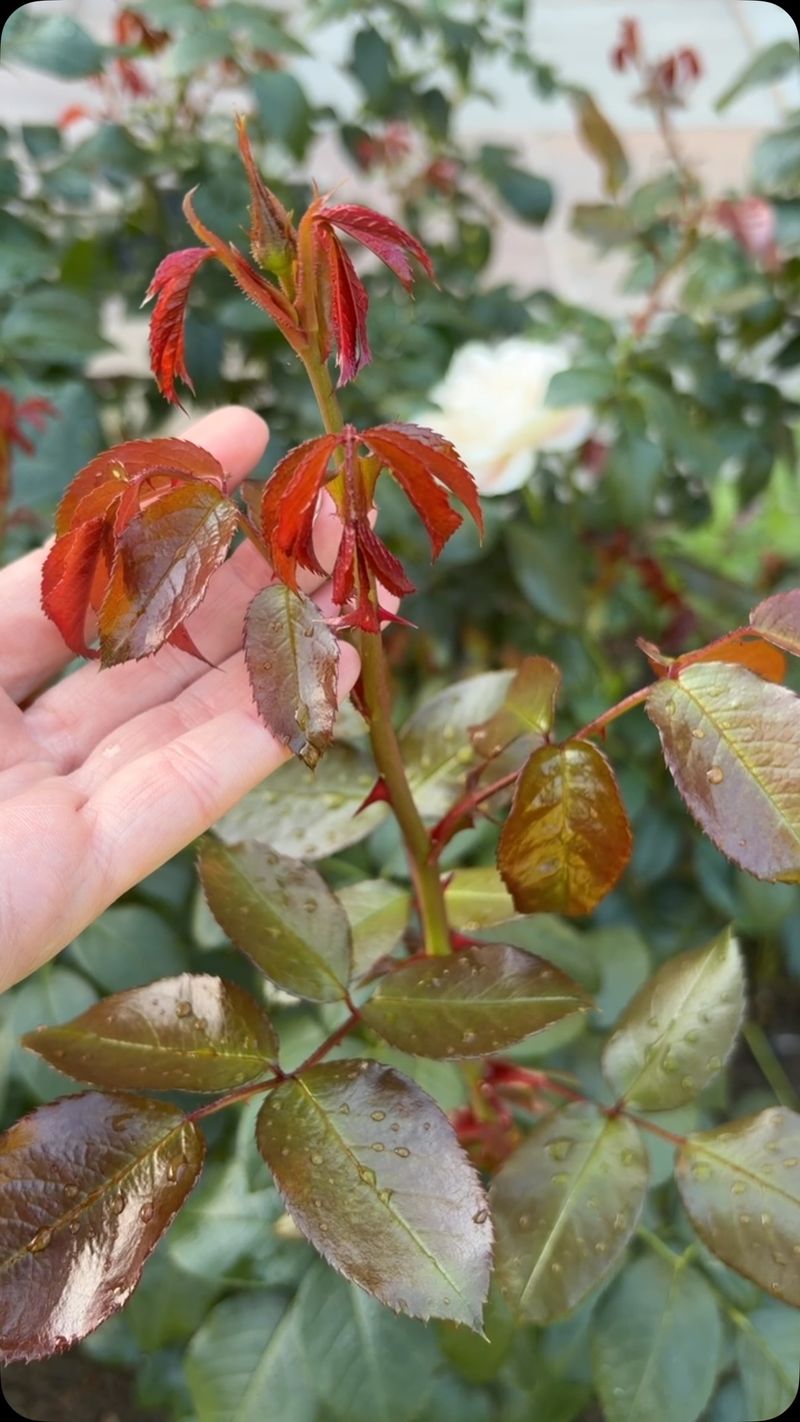
The plant can keep its leaves hydrated more easily, and it starts sending energy back into fresh stems and leaves. You’ll often notice new shoots with a reddish or bronze color, which is common for young rose growth before it turns green.
In much of California, this restart tends to happen from late August through September.
Coastal gardens may see it earlier because summers there are milder. Hot inland valleys, like parts of the Central Valley or Inland Empire, might wait until nights finally drop below the 70s.
So what should you do when you spot this growth?
Check the soil moisture, remove any crispy spent leaves, and look closely for pests like aphids, which love tender new shoots.
Seeing new growth after a hot spell is simply your rose saying the worst is over.
2. Fresh Growth Often Signals More Blooms Ahead
Ask a longtime California rose grower about their favorite season, and many will surprise you by saying fall.
Spring gets all the attention, but autumn blooms often have richer colors and last longer on the bush. Cooler air slows down how fast petals open and fade, so each flower sticks around for you to enjoy.
Here’s the connection.
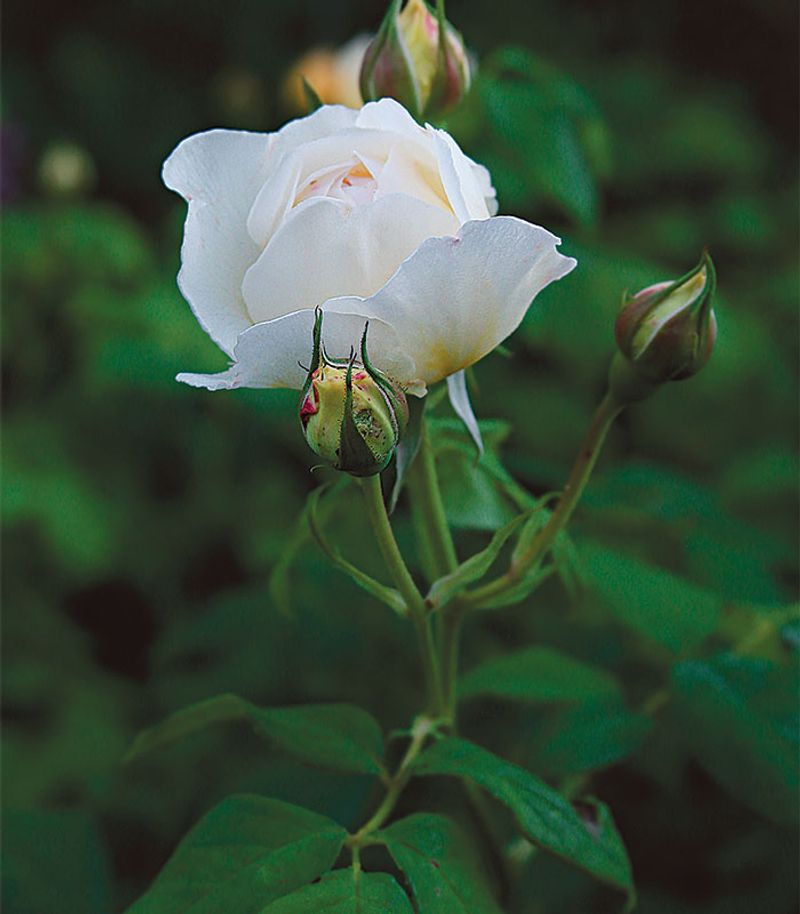
Roses produce flowers at the tips of new stems, so a bush covered in fresh shoots is basically loading up for a show.
Most modern repeat-blooming roses, such as hybrid teas, floribundas, and grandifloras, take about six to eight weeks to go from a new shoot to an open flower.
That means growth you see in early September could turn into blooms by October or early November, though timing varies with variety and weather.
This wave of flowers is often called the fall flush.
Your California Garden Changes Every Week. Your Plan Should Too.
Gardening in California changes quickly throughout the season. Every Friday you’ll receive a simple weekly plan showing exactly what to plant, prune, fertilize, harvest, and protect so you never miss the right timing.
California’s long, mild autumns give roses a real chance to bloom heavily one more time before winter.
Keep in mind that not every rose repeats.
Some old-fashioned climbers and heritage varieties bloom only once a year, usually in spring, so their fall growth may simply be leaves and canes.
A fun trick is to watch the ends of the new shoots closely.
Tiny, round buds that look like green peas are your first clue that flowers are on the way.
3. Late Growth Can Still Be Cold Tender
Not every story about new growth has a perfectly happy ending, especially if you garden where winter bites a little harder.
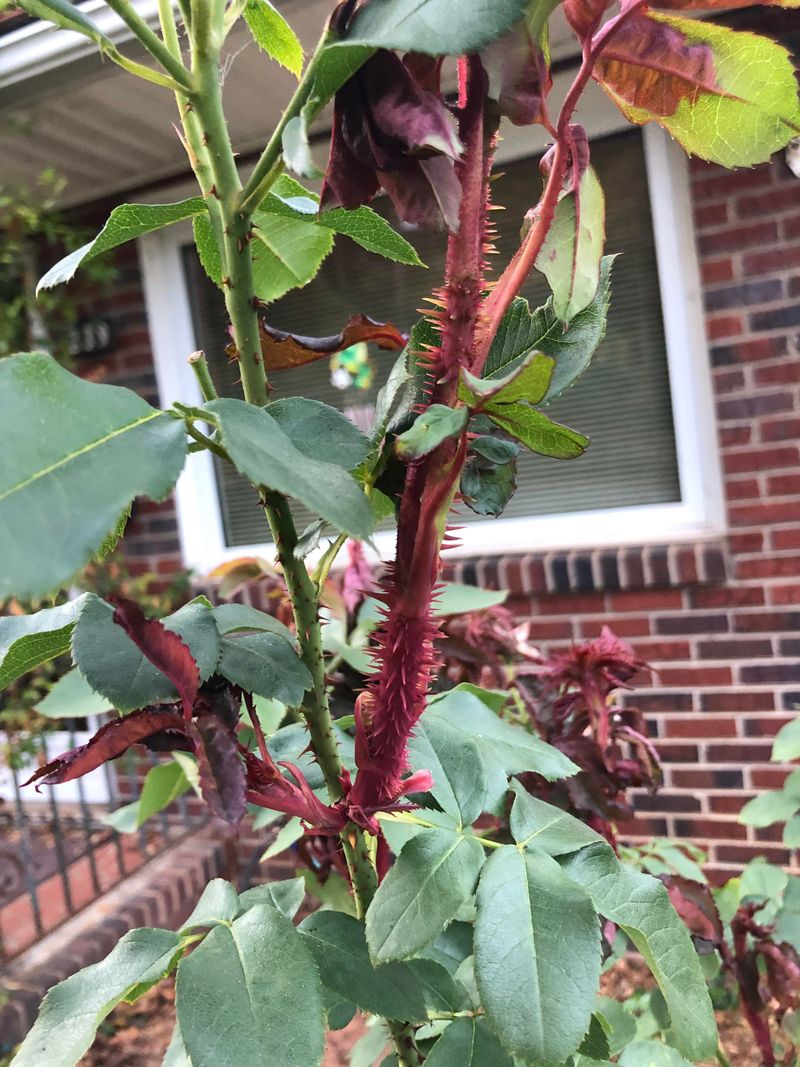
Soft young stems and leaves are full of water and have not had time to toughen up.
A sudden frost can blacken those tender tips overnight, leaving them limp and brown by morning.
For most coastal and Southern California gardens, this is rarely a big worry.
Frost there is light or uncommon, so fall shoots usually have plenty of time to mature. The bigger concern shows up in colder inland spots, such as foothill towns, the northern Central Valley, and high desert areas.
Growth that appears very late, like in late October or November in those regions, may not harden off before an early cold snap.
Damage is usually limited to the newest tips, and the main canes typically survive just fine.
A few simple habits can lower the risk.
Easing off fertilizer several weeks before your average first frost date helps, since feeding late pushes out more soft growth. Letting the last flowers form rose hips also nudges the plant toward rest.
If frost does nip your roses, resist the urge to prune right away.
Damaged tips actually help shield the wood underneath, so wait until your normal late-winter pruning time to clean them up.
A little frost burn looks sad, but it rarely does lasting harm.
4. Trimming Encourages The New Flush
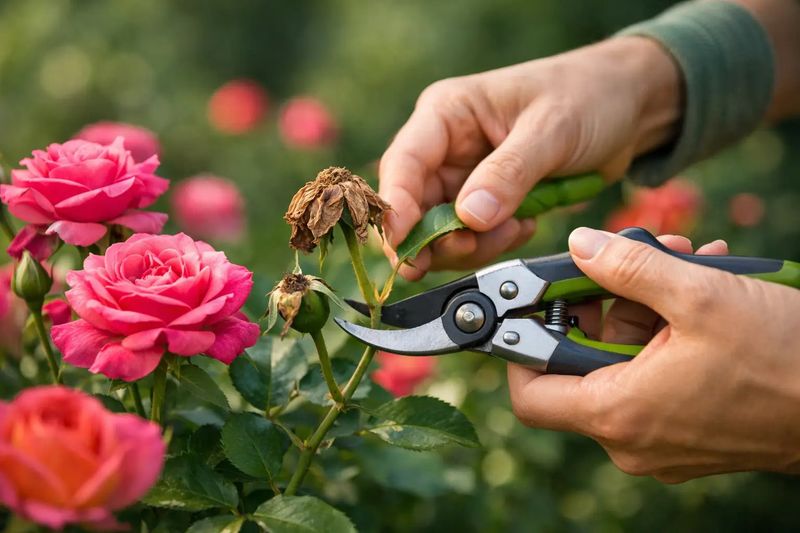
Grab your pruners, because this is the fun part.
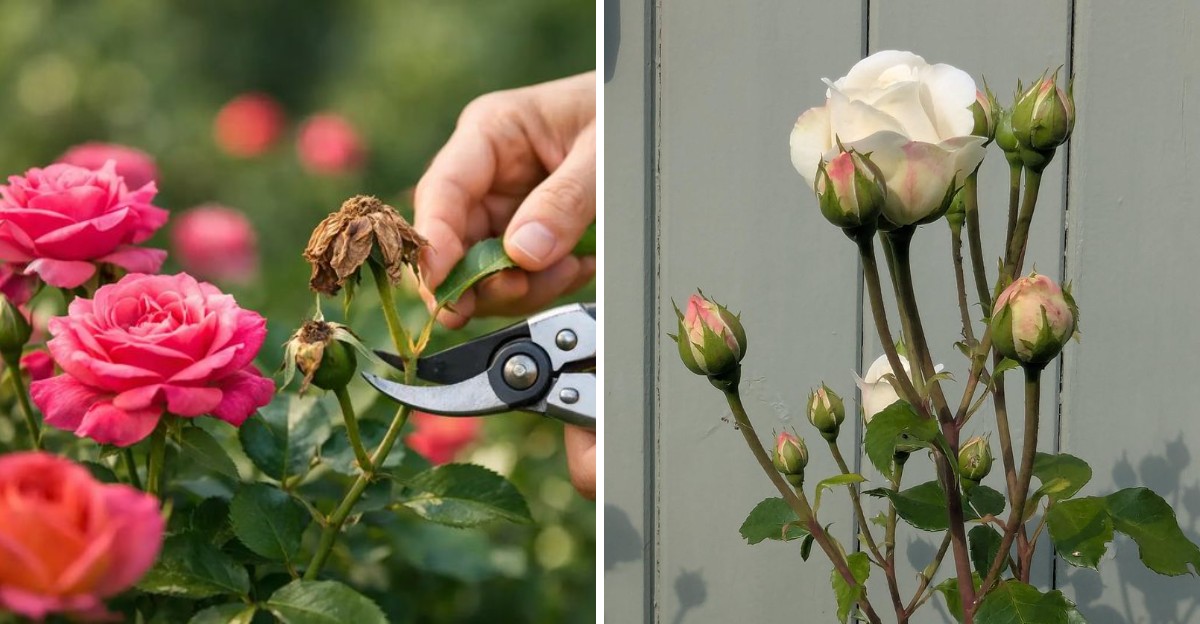
Trimming simply means snipping off faded flowers, and it’s one of the easiest ways to steer a rose toward a strong fall show.
Here’s why it works.
Once a bloom fades, the plant starts putting energy into making seeds inside a rose hip. Remove that old flower, and the bush redirects its effort into fresh shoots and new buds instead.
Technique matters a little.
Follow the stem down from the spent flower until you reach a leaf with five leaflets, ideally one facing outward from the center of the bush. Make a clean, slightly angled cut about a quarter inch above that leaf.
A new shoot usually grows from the bud tucked where that leaf meets the stem.
Choosing an outward-facing spot keeps the center open, which helps air flow and reduces problems like powdery mildew.
During the late summer rebound, a light touch works best.
Avoid heavy cutting while the plant is still recovering from heat, because its leaves are needed to make food and shade the canes.
Keep your pruners sharp and wipe the blades with rubbing alcohol between plants to avoid spreading disease.
Later in fall, especially in chilly inland areas, you can stop trimming altogether and let hips form as the season winds down.
5. Consistent Water Supports The Comeback
Building a sandcastle with bone-dry sand never works, no matter how hard you try. Nothing holds together.
Roses face the same problem when they try to push out new growth without steady moisture.
New shoots, leaves, and buds are built largely from water, and they grow fastest when the root zone stays evenly moist.
Deep, less frequent watering beats quick daily sprinkles. Deep soakings encourage roots to grow down into the soil, where it stays cooler and damper.
A good goal is to moisten the soil about 16 to 18 inches deep, which is where most rose roots do their work.
You can check by pushing a long screwdriver or soil probe into the ground a few hours after watering. If it slides in easily, the water reached deep enough.
Fall weather in California can be tricky.
Warm spells and dry Santa Ana or Diablo winds can pop up in September and October, drying soil much faster than you might expect. Keep checking moisture even when the calendar says autumn.
Mulch is a secret helper here.
A layer of wood chips or shredded bark about two to three inches thick holds moisture in and keeps soil temperatures steady. Leave a few inches of space around the base of the canes so the crown stays dry.
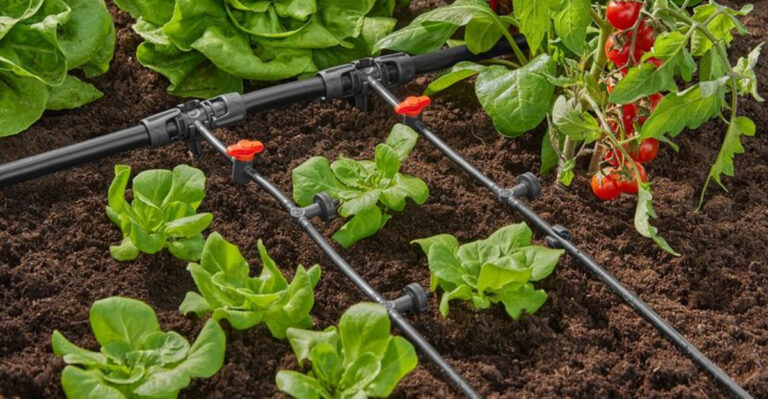
Drip lines or soaker hoses are ideal because they deliver water right to the roots and keep leaves dry, which helps prevent fungal disease.
6. Fertilizing Lightly Helps Fuel New Growth
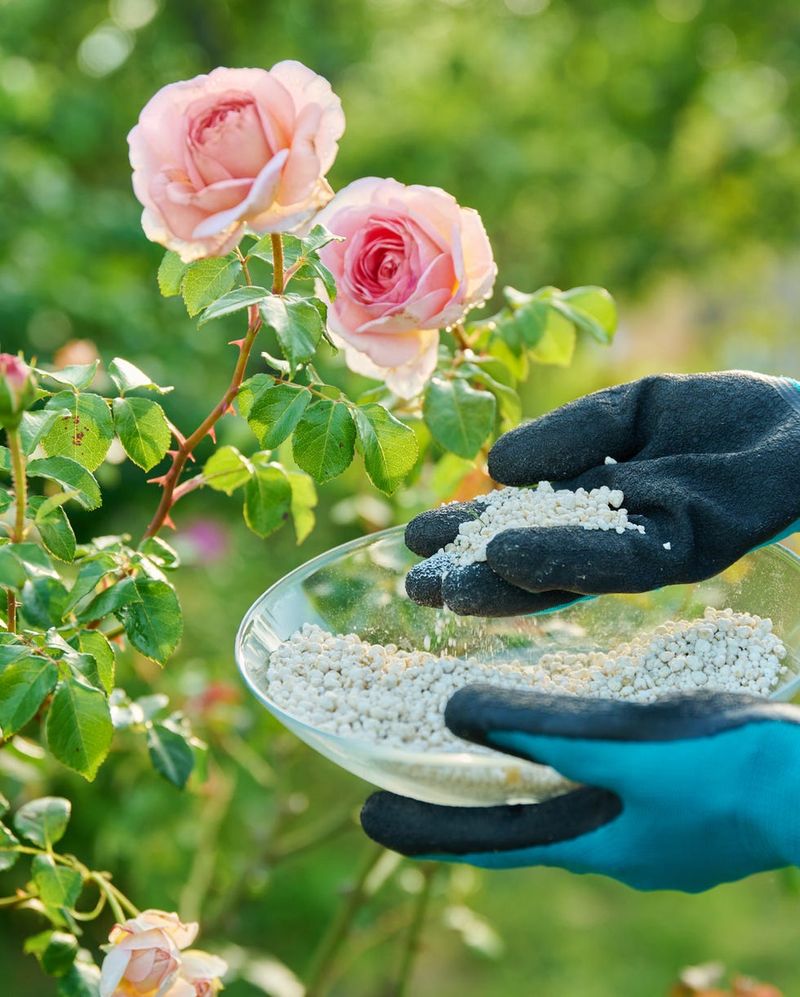
More is not always better, and fertilizer is a perfect example of that rule.
A rose coming out of a summer slump does appreciate a snack, but a giant feast can cause more trouble than good.
When fresh shoots appear, a light feeding gives the plant building blocks for stems, leaves, and flowers.
Nitrogen fuels leafy growth, while phosphorus and potassium support roots and blooms. A balanced rose fertilizer, or a gentle organic option like compost or aged manure, usually covers the basics.
Always water the day before you feed and again right after.
Fertilizer on dry roots can burn them, especially if the weather turns warm again. Follow the label directions exactly, and when in doubt, use a little less rather than a little more.
Timing is the other half of the puzzle.
Coastal and Southern California gardeners can often feed through early fall, since frost comes late or not at all.
In colder inland regions, a final feeding around late summer or early fall generally makes sense, so plants are not pushing soft growth right before frost.
Watch for signs you went overboard.
Tons of leaves with very few buds, or leaves with brown, crispy edges, can point to too much fertilizer.
A modest, well-timed meal keeps your rose strong and ready to bloom without wearing it out.
7. Enjoy This Bonus Round Before Dormancy
There’s something magical about cutting a rose in October and bringing it inside on a cool evening.
The color seems deeper, the scent feels richer, and the whole moment has a cozy, end-of-season glow.
Your fall flush really is a bonus round.
After surviving the hottest months, your rose is giving you one more display before it slows down for winter. In most of California, roses do not go fully dormant the way they do in snowy states, but they do rest.
So take time to enjoy it.
Fill a vase for your kitchen table, share a bouquet with a neighbor, or press a few petals in a heavy book as a keepsake. Notice which varieties perform best in fall, and jot them down for future planting plans.
As the season winds down, leave a few final blooms on the bush.
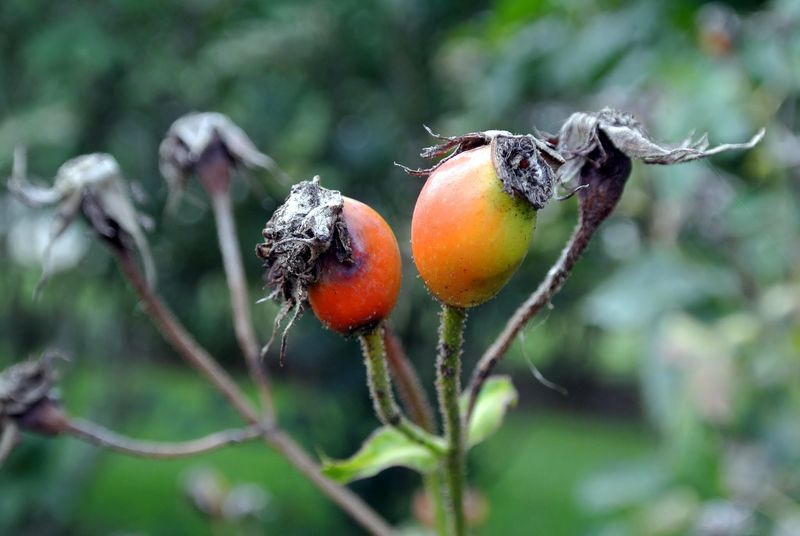
They’ll turn into colorful rose hips, which look lovely in late autumn and signal the plant that it’s time to rest. Birds sometimes enjoy them too.
Here’s a fun fact worth knowing. Rose hips are packed with vitamin C and have been used in teas and jams for centuries. Only use hips from plants that have not been sprayed with chemicals, though.
That fresh summer-ending growth was a promise, and fall is when your roses keep it.
8. Watch For The Signs A Bloom Is Coming
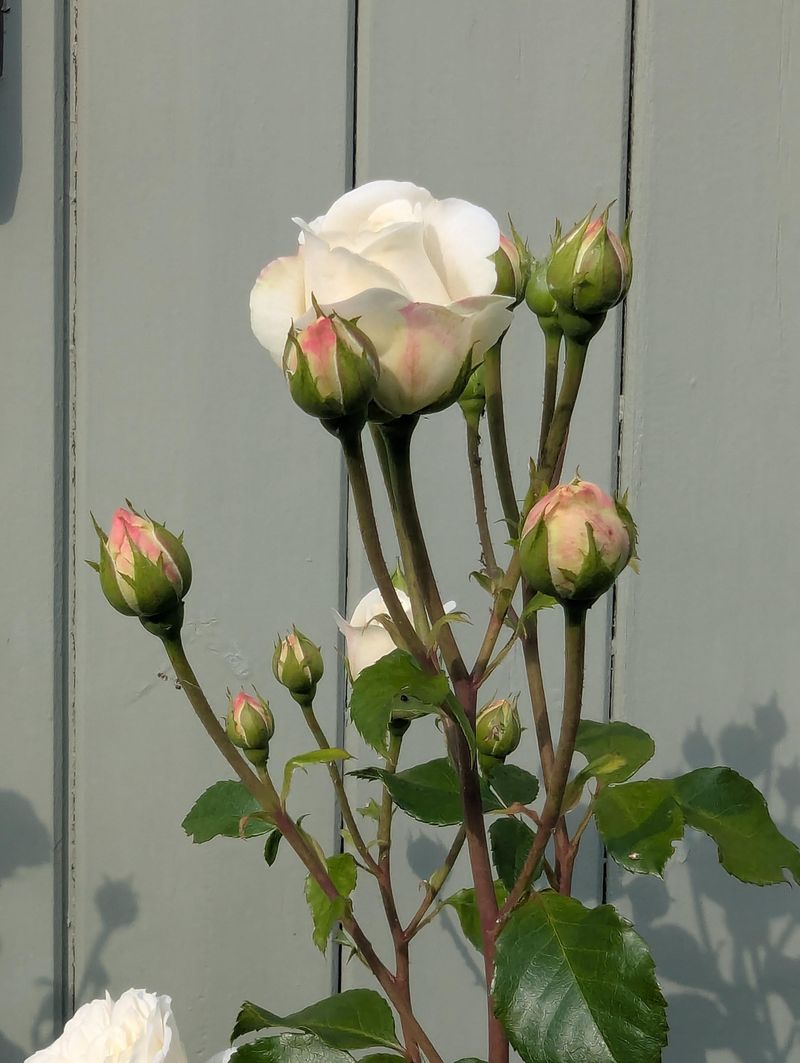
Learning to read a rose bush takes the guesswork out of waiting for fall color, and the clues show up well before any petals actually open.
The stem itself offers the first hint. A new shoot that grows noticeably thicker than the surrounding canes often produces the largest and most impressive blooms of the whole flush.
Bud shape matters just as much as timing. A tight, pointed bud that’s beginning to show a sliver of color at the tip is usually days away from opening.
Meanwhile, a rounder, still-green bud might need another week or more of cool weather to get there.
Leaf color offers a subtler clue worth watching too. New leaves that emerge with a healthy reddish-bronze tint, then gradually shift to a deep, glossy green, typically signal a plant with plenty of energy reserves heading into bloom.
Counting leaflets on that new growth can predict flower size in a rough way.
Stems that push out leaves with seven leaflets instead of the usual five often indicate especially vigorous growth, which frequently translates into a fuller, showier bloom once it opens.
Weather patterns during this stretch matter as much as anything happening on the plant itself.
A run of mild, sunny days without extreme heat spikes tends to open buds evenly and hold color longer, while a sudden hot spell can rush a bloom open fast and fade it just as quickly.
Keeping a simple log of when shoots first appear, when buds show color, and when flowers finally open builds a personal calendar for each rose variety.
That record becomes genuinely useful the following year, letting you anticipate the fall show almost to the week rather than being surprised by it all over again.