Before the fall rains soak everything, 5 ways old egg cartons turn into garden helpers
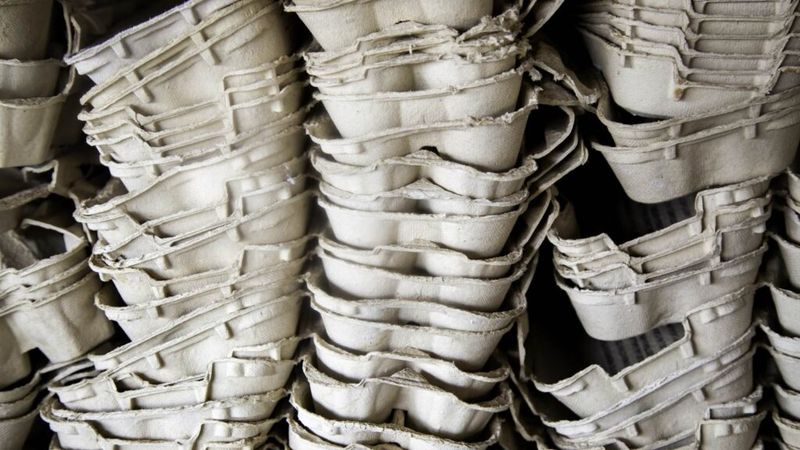
If you have a stack of empty egg cartons hiding in a cupboard, you are in good company, because gardeners are famous for saving things just in case. Here in western Oregon, that just in case moment is right now, before the steady fall rains turn every bed into a soggy mess.
Those humble cardboard cartons can start seeds, catch slugs, feed your compost, and protect new plants for almost no money. Grab the pile you feel a little guilty about keeping, and let’s put it to work.
1. Biodegradable Seed Starting Pots
Every September, a certain kind of Willamette Valley gardener looks at the calendar and thinks, one more round of greens before winter. Egg cartons make that last-minute impulse easy and nearly free.
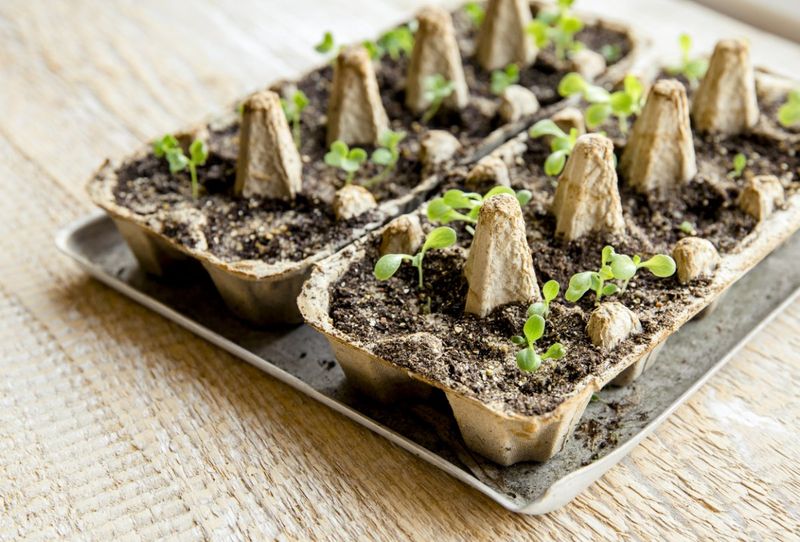
Fill each cup with moist seed starting mix, press in two or three seeds, and set the carton in a bright window or under a shop light.
Cool-season crops shine here. Lettuce, kale, mustard greens, and pansies all sprout quickly in cartons, and many can be tucked into beds or cold frames while the soil is still warm from summer.
In zones 8a and 9a west of the Cascades, a mid-to-late September transplant often gives greens time to settle in before growth slows in November.
When seedlings have a couple of true leaves, snip the cups apart. Tear or poke a few holes in the bottom of each one so roots can push through, then plant the whole cup so the rim sits just below the soil line.
An exposed cardboard edge can wick moisture away from the roots, so bury it completely.
One quick tip: skip foam or plastic cartons for this job. Only the gray or tan cardboard kind breaks down in the soil, which is the whole point.
2. Slug Hideout Traps
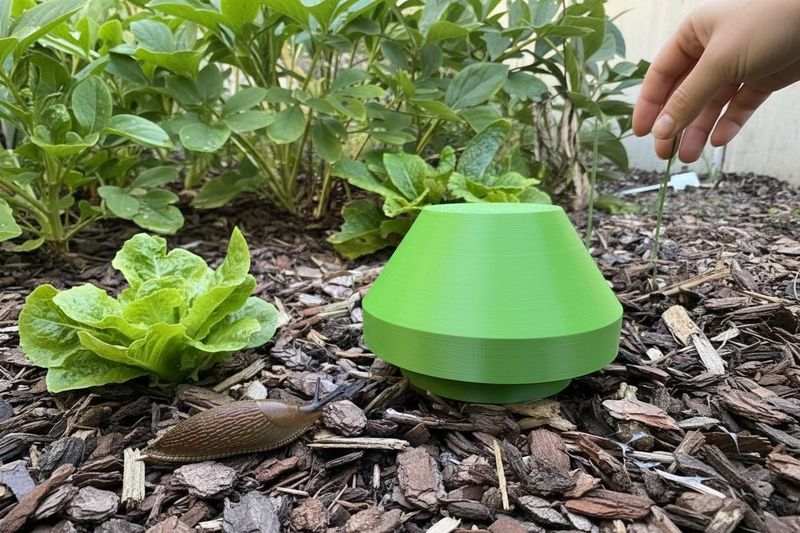
Ask any Oregon gardener about their nemesis, and you will probably hear one word: slugs. The moment the first real rain rolls in off the Pacific, they seem to appear out of nowhere and head straight for your baby lettuce.
Old egg cartons can give you a sneaky, chemical-free way to fight back.
Slugs spend daylight hours hunting for cool, dark, damp shelter. Cut a carton in half, flip the pieces upside down, and set them on the soil near the plants slugs love most, like lettuce, hostas, and young brassicas.
A slightly damp carton tends to be more inviting, so a quick splash from the watering can may help.
Early the next morning, lift the cartons and see who checked in overnight. Gardeners handle the guests in different ways, from dropping them into a jar of soapy water to relocating them far from the veggie patch.
Either way, you are thinning the crowd without spreading pellets that could affect pets, birds, or the beetles that also eat slugs.
Keep realistic expectations, though. Cartons will not wipe out a whole slug population, and in a wet PNW fall you may need to check them daily.
Think of them as one tool in your kit, alongside hand-picking at dusk and clearing boards or clutter where slugs breed.
Your Oregon Garden Changes Every Week. Your Plan Should Too.
Gardening in Oregon changes quickly throughout the season. Every Friday you’ll receive a simple weekly plan showing exactly what to plant, prune, fertilize, harvest, and protect so you never miss the right timing.
Once a carton gets mushy, just toss it in the compost and set out a fresh one.
3. Compost Pile Browns
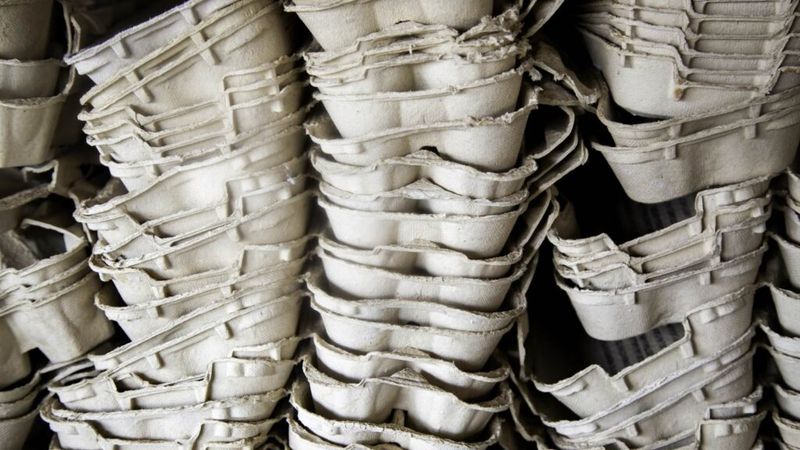
A wet compost pile is a smelly compost pile, and western Oregon is very good at making things wet. By November, many backyard bins start to feel more like soup than soil.
Cardboard egg cartons are one of the easiest fixes sitting in your recycling bin.
Compost needs a mix of greens, like kitchen scraps and grass clippings, and browns, like dry leaves and cardboard. Torn egg cartons count as browns, and their spongy texture can soak up extra moisture while adding air pockets to the pile.
That combination may help cut down on the sour smell that shows up after a week of rain.
Rip the cartons into small pieces first, since whole ones break down slowly. Soaking them for a minute can also speed things along.
Layer the pieces between scraps, and consider keeping a lid or tarp on the bin during the rainiest months.
Bonus: you get to feel a little less guilty about all those grocery runs.
4. Mulch Collars for Fall Transplants
Picture the scene: you just planted a row of fall kale, then Oregon hands you three warm, dry days in a row before the rain finally shows up. Early fall can be surprisingly thirsty, and brand-new roots are not ready for it.
A little cardboard collar can buy them time.
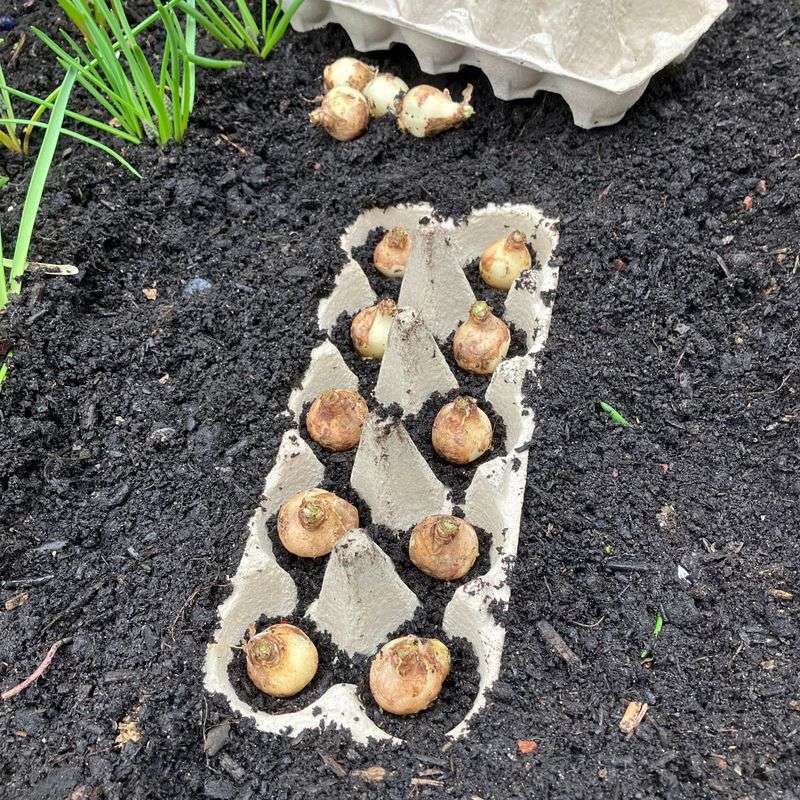
Tear egg cartons into flat pieces or cut out rings, then tuck them snugly around the base of each new transplant. The cardboard shades the soil, which can slow evaporation and help keep moisture near young roots.
It may also block some weed seeds from sprouting right next to your plants while they settle in.
Some gardeners top the cardboard with a light layer of shredded leaves or straw so it looks tidier and stays put in the wind. Leave a small gap between the cardboard and the stem to keep air moving.
As the steady rains arrive in October and November, the collars will soften and slowly melt into the soil. By spring, you will likely find nothing left but slightly richer earth and a few happy worms.
5. Container Liners for Overwintering Pots
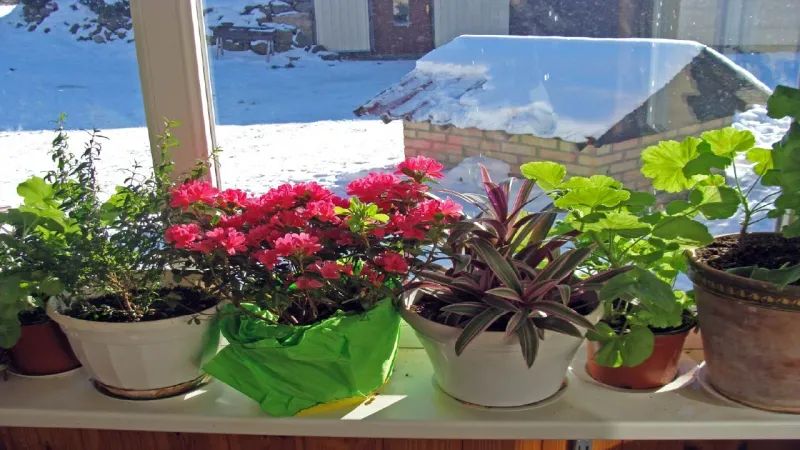
Container gardeners know the fall shuffle well. Tender fuchsias get hauled onto the covered porch, the rosemary gets a new pot, and somebody always promises to be more organized next year.
If you are repotting before the weather turns, egg cartons can pitch in here too.
A single cup or flat piece placed over the drainage hole can keep potting mix from washing out the bottom during those long Oregon downpours. Water still passes through easily, and the cardboard slowly breaks down as roots grow.
That small barrier can save you from muddy puddles on the deck and half-empty pots by February.
You might hear advice about filling the bottom of pots with a thick layer of cardboard or gravel for drainage. That old tip can actually backfire, since water tends to collect just above a different layer and sit around the roots.
A thin liner over the hole is plenty, and the rest of the pot should be good-quality potting mix.
For big containers, some gardeners mix a handful of torn carton pieces into the lower third of the soil. As it slowly decomposes, the cardboard can add a bit of organic matter and feed the tiny soil life that keeps potted plants healthy.
Tender plants still need protection when frost dips into the 20s, so move pots near a wall or into a garage on the coldest nights. Your egg cartons handle the soil, and you handle the tucking in.
Honestly, that is a pretty good partnership for something you almost threw away.