14 Annual Flower Seeds For Fall Sowing To Fill Your Garden With Early Spring Color
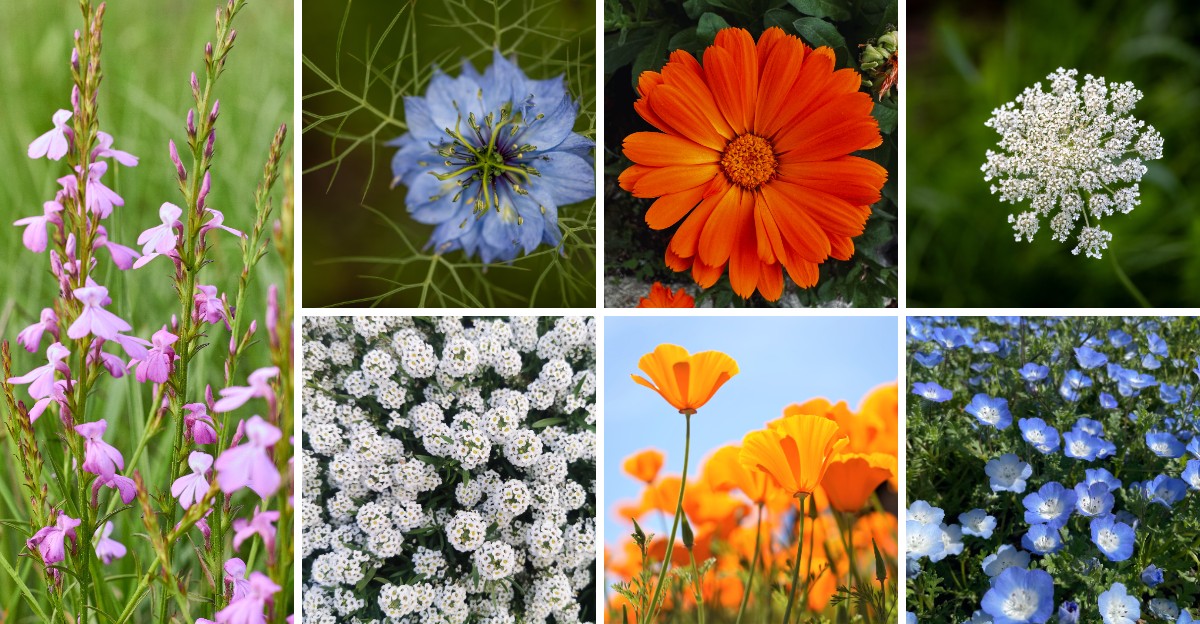
Your spring garden should already be growing, and it isn’t. Larkspur seeds linger in warm soil and hesitate to sprout.
Poppies, nigella, and bachelor’s buttons also thrive after autumn sowing. They handle cold. Botanists call it cold stratification, a chilly, damp stretch that gently releases dormancy.
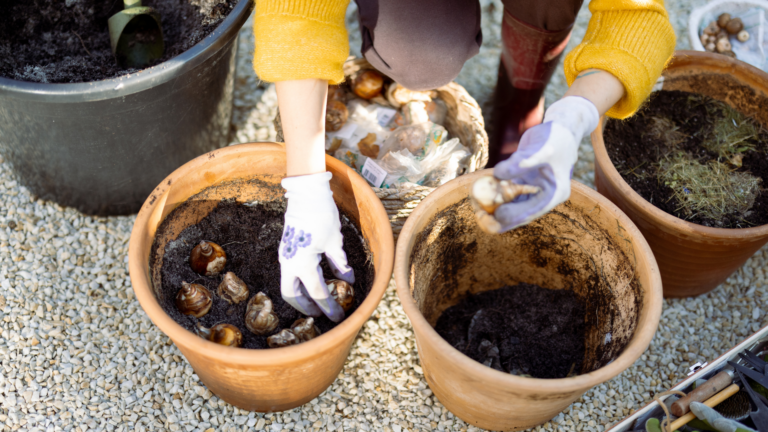
Without it, larkspur and poppies sit in the ground and wait. So you sow them now, after the soil cools but before it freezes. Freezing and thawing cycles gently settle each seed into snug contact with soil.
Snowmelt delivers slow, steady moisture no hose can match. Come spring, your seedlings already hold deep roots and race upward. Meanwhile, the spring flats on your windowsill still need weeks of tending.
Shirley poppies need light, so you skip covering them. Catch the right window, and spring color arrives weeks ahead of schedule.
1. Larkspur For Tall Spires Of Color
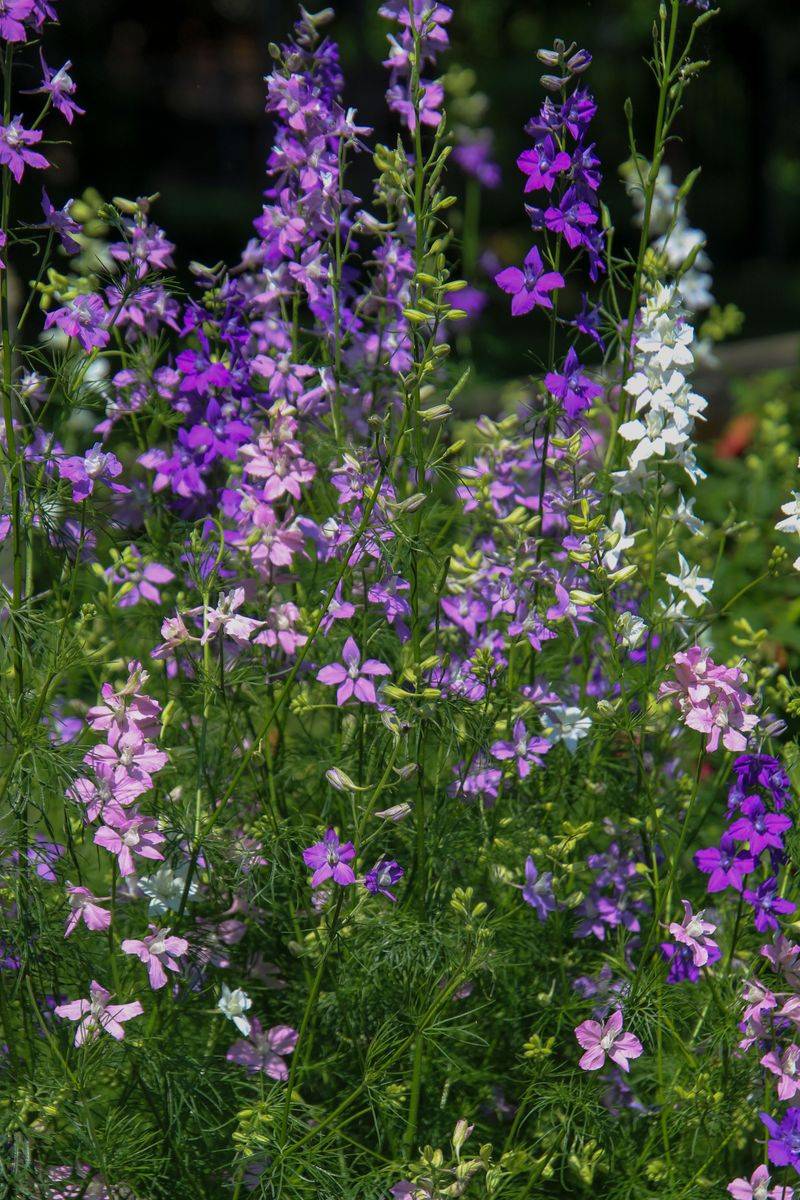
Grandma’s cottage garden probably had larkspur towering over the fence, and there is a good reason why. These tall spires shrug off cold and bloom in blue, pink, purple, and white.
Larkspur seeds actually need a long chill period before they sprout well. Sowing them in late September or October lets winter do that job for free.
Scatter seeds right where you want the plants to grow, since larkspur dislikes being moved. Cover them with a thin layer of soil, because they need darkness to sprout.
Small leafy rosettes will appear in fall and sit quietly through the cold months. When spring warms up, they shoot up to three or even four feet tall.
Fun fact: all parts of larkspur are toxic, so plant it away from curious pets and toddlers. The cut stems last well over a week in a vase, though.
2. Bachelor’s Buttons For Classic Cottage Blue
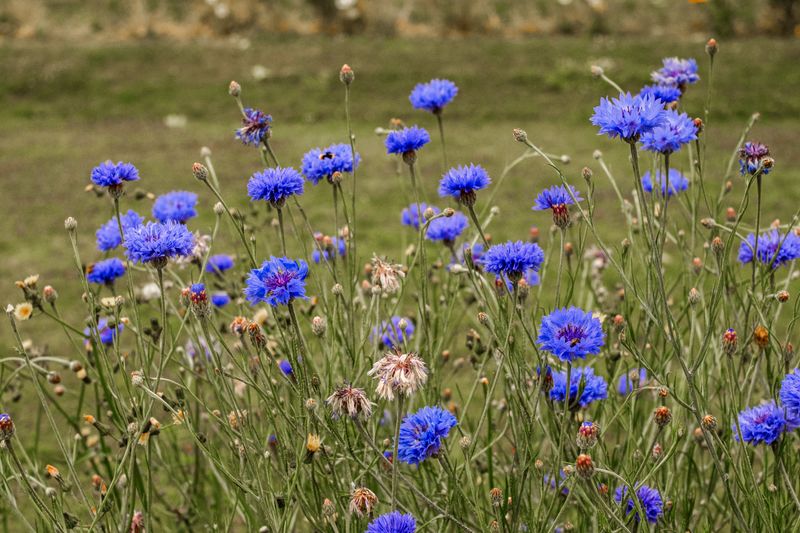
Ever notice how some flowers look like they were colored with the brightest crayon in the box? Bachelor’s buttons, also called cornflowers, have that electric blue shade nailed.
Fall sowing works beautifully with them, especially in areas with mild or moderate winters. Plant seeds about a quarter inch deep in a sunny spot from September to November.
They are not fussy about soil, and poor dirt is perfectly fine. Too much fertilizer actually makes them floppy, so skip the plant food.
Bees and butterflies go wild for the blooms in late spring. Leave a few flowers to form seeds, and goldfinches will show up for a snack.
According to old folklore, young men once wore these flowers on their jackets while courting. If the bloom faded fast, people said the love would not last.
Pinch off spent blooms to keep new buttons coming for weeks. Pink, white, and maroon types are fun to mix in.
3. California Poppies For Silky Orange Cups
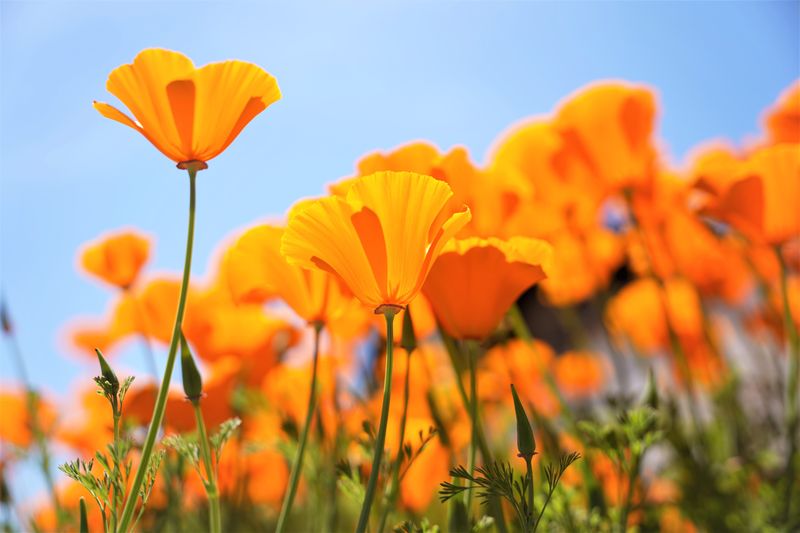
Imagine a hillside glowing orange like someone spilled a jar of melted sunshine. California poppies create that exact look, and they practically grow themselves.
In their native West Coast home, seeds naturally drop in fall and sprout with winter rains. Copying that schedule in your garden gives you earlier and stronger plants.
Scatter the tiny seeds on bare soil and gently rake them in. Cover them with only a light dusting of soil, since deeply buried seeds struggle to emerge.
Sandy, dry, even rocky ground suits them just fine. Rich soil and heavy watering can make them lazy about blooming.
Their silky petals close up at night and on cloudy days, like tiny umbrellas folding shut. Kids love checking on them in the morning to watch them open.
Once planted, they often reseed and return year after year without any help. Beyond orange, look for cream, pink, and scarlet types to mix things up.
4. Shirley Poppies For Tissue Paper Petals
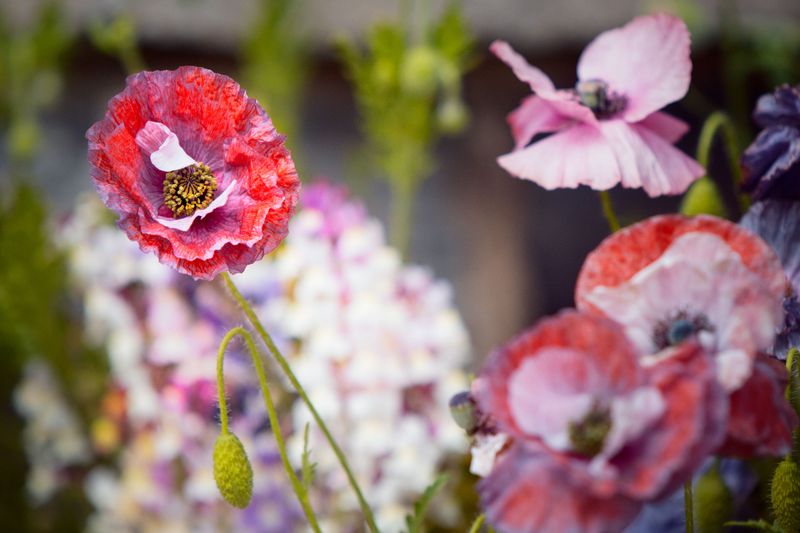
Petals as thin as crumpled tissue paper make Shirley poppies seem almost too delicate to be real. Yet these beauties handle frost far better than most people expect.
An English vicar named William Wilks bred them in the 1880s from common red field poppies. He named them after his village, Shirley, near London.
Poppies dislike being transplanted, so direct sowing is the smartest way to grow them. Late fall is ideal, because the freezing and thawing helps seeds settle in.
Mix the dust-sized seeds with a little sand so you can spread them evenly. Sprinkle them on top of the soil and let rain do the rest.
Blooms arrive in soft pinks, corals, whites, and reds, often with pale edges. Each flower lasts only a day or two, but new buds keep popping open. Want them in a vase? Sear the cut stem ends with a lighter flame to make them last longer.
5. Love-In-A-Mist For Lacy Blue Blooms
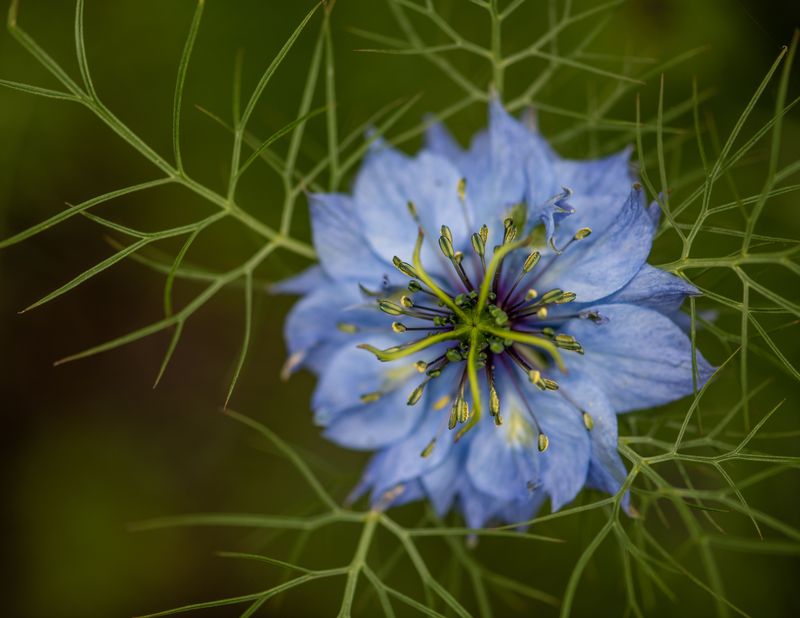
With a name straight out of a fairy tale, love-in-a-mist lives up to the hype. Each bloom sits inside a frilly cloud of thread-like leaves.
Gardeners also call it nigella, and it comes in blue, white, pink, and purple. The soft colors look lovely tucked between bolder spring flowers.
Sow seeds in September or October right where they will bloom. Seedlings handle chilly weather well and grow into sturdier plants than spring-sown ones.
Barely cover the seeds, and keep the soil lightly moist until sprouts appear. Once growing, the plants need very little attention from you.
After the petals fall, puffy striped seed pods take their place like tiny balloons. Crafters love drying them for wreaths and fall arrangements.
Let a few pods stay on the plant, and they will reseed on their own. Before long, you will have a dreamy patch popping up every year.
6. Calendula For Sunny Orange Faces
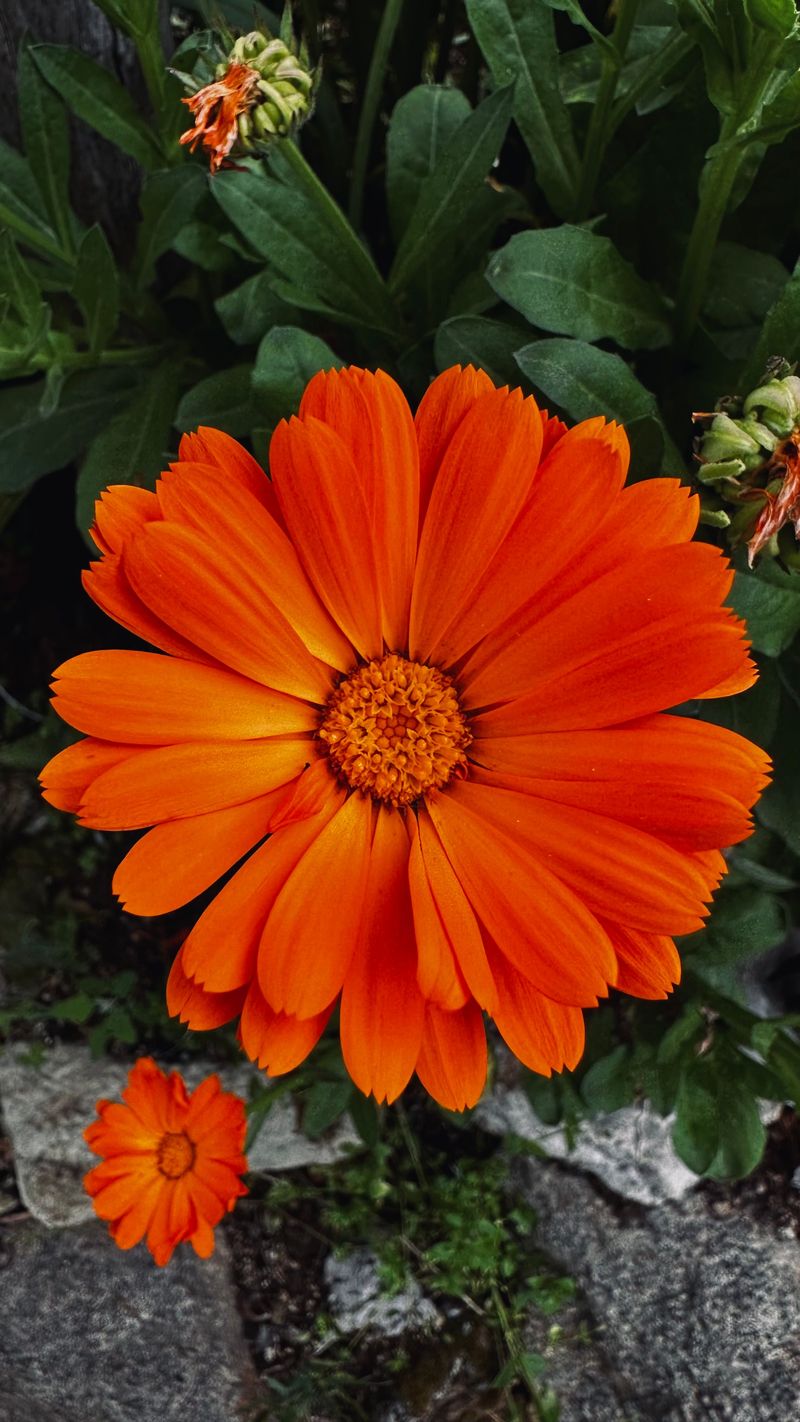
Nicknamed pot marigold, calendula has been brightening kitchen gardens since medieval times. Cooks once tossed the petals into soups and stews for color.
Its cheerful orange and yellow daisies are tough enough to shrug off light frosts. In mild climates, fall-sown plants may even bloom through winter.
Plant the curly, crescent-shaped seeds about a quarter inch deep in full sun. September sowing gives roots time to settle before cold weather hits.
In colder regions, fall seedlings may not survive winter, so sow in late fall for dormant seeds instead. Seeds may also sit dormant and sprout on their own in early spring.
The petals are edible and make salads look like confetti. Many people also dry them to make homemade skin balms and soaps.
Pick flowers often, since cutting encourages the plant to make even more blooms. Pollinators and helpful insects like ladybugs will thank you for planting it.
7. Sweet Peas For Fragrant Climbing Color
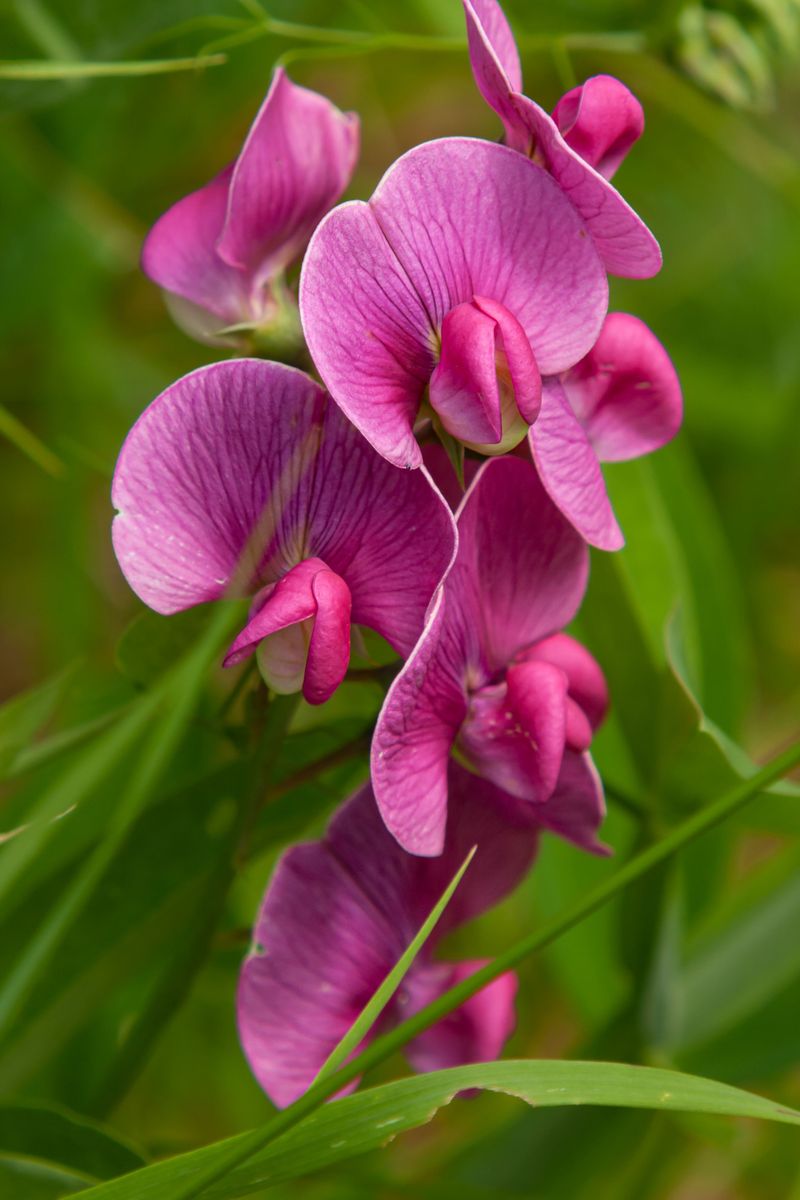
One whiff of sweet peas can transport you straight to an old-fashioned country garden. Their scent mixes honey, orange blossom, and something almost like grape candy.
Gardeners in warm regions, like the South and California, get the best results from fall sowing. Plants grow roots all winter and fill with blooms in early spring.
Soak the hard seeds in water overnight before planting to soften their shells. Then sow them one inch deep and about three inches apart.
Vines climb up to six feet, so give them a fence, trellis, or netting early. Tiny curling tendrils will grab hold and pull the plant upward.
Gardeners in zone 8 and warmer can sow outdoors in October or November, while zone 7 gardeners should add frost protection. Colder areas usually do better starting seeds indoors in late winter.
The more you cut sweet peas, the more flowers they produce. A small handful in a jar can perfume a whole room. Keep in mind that sweet pea seeds are toxic, so store and plant them away from children and pets.
8. Snapdragons For Cool Season Spikes
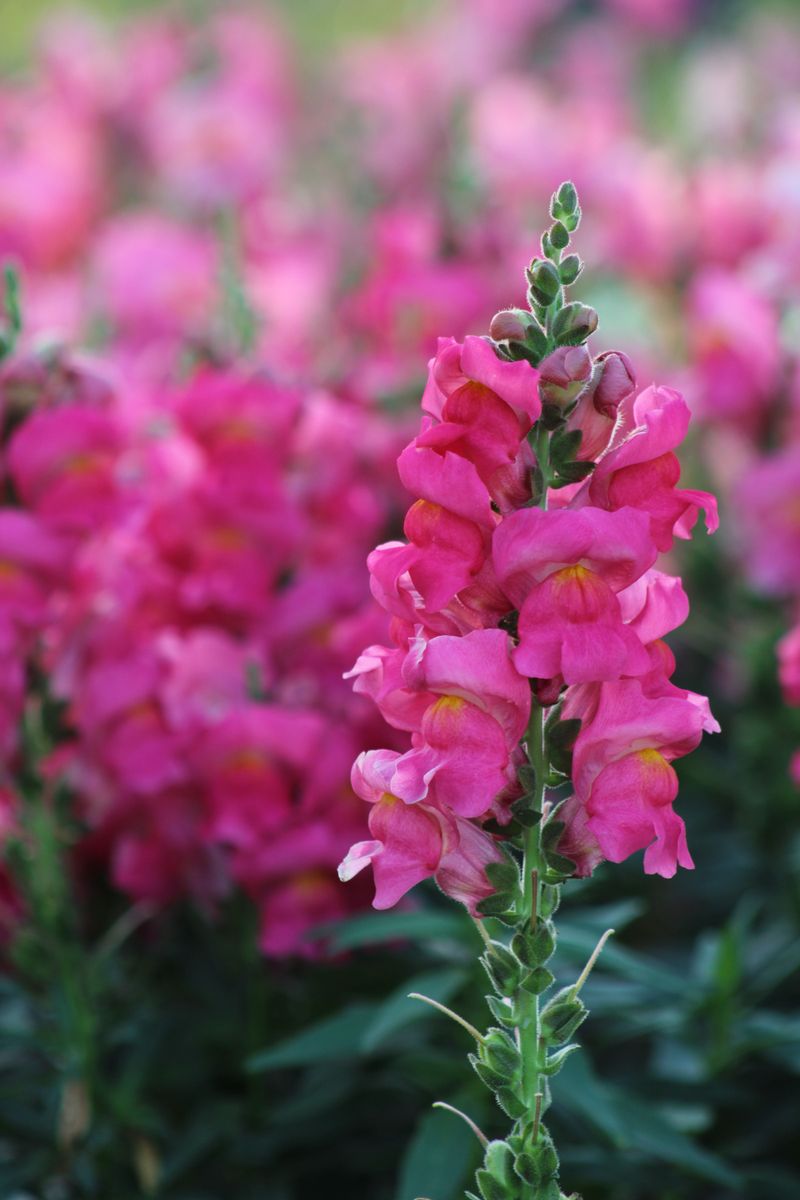
Squeeze the side of a snapdragon bloom, and it opens and closes like a tiny dragon mouth. Kids find this trick hilarious, and honestly, so do most grown-ups.
Many people treat snapdragons as spring bedding plants bought at the store. Fall-sown seeds, however, often outperform nursery plants by a mile.
Snapdragon seeds are super tiny, like specks of dust, and need light to sprout. Press them onto the soil surface without covering them.
In zones 7 and warmer, young plants stay green all winter and bloom early. Colder gardens can winter-sow them in milk jugs set outside.
Winter sowing means planting seeds in clear containers that act like mini greenhouses. The jugs protect seedlings while nature handles the chilling.
Colors range from lemon yellow to deep burgundy, with plenty of pastels in between. Tall varieties make stunning cut flowers, while dwarf types fit nicely in pots.
9. Sweet Alyssum For Honey Scented Carpets
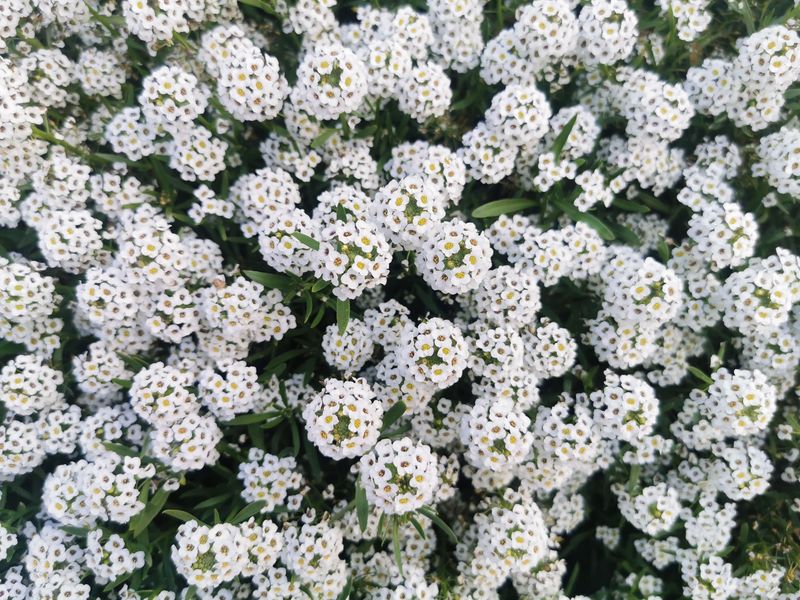
Walk past a patch of sweet alyssum on a warm afternoon, and you will smell honey. Tiny white, pink, or purple flowers form soft mounds that spill over edges.
Alyssum loves cool weather and often sulks during summer heat. Sowing it in fall lets it shine when temperatures are just right.
Sprinkle seeds on the soil surface, since they need light to germinate. Keep the area damp for a week or two until the seedlings appear.
Southern gardeners can enjoy blooms through much of winter. Northern gardeners should sow in late fall so seeds sprout the moment spring arrives.
Beyond its looks, alyssum is a secret weapon against garden pests. It attracts hoverflies and tiny wasps that help control aphids.
Tuck it between vegetables, along walkways, or around the base of taller flowers. If plants look scraggly later, give them a haircut and watch fresh growth return.
10. Johnny Jump-Ups For Cheerful Tiny Faces
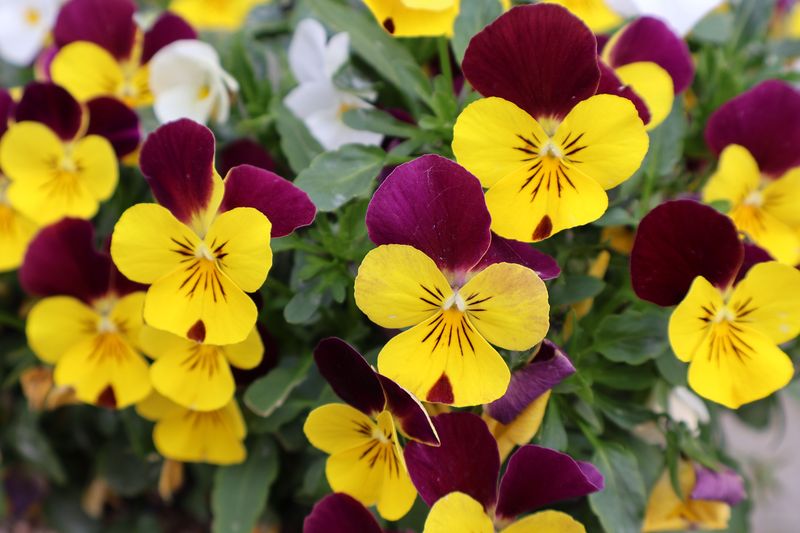
Little faces with purple, yellow, and white whiskers seem to grin up at you from the garden. Johnny jump-ups are like the class clowns of the flower world.
These mini violas are one of the toughest flowers you can plant. They can bloom right through a snowfall and keep smiling afterward.
Sow seeds in early September, about an eighth inch deep, in a partly shady spot. They like cool soil, so avoid planting during a heat wave.
Seedlings will form small clumps before winter and bloom as soon as the snow melts. In mild areas, flowers may appear off and on all winter.
The name comes from their habit of jumping up in surprising places. They reseed freely and might show up in cracks, lawns, or your neighbor’s yard.
The flowers are edible and look adorable on cupcakes or frozen into ice cubes. Just be sure they were grown without any chemical sprays.
11. Baby Blue Eyes For Sky Blue Edging
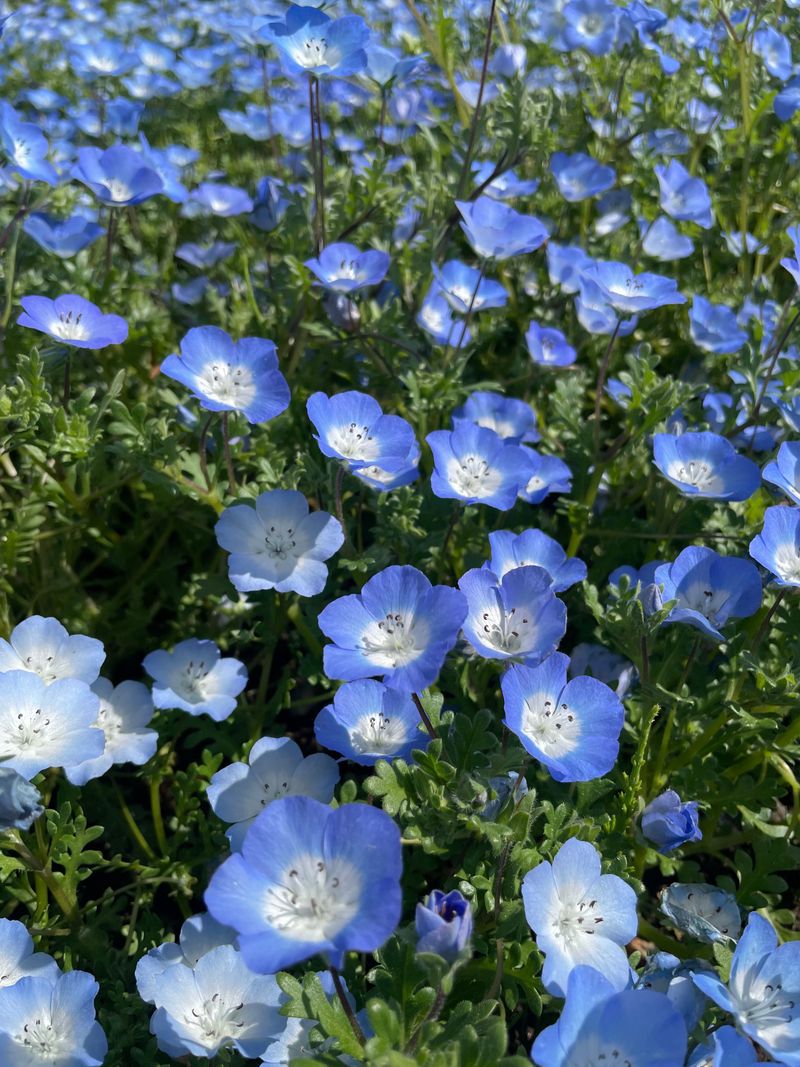
Sky blue petals with bright white centers give baby blue eyes their charming name. Native to California, this low-growing wildflower forms a soft carpet of color.
Its scientific name is Nemophila, which means grove-loving in Greek. True to that name, it handles partial shade better than most annuals.
Fall sowing mimics the wild, where seeds sprout with autumn rains and bloom in early spring. Aim to plant from late September through November.
Scatter the seeds and cover them with a light dusting of soil. Keep things moist, and sprouts should pop up within two weeks.
Plants usually grow six to twelve inches tall, making them great for borders and rock gardens. They also look sweet spilling from window boxes and hanging baskets.
Early bees depend on flowers like these when little else is blooming. Once summer heat arrives, the plants fade, so pair them with later bloomers.
12. Clarkia For Ruffled Pink Petals
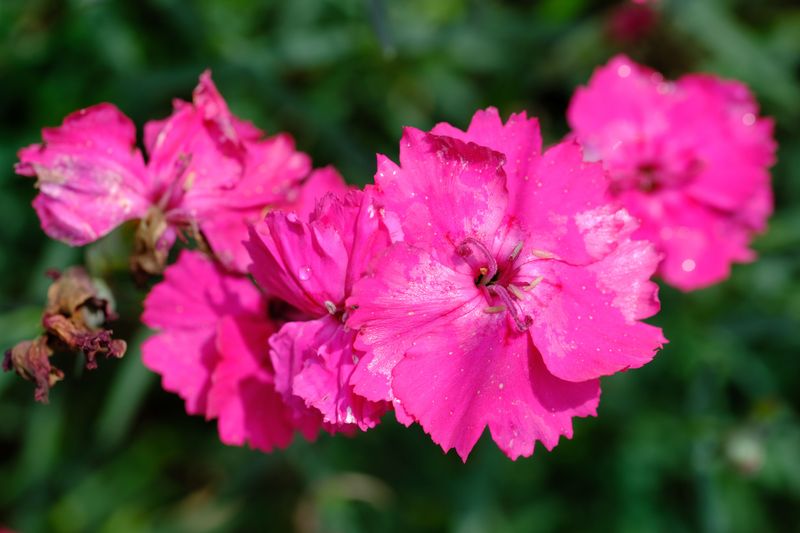
Explorers Lewis and Clark found this flower on their famous trek west, and it honors Clark today. Clarkia still feels like a wild discovery in any garden.
Ruffled petals in pink, salmon, lavender, and white line up along slender stems. Some types, called godetia or farewell-to-spring, have satiny cup-shaped blooms instead.
Like many West Coast wildflowers, clarkia prefers cool weather for sprouting. Sowing in fall gives it a head start before warm days arrive.
Scatter seeds on lightly raked soil and press them down gently. Avoid rich soil or fertilizer, since pampered plants tend to flop over.
In mild-winter areas, fall-sown clarkia blooms from late spring into early summer. Colder regions should sow in late fall so the seeds stay dormant until spring.
Florists adore clarkia because buds keep opening for days after cutting. A single stem in a bud vase makes a lovely little bouquet.
13. Bishop’s Flower For Airy White Lace
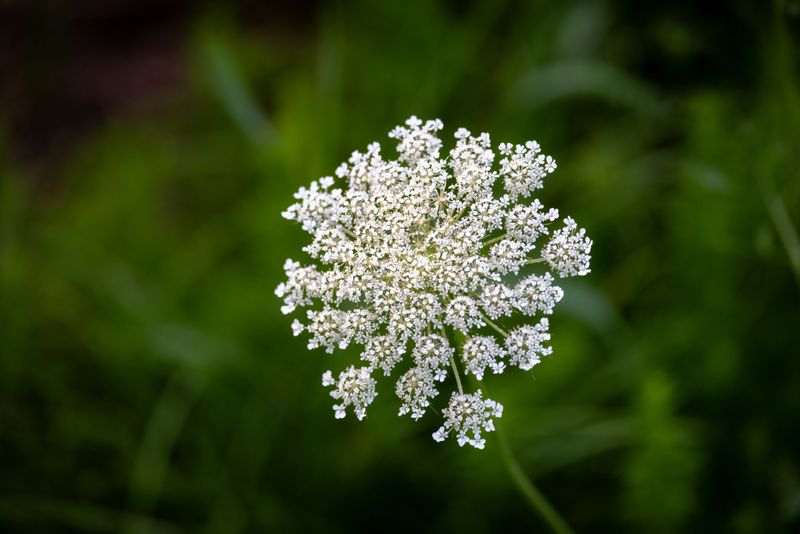
Delicate white umbrellas of tiny flowers make bishop’s flower look like fancy lace floating above the garden. Some gardeners also know it as false Queen Anne’s lace.
Unlike its weedy cousin, this annual is easier to manage, though it can self-seed and is considered a weed in some regions. Its botanical name, Ammi majus, pops up in flower farm catalogs everywhere.
Flower farmers swear by fall sowing for this plant, since it produces much bigger, sturdier stems. Seeds planted in September or October grow strong roots before winter.
Sprinkle seeds on the surface and barely cover them, because light helps them sprout. Expect plants to reach three feet tall by late spring.
Hoverflies, lacewings, and tiny beneficial wasps love the flat flower heads. Grow it near vegetables to invite a friendly army of pest patrollers.
Wear gloves when handling it, since the sap can irritate sensitive skin in sunlight. In bouquets, its airy blooms soften bold flowers like roses and dahlias.
14. Toadflax For Candy Colored Charm
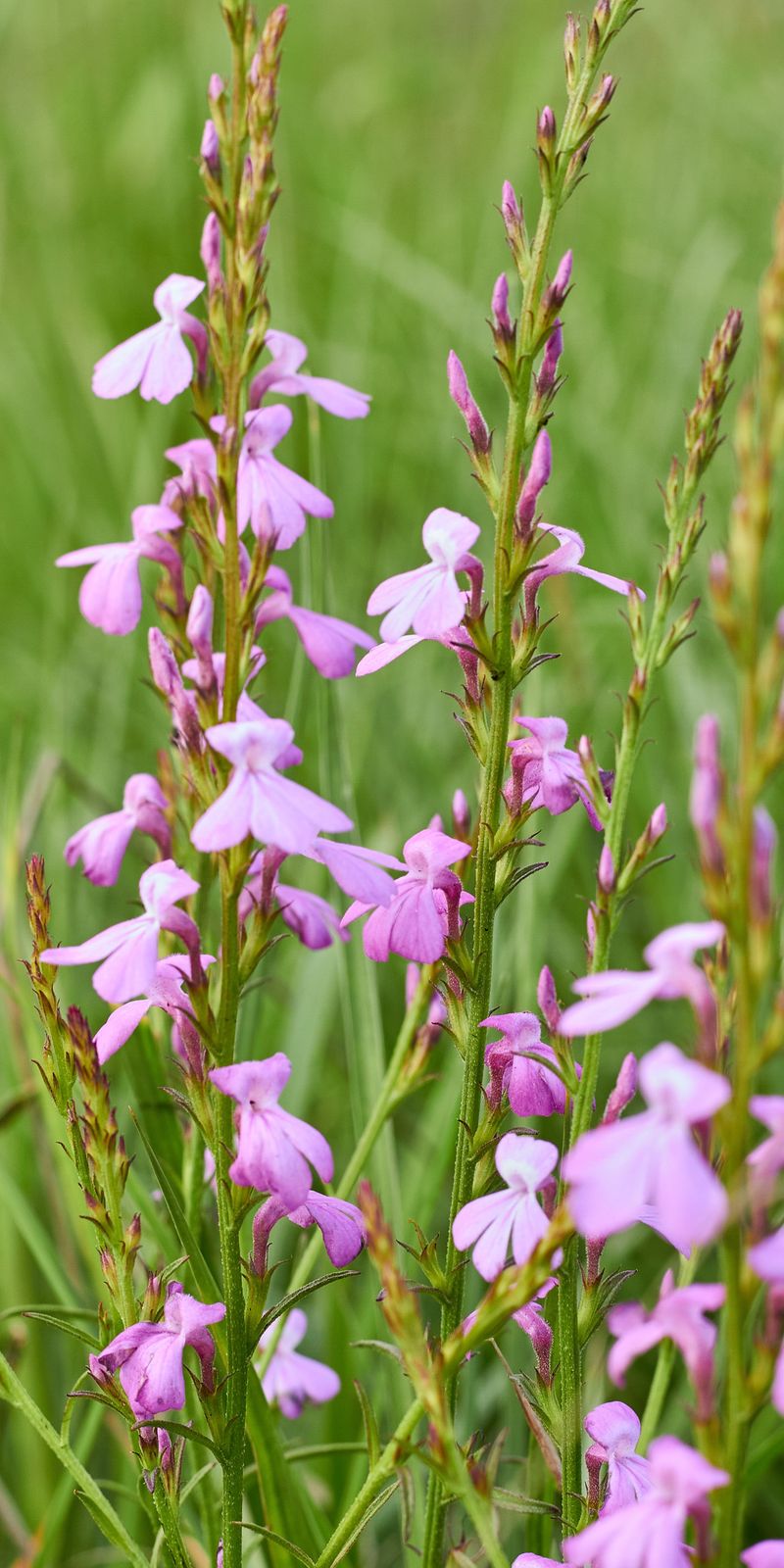
Despite a name that sounds like a swamp creature, toadflax is adorable. Its blooms look like miniature snapdragons in a rainbow of candy colors.
Annual toadflax, or Linaria, often comes in mixes with names like Fairy Bouquet. Choose annual Linaria maroccana, since perennial yellow and Dalmatian toadflax are invasive in many states. Each tiny flower has two lips and a little spur on the back.
Fall is a smart time to sow, since seeds sprout best in cool soil. Scatter them thickly on the surface and press them in without burying them.
Planting them close together is a good idea, because slim stems look best in crowds. A thick patch creates a colorful haze from a distance.
Toadflax grows only about a foot tall, making it perfect for the front of a border. It also thrives in containers and poor, sandy soil.
Bumblebees are strong enough to pry open the closed flowers and reach the nectar inside. Watching them squeeze in headfirst is a funny little springtime show.