9 Fall Blooming Perennials California Gardeners Should Plant This Week
Almost any California flower bed in early fall tells the same story right now. Crispy stems, faded petals, a few brave marigolds barely holding on after a long, hot summer.
Something about this exact window, though, works completely differently than most gardeners expect.
Soil still warm from summer, air finally cooling, winter rain not far off. That specific combination is exactly when a small group of plants decides to start their best act of the entire year.
Curious which flowers actually save their biggest show for the moment everything else quits? The answer starts with a plant most people mistake for a sign that summer’s ending.
1. Aster Brings Reliable Late Season Color
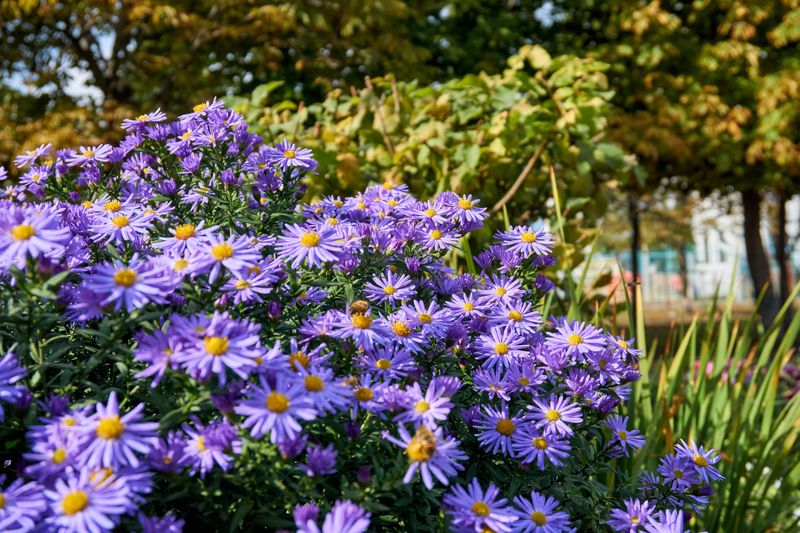
Late September arrives, and a cloud of lavender daisies suddenly buzzes with bees.
Asters save their big show for the end of the growing season, flowering from late summer well into fall. Many kinds keep going until the first cool nights of November.
Pollinators notice, since most summer flowers have faded and food is getting scarce.
A patch of asters works like a roadside diner on a lonely highway, open late and always busy. California even has its own native, the Pacific aster, which is tough and handles local conditions well.
Give asters a spot with full sun, or at least six hours of direct light a day.
They like soil that drains well and a moderate amount of water. Regular deep watering while they get established matters more than daily sprinkles, which can lead to shallow roots.
Powdery mildew is the common complaint.
A white, dusty coating can show up on leaves when plants are crowded or watered from above. Space them so air can flow, and aim your hose at the soil instead of the foliage.
Planting now gives roots a head start before winter, so expect a modest first year and a fuller clump the next fall.
2. Sedum Autumn Joy Deepens As Days Shorten
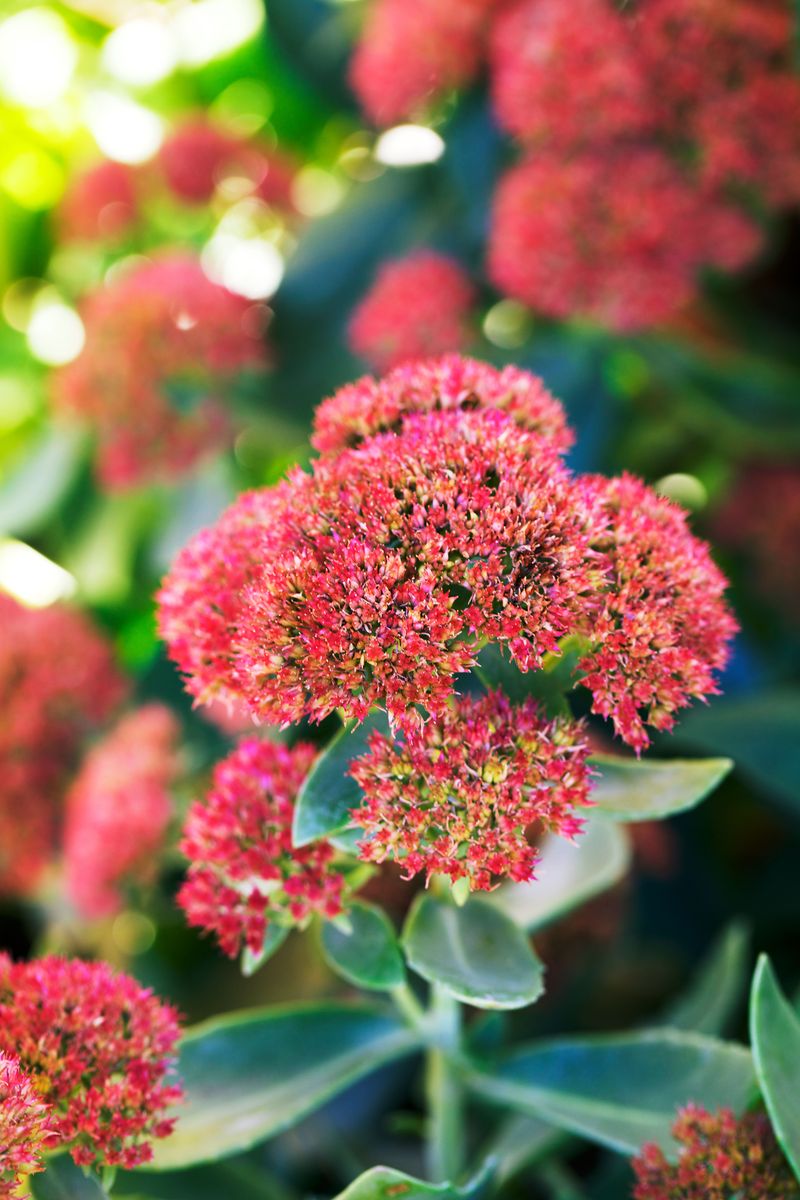
Few plants change outfits as often as Sedum ‘Autumn Joy’.
In late summer, its broccoli-like flower heads start out pale green. As the days shorten, they blush pink, deepen to rosy red, and finally settle into a rich copper or rust by late fall.
Watching that shift is half the fun.
Each week looks a little different, so one plant feels like several. Even after the color fades, the dry seed heads stay standing through winter and look sharp with a row of raindrops or a light frost.
Care is refreshingly simple.
Plant it in full sun and soil that drains fast, since soggy roots are its biggest enemy. The thick, fleshy leaves store water, so established plants handle dry spells with ease and fit right into a water-wise California yard.
Rich soil and heavy watering sound kind, but they backfire.
Too much of either makes stems weak, and the heavy flower heads flop open in the middle like a tired umbrella. Lean soil and a light hand with water keep plants upright and compact.
Botanists have moved it to the genus Hylotelephium, so don’t be puzzled by that name on a nursery tag.
Your California Garden Changes Every Week. Your Plan Should Too.
Gardening in California changes quickly throughout the season. Every Friday you’ll receive a simple weekly plan showing exactly what to plant, prune, fertilize, harvest, and protect so you never miss the right timing.
3. Japanese Anemone Thrives In Part Shade
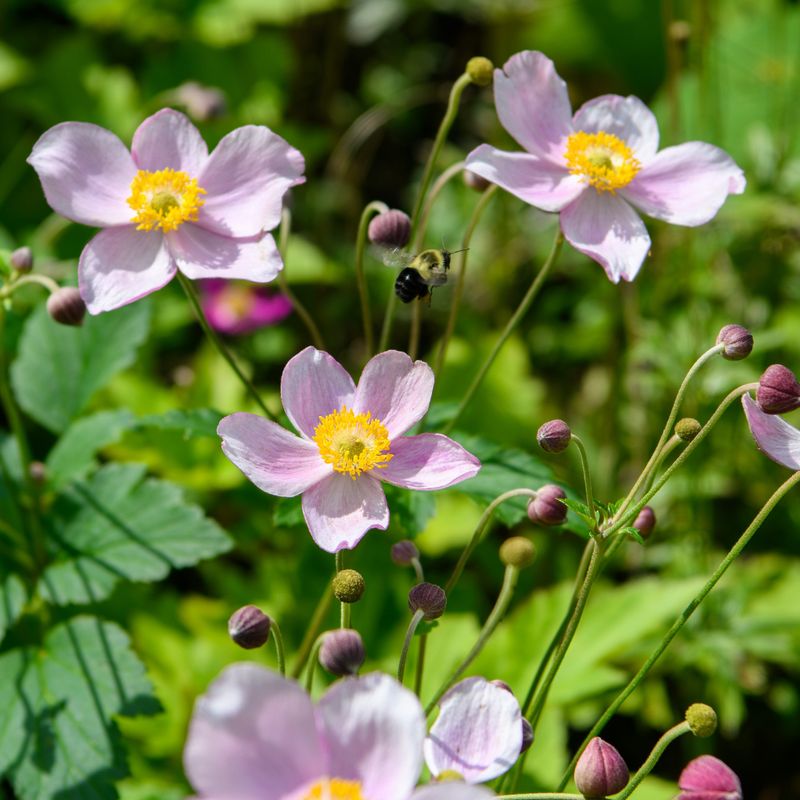
Plenty of gardeners tuck Japanese anemone into a hot, sunny bed and wonder why it sulks.
Unlike the sun lovers on this list, it wants part shade and soil that stays evenly moist. Give it those two things, and it pays you back with tall, graceful blooms from late summer into fall.
The flowers float on wiry stems, often two to four feet tall, in soft pink or crisp white.
Each bloom has a bright yellow button center that almost glows in dim light. They sway in the breeze, which makes a shady corner feel alive in a quiet way.
Morning sun with afternoon shade works well in most of California.
In hot inland valleys, extra shade is a must, or the leaves will scorch and curl. Along the cooler coast, plants can handle a bit more sun.
Water is where it parts ways with drought-tolerant plants like sedum or California fuchsia.
Mix compost into the planting hole and add a layer of mulch to hold moisture. Soil should feel damp like a wrung-out sponge, never bone dry or soaking wet.
Patience helps too.
Japanese anemone can be slow to settle in the first year, then spreads eagerly by underground roots once it feels at home.
4. Toad Lily Rewards A Shaded Damp Corner
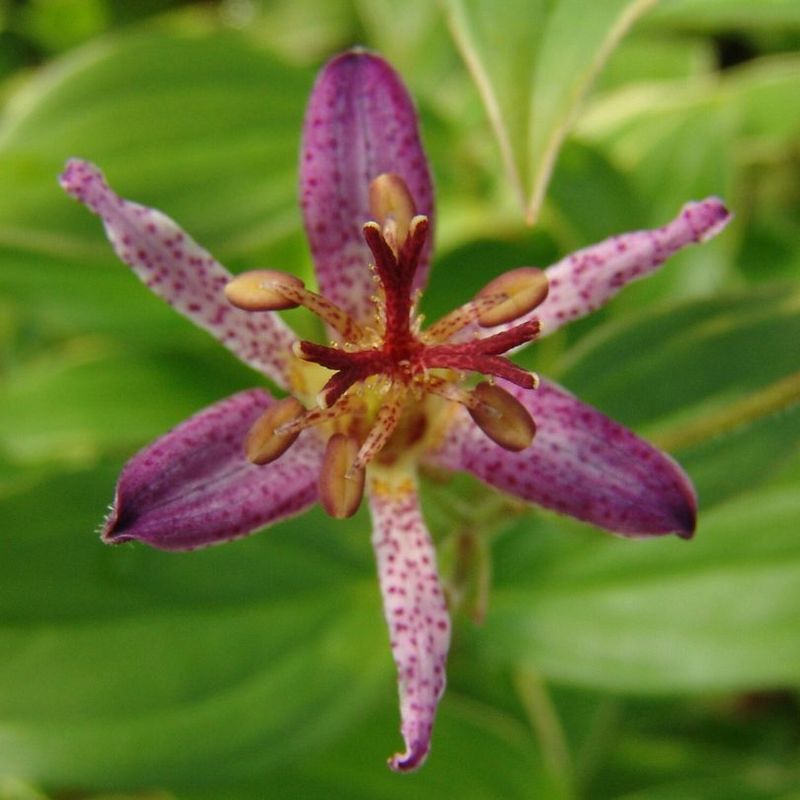
Nobody picks a flower named toad lily hoping for romance.
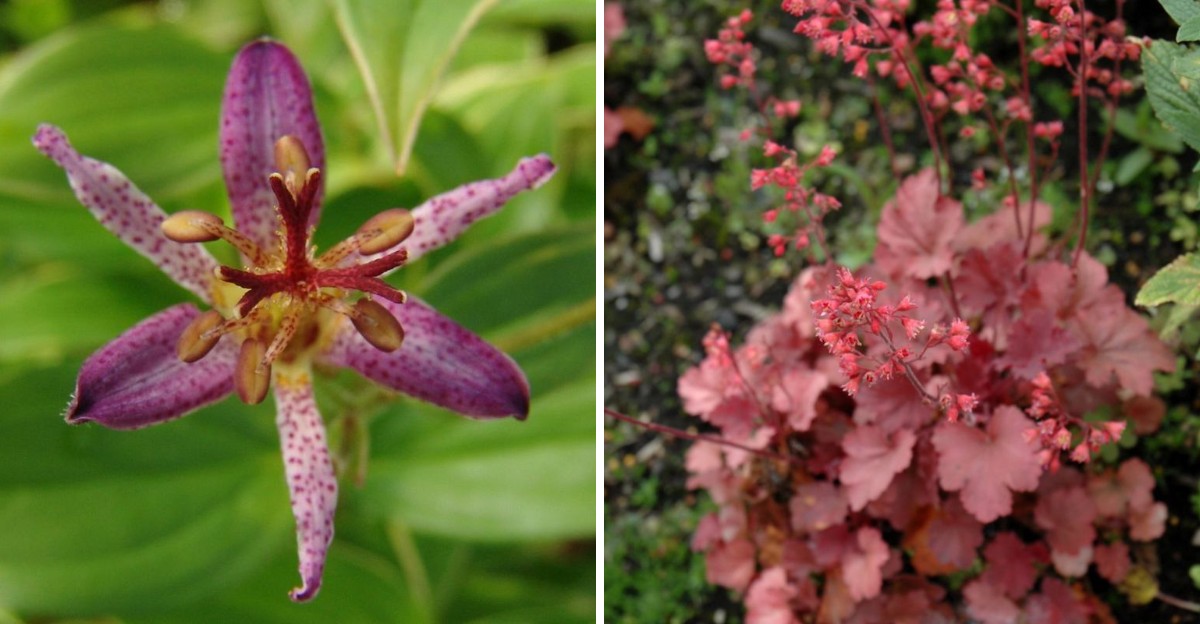
Yet up close, the blooms look like tiny orchids, freckled with purple spots on white or pale lavender petals. They appear in fall, just when most shade plants have called it quits for the year.
The odd name may come from the spots, which some say look like a toad’s skin.
Another story, which is hard to confirm, points to people in the Philippines rubbing the plant’s juice on their hands to help catch frogs. Either way, the name stuck.
Toad lily wants a shaded, damp corner.
Bright shade or gentle morning sun is fine, but hot afternoon rays will brown the leaves quickly. Rich soil full of compost that stays consistently moist, much like the forest floors of its native Asia, keeps it happy.
Cooler coastal gardens suit it best.
Inland gardeners can still succeed with deep shade, thick mulch, and regular watering during heat waves. Try it near a north-facing wall, under a tree, or beside a shady path.
Snails and slugs find the leaves tasty, so check plants often after rain or watering.
5. Rudbeckia Keeps The Garden Looking Alive
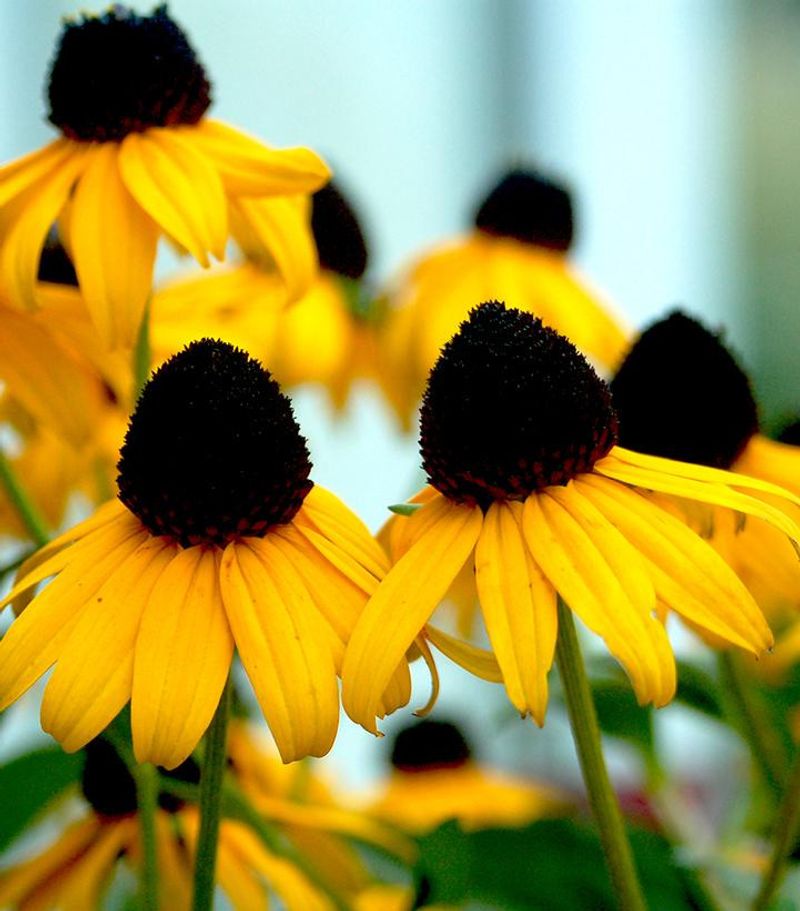
A neighbor’s yard in late August has a brown lawn, tired roses, and one bright patch of golden daisies still grinning at the sun.
Odds are good those cheerful flowers are rudbeckia, often called black-eyed Susan. Starting in mid to late summer, many types keep blooming well into fall.
That long season makes rudbeckia a bridge plant.
Color carries from the peak of summer right through the first cool weeks of autumn, filling the gap before asters and mums take over. Snipping off spent flowers encourages more buds and stretches the show even longer.
Full sun is a must.
Give it six or more hours of direct light, soil that drains well, and moderate water. Once established, rudbeckia can handle some dryness, though a deep soak during heat waves keeps flowers coming.
Not every rudbeckia lives the same length of time.
Types like ‘Goldsturm’ are dependable perennials that form spreading clumps. Some others, including many flashy selections of Rudbeckia hirta, are short-lived and may only last a year or two, so read the tag before you buy.
Leave a few seed heads standing at the end of the season. Goldfinches and other small birds love picking at them in winter.
6. Mexican Bush Sage Signals Fall Has Arrived
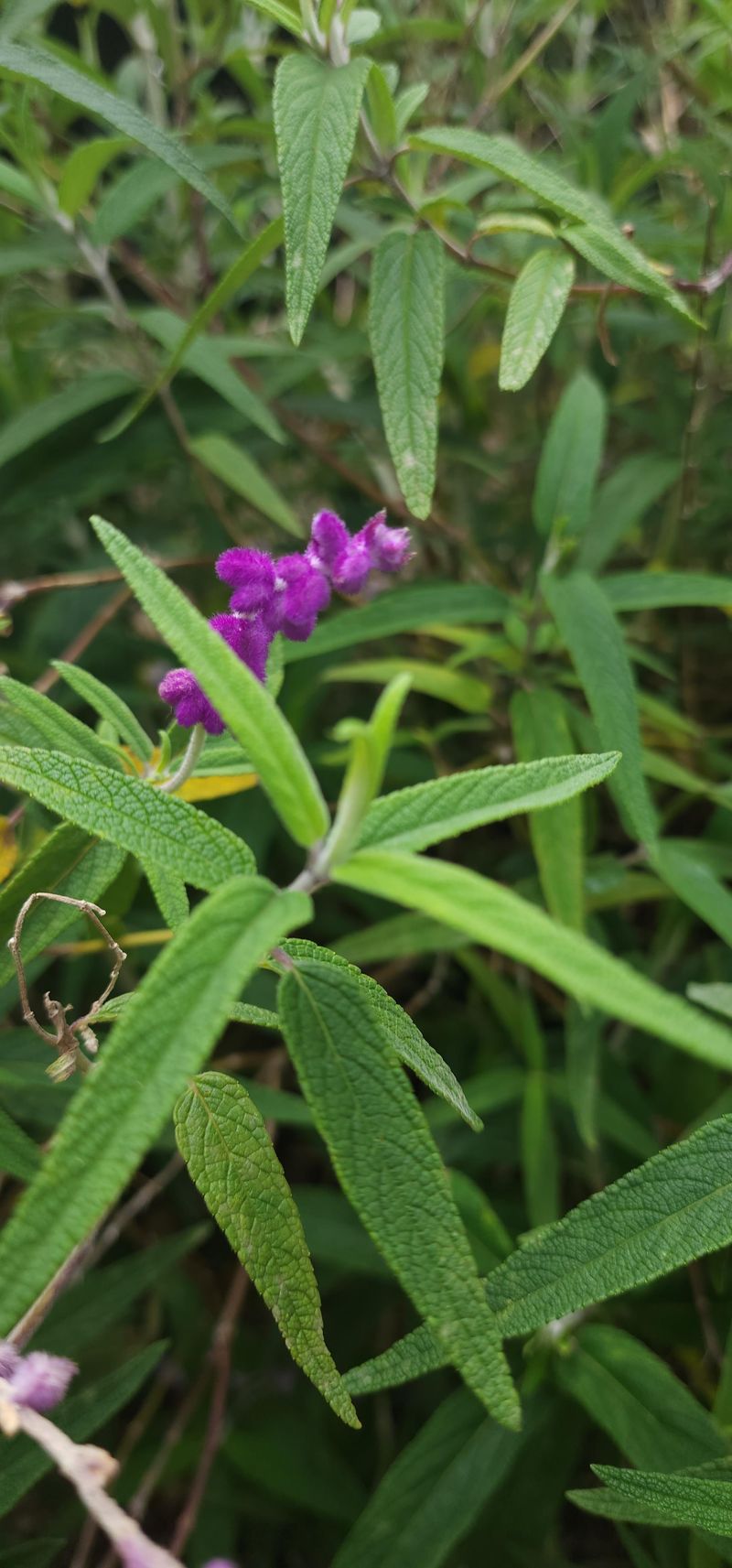
Some Californians track the seasons by the calendar. Others just wait for Mexican bush sage to flower.
Once those arching purple spikes appear in late summer and fall, the change of season is official, whatever the thermometer says.
Run a finger along a flower stem, and you’ll see why people want to pet it.
The purple part is actually the calyx, a fuzzy cup covered in soft hairs, and small white or purple flowers poke out from it. The velvet texture glows in low autumn light and lasts for weeks.
Hummingbirds and bees visit constantly.
In mild coastal and Southern California gardens, blooming often carries on into winter. A single plant can reach three to four feet tall and wide, so give it elbow room.
Full sun and well-drained soil are musts.
Once established, Salvia leucantha needs little summer water, which fits nicely into a drought-smart yard. Soggy soil, on the other hand, can rot the roots, especially in heavy clay.
Hard frost is its weak spot.
Temperatures in the mid-20s Fahrenheit can damage top growth, though roots often resprout in colder inland areas. Planting in early fall gives it time to anchor before chilly nights arrive.
7. California Fuchsia Peaks When Others Fade
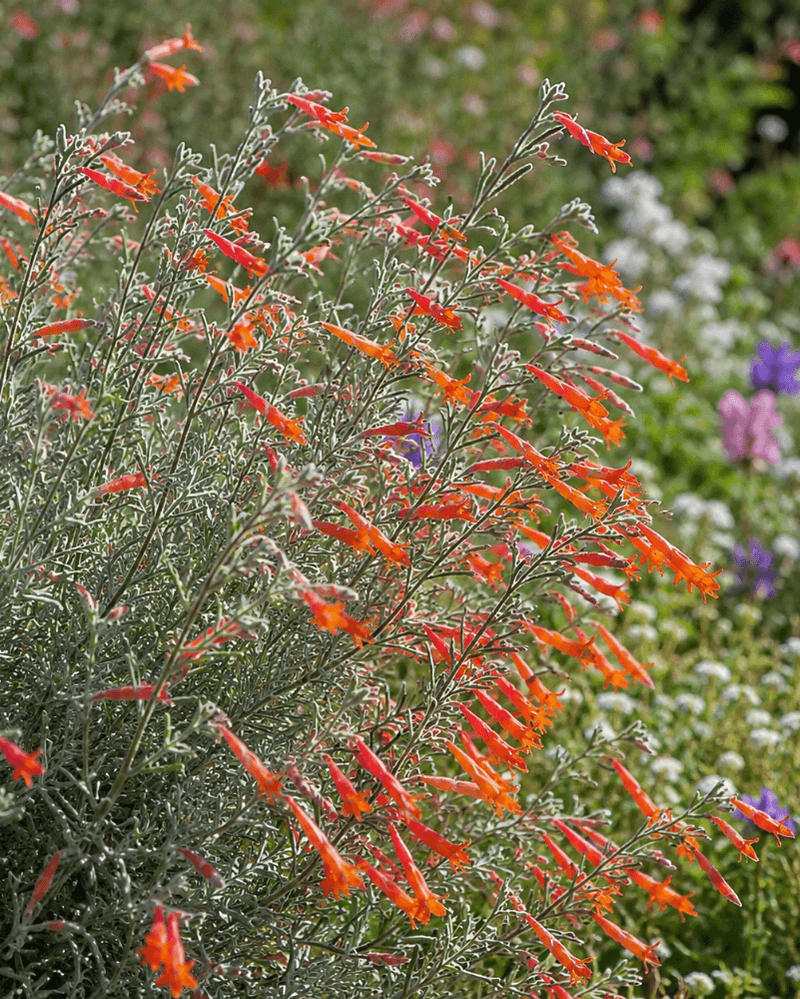
Hang a hummingbird feeder in October, and you may find the birds ignoring it for a scruffy gray plant nearby.
California fuchsia, Epilobium canum, is the reason. Its tubular, scarlet-orange flowers hold rich nectar right when most native plants have gone dormant.
Timing is its superpower.
While many California natives bloom in spring and rest through the dry summer, this one flowers from late summer through fall. Some plants keep going until the first real rains, painting slopes bright red at the tail end of the year.
Few plants handle tough conditions so well.
Give it full sun and fast-draining soil, and once established, it needs little to no summer water in many areas. Overwatering and rich soil are more likely to cause trouble than neglect.
Expect it to wander.
California fuchsia spreads by underground stems, which makes it handy for covering a dry bank or filling gaps between rocks. You might see it sold under its old name, Zauschneria.
Varieties like ‘Everett’s Choice’ stay low, while others grow taller and more upright.
8. Chrysanthemum Needs The Right Variety To Return
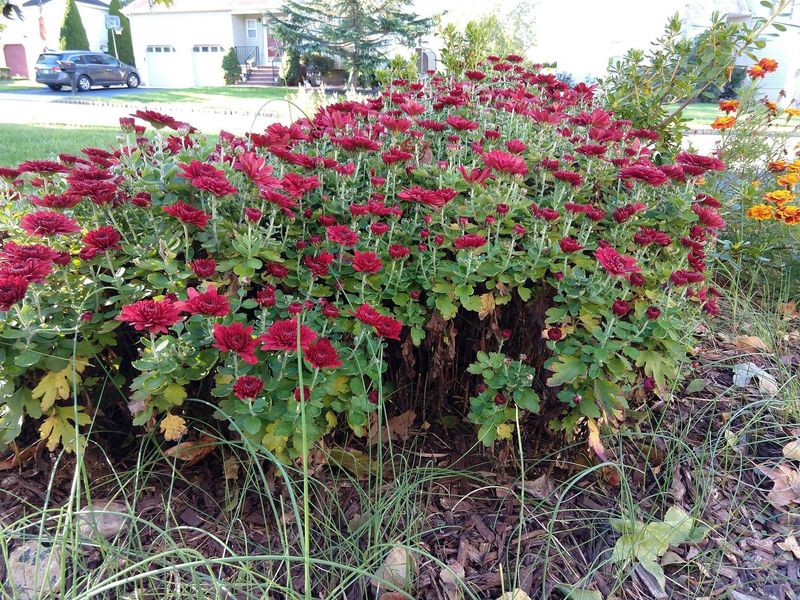
Every fall, grocery store entrances fill with tidy domes of mums in gold, bronze, and burgundy.
They look flawless, and they’re priced to go. Many of them, though, are florist mums, bred to put on one big show in a pot, not to come back in the garden.
Florist mums often have shallow roots and put nearly all their energy into flowers.
They may look worn out after blooming and rarely return strong. Hardy garden mums are a different story, bred with sturdier roots and the stamina to regrow each spring and bloom again in fall.
Before buying, read the tag closely.
Look for a label that says hardy garden mum or perennial mum, or ask nursery staff for a variety known to return. Plants sold at garden centers for bedding usually have a better shot than a potted display piece.
Mums like full sun, rich soil that drains well, and regular water, so plant them early in fall while roots still have time to settle.
In spring, pinch the growing tips a few times until early summer to get bushy plants packed with buds.
9. Coral Bells Add Color Without Waiting For Bloom
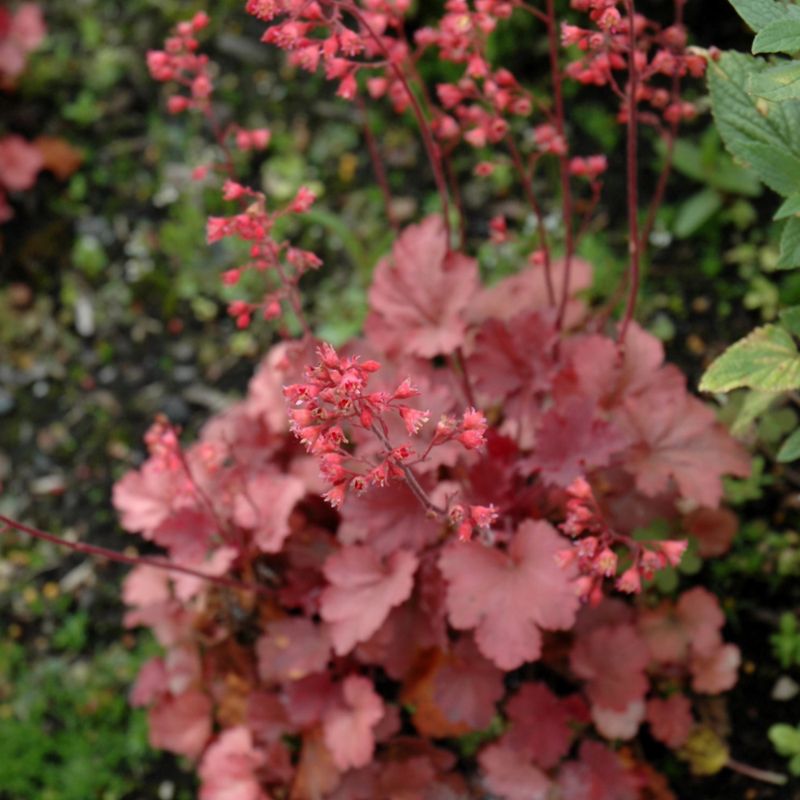
Most plants on this list earn their spot with flowers, but coral bells make the case for something a little different.
Heuchera is grown far more for its foliage than its small, wiry flower spikes, and that foliage often looks better in cooler fall weather than it ever did during the peak of summer heat.
Leaves come in an unusually wide range of colors, deep plum, caramel, lime green, silver, and near-black, depending on the variety, which means a single plant can add real visual interest to a bed even without a single bloom open.
Summer heat, especially inland, tends to scorch leaf edges and wash out those colors. Once temperatures drop, many varieties settle back into richer, more saturated tones, with purple and amber types often looking their best right as everything else fades.
California has its own native relative worth seeking out. Island alum root, Heuchera maxima, comes from the Channel Islands and handles dry shade far better than many of the showier hybrids sold at typical nurseries.
Give coral bells morning sun and afternoon shade, especially away from the coast, and plant them in soil that drains well, since soggy roots invite crown rot fast.
Water deeply but let the top inch dry out between drinks, and fall is a good moment for light cleanup, snipping off any brown or tattered leaves so the fresher growth underneath can take center stage.
If an older plant has developed a tall, woody center, this is also a good time to dig it up, divide it, and replant the healthy sections a bit deeper, effectively turning one tired plant into several fresh ones heading into the cooler months ahead.