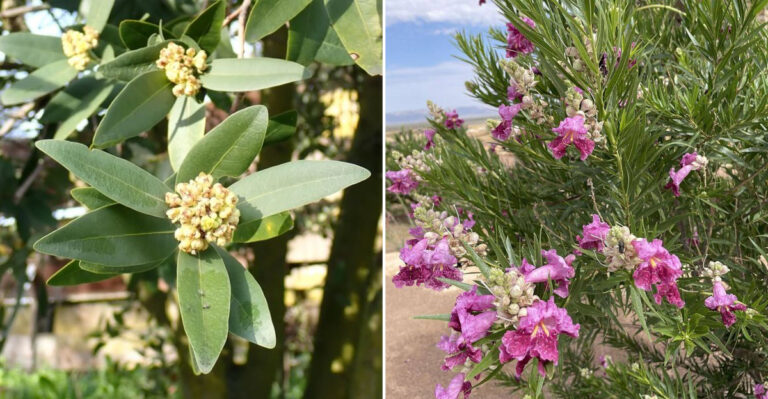
Native California Plants That Pair With Succulents Without Needing The Same Watering
Succulents have a habit of stealing the spotlight in California gardens. Their bold shapes, sculptural leaves, and laid-back reputation make them easy favorites, but planting an entire yard with nothing else can start to feel a little one-note.
That is where native plants can bring in texture, movement, flowers, and a much more natural sense of place.
The catch? Not every plant wants to live on the same watering schedule as your succulents.
Pairing them together can sound complicated, especially when one side of the planting bed prefers a different routine. Nobody wants to spend Saturday morning negotiating with a hose.
Luckily, creating a mixed garden does not necessarily mean forcing every plant to follow identical rules.
Smart placement and thoughtful plant choices can make very different garden personalities work surprisingly well side by side.
If your succulent beds are looking a little lonely, adding California natives could be exactly the refresh they need.
The goal is finding companions that complement the look without turning your watering routine into a full-time job.
1. White Sage Works Well In Sunny Separate Watering Zones
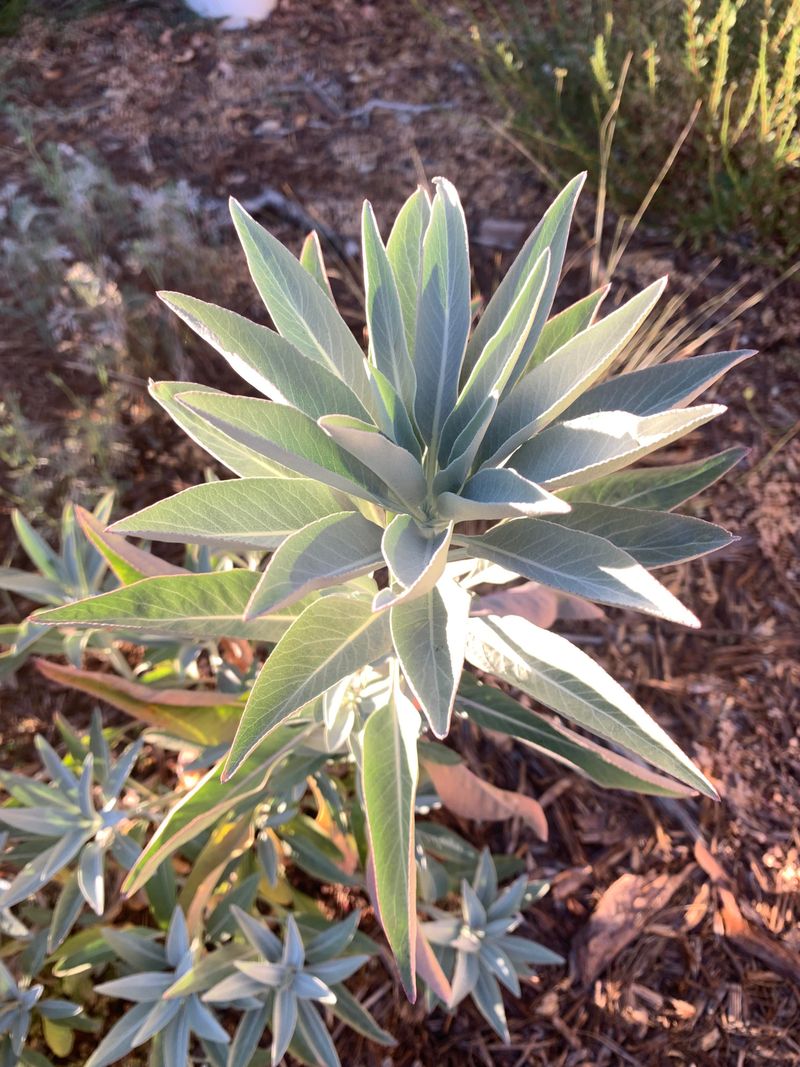
Few plants carry as much character as white sage. Its silvery-white leaves practically glow in full sun, and that bold look pairs beautifully with the rosette shapes of most succulents.
Native to dry hillsides and coastal scrublands, white sage evolved to handle long stretches without rain. That makes it a natural fit for low-water garden zones.
White sage and succulents share a love of fast-draining soil and strong sunlight. You can plant them in the same bed as long as you water deeply but infrequently.
The sage will pull moisture from deeper in the soil, while succulents handle what little surface water remains. They rarely compete in a way that causes problems.
One smart approach is to group white sage at the back of a planting bed and let succulents fill in the front. The height contrast looks great, and the silver and green tones complement each other well.
White sage also releases a clean, herbal scent when the breeze hits its leaves. That aromatic quality adds a sensory layer to your garden that most succulents simply cannot offer.
Bees and hummingbirds visit the tall flower spikes in spring, adding life and movement. It is a plant that earns its space in any dry garden setup.
2. Deergrass Adds Soft Movement Around Bold Succulent Shapes
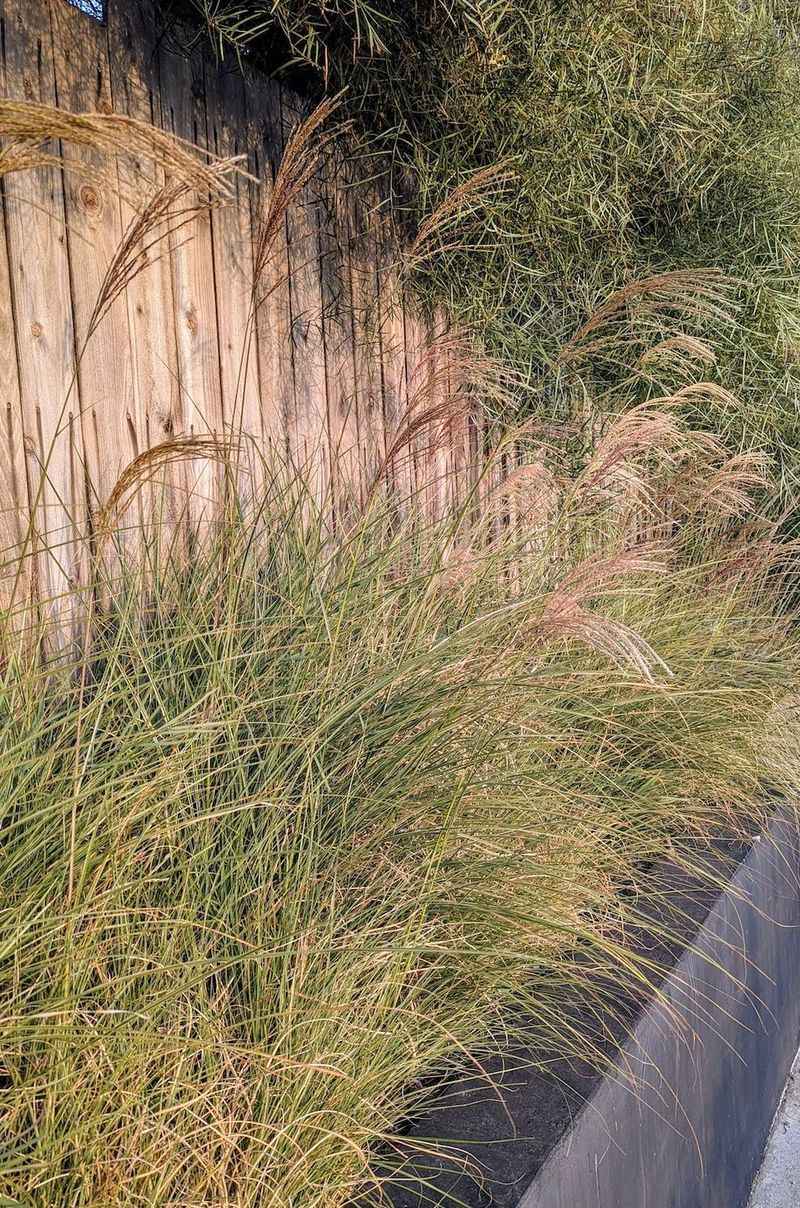
There is something calming about watching grass sway in a light wind, and deergrass delivers that feeling without needing much water at all. This native bunch grass forms tidy, rounded clumps that grow two to four feet tall.
The slender leaves arch outward in a way that softens the rigid, spiky look of most succulents.
Deergrass is one of the best textural contrasts you can add to a succulent garden. While agaves and cacti have hard edges and bold forms, deergrass brings softness and movement.
That visual balance makes a garden feel more dynamic and less like a collection of random plants. Planting deergrass between clumps of succulents helps tie the whole design together.
Your California Garden Changes Every Week. Your Plan Should Too.
Gardening in California changes quickly throughout the season. Every Friday you’ll receive a simple weekly plan showing exactly what to plant, prune, fertilize, harvest, and protect so you never miss the right timing.
From a care standpoint, deergrass is very forgiving. It handles heat, drought, and poor soil without complaint.
Once established, it rarely needs supplemental water in mild climates. You can cut it back in late winter to encourage fresh new growth each spring.
It does not spread aggressively, so you will not find it taking over your succulent beds. Birds sometimes use the dry seed stalks for nesting material, which is a nice bonus.
For gardeners who want low drama and high visual payoff, deergrass is a dependable choice that works season after season.
3. Chaparral Currant Brings Seasonal Flowers To Drier Beds
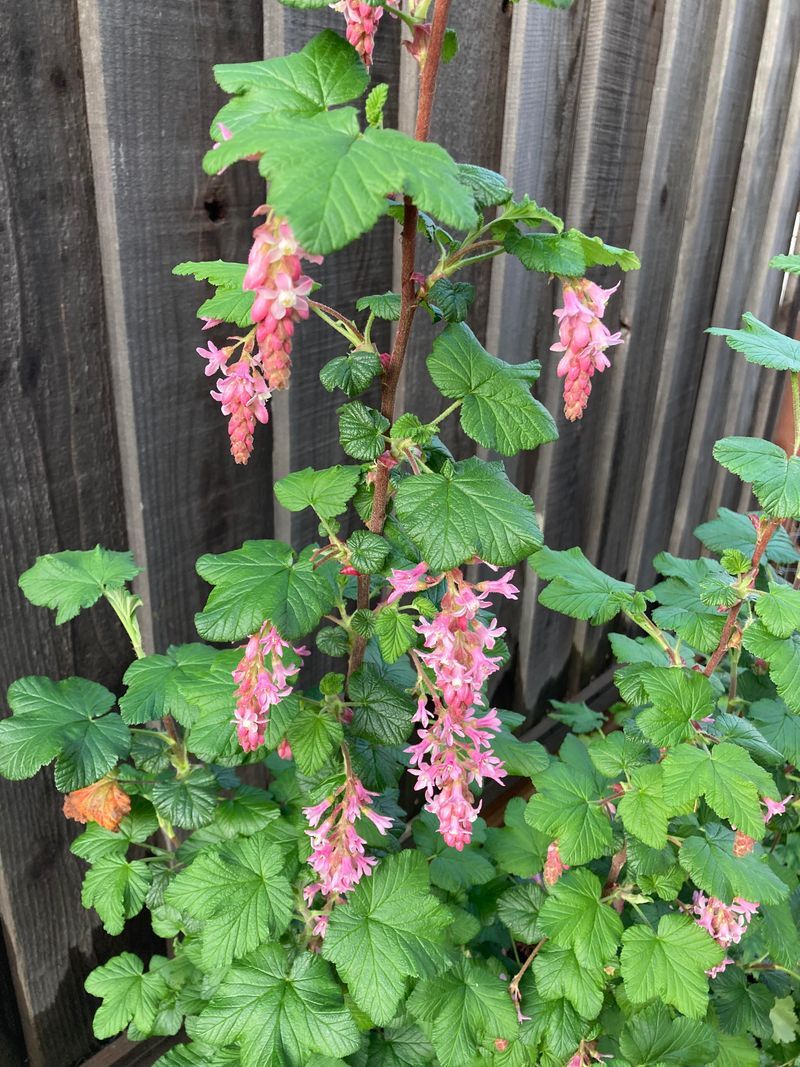
Most people do not think of flowering shrubs when they plan a succulent garden in California, but chaparral currant is worth a second look. This native shrub blooms in late winter and early spring, often before most other plants wake up.
Its small pink to red tubular flowers attract hummingbirds at a time when not much else is blooming. That early color is a real gift in a dry garden.
Chaparral currant is deciduous, meaning it drops its leaves in summer when conditions get hot and dry. That might sound like a drawback, but it actually works in your favor.
During the summer months, the bare stems let more light reach the succulents planted nearby. Then in fall, the shrub leafs out again, adding green texture back to the bed just as temperatures cool down.
Watering needs are minimal once this shrub establishes itself. It prefers occasional deep watering over frequent shallow drinks, which aligns well with how most succulents are cared for.
Plant it at the edge of a bed or near a garden path where you can enjoy the flowers up close. The berries that follow the blooms are also a food source for local birds.
Pairing chaparral currant with low-growing succulents creates a layered, wildlife-friendly garden that looks great through multiple seasons.
4. Desert Lavender Adds Soft Texture Around Bold Succulents
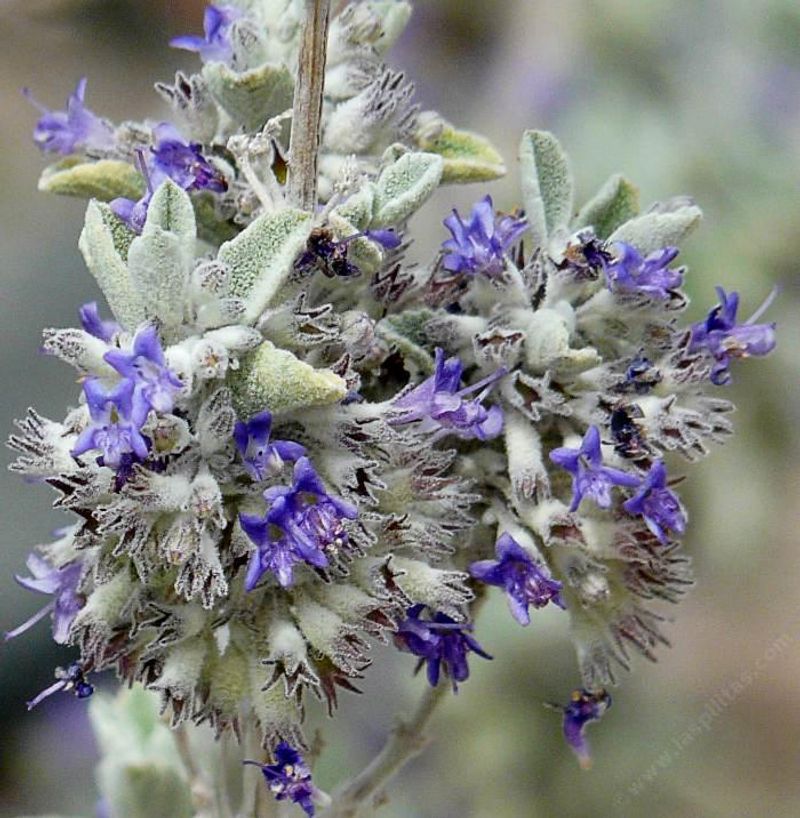
Not every plant needs to shout for attention. Desert lavender is the kind of plant that quietly enhances everything around it.
Its soft, fuzzy gray-green leaves create a gentle backdrop that makes bold succulents like agave and cacti pop even more. The light purple flower spikes that appear in spring and fall are a bonus that pollinators absolutely love.
Desert lavender is native to hot, rocky desert washes and slopes, which means it is built for the kind of conditions succulents thrive in.
It handles reflected heat from walls and pavement well, and it actually prefers to dry out between waterings.
Overwatering is the one thing that can cause problems, so it fits naturally into a low-water planting scheme.
The scent of desert lavender is light and pleasant, similar to true lavender but with a slightly herbal edge. Planting it near a seating area or garden entrance lets you enjoy that fragrance on warm evenings.
It grows into a rounded shrub about three to five feet tall, which gives it enough height to create a backdrop for shorter succulents in front. Bees are especially drawn to the flowers, making this plant a pollinator magnet.
For gardeners who want both beauty and function in a dry bed, desert lavender checks every box without demanding much in return.
5. Brittlebush Thrives In Bright, Dry Garden Spots
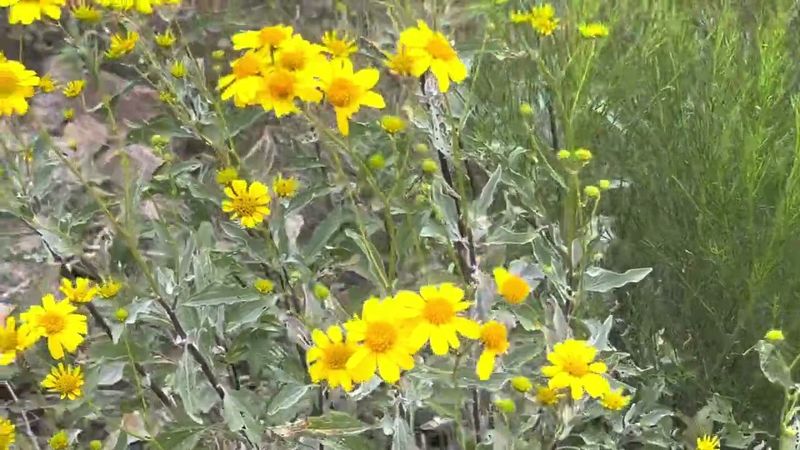
Walk past a brittlebush in full bloom and it is hard not to stop and stare. Bright yellow daisy-like flowers cover the plant in late winter and spring, creating a cheerful burst of color that few dry-garden plants can match.
The flowers rise above silvery, fuzzy leaves that reflect sunlight and help the plant stay cool. It is one of the most visually striking native shrubs for a hot, dry garden.
Brittlebush is native to desert regions across the Southwest and Baja Peninsula. It evolved to survive intense heat, poor soil, and very little rain.
That background makes it an excellent pairing for succulents, which share those same preferences.
The silver leaf tones also complement the blue-green and gray hues common in many succulents, creating a naturally harmonious color palette.
After the spring bloom, brittlebush goes semi-dormant in summer. The leaves may look a bit tired during the hottest months, but the plant bounces back with cooler temperatures and occasional rain.
You can trim it lightly after flowering to keep it compact and tidy. It pairs especially well with barrel cacti, agave, and low-growing sedums.
Planting brittlebush in clusters of two or three creates a dramatic display without needing extra water or fertilizer. It is a plant that rewards patience and minimal care with generous seasonal color every year.
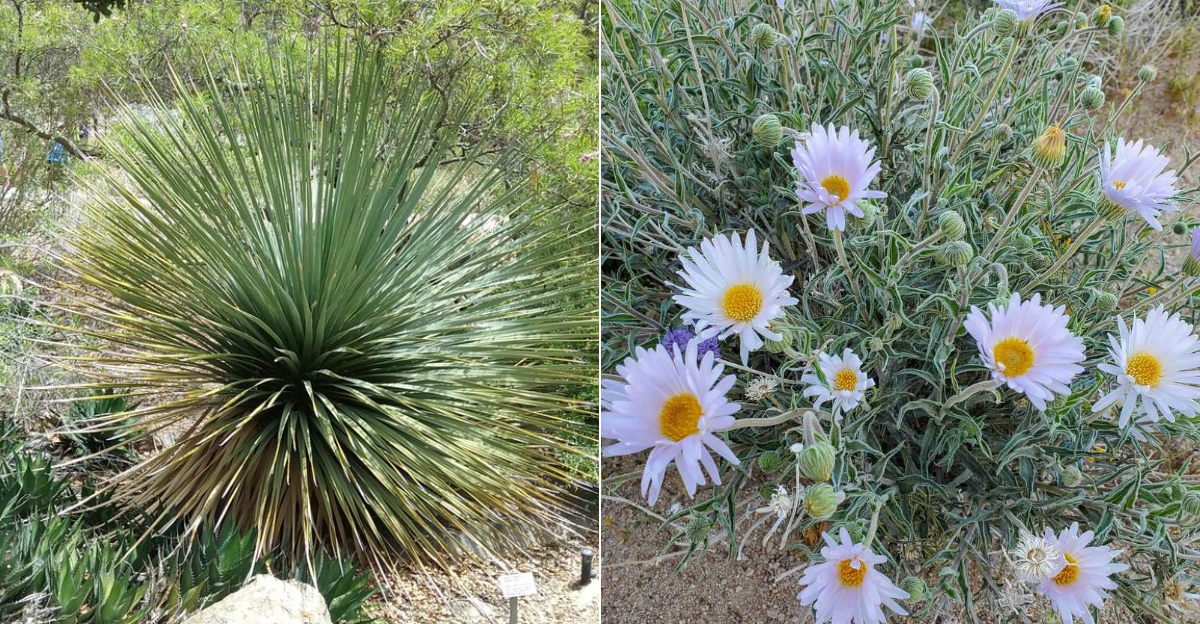
6. Parry’s Nolina Adds A Grassy Look Without Heavy Watering
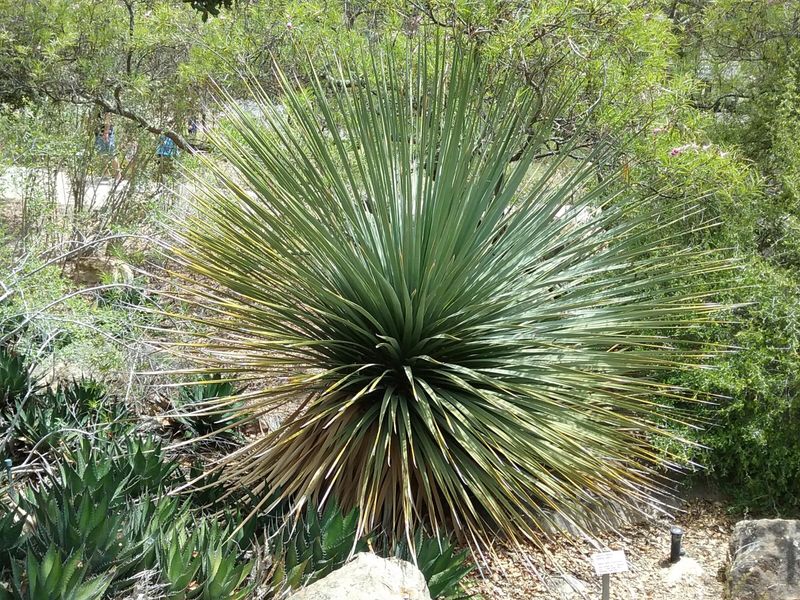
At first glance, Parry’s nolina might look like a giant grass or a small yucca, but it is its own unique plant with a lot of personality.
The long, narrow leaves arch outward from a central base, creating a fountain-like shape that brings movement and softness to a dry garden.
It is especially striking when planted next to the rigid geometry of agave or the round form of barrel cacti.
Native to rocky slopes and dry mountain terrain, Parry’s nolina is built for tough conditions. It stores water in its thick base, much like a succulent does, which means it can go long periods without irrigation once established.
That self-sufficiency is exactly what you want in a companion plant for a succulent garden. You will not need to run a separate drip line or adjust your watering schedule.
This plant is also incredibly long-lived. Some nolinas survive for decades with almost no maintenance.
Older plants eventually send up tall flower stalks covered in small cream-colored blooms, which attract bees and other insects. The dried stalks can be left in place for winter interest or cut back to keep the garden looking clean.
Because the leaves are flexible rather than sharply pointed, it is a safer choice around garden paths and seating areas than many other spiky desert plants.
7. Mojave Aster Gives Dry Beds A Burst Of Purple
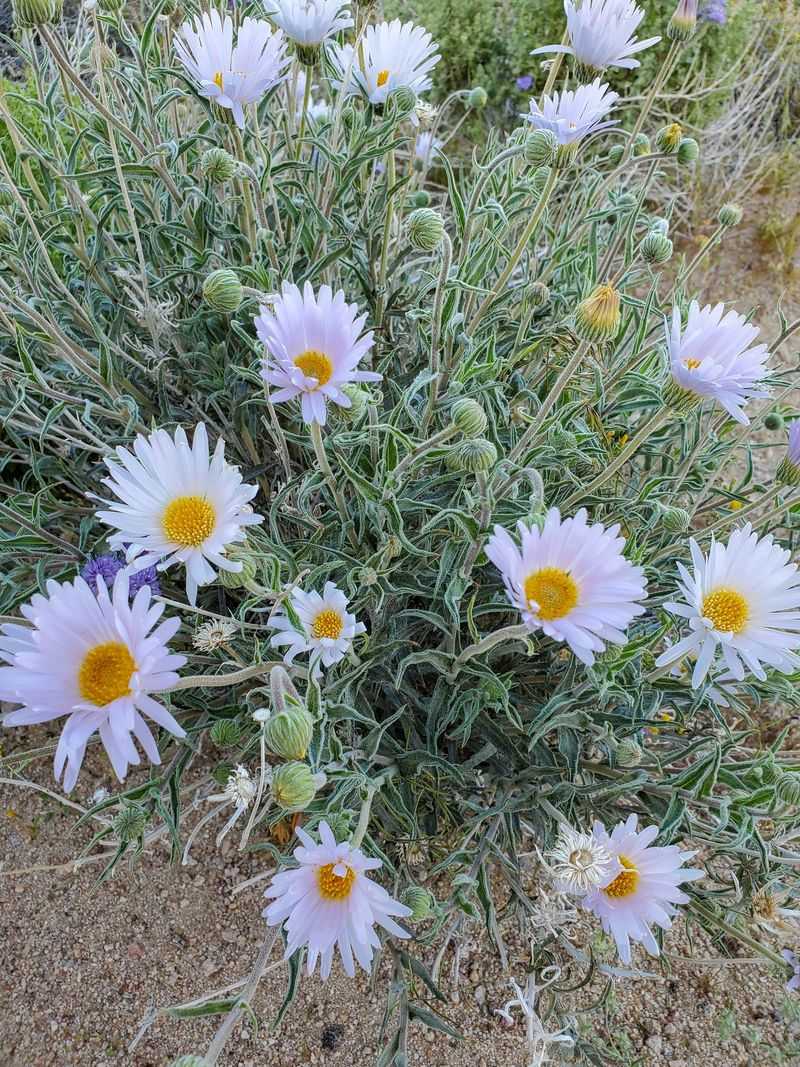
Purple flowers are not always easy to find in a drought-tolerant garden, which is exactly what makes Mojave aster such a welcome addition.
This native wildflower produces cheerful purple daisy-like blooms with yellow centers, usually in spring and again in fall after monsoon rains.
The color contrast against the green and gray tones of nearby succulents is genuinely eye-catching.
Mojave aster grows naturally in sandy, rocky desert soils where rain is unpredictable and temperatures swing dramatically between seasons. That background makes it highly adaptable and very low-maintenance in a garden setting.
Once established, it rarely needs supplemental watering beyond what falls naturally. It also handles reflected heat from rocks and walls without any issues.
The plant forms a loose, spreading mound about one to two feet tall and two to three feet wide. That modest size makes it easy to tuck between larger succulents or use as a border plant along a dry garden edge.
After each bloom cycle, the spent flowers fade into fluffy seed heads that birds sometimes pick through. Leaving those seed heads in place adds winter texture and supports local wildlife.
For California gardeners who want a reliable pop of seasonal color without extra watering, Mojave aster delivers in a way that few other native plants can match. It earns its place in any dry, sunny bed.