10 Easy Tips To Keep Mums Blooming For Weeks On Your Porch Or Patio
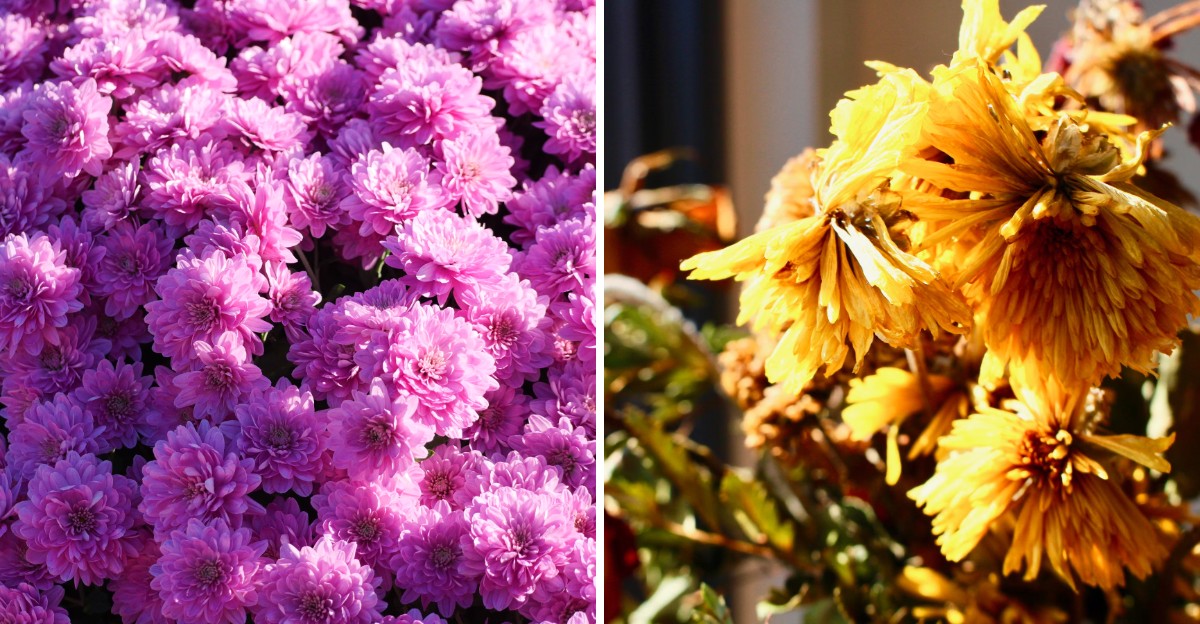
That mum on your porch is thirsty, and it hid the evidence well. Growers pack its roots so tightly that your water slips right past them, unused. You see moist soil on top while the root ball underneath stays dry.
Afternoon sun bouncing off your concrete steps heats the pot and fuels the thirst. Blooms you bought wide open had already spent much of their show.
Buds are what you want: tight, colorful knots promising weeks of color ahead. Pinching faded flowers keeps your plant looking tidy and protects the buds still waiting.
Watering the leaves invites trouble, since damp petals spot and brown in cool autumn air. Aim at the soil instead, and water slowly until it flows from the bottom.
Repotting into a roomier container lets roots spread and drink. Your mums can outlast Halloween, and here’s how.
1. Choose Plants Covered In Tight Buds
Picture two pots side by side at the store, one in full blaze and one mostly green. Grab the green one, because it still has its whole show ahead of it.
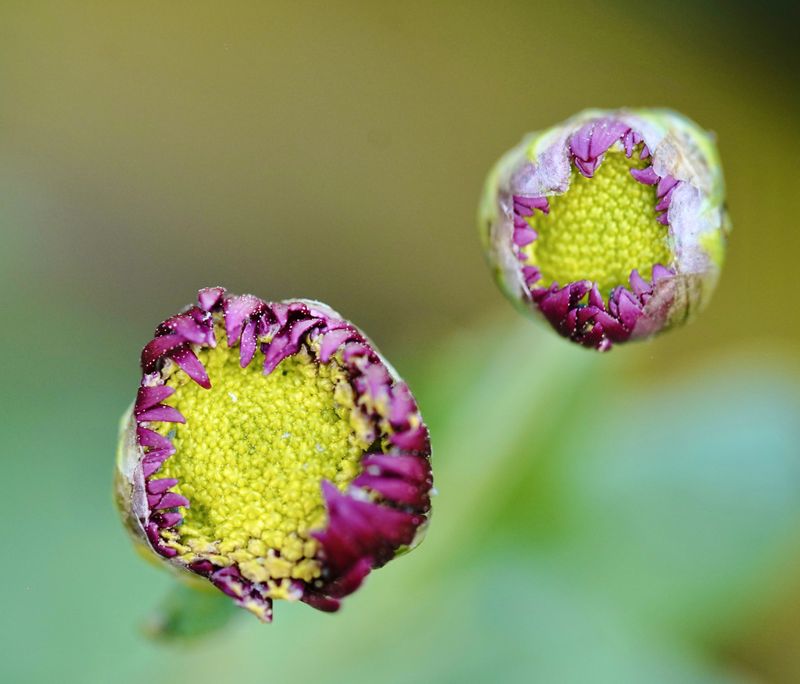
Plants covered in fat, closed buds will open slowly over several weeks on your porch. A pot already in full bloom may only have two or three weeks left.
Look for buds that show just a hint of color peeking through the green. That tiny peek tells you which shade you are buying without spending the bloom time early.
Check the leaves too, since healthy plants have deep green foliage all the way down. Skip any pot with yellow, spotted, or brown lower leaves.
A mound that looks full and evenly rounded on every side will also hold its shape much better.
Turn a few leaves over while you are at it. Tiny green or black clusters, sticky spots, or fine webbing signal aphids or spider mites hitching a ride home.
Tip the pot gently and peek at the bottom drainage holes before you pay. Thick roots poking out mean the plant is thirsty and ready for a roomier home.
September is the sweet spot for shopping, since stores are fully stocked with fresh arrivals. Buy early in the month, and your porch can stay colorful well into fall.
2. Repot Into A Bigger Container Right Away

Garden center mums are a bit like kids squeezed into last year’s sneakers. Growers pack them into small plastic pots, and the roots quickly run out of room.
A cramped root ball dries out fast, sometimes within a single sunny afternoon. Moving your plant into a container two or three inches wider gives it breathing space.
Choose a pot with drainage holes, since soggy soil can rot roots in a hurry. Fill the bottom with fresh potting mix rather than heavy garden dirt.
Terracotta looks charming but loses moisture through its walls, so it needs more frequent watering. Glazed ceramic or plastic holds water longer on warm days.
Slide the plant out and gently loosen the outer roots with your fingers. Set it at the same depth it grew before, then pack more soil around the sides.
Repot in the morning or on a cloudy day, so the plant settles in before afternoon heat hits. Keep it shaded for a day.
Water slowly until it drips from the bottom, which helps the soil settle in snugly. Your plant may look a little shy for a day, but it will perk up quickly.
Bonus tip: pick a decorative pot in a deep color like navy, bronze, or charcoal. Those shades make orange and yellow blooms pop against your autumn porch decor.
3. Water Deeply At The Base Whenever The Soil Feels Dry
A large potted mum can use a lot of water on hot days. Thirst is one of the most common reasons porch mums fade early.
Aim your watering can or hose right at the soil, not over the flowers. Wet petals and leaves can invite mildew and brown spots, especially on cool nights.
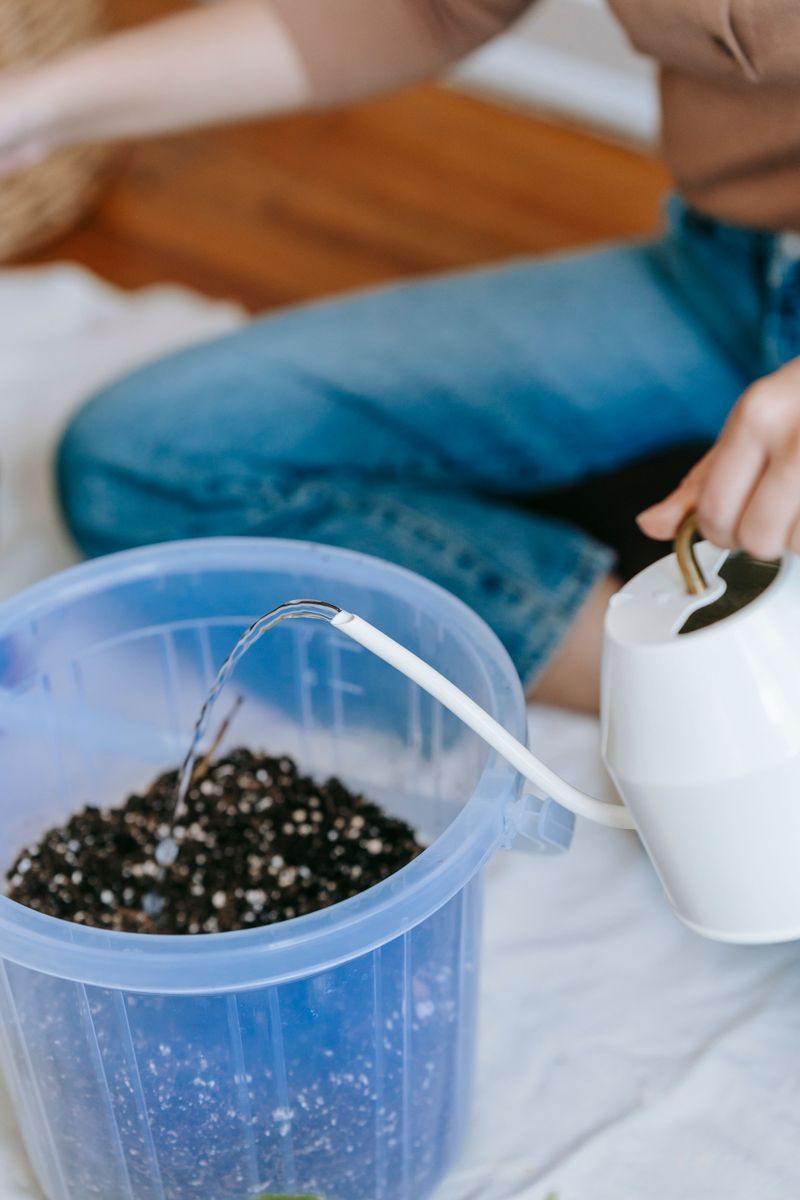
Keep pouring until water runs out of the drainage holes at the bottom. A quick splash only wets the top inch and leaves deeper roots thirsty.
Morning is the best time, since plants can soak up moisture before the day heats up. Any drops on the leaves will also dry off fast in the sunshine.
Push a finger into the soil, and water right away if it feels dry. Lifting the pot works too, because a light pot usually means empty soil.
Warm September afternoons can dry pots faster than you expect, so hot days may need two waterings. A saucer underneath can catch extra water, but empty it within an hour.
4. Give Them Six Hours Of Sun, Ideally In The Morning

Experienced gardeners often keep fall flowers on the east side of the porch for a reason. East-facing spots catch gentle morning light, which helps blooms last longer.
Mums need around six hours of sunshine to keep opening fresh buds. Too little light leaves them leggy, pale, and pretty stingy with new flowers.
Morning rays are ideal because they are bright and cheerful but not scorching. They also dry off overnight dew, which keeps fungus from settling on the leaves.
Spend a day watching how light moves across your porch or patio. Note which corners glow early and which ones stay shady until well past lunchtime.
A deep covered porch may not get enough light, even if it looks bright to you. In that case, place pots near the outer edge or along the front steps.
As days shorten in late September, that sunny spot becomes even more valuable. Give your plants the best seat in the house, and they will return the favor.
5. Shield Blooms From Harsh Afternoon Heat

Ever notice how you wilt a little on a hot patio at three o’clock? Your flowers feel exactly the same way, minus the option of grabbing lemonade.
Early September can still bring heat waves in many parts of the country. Strong afternoon sun speeds up blooming, which means flowers open and fade faster.
Heat also bleaches bright colors, turning rich burgundy petals into a washed out pink. Nobody buys burgundy hoping for faded bubblegum.
West facing porches and concrete patios get especially toasty in the late afternoon. Pavement soaks up warmth and radiates it right back up into your pots.
Try sliding containers under a porch roof, patio umbrella, or leafy tree after lunch. A plant caddy with wheels makes moving heavy pots easy on your back.
Raising pots off hot concrete with plant stands or pot feet helps as well. That little gap lets air flow underneath and keeps roots cooler.
Once nights turn crisp in October, your plants can soak up more sun again. Until then, a little afternoon shade works like sunscreen for your petals.
6. Pinch Off Faded Flowers Each Week
Think of spent blooms as dirty dishes piling up in the sink. Leave them too long, and everything starts looking tired.
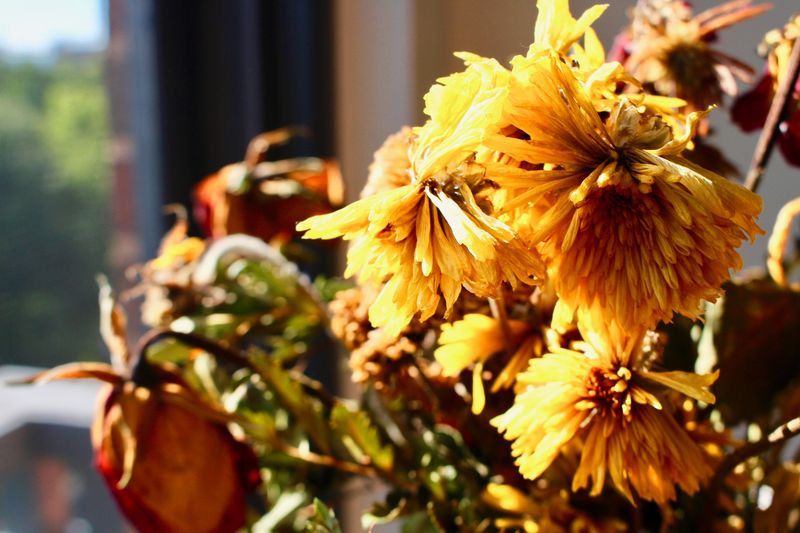
Once a flower turns brown or droopy, it stops adding beauty to your porch. Worse, it can trap moisture and invite gray mold to move into neighboring buds.
Removing faded flowers is simple and oddly relaxing with a cup of coffee in hand. Pinch each one off with your fingertips right where it meets the stem.
For tougher stems, small garden snips or clean kitchen scissors do the trick. Be careful not to clip the tight green buds hiding nearby.
Pick a regular day, like Saturday morning, to give each pot a quick once over. It usually takes less than five minutes per plant.
Fall mums will not rebloom like some summer flowers, so tidying mainly boosts looks and health. Still, a clean plant with fresh color on top looks brand new for longer. Toss healthy clippings in your compost pile, but put any spotted or moldy ones in the trash.
7. Skip The Fertilizer Once Buds Open
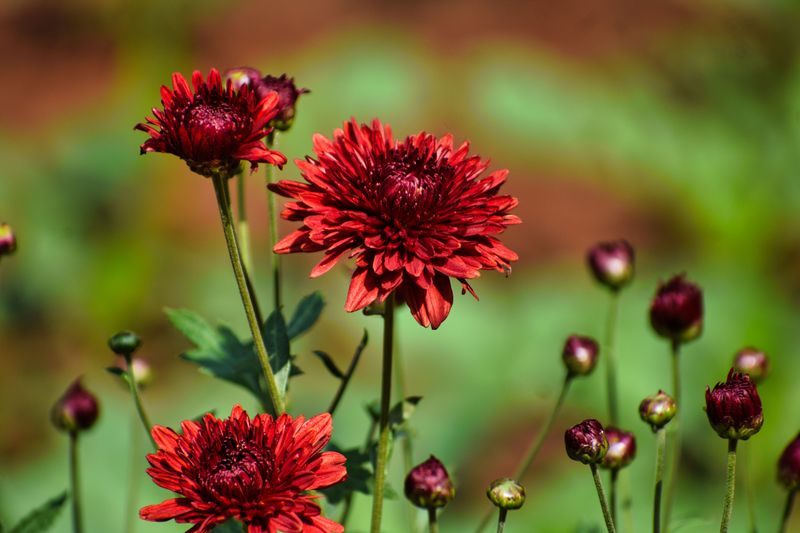
Surprisingly, feeding your mums more plant food adds little once they start blooming. It sounds backward, but the science makes perfect sense.
Fertilizer tells a plant to grow new leaves and stems. Once buds start opening, your mum is done growing and focused on flowering.
Extra nutrients at this stage can push out soft, floppy growth instead of pretty petals. Too much food can also burn roots in a small pot, leaving crispy leaf edges.
Most garden center mums were already fed plenty by the grower all summer long. Fresh potting mix from repotting often includes a gentle dose too.
So put the plant food back on the shelf and let water do the heavy lifting. Your wallet will thank you, and so will your flowers.
Planning to plant your mums in the ground later for next year? Save feeding for spring, when fresh green shoots pop up from the base.
Gardeners in China grew mums over 2,500 years ago. They fed their plants with natural materials like manure, long before bagged fertilizer existed.
8. Improve Airflow Around Every Pot

Imagine a crowded elevator on a humid day, with everyone breathing the same stuffy air. Plants packed tightly together on a porch feel pretty much the same way.
Without a breeze, moisture lingers on leaves and petals long after watering or rain. That damp, still air is a welcome mat for powdery mildew and leaf spot.
Leave a few inches of space between pots so air can drift freely around them. Big mums often grow wider than their containers, so give them extra elbow room.
Tucking plants into tight corners behind furniture or walls can also trap stale air. Try to keep at least one side of each pot open to the yard.
Watch for a white, dusty coating on leaves, which usually signals powdery mildew. Snip off any affected leaves quickly and toss them in the trash, not the compost.
Clearing fallen leaves and petals from the soil surface helps too. Soggy debris sitting on the dirt can breed fungus right at the base.
9. Cover Plants On Chilly Frosty Nights
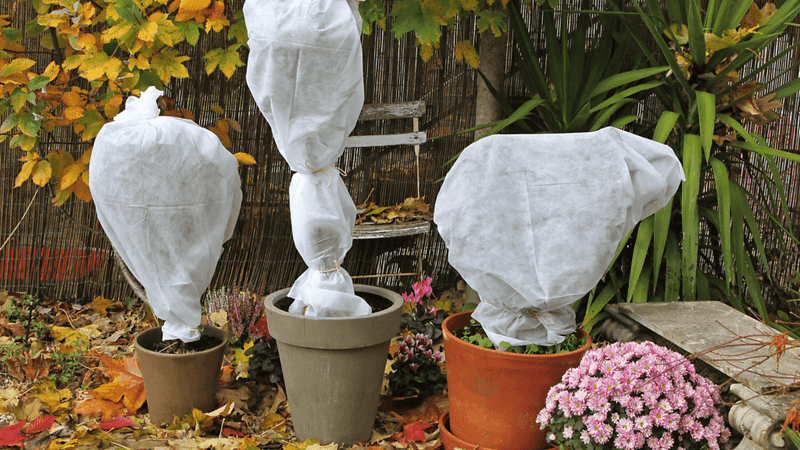
Tuck your mums in like sleepy toddlers when the forecast dips toward freezing. They are tougher than they look, but a hard frost can brown open petals overnight.
Keep an eye on the weather app once late September nights start feeling crisp. Anything below about 36 degrees Fahrenheit (2°C) is your cue to grab a blanket, since frost can form above freezing.
Old bedsheets, burlap, or frost cloth work great for draping over pots in the evening. Let the fabric reach the ground so it traps warmth rising from the soil.
Skip plastic sheets or trash bags, since plastic touching leaves can pass the cold right through. A few stakes can hold covers up and away from delicate blooms.
Smaller pots are even easier, because you can just carry them into a garage or shed. Pushing containers close to the house walls also helps, since brick and siding hold daytime heat.
Remove the covers the next morning once temperatures climb above freezing. Leaving them on all day blocks sunshine and makes plants sweaty and stressed.
10. Check Leaves Weekly For Sneaky Pests

Grab a magnifying glass and channel your inner detective for this one. Some of the biggest threats to your porch blooms are smaller than a sesame seed.
Aphids love mums and often cluster on tender new growth and under leaves. They suck plant juices, leaving curled leaves and a sticky shine behind.
Spider mites are another sneaky crew, especially during warm, dry September spells. Look for tiny speckles on leaves and fine webbing between stems.
Once a week, flip over a few leaves and inspect the undersides closely. Catching trouble early makes fixing it quick, cheap, and easy.
A strong spray of water from the hose knocks many pests right off. Do this in the morning so leaves have plenty of time to dry.
For stubborn bugs, insecticidal soap works well and is gentle on plants. Follow the label carefully and avoid spraying in hot midday sun.
Ladybugs are nature’s pest patrol, and one can gobble dozens of aphids a day. If you spot these spotted helpers on your mums, let them stay for dinner.