Bagworm Cocoons Are Easiest To Spot On Missouri Evergreens Right Now
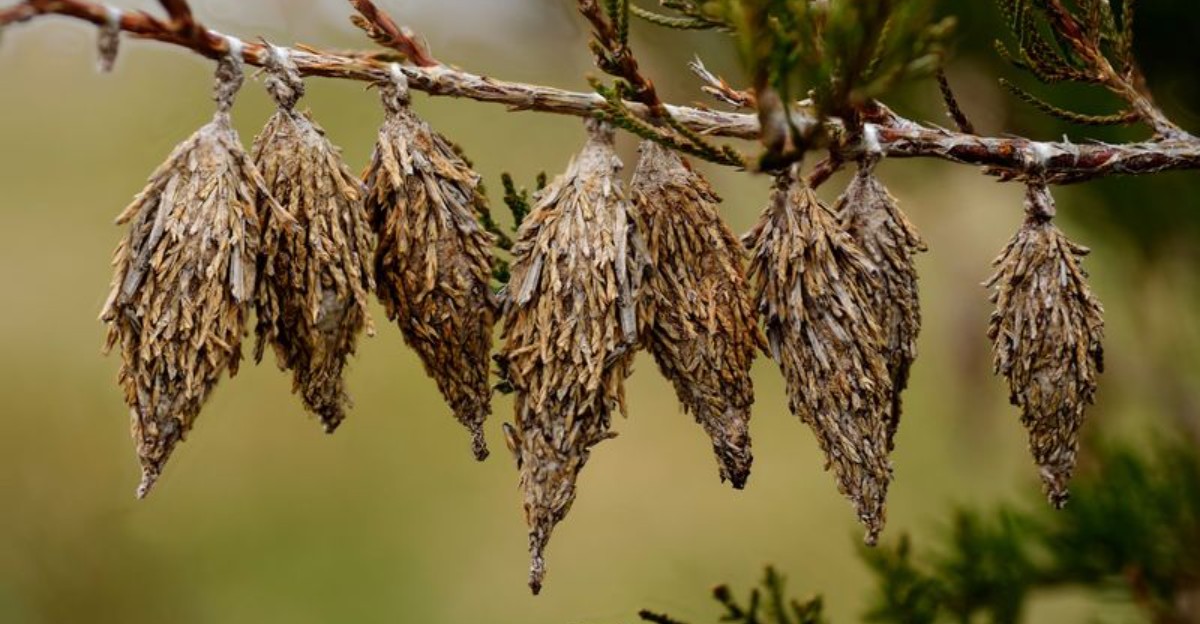
Brown pouches dangling from your cedar branches in Missouri have been quietly plotting something bigger than they look. Your evergreens might be hosting a swarm of tiny hitchhikers without giving a single visible sign.
Cut one open right now and you would find a story stitched together from silk and stolen needles. Inside that scratchy little shell sits a creature that built its own shelter before it could even walk.
Ignore it through winter and you hand next summer’s problem a running start. Wait too long and your favorite hedge could look scorched by July, thin in spots that never fill back in.
Neighbors down the street are probably dealing with the exact same mystery and have no idea yet. You will want answers before that quiet mystery finds its way onto your own porch.
Finished Silk Bags Stand Out Against Late Summer Needles
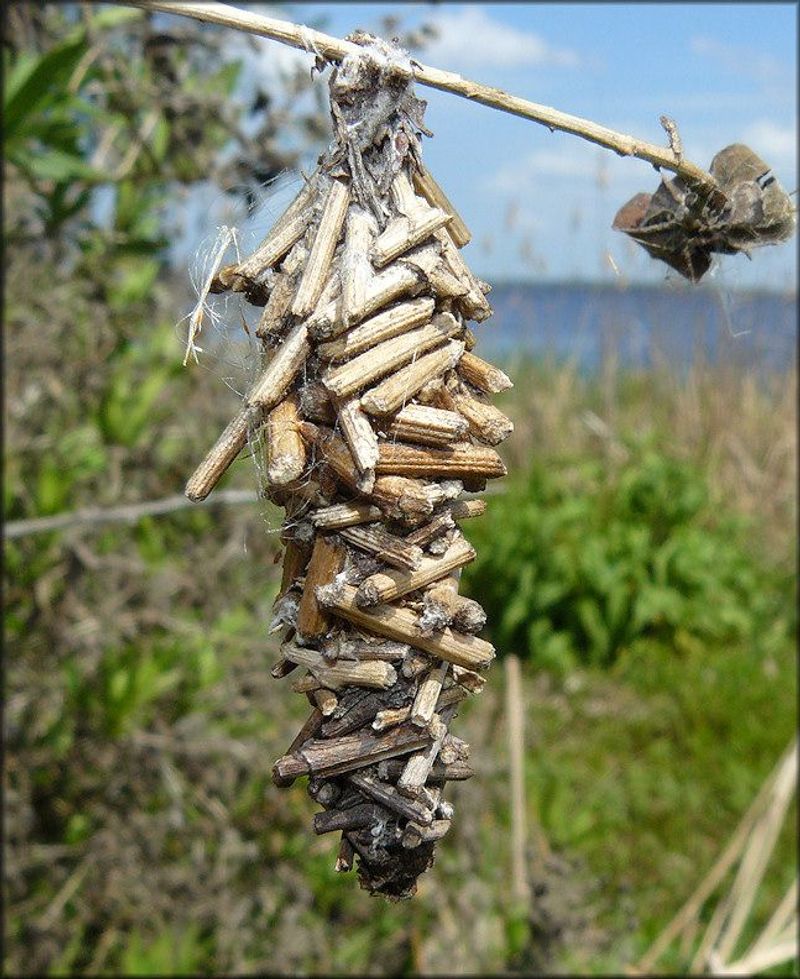
Drive past almost any Missouri yard in September, and the brown ornaments pop out like freckles on a green face. Those spindle-shaped bags hang from juniper, arborvitae, and eastern red cedar branches all over the state.
By now, the caterpillars inside have stopped eating and building. Their cases have reached full size, often one to two inches long, so they finally look obvious.
Earlier in summer, the young bags are tiny and bristly, blending right into the foliage. Many folks walk past them for months without noticing a thing.
September changes that because the silk has faded to a dull tan. Meanwhile, the living needles around each bag stay bright green, creating strong contrast.
Morning light makes the search even easier. Stand a few steps back, look along the outer branch tips, and let your eyes catch anything that dangles.
Heavy feeding also leaves clues nearby. Look for brown, thin patches near the top of the plant, since that is where the pests often gather.
Deciduous trees like maples can host them too. Still, the bags hide better among changing leaves, so evergreens give you the clearest view.
Once you spot one bag, keep looking, because they rarely travel alone. A single tree can hold dozens, and each one matters for next year.
Grab a notepad and jot down which trees look worst. That quick list will help you plan cleanup before the weather turns cold.
The Silk Craft Behind Every Dangling Bag
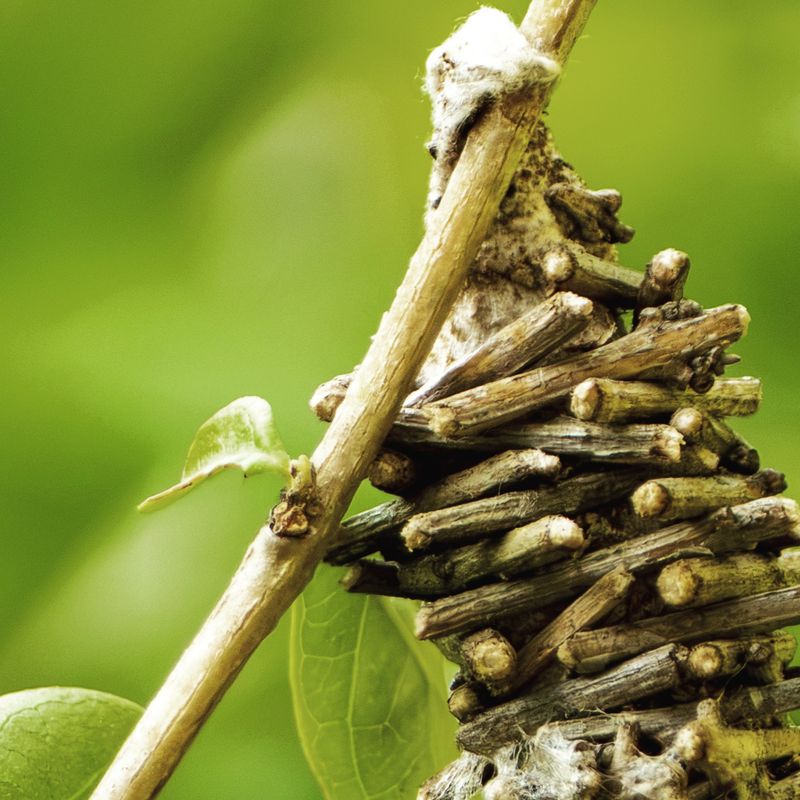
Imagine building a sleeping bag while wearing it, one twig at a time. That is basically the life story of a bagworm caterpillar.
Each tiny larva hatches in late spring and immediately spins silk around its body. Then it glues on bits of needles, bark, and leaves as camouflage.
The caterpillar carries its home everywhere, poking out only its head and legs to munch. As it grows, it keeps adding material, so the bag grows right along with it.
Each bag looks slightly different depending on the tree it came from. A cedar bag looks scaly, while a pine bag looks prickly and long.
Fun fact: young caterpillars sometimes ride the wind on silk threads. Scientists call this ballooning, and it helps them reach new trees across a yard.
Your Missouri Garden Changes Every Week. Your Plan Should Too.
Gardening in Missouri changes quickly throughout the season. Every Friday you’ll receive a simple weekly plan showing exactly what to plant, prune, fertilize, harvest, and protect so you never miss the right timing.
Evergreens are a favorite menu because the needles stay available all season long. Eastern red cedar and juniper top the list in Missouri, but spruce and pine get hit too.
By late August, the caterpillar is done eating for the year. It ties its bag firmly to a twig with a strong silk band and seals itself inside.
That silk band is tougher than it looks. Over the years, it can tighten around a growing branch and choke off the flow of water.
Knowing how the bag is built explains a lot about removal. Those tough threads are the reason you should snip bags off, not just yank them.
A Winter Nursery Packed With Hundreds Of Eggs
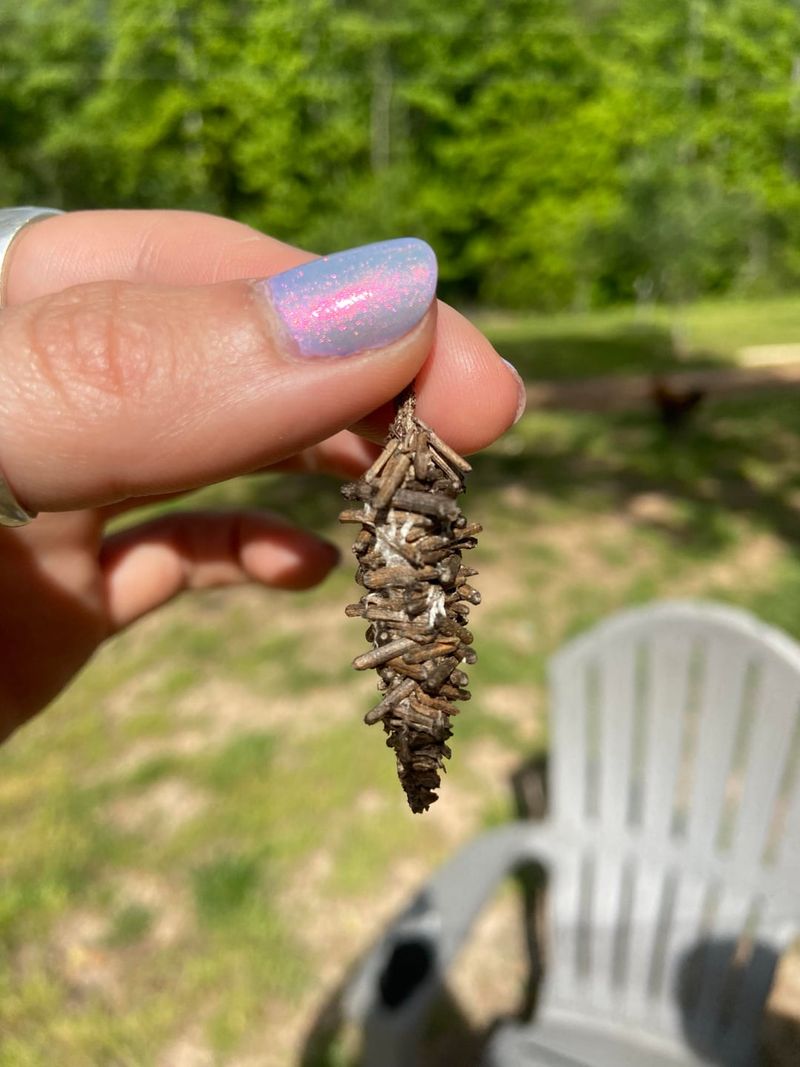
One female bag can hold anywhere from 500 to 1,000 eggs. That number explains why a small problem this fall can explode next summer.
Female bagworms are strange creatures. Adults have no wings, no legs to speak of, and no working mouth, so they stay inside their bags.
Males are different, turning into small black moths with clear wings. In early fall, they flutter from tree to tree looking for bags with females waiting inside.
After mating, the female lays her eggs right inside the case. Then her job is finished, and the bag becomes a cozy winter nursery.
Those eggs sit tight through snow, ice, and freezing Missouri winds. The silk and plant bits act like insulation, keeping them safe until warm weather returns.
Around late May or early June, the eggs hatch. Tiny caterpillars crawl out the bottom of the old bag and start eating almost right away.
Here is the tricky part for homeowners. From the outside, an empty male bag and an egg-filled female bag look nearly the same.
Because the two are hard to tell apart, treat every bag as a potential egg case. Removing all of them during fall or winter is the safest bet.
The bags do not move once they are sealed, which works in your favor. You have from now until early spring to find them before the eggs wake up.
The Costly Mistake Of Waiting For Spring
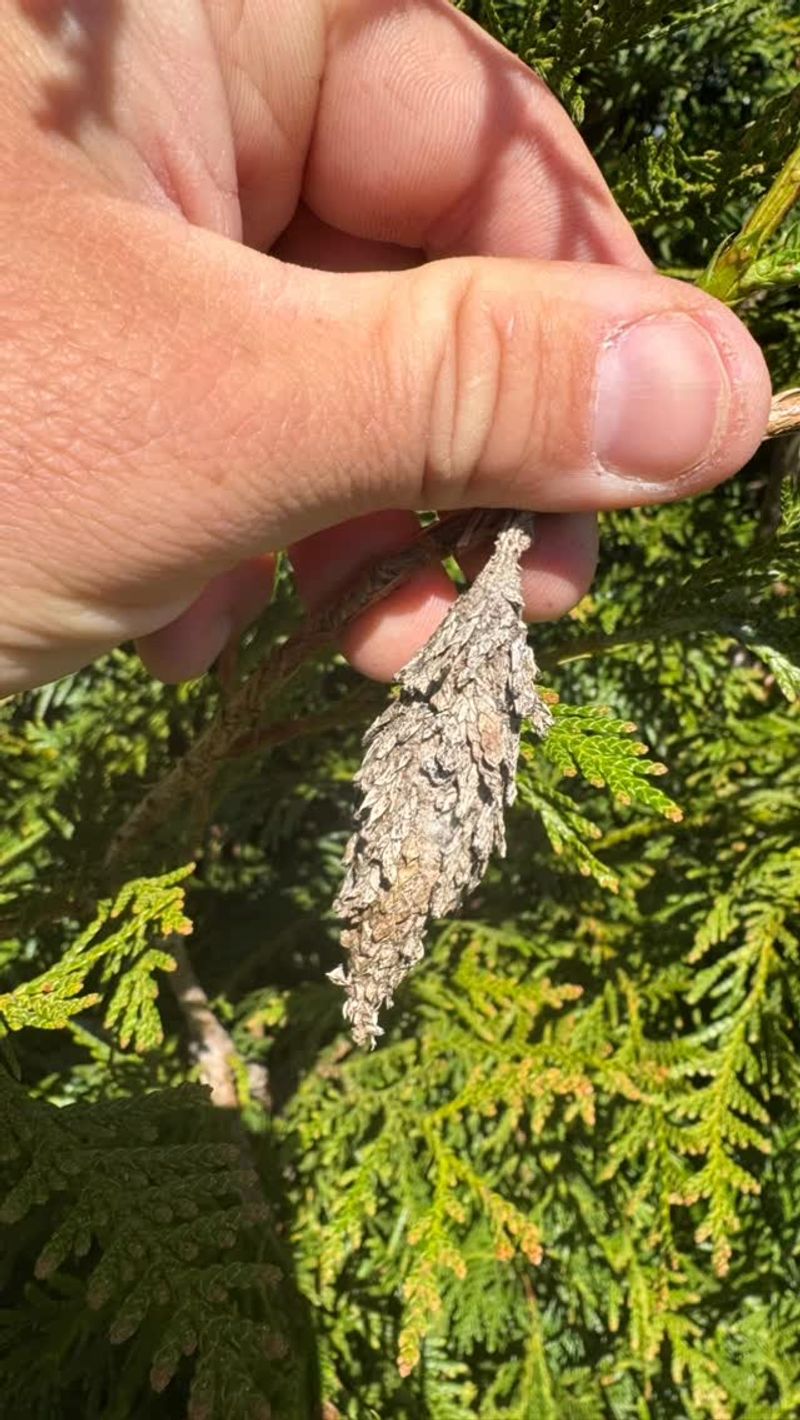
My uncle once ignored a few brown bags on his cedar hedge, figuring he would handle them later. By July, half the hedge looked scorched and bare.
Waiting until spring is one of the most common errors Missouri gardeners make. Once eggs hatch in late May, thousands of caterpillars spread out faster than you can track.
Sprays also have a narrow window. Most insecticides work best on young caterpillars in June, before their bags get thick and protective.
Spraying now in September does very little good. The caterpillars are sealed inside tough silk, and the chemicals simply cannot reach them.
Evergreens also recover slowly compared to leafy trees. When a juniper loses too many needles, those bare branches may not grow back at all.
Another mistake is pulling bags off and dropping them on the ground. Eggs can still hatch there, and the tiny caterpillars will crawl right back up the trunk.
Some people also leave bags on the far side of a tree they cannot easily reach. Even a handful left behind can restart the whole cycle next year.
Think of each bag as a countdown you can still control. Handling it now takes seconds, while cleaning up the damage takes years.
Fall and winter are honestly the best times to act. The bags are easy to see, the weather is pleasant, and the eggs are trapped in one spot.
A Bucket Of Soapy Water Beats Any Spray This Fall
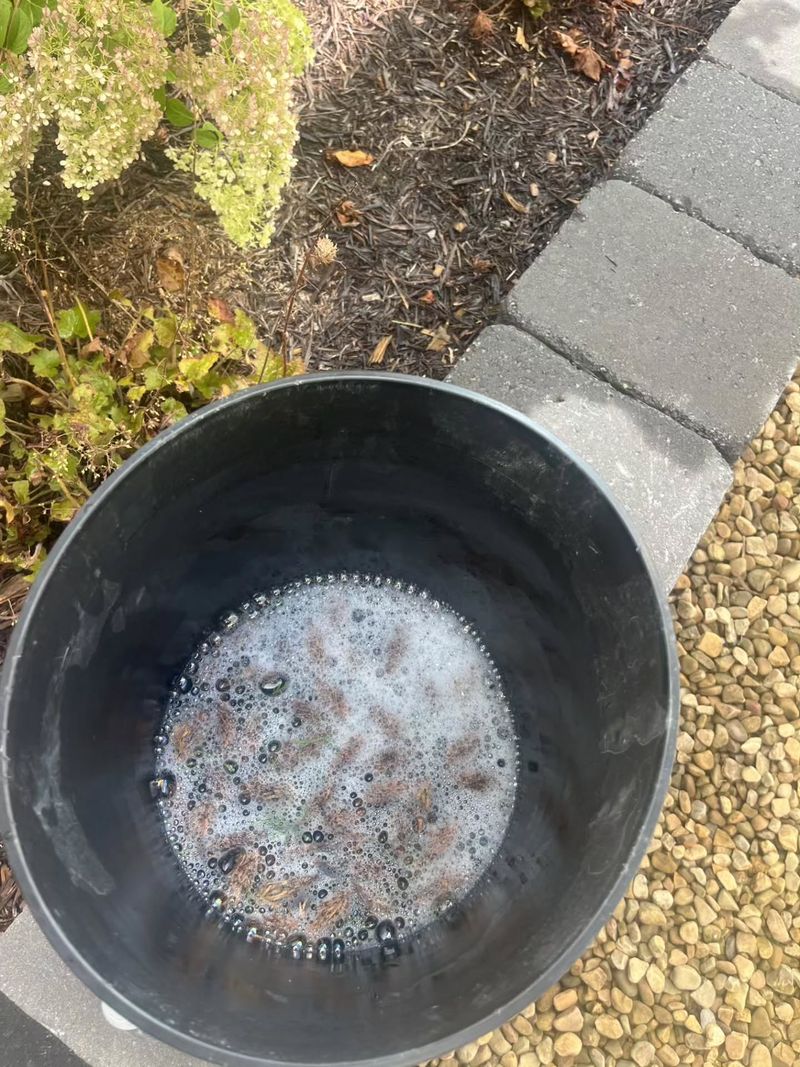
Who knew the best pest tool in Missouri might be sitting under your kitchen sink? A bucket, some dish soap, and a pair of scissors handle this job beautifully.
Start by filling a bucket halfway with water and a good squirt of dish soap. The soap breaks the surface tension, so bags sink instead of floating around.
Next, grab a pair of garden snips or small scissors. Cut the silk band holding each bag instead of ripping it, which can damage the twig.
Drop each bag straight into the soapy water. Let them soak for a few days, then seal them in a trash bag for pickup.
Also remove the leftover silk band from the branch. Left in place, it can girdle the twig as the branch grows thicker over time.
Work slowly around each tree, circling it twice from different angles. Bags love to hide on the shady inner branches where your eyes skip right over them.
For tall trees, a sturdy step ladder or pole pruner helps you reach high spots safely. Bring a buddy to hold the ladder, especially on uneven ground.
Kids can join in, too, turning cleanup into a treasure hunt. Offer a small prize for whoever finds the most bags, and watch the competition heat up.
Gloves are a smart idea since the bags feel scratchy and sticky. Tossing bags in compost is not recommended, because eggs may survive and hatch.
Greener Branches By Next Summer
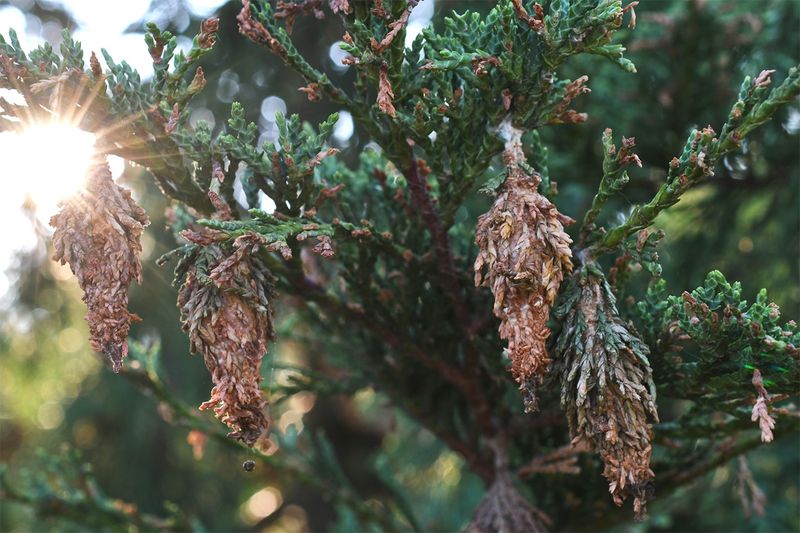
Picture next July, when your cedars look full and green instead of scorched and thin. That payoff comes straight from the work you put in this fall.
Healthy evergreens can bounce back from light feeding damage within a season or two. New growth fills thin spots, as long as branch tips still have buds.
Keep an eye out in early June, just in case a few bags slipped past you. Tiny new bags look like little brown specks standing upright on the needles.
If you find many young caterpillars, a spray with Bt can help. Bt is a natural soil bacterium that targets caterpillars and is gentle on bees and birds.
Birds are helpful partners, too. Chickadees and sparrows will pick at bags, so a nearby feeder or birdbath can invite some extra help.
Wasps and other tiny parasites also attack the eggs inside some bags. Skipping harsh chemicals gives these helpful insects a better chance to stick around.
Watering deeply during dry spells keeps evergreens strong enough to handle stress. A layer of mulch around the base holds moisture and protects the roots in summer heat.
Check neighboring trees as well, since caterpillars can float over on silk threads. Sharing tips with neighbors turns one clean yard into a whole clean block.
Make a bag check part of your yearly fall routine. Twenty minutes each September could save a beloved tree from years of struggle.