8 Ways To Keep Squirrels From Digging Up Your Bulbs
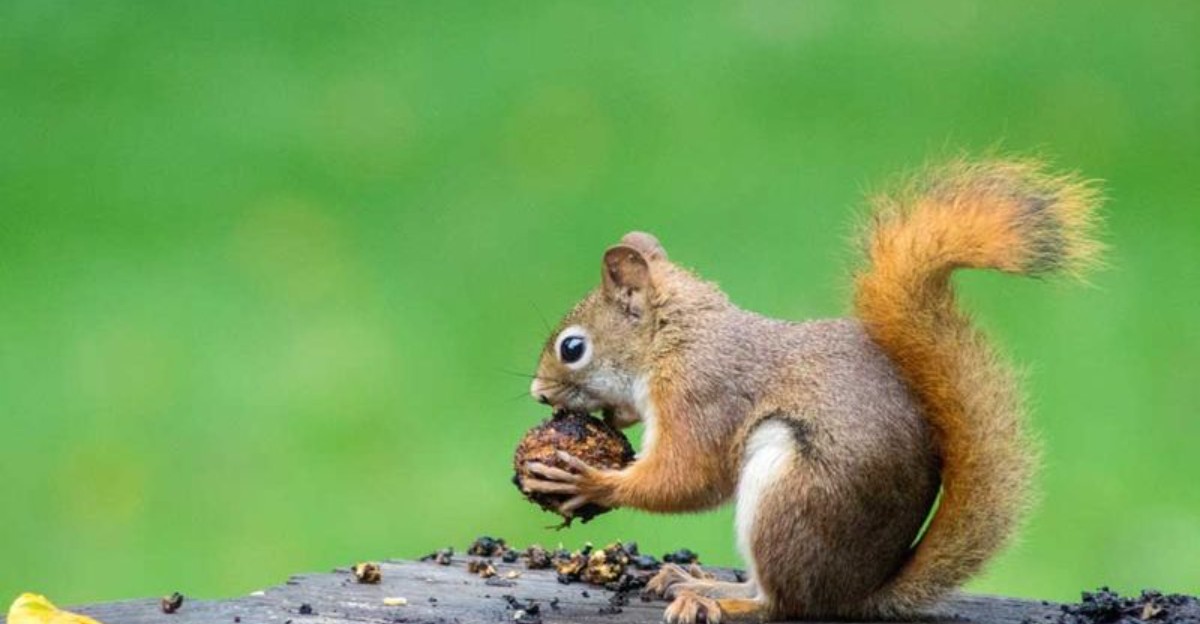
A single papery brown skin lay on my porch step this morning, peeled clean like a tiny jacket. Nearby, a fresh hole the size of a teacup sat in the bed I had just raked smooth.
Whoever did it left behind one muddy paw print on the rim of my watering can. They even tucked an acorn into the exact spot where my spring flowers were supposed to nap until April.
Think of it as a swap nobody asked for, like trading a diamond for a pebble. My neighbor swears she saw a fluffy gray tail flick past her kitchen window, smug as a cat with cream.
September planting feels hopeful, but my backyard clearly runs a busy overnight crew equipped with tiny shovels. At this rate, this yard should start keeping a guestbook by the porch step.
1. Lay Chicken Wire Over The Planting Bed
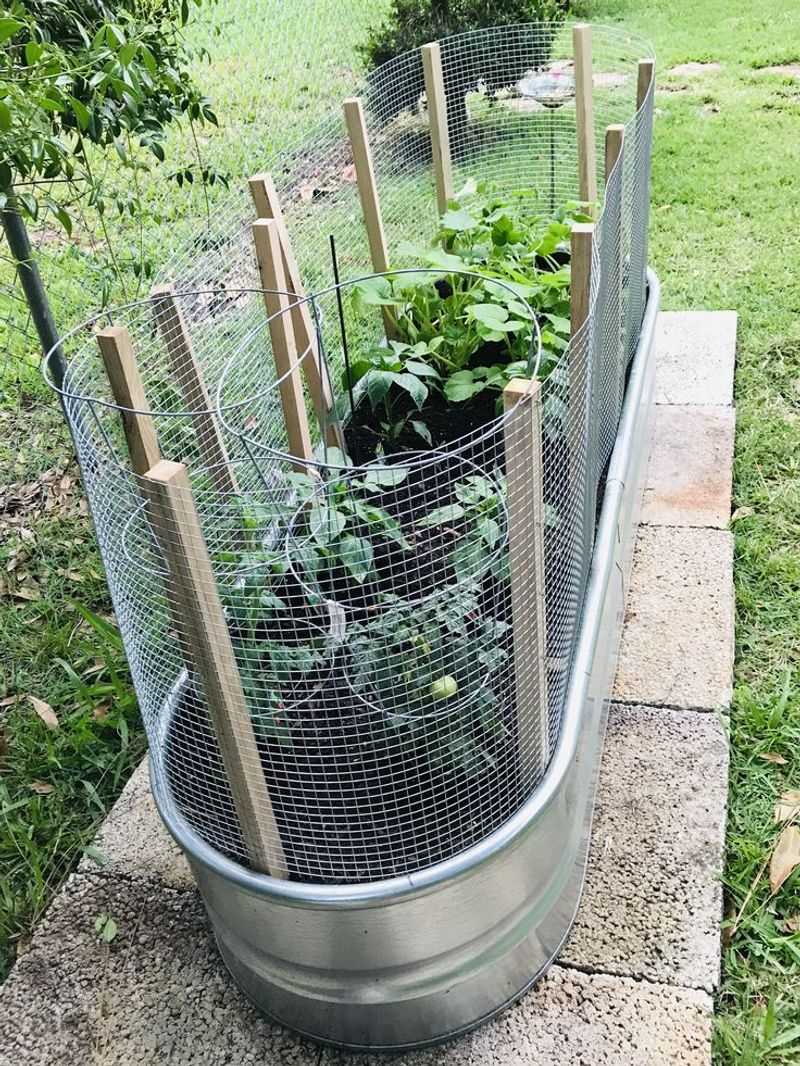
Picture a burly bouncer standing at the door of a fancy club, and you already understand chicken wire. It lets water, sunlight, and tiny green sprouts slip through while turning away every hungry party crasher.
After you plant your bulbs, carefully cover the soil with a flat sheet of wire mesh. Stretch it a few inches past the edges so clever little diggers cannot sneak in from the side.
Hold the wire down firmly with landscape staples, rocks, or old bricks every foot or so. Then sprinkle a thin layer of mulch on top to hide the metal and keep things looking tidy.
Squirrels really hate the feel of wire under their paws because they cannot get a good grip. Once they scratch and hit metal, most of them give up and wander off to bother someone else.
Look for mesh with holes about one inch wide, which is small enough to block paws. Your spring shoots will still have plenty of room to poke through when they finally wake up in March.
September is the perfect month to set this up, since most spring bulbs go in the ground now. Leave the wire in place until early spring, then gently lift it before the leaves grow too tall.
Wear gloves when you cut the wire, because those sharp edges can scratch like an angry kitten. Roll it up afterward and store it in the shed, and it will be ready again next fall.
2. Plant Daffodils And Other Bulbs They Hate
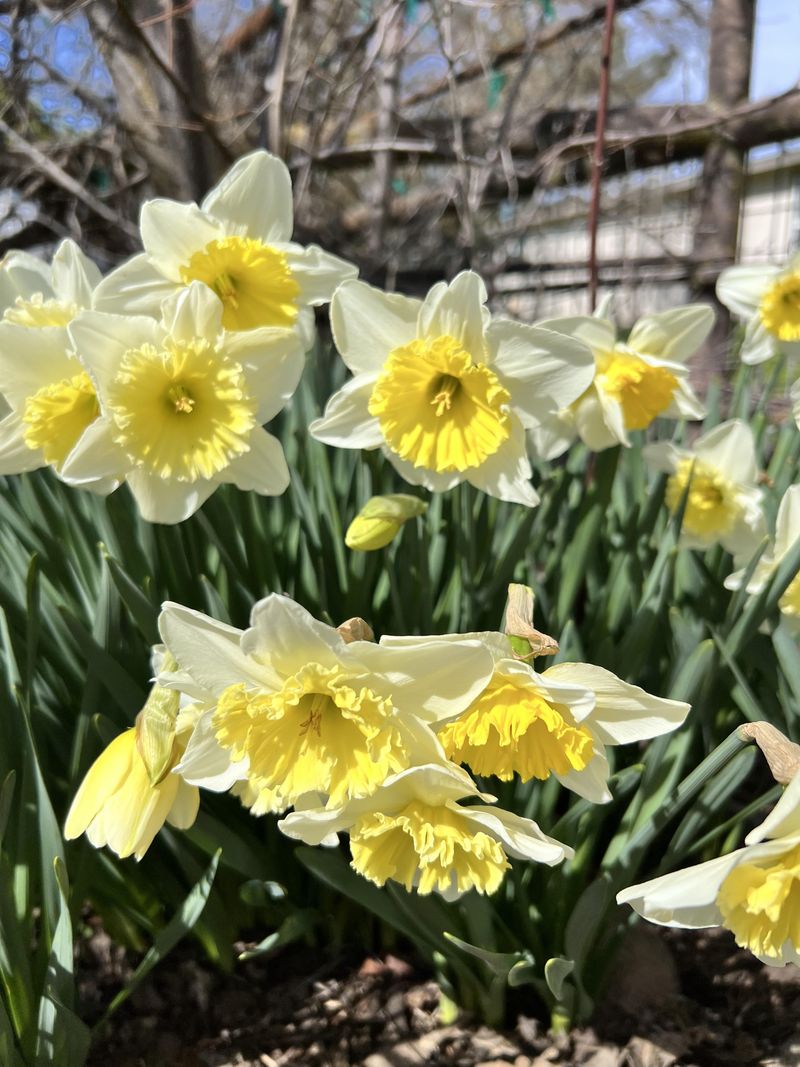
Here is a fun fact that feels like a garden secret: daffodils are poisonous to squirrels. The bulbs contain a bitter chemical called lycorine, and furry diggers learn fast to leave them alone.
Squirrels have sharp memories and a picky sense of taste, much like a toddler at dinner. One nibble of a daffodil bulb usually teaches them to skip that spot for the rest of the season.
Daffodils are not the only flowers sitting on the squirrel no-thanks list, either. Alliums, snowdrops, grape hyacinths, and fritillaries also taste bad or smell strong enough to send noses twitching away.
Crown imperial fritillaries even have a skunky smell that people notice from several feet away. It sounds gross, but that stinky scent works like a force field around your flower bed.
You can also use these tough flowers as bodyguards for the tastier ones in your yard. Try planting a ring of daffodils around your tulips or crocuses to confuse and discourage hungry visitors.
Mixing bulbs in the same hole is another smart trick worth trying. Place a daffodil bulb right next to a tulip bulb, and the bitter smell may help hide the sweet treat.
Keep daffodils away from pets too, since dogs and cats can get sick from chewing them. A little caution keeps everyone safe while your garden stays beautiful.
September and October are ideal months to plant all of these bulbs in most areas. Garden centers stock them now, so grab a bag and let nature handle the security work for you.
3. Spice Up The Soil With Cayenne Pepper
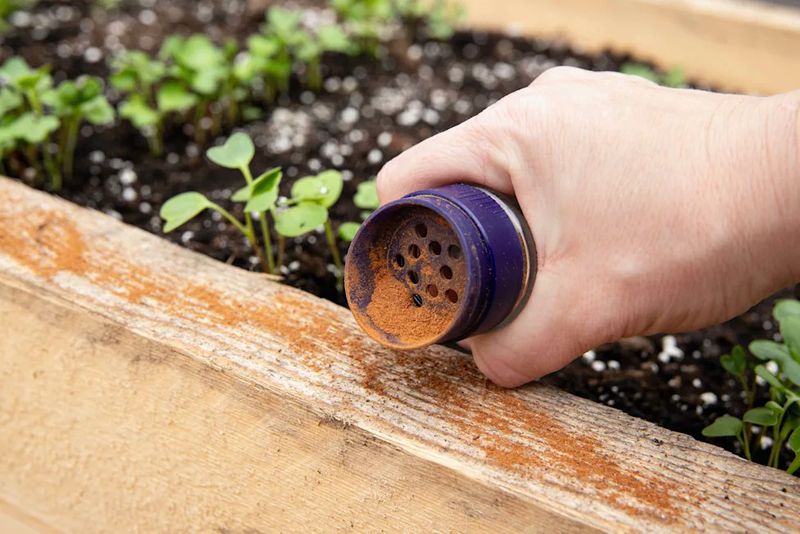
Imagine biting into a chocolate chip cookie and finding it loaded with hot sauce. Squirrels feel that same fiery shock when they sniff or taste soil sprinkled with cayenne pepper.
The heat comes from capsaicin, the same ingredient that makes your eyes water at taco night. Birds cannot feel capsaicin at all, so it bothers mammals while leaving your feathered friends happy.
Right after planting, dust a generous layer of cayenne powder over the soil. You can also roll the bulbs in pepper before tucking them into their holes for extra protection.
Red pepper flakes work well too, and they are often cheaper when bought in big shakers. Warehouse stores sell giant containers that can last through a whole planting season.
Here is the catch: rain washes pepper away faster than you might expect. Plan to sprinkle a fresh layer after every good storm, or at least once a week during fall.
Mixing the pepper with a little mulch or garden soil can help it stay put longer. Some gardeners also blend it with water and a drop of dish soap to make a homemade spray.
Protect yourself while you work by wearing gloves and keeping your hands away from your face. Trust me, rubbing your eye with peppery fingers is a mistake you will only make once.
Keep pets and curious kids away from freshly spiced beds, since the powder can sting noses and paws. After a week or two, the local squirrels usually decide your yard is too hot to handle.
4. Hide The Bed Under Gravel Or Crushed Shells
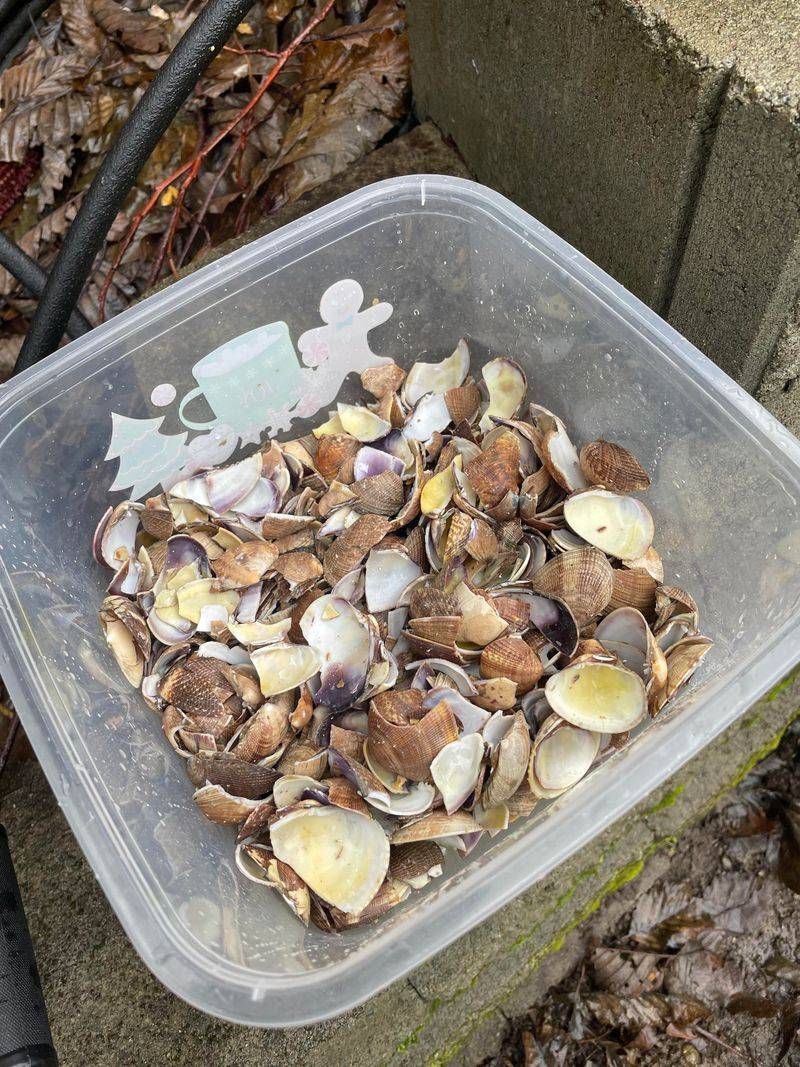
My grandmother had a trick she learned from her own mother on a farm in Ohio. She topped every flower bed with crushed oyster shells, and her tulips came up perfect each spring.
Squirrels love soft, fluffy dirt that is easy to scoop with their front paws. Sharp gravel or rough shells feel scratchy and uncomfortable, so digging becomes more work than it is worth.
Spread a layer about one to two inches thick right after you finish planting. Pea gravel, crushed granite, or broken shells all do the job, depending on the look you like best.
Freshly turned soil also gives off a smell that shouts free food to nearby critters. A rocky top layer hides that earthy scent and makes your bed look far less interesting.
Crushed oyster shells have a bonus benefit, since they slowly add calcium to the soil over time. You can find bags at farm supply stores, where they are sold as a treat for chickens.
Your bulbs will push right through the gravel when spring arrives, so there is no need to remove it. Stones also help hold moisture in the ground and keep pesky weeds from sprouting.
Choose light-colored stones if your garden gets lots of hot afternoon sun. Darker rocks soak up heat, which can warm the soil and trick bulbs into sprouting too early.
Grab a few bags this September while garden stores still have plenty in stock. By April, you might be the one passing down this handy trick to your own family.
5. Clean Up Every Clue After Planting
Think like a detective for a moment, because squirrels certainly do. Papery bulb skins, loose dirt, and dropped scraps are clues that tell them exactly where the treasure is buried.
Those thin brown wrappers that flake off bulbs carry a strong, tasty scent. Leave a few lying around, and you have basically drawn a treasure map with a big red X.
Plant your bulbs over a bucket or old tarp so the skins fall there instead of in the grass. When you finish, toss the scraps in the trash rather than the compost pile.
Squirrels watch you work, too, and they are sneakier than you might think. Some will sit quietly on a fence post and wait until you head inside before they start digging.
Once the bulbs are in, pat the soil down firmly with your hands or the back of a shovel. Smooth, packed ground looks less inviting than loose, fluffy dirt that begs to be explored.
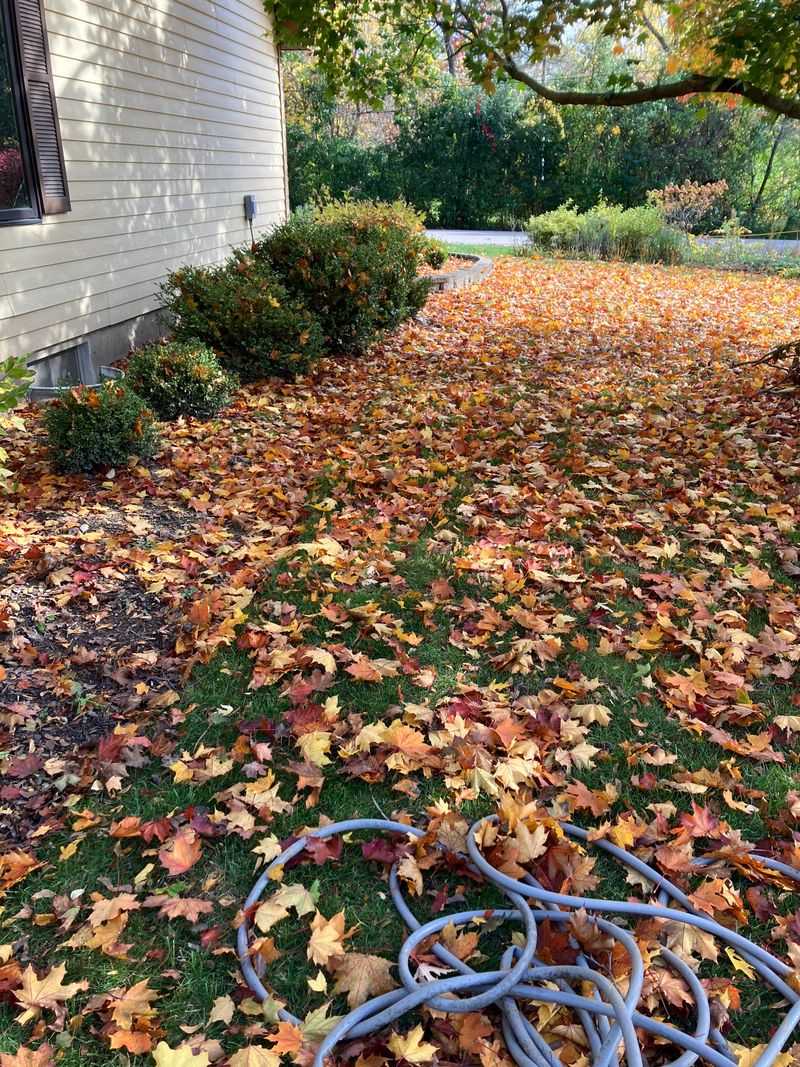
A gentle watering afterward helps settle the soil and wash away any lingering smell. Then rake some fallen leaves over the spot so it blends in with the rest of the yard.
Skip bone meal in the planting hole, too, since its meaty smell attracts diggers of all kinds. A bulb fertilizer made without animal products feeds your flowers and skips the dinner bell.
Good habits like these cost nothing but a few extra minutes after planting. A little tidiness in September means a lot more color when spring finally rolls around.
6. Surprise Them With A Motion-Activated Sprinkler
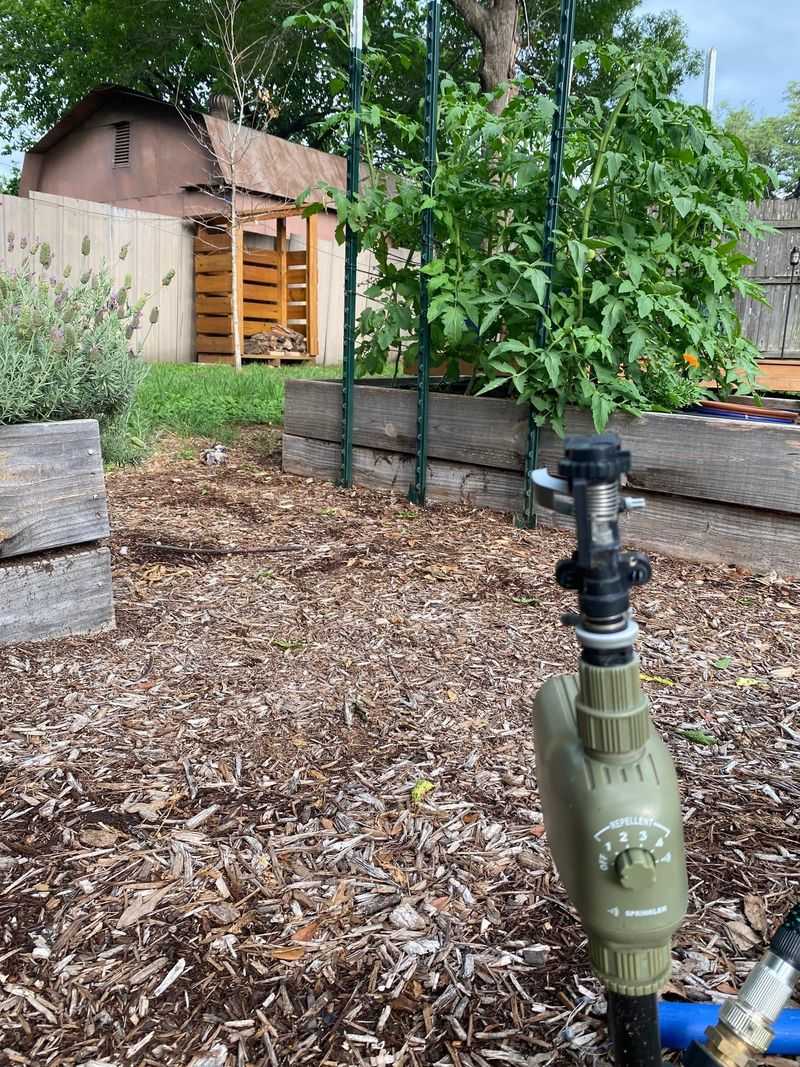
Nothing ruins a sneaky squirrel’s day quite like a surprise blast of cold water. Motion-activated sprinklers deliver that splash the second a critter steps into range, and the results are hilarious.
Each device has a small sensor that detects body heat and movement, a bit like a security light. When something wanders close, it hisses to life and sprays a quick burst before shutting off again.
Squirrels are clever, but they are also jumpy little creatures that hate surprises. After a few soggy visits, most of them decide your garden is not worth the wet fur.
Setup is simple, since you just connect the sprinkler to a garden hose and aim it at your bed. Many models let you adjust how far the sensor reaches and how wide the spray goes.
Some sprinklers even run on solar power, which saves you from buying batteries. Look for ones with a night mode if raccoons or deer also visit your yard after dark.
Fair warning, though, the sprinkler cannot tell a squirrel from your little brother. Turn it off before mowing the lawn or hosting a backyard party, unless you want soaked guests.
Move the sprinkler to a new spot every week or so to keep critters guessing. Squirrels learn patterns quickly, and a little mystery keeps them nervous about sneaking back.
September is a great time to use one, while temperatures are still mild enough for the hose. Once hard freezes arrive, drain it and bring it inside so the parts do not crack.
7. Dig A Little Deeper At Planting Time
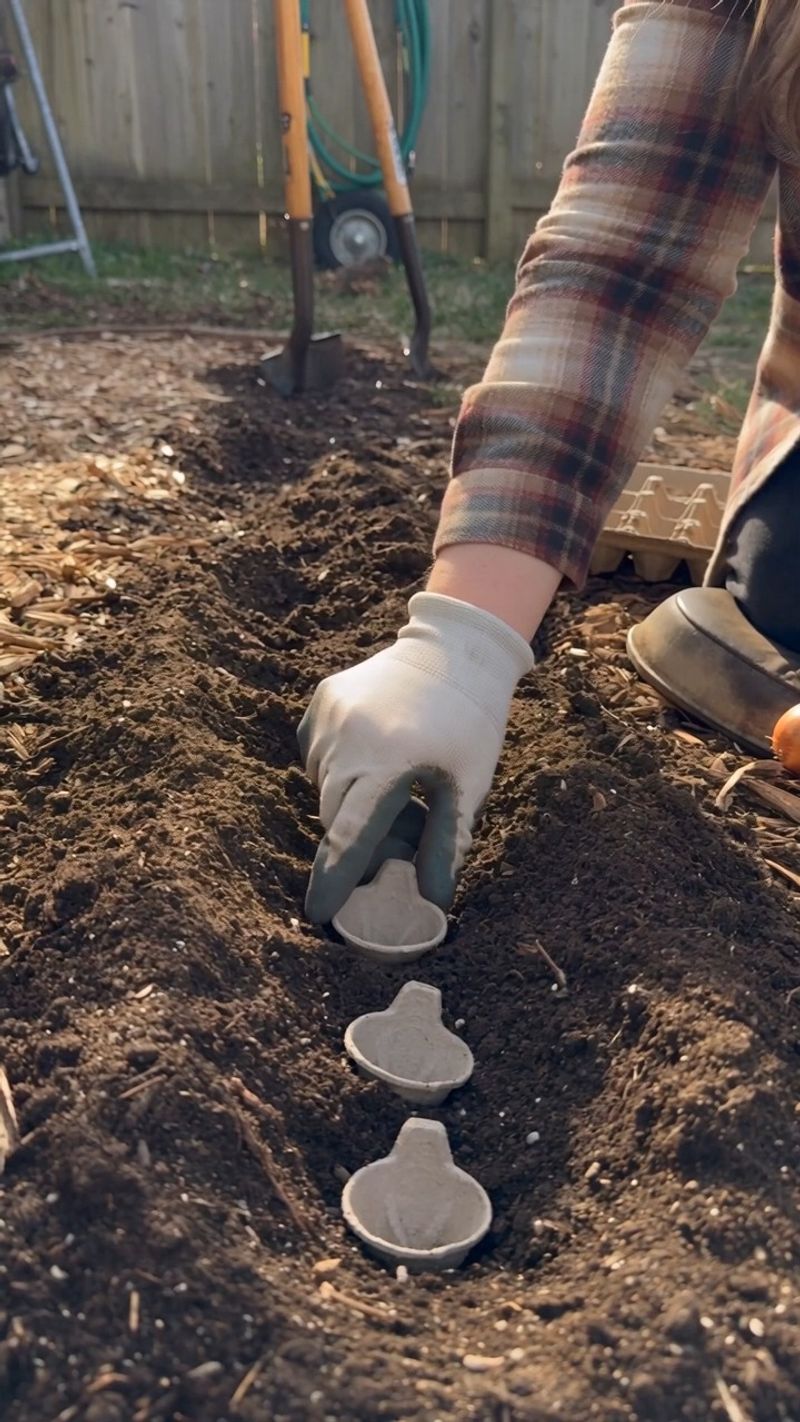
About eight inches down, the soil gets cool, firm, and a lot less tempting to tiny paws. Squirrels are quick diggers, but they tend to quit when a snack is buried too far below.
Most bulb packages suggest planting at a depth about three times the height of the bulb. For squirrel-prone yards, adding an extra two inches of depth can make a surprisingly big difference.
Large bulbs like tulips and daffodils handle the extra depth just fine. Aim for eight to ten inches deep, which keeps them safe from shallow scratching and snooping noses.
Smaller bulbs, such as crocuses and grape hyacinths, need a lighter touch. Going about four to five inches down works well without making them struggle to reach the sunlight.
Deeper planting has a bonus perk, since it helps tulips return stronger year after year. The cooler soil protects them from summer heat and may keep the bulbs from splitting into weak little pieces.
A long-handled bulb planter or an auger bit on a power drill makes deep holes much easier. Your back and arms will thank you after the first few dozen holes.
Heavy clay soil can hold water at the bottom of deep holes, which may cause rot. Mix in some compost or coarse sand first so extra moisture drains away easily.
September soil is still warm, which helps roots grow before winter settles in. Plant deep now, and your flowers will be tucked safely in bed long before the first snowflake falls.
8. Offer A Tastier Snack Somewhere Else
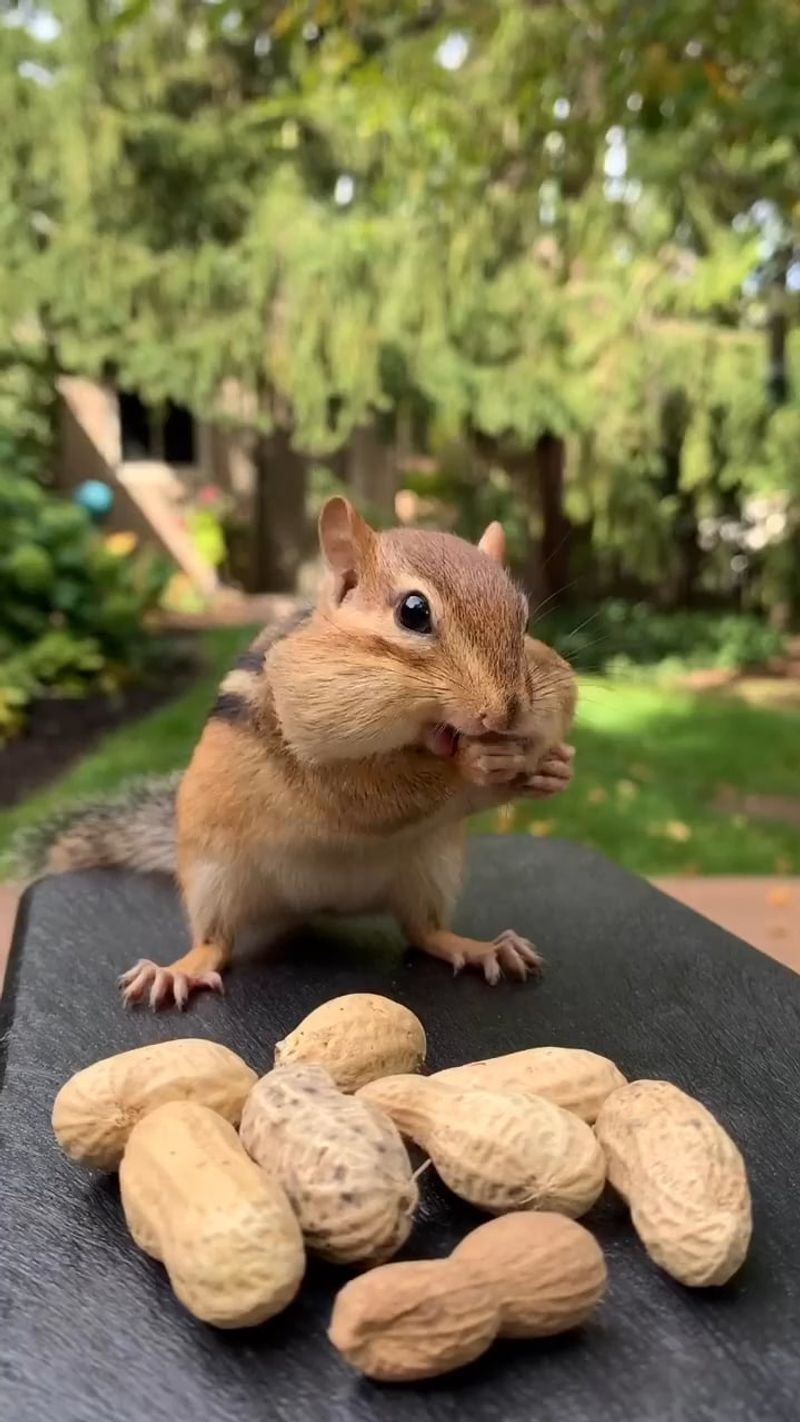
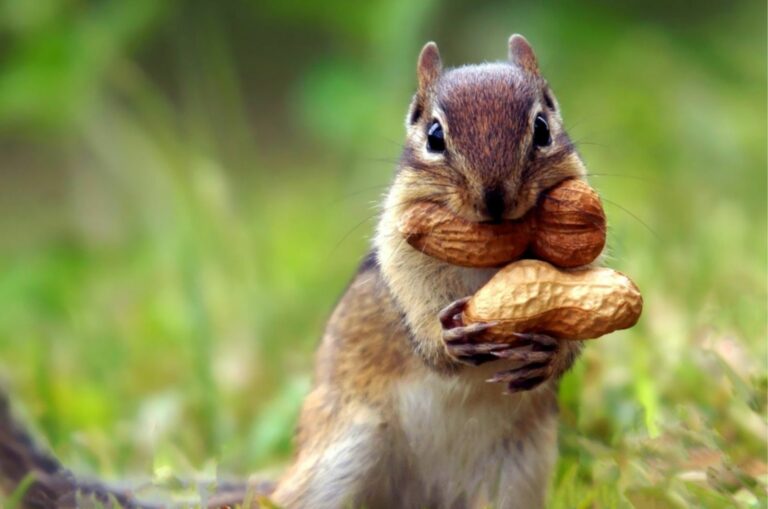
Sometimes the smartest way to solve a problem is to team up with the culprit instead. Setting up a squirrel feeder far from your flower beds gives furry neighbors an easier meal to chase.
Squirrels dig up bulbs mostly because they are hungry and busy storing food for winter. Fall is their busiest season, so they hunt for anything filling and easy to grab.
A single gray squirrel can bury thousands of nuts each autumn and forget where plenty of them went. Many of those lost nuts sprout into trees, which makes squirrels accidental forest planters.
Fill a feeder with unsalted peanuts, sunflower seeds, or dried corn on the cob. Place it at the far edge of your yard, well away from the spots you want to protect.
Once squirrels find a steady food source, they have little reason to hunt for buried bulbs. It works a lot like putting out chips at a party so guests stay out of the kitchen.
A shallow dish of fresh water nearby makes the snack spot even more appealing. Refill it often, since clean water can be hard to find during dry September weeks.
Feeders can attract more squirrels over time, so stay steady but not overly generous. A small daily portion keeps them content without inviting every squirrel on the street.
Pair this friendly trick with one or two other methods for the best results. A well-fed squirrel and a bright spring garden can share the same backyard just fine.