What To Do With Your Tomato Plants Now To Ripen More Fruit Before Frost
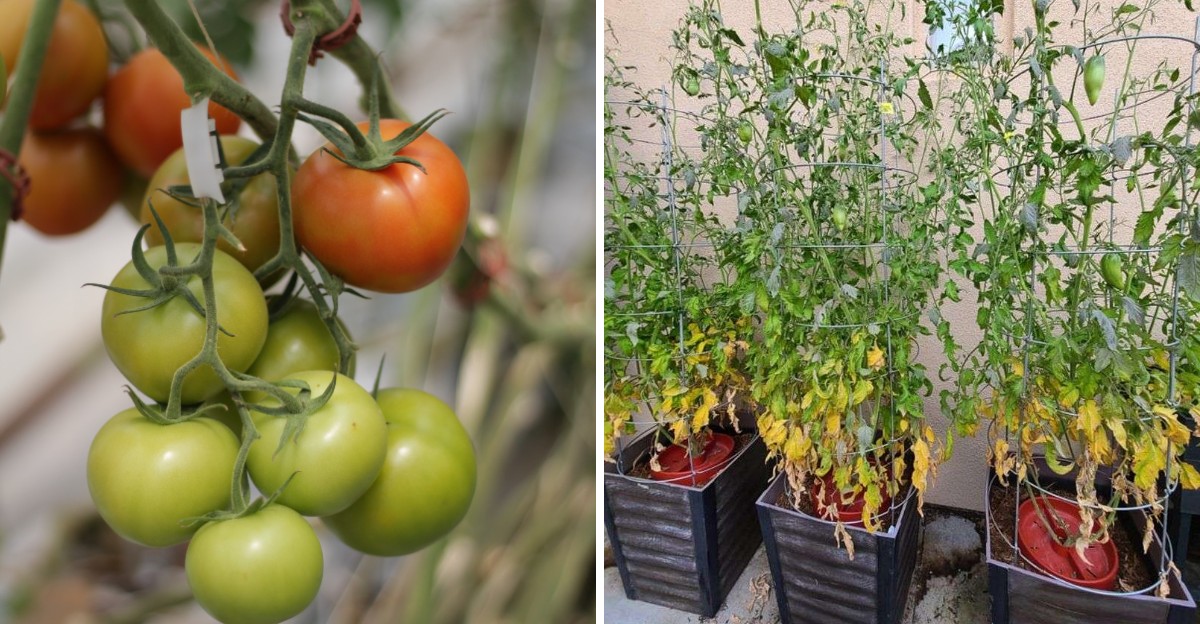
Those green tomatoes hide a ripening switch you can flip today. Inside each fruit, ethylene gas sends the ripening signal. Cold nights mute that signal, and lycopene production slows.
You can override the stall. Snip off new flowers and tiny fruit that cannot finish before frost. Pinch the growing tips so sugars flow toward fruit you already have. Ease back on water, because mild stress tells the plant to hurry.
Slide a shovel partway into the roots, and you can speed coloring. Tomatoes showing a faint blush can finish indoors with rich flavor. Picked at breaker stage, they nearly match vine flavor.
Frost, however, can soften firm skins by morning. Waiting costs you the harvest you already earned. Act this week, and you pick crimson fruit on your schedule. Here is exactly how you force the finish before cold wins.
1. Top Off Indeterminate Vines Now
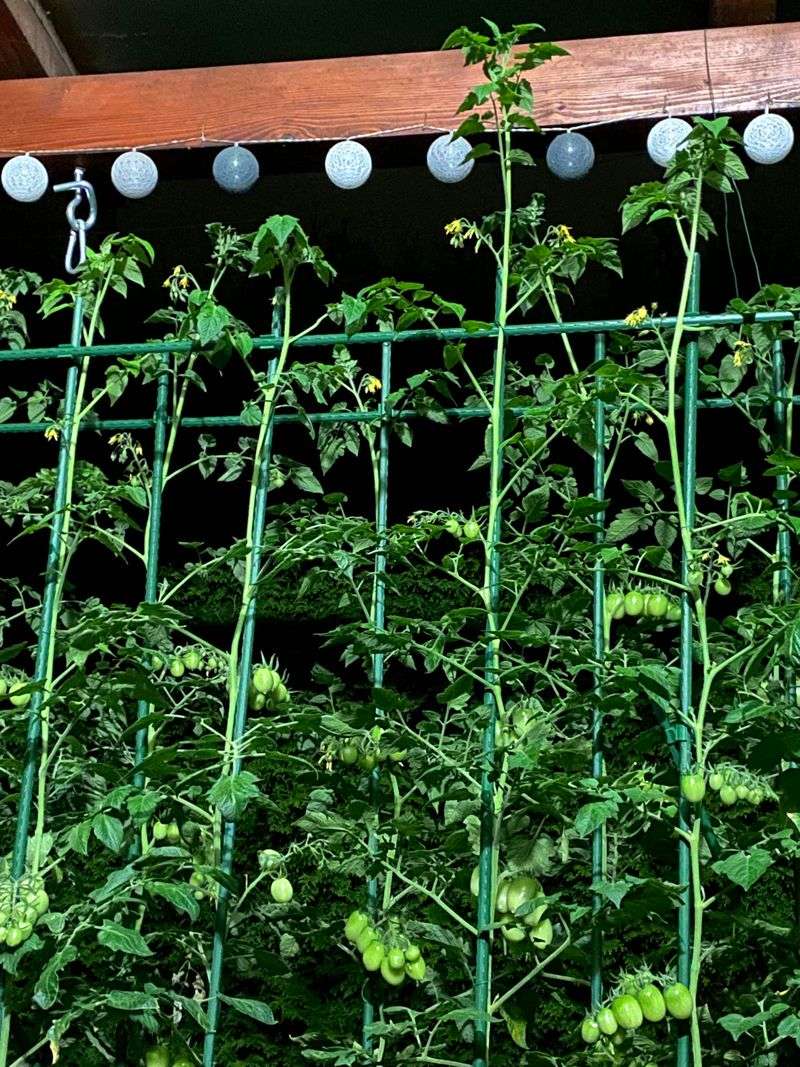
Indeterminate tomato vines keep climbing well into fall, and they rarely know when to quit. Up top, they push out fresh leaves and flowers that have little chance of ripening before frost.
Topping is the simple fix for that runaway summer growth. Snip each main stem just above a healthy leaf, roughly four weeks before your expected first frost date. Your local extension office or a frost date map can tell you when that is likely to arrive.
Once the tip is gone, the plant stops its race upward. Instead, it sends sugar and energy into the green fruit already hanging on the vine. You will often see those fruits swell and color faster within a couple of weeks.
Indeterminate types, the kind that grow until cold weather stops them, benefit greatly from topping. Bushy determinate plants stop growing on their own, so you can skip them. Many paste types, such as Roma, fall into that determinate group.
Clean pruners or sharp kitchen scissors work best for this quick job. Wipe the blades with rubbing alcohol between plants to help stop the spread of leaf diseases. Cut on a dry morning so the fresh wounds seal quickly in the afternoon sun.
Some gardeners call this trick a summer haircut, and the name fits. Your plants may look a little flat on top for a while.
Down below, though, the fruit gets a real boost, and more of it ripens in time. That tradeoff is well worth a few puzzled looks.
2. Pinch Off Every New Flower Cluster
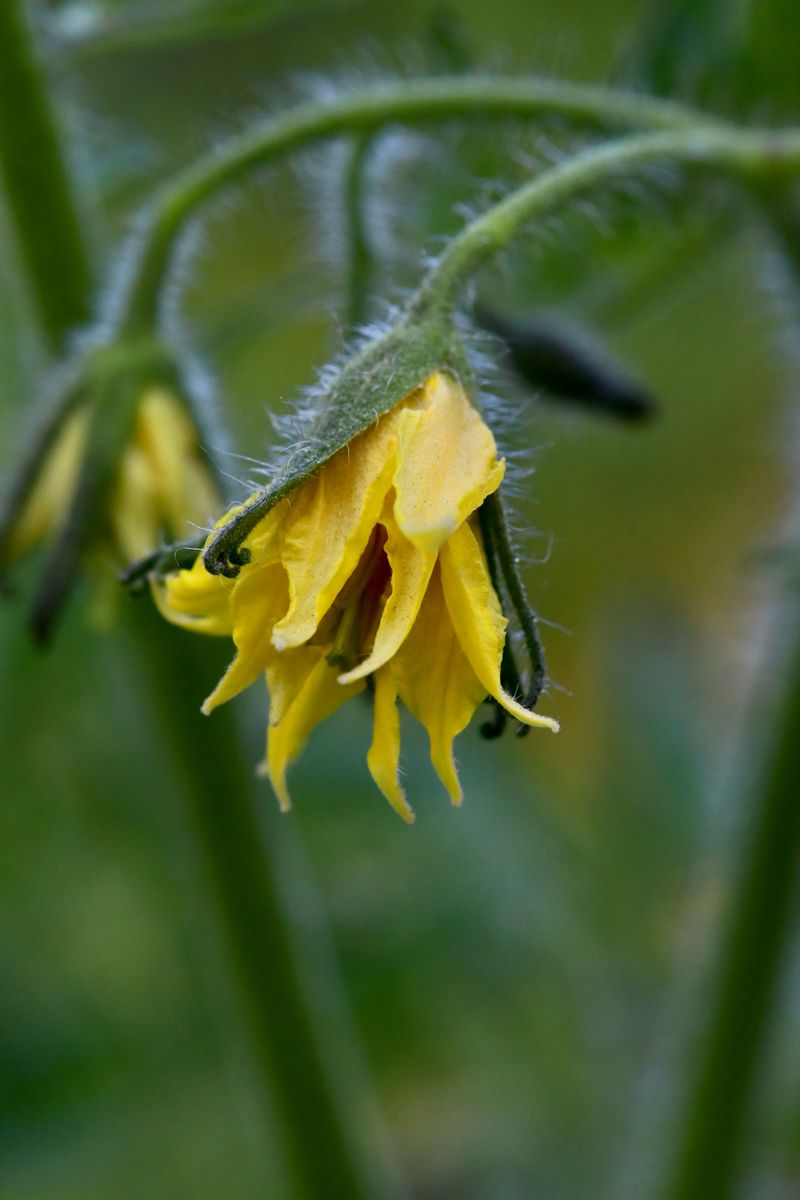
Those cheerful yellow blossoms look lovely in September, but they quietly compete with your ripening fruit.
A flower opening now is unlikely to become a ripe tomato before cold weather arrives. A new flower needs roughly six to eight weeks to become a ripe, colorful fruit.
Many northern gardens simply lack that much warm weather this late in the year. Pollination also struggles once nights turn cool, so late blossoms often drop anyway.
So go ahead and be a little bold. Pinch off fresh flower clusters with your fingertips, along with tiny fruit that cannot catch up. A good rule is to keep fruit that has reached about half its full size.
Each bloom you remove frees up food and water for the larger tomatoes already growing. The plant stops splitting its energy across dozens of tiny projects. Instead, it focuses on filling out and coloring the fruit with a real chance of reaching your plate.
Make this a habit by checking your plants twice a week for sneaky new buds. Tomato vines love to keep blooming, so regular sweeps keep them focused on ripening. Look closely at leaf joints and stem tips, since new clusters like to hide there.
A healthy, vigorous indeterminate plant can produce dozens of flowers over a long season. Early blooms get the sunshine and heat they need to finish the job.
Late arrivals mostly drain resources from the fruit you actually want to harvest. Pinching them turns that wasted effort into sweeter, redder tomatoes.
3. Strip Away The Lower Yellow Leaves
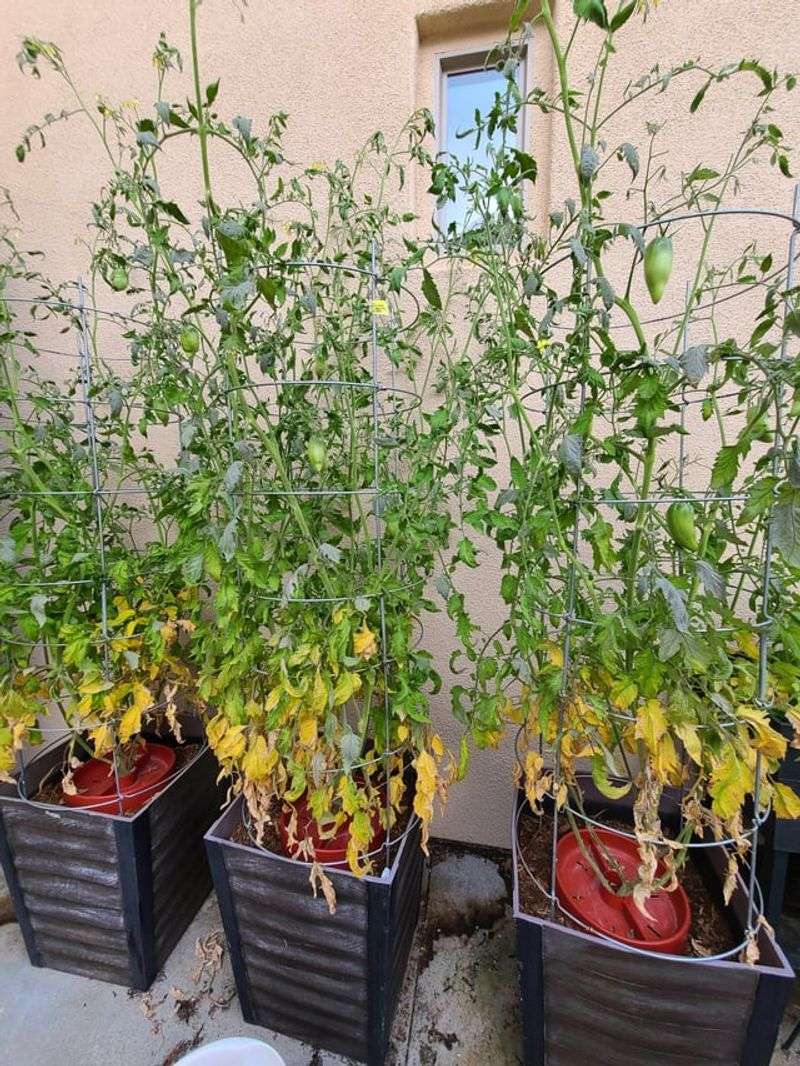
By late summer, the bottom leaves on a tomato plant often start looking shabby. Yellow spots, brown edges, and droopy stems signal a plant running low on steam.
Those tired leaves contribute very little to photosynthesis at this stage. Worse, they often invite fungal problems like early blight and septoria leaf spot. Spores sit in the soil and splash upward onto low leaves after rain or watering.
Grab your pruners and remove leaves touching the ground or showing yellow patches. Aim to clear the bottom twelve inches of each stem so air can flow freely underneath. Snip close to the main stem without tearing its skin.
Better airflow helps leaves dry faster after morning dew, which slows the upward spread of disease. Fruit clusters also dry faster after rain, which lowers the risk of disease reaching them. Your plants will look tidier, and spotting pests becomes much easier.
Hold back from going overboard, though, since fruit still needs some leafy shade. Strong afternoon sun on bare fruit can cause sunscald, which leaves pale, leathery patches.
Keep the upper foliage mostly intact and focus on the tired growth near the bottom. Remove no more than a third of the leaves at once. Plants recover faster from gentle, gradual pruning.
Bag the leaves for the trash rather than tossing them on the compost pile. Home compost heaps rarely get hot enough to neutralize fungal spores hiding on them. Wash your hands and tools afterward so you avoid carrying spores to healthy plants.
4. Ease Up On The Watering Can
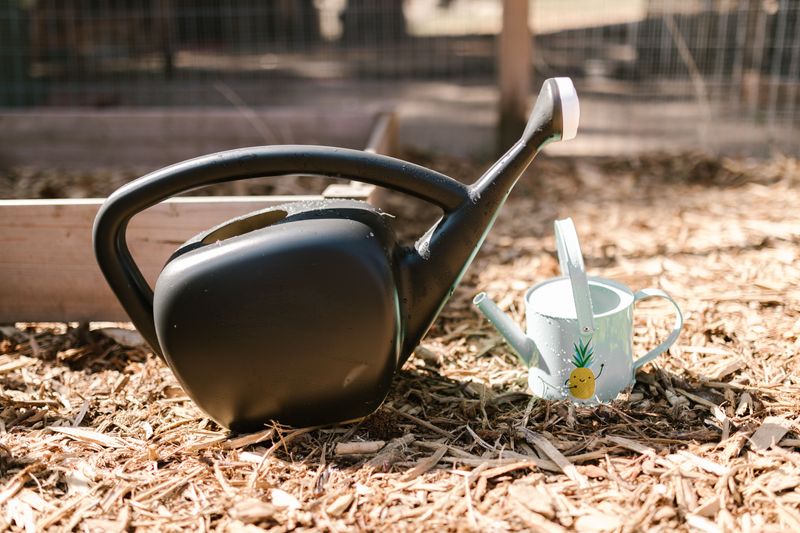
A little thirst can actually speed your tomatoes toward the finish line. When plants sense mild stress, they often rush to ripen their fruit and wrap up the season.
Cutting back on water in early fall sends that same hurry signal. Roots pull in less moisture, and the vine shifts energy from new growth into ripening. Pair this with topping and pinching for a combined push toward ripening.
Try watering deeply about once a week instead of daily. Let the top two or three inches of soil dry out before you reach for the hose again. Push a finger into the ground near the stem to check moisture before watering.
Lighter watering also brings a tasty bonus you will notice right away. Fruit grown with less water tends to taste sweeter and richer because the sugars are less diluted. Many growers notice firmer texture, too.
Heavy watering this late can cause ripe fruit to split open overnight. The skin stretches slowly, but a sudden flood of water makes the inside swell faster than the outside. Cracked skins attract fruit flies and mold, which shrinks your harvest instead of growing it.
Container plants are the main exception to this approach. Pots dry out much faster than garden beds, especially on warm, breezy afternoons. Keep watering them whenever the leaves start to droop badly.
A layer of mulch in beds helps hold steady moisture, so you avoid wild swings between wet and dry. Steady conditions protect fruit skins while plants finish ripening.
5. Skip The High Nitrogen Fertilizer
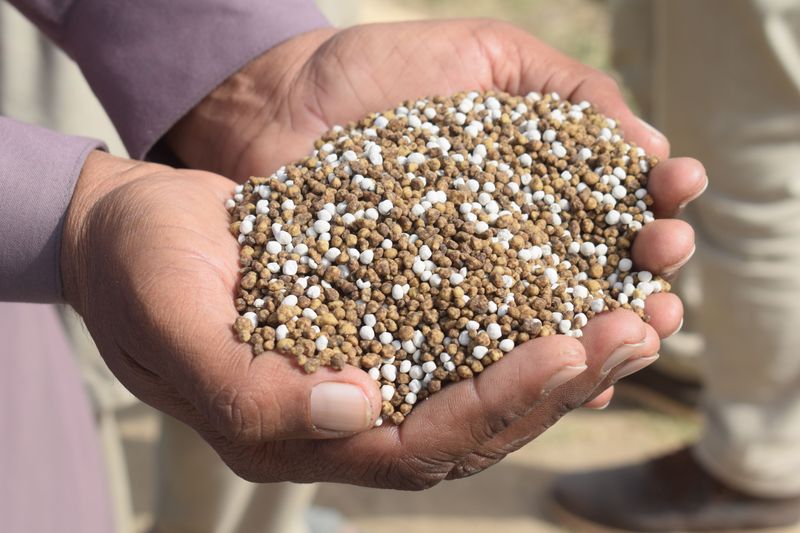
Feeding tomatoes heavily in fall can backfire, especially with fertilizers rich in nitrogen. Late season plants need help ripening fruit, and extra leaves offer them little benefit.
Nitrogen is the nutrient that builds lush green leaves and long, leafy stems. That growth helps in June, but in September it mostly produces foliage that frost will soon flatten.
Too much nitrogen now can even delay ripening, since the plant keeps chasing new growth. Check the three numbers on a fertilizer bag before you use it this month.
The first number stands for nitrogen, the second for phosphorus, and the third for potassium. Pass on products where that first number is the largest.
If your plants still look hungry, choose a gentle feed higher in potassium and phosphorus. Potassium helps fruit ripen evenly and develop deep color and rich flavor. Liquid kelp or a tomato formula labeled with a low first number works well.
Many gardeners simply stop feeding once fall arrives, and that approach works fine too. Healthy soil usually holds enough nutrients to carry plants through their final weeks.
Plants in containers are an exception, since frequent watering flushes nutrients out of pots quickly. Yellowing lower leaves in September often reflect age or disease rather than hunger. Extra feeding rarely helps.
Save your fertilizer budget for spring, when young plants can put it to good use. Store opened bags in a dry spot so the granules stay loose and ready. Your wallet and your late harvest both come out ahead.
6. Pick Fruit At The Blush Stage
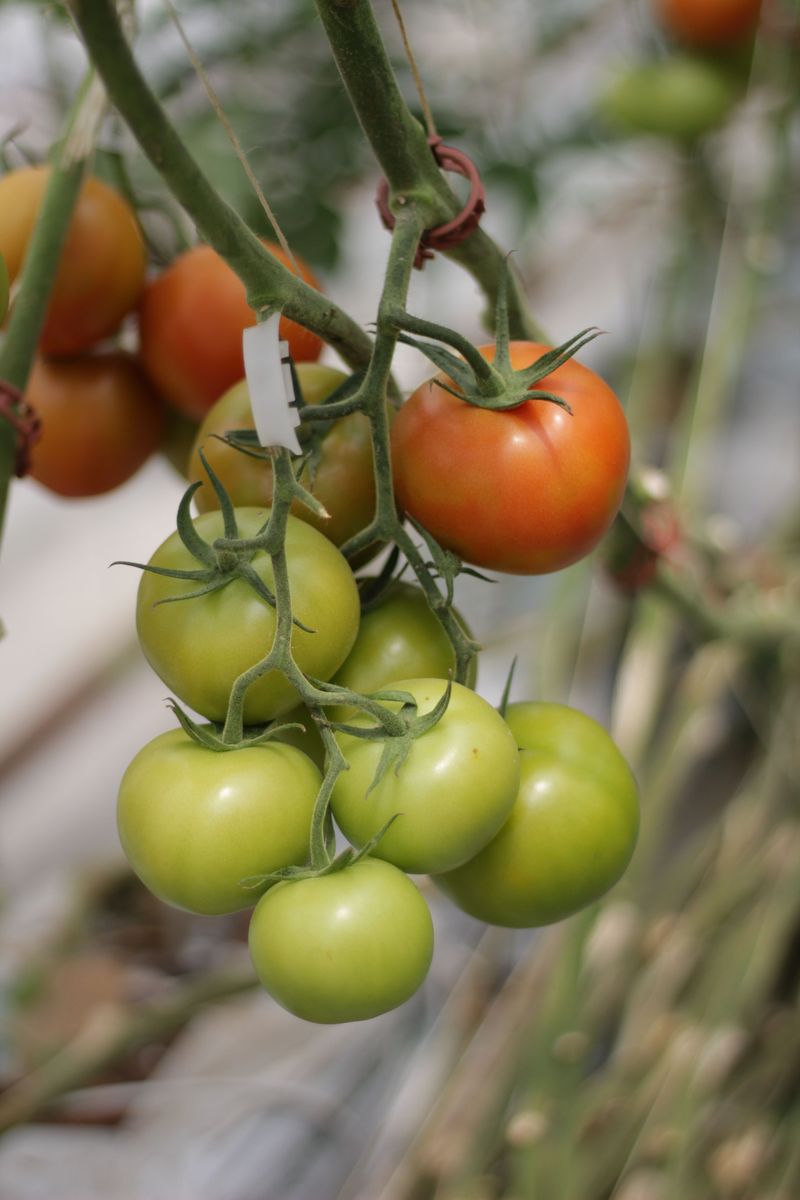
Growers use a specific name for the moment a green tomato first shows color, the breaker stage. Once fruit reaches that point, it can finish ripening off the vine with excellent flavor.
At this stage, the seeds and flesh have matured enough that the fruit no longer depends on the plant for flavor. Keep the sentence and link “university extension specialists” to a university extension page on breaker-stage harvesting.
Picking early does two big favors for your garden. It lightens the load on the vine and pushes the plant to pour energy into the remaining green fruit.
It also protects your harvest from hungry squirrels, birds, and splitting after heavy rain. Finding a nibbled beauty on the morning you planned to pick it stings.
Look for a soft pink or orange blush near the bottom of each fruit. Color usually starts at the blossom end, opposite the stem.
Twist gently or snip the stem, then set the tomato on your kitchen counter away from direct sun. Place it stem side down to help reduce moisture loss.
Within a few days, it will turn fully colored and juicy. Room temperatures between 65 and 75 degrees Fahrenheit give the best results. Keep ripening fruit out of the fridge, since cold dulls flavor and turns the flesh mealy.
Check for new breakers daily during peak ripening weeks. A small basket by the door makes the routine quick and easy. Your counter will soon hold a steady parade of glossy red tomatoes.
7. Cover The Plants On Chilly Nights

Weather apps become a gardener’s best friend once September rolls around. Watch for nighttime lows near 40 degrees Fahrenheit, since these heat lovers sulk in the cold.
Temperatures below 50 degrees slow ripening to a crawl. A light frost can blacken leaves overnight and soften exposed fruit.
A simple cover can extend your harvest, sometimes by several extra weeks. Early fall frosts often arrive alone, followed by stretches of mild, sunny weather.
Old bedsheets, lightweight blankets, or garden frost cloth work well for this chore. Drape the fabric over the plants in the evening so it reaches the ground on each side. Cover before sunset, while the soil still holds the warmth of the day.
Warmth rises from the soil at night, and the cover traps it like a cozy tent. Weigh down the edges with rocks or bricks so a breeze leaves your blanket in place. Tall stakes or tomato cages help hold fabric off the fruit.
Skip plastic sheeting that touches the leaves, because it can freeze right onto them. Thin plastic loses heat fast and insulates poorly on its own. If you must use plastic, prop it up on stakes to leave a pocket of air.
Pull the covers off each morning once the sun warms things up. Your plants need that daylight, and trapped heat under fabric can build quickly on bright days.
Keep the covers folded nearby so you can toss them back on when another cold night appears. Repeat as needed until hard frost.
8. Bring Green Fruit Indoors To Ripen
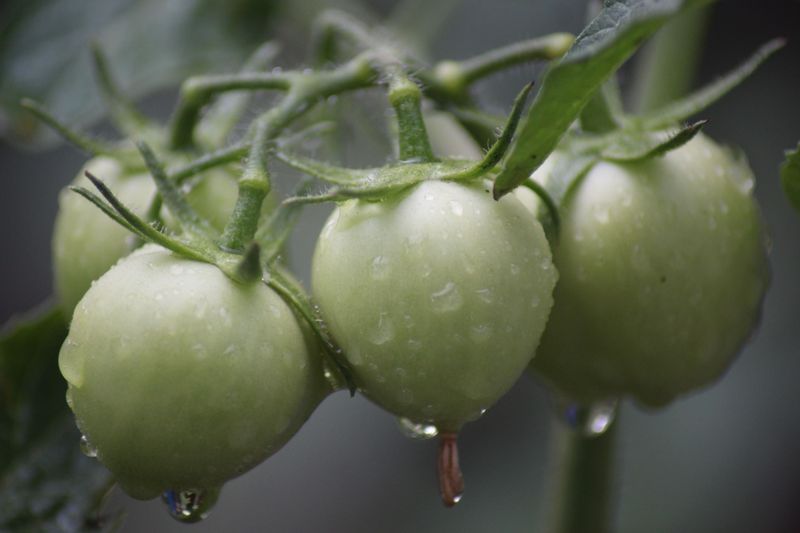
Sooner or later, a hard frost warning will pop up, and the outdoor season will wrap up. Before that night arrives, gather the mature green fruit you can find and bring it inside.
Mature green fruit feels firm, looks glossy, and has reached close to full size. A light whitish green shade and a slightly paler blossom end also suggest readiness.
Small, dull fruit usually stays sour, so save those for fried green tomatoes or chutney. Wipe off dirt, then wrap each tomato loosely in newspaper. Set them in a cardboard box in a single layer so they avoid bruising.
Store the box somewhere cool, like a basement or garage that stays above 55 degrees Fahrenheit. Temperatures around 60 to 65 degrees keep ripening slow and steady.
Want to speed things up? Tuck a ripe banana or apple into the box, since both release ethylene gas that triggers ripening.
Warmer spots speed the process too, so move a few tomatoes to a sunny room when you need them sooner.
Another option is pulling up the whole plant, roots and soil included. Hang it upside down in a garage or shed, and the fruit keeps ripening right on the stems. Spread an old sheet underneath to catch falling soil and leaves.
Check your stash twice a week and pull out tomatoes showing soft spots or mold. Move fully colored fruit to the counter so you can enjoy it at peak flavor. Picture slicing a homegrown tomato in November as snow falls.