What Coastal Oregon Homeowners Should Do to Yards Before Winter Storms Peak

On the Oregon coast, the first big storm usually shows up with 60 mph gusts, sideways rain, and a pile of branches you did not order. Storm season here runs roughly from November through February, and the worst blows tend to stack up in December and January.
A few smart chores now can save your favorite plants, your roof, and the little creatures who share your yard. Here are nine things to tackle before the wind really starts howling.
1. Walk the Yard for Hazard Trees and Loose Limbs
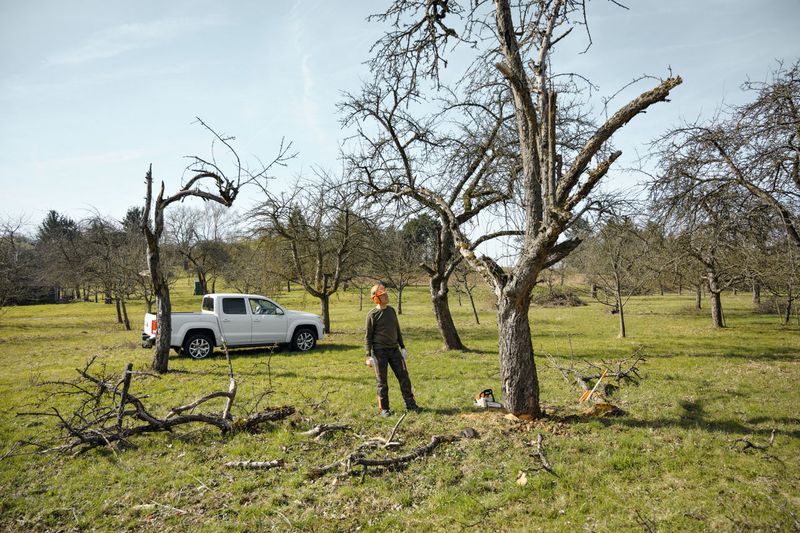
Picture a quiet afternoon stroll with your neck craned upward. That simple habit might be the most valuable ten minutes you spend all fall.
Coastal gusts can snap a dead Sitka spruce limb or a leaning shore pine like a pretzel stick, and gravity does the rest.
Look for branches that are cracked, hanging, or bare of needles while the rest of the tree is green. Mushrooms at the base, soil heaving up on one side, or a fresh lean toward the house are all signs worth taking seriously.
Trees that grew up sheltered and suddenly lost a neighbor to a past storm can be extra vulnerable, since their roots never braced for full wind.
Small deadwood you can reach from the ground is fair game for a pruning saw. Anything over your head, near power lines, or bigger than your wrist is a job for a certified arborist, and booking one in October beats waiting in line after the first blowdown.
While you are out there, pick up the stuff that turns into flying debris. Loose trellis panels, lightweight birdbaths, and that wobbly garden gnome can all become projectiles when a winter front hits the headlands.
2. Clear Gutters, Drains, and Soggy Low Spots

Anyone who has watched a waterfall pour over the gutter and straight onto their hellebores knows the feeling. An atmospheric river can drop several inches of rain on the coast in a day or two, and all that water needs somewhere to go.
Scoop needles and moss out of gutters first, since clogged downspouts dump water right next to foundations and flood the beds beside them. Then check where each downspout empties.
A splash block or a short extension can steer runoff away from plant roots that hate sitting in puddles, like lavender, rosemary, and most succulents.
Next, notice where water pooled last winter. Those low spots are perfect candidates for a simple rain garden filled with plants that tolerate wet feet, such as slough sedge, red twig dogwood, or Pacific ninebark.
Your soggy corner can become a bit of habitat instead of a mud pit.
Finally, clear leaves off storm drains near your driveway. Your neighbors and the local salmon streams may both thank you.
3. Leave the Leaves Where They Help Most
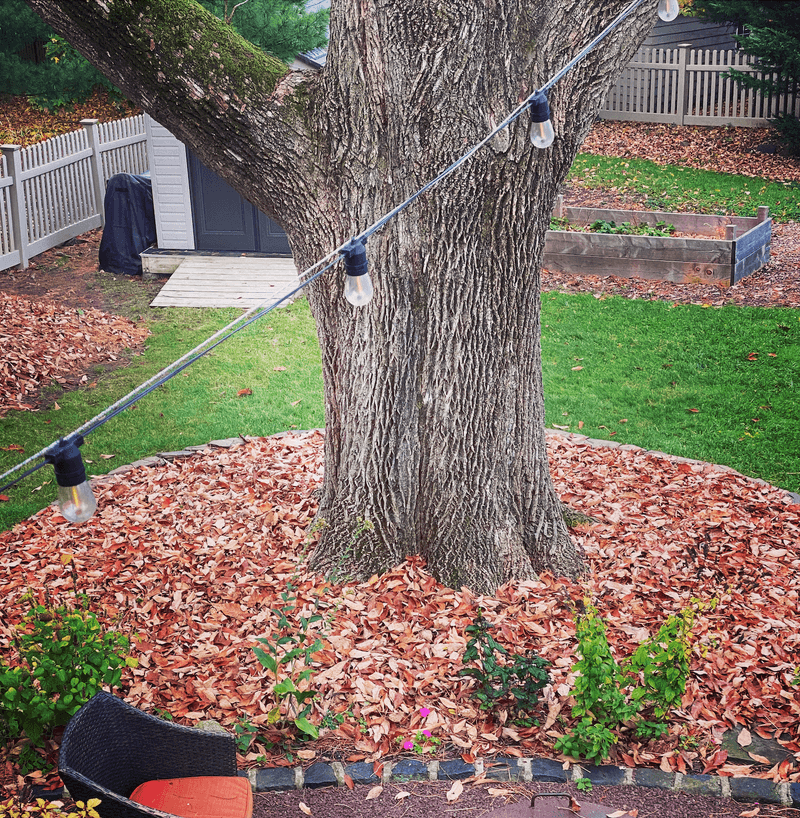
Confession time: plenty of us feel a pang of guilt looking at a yard full of fallen leaves, as if the neighbors are judging. Good news, you have permission to relax.
Your Oregon Garden Changes Every Week. Your Plan Should Too.
Gardening in Oregon changes quickly throughout the season. Every Friday you’ll receive a simple weekly plan showing exactly what to plant, prune, fertilize, harvest, and protect so you never miss the right timing.
Leaves are free mulch, and they can be one of the best storm shields your garden will ever get.
Raked into beds and around shrubs, a leafy layer softens the blow of pounding rain, which can help reduce soil erosion and crusting. As it breaks down over the wet months, it feeds the soil life that keeps your plants strong.
Many bumblebee queens, moth pupae, and beetles spend winter tucked in leaf litter, so your laziness is secretly a wildlife sanctuary.
There are two exceptions worth knowing. Leaves from apple, pear, and other fruit trees can harbor diseases like scab, so rake those up and compost them in a hot pile or bag them.
Thick, soggy mats on the lawn can smother grass and invite mold, too. Run the mower over them to chop them fine, or move them into a corner pile where toads and beetles can still enjoy the shelter.
4. Blanket Sandy Coastal Soil with Mulch
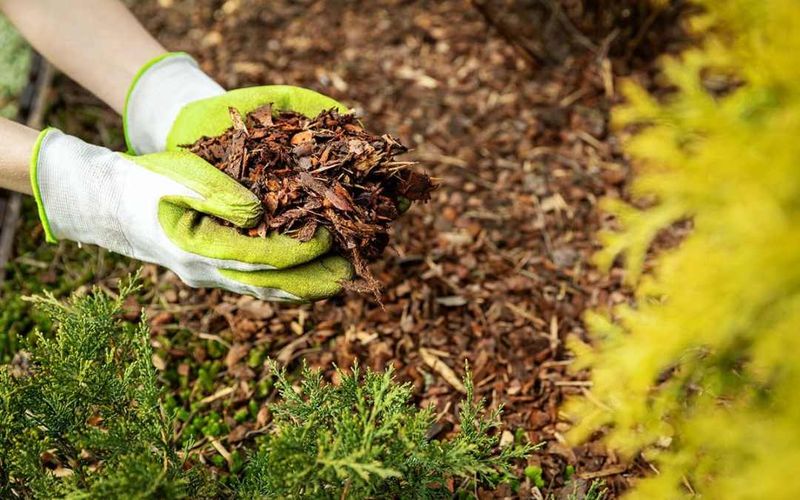
Sand is wonderful between your toes and a little tricky in a flower bed. Much of the coastal strip has light, sandy soil that drains fast and lets nutrients slip away, especially when winter rain keeps flushing through it.
A 2 to 4 inch layer of shredded bark, wood chips, compost, or straw works like a cozy comforter. It can help moderate soil temperature, limit frost heave that pushes young roots up into cold air, and slow the washout that happens during downpours.
In spring and summer, the same layer holds moisture in soil that would otherwise dry out quickly.
Wait until the soil has cooled a bit, often after the first frosty mornings, then spread it around perennials, shrubs, and young trees. Keep a small gap around stems and crowns so moisture does not sit against the bark and invite rot.
Fun detail for the frugal gardener: many coastal tree crews will drop off a load of chips for free, since it saves them a trip to the dump. Ask around after the first storm cleanup and you may end up with a mountain of mulch.
5. Give New Plantings a Deep Drink

Watering before winter sounds silly in a place famous for rain. Still, early fall on the coast can stay surprisingly dry, and soil under eaves, evergreens, and windy slopes may be parched when the first cold snap arrives.
Moist soil holds heat better than dry soil, so well-watered roots may ride out a freeze with less damage. Anything planted in the last year or two deserves special attention, since its roots have not spread far enough to find deeper moisture on their own.
Give trees, shrubs, and new perennials a long, slow soak rather than a quick sprinkle. A hose on a trickle at the base for 20 to 30 minutes usually does the trick for a young shrub.
Once the steady rains settle in, it is time to shut off and drain irrigation lines and hose bibs. Coastal freezes are not common, but when one sneaks in after a clear night, a burst pipe or cracked valve makes for a very expensive surprise.
6. Rescue Your Containers and Tender Treasures
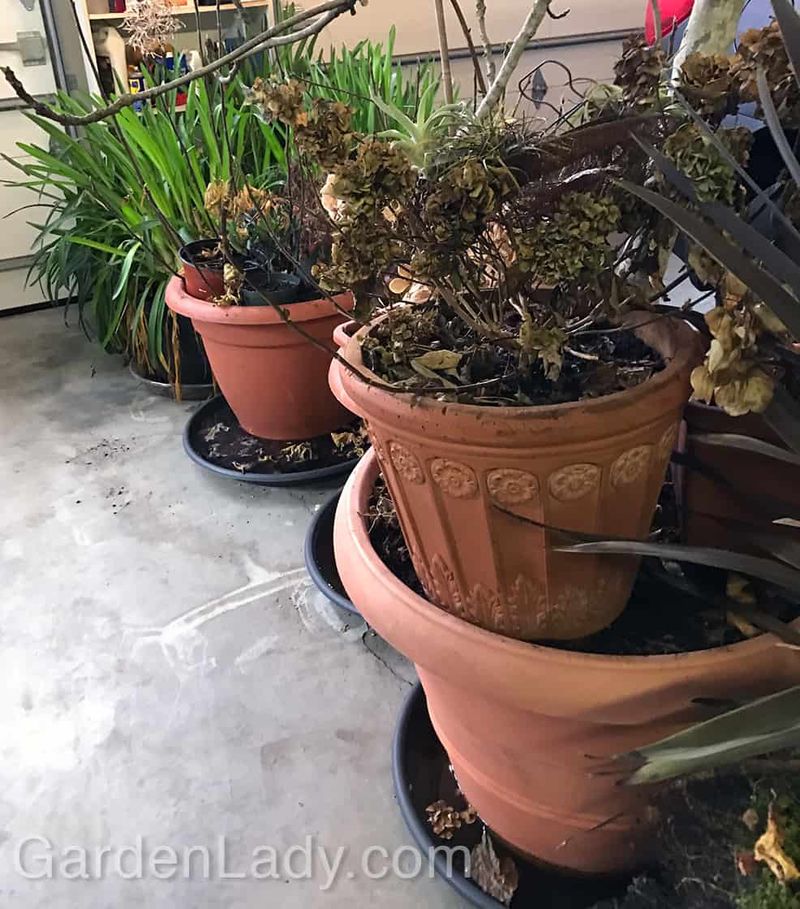
Let’s be honest about that clearance-rack salvia you swore you would plant properly. And the potted fuchsia.
And the lemon tree that was absolutely a need, not a want. Your container collection is a love story, and winter storms can turn it into a tragedy fast.
Pots lose heat from all sides, so roots in containers get colder than roots in the ground. Truly tender plants, like citrus, pelargoniums, and many succulents, often do best moved into a cool garage, sunroom, or unheated shed with some light.
Check leaves and soil for slugs and aphids before bringing anyone inside.
For pots that must stay outdoors, huddle them together against a wall that blocks the prevailing south and southwest storm winds. Wrap the pots in burlap, bubble wrap, or old blankets, and stuff leaves or straw between them for extra insulation.
Tall containers deserve one more step. Lay them on their sides or wedge them in place, because a single gust can topple a big pot and crack it clean in half.
7. Wrap Upright Conifers and Build Windbreaks

Ever seen an arborvitae after a heavy wet snow or a night of gale-force wind? It can look like it tried to do the splits and lost.
Upright conifers, including arborvitae, Italian cypress, and columnar junipers, are especially prone to splaying open.
A quick fix is to wrap soft twine or garden tape in a spiral from bottom to top, like the stripes on a candy cane. The loose wrap holds branches together while still letting air move through.
Set a reminder to remove it in early spring so it does not girdle growing stems.
Salt spray adds a coastal twist. Wind can carry ocean salt surprisingly far inland, and it may burn leaves on sensitive plants facing the beach.
A burlap screen staked on the windward side can soften both wind and salt, giving tender shrubs a calmer spot to rest.
For a long-term solution, consider a living windbreak of tough natives. Shore pine, wax myrtle, evergreen huckleberry, and salal handle coastal wind well and double as bird shelter.
If snow does pile up, brush it off gently with a broom from the bottom up, and never shake frozen branches.
8. Keep Stems Standing for Bees and Birds

Tidy gardeners, take a deep breath. The messy look of dried stems and seed heads is not a failure, it is a five-star hotel for tiny guests.
Many native bees, including small carpenter bees and mason bees, spend winter inside hollow or pithy stems. Leaving asters, goldenrod, coneflowers, and native grasses standing until spring can give them a safe place to wait out storms.
Seed heads also feed juncos, chickadees, and goldfinches during the lean months.
A few simple habits can make a big difference:
Cut back only what is diseased or truly flopping onto paths. Leave a small sunny patch of bare, undisturbed soil for ground-nesting bees, which make up a large share of our native species.
When you do trim in spring, leave stubs 8 to 15 inches tall so new nesters have homes for next year.
Winter bloomers help too. Tall Oregon grape and witch hazel can offer nectar on mild coastal days when a bumblebee queen wakes up hungry, and Anna’s hummingbirds stick around all year and appreciate every flower they can find.
9. Tuck In the Lawn and Vegetable Beds

Here is the chore that pays off in April. A little attention to the lawn and veggie patch now means less mud, fewer weeds, and richer soil when planting season rolls back around.
For lawns, rake up lingering debris so grass can breathe, and consider core aerating in early fall if water tends to puddle. A slow-release fall fertilizer in October or early November may help roots store energy for spring.
Once the rains arrive, try to stay off soggy turf, since footprints on waterlogged grass can compact the soil for months.
In the vegetable garden, harvest anything that will not survive a cold snap. Kale, chard, garlic, and leeks usually handle the mild coastal winter just fine, while lettuce, broccoli, and cabbage appreciate a row cover or cold frame when temperatures dip.
Empty beds should not stay naked. Sowing a cover crop like cereal rye, winter wheat, or crimson clover can help hold sandy soil in place through heavy rain and add organic matter when you turn it under in spring.
Then make a cup of tea, open a seed catalog, and enjoy the storm from the window. You earned it.