Oregon Gardeners Can Still Plant These Crops In July For A Fall Harvest
July feels like peak summer, but here is something Oregon gardeners with a little experience already know: it is also secretly the start of fall garden planning season. Yes, really.
While the rest of the neighborhood is focused on tomatoes and zucchini, smart growers are already thinking about what goes into the ground now for a harvest that carries well into autumn.
Oregon’s warm July soil is actually a fantastic environment for getting certain cool-season vegetables established before temperatures start their seasonal shift.
The timing window is real and it works, but it does depend on knowing your local first frost date, picking the right varieties, keeping up with irrigation through dry summer stretches, and not waiting too long to get seeds or transplants in the ground.
July is not too late. It is right on time.
1. Beets Can Still Size Up For Fall
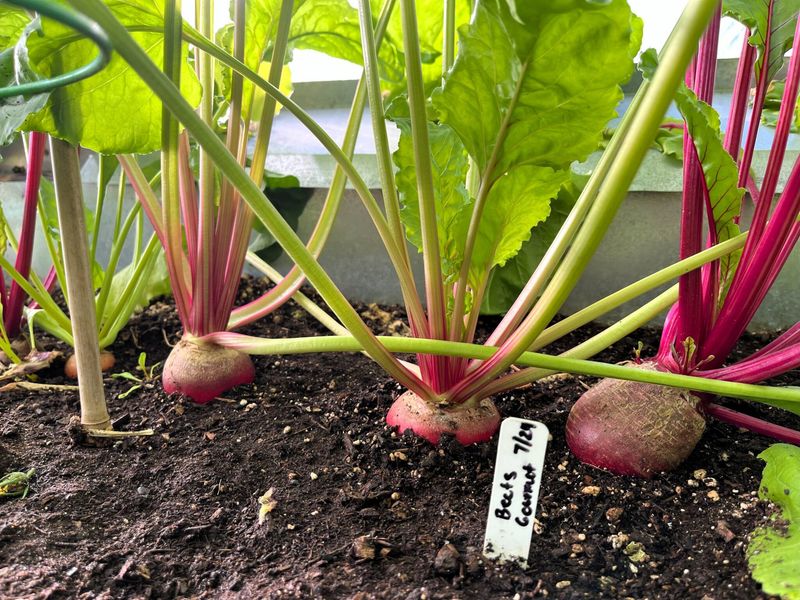
Empty rows left behind after garlic or spring greens come out make a surprisingly good home for beet seeds in July.
Beets are a supported midsummer planting for fall and even early winter harvests in Oregon, and they tend to perform well once the heat of August begins to back off.
The key is getting them started with enough time to size up before your first frost arrives.
Beet seeds can be slow to germinate in hot, dry soil, so keeping the seedbed consistently moist for the first couple of weeks makes a real difference. Soaking seeds overnight before planting can help speed things along.
Raised beds with good drainage tend to warm up faster in spring but also hold moisture more evenly in summer when managed with mulch.
Most beet varieties need roughly 50 to 70 days from seeding to reach a usable size. In western Oregon, a mid-July planting can reasonably work toward a late September or October harvest.
In Central or eastern Oregon, where first frost comes earlier, planting closer to early July gives the crop more time. Thinning seedlings early and keeping soil moisture steady are two of the simplest things you can do to support a solid fall beet harvest.
2. Bush Beans Need A Quick July Start
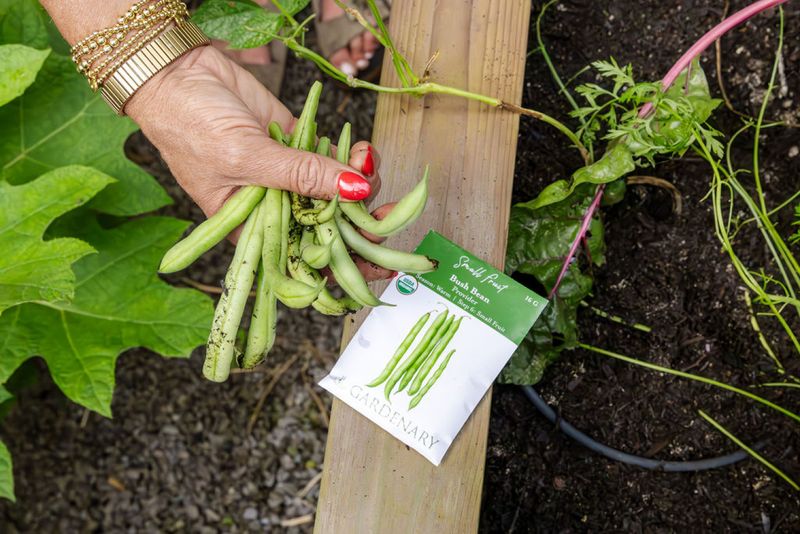
The window for bush beans in July is real, but it is not wide open.
Bush beans are warm-season crops that need soil temperatures above 60 degrees Fahrenheit to germinate well, and they need enough frost-free days to flower and set pods before fall temperatures drop.
In Oregon, that means a July planting should happen as early in the month as possible.
Most bush bean varieties mature in about 50 to 60 days from direct seeding. In western Oregon’s Willamette Valley, an early July planting can often reach harvest by mid to late August or into early September.
In higher elevations or drier inland areas of Oregon, the timeline gets tighter, and variety selection matters more. Shorter-season varieties tend to be the safer choice for late plantings.
Bush beans do not transplant well, so direct seeding into warm, prepared soil is the standard approach. Keep seeds moist until germination, which can take 7 to 14 days depending on soil temperature and moisture.
Your Oregon Garden Changes Every Week. Your Plan Should Too.
Gardening in Oregon changes quickly throughout the season. Every Friday you’ll receive a simple weekly plan showing exactly what to plant, prune, fertilize, harvest, and protect so you never miss the right timing.
Once plants are established, they are fairly low maintenance. Watch for bean beetles and keep rows well-weeded while plants are young.
A light layer of straw mulch can help hold soil moisture during Oregon’s dry July and August conditions.
3. Carrots Fit A Late-Summer Planting Window
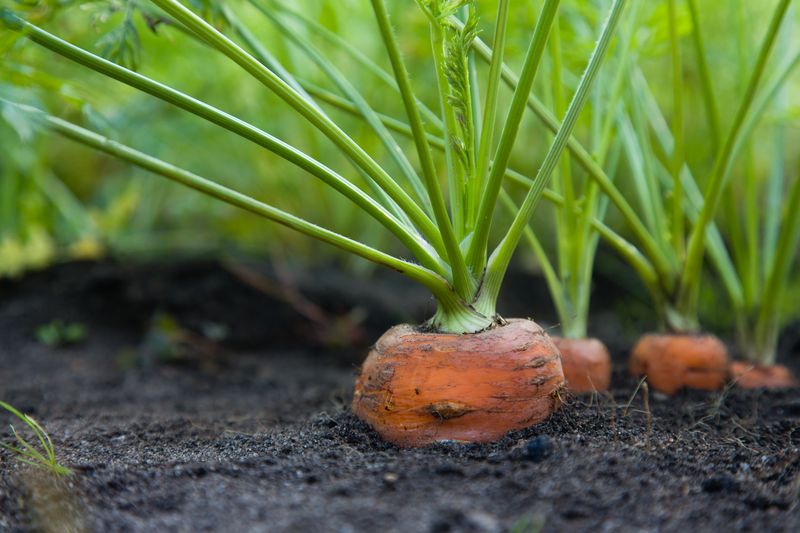
Few vegetables reward patience quite like a carrot pulled from cool fall soil. Carrots actually develop better flavor after exposure to cooler temperatures, which makes a July seeding in Oregon a genuinely worthwhile investment.
The sugars in the roots tend to concentrate as the weather cools, giving fall carrots a sweeter taste than those harvested in the heat of summer.
The trickiest part of a July carrot planting is germination. Carrot seeds are small, slow to sprout, and sensitive to dry soil crusting over the seedbed.
In dry summer conditions, keeping the top inch of soil consistently moist for 10 to 21 days can be challenging but is essential for good germination.
Covering the seeded row with a light board or burlap until sprouts appear is a common trick that helps hold moisture without blocking too much light.
Most carrot varieties need 70 to 80 days from seeding to reach a harvestable size. Choosing a variety known for doing well in Oregon’s conditions, such as Nantes or Chantenay types, can improve results in heavier or clay-based soils.
Raised beds with loose, amended soil tend to support better root development. Thin seedlings to about two inches apart once they are established to give roots enough room to fill out through fall.
4. Broccoli Works Best With Careful Timing
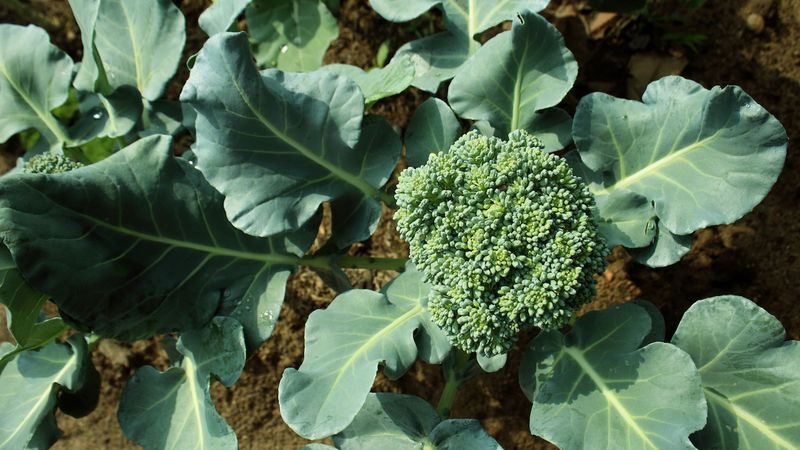
Midsummer heat can be hard on young broccoli plants, which is why timing and transplant quality matter so much for a successful fall crop.
Broccoli started from healthy transplants in early to mid-July has a better chance of establishing before the hottest weeks of August arrive.
Starting from seed indoors in late June and moving transplants out in early July is a common approach in Oregon’s warmer inland valleys.
Broccoli needs a long enough growing season to form a good head, usually around 60 to 80 days depending on the variety. In western Oregon, where fall stays mild well into October and sometimes November, this timing is workable.
In Central or eastern Oregon, where first frost can arrive earlier, selecting a shorter-season variety and planting as early in July as possible gives the crop the best chance.
Young transplants benefit from shade cloth during the hottest part of the day while they settle in. Consistent watering is important, especially in the first few weeks.
Broccoli is a heavy feeder, so working compost into the planting area before transplanting helps support steady growth. Watch for cabbage worms and aphids, which are common in Oregon gardens during summer and early fall.
Keeping the garden tidy and checking plants regularly can help catch problems early.
5. Cauliflower Needs A Steady Midsummer Start
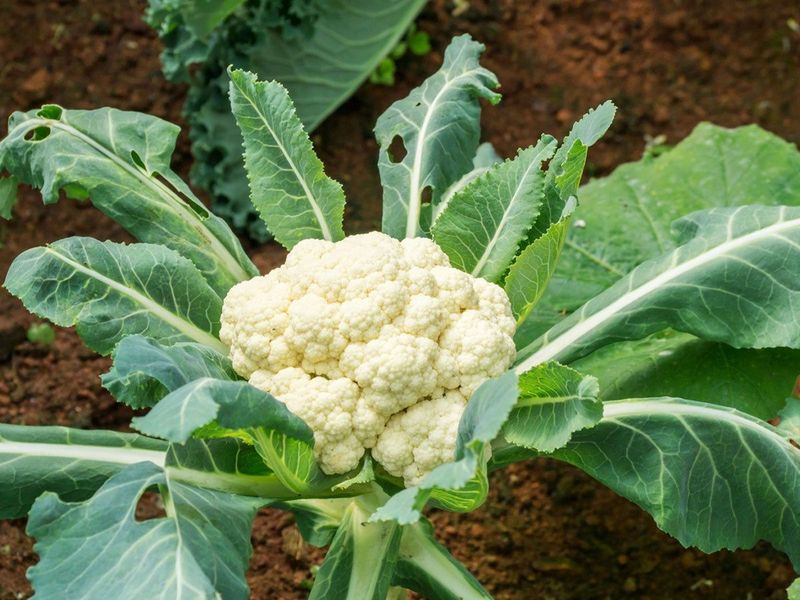
Cauliflower has a reputation for being one of the more demanding vegetables in the home garden, and that reputation is not entirely unfair. It needs steady moisture, consistent temperatures, and enough time to develop a tight, well-formed head.
A midsummer start in Oregon means managing heat, irrigation, and timing all at once, which is why a good transplant and prepared soil make a meaningful difference.
Most cauliflower varieties need 60 to 100 days from transplanting to reach harvest, so getting plants in the ground in early to mid-July is important for gardeners targeting a fall crop.
Starting seeds indoors in late June and hardening off transplants before moving them outside is a reliable approach.
Cauliflower does not handle stress well during head development, so keeping soil moisture even through Oregon’s dry August is worth the extra irrigation effort.
Blanching, which involves tying the outer leaves over the developing head to protect it from sunlight, may be needed for some varieties to keep the curds white and tender.
Self-blanching varieties are available and can simplify this step for busy home gardeners.
Raised beds with rich, well-draining soil tend to support cauliflower better than heavy clay ground. In cooler coastal areas of Oregon, cauliflower often performs especially well in fall.
6. Lettuce Can Return As Weather Cools
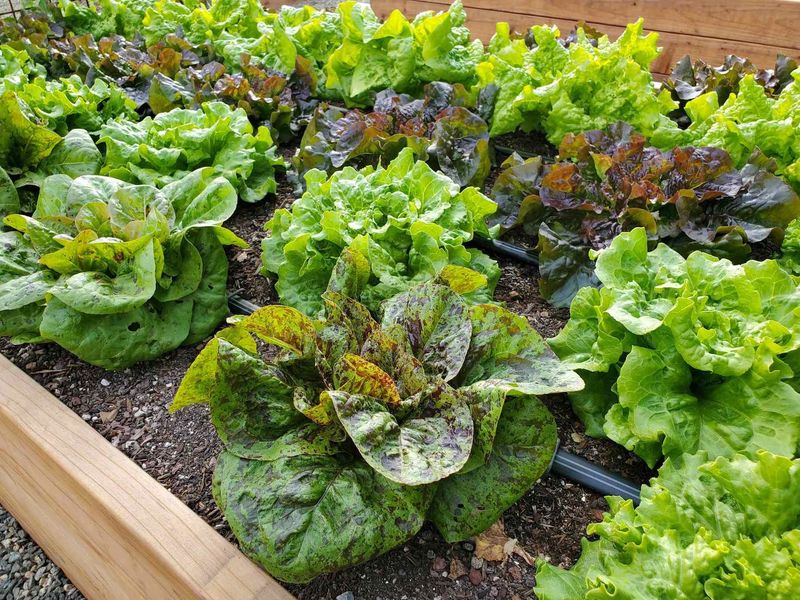
Gardeners who gave up on lettuce after it bolted in the June heat will be glad to know that July offers a second chance.
Lettuce is a cool-season crop at heart, and as summer temperatures begin to moderate heading into August and September, conditions become more favorable for both germination and leaf production.
The challenge is getting seeds or transplants established during the warmest part of the planting window.
Lettuce seeds germinate best when soil temperatures are between 60 and 70 degrees Fahrenheit. In Oregon’s warmer inland areas, July soil can exceed that range, which can slow or reduce germination.
Starting seeds in a slightly shaded area of the garden or using shade cloth over the seedbed can help keep temperatures in a more favorable range.
Some gardeners pre-sprout lettuce seeds in the refrigerator for a day or two before planting to improve germination success in warm conditions.
Loose-leaf varieties generally establish faster and tolerate more heat than heading types, making them a practical choice for July seedings in Oregon. Butterhead types can also work well with some shade protection.
Most loose-leaf lettuce is ready to harvest in 45 to 60 days. Succession planting every two weeks through July can extend the harvest window well into October in many parts of Oregon’s western valleys.
7. Kale Is A Reliable Fall Garden Crop
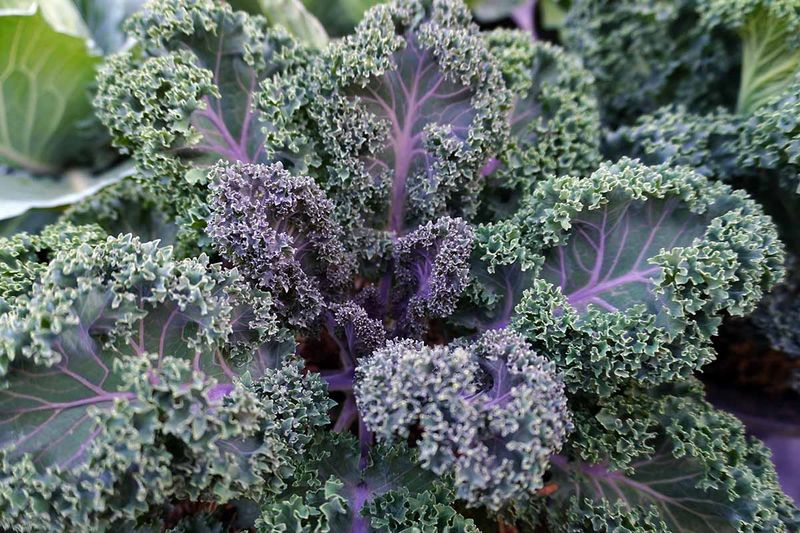
Walk through almost any Oregon food garden in October and you are likely to spot kale still standing strong while other crops have long since finished.
Kale earns its reputation as a fall garden staple because it handles cool and even light frosty conditions well once it is established.
A July planting gives kale enough time to build a solid root system and produce plenty of leaves before the season winds down.
Kale can be direct seeded or started from transplants in July. Direct seeding works well when soil moisture can be maintained through germination.
Transplants give the crop a head start, which can be useful in areas of Oregon where the growing season is shorter or where summer heat makes seedling establishment harder.
Most kale varieties are ready for harvest in about 55 to 75 days, though outer leaves can often be harvested earlier once plants reach a good size.
Flavor in kale tends to improve after the first light frost, as the plant converts some of its starches to sugars in response to the cold. This makes fall-harvested kale particularly appealing for cooking and eating fresh.
Lacinato, Red Russian, and Winterbor are varieties that tend to do well in Oregon fall gardens. Keeping plants well-watered through August helps them establish before cooler fall weather arrives.
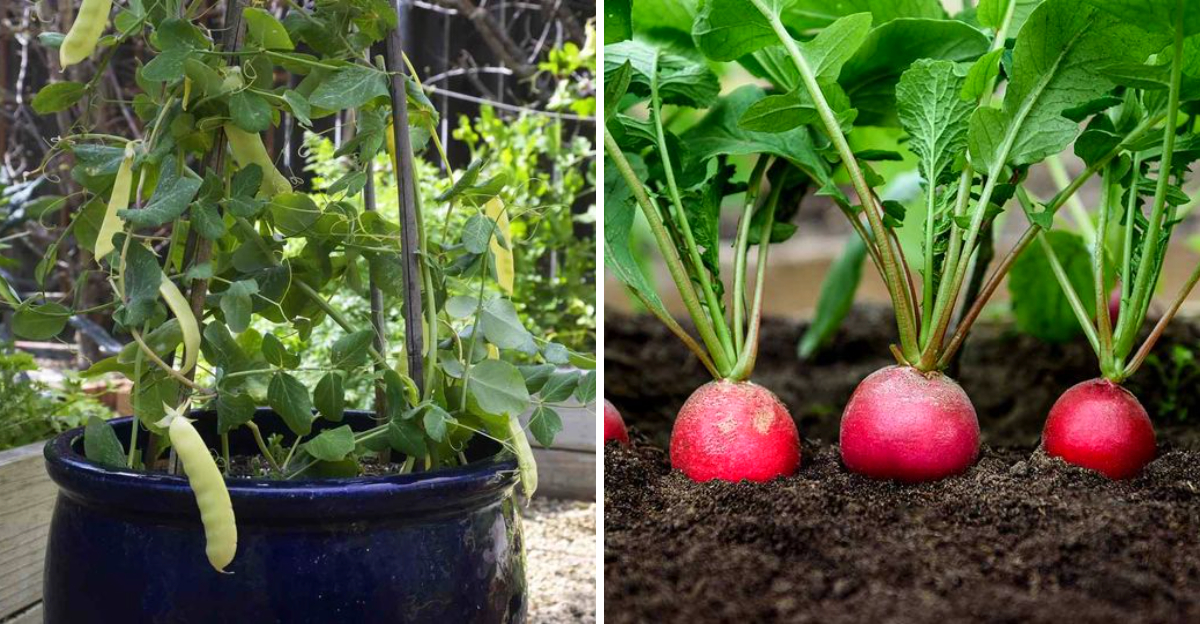
8. Peas Can Grow Again For A Cool-Season Harvest
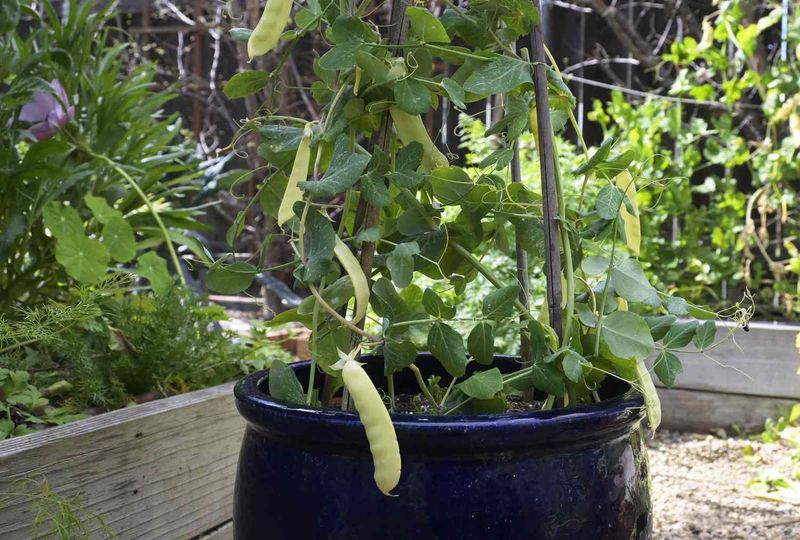
Most gardeners think of peas as a spring crop, and for good reason. But peas are a cool-season vegetable, and a second planting in July can produce a fall harvest if conditions cooperate and timing is right.
The main challenge with a summer pea planting is that warm, dry soil can slow germination and stress young plants before they get established.
Soaking pea seeds in water for a few hours before planting can help improve germination in dry, warm soil. Keeping the seeded area consistently moist is important during the first week or two.
In Oregon’s drier regions, this may require daily watering until seedlings emerge. Once plants are up and growing, they become more resilient, but they still benefit from regular moisture through August.
Most snap and shelling pea varieties need 60 to 70 days to mature. In western Oregon, a mid-July planting can reach harvest in late September or early October, often before the first significant frost.
In higher elevation or inland areas of Oregon, timing gets tighter, and choosing a shorter-season variety improves the odds. Providing a simple trellis or support keeps vines off the ground and makes harvesting easier.
Fall peas tend to have good flavor because they mature in cooler air rather than summer heat.
9. Radishes Grow Quickly For Fall Meals
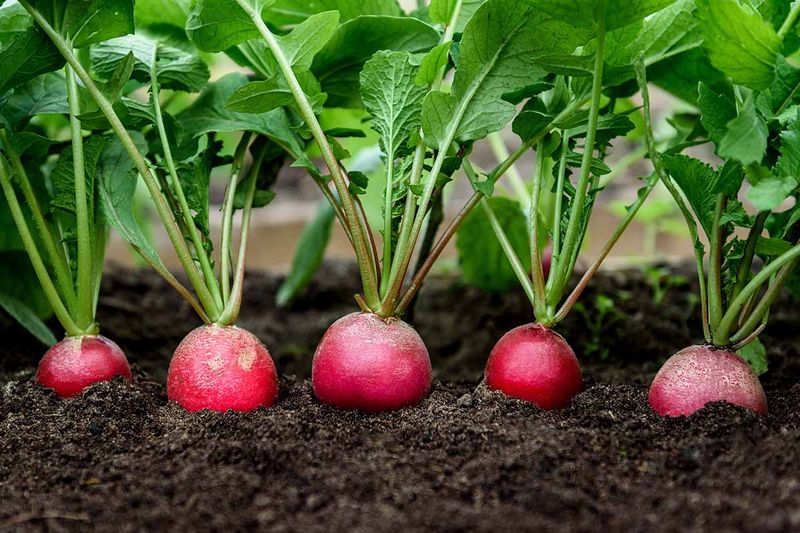
If there is one crop that genuinely fits almost any leftover space in a July garden, it is the radish. Radishes are among the fastest-maturing vegetables available to home gardeners, with many varieties ready to pull in just 25 to 35 days from seeding.
That quick turnaround makes them an easy fit for succession planting through the rest of summer and into early fall in Oregon gardens.
Radishes germinate readily in warm soil and do not require the careful moisture management that slower crops like carrots need. A light, even seeding in a prepared row, covered with about a quarter inch of soil, is all it usually takes to get a good stand going.
Thinning to about two inches apart helps roots develop properly rather than crowding each other out.
In Oregon’s cooler coastal areas and western valleys, radishes can be seeded every two to three weeks through July and August for a continuous supply into fall.
Daikon and other longer-rooted varieties take a bit more time, usually 50 to 70 days, but add variety to fall harvests and store well.
Radishes also work well as a companion planting alongside slower crops, helping to break up soil and mark rows while other vegetables take their time to mature.
10. Turnips Make A Useful Late-Season Root Crop
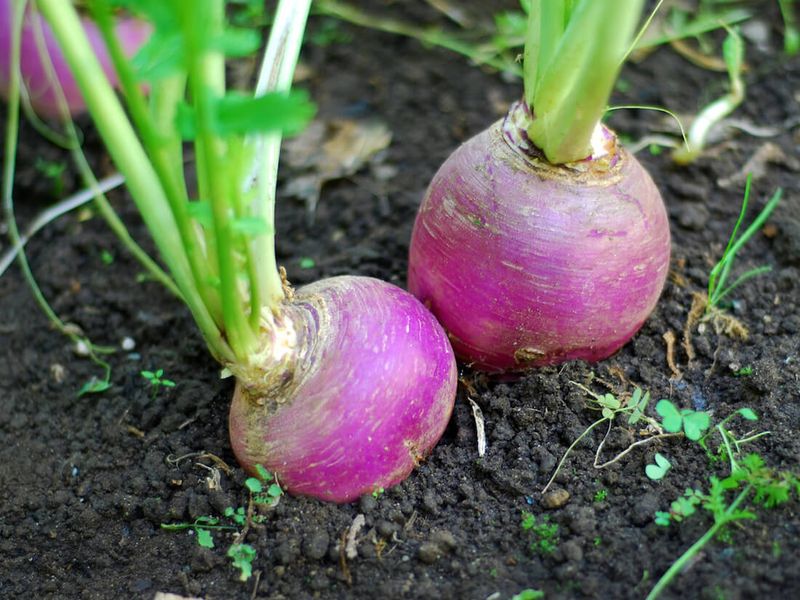
Turnips do not always get the attention they deserve in home gardens, but they earn their spot in a July planting plan. They grow quickly, handle cool fall weather well, and offer two harvests in one: the roots and the greens.
Some varieties are grown specifically for their leafy tops, while others produce both usable roots and greens depending on how long they are left in the ground.
Most turnip varieties mature in 35 to 60 days from seeding, making a July planting a reasonable fit for fall harvests across much of Oregon.
They prefer cooler temperatures for root development, so the timing works well as summer heat backs off into September and October.
Direct seeding is the standard method, and turnips germinate quickly in warm soil as long as moisture is consistent.
In western Oregon, turnips can often be left in the ground past the first light frost, as cold temperatures tend to sweeten the roots. In areas with harder freezes, harvesting before a heavy frost or mulching over the bed can help protect the crop.
Purple Top White Globe is one of the most widely grown varieties and performs reliably in Oregon fall gardens. Hakurei, a Japanese salad turnip, is another option that produces small, mild roots ready to harvest in as little as 38 days.