September Is Feeding Time For Gardenias In North Florida – Here’s What They Actually Need
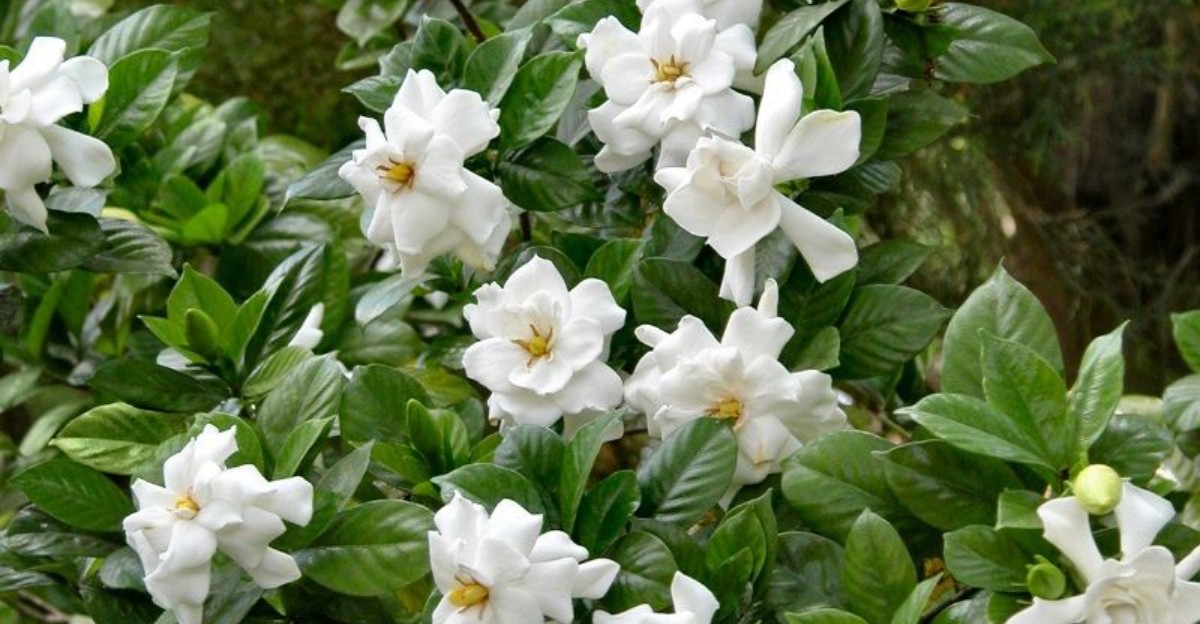
Your gardenia is quietly building next year’s blooms right now, and feeding it wrong this month could wreck the whole plan before it starts.
North Florida gardeners tend to run fertilizer on autopilot, same routine every month without checking whether the plant actually needs it. Gardenias don’t work on autopilot though.
There’s a tight window right now where feeding either helps enormously or backfires just as hard, and most people can’t tell which side of that line they’re standing on.
What worked back in June won’t cut it here. This plant wants something different, and skipping the adjustment is exactly how buds disappear before they ever show up.
Check what your gardenia actually needs before reaching for that fertilizer bag again. Get this window right, and next year’s blooms are already halfway guaranteed.
1. Feed Gardenias While Fall Growth Is Still Active
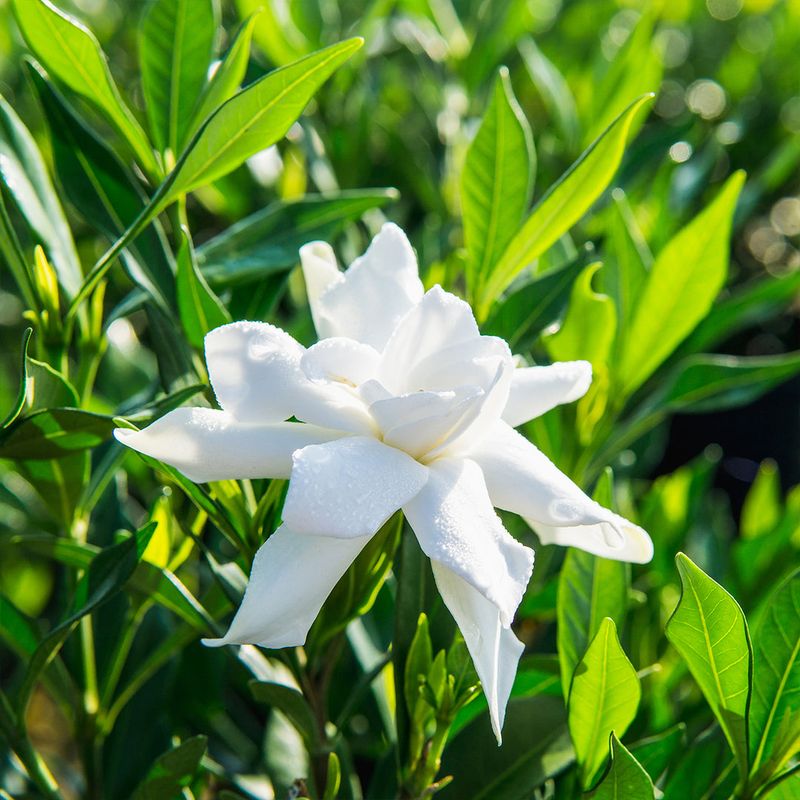
Picture your gardenia as a runner catching a second wind. After a long, steamy summer, it still has energy left for one more push of growth before winter.
In North Florida, experts at the University of Florida suggest feeding gardenias in March and again in September. The spring meal fuels flowers, while the September meal helps roots and leaves stay strong heading into cooler months.
You can add a light summer feeding too, but September is the one many gardeners forget.
Timing matters a lot here. Try to feed in early to mid September, not late October.
Feeding too late can wake up soft new shoots that a surprise cold snap could harm.
Some gardeners in colder spots stop feeding after August for this reason. If you live closer to the Georgia line and frosts tend to arrive early, lean toward the start of the month.
Folks nearer the coast usually have a little more wiggle room.
Don’t panic if a few older leaves turn yellow and drop around now. Gardenias naturally shed some old leaves in spring and fall, a bit like a tree trimming its closet.
Watch for fresh green tips on the branches. Those signs tell you the plant is still growing and ready to use the food you give it.
Mark your calendar so the chore doesn’t slip away.
2. Give Gardenias The Acid-Loving Nutrients They Need
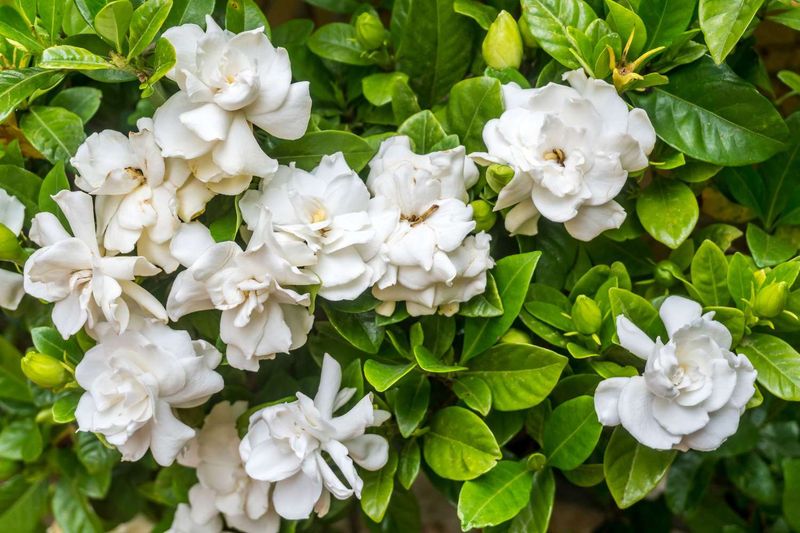
Gardenias are a bit like picky eaters who only want sour candy. They grow best in acidic soil, with a pH between about 5.0 and 6.5.
Many North Florida yards, especially near sidewalks, foundations, or limestone fill, lean more alkaline. When soil pH climbs too high, the roots struggle to pull in key nutrients, even if those nutrients are sitting right there in the dirt.
Think of it as a locked pantry full of food.
That’s why a fertilizer made for acid-loving plants is such a smart pick. Products labeled for azaleas, camellias, or gardenias work well.
Look for a granular, acid-forming formula on the bag.
These blends supply the big three nutrients, nitrogen, phosphorus, and potassium. They also carry helpers like iron and magnesium, which keep leaves deep green and shiny.
Your Florida Garden Changes Every Week. Your Plan Should Too.
Gardening in Florida changes quickly throughout the season. Every Friday you’ll receive a simple weekly plan showing exactly what to plant, prune, fertilize, harvest, and protect so you never miss the right timing.
Not sure where your soil stands? A simple soil test from your county extension office costs very little.
It tells you your pH and what your plants may be missing, so you’re not guessing.
Fun fact: gardenias are part of the coffee plant family. Maybe that explains their taste for slightly sour soil!
Follow the label for how much to use, based on the size of your shrub. More is not better, and extra fertilizer can burn tender roots.
3. Keep Nitrogen From Pushing Too Much Leafy Growth
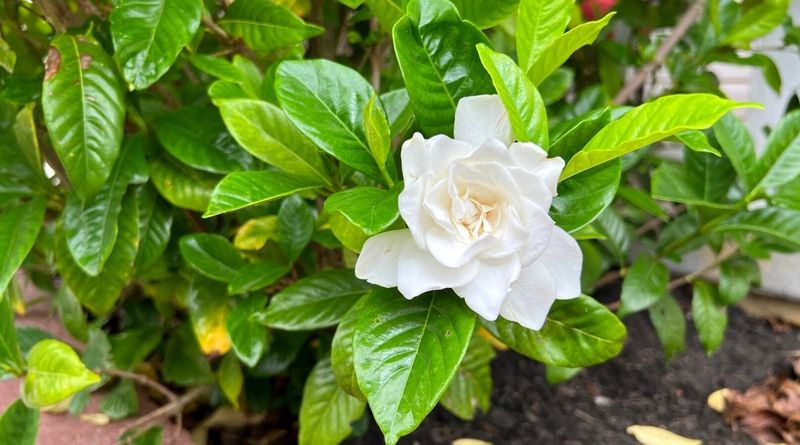
Here’s a garden riddle: how can a shrub look lush and green yet barely bloom? The answer often comes down to one nutrient, nitrogen.
Nitrogen is the leaf-builder. Gardenias need a moderate amount to stay healthy and green.
Too much, though, and your plant puts all its effort into leaves instead of those creamy, fragrant flowers.
So check the three numbers on the fertilizer bag. They stand for nitrogen, phosphorus, and potassium, in that order.
A balanced mix like 6-6-6 works nicely, and some gardeners use a liquid formula around 9-3-6.
Look closer at the label for the words slow-release. Experts suggest that 30 to 50 percent of the nitrogen should release slowly over time.
That way the plant sips its food instead of gulping it all at once.
Slow-release nitrogen has another perk in Florida. Our heavy rains can wash quick-release fertilizer right past the roots and into lakes and springs.
A slower formula stays put longer and helps protect local waterways.
Keep in mind that too little nitrogen causes trouble as well. A hungry gardenia may show pale, yellowish leaves all over the plant.
The goal is balance, like a good lunch. Not all dessert, not all salad, just the right mix for steady growth and plenty of blooms.
4. Add Iron When Yellow Leaves Point To A Deficiency
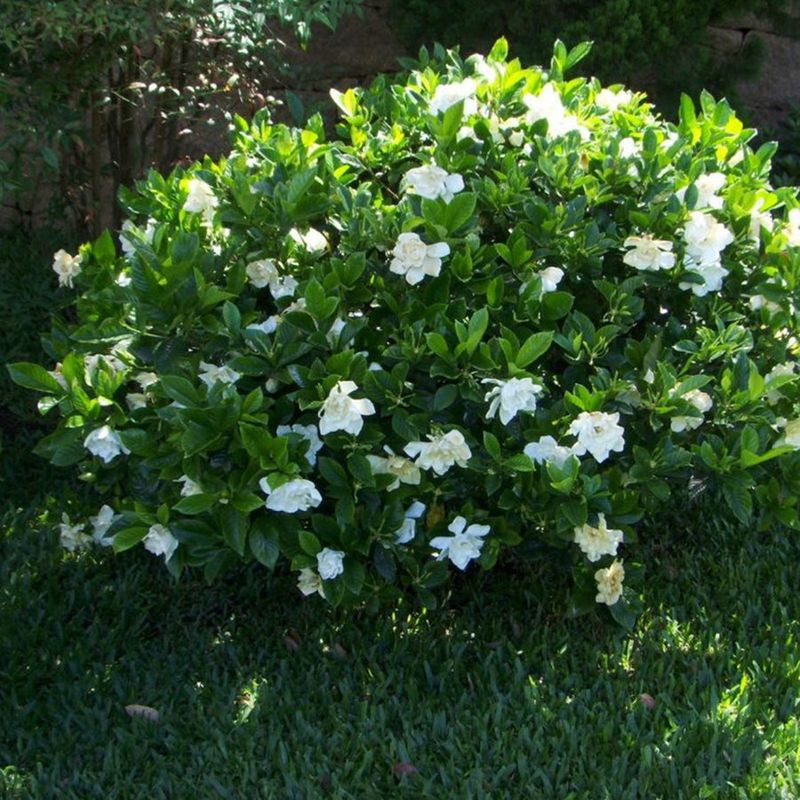
Grab a leaf and hold it up to the light. If the new leaves are yellow but the veins stay dark green, your gardenia is sending you a clear message.
That pattern has a fancy name, interveinal chlorosis. In plain words, it usually means the plant is short on iron.
It shows up most on the newest leaves at branch tips.
Here’s the twist. Often there’s plenty of iron in the soil, but a pH that’s too high blocks the roots from taking it in.
Soggy soil can cause the same problem.
To fix it, try an acid-forming fertilizer that lowers pH over time. For faster help, use a foliar spray with chelated iron, which gets sprayed right onto the leaves.
Chelated simply means the iron is wrapped in a form plants absorb easily.
Products like Espoma Organic Iron-Tone can nudge pH downward while adding iron back into the soil. Follow the directions closely and give the plant a few weeks to respond.
You may have heard that Epsom salts cure yellow leaves. They can help with magnesium shortages, which usually yellow the older, lower leaves first.
However, Epsom salts don’t solve an iron problem.
Knowing which leaves turn yellow first is your best clue. New leaves hint at iron, while older leaves point elsewhere.
5. Water Deeply Before September Fertilizer Goes Down
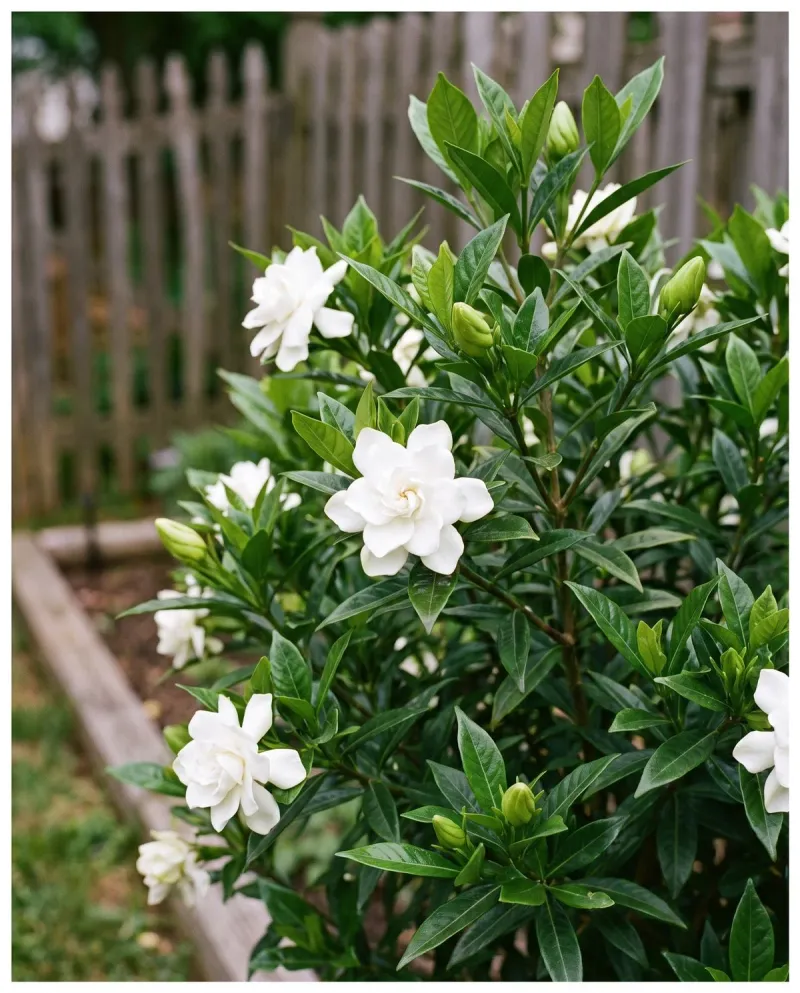
Nobody likes a big meal on an empty stomach and a dry throat. Your gardenia feels much the same way about fertilizer.
Before you scatter any granules, give the shrub a deep, slow drink. Moist soil helps the fertilizer dissolve and spread evenly.
It also shields the roots from the burn that dry fertilizer can cause on parched ground.
A good trick is to water the day before feeding. Let the hose trickle at the base for several minutes so the water sinks down into the root zone.
Then feed the next morning and water lightly again to settle everything in.
Gardenias like soil that stays evenly moist but not soggy. Think of a wrung-out sponge, damp to the touch but not dripping.
Deep watering a couple of times a week beats a quick splash every day. Short sprinkles keep roots near the surface, where they dry out fast in the heat.
Before watering again, poke a finger into the soil. If the top inch feels slightly dry, it’s time for another drink.
Aim the water at the base, not over the leaves. Wet foliage in humid weather invites leaf spots, and nobody wants blotchy marks on those glossy leaves.
6. Mulch Gardenias To Protect Their Shallow Roots
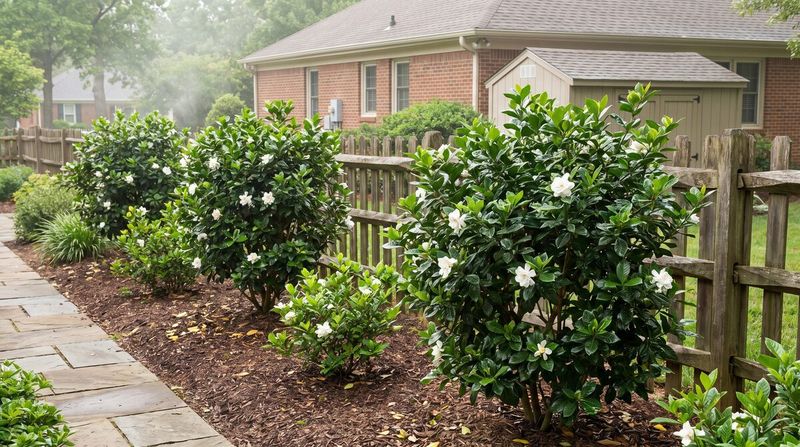
Under that tidy shrub hides a surprise. Gardenia roots spread out wide and stay close to the surface, almost like a thin carpet just under the soil.
Shallow roots dry out quickly and get stressed by heat, so they appreciate a cozy blanket. That’s where mulch comes in.
A 2 to 3 inch layer of organic mulch keeps moisture in, cools the soil, and blocks weeds from stealing food.
Florida gardeners have lots of good choices. Pine bark nuggets, pine straw, hardwood mulch, melaleuca, and eucalyptus mulch all work well.
Pine bark earns bonus points for gardenias. As it slowly breaks down, it adds a touch of acidity to the soil, which these sour-soil lovers enjoy.
Pine straw is another budget-friendly pick that looks right at home in Southern yards.
Mulch may also help with nematodes, tiny worm-like pests that nibble roots in sandy Florida soil. Healthy, cool soil makes life harder for them.
Before adding fresh mulch in September, rake back the old layer and spread your fertilizer first. Then tuck the mulch back in place.
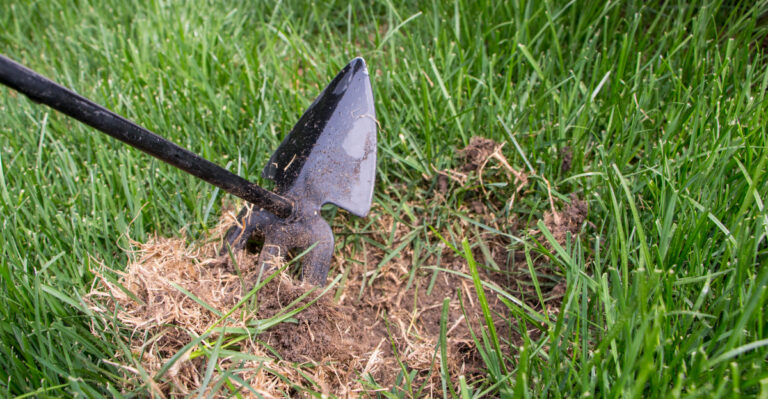
Skip digging or hoeing near the shrub. Those shallow roots bruise easily, and a gentle hand-pull of weeds does far less harm than a sharp tool.
7. Keep Fertilizer Away From The Main Stem
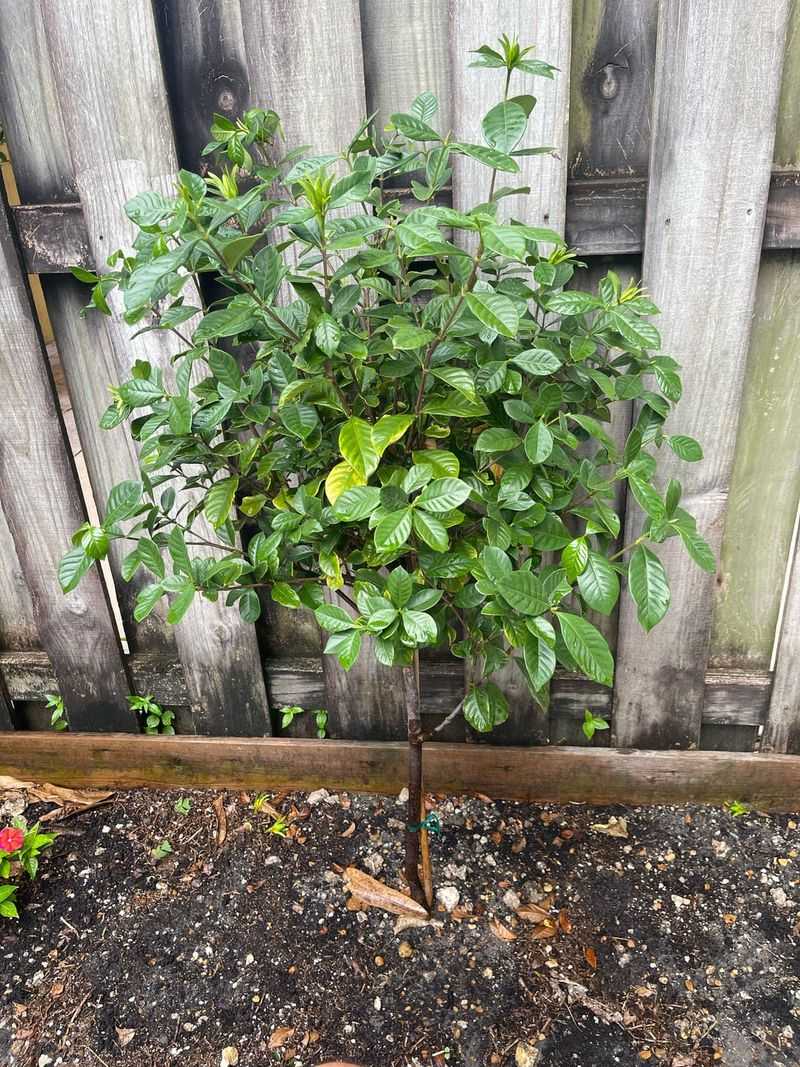
A common habit is dumping fertilizer right against the trunk, like pouring cereal into the center of a bowl. It feels logical, but it misses the target.
Most of a gardenia’s feeding roots don’t live near the main stem. They stretch outward toward the drip line, the imaginary circle right below the outer edge of the branches.
That’s where the real eating happens.
So spread your fertilizer in a wide ring. Start a few inches away from the stem, about 2 to 3 inches at the least, and scatter it out to the drip line and a little beyond.
Piling fertilizer against the stem can scorch the bark and damage roots. Salts in the fertilizer pull moisture out of tender tissue, leaving it weak and open to trouble.
The same rule goes for mulch. Leave a small gap between the mulch and the base of the plant.
Mulch hugging the stem traps moisture and invites fungus and rot.
Imagine a donut shape around your shrub. The empty middle is the stem, and the tasty ring is where food and mulch belong.
After spreading, lightly scratch the granules into the top of the soil with your fingers. Then water to help everything soak down toward those hungry outer roots.
8. Skip Feeding If Heavy Rain Has Saturated The Soil
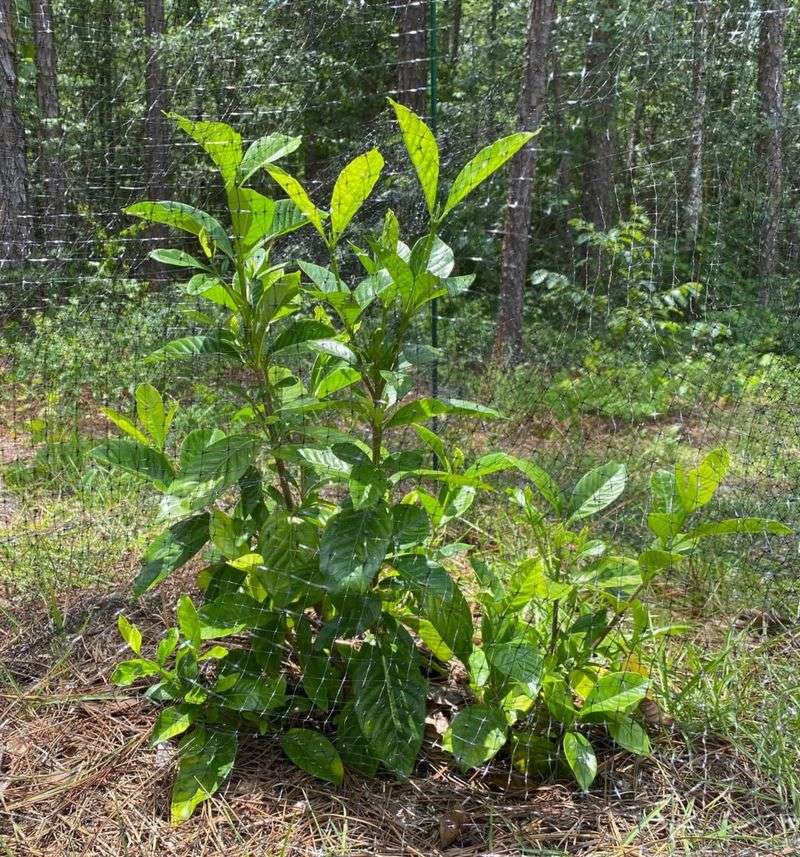
September in North Florida can bring surprise downpours, and sometimes a tropical storm rolls through. After that kind of soaking, hold off on the fertilizer bag for a bit.
Soggy, waterlogged soil makes it hard for roots to breathe. Roots need air pockets in the soil as much as they need water.
When those pockets fill with water, roots can’t take up nutrients well, including iron.
Fertilizer spread on soaked ground also tends to wash away. Instead of feeding your gardenia, it may end up in storm drains, ditches, and eventually our lakes and springs.
That’s a waste of money and hard on local water.
Here’s a simple test. Squeeze a handful of soil from near the shrub.
If water drips out, wait a few days and try again later.
Once the soil feels damp but crumbly, you’re good to go. A short delay won’t hurt the plant one bit.
Keep an eye out for trouble after long wet spells. Constantly soggy soil can lead to root rot, yellow leaves, and heavy leaf drop.
If your gardenia sits in a low spot where water collects, think about improving drainage. Raising the bed or adding organic matter can help roots stay happier through the rainy season.
9. Set Gardenias Up For Stronger Fall Growth
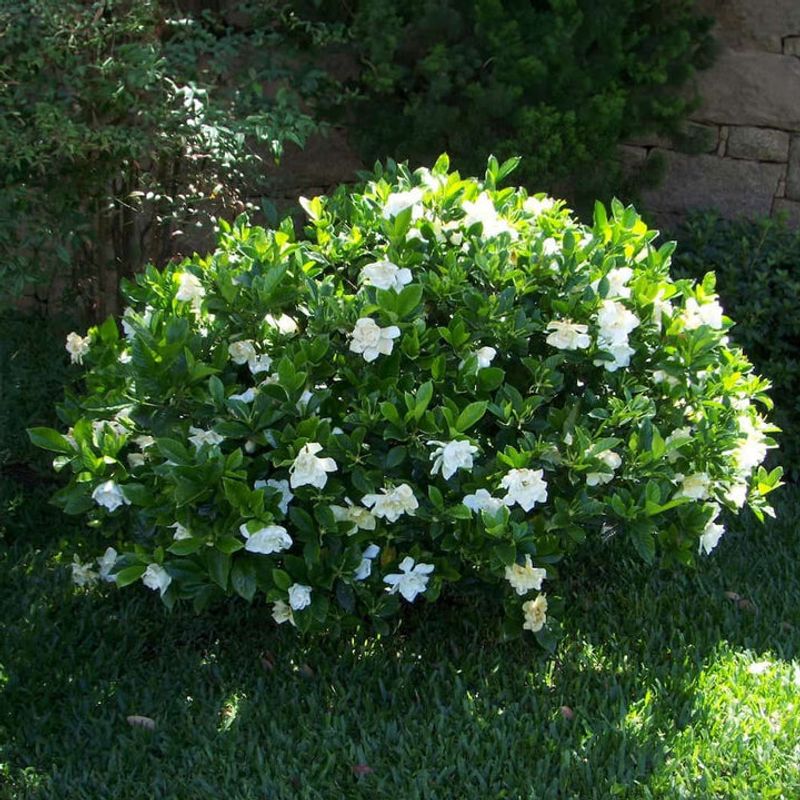
Think of September feeding as packing a lunchbox for the months ahead. What you give your gardenia now shapes how it handles winter and how it blooms next spring.
Let’s pull the pieces together. Choose an acid-forming fertilizer with a balanced N-P-K and extras like iron and magnesium.
A blend with slow-release nitrogen keeps the plant fed steadily without a rush of floppy growth.
Water deeply before feeding, spread food in a ring away from the stem, and tuck a fresh layer of mulch over the top. Skip feeding when the ground is soaked, and wait until it dries a little.
Pruning matters too. Gardenias form next year’s flower buds in late summer and fall.
Avoid heavy pruning after October 1 so you don’t snip away those future blossoms.
If you’ve been dreaming of adding another gardenia, fall is a lovely time to plant in milder areas. Cooler air and warm soil help new roots settle in before summer heat returns.
A few minutes of care this month pays off in a big way. Come late spring, you’ll step outside to that sweet, heady fragrance drifting across the yard.
That moment makes every bit of September effort feel worth it, and your neighbors will probably ask for your secret.