12 Popular Garden Plants Banned Or Restricted In Some U.S. States
Picture a sunny garden center in September, the air thick with sweet blooms and damp potting soil. You load your cart with leafy beauties and feel like the smartest gardener on the block.
Now imagine a state inspector frowning at your wagon like it holds smuggled treasure. A few of those pretty darlings are actually outlaws in certain parts of the country.
Once they slip past the fence line, there’s no calling them back. They just keep making new friends whether the neighborhood wants them or not.
Their roots creep, their seeds hitch rides on birds, and their vines climb anything that holds still long enough. Wild forests, rivers, and wetlands pay the price when these charming garden favorites go rogue and refuse to leave.
So when a plant flirts with you from the nursery shelf, politely ask to see its rap sheet first.
1. Bradford Pear
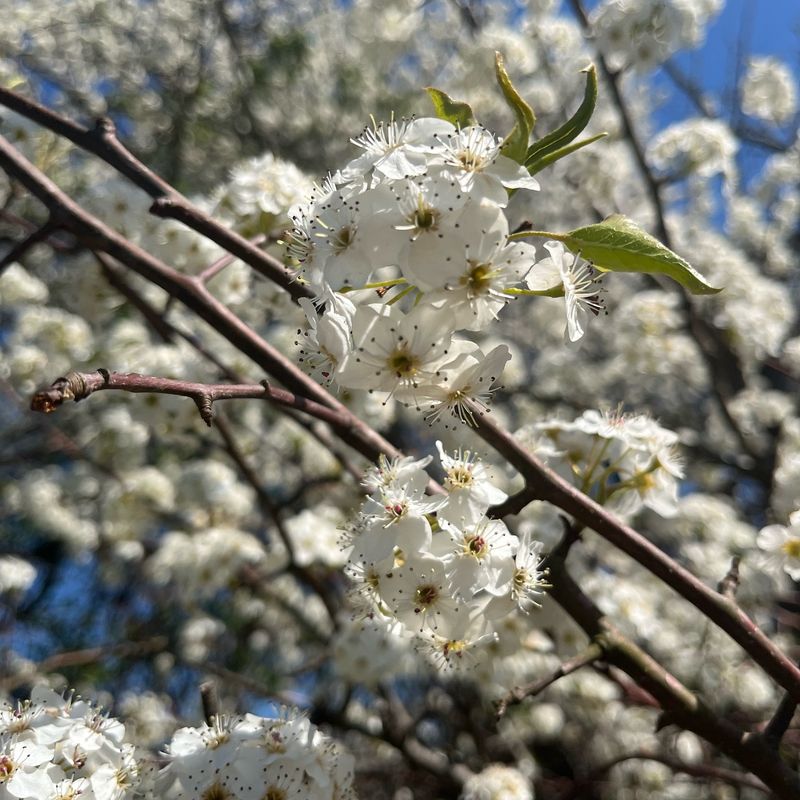
Every spring, whole neighborhoods seem to explode in snowy white blossoms, and then everyone notices the smell. Many folks say Bradford pear flowers smell like old fish, which is not the romance anyone planned.
Beyond the odor, the tree has weak branches that split apart in storms and crush cars or roofs. Worse, it crosses with other pear trees and spreads sharp, thorny thickets through fields and roadside woods.
Ohio stopped the sale of Callery pear trees, including the popular Bradford, starting in 2023. Pennsylvania and South Carolina followed with their own bans, so nurseries there can no longer sell them.
Some towns even run bounty programs that swap your old pear tree for a free native tree. It’s a win for you and for the local birds, who get better food and safer shelter.
September is a smart time to plan a swap, since fall is great for planting new trees. Cool air and warm soil help young roots settle in nicely before winter frost arrives.
Try serviceberry, eastern redbud, or American fringetree for lovely spring flowers without the fishy stink or snapped limbs. Your neighbors, and their noses, will thank you next April.
2. Butterfly Bush
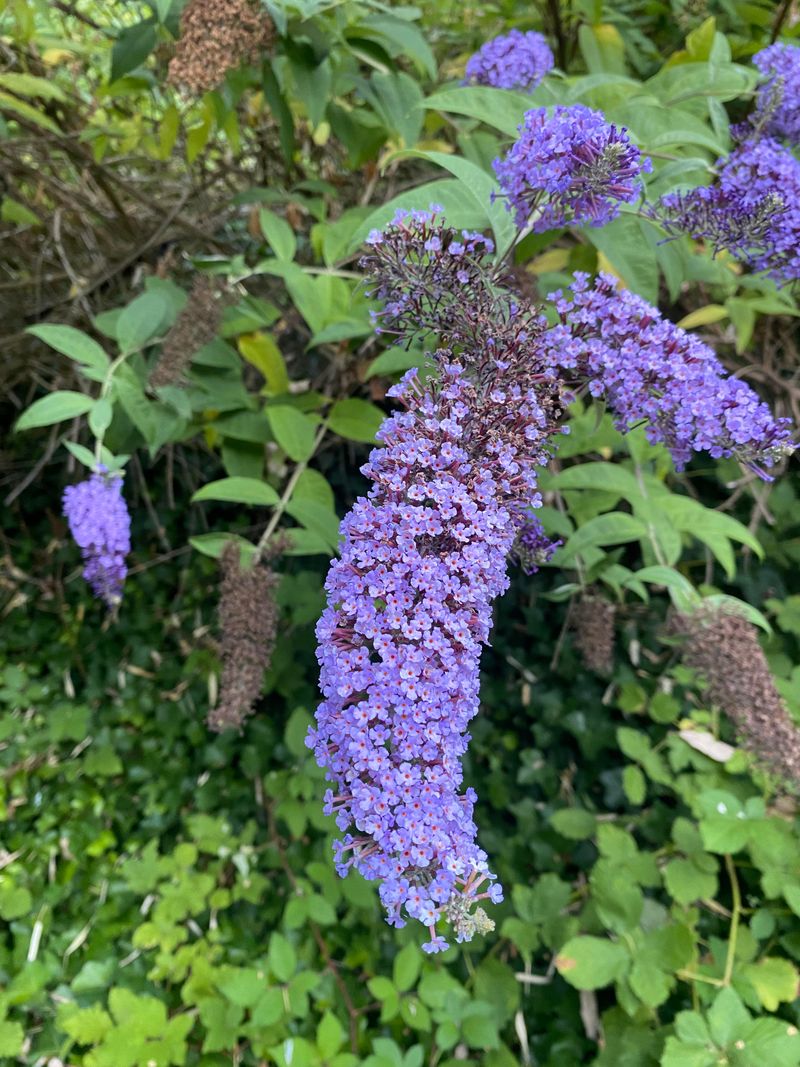
Butterflies swarm it, gardeners adore it, and yet Oregon lists butterfly bush as a noxious weed. That sounds pretty harsh for a shrub named after such a lovely, fluttering insect, right?
The real trouble is seeds, and lots of them, since one plant can release tens of thousands in a single year. Wind carries them to riverbanks and forest edges, where thick stands crowd out native plants.
Washington also regulates it, and both states allow only certain sterile varieties that make few or no seeds. Look for names like Lo and Behold, or ask a local nursery which types your state approves.
Here’s a surprise that stings a bit: butterflies sip its nectar, but caterpillars can’t eat its leaves. Without leafy food for their babies, local butterflies don’t truly benefit much in the long run.
If you already own one, snip off the faded flower spikes in early fall before seeds ripen and scatter. Toss the clippings in the trash rather than the compost pile, just to be extra safe.
Want a real butterfly buffet in your yard instead? Plant New England aster, Joe Pye weed, and native milkweed this September for nectar plus hungry caterpillar snacks.
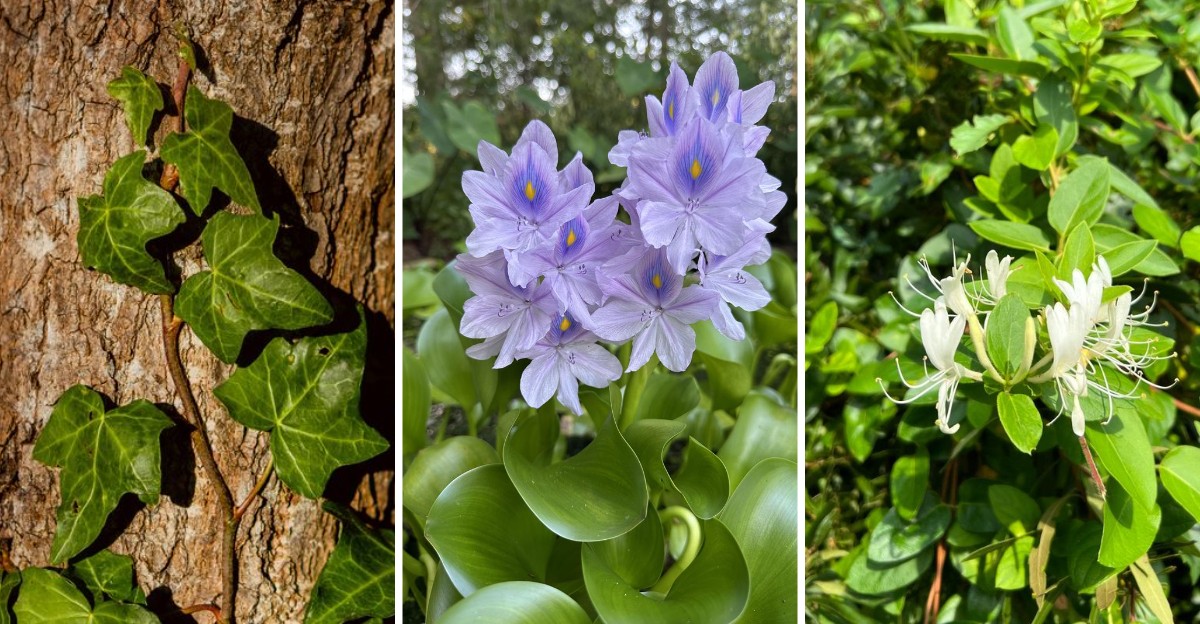
3. English Ivy
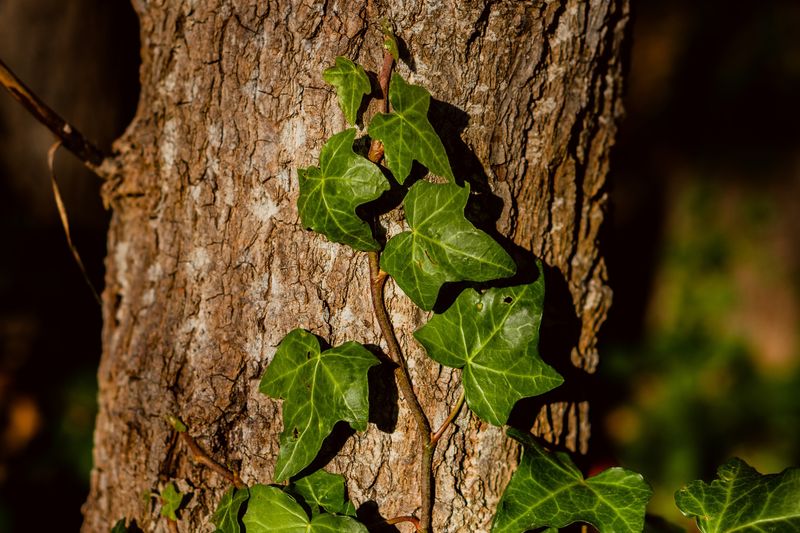
Old brick colleges and storybook cottages made English ivy look like the height of classy charm. Out in the woods, though, that same vine behaves more like a green blanket that won’t quit.
It climbs tree trunks, piles heavy leaves on branches, and blocks sunlight from the tree’s own leaves. Over time, weakened trees can topple during strong wind or heavy winter snowstorms, sometimes onto houses.
Oregon bans the sale of English ivy, and Washington restricts several popular types as noxious weeds. Other states list it as invasive and strongly urge gardeners to skip it at the nursery.
Here’s a fun but gross bonus: thick ivy mats make cozy hiding spots for rats and mosquitoes. Not exactly the guests you want hanging around near your back porch on warm September nights.
Got ivy climbing a tree in your yard already? Cut every vine in a ring around the trunk at waist height, then pull the lower stems from the soil.
The top part will slowly wither and brown over the next few weeks, so just leave it alone. For friendlier greenery, try wild ginger, Allegheny spurge, or Virginia creeper, which turns fiery red in fall.
4. Japanese Barberry
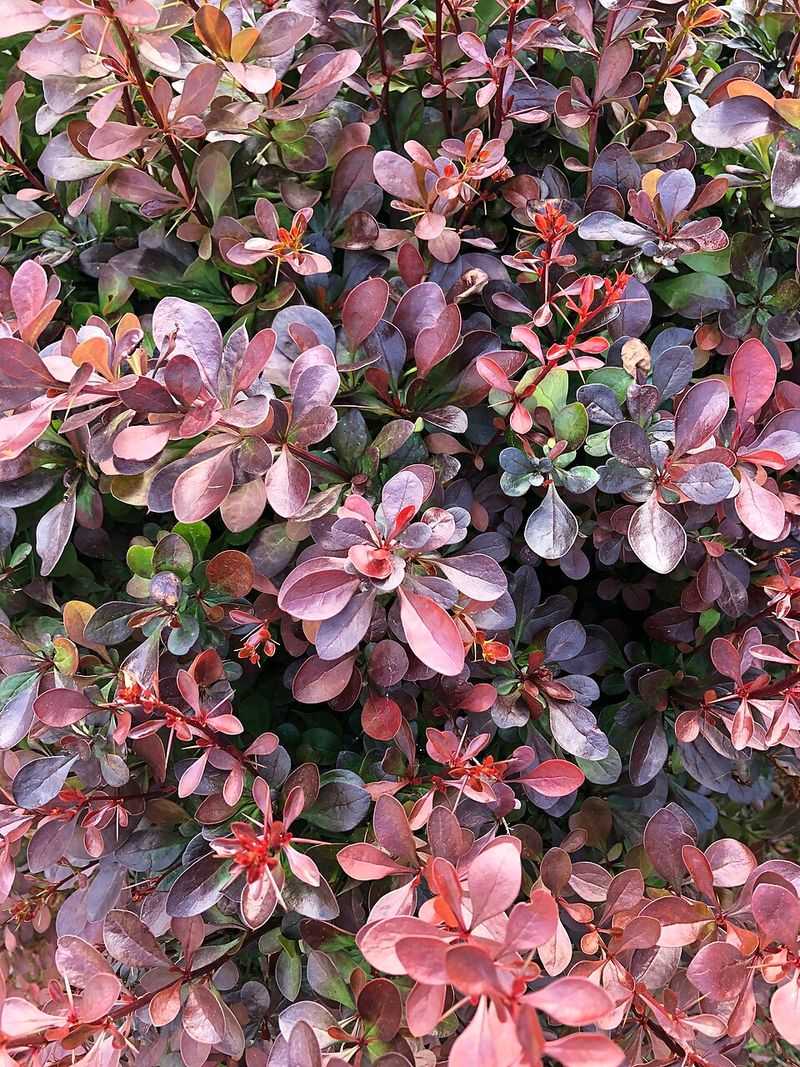
Picture a cute little shrub with ruby red leaves that secretly doubles as a cozy tick hotel. Scientists in Connecticut found far more black-legged ticks living under Japanese barberry thickets than in open woods.
The dense, thorny branches trap humidity, which ticks love, and mice carrying Lyme disease hide there too. That combo turns a pretty hedge into a real health concern for families, hikers, and pets.
Because of this, and its habit of spreading deep into forests, several northeastern states now ban it. Massachusetts, New Hampshire, Maine, New York, and Pennsylvania all prohibit nurseries from selling it to shoppers.
Birds gobble the bright red berries in fall and winter, then drop seeds far from your yard. Deer skip barberry because of its sharp thorns, so it spreads while tasty native plants get munched.
Removing it takes thick leather gloves, long sleeves, safety glasses, and a sturdy shovel or root puller. Early fall works well, since the soil stays soft and the leaves still make plants easy to spot.
Need a replacement with similar color and texture for your front walk? Ninebark, winterberry holly, and dwarf fothergilla offer bold leaves, fall color, or berries without the tick party.
5. Japanese Honeysuckle
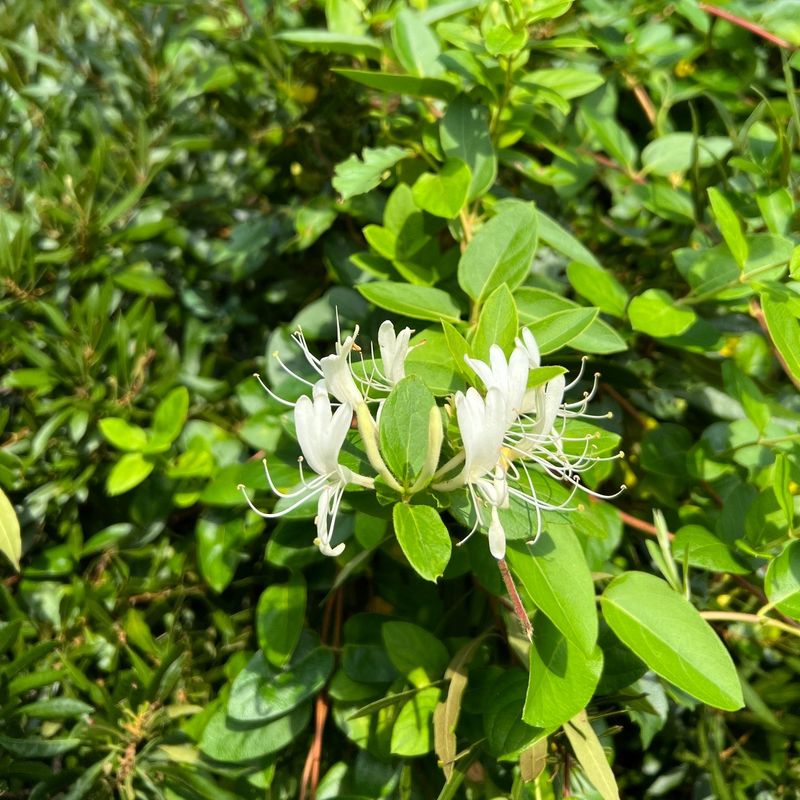
Plenty of us remember pinching a honeysuckle flower and sipping that single sweet drop of nectar. It tasted like summer, and the scent drifted through open windows on warm, sleepy evenings.
Sadly, the Japanese honeysuckle behind those sweet memories is a serious bully in the wild. Its vines twist around young trees, squeezing them and smothering shrubs under a thick, tangled blanket.
Massachusetts, New Hampshire, and Indiana are among the states that ban or limit its sale. Many others list it as a harmful invasive plant that homeowners should remove whenever they spot it.
Fall is the perfect time to find it, since it keeps green leaves long after native plants turn brown. Pull young vines by hand after a rain, and cut thick older ones near the ground.
Keep an eye out for fresh sprouts next spring and summer, because the roots are surprisingly stubborn. Patience wins this battle, one gentle tug and one snip at a time.
You can still enjoy honeysuckle magic by planting native coral honeysuckle on a sunny fence or trellis. Hummingbirds adore its bright red trumpet flowers, and it behaves politely instead of swallowing the whole yard.
6. Burning Bush
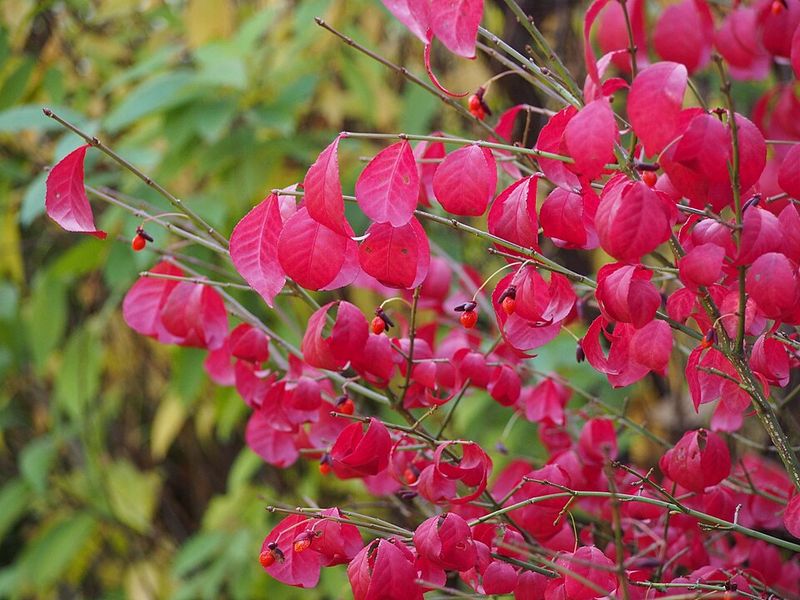
September is when burning bush starts its big show, turning from plain green to glowing scarlet. Drive through any suburb in October and you’ll spot rows of these red flames lining driveways.
That fiery color is exactly why it became a landscaping superstar in the first place. Unfortunately, birds love the small orange-red berries and drop the seeds deep into nearby forests all winter.
Once there, seedlings pop up by the thousands and shade out wildflowers on the forest floor. Some woods in New England have carpets of baby burning bush where native plants once grew.
Massachusetts, New Hampshire, and Maine have banned its sale, and other states list it as invasive. A few nurseries now sell low-seed types, but many experts still suggest planting native options instead.
Want that same fiery wow factor in your yard without any of the guilt? Fothergilla, highbush blueberry, and Virginia sweetspire all blaze in shades of red, orange, and purple each autumn.
Blueberries even throw in a juicy summer snack for you and the birds, which feels like a sweet bonus. Plant your swap this fall, and next year your yard can glow for all the right reasons.
7. Creeping Jenny
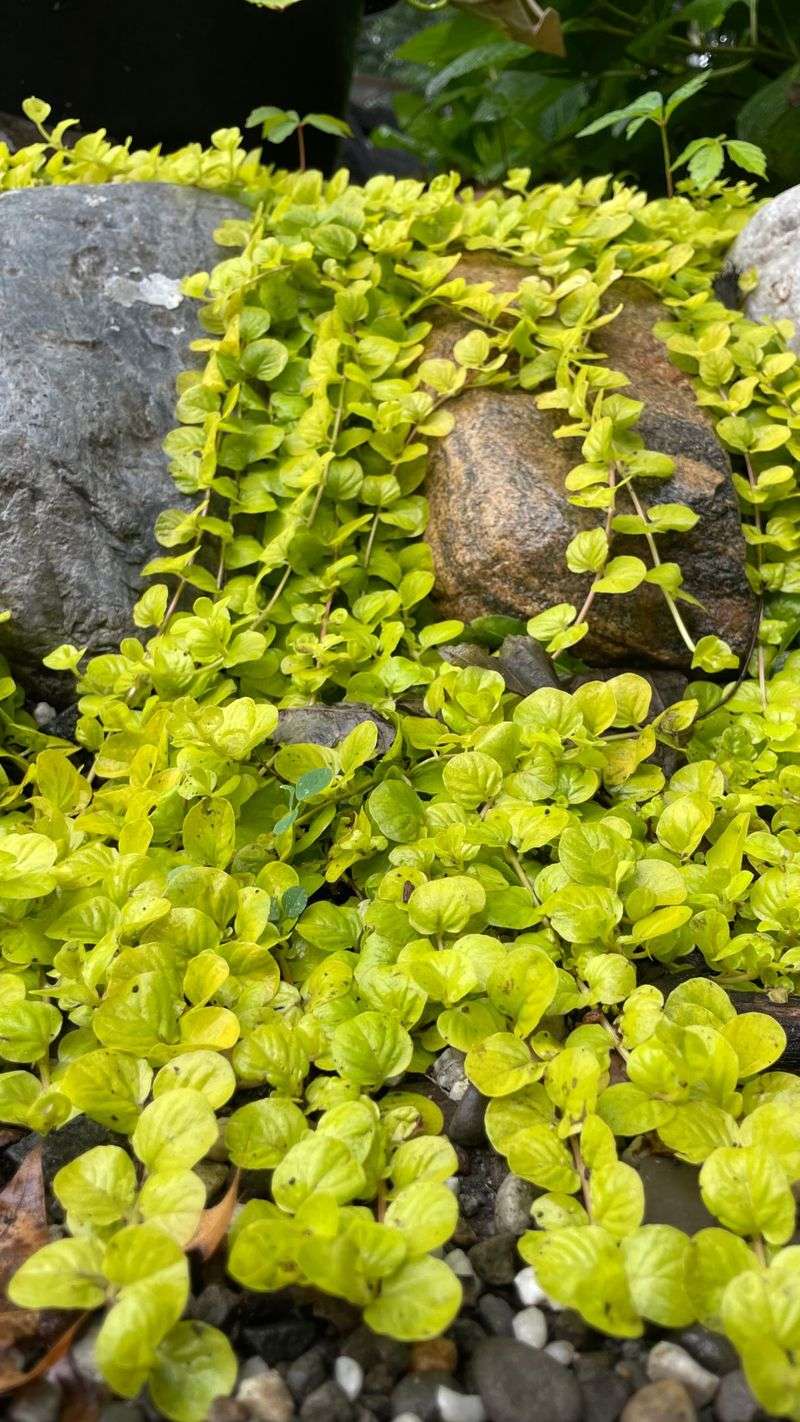
With a name like Creeping Jenny, this little plant practically warned us about its sneaky side. Its round, coin-shaped leaves glow bright gold or lime green, spilling beautifully over pots and pond edges.
Every stem that touches soil puts down new roots, so one small plant becomes a wide mat fast. It loves damp spots and slips into lawns, stream banks, and shady wetlands without asking permission.
Connecticut lists it as invasive, and several other states in the Northeast and Midwest warn against planting it near water. Rules vary a lot, so a quick check with your state’s extension office is smart before buying.
If you adore the look, keep it in containers on a patio far from streams or drains. Snip runners that dangle over the edge before they reach the ground and sneak away.
Pulling it out of a lawn is easy on moist fall days, since the shallow roots let go quickly. Just be thorough, because tiny leftover pieces can sprout into a brand new patch by spring.
For a better-behaved carpet, try creeping phlox, wild strawberry, or golden ragwort in shady corners. Jenny can stay happily in her pot, where her wandering ways cause zero trouble.
8. Purple Loosestrife
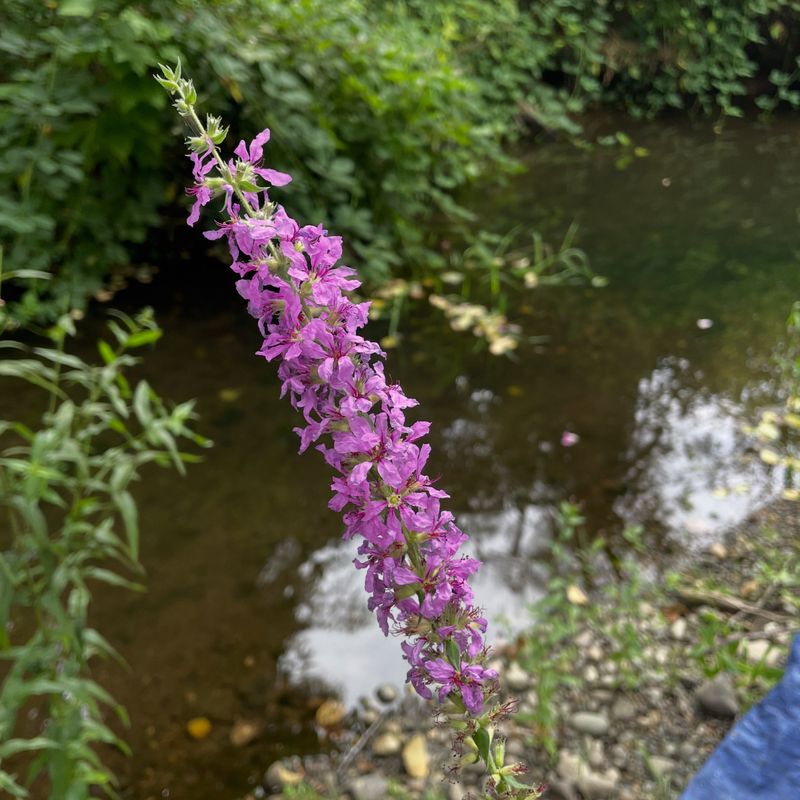
One purple loosestrife plant can produce around 2.7 million seeds a year, which is a staggering number. Those tiny seeds float on water and ride on mud stuck to boots, boats, and animals.
The tall magenta spikes look gorgeous in late summer, which is how it ended up in gardens. Out in marshes, however, it forms solid purple walls that push out cattails and native grasses.
Ducks, turtles, and muskrats lose food and cozy nesting spots when loosestrife takes over a wetland. Dozens of states list it as a noxious weed, making it one of the most widely banned garden plants.
Scientists have even released tiny leaf-eating beetles that munch only on loosestrife to help control it. Those little helpers have made a real difference in many lakes, rivers, and marshes across the country.
Early September is crunch time, because seed pods are ripening right now on the older flower spikes. Cut the spikes, bag them tightly, and put them in the trash instead of the backyard compost.
Love that bold purple color along your garden pond? Swap in blazing star, swamp milkweed, or blue vervain for native blooms that feed hungry bees and butterflies.
9. Yellow Flag Iris
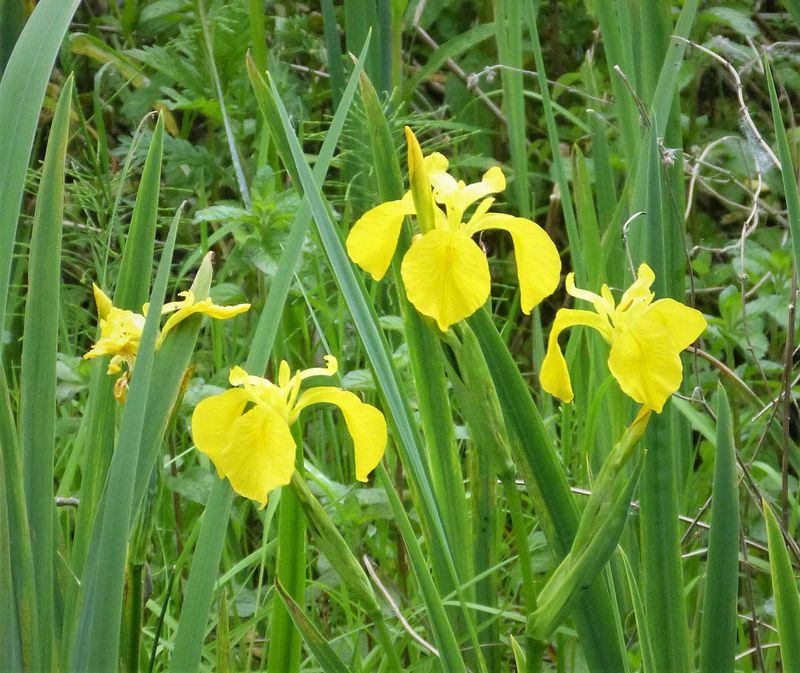
Some historians think yellow flag iris inspired the fleur-de-lis, the famous symbol of French kings. Royal roots or not, it has become a real headache along American rivers, lakes, and ponds.
Gardeners planted it for its sunny yellow blooms, and it happily escaped into wet places across the country. Its thick roots form dense mats that trap mud, narrow streams, and crowd out native cattails.
Washington and Oregon list it as a noxious weed, and states like Montana restrict it too. Many backyard water gardeners still grow it without realizing it’s on these lists at all.
Handle it with care, because the sap and roots can irritate skin and upset stomachs if eaten. Gloves are a must, and curious pets should stay far away from freshly dug roots.
Fall is a great time to dig it out, since pond and creek water levels are often lower. Remove every chunk of root, because even small pieces can float downstream and start fresh colonies.
For a pond-friendly swap, plant native blue flag iris or pickerelweed along the water’s sunny edge. You’ll keep the elegant look, and local frogs, dragonflies, and songbirds will be grateful.
10. Giant Hogweed
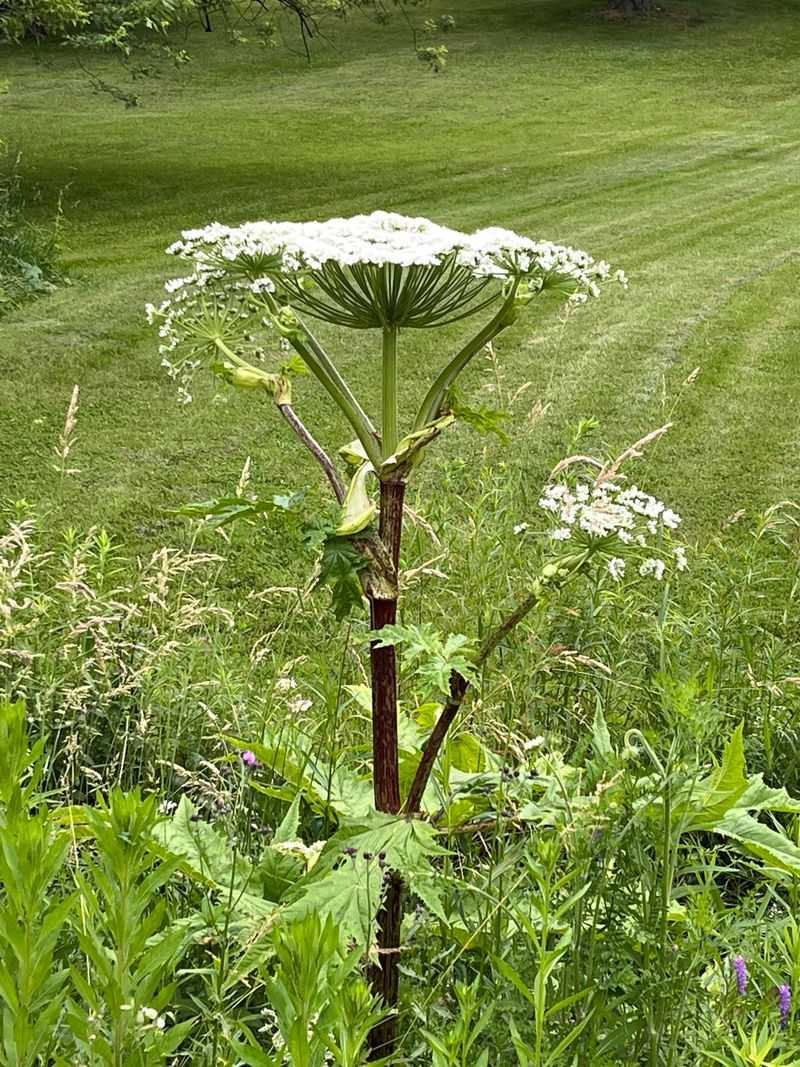
Imagine Queen Anne’s lace after a growth spurt, towering up to 14 feet with flower heads like umbrellas. Giant hogweed was once planted as a dramatic garden showpiece, and some folks still admire it.
Admire it from a distance, though, because its clear sap is seriously dangerous to skin. When sap touches you and sunlight hits the spot, painful burns and blisters can appear within days.
Those scars and dark marks can last for years, and sap in the eyes may harm vision. It’s no wonder the plant earned a spot on the federal noxious weed list.
That federal status means it’s illegal to sell, plant, or move it across state lines anywhere in the country. It has popped up in New York, Pennsylvania, Michigan, Washington, and several other states.
If you spot a giant, hairy-stemmed plant with purple blotches, keep kids and pets well away. Snap a photo from a safe distance and report it to your state’s agriculture department.
Please don’t try to remove it yourself, since trained crews wear full protective gear for the job. Late summer and early fall seed heads can scatter thousands of seeds, so quick reporting really matters.
11. Water Hyacinth
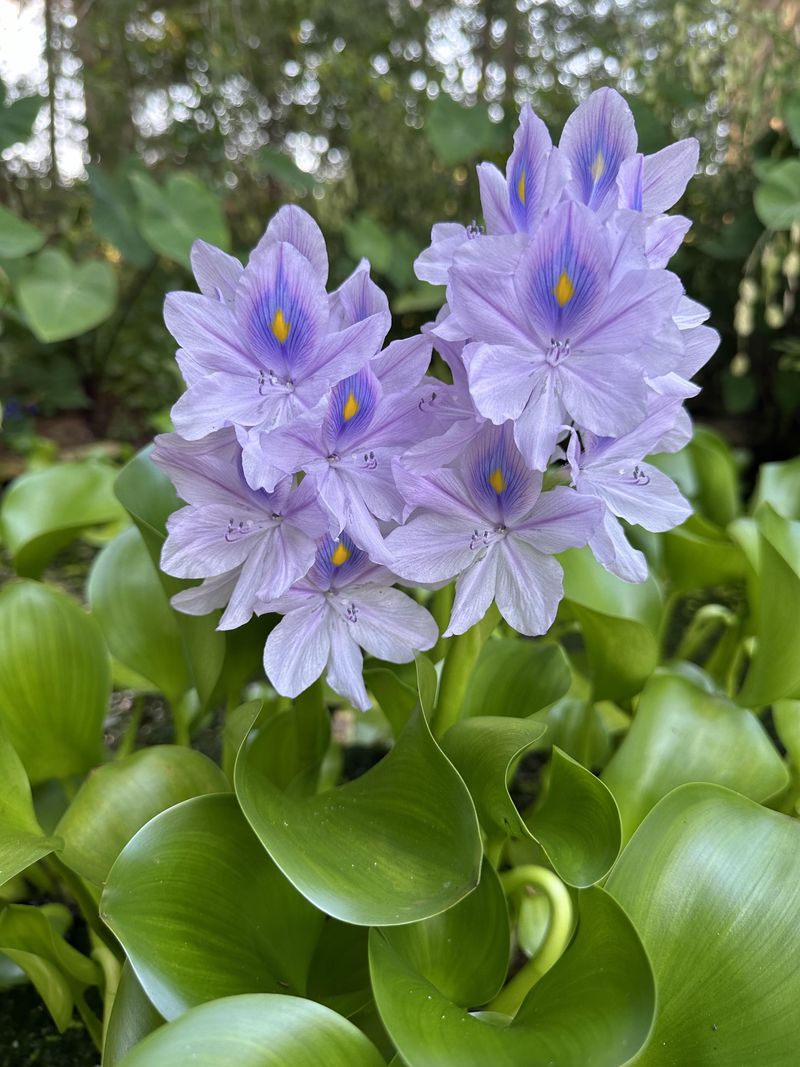
Floating lavender flowers bobbing on puffy green bulbs make water hyacinth look like nature’s cutest pool toy. Pond owners fall for it fast, and garden shops in some areas still sell it by the bunch.
The catch is speed, since a patch can double in size in about two weeks under warm conditions. That turns a sweet pond accent into a thick green mat before you know it.
Those mats block sunlight, lower oxygen in the water, and leave fish and turtles struggling for air. In Florida and Louisiana, thick rafts have jammed boat motors and clogged whole bayous.
Water hyacinth was once on the federal noxious weed list, and states like Texas and Florida still ban or restrict it today. Rules shift from place to place, so check before you buy for your pond.
September is pond cleanup season, and it’s the perfect moment to scoop out any extra plants. Let them dry out in a bag, then toss them in the trash, not a creek or ditch.
Native American white water lily or spatterdock gives you floating blooms and fish shade without the chaos. Your pond stays pretty, and your fish can breathe easy through every season.
12. Kudzu
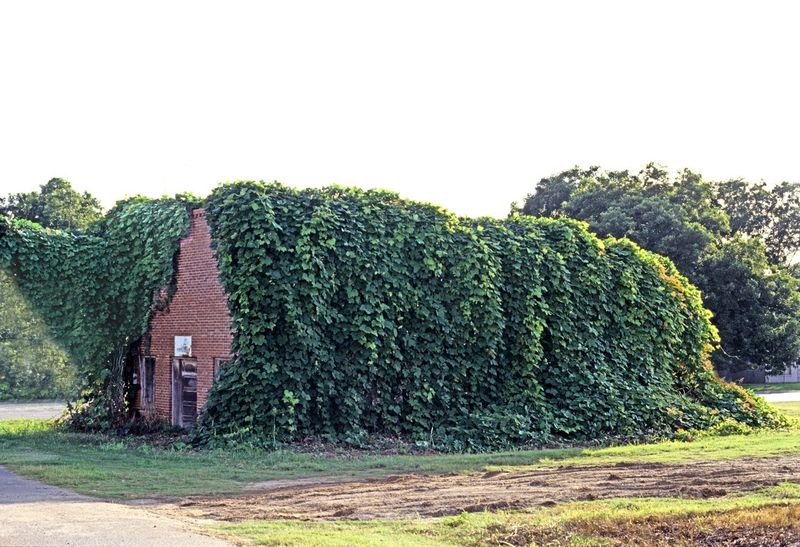
Back in the 1930s, the U.S. government paid Southern farmers to plant kudzu to stop soil erosion. Some farmers earned up to eight dollars an acre, which sounded like a fantastic deal at the time.
Fast forward a few decades, and the vine now blankets millions of acres across the Southeast. In hot summer weather, it can grow up to a foot a day, swallowing trees, barns, and even parked cars.
Kudzu was placed on the federal noxious weed list in 1998 but has since been removed from it; it’s still banned or restricted in 13 states today. Luckily, you won’t find it at your local garden center anymore, but it still sneaks onto properties.
Its late-summer purple flowers smell like grape soda, and some Southern cooks turn them into jelly. Goats love munching it too, and some towns rent goat herds to clear tangled hillsides.
If kudzu creeps onto your land, early fall is a good time to cut vines back hard. The big root crown must be removed, or the vine will bounce back next spring like nothing happened.
Keep at it for a few seasons, and call your county extension office for help with big patches. Beating kudzu takes grit, but hey, at least the goats will be thrilled.