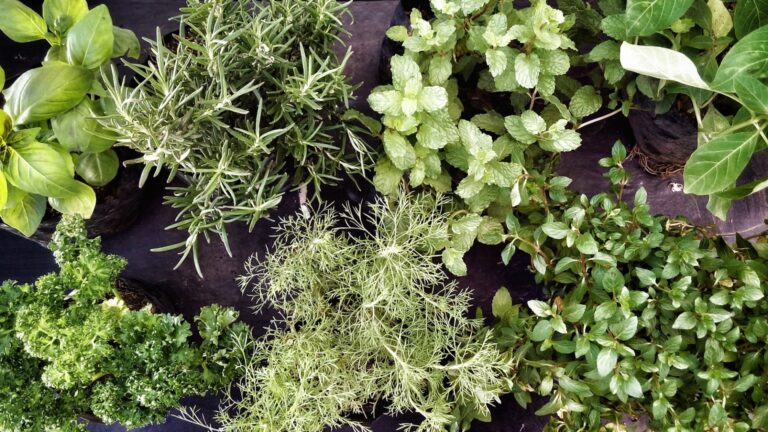
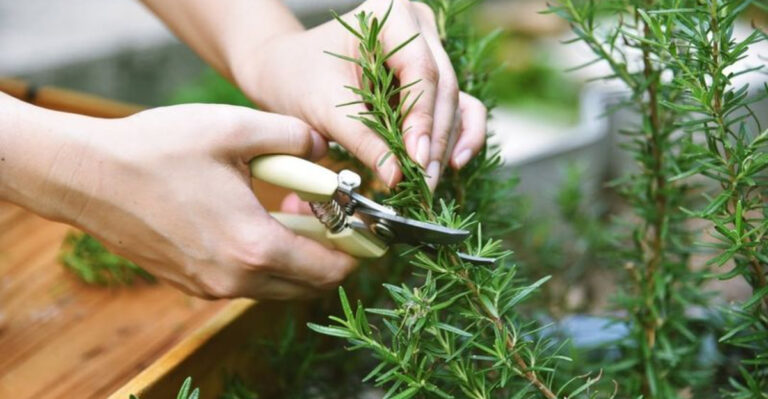
11 Garden Herbs To Bring Indoors Before Nighttime Temperatures Drop Too Low
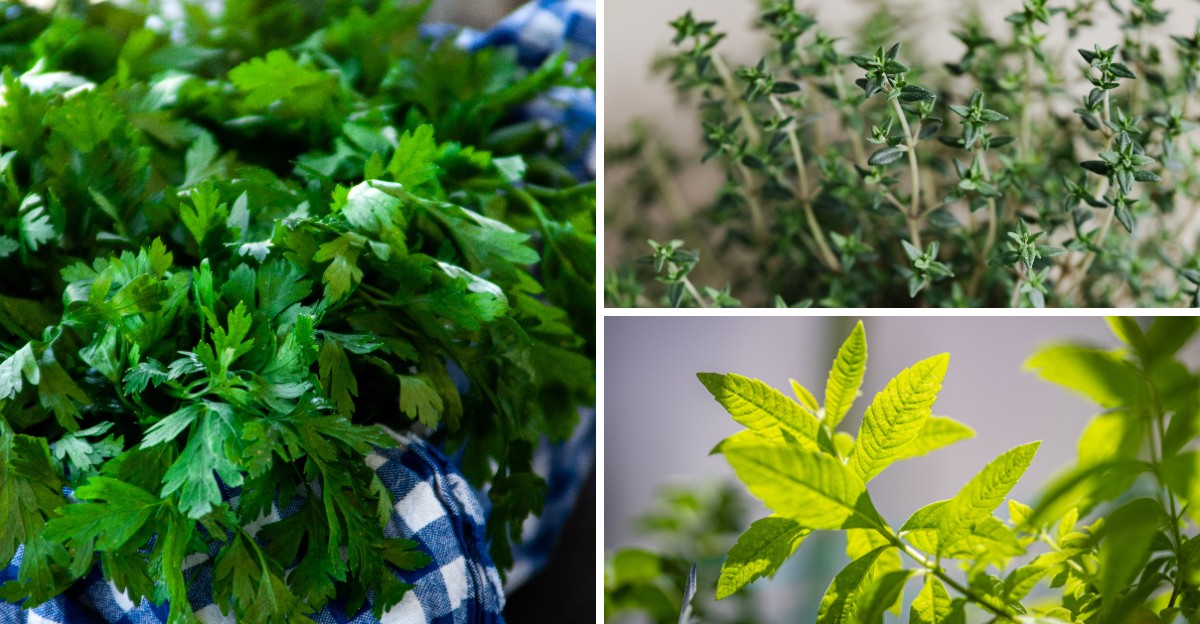
Your basil blackens on chilly nights, long before frost ever shows up. Chilling injury strikes this tender herb while you still wear sandals. Rosemary handles cold better, but soggy indoor soil will rot its roots if you overwater.
Mint sprawls aggressively, so you want a wide container of its own. Parsley hides a long taproot, which means you need a deep pot.
Aphids hitch rides indoors unless you rinse leaves before moving them. Sudden moves shock plants, so you acclimate them gradually over several days.
Southern windows give you the strongest, steadiest winter light. Cuttings root in plain water, letting you multiply favorites for free. You can harvest fresh mint and chives straight through January.
Wait too long, and you lose the flavor you spent summer growing. Here is exactly how you move them inside before the weather decides for you.
1. Basil, The Chill-Shy Summer Star
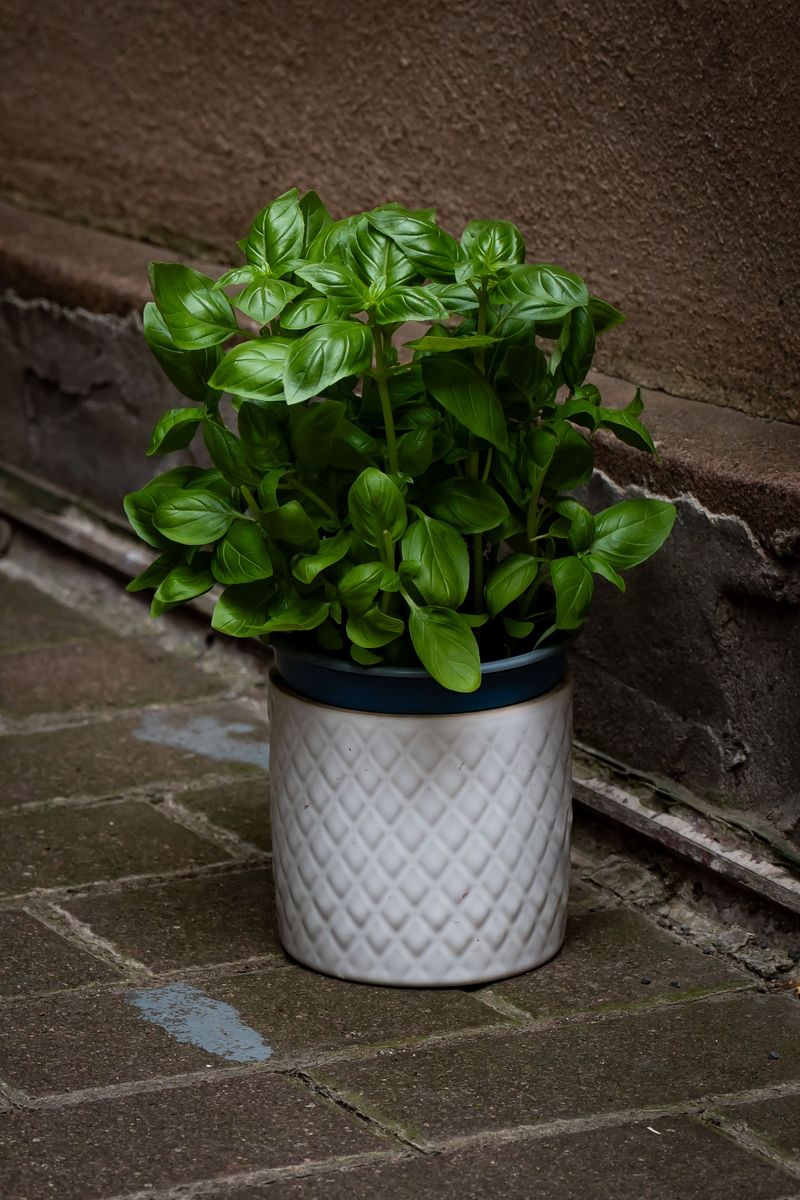
Basil is one of the first herbs to struggle once nights dip below 50 degrees Fahrenheit. Its leaves turn dark and spotty, like a banana left too long on the counter.
In September, that chilly line can sneak up much faster than you expect. Check your weather app each evening, and move your basil inside when lows start hovering near 50.
Potted plants are easy to carry in, but garden basil needs a little extra work. Dig up a young, healthy plant, or snip four-inch stem cuttings and root them in water.
Cuttings usually grow roots in one to two weeks on a bright kitchen counter. After that, tuck them into small pots filled with fresh, fluffy potting mix.
Indoors, basil wants at least six hours of sunshine, so a south-facing window works best. Keep it away from cold, drafty glass, because chilly leaves pressed against a window can blacken overnight.
Pinch off flower buds as soon as they appear to keep the leaves sweet. With a little care, you can enjoy homemade pesto while snow piles up outside.
2. Rosemary, The Piney Mediterranean Traveler
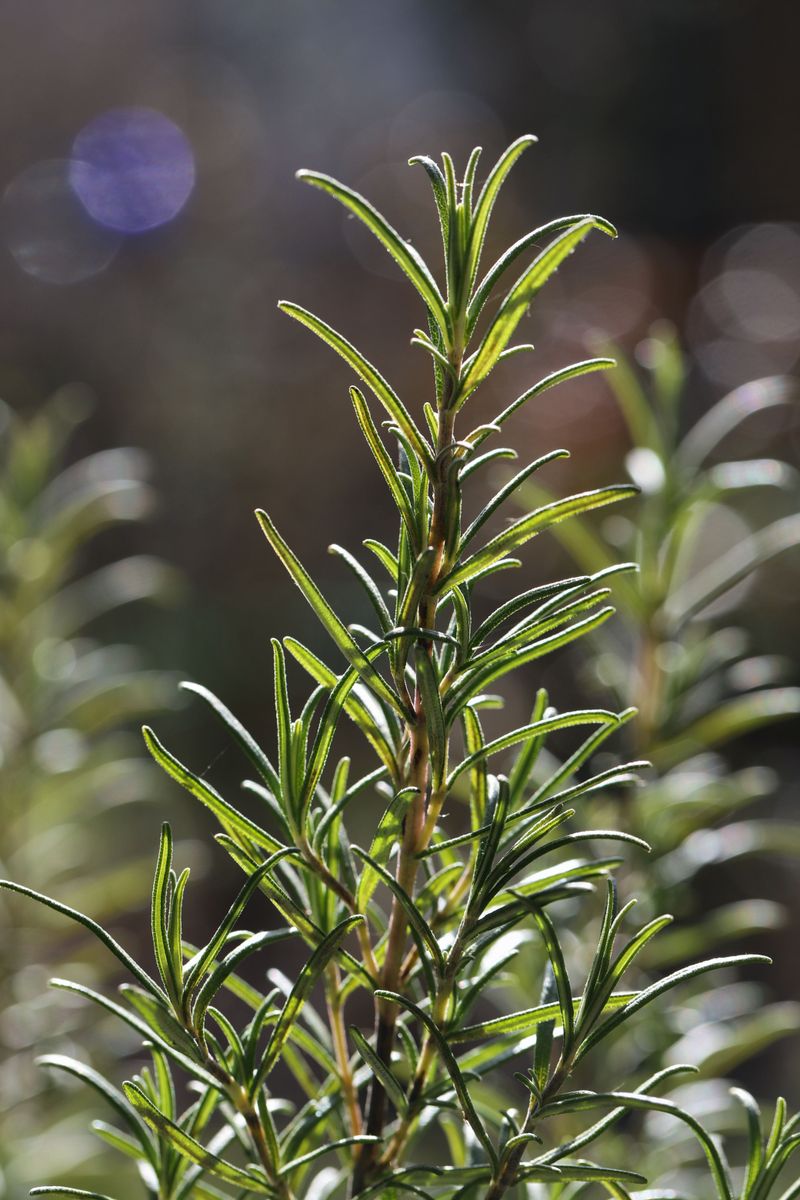
Legend says ancient Greek students wore rosemary wreaths while studying to boost their memory. Your garden plant may not help with math tests, but it still deserves protection all the same.
Most rosemary types can handle light frost, but temperatures below 20 degrees often harm them. In colder regions, bring it indoors a week or two before the first hard freeze.
Here is the tricky part: rosemary is famous for being a little fussy indoors. Dry heat from furnaces pulls moisture from its needles, while soggy soil rots its roots.
Aim for balance by watering only when the top inch of soil feels dry. A clay pot helps a lot, since it lets extra water escape through its sides.
Give rosemary your sunniest spot, ideally with six to eight hours of light each day. A small grow light can easily fill the gap during short, gray winter afternoons.
Cool rooms around 60 degrees actually suit it better than warm, toasty living rooms. Snip a few sprigs for roasted potatoes, and your whole kitchen will smell like a pine forest.
3. Lemongrass, The Tall Tropical Showoff
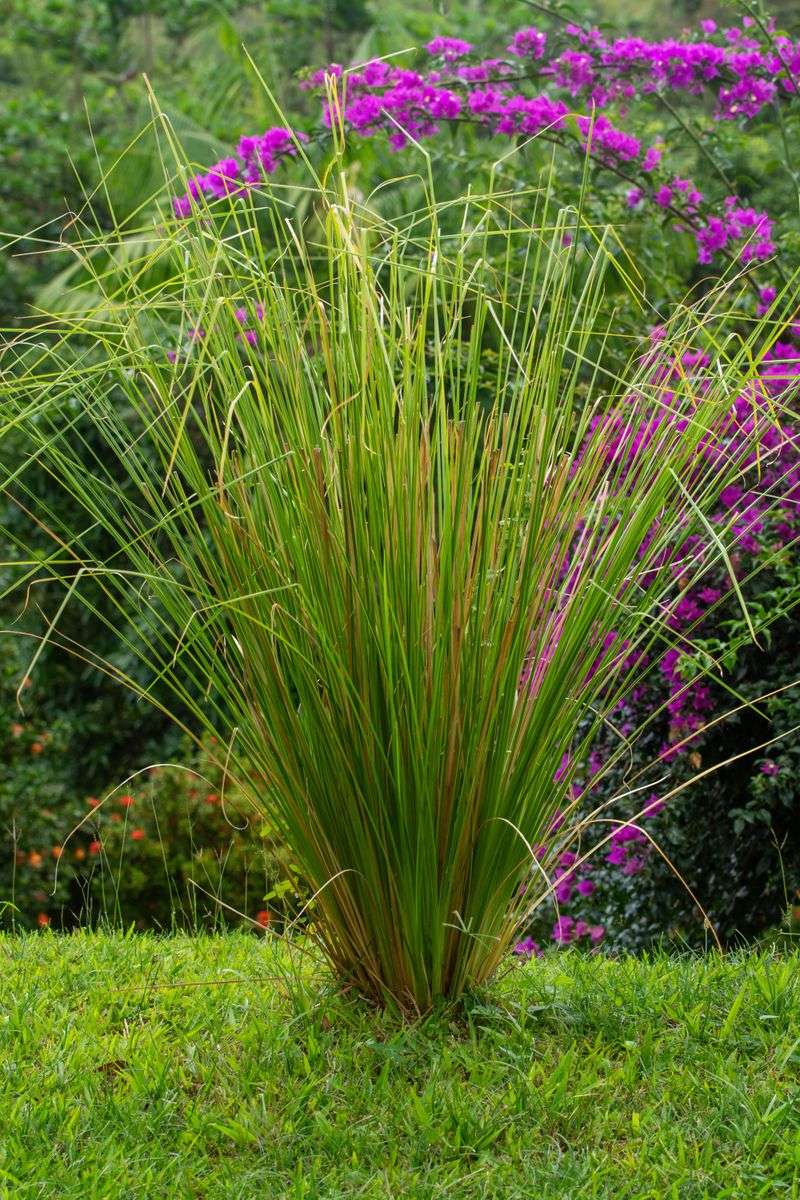
Picture a houseplant that looks like a fountain of green ribbons and smells like lemon candy. Lemongrass comes from tropical Asia, so chilly autumn nights feel like an ice bath to it.
Once nights fall below 40 degrees, its blades begin to brown and the plant slows down. Plan to move it before that happens, ideally in early to mid-September for northern gardeners.
A full garden clump can be huge, so there is no need to haul the whole thing. Dig up a small section with a few stalks, then trim the leaves down to about eight inches.
Trimming sounds harsh, but it helps the roots settle in without supporting tons of leafy growth. Plant the section in a deep pot with drainage holes and rich, moist potting soil.
Fun trick: grocery store lemongrass stalks can grow roots in a glass of water. Change the water every few days, and you may see tiny white roots within three weeks.
Indoors, keep the pot in bright light and let the soil stay slightly damp. Come spring, your lemongrass will be ready to flavor soups, curries, and iced tea again.
4. Lemon Verbena, The Fragrant Drama Queen
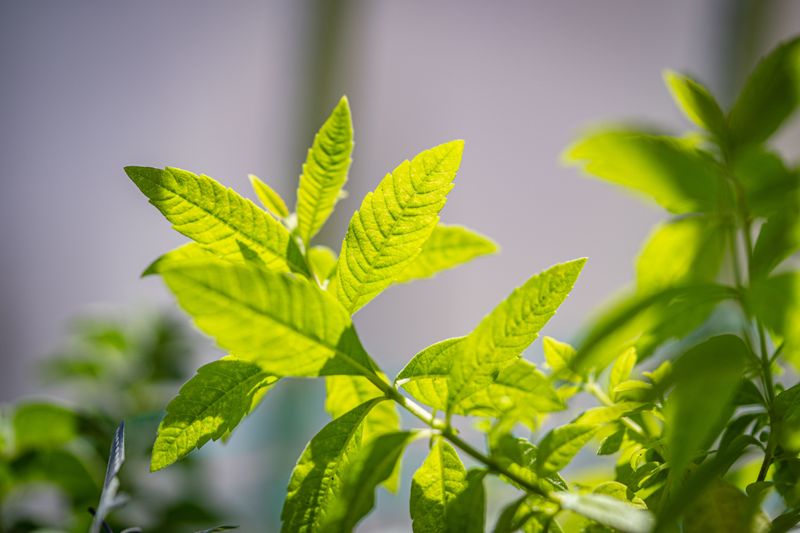
Few garden plants throw a tantrum quite like lemon verbena when the September weather cools. Drop the temperature below 40 degrees, and it may shed every leaf in protest.
Don’t panic if that happens during the first week after you bring it indoors. Bare branches are normal, and the plant is usually just resting until longer days return.
Scratch a stem gently with your fingernail to check on its health. Green tissue underneath means your plant is alive and well, simply taking a long winter nap.
Before moving it, prune the branches back by about one third to make it easier to handle. Pot it in well-draining soil, and choose a container only slightly larger than the root ball.
During its rest, water lightly, maybe once every two or three weeks at most. A cool garage or basement that stays above freezing works fine if your windowsills are full.
Why go through all this effort for one leafy, moody plant? Its leaves carry one of the brightest lemon scents among herbs, perfect for teas, cookies, and fruit salads.
5. Bay Laurel, The Slow-Growing Kitchen Treasure
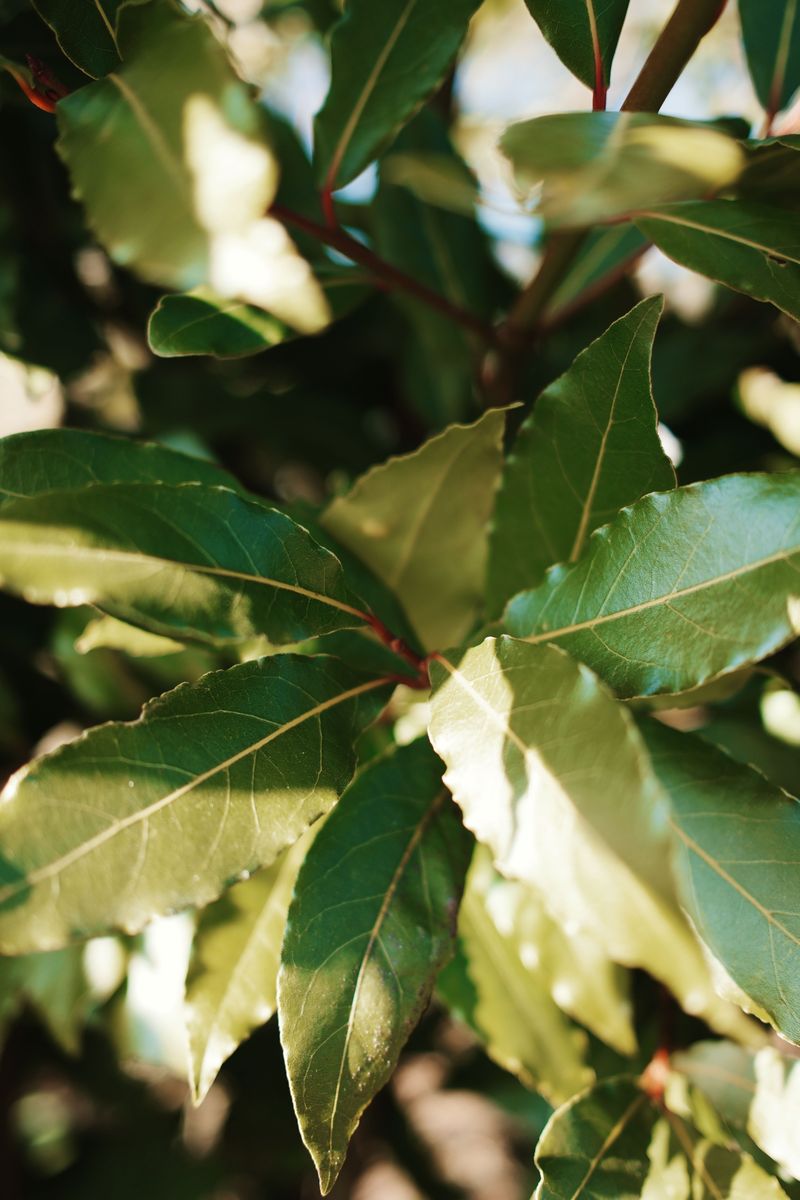
Grandma’s spaghetti sauce probably got its secret depth from a single dried bay leaf. Growing your own tree means fresher, stronger leaves than anything sold in a tiny spice jar.
Bay laurel grows slowly, sometimes adding only a few inches each year. That makes each plant precious, so protecting it from harsh winter cold is well worth the trouble.
In most areas colder than USDA zone 8, bay needs to come inside before temperatures reach the low 20s. Many gardeners move it in late September or early October to be safe.
Keep an eye out for tiny hitchhikers before you carry the pot indoors. Scale insects love bay leaves, so wipe both sides of each leaf with soapy water first.
Bright, indirect light and a cool room keep this tree content through the winter months. Let the top two inches of soil dry out before you water it again.
Bay trees also make lovely indoor décor with their glossy, dark green, leathery leaves. Pick a fresh leaf whenever a pot of soup or stew needs a little something extra.
6. Pineapple Sage, The Hummingbird Favorite
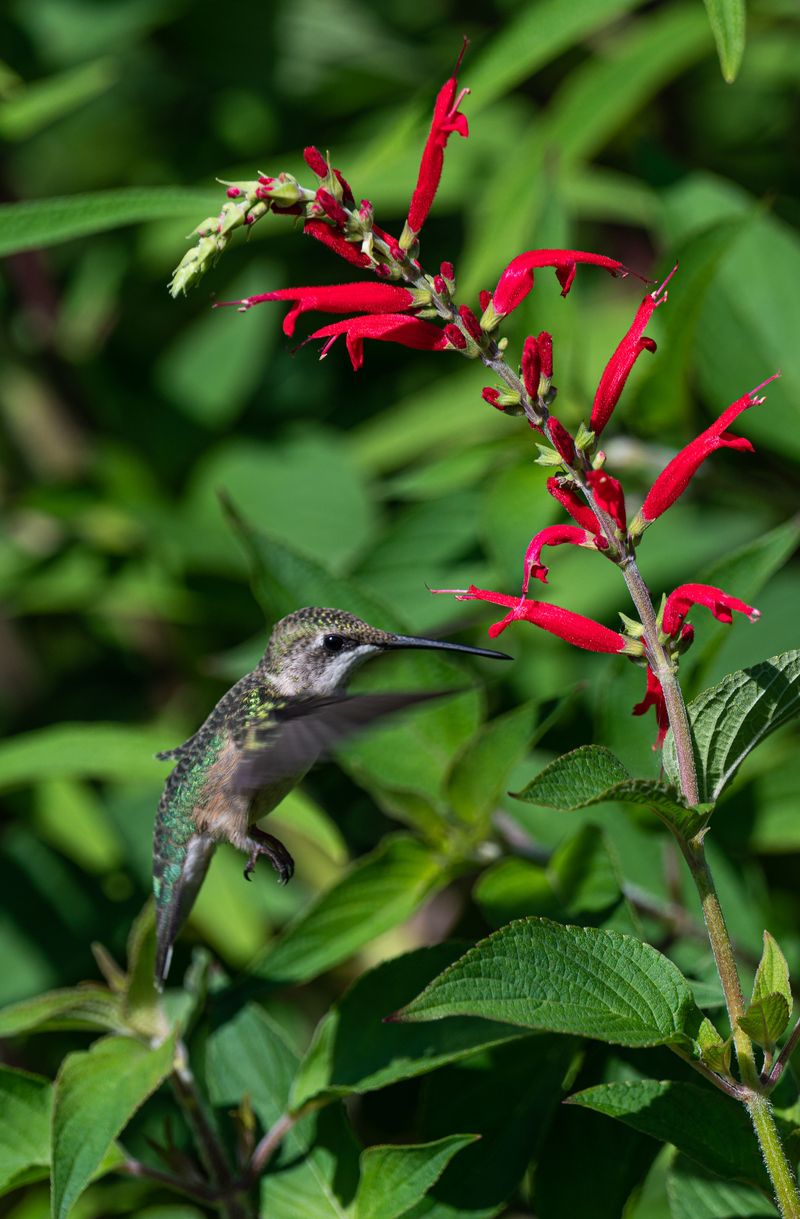
Rub a leaf of pineapple sage, and you might think someone opened a can of tropical fruit. Hummingbirds adore its bright red flowers, which often bloom right as fall arrives.
Sadly, those late blooms put it in a race against the first frost. Temperatures near 32 degrees can turn its soft, fuzzy leaves limp and black by morning.
Full-grown plants can reach four feet tall, which makes digging them up a real chore. Taking cuttings is much easier, and it gives you several brand-new plants for free.
Clip a few finger-length pieces from non-flowering stems, and strip off the lower leaves. Place them in water or damp potting mix, and roots should appear within two weeks.
Your rooted cuttings will need a sunny window and evenly moist soil to stay happy. Turn the pots every week so the stems grow straight instead of leaning toward the glass.
The leaves taste wonderful chopped into smoothies or muffin batter, or steeped in hot water. Next spring, plant your cuttings outside again, and the hungry hummingbirds will surely thank you.
7. Stevia, The Sugary Little Secret
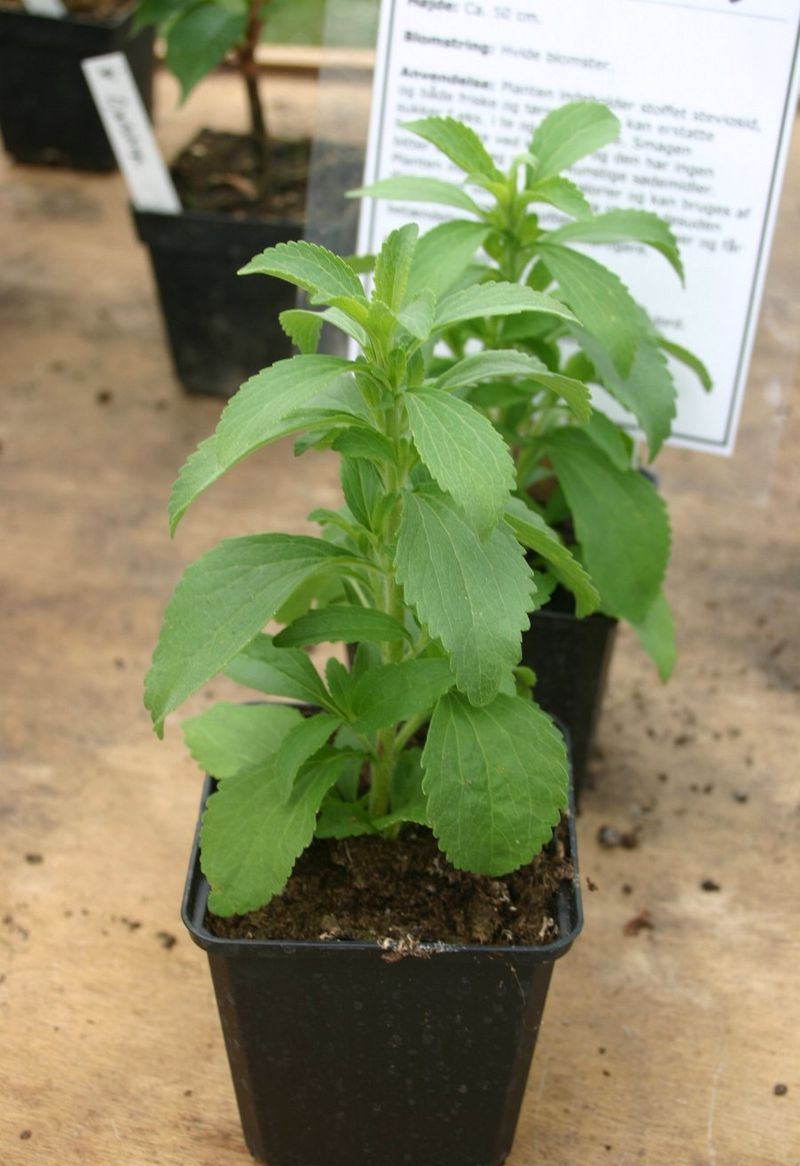
Who knew a single garden leaf could taste sweeter than a sugar cube? Stevia leaves can be up to 30 times sweeter than table sugar, yet they contain virtually no calories.
Native to Paraguay, stevia loves heat and struggles once nights drop into the 40s. Frost will quickly ruin its tender leaves, so bring it indoors by mid to late September.
Stevia is a perennial in warm places, but many northern gardeners treat it as a yearly plant. Keeping it alive indoors saves you money and gives you a head start next spring.
Cut the plant back by half before potting it up in a light, sandy mix. Stevia dislikes wet feet, so a pot with good drainage holes is a must.
Place it in your brightest window, and water when the soil surface feels dry to the touch. Growth slows during winter, which is perfectly normal for this sun-loving plant.
Tear a fresh leaf into hot tea or lemonade for a naturally sweet treat. Kids get a kick out of chewing a leaf, and their surprised faces are priceless.
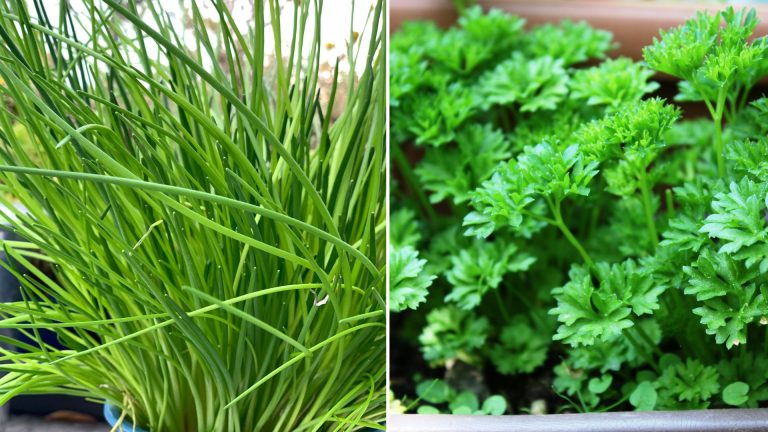
8. Parsley, The Leafy Winter Workhorse
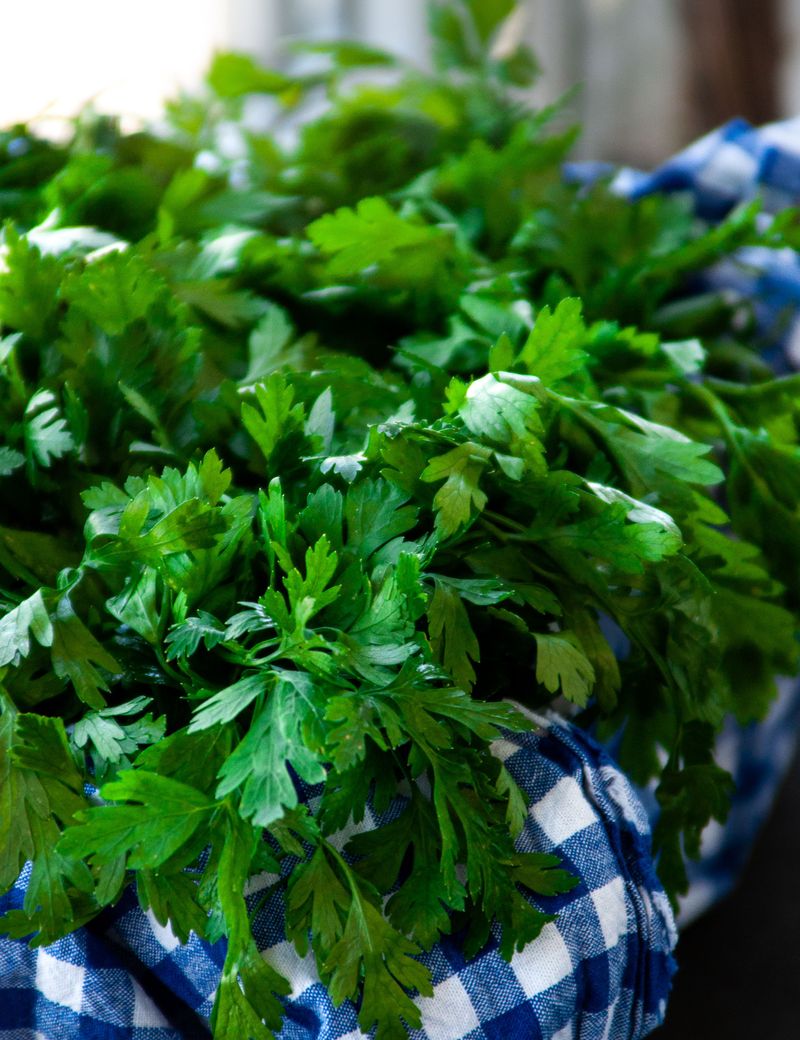
Sturdy and dependable, parsley can shrug off light frosts better than most tender herbs. Still, repeated hard freezes can eventually turn its lush leaves stiff and brown.
A windowsill pot gives you fresh garnish for soups, eggs, and mashed potatoes all winter. It also packs vitamins C and K, making it far more than a pretty decoration.
One catch is worth knowing: parsley grows a long taproot that dislikes being disturbed. Dig deep and wide around the plant to keep that carrot-like root in one piece.
Choose a deep container, at least eight inches, so the root has room to stretch. Younger plants from this spring transplant far better than older, second-year ones that want to flower.
Parsley is fine with less sunshine than many herbs, so an east-facing window works well. Keep the soil evenly moist, and snip outer stems first so new growth keeps coming from the center.
Curly and flat-leaf types both handle indoor life nicely, so grow whichever one you like. Flat-leaf parsley usually offers bolder flavor, while the curly kind makes any plate look fancier.
9. Chives, The Oniony Windowsill Sprinter
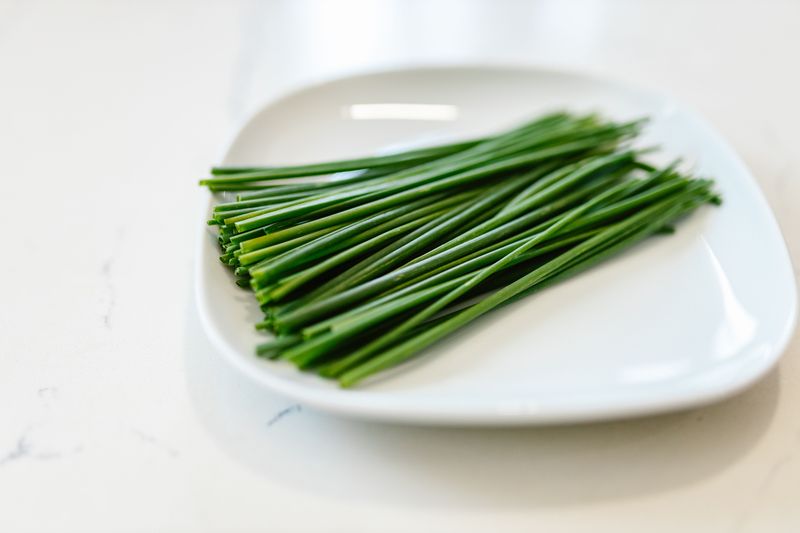
Snip a handful of chives today, and fresh shoots will pop up again within a couple of weeks. Few herbs bounce back so fast, which makes them a perfect windowsill buddy.
Chives are very cold hardy, so why bring them in at all? Outdoors, their leaves wilt back after a hard frost, which means no fresh snipping until spring.
Many gardeners swear by a clever trick for the best indoor harvest. Dig up a clump in September, pot it, and leave it outside for a few frosty weeks.
That short chill tricks the plant into thinking winter has come and gone. Bring the pot inside before the soil freezes solid, and it will wake up ready to grow.
Divide large clumps into smaller sections so each pot has plenty of room to breathe. A sunny window with four to six hours of light keeps the grassy leaves green and plump.
Use clean scissors to cut leaves about an inch above the soil line. Sprinkle the pieces over tacos, cream cheese bagels, or sour cream dips for a mild onion kick.
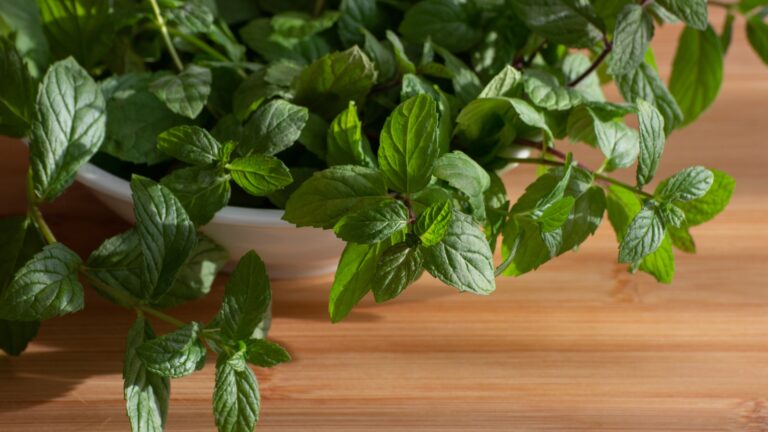
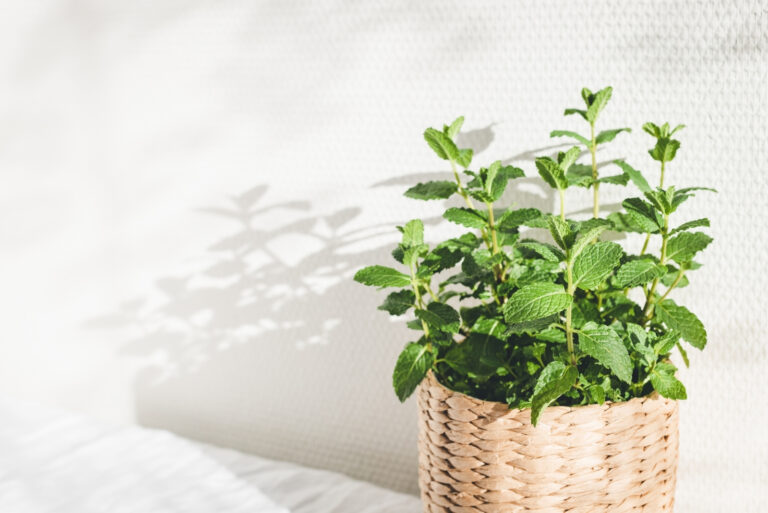
10. Mint, The Cheerful Garden Escape Artist
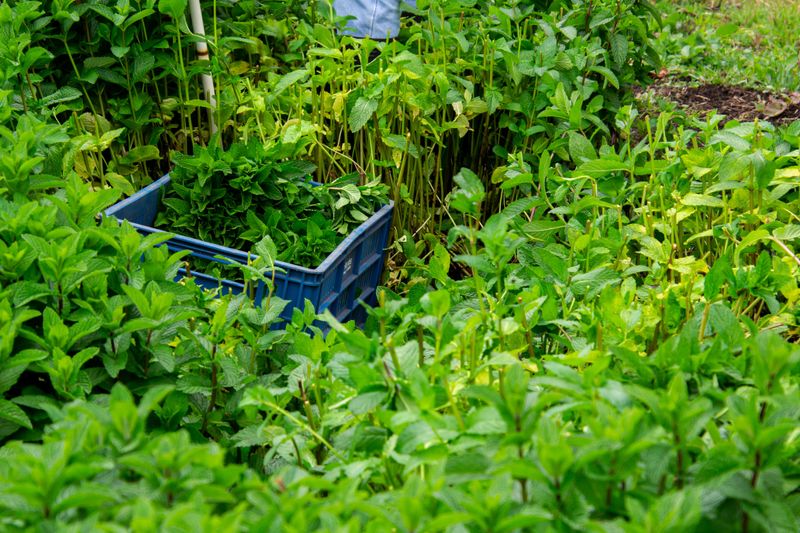
Anyone who has planted mint knows it spreads like gossip in a middle school hallway. That wild energy makes it one of the easiest herbs to move indoors.
Mint can survive freezing winters outside, but its leaves turn brown and flavorless after hard frost. Bringing a piece inside means fresh mint tea and mojito-style lemonade through the cold months.
You don’t need the whole patch, just a small chunk with roots attached. Slice out a fist-sized piece with a sharp shovel, then lift it gently into a pot.
Even a single stem from the garden will root in a glass of water within a week or two. Mint is so eager to grow that it barely needs your help.
Give it its own container, because mint will muscle out any neighbor sharing its pot. Moist soil and bright light keep it happy, though it tolerates a little shade better than basil.
Peppermint, spearmint, and chocolate mint all settle into indoor life without much fuss at all. Yes, chocolate mint is real, and its leaves smell just like a peppermint patty candy.
11. Thyme, The Tiny-Leaved Tough Guy
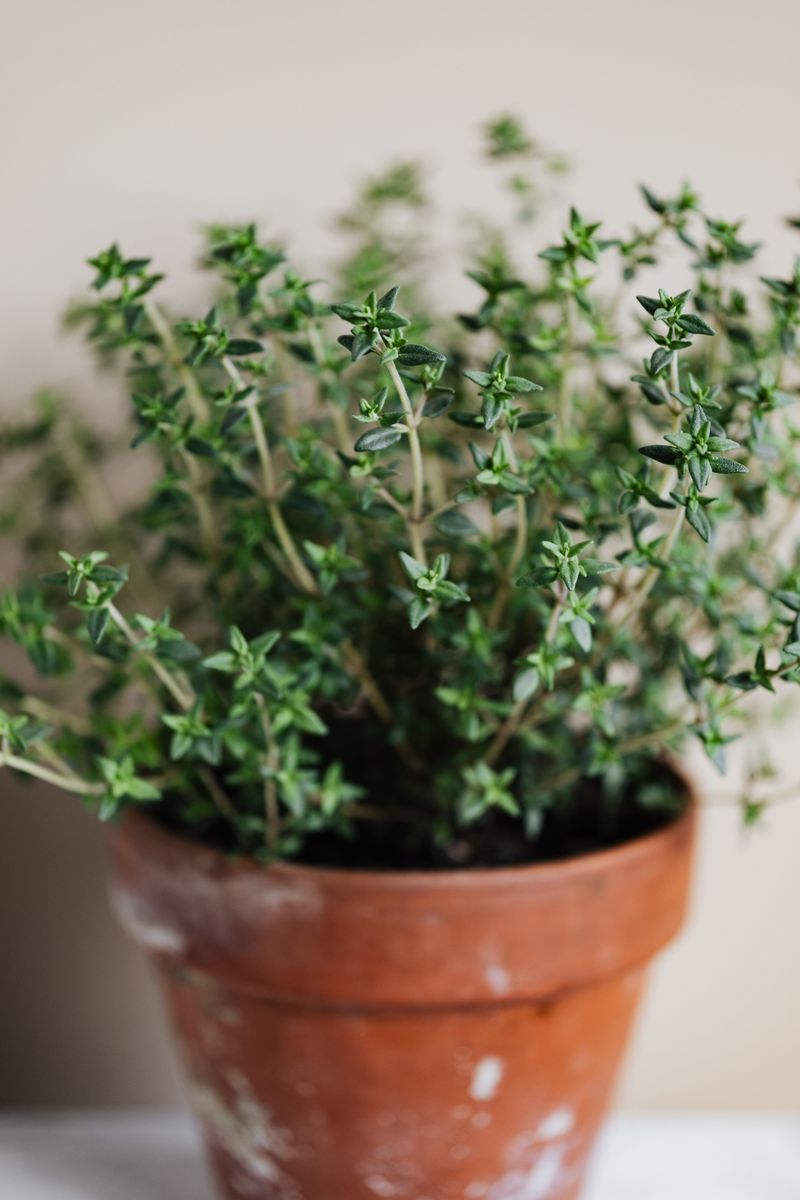
Don’t let those tiny leaves fool you, because thyme is one tough little plant. According to folklore, Roman soldiers bathed in thyme water to boost their courage.
Most garden thyme can handle winter outdoors in many regions, especially with a layer of mulch. Still, bringing some inside keeps its earthy, savory leaves within reach for cozy winter cooking.
Snowy yards and frozen ground make harvesting a real pain, though. A potted plant on the counter saves you from digging through drifts for a pinch of flavor.
Thyme grows in low mounds or mats, so dig up a small outer section with plenty of roots. Plant it in gritty, fast-draining soil, since soggy roots are its biggest weakness.
Place the pot near a sunny south or west window, and let the soil dry between waterings. A shallow container works fine because thyme roots stay fairly close to the surface.
Trim stems often to keep the plant bushy instead of woody and sparse. Toss a few sprigs onto roasted chicken or buttery mushrooms for a flavor boost that tastes like summer.