September Is Finally The Time Florida Homeowners Can Deal With Bats In The Attic
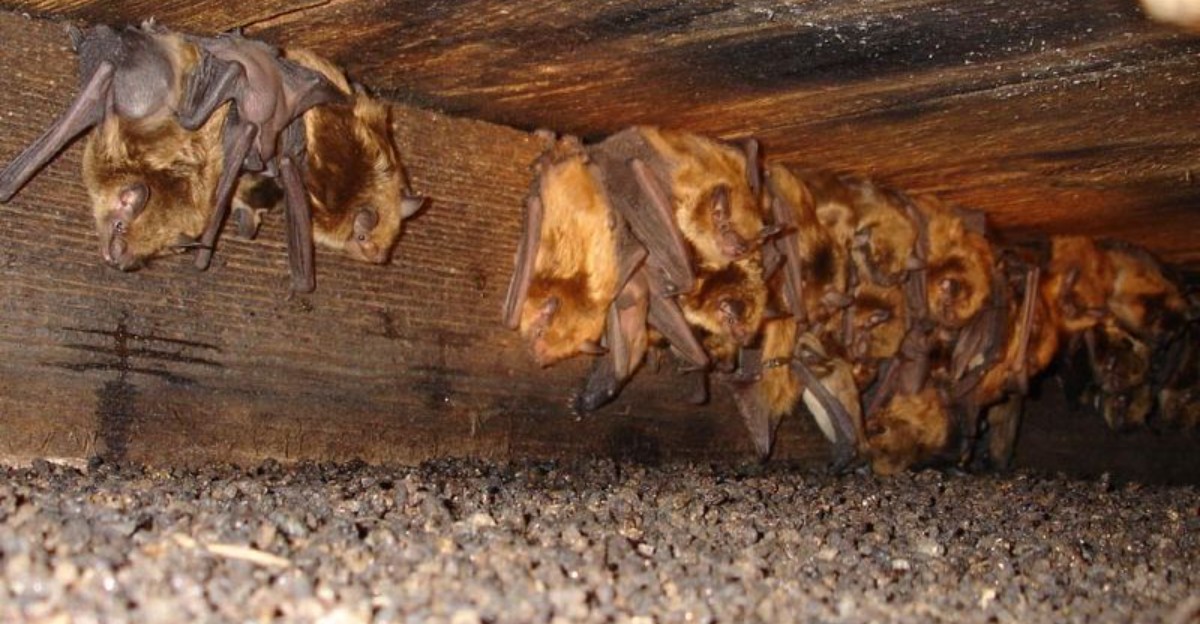
September gives Florida homeowners one of the best chances to deal with bats in the attic, and waiting too long can push the job into cooler weather when it gets harder.
Bats stay protected for most of the year while they’re raising young, and most homeowners never realize their hands are legally tied until they’ve already tried to act.
That restriction lifted in mid-August, and early fall is one of the best stretches to address the problem without the risk of trapping baby bats inside.
Timing your move within this window matters as much as the action itself. Wait too long and you’re back to square one for another season, stuck listening to the same scratching in your ceiling.
Look into your options now while this window is actually open. Florida homeowners who wait past this stretch end up waiting a lot longer than they expected.
1. Wait For The Right Bat Exclusion Window
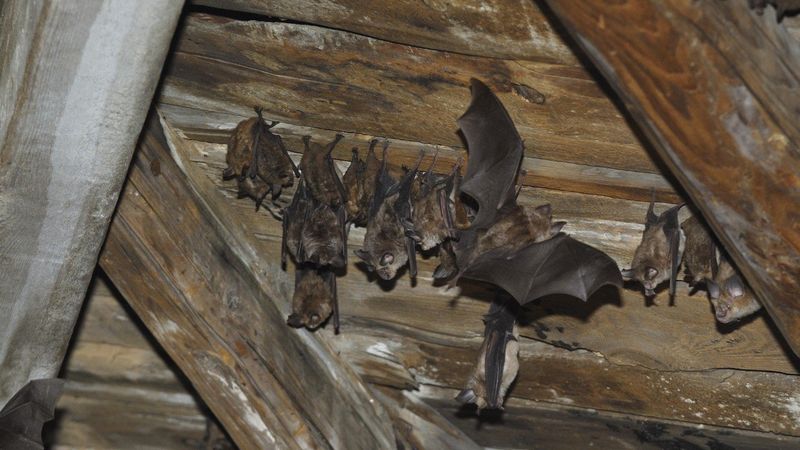
Mark your calendar, because timing is everything with attic bats in Florida. The state allows bat exclusion only from August 15 through April 15 each year.
From April 16 to August 14, removal is against the law because that stretch is maternity season. Mother bats are raising pups, and those babies cannot fly yet.
September lands right in the sweet spot of the legal window. By now, most young bats have grown strong wings and can leave the roost on their own.
Think of it like waiting for kids to finish the school year before moving houses. Everyone is ready to travel, so the move goes smoothly and nobody gets left behind.
Early fall also brings practical perks for homeowners. Summer storms start to ease, and working near the roof feels a lot less like standing inside an oven.
Waiting too long has its own risks, though. Winter cold snaps can make bats less active, and the exclusion rules require overnight temperatures of at least 50 degrees.
Planning ahead is the smartest move you can make right now. Call a licensed wildlife pro or gather your supplies early, since September and October are busy months for bat work.
A little patience this summer pays off with a quieter attic this fall. Your ceiling, and your nose, will thank you.
2. Check Attic Entry Points Before Sealing Anything
Grab a pencil from your junk drawer and look at how thin it is. A bat can squeeze through a gap about that wide, roughly 3/8 of an inch.
Before you close up anything, you need a full map of where bats are getting in. Sealing the wrong spot first can push them toward a new opening, or even into your living room.
Start with a slow walk around the outside of your home. Common trouble spots include roof-to-wall joints, fascia boards, loose shingles, and gaps around chimneys or shutters.
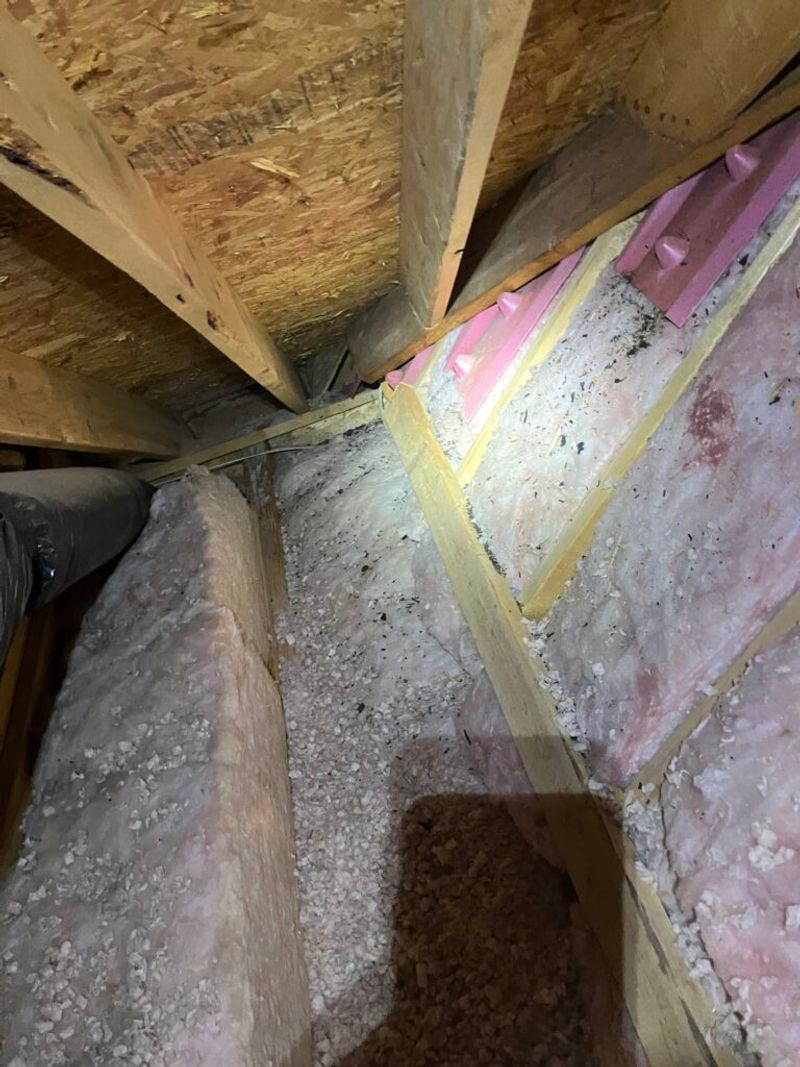
Look for dark, greasy smudges near cracks and holes. Those stains come from oils in bat fur rubbing against the surface over and over.
Droppings are another big clue worth checking. Bat guano piles up under entry points and crumbles easily when pressed with a stick, unlike harder mouse droppings.
Your Florida Garden Changes Every Week. Your Plan Should Too.
Gardening in Florida changes quickly throughout the season. Every Friday you’ll receive a simple weekly plan showing exactly what to plant, prune, fertilize, harvest, and protect so you never miss the right timing.
Here is a fun detail you can use to tell them apart. Bat droppings often sparkle a little because they hold bits of insect wings and shells.
Write down every suspicious spot you find, and snap a phone photo too. A simple list makes the later steps much easier and helps any pro you hire.
Wear gloves and a mask if you get close to guano. Dust from droppings can carry germs that you do not want to breathe.
3. Watch For Bats Leaving At Dusk

Pour a glass of lemonade, pull up a lawn chair, and get ready for a free nature show. Around sunset, bats slip out of their roosts to hunt for bugs.
Watching this evening exit is one of the best ways to find their real doorways. You may spot a single flutter or a steady stream of tiny shapes pouring out of one gap.
Pick a spot where you can see the roofline against the fading sky. Start about 20 minutes before sunset and stay until it gets too dark to see.
Bring a friend if your house has more than one side worth watching. Each person can cover a different wall, so no exit goes unnoticed.
Listen as well as look during your stakeout. Scratching, squeaking, or soft fluttering from the attic around dusk usually means the colony is waking up.
Count the bats if you can, even if it is just a rough guess. Knowing the colony size helps you judge later whether everyone has moved out.
Many Florida bats eat hundreds of insects in a single night, including mosquitoes. That makes them handy neighbors, just not great roommates.
Repeat your watch on two or three evenings for the clearest picture. Bats sometimes switch exits, and a second look can reveal a hole you missed.
4. Never Seal An Opening While Bats Are Inside
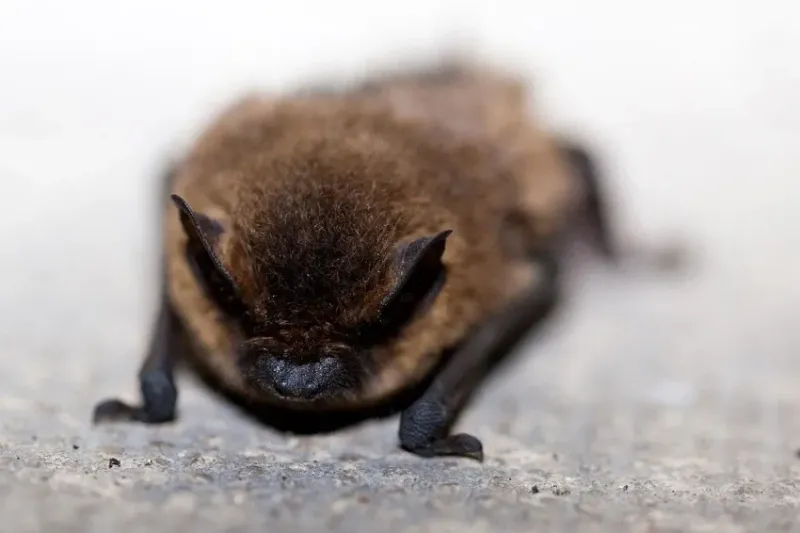
Picture closing the front door on a party guest who just stepped into the bathroom. That is basically what happens when someone patches a hole while bats are still roosting inside.
In Florida, sealing bats inside a structure is illegal. The trapped animals cannot survive for long, and the results get ugly fast.
First comes the smell, which can linger in walls and ceilings for weeks. After that, flies and beetles often show up to feast, creating a brand new pest problem.
Trapped bats also get desperate and start searching for another way out. Sometimes that path leads through a light fixture, an air vent, or a gap near the attic door.
Suddenly, a frightened bat is swooping through your kitchen at midnight. Nobody wants that surprise, least of all the bat.
Close contact also raises health worries for your household. Any bat that touches a person should be reported, since some bats can carry rabies.
The fix is simple, even if it takes patience. Leave every active opening alone until the colony has exited through proper one-way devices.
Feel the urge to grab the caulk gun early? Put it back on the shelf for now, because this is one job where rushing truly costs you.
A good rule of thumb is to confirm first and seal second. Your future self, and your neighbors, will appreciate the calm, odor-free result.
5. Keep Mothers And Young Bats Together
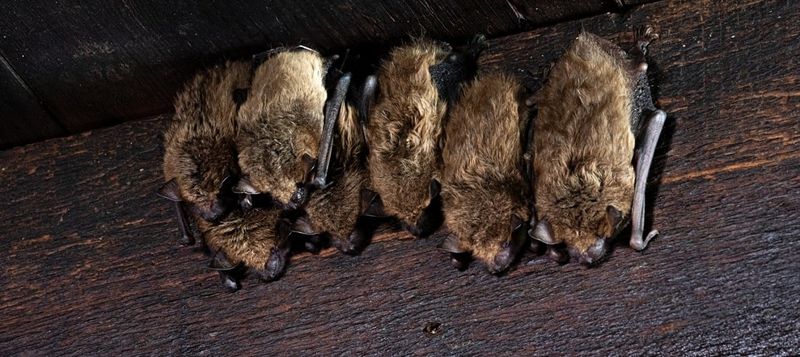
Every spring, Florida attics quietly turn into nurseries. Most bats in the state give birth to just one or two pups a year, usually in April or May.
Those babies are helpless at first, clinging to the roost while mom heads out to hunt. They depend on her milk and cannot fly for several weeks.
That is why state law blocks exclusion from April 16 to August 14 without a permit. If a colony gets locked out during that stretch, the pups stay behind with no way to eat.
It may help to think about it from the mother’s side. She returns at dawn with a full belly, only to find her doorway shut and her baby calling from inside.
By September, the family story has a happier chapter. The youngsters have learned to fly and hunt, so the whole group can leave together.
Bats grow up surprisingly fast for such small animals. Some pups can fly within about a month of being born.
Respecting this schedule protects more than just a few bats. Florida has several species, and some, like the Florida bonneted bat, are rare and need every pup they can get.
Your patience keeps families intact and your project legal. That is a win for the bats, the insects they eat, and your peace of mind.
6. Use One-Way Exits For A Safe Departure
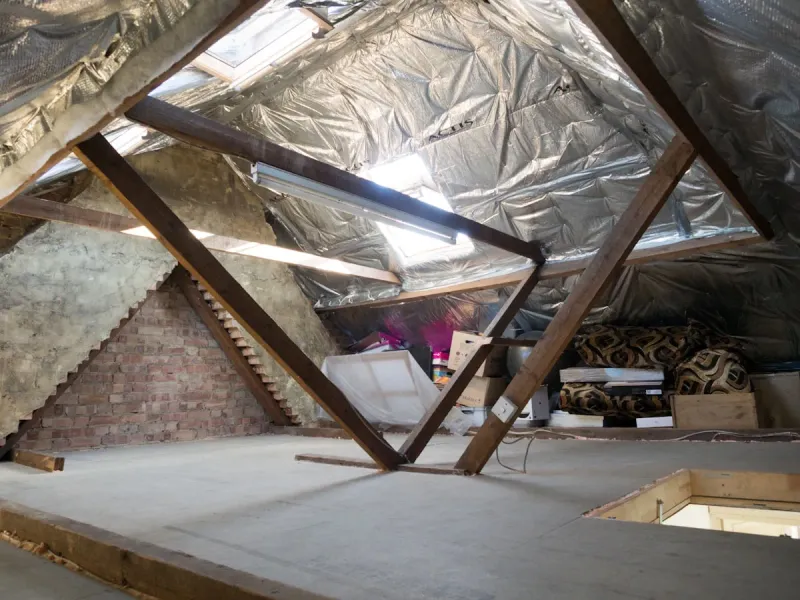
Imagine a door that only swings one direction. That clever idea is the heart of legal bat removal in the state.
One-way exclusion devices let bats leave the attic but stop them from getting back in. They can be made from tubes, cones, or loose netting placed over active entry points.
Bats crawl out, drop down, and fly off to feed like normal. When they return, they bump into a barrier and cannot find the way back to their old roost.
Timing the setup matters a lot. The devices should stay in place for at least four nights, and many experts leave them up for a week or even two to three weeks.
Weather plays a role too. Florida rules call for overnight temperatures forecast to be at least 50 degrees, so bats stay active enough to leave.
Before installing devices, seal the minor gaps that bats are not using. That way, the one-way exits become the only open doors in the house.
Check the devices each evening to make sure they have not shifted or torn. A loose flap of netting can let a clever bat slip right back inside.
Plenty of homeowners hire a licensed wildlife company for this step. Pros know how to fit devices to tricky rooflines and can confirm when the colony is truly gone.
7. Inspect Roof Vents, Soffits And Gable Gaps
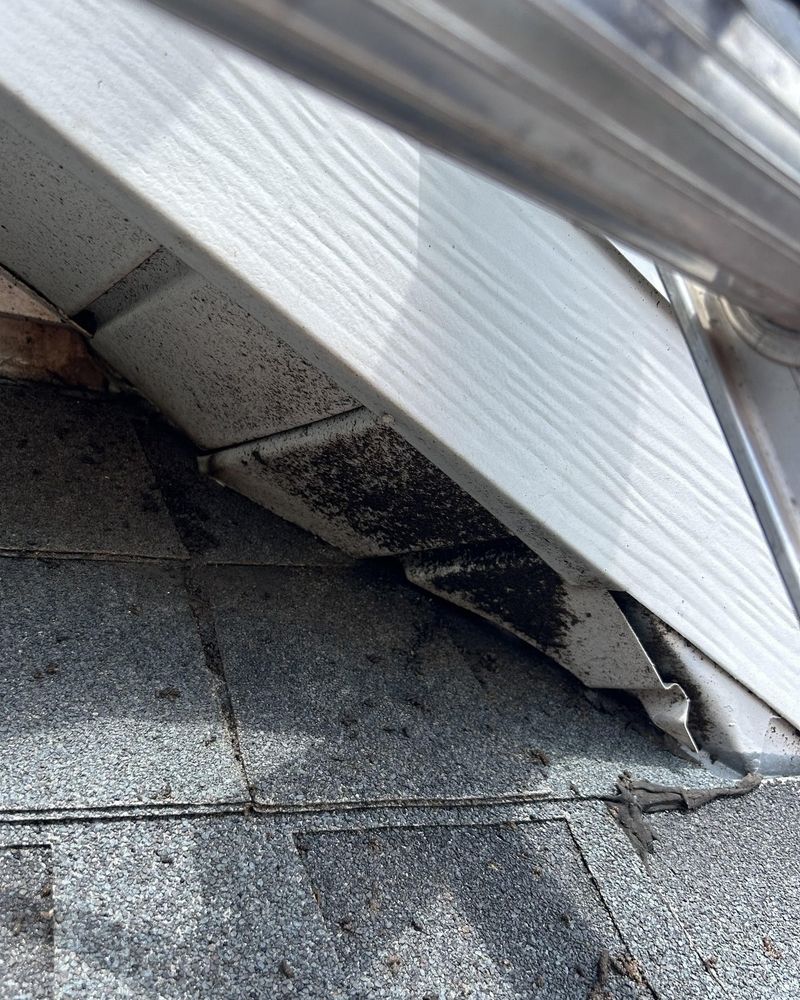
Roofs in Florida take a beating from sun, salt air, and summer storms. All that wear leaves tiny weak spots, and bats are experts at finding them.
Roof vents are a favorite entry for a reason. Ridge vents, attic vents, and exhaust fan covers can loosen or crack, opening a cozy tunnel straight into the attic.
Soffits deserve a close look as well. These panels under the roof edge can sag, warp, or pull away from the fascia, leaving a slim gap that is easy to miss from the ground.
Gable vents and gable ends are another common trouble zone. Screens rust, slats bend, and seams separate over time, especially after a windy hurricane season.
Binoculars are your best friend for this job. They let you study high spots safely without climbing a ladder right away.
If you do climb, bring a helper to hold the ladder steady. Avoid the roof on wet or very hot days, when shingles get slick or scorching.
Shine a flashlight inside the attic during the day as well. Daylight peeking through a crack from outside can reveal holes that look invisible from the yard.
Note every flaw, no matter how small it seems. A gap the size of a dime is plenty of room for a determined bat.
8. Skip Poison And Other Harmful Bat Controls
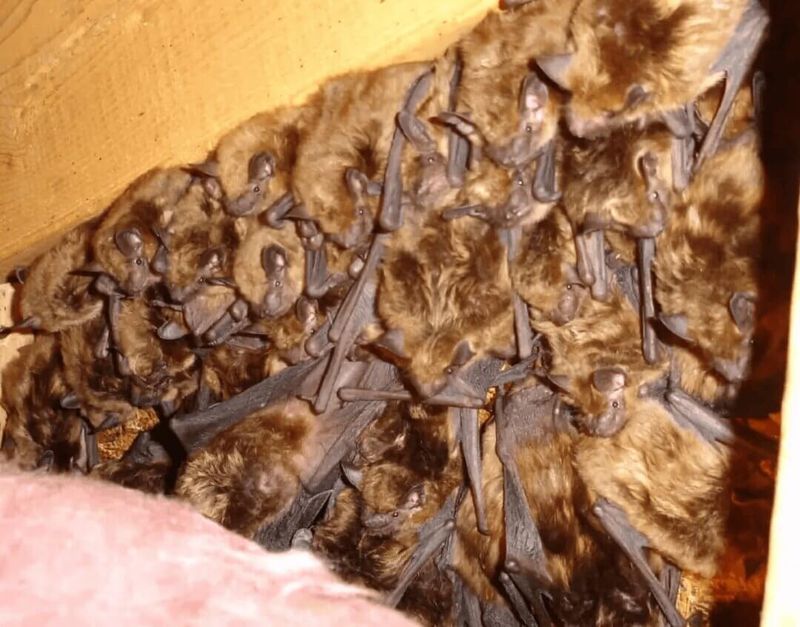
Old-school advice sometimes says to spray, trap, or poison unwanted attic guests. With bats in Florida, that advice can land you in real legal trouble.
State law makes it illegal to harm, trap, or poison bats. Pesticides meant to drive them away are banned too, no matter how harmless the label claims.
Beyond the law, these methods simply do not work well. Poisoned bats may crawl deep into walls, leaving behind awful odors that are hard to reach and even harder to clean.
Sick bats also tend to fall to the ground or land in odd places. That raises the chance that kids or pets will touch one, which creates serious health concerns.
Trapping and moving bats sounds kind, but it rarely solves anything. Bats have strong homing instincts and can find their way back from surprising distances.
So what about sprays, mothballs, or noisy gadgets sold online? Most of these products give mixed results at best, and some mothball uses are not even legal.
A friendly reminder helps here: bats are valuable partners in the garden. They gobble up mosquitoes, beetles, and moths that would otherwise snack on your plants or on you.
Stick with patient, humane exclusion instead of shortcuts. It is safer, legal, and much more likely to leave you with a bat-free attic for good.
9. Seal Every Entry Point After The Attic Is Clear
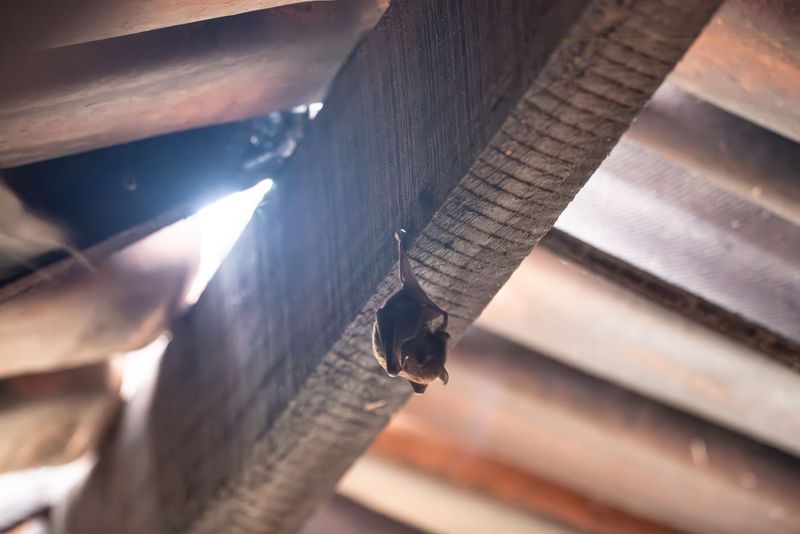
Victory feels sweet on the first quiet night with no scratching overhead. Now comes the step that keeps the peace for years.
Once you are sure every bat has left, remove the one-way devices and seal those openings for good. Skipping this step is like chasing out a raccoon and leaving the pet door wide open.
Go back to the list and photos you made during your first inspection. Every gap, crack, and loose board on that list needs a fix.
Choose materials that match the job. Caulk works well for thin cracks, while hardware cloth, metal flashing, or new wood suits larger holes and vent covers.
Pay extra attention to spots near the roofline, since bats prefer high entries. Replace torn vent screens and firmly reattach sagging soffit panels.
After sealing, do one more dusk watch from your lawn chair. If a bat still appears, a hidden gap remains, and a pro can help track it down.
Consider cleaning the attic once the work is finished. Guano cleanup is best handled by pros with proper masks and gear.
Want to keep helping bats nearby? A bat house mounted on a tall pole gives your former tenants a cozy new home, and they will keep eating your mosquitoes.
Check the seals each year before summer storms roll in. A quick look now can spare you a repeat visit from the colony later.