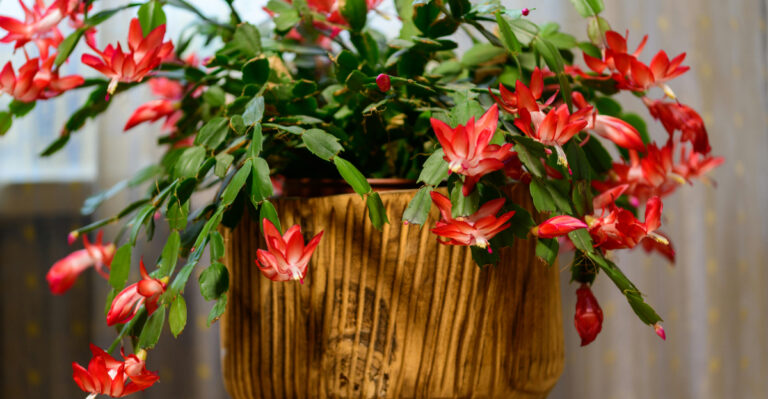
The New York Shrubs That Look Better Left Unpruned Through Winter
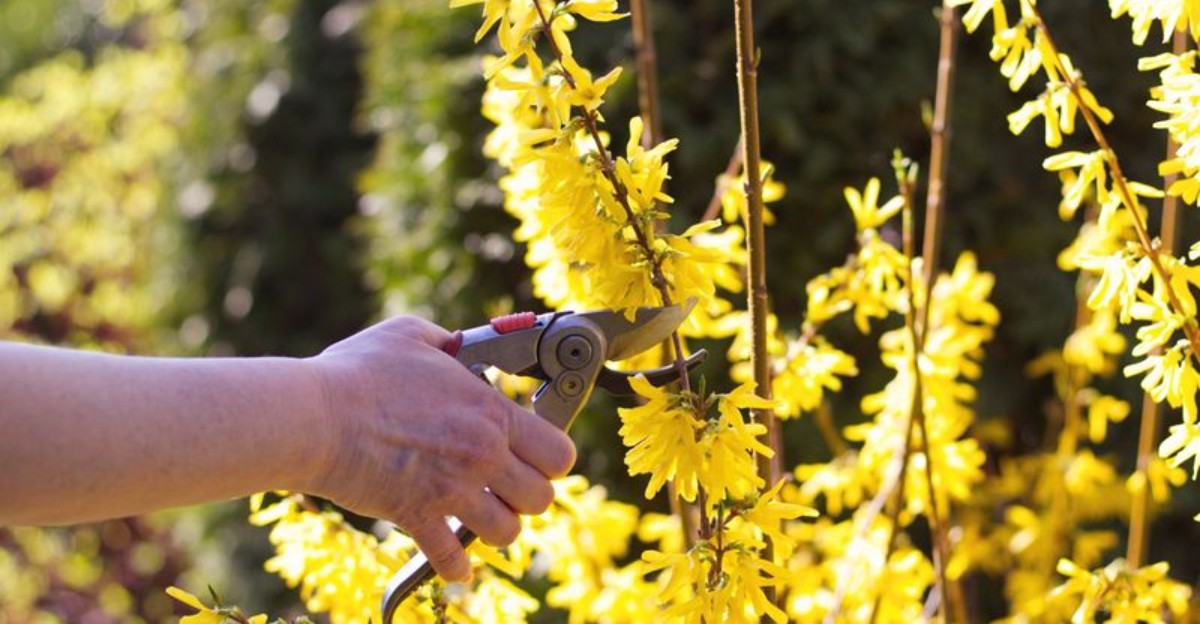
Some gardeners grab the pruners the second the last leaf drops. This fall, it pays to resist that itch.
Many shrubs across New York tucked next spring’s flowers into buds back in summer. A cold-weather haircut can wipe out the whole show before it starts.
Others hold berries that feed robins and cedar waxwings when snow covers the ground. Dried seed heads catch frost like tiny sculptures and give small birds shelter too.
Leaving those stems alone isn’t lazy. It’s smart timing that saves work and makes the view from your kitchen window far more interesting.
1. Forsythia Looks Better With Its Flowering Wood Intact
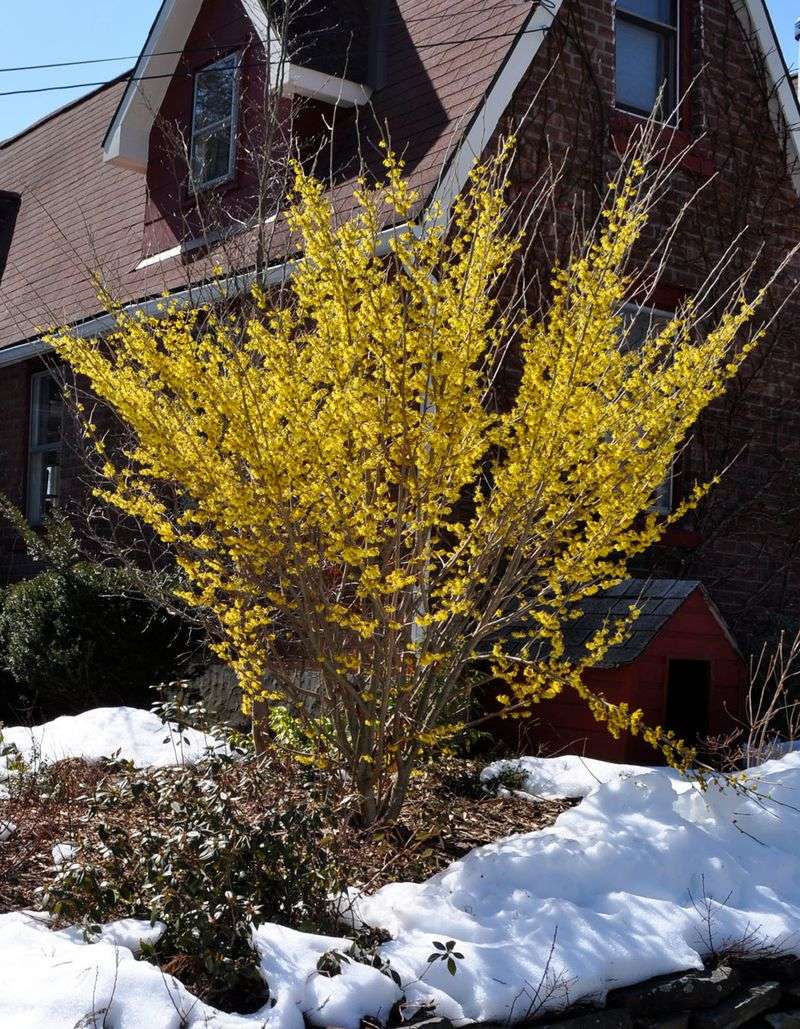
Few shrubs shout spring louder than forsythia. Those arching yellow branches show up while snow still hides in shady corners.
Every one of those blooms comes from buds set the previous summer and fall on old wood. Trim in late summer, autumn, or winter and you are trimming away April.
Shearing forsythia into a tight ball is a common mistake around New York neighborhoods. The plant naturally wants to arch and sprawl, and fighting that habit produces a stubby shape with sparse flowers.
Left alone through winter, the tangled stems actually look handsome. Snow settles along the arches, and the reddish-brown bark stands out against gray skies.
The right moment to prune is right after the flowers fade, roughly May through early June. Cut then, and the shrub has months to build buds for the next display.
For an overgrown specimen, there is a rescue method. Remove about a third of the oldest, thickest canes at ground level, spreading the job across three years.
Hard rejuvenation cuts can be made in late winter if a plant is truly out of control. Expect to sacrifice one or two seasons of bloom in exchange for a younger, denser shrub.
Here is a small winter perk worth knowing. Cut a few stems in February, bring them inside, and set them in water on a sunny sill.
Within a couple of weeks those twigs burst into yellow flowers indoors. You get an early taste of spring without harming the shrub’s outdoor show.
2. Spring Bloomers Keep Buds On Their Older Stems
Picture a shrub packing its suitcase in July for a trip it takes in May. That is roughly how spring bloomers work.
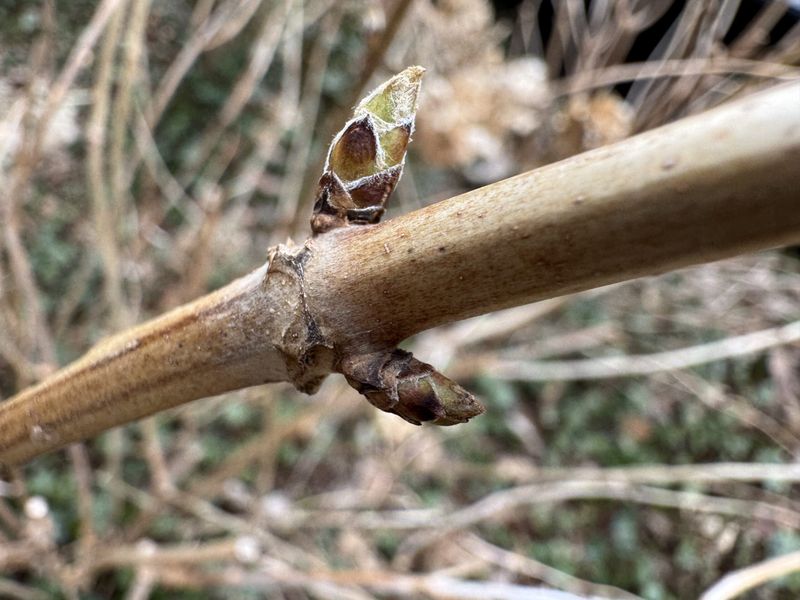
Flower buds on these plants form on old wood, meaning stems that grew the previous season. By the time frost arrives, next spring’s blossoms are already tucked inside those buds.
Cutting during late fall, winter, or early spring snips off the finished buds. The shrub survives just fine, but the flower display shrinks or vanishes for that year.
Gardeners across New York learn this the hard way after a tidy November cleanup. Spring rolls around, the neighbors get color, and the freshly trimmed hedge just leafs out green.
A simple rule helps. If a shrub flowers before the middle of June, prune it right after the petals fade, not before.
Your New York Garden Changes Every Week. Your Plan Should Too.
Gardening in New York changes quickly throughout the season. Every Friday you’ll receive a simple weekly plan showing exactly what to plant, prune, fertilize, harvest, and protect so you never miss the right timing.
That window gives the plant the rest of summer to build fresh buds for the following year. Miss the window and you are waiting another full season.
Winter is still a good time to study shape. Walk the yard, look at the bare structure, and note which branches cross or rub.
Mark those with a loop of colored yarn instead of cutting. When the flowers finish in late spring, you already know exactly where to work.
Bare stems also make buds easy to spot. Plump, rounded buds usually mean flowers, while smaller pointed ones tend to be leaves.
Learning that difference turns a dull winter walk into useful planning. Your pruners get a rest, and your garden gets a better show.
3. Lilacs Need Their Spring Buds Left Alone
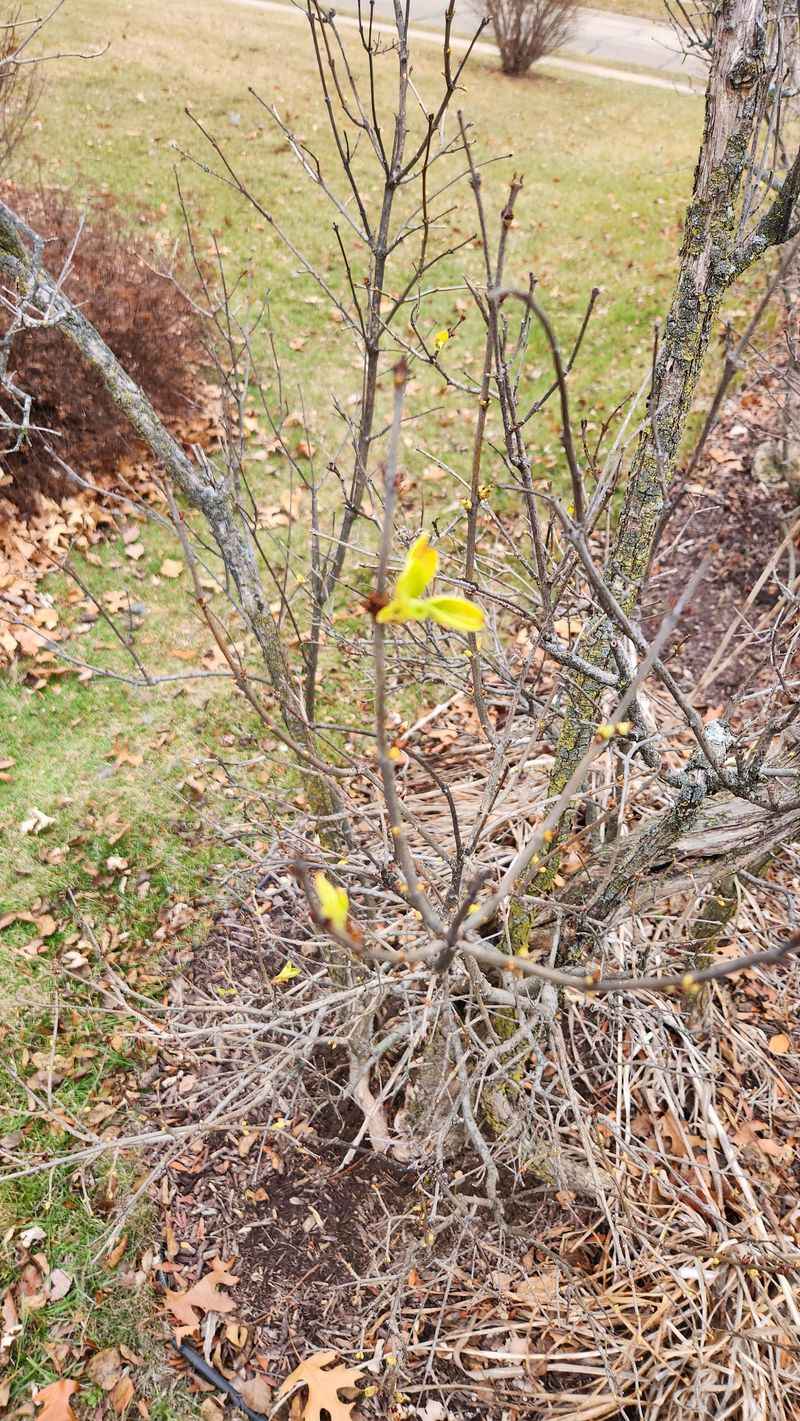
Ask anyone who grew up with a lilac by the back door and they will mention the smell first. That perfume depends entirely on buds formed the previous summer.
Lilacs bloom on old wood, and the buds for next May appear shortly after the current blooms brown out. Winter pruning removes them without mercy.
So when someone tidies a lilac in November, the following spring brings leaves and disappointment. The shrub is healthy, just flowerless.
Routine work belongs in late May or early June in New York, right as the last panicles fade. Snip spent flower clusters, thin crowded interior shoots, and stop there.
Old lilacs that have turned into leggy thickets can be renewed. Take out a third of the oldest stems each year for three years while the plant is dormant in late winter.
A more drastic option cuts the whole shrub back to a few inches above the ground. Recovery is real, but blooms may take one to three years to return.
Suckers are part of lilac life, especially with common lilac. Pulling or clipping a few stray shoots from the base in winter does not cost you flowers.
Leave the main framework standing, though. Those gray, twisting trunks carry a certain old-farmhouse charm when outlined in snow.
One fun detail: many New York lilacs are descendants of plants brought over centuries ago and passed between neighbors. Treating them patiently honors that history.
Patience pays back in armloads of fragrant cut flowers. A little restraint now equals a full vase later.
4. Viburnums Can Carry Winter Structure Into Spring
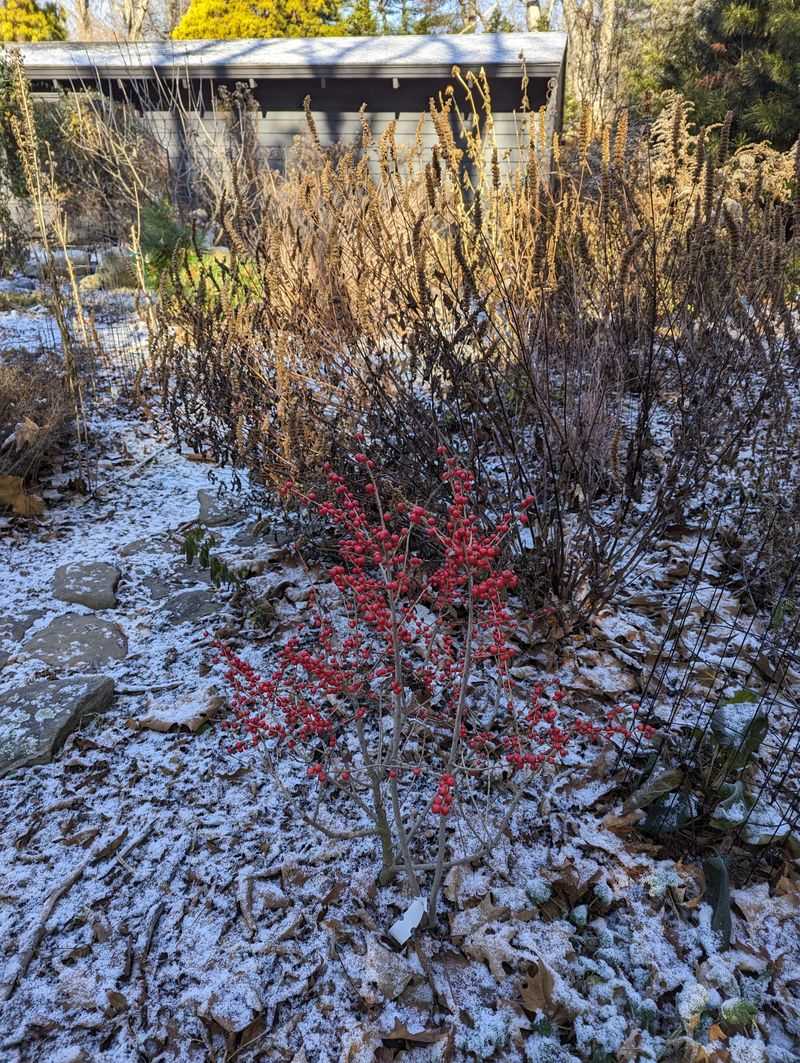
Viburnums are the quiet overachievers of the shrub world. Flowers in spring, fruit in fall, and a sturdy silhouette that carries the garden through January.
Branching patterns are the real winter gift here. Many species grow in tidy horizontal layers, and a light snowfall traces every line.
Some varieties add textured bark or leftover fruit clusters in shades of blue, black, or red. Cutting all that off in autumn trades a living sculpture for bare ankles.
Most viburnums need very little pruning to stay healthy. A few thinning cuts every couple of years usually cover it.
Timing matters because most types flower on old wood. Fall and winter cuts take next year’s blossoms along with the stems.
Removing spent flower heads too quickly causes another problem. No spent flowers means no berries, and no berries means a plainer winter and hungrier birds.
When a plant truly needs reshaping or size control, late winter to early spring works best. Aim for the stretch before buds swell but after the worst deep freezes pass.
Skip pruning right before a hard frost is forecast. Fresh cuts can push tender growth that cold air damages quickly.
Across New York, arrowwood and blackhaw viburnum handle cold winters with ease. Both hold their shape without much fuss from the gardener.
A practical tip: step back twenty feet before making any cut. Viburnums look best as a whole form, and close-up snipping usually ruins the layered effect.
Left standing, they earn their keep all season long.
5. Shrubs With Berries Feed Birds Through Winter
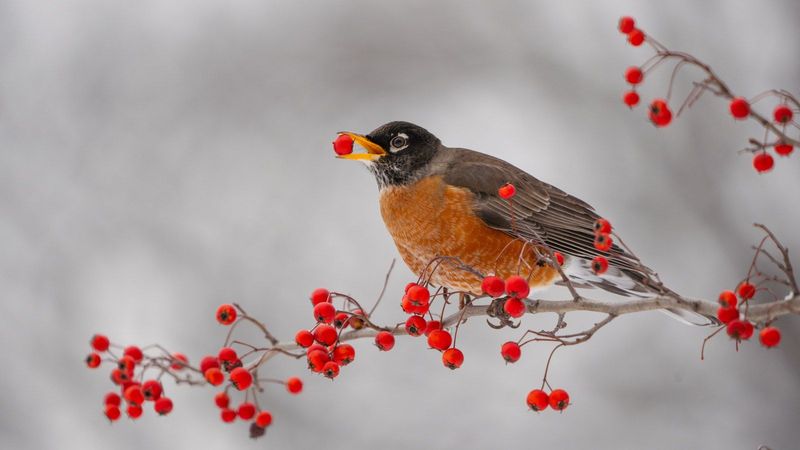
A flock of cedar waxwings stripping a winterberry bush is one of the best free shows in a New York winter. Prune that shrub in November and the theater stays closed.
Berries hang on through the cold as an emergency pantry. When insects vanish and seeds get buried, fruit keeps birds going.
Winterberry holly drops its leaves and leaves nothing but scarlet fruit on bare twigs. Robins, bluebirds, and waxwings all come calling, though you need both a male and female plant for fruit.
Red chokeberry holds tart clusters that birds often ignore at first. After several freeze and thaw cycles the fruit sweetens, feeding thrushes and cardinals late in the season.
Arrowwood viburnum offers fat-rich berries plus shelter in its dense twiggy middle. Migrating birds refuel there before pushing farther south.
Hawthorn produces small red fruits called haws that cling well into February. The thorny branches double as safe nesting and hiding spots.
Northern bayberry carries waxy gray fruit packed with fat, an excellent energy source during long cold nights. Its semi-evergreen leaves add extra cover.
Eastern red cedar rounds out the list with bluish berry-like cones and thick foliage for roosting. Waxwings are especially fond of it.
Leave all of them standing until spring. Any shaping can wait until March or April, once the fruit has been eaten.
Set a chair near a window facing your berry shrubs. Winter gardening in New York sometimes means simply watching and enjoying what you chose not to cut.
6. Seed Heads Can Add Useful Winter Interest
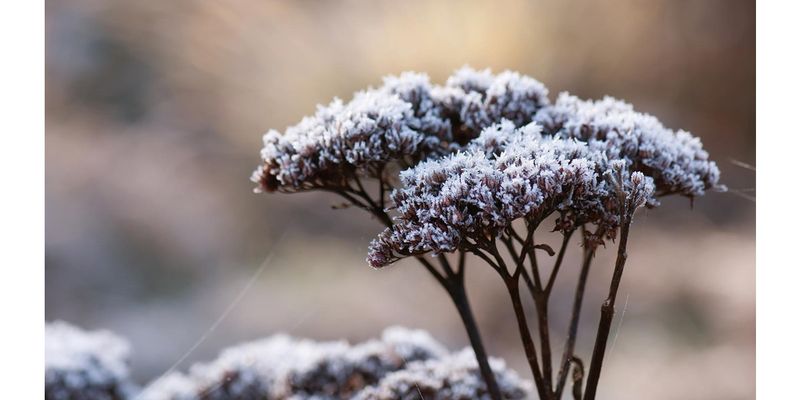
Frost on a dried sedum head looks like sugar on a cupcake. That tiny bit of magic disappears the moment you cut everything to the ground in October.
Dried seed heads bring shape and shadow to a garden that would otherwise read as flat brown. They also double as bird feeders and insect hotels.
Sedum, especially the variety often called Autumn Joy, holds flat sturdy clusters that catch snow beautifully. Cut it back in early spring as fresh rosettes appear at the base.
Coneflower keeps stiff cones on straight stems well past January. Goldfinches cling to them and pick out seeds on cold mornings.
Black-eyed Susan leaves behind dark round centers that stand out against pale snow. The contrast is striking from a distance.
Ornamental grasses such as switchgrass, miscanthus, and Karl Foerster feather reed grass bring movement. Wind makes them sway, and low winter sun lights them up like spun copper.
Panicle hydrangeas, including Limelight, hold papery cone-shaped blooms that turn tan and stay put. A dusting of snow on those flower heads is hard to beat.
New England aster finishes the season with fluffy seed clusters that small birds work through in early winter.
Hollow stems matter too. Native bees and other helpful insects shelter inside them until warm weather returns.
Wait until early spring cleanup, ideally once temperatures climb consistently. Gardens throughout New York look livelier all winter when the shears stay in the shed a few months longer.
7. Evergreens Need Protection More Than A Late Trim
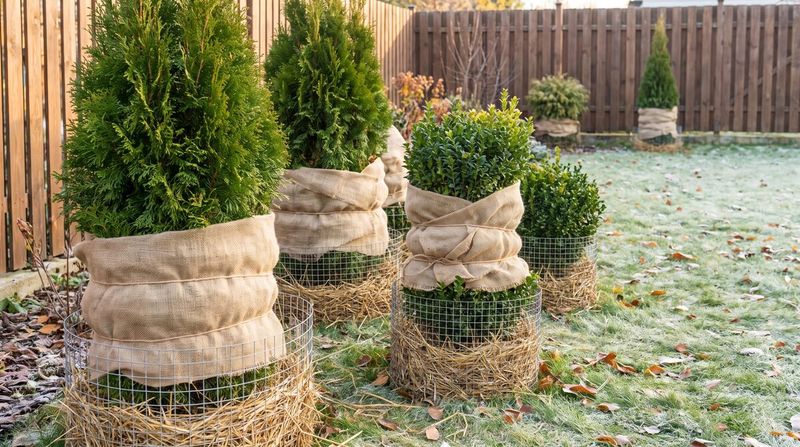
Brown, crispy patches on a boxwood in March are not frost bite in the usual sense. The plant simply ran out of water while the ground was frozen solid.
Winter burn happens when wind and sun pull moisture from evergreen leaves faster than roots can replace it. Pruning does nothing to help, and late cuts make things worse.
Trimming in late summer or fall pushes soft new growth. Tender shoots cannot harden off before the cold hits, so they get damaged first.
Fall wounds also heal slowly because the plant is winding down. Fungal problems find those openings easily.
Water deeply through late autumn until the soil freezes. Well-hydrated roots handle a New York winter far better than thirsty ones.
Spread three to four inches of mulch over the root zone, keeping it a few inches away from the trunk. Insulation reduces frost heaving and holds soil moisture.
Burlap screens on the windward side shield exposed arborvitae, hemlock, and rhododendron. Newly planted evergreens benefit most.
Anti-desiccant sprays exist as an extra option, applied on a dry day above freezing in late fall. Opinions on how well they work vary, so treat them as a bonus rather than a fix.
After heavy snow, brush branches upward gently with a broom. Ice-covered limbs should be left alone since frozen wood snaps easily.
Save shaping cuts for early spring before growth starts. Pines are the exception and are trimmed while new shoots are still soft candles.
8. Remove Dry Wood When Safety Calls For It
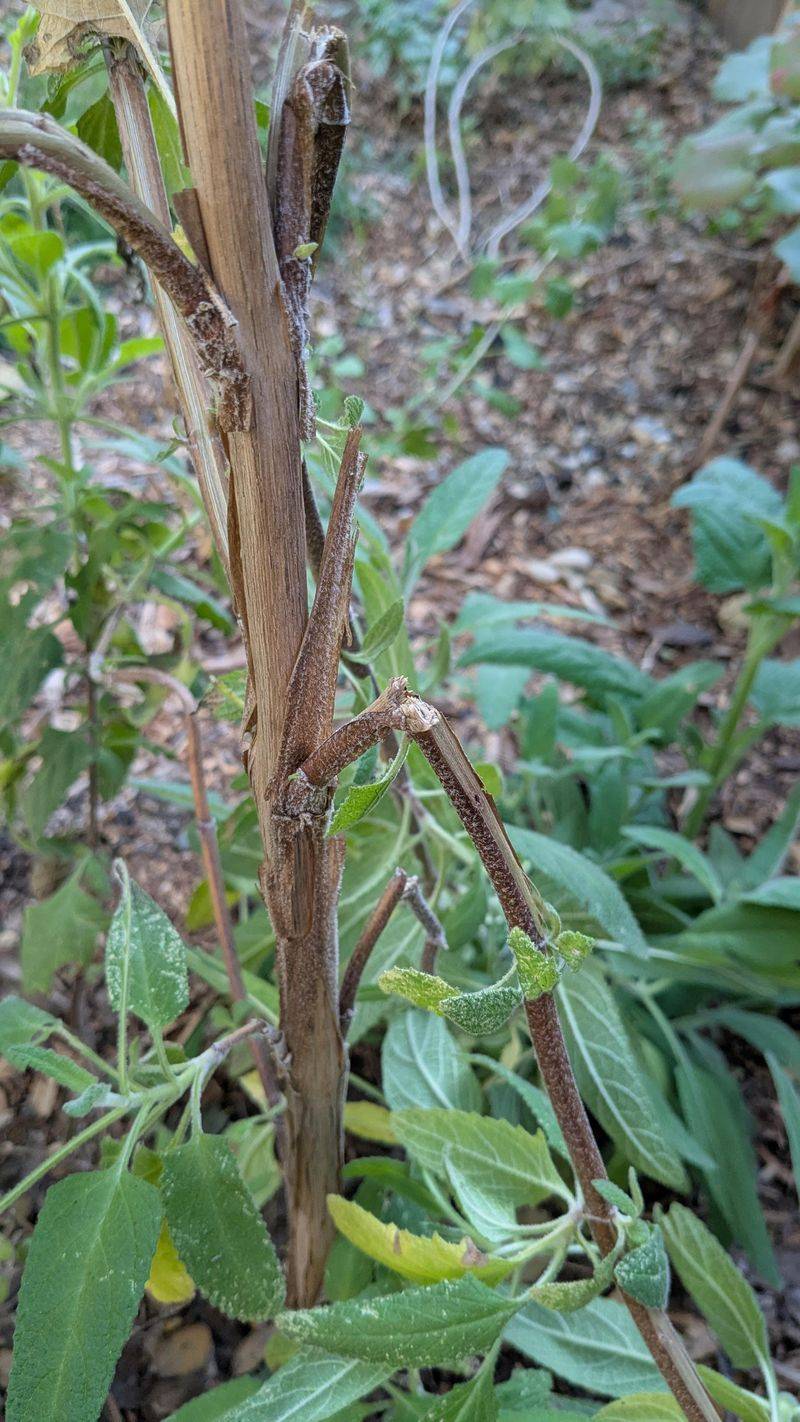
Every rule has an exception, and here it is. Broken, diseased, or lifeless branches come out whenever you spot them, including January.
Compromised wood invites insects and disease that can spread into healthy stems. Leaving it in place rarely ends well.
Safety matters just as much. A cracked limb loaded with wet snow or ice can come down on a walkway, a car, or a person.
Telling live wood from finished wood is easier than people expect. Bend a small branch, and a living one flexes while a spent one snaps with a dry crack.
Scratch the bark lightly with your thumbnail. Green and slightly moist underneath means life, while brown and papery means the branch is done.
Color offers another clue. Gray, shriveled, brittle stems stand out against the smoother tone of healthy bark.
When cutting out disease, go well below the damaged section into clean tissue. Wipe your blades with rubbing alcohol between cuts so you are not carrying trouble around the yard.
Dry days are best for this work since fungal spores travel more easily in damp air. Sharp bypass pruners make cleaner wounds than dull anvil types.
For widespread storm damage, patience helps. Waiting until early spring shows you which stems push new buds and which are truly finished.
Try to avoid slicing into frozen live tissue during a deep cold snap. Handle the urgent hazards now, then let your New York garden rest until warmer days return.