What It Means When Groundsel Trees Along New Jersey Marshes Look Dusted With Snow In Fall
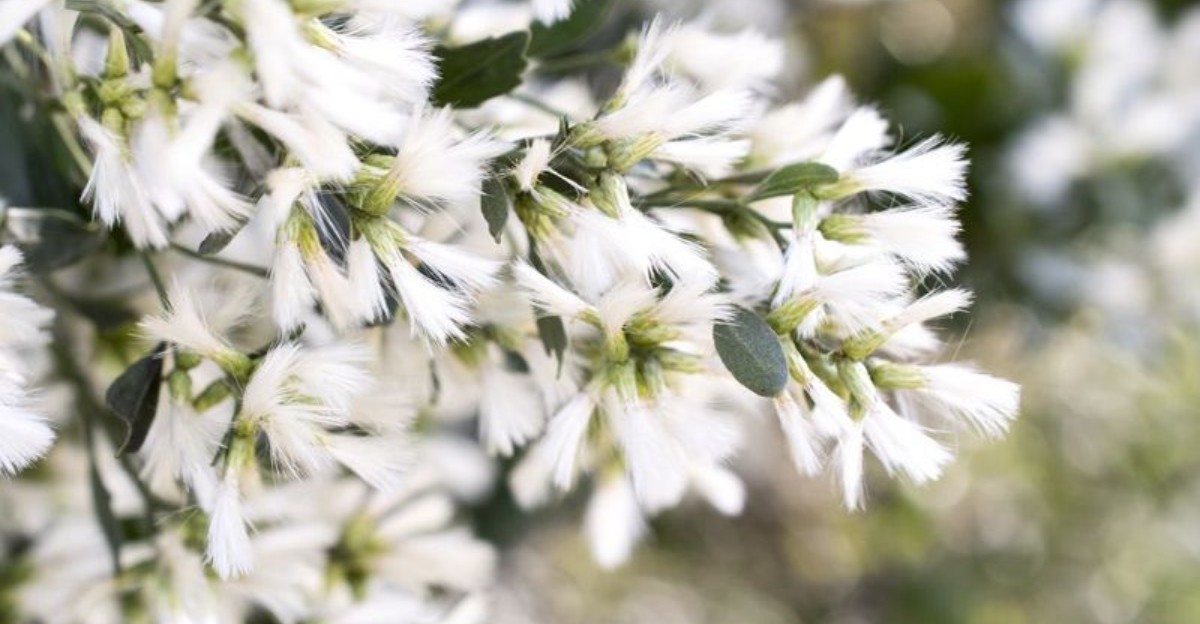
You spot white fluff draping marsh shrubs while the air still feels like July. Frost? Mold? Neither answer holds up under a closer look. Along the New Jersey shoreline, you are staring at a tough native shrub.
Botanists place it in the same family as daisies and sunflowers. Locals pass it daily and rarely notice it. Each white tuft hauls a tiny seed on a silky parachute.
Wind grabs those parachutes and launches seeds across the marsh. This shrub shrugs off salt spray that would stress your garden plants.
Monarch butterflies refuel on its blooms during their autumn migration south. Coastal New Jersey hosts these shrubs from tidal creeks to roadside ditches.
Herons carry on fishing in the shallows, unfazed by the show. Only you stopped to stare. So why does the shrub right beside you stay green all season?
Silky Seed Tufts On Female Shrubs
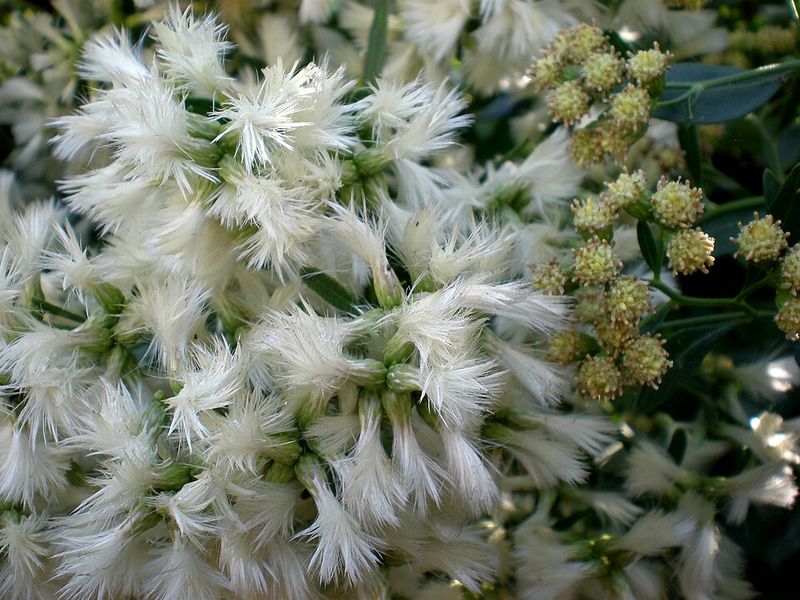
That snowy look is not weather at all, but millions of tiny seeds wearing fluffy white parachutes. The shrub making them is the groundsel tree, a tough native plant along New Jersey marshes.
Scientists call it Baccharis halimifolia, and locals sometimes call it sea myrtle or groundsel bush. Despite the name tree, it usually grows as a big, rounded shrub about six to twelve feet tall.
Here is the fun twist that explains the whole mystery. Groundsel trees come in separate male and female plants, which is a trait that scientists call dioecious.
Male plants make small yellowish flowers full of pollen, then fade into a plain brownish look. Female plants are the stars of the fall show, because they produce the seeds.
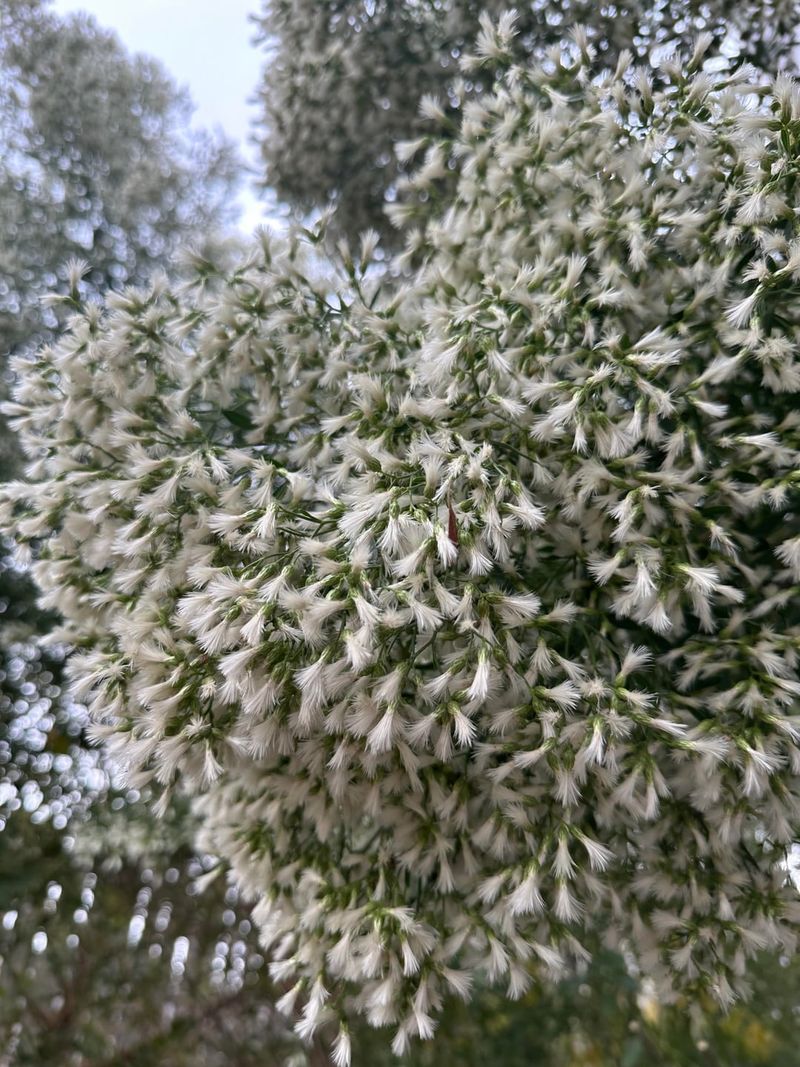
Each seed is attached to a tuft of silky white bristles called a pappus. Picture a dandelion puff, only smaller and packed by the thousands onto every branch tip.
When sunlight hits those bristles, the whole shrub seems to glow like fresh snow on a cold morning. A large female plant can produce up to a million seeds or more in one season.
So if you spot one shrub sparkling white and another nearby looking plain, you are seeing a couple. The fluffy one is the female, and the dull one is likely the male.
Next time you pass a marsh, try playing a quick guessing game with friends. Count the snowy shrubs you find at peak season, and you will have a good estimate of the seed-makers living there.
A Late Summer To November Show
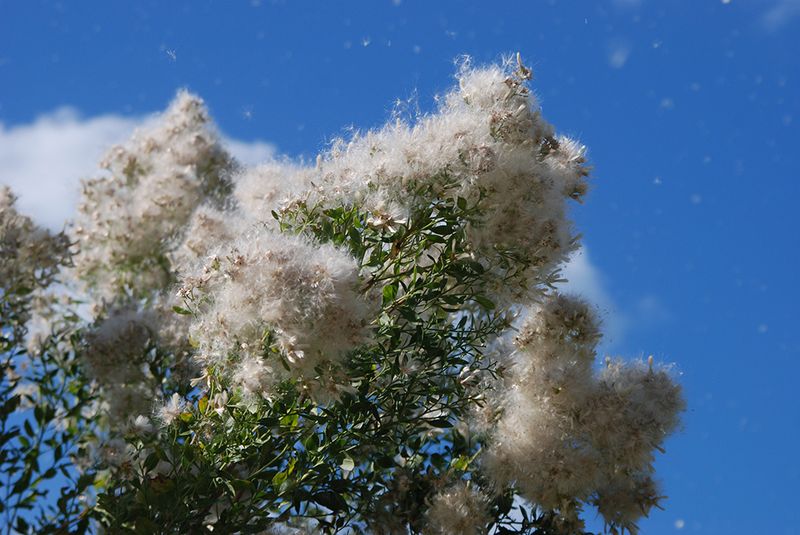
Mark your calendar, because this marsh snowstorm runs on a pretty reliable yearly schedule. Groundsel trees wait until most other shrubs are winding down before they put on their show.
Blooming usually starts in late summer to September, when tiny flowers open at the branch tips. In September, you may already see creamy buds forming on female plants.
By October, the female flowers mature into seeds with those famous silky white tufts. Late October into early November is often peak fluff along the Jersey Shore and Delaware Bay.
Your New Jersey Garden Changes Every Week. Your Plan Should Too.
Gardening in New Jersey changes quickly throughout the season. Every Friday you’ll receive a simple weekly plan showing exactly what to plant, prune, fertilize, harvest, and protect so you never miss the right timing.
Weather plays a big role in how long the snowy display lasts each year. Dry, breezy days send seeds floating away quickly, while calm spells keep branches snowy for weeks.
One favorite viewing spot is the Forsythe National Wildlife Refuge near Atlantic City. Cape May marshes and back-bay roads along Barnegat Bay are also great places to look.
Try visiting in the late afternoon, when low golden light makes the fluff shine brightest. Bring binoculars too, since fall migration fills the same marshes with hawks, egrets, and songbirds.
By late November, many seeds have usually drifted off on the wind to find new homes. The shrubs then look bare and scraggly, though some may hold a few green leaves into early winter.
Think of the display as nature’s last big party before the cold season settles in. Plan a walk in mid to late October, and you will likely catch it at its fluffiest.
The Common Mix-Up With Frost Or Fungus
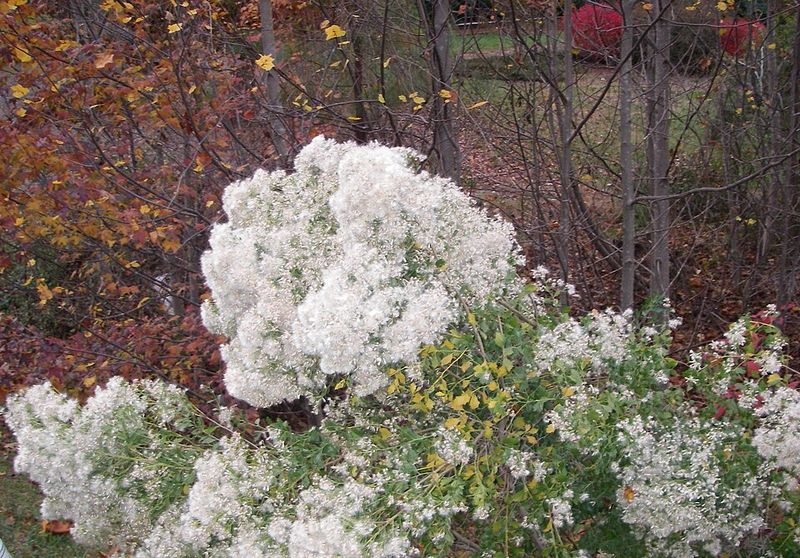
Every fall, somebody posts a marsh photo online asking if the bushes are covered in frost. Others worry about white mold, spider webs, or a bug invasion creeping through the salt marsh.
It is an easy mistake, since the fluff really does look like something landed on the plant. Luckily, a quick close-up check clears up the confusion fast.
Frost melts as the sun rises and feels cold and wet on your fingers. Groundsel fluff stays put all afternoon and feels soft and dry, like a cotton ball.
Mold and fungus usually look flat, powdery, or slimy, and they coat leaves rather than branch tips. Seed tufts sit in neat little clusters at the ends of stems, pointing outward like tiny brushes.
Webs from fall webworms or spiders stretch between twigs and often hold leaves or insects. Groundsel seeds drift apart easily when you blow on them, just like a dandelion head.
Another giveaway is timing, because this look shows up mainly in October and November. Also, only some shrubs in a patch turn white, since male plants skip the fluffy stage.
The bigger mistake is cutting down or spraying a healthy shrub because it looks sick. That wastes time and money, and it removes a valuable native plant from the shoreline.
So pinch a tuft gently, let it float away, and enjoy the tiny puff of wonder. Mystery solved, no chemicals needed, and you get a cool fact to share at dinner.
Simple Care For Shrubs In Your Own Yard
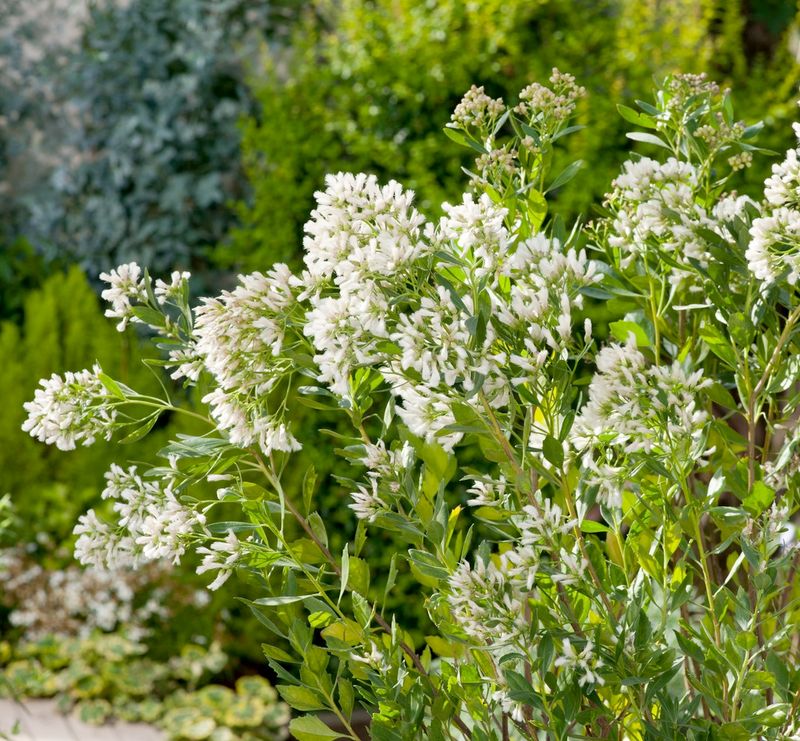
Maybe you live near the bay and one of these fluffy shrubs sits right by your driveway. Good news, since it rarely needs much fussing to stay healthy and handsome.
Groundsel trees handle salt spray, sandy soil, floods, and heat better than most garden plants. They grow best in full sun, tolerate some shade, and need very little extra water once established.
The main issue for homeowners is the flood of seeds drifting into lawns and flower beds. A few seedlings will likely pop up next spring, which is easy to handle if you act early.
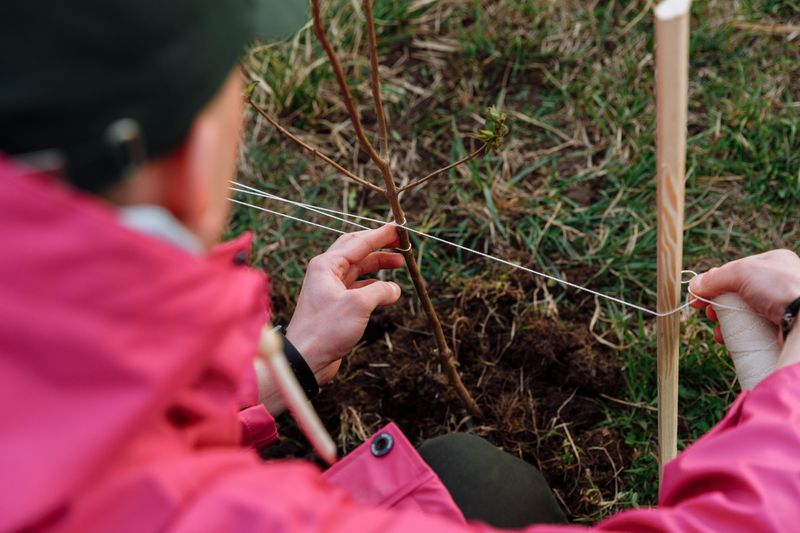
Pull small seedlings by hand while the soil is damp and roots slide out easily. Wear gloves as a precaution, and remember that the leaves are toxic to livestock if eaten.
If seed spread bothers you, trim the female shrub right after it flowers in early fall. Waiting until blooming ends lets pollinators feed first, while still stopping most seeds from forming.
Heavier pruning works best in late winter, before new growth starts in spring. Cut back crowded or broken stems to keep the shape neat and let light reach the center.
People with allergies may notice sneezing in fall, though pollen comes from male plants, not the fluffy females. Pick a planting spot away from windows if anyone at home reacts to pollen.
Many gardeners simply leave the fluff alone and enjoy the free seasonal decoration. Either choice works fine, as long as you stay on top of any surprise seedlings next year.
The Payoff For Wildlife And Shorelines
Cape May is famous for monarch butterflies stopping to rest each fall on their long trip to Mexico. Many of them sip nectar from groundsel flowers, fueling up before crossing the Delaware Bay.
Bees, wasps, and flies also crowd the blooms, which join goldenrods and asters as key late-season food. For hungry pollinators, a patch of these shrubs is like finding an open diner at midnight.
Small birds such as sparrows often forage among the branches in fall. The dense twigs also give songbirds a safe place to hide from hawks and cold winds.
Along the shore, the roots help hold sandy soil in place during storms and high tides. Groundsel trees often grow in the upper edge of the marsh, where salt water only visits occasionally.
That edge zone acts like a buffer between wetlands and neighborhoods. Healthy shrubs there can slow wind, soak up rainwater, and soften the blow of rough weather.
Scientists also watch these plants as sea levels rise along the Jersey coast. As marshes move inland, groundsel trees are often among the woody plants that settle along the new edge.
So those snowy shrubs are doing far more than looking pretty for your camera. Each fluffy branch signals a working habitat that supports insects, birds, and the land itself.
Pause near a blooming patch on a warm, sunny September afternoon and simply listen for a minute. The steady buzzing proves that plenty of tiny guests have already found the buffet.
Smart Planting To Prevent Unwanted Spread
Did you know this humble Jersey shrub is a troublesome weed on the other side of the world? In Australia, groundsel bush escaped gardens long ago and now crowds out native plants and pastures.
Here at home it belongs, yet its seeds can still wander into places you would rather keep clear. A little planning keeps the good parts and cuts down on the headaches.
If you want one for your yard, ask a native plant nursery whether a male plant is available, since they can be hard to find. Males give you the salt-tough shrub and fall flowers without the snowy blizzard of seeds.
Plant it far from pastures, horse paddocks, or pet runs where animals might nibble the leaves. The foliage can be toxic to cattle, horses, and goats, so keep grazing spaces clear.
Mowing regularly around the shrub stops stray seedlings from getting a foothold in your lawn. Mulched garden beds help too, since a thick layer smothers tiny sprouts before they grow.
Check fence lines and ditches each spring, because seeds love to collect in those forgotten corners. Young plants pull out easily, but older ones grow deep roots that make removal much harder.
Talk with neighbors, too, since seeds blowing from one yard can easily land in the next. Sharing tips keeps the whole block working as a team instead of handling it alone.
With these simple habits, you can enjoy the fall snow show without any spring surprises. This fall, sketch a quick yard plan and note where a groundsel tree would fit best.