A Native Tuber Once Gathered By The Lenape Is Ready To Dig From New Jersey Yards And Wetlands
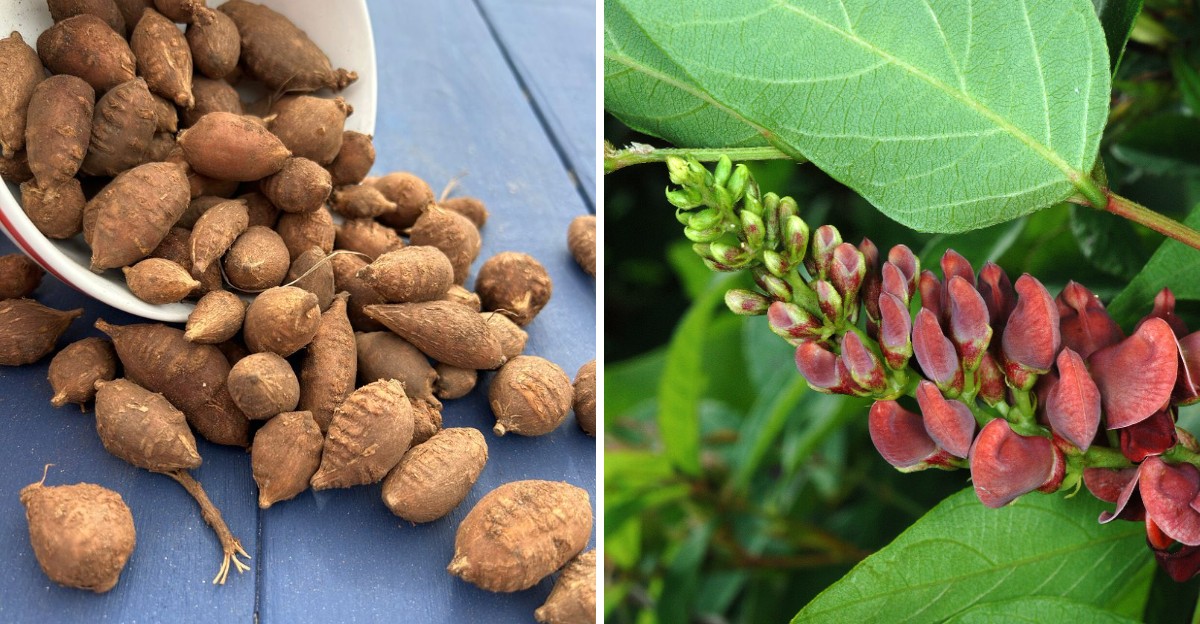
Beneath creek vines you overlook sits a tuber richer in protein than potatoes. Botanists call it Apios americana, and you can dig it across New Jersey.
Lenape families harvested these knobby tubers long before colonists arrived. Pilgrims reportedly relied on them to outlast lean Plymouth winters. Today, you stroll past them without noticing.
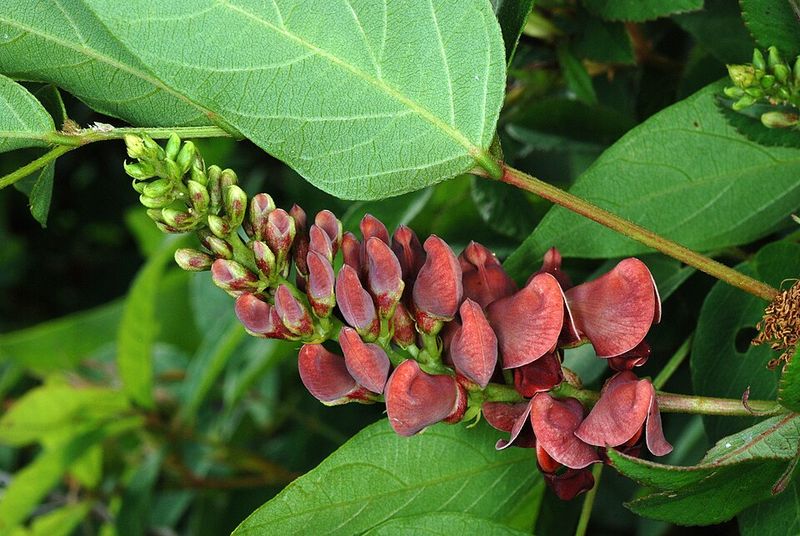
Roast them, and you taste potato crossed with buttery chestnut. Their vines twist through thickets you pass, flashing maroon and pink flowers.
Underground, you find tubers linked along roots like beads on a cord. Autumn sweetens them, so September through winter is your digging window.
Cook them thoroughly, because raw groundnuts can upset your stomach. Identify carefully, since similar vines share the same creek banks.
Permission matters, because parks and preserves often restrict uprooting plants. Here is how you find, dig, and cook New Jersey’s hidden harvest.
American Groundnut, The Native Tuber Still Growing Wild
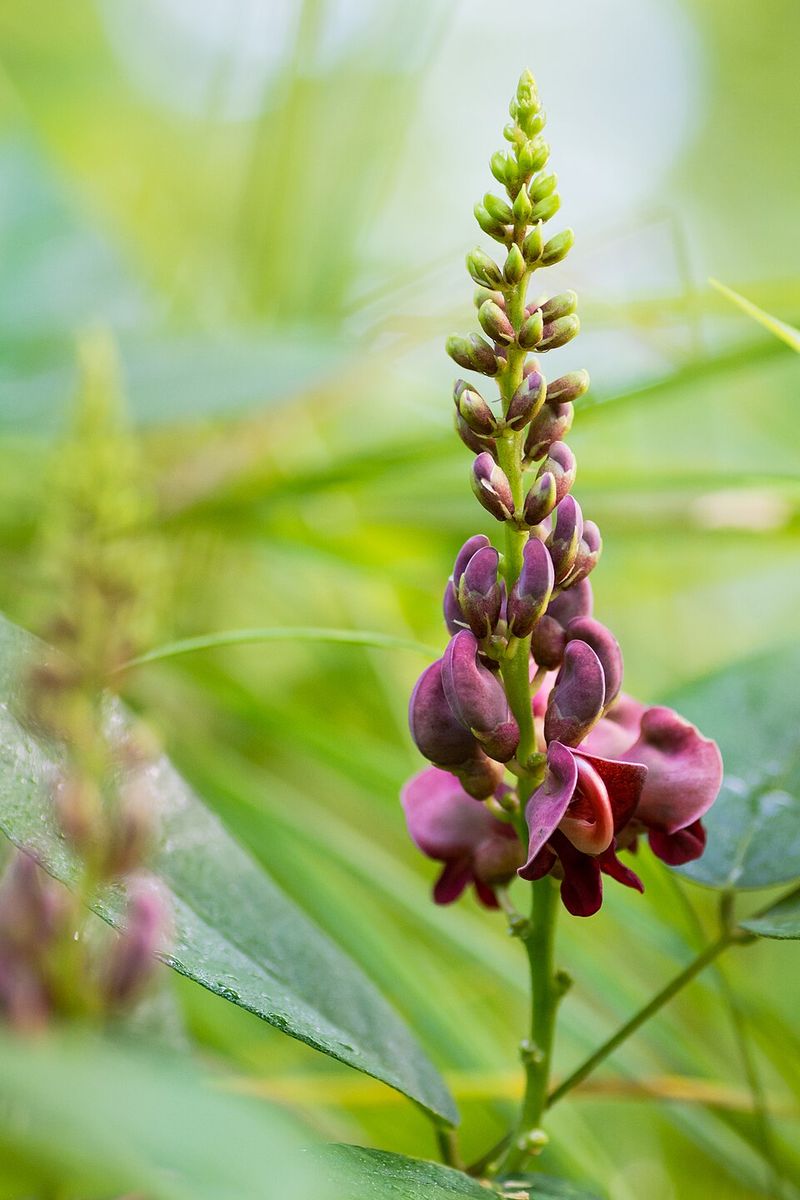
That scrappy vine curling up your backyard fence might be a famous food in disguise. Botanists call it Apios americana, and its common name is American groundnut.
The plant is a native member of the pea family, related to beans and clover. Above ground, it grows as a twining vine that loops around shrubs, cattails, and chain-link fences.
Below ground is where the real treasure hides. Thin roots connect a chain of rounded tubers, spaced out like beads on a necklace.
Each tuber can be as small as a marble or as big as a hen’s egg. Older patches tend to produce the largest ones, since the tubers keep growing for several years.
The leaves help you spot the plant long before you pick up a shovel. Each leaf holds five to seven pointed leaflets arranged in pairs, with one extra leaflet at the tip.
In midsummer, clusters of pinkish-brown flowers appear, shaped a bit like tiny helmets. Many people say they smell sweet, a little like violets.
Groundnut loves wet feet, so look near streams, pond edges, drainage ditches, and soggy corners of yards. It thrives across New Jersey, from Sussex County hills to Pine Barrens creeks.
Some gardeners even grow it on purpose, training the vine up a trellis near a rain garden. The flowers draw bees, and the tubers become a bonus harvest each fall.
Once you learn its shape, you will start noticing it everywhere. Suddenly, that ordinary weedy thicket looks a lot more like a pantry.
A Lenape Staple With Deep New Jersey Roots
Long before Newark had streetlights, Lenape families were digging groundnuts along the Delaware and Raritan rivers. The Lenape homeland, called Lenapehoking, stretched across all of present-day New Jersey.
Groundnuts were a dependable food in the cold months, when fresh plants were hard to find. Women often did the gathering, using digging sticks to loosen soil near wetlands.
The tubers could be roasted in hot coals, simmered in soups, or stored in pits for later. Some cooks may have sliced and dried them, then ground them into flour for thickening stews.
Your New Jersey Garden Changes Every Week. Your Plan Should Too.
Gardening in New Jersey changes quickly throughout the season. Every Friday you’ll receive a simple weekly plan showing exactly what to plant, prune, fertilize, harvest, and protect so you never miss the right timing.
Here is a fun history bit that surprises many students. Groundnuts likely helped the Pilgrims through the lean early years after they landed in Massachusetts in 1620.
Beginning in 1621, Native neighbors, including the Wampanoag, showed newcomers which wild foods were safe to eat. Colonists later wrote about groundnuts in journals, calling them a welcome food during hungry times.
Scientists have found that groundnut tubers hold roughly three times more protein than potatoes. No wonder people leaned on them when meat and corn ran low.
Some researchers even think Native people helped spread groundnut patches by planting tubers near villages. If so, some wild patches today may be remnants of old Native plantings.
Imagine a family gathered around a fire, sharing warm, earthy bites on a frosty evening. That same simple meal is waiting under New Jersey soil right now.
Lenape communities continue today, including federally recognized nations in Oklahoma and Wisconsin, First Nations in Ontario, and state-recognized communities in New Jersey. Learning about groundnut is one small way to honor that long, ongoing story.
September Clues For Finding And Digging The Tubers
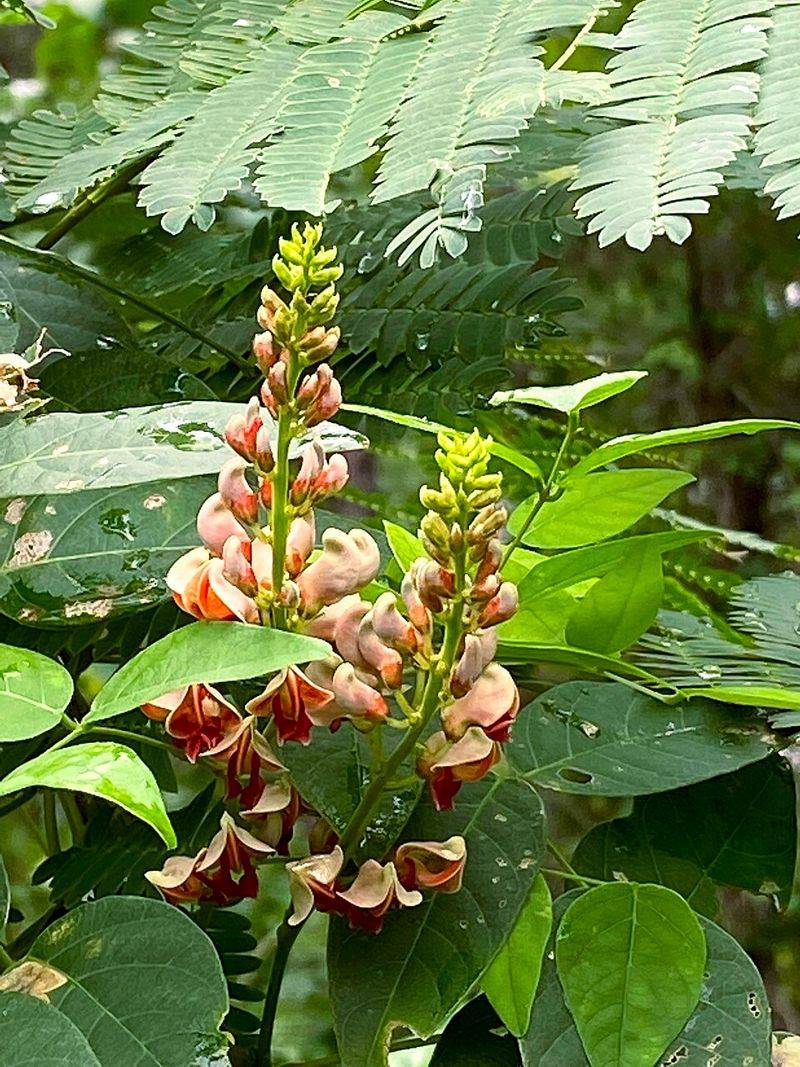
Think of this month as nature’s open house for groundnut hunters in New Jersey. The vines are still green enough to spot, and the tubers have spent all summer fattening up.
Start by scouting the vines while the leaves and any late flowers are still easy to see. Look for thin stems twisting around shrubs near water, often mixed with goldenrod and jewelweed.
Once you find a vine, follow it down to where it enters the soil. Mark that spot with a stick or bright ribbon, because vines tangle fast and fool the eye.
Dig gently with a garden fork or trowel, working outward from the stem. The tubers sit about two to eight inches deep, linked by long, stringy roots.
Grab one root and pull slowly, like tugging a necklace out of a drawer. You may lift several tubers at once, dangling in a row.
Many foragers say the flavor gets even better after a frost or two. Cold weather may turn some starches into sugars, so late-fall digging brings sweeter results.
Here is a smart plan for patient diggers. Mark your patch this month, then return in October or November for a sweeter harvest.
Groundnuts can be dug all winter and into spring, as long as the ground is not frozen. Bring a bucket, old gloves, and boots you do not mind getting muddy.
Rinse the tubers in a bucket of water right away to loosen the clinging mud. Fresh tubers keep for a few weeks in the refrigerator, tucked in a paper bag.
The Look-Alike Mistake That Trips Up New Foragers

A beginner could easily dig up a bag of vine roots, only to learn they came from wisteria. Mix-ups like that are easy to make.
Wisteria is a common garden vine with leaves that look a lot like groundnut leaves. Unlike groundnut, it grows thick, woody stems, and its seeds and pods are toxic.
Count the leaflets to tell them apart. Groundnut usually has five to seven, while wisteria leaves often carry nine or more.
Hog peanut is another sneaky twin that shows up in the same damp thickets. Its leaves have just three leaflets, like a clover, and its roots lack the beaded tubers.
Hog peanut is edible in its own way, but it will not give you a groundnut harvest. Learning both plants side by side makes your eye much sharper.
Groundnut has one handy trick for confirming its identity. Snap a young stem or cut a tuber, and a sticky, milky sap usually oozes out.
Another mistake is digging in the wrong place, even when the plant is right. Roadside ditches, old industrial lots, and spots near busy highways can hold oil, salt, and heavy metals.
Tubers soak up whatever is in the soil around them. A clean creek edge in a friend’s woodlot beats a polluted drainage ditch every time.
Rules matter too, so check before you dig. New Jersey state parks and protected wetlands often ban plant removal, and private land requires the owner’s permission.
Safe Cooking For A Nutty, Potato-Like Harvest
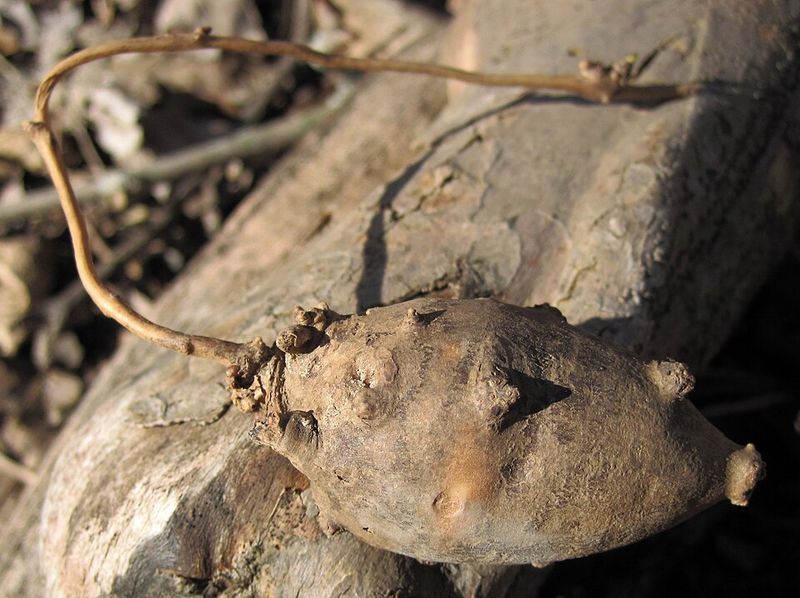
Your first groundnut feast starts with one firm kitchen rule. Cook them every time, because raw tubers contain compounds that can upset your stomach.
Heat breaks down those compounds, known as protease inhibitors, and makes the tubers safe and tasty for most people. Aim for fork-tender, just like a well-cooked potato.
Scrub off the mud with a vegetable brush, but leave the thin skins on. The skins are edible and hold plenty of flavor and fiber.
Roasting is a crowd favorite for good reason. Toss halved tubers with olive oil and salt, then bake at 400°F (about 200°C) for 30 to 40 minutes.
The result tastes like a cross between a potato, a roasted peanut, and a sweet chestnut. Some people also notice a faint hint of green beans.
Boiling works well too, especially for mashing with butter and garlic. Slice the tubers into rounds and drop them into soups or chili for extra heartiness.
Eat them warm, since cooled groundnuts can turn a little tough and chewy. Leftovers reheat nicely in a skillet with a splash of oil.
Groundnuts pack a surprising punch of protein, so a small serving fills you up fast. Pair them with roasted squash for an easy, local fall dinner.
A small number of people react badly to groundnuts, even when cooked. Try just a few bites the first time, and wait a day before eating a full plate.
Anyone with a peanut or soy allergy should talk with a doctor first. These plants share the same big legume family tree.
Gentle Harvest Habits For A Patch That Returns Each Year
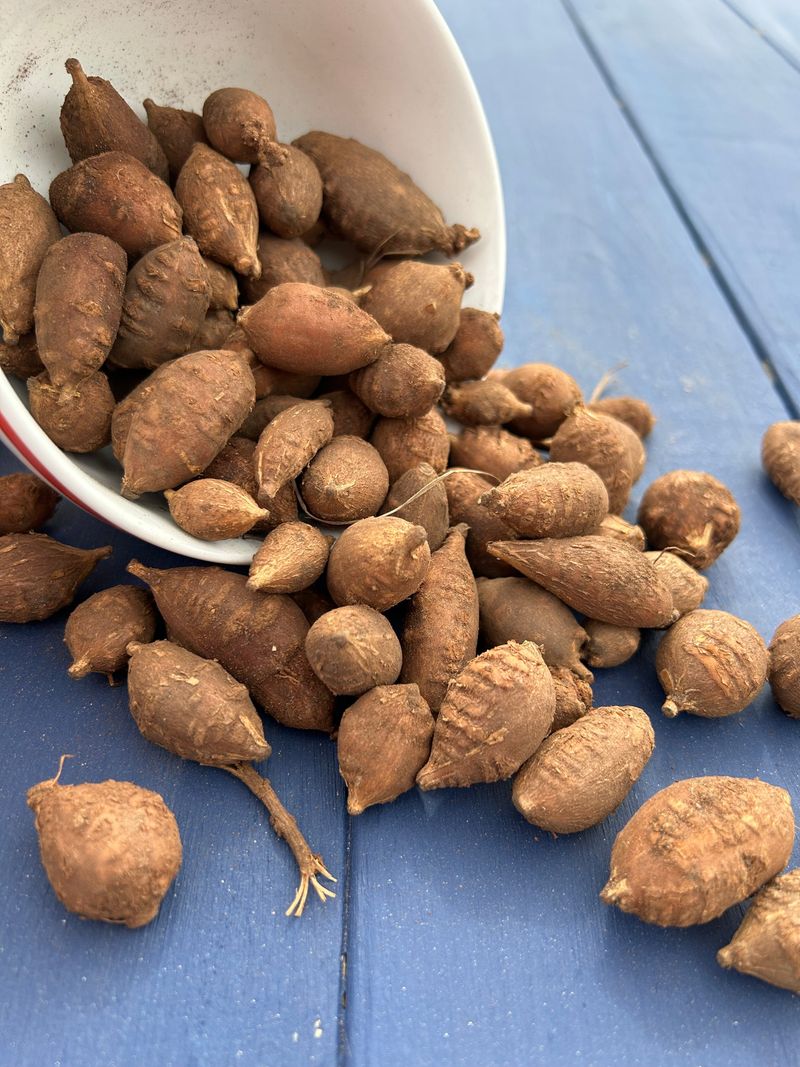
A healthy groundnut patch works a lot like a savings account. Spend only a little each year, and it keeps paying you back.
A good rule is to take no more than one-third of the tubers you uncover. Leave the rest, especially the smallest ones, so the patch can recover.
After digging, tuck a few tubers back into the loosened soil and cover them up. Think of it as planting next year’s snack while cleaning up this year’s.
Spread your digging around instead of emptying one spot. Rotating between different parts of a patch gives each section a year or two to rest.
Wetland edges are fragile places, full of frogs, turtles, and busy insects. Fill your holes, step carefully, and avoid trampling nearby plants.
Groundnut plants also feed wildlife and pollinators, so a thriving patch helps more than your dinner plate. Bees visit the flowers, and small mammals nibble the tubers.
Want groundnut close to home without wandering into swamps? Native plant nurseries in New Jersey sometimes sell tubers for backyard planting.
Plant them in a sunny, damp corner near a fence or trellis. Within two or three years, you can harvest your own supply without leaving the yard.
Fall is a perfect time to plant, since tubers settle in before winter. Keep an eye on the vine, though, because it can sprawl over nearby shrubs.
Sharing is part of the tradition, too. Pass extra tubers to friends, and this old Lenape food keeps spreading, one backyard at a time.