How To Protect Michigan Boxwood And Evergreens From Winter Burn Before It Starts
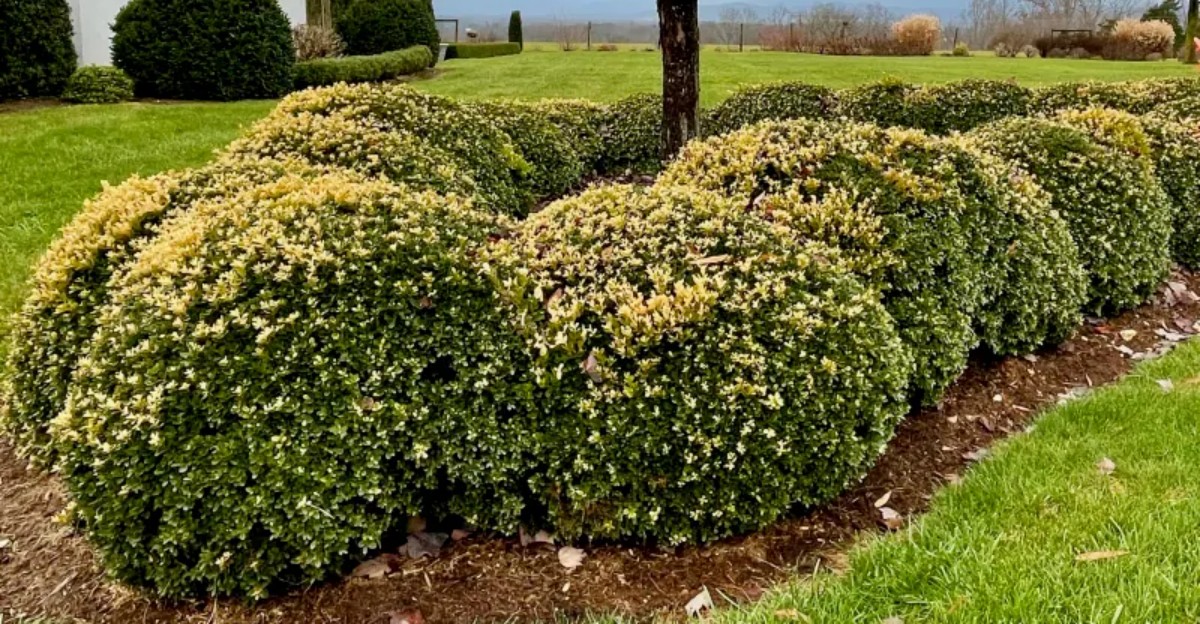
Boxwood and other evergreens don’t go fully dormant the way deciduous plants do, which means they keep losing moisture through their leaves all winter long, even while the ground beneath them stays frozen solid.
This mismatch is exactly what causes winter burn, a condition where leaves turn brown and crispy after losing more water to wind and sun than frozen roots can possibly replace.
Because damage from winter burn doesn’t show up until temperatures rise again in late winter or early spring, by the time it’s visible, the harm has already been done weeks or months earlier.
Simple preventive steps taken now, like proper watering before the ground freezes and windbreak protection for exposed plantings, can make a significant difference in reducing this seasonal risk.
Addressing winter burn before it starts is far more effective than trying to nurse damaged evergreens back to health after the fact.
1. Know What Causes Winter Burn
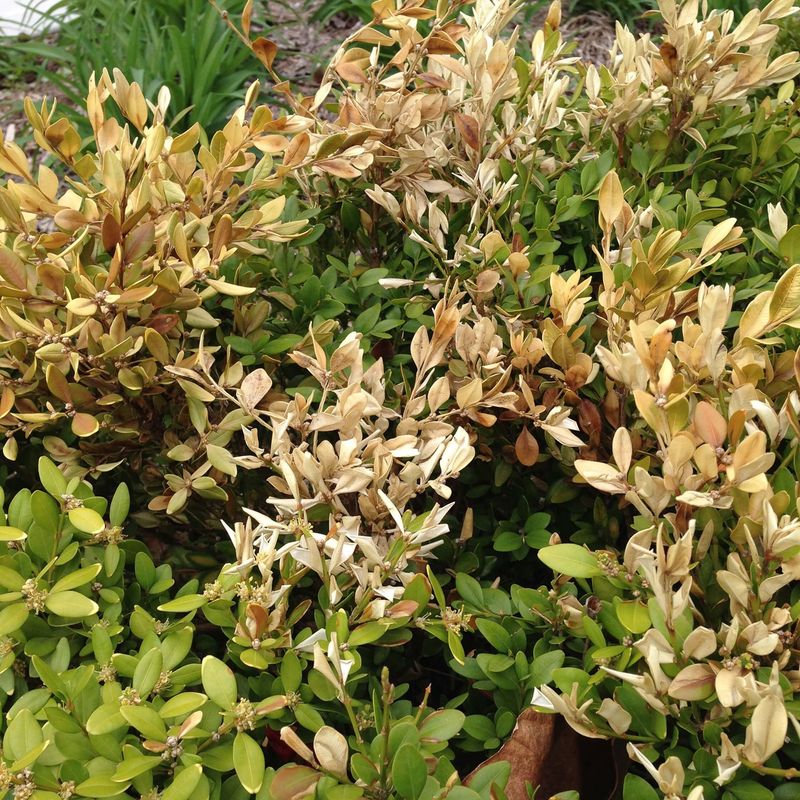
Brown patches on a boxwood in March can feel like a mystery, but the cause is pretty simple. Winter burn shows up as tan, brown, or bronzed foliage on boxwood, arborvitae, yews, rhododendrons, and many other evergreens.
Most people notice it in late winter or early spring, once the snow pulls back. Evergreens never fully rest.
Their leaves and needles keep losing water all winter long, and sunny, windy days speed that loss up a lot. The trouble starts underground, because roots sitting in frozen soil cannot pull up fresh water to replace what escapes.
So the foliage slowly dries out, much like your lips chapping on a cold, breezy day. Once enough moisture is gone, the leaves turn brown and crispy.
A shrub can look fine in December and then show damage weeks later, since the drying happens bit by bit.
Several things make it worse. Bright sun bouncing off snow hits plants from below as well as above, doubling the heat on the leaves.
Strong winter winds pull even more water away, and warm late winter days followed by hard freezes stress plant tissue again and again.
Michigan has all of these problems stacked together. The ground often stays frozen for long stretches, winds sweep across open yards and off the Great Lakes, and the sun grows stronger from February into March while the soil is still locked in ice.
Knowing the cause helps every other step make sense. Once you understand that winter burn is really a water problem, protecting your plants becomes much easier.
2. Water Deeply Before The Ground Freezes
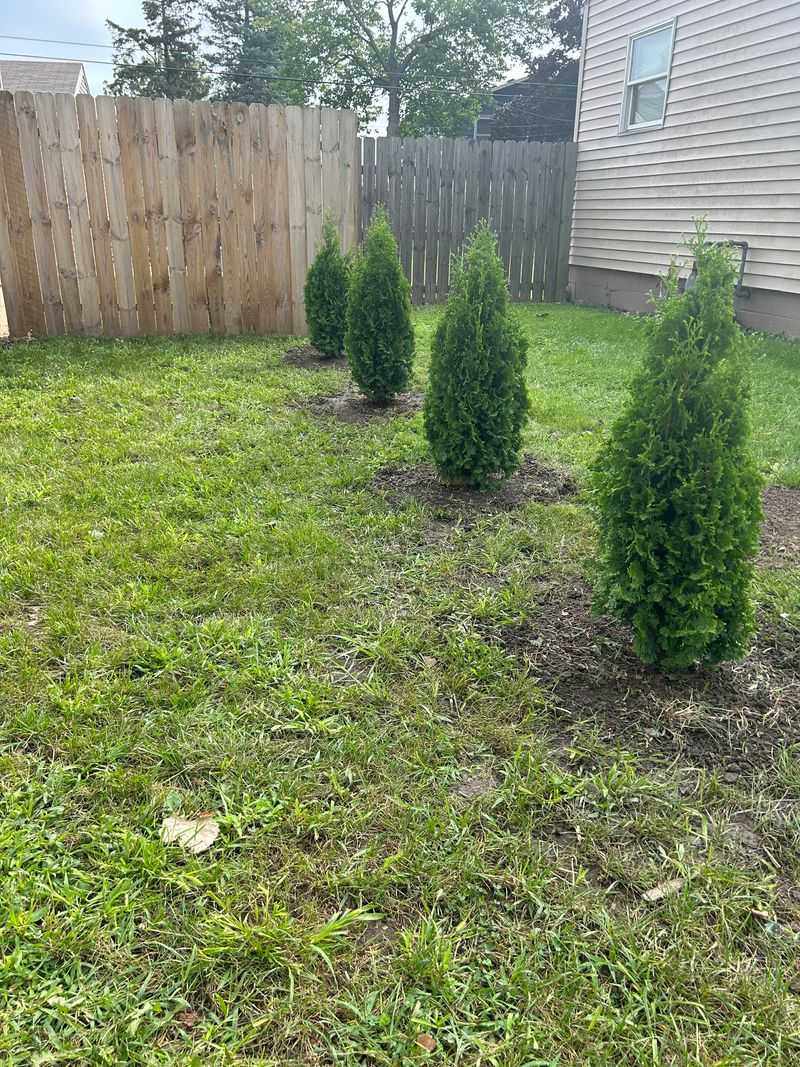
Think of fall watering as packing a lunch for your shrubs before a long trip. Evergreens that head into winter well hydrated store extra moisture in their roots, stems, and foliage. They can draw on that supply for months while the ground stays frozen.
Many gardeners put the hose away in September, and that habit causes plenty of spring heartbreak. Plants still need water in fall, especially when rain is scarce. A dry shrub entering winter has nothing saved up, so it browns much faster.
Your Michigan Garden Changes Every Week. Your Plan Should Too.
Gardening in Michigan changes quickly throughout the season. Every Friday you’ll receive a simple weekly plan showing exactly what to plant, prune, fertilize, harvest, and protect so you never miss the right timing.
The method is easy. Water deeply at the base of each evergreen about once a week during dry fall weather. Aim to soak the root zone rather than just wetting the surface, since a quick sprinkle barely reaches the roots.
A slow trickle from a hose or a soaker hose works great. Let it run long enough for water to sink several inches into the soil. You can check by pushing a trowel into the ground afterward to see how far the moisture traveled.
Keep going until the soil begins to freeze. Give extra care to shrubs planted in the last year or two, because their roots are still small and cannot reach deep moisture on their own.
Michigan often gets dry spells in September and October, even after a rainy summer. Then the ground can freeze solid for months, leaving no chance to catch up.
A few weeks of steady, deep watering now can make the difference between green shrubs and brown ones next spring.
3. Mulch The Root Zone
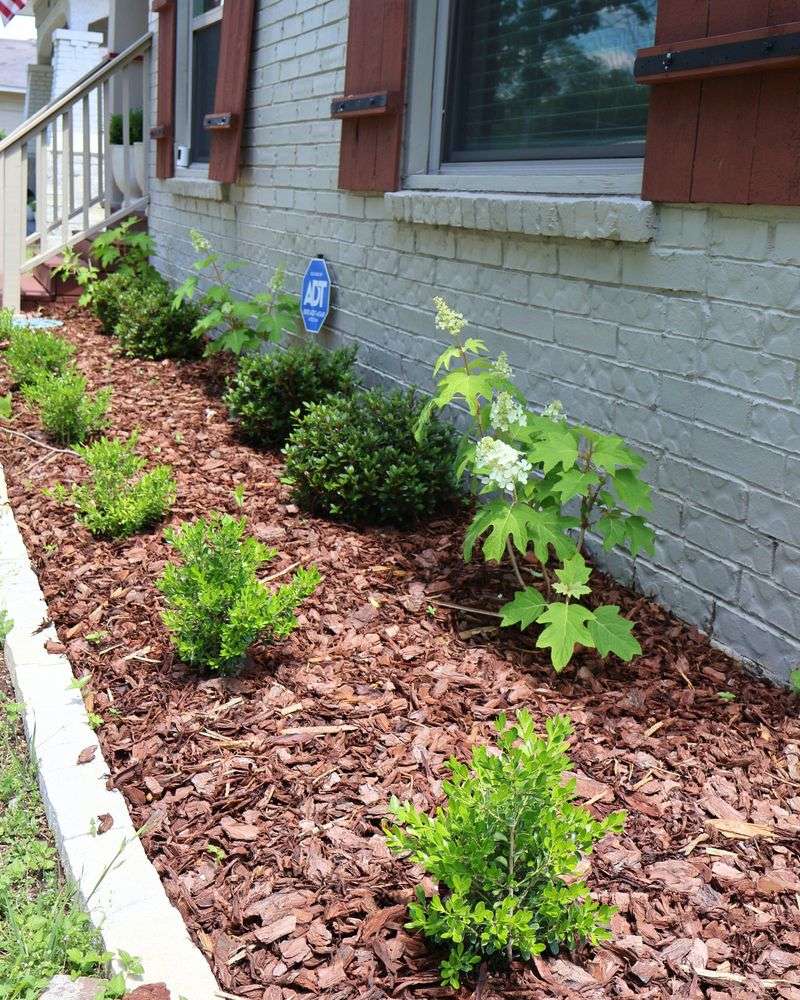
A cozy blanket of mulch does quiet but powerful work all winter. It holds moisture in the soil and keeps soil temperatures steadier. That means less deep freezing and less frost heaving around shallow roots.
Frost heaving happens when soil freezes, thaws, and freezes again. Each cycle makes the ground swell and shift, which can lift roots and tear the tiny feeder roots that soak up water.
Mulch softens those swings, so the soil changes temperature more slowly. Start with 2 to 4 inches of shredded bark or wood chips.
Spread it over the whole root zone, reaching out toward the edge of the branches. Roots often spread as wide as the plant itself, or even wider, so a small ring near the trunk is not enough.
Now for the part many people miss. Keep the mulch a few inches away from trunks and stems. Mulch piled up against bark holds dampness that can lead to rot, and it also gives mice and voles a hidden spot to chew on stems all winter.
Picture a donut, not a volcano. A flat ring with a small open space around the center is exactly right.
Here in Michigan, this step matters even more for boxwood and many broadleaf evergreens like rhododendrons.
Their roots sit close to the surface, right where freezing and thawing hit hardest. A good layer of mulch gives those roots a safer, calmer place to spend the cold months, and it keeps saved moisture from drying away.
4. Screen Exposed Plants With Burlap
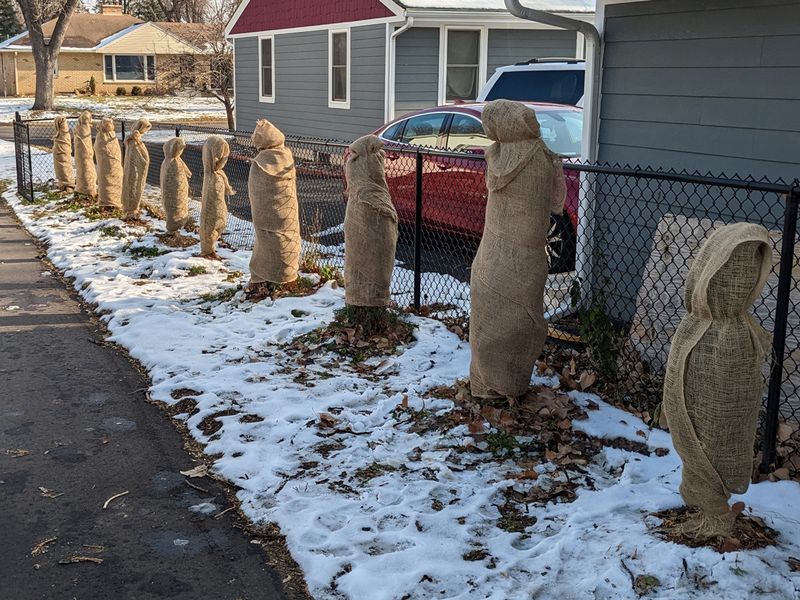
Burlap may look plain, but for a windblown shrub it works like a superhero cape. A burlap screen blocks drying winds and shades foliage from harsh late winter sun. Best of all, the loose weave still lets air move, so moisture does not get trapped inside.
Setup takes an afternoon. Pound three or four wooden stakes into the ground around the plant, a few inches away from the branches. Then wrap or staple burlap to the stakes rather than wrapping it tight around the foliage itself.
Wrapping burlap right on the leaves can rub them, hold snow against them, and bend branches. A little space between the fabric and the plant keeps everything healthy. You also do not need to cover every side.
Focus on the south, west, and windward sides, since those get the most sun and wind. Leave the top open so light and air can still reach the plant. Skip plastic completely, because it traps heat and moisture and can cook the foliage on a sunny day.
Timing matters too. Put screens up in late fall before the ground freezes, because driving stakes into frozen soil is nearly impossible. Take them down in spring once the harsh weather passes.
Michigan yards get hit hard by steady winter winds, often blowing from the west and northwest. Add glare from snow cover, and exposed evergreens take a real beating. A simple burlap wall can cut that damage dramatically, and it costs very little.
5. Choose Protected Planting Spots
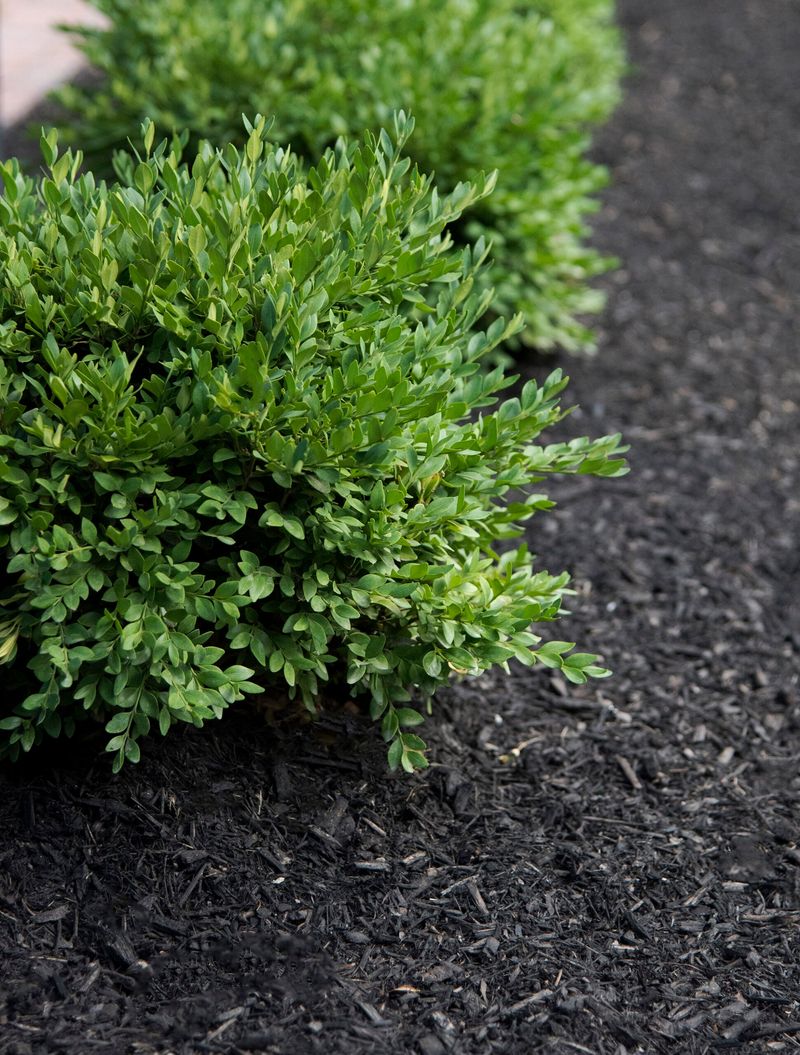
Location can decide a shrub’s fate before you even dig the hole. Where you plant an evergreen has a big effect on how much winter burn it faces. Some spots are simply rougher than others.
Evergreens on the south and west sides of a house catch the strongest winter sun. Plants on open, windy sites dry out fast, and shrubs near light-colored walls or pavement get extra heat bouncing back at them.
All of that adds up to more water loss when roots cannot keep up. Planning ahead helps a ton. When adding new boxwood or broadleaf evergreens, pick spots sheltered from winter wind and afternoon sun.
The east or north side of a building often works well, and so does a spot tucked behind taller plants or a fence.
East sides get gentle morning light and miss the harsh afternoon rays. North sides stay shaded in winter, so the leaves warm up and cool down more gently.
Already have a shrub that browns every single year? If it is still small, consider moving it to a better location in spring. Dig a wide root ball, replant it at the same depth, and water it well through its first season.
Plenty of Michigan homes sit on open lots with few trees to break the wind. Lake-effect winds can roar across neighborhoods near the shore, leaving foundation plantings exposed.
Choosing a smarter spot is one of the easiest long-term fixes, because a well-placed shrub needs far less winter babysitting.
6. Avoid Late Pruning And Fertilizing
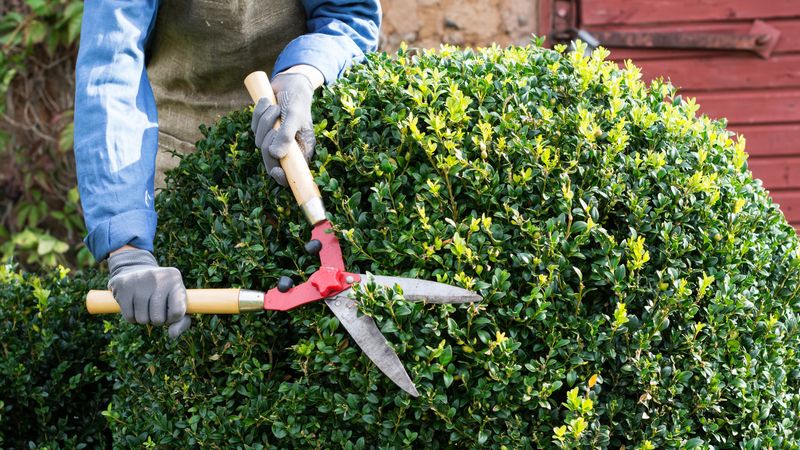
Sometimes the kindest thing you can do for a shrub is leave it alone. Pruning or feeding evergreens late in the season can spark a burst of fresh growth. That new growth rarely has time to toughen up before cold weather hits.
Tender shoots are soft and full of water. They have not built up the sturdy tissue that helps older leaves handle freezing temperatures, so they are often the first parts to brown. A late trim can leave a shrub covered in fragile tips right when winter arrives.
Fertilizer works the same way, especially products high in nitrogen. Nitrogen tells plants to grow leaves, which is great in spring but risky in fall. Feeding in September sends a mixed signal just when the plant should be slowing down.
So when should you trim? Finish pruning boxwood and other evergreens by late summer. Skip nitrogen fertilizer after midsummer, and let your plants wind down naturally as the days grow shorter.
Spring is the time to clean up. If winter burn does show up, wait until new growth starts before trimming away browned foliage.
Some branches that look rough in March will push out fresh leaves, and cutting too early may remove parts that would have bounced back.
Michigan’s growing season ends quickly. A warm September can turn into a hard freeze in just a few weeks, leaving new growth no time to harden. Putting the shears and fertilizer away early is an easy, free way to protect your shrubs.
7. Keep Road And Sidewalk Salt Away
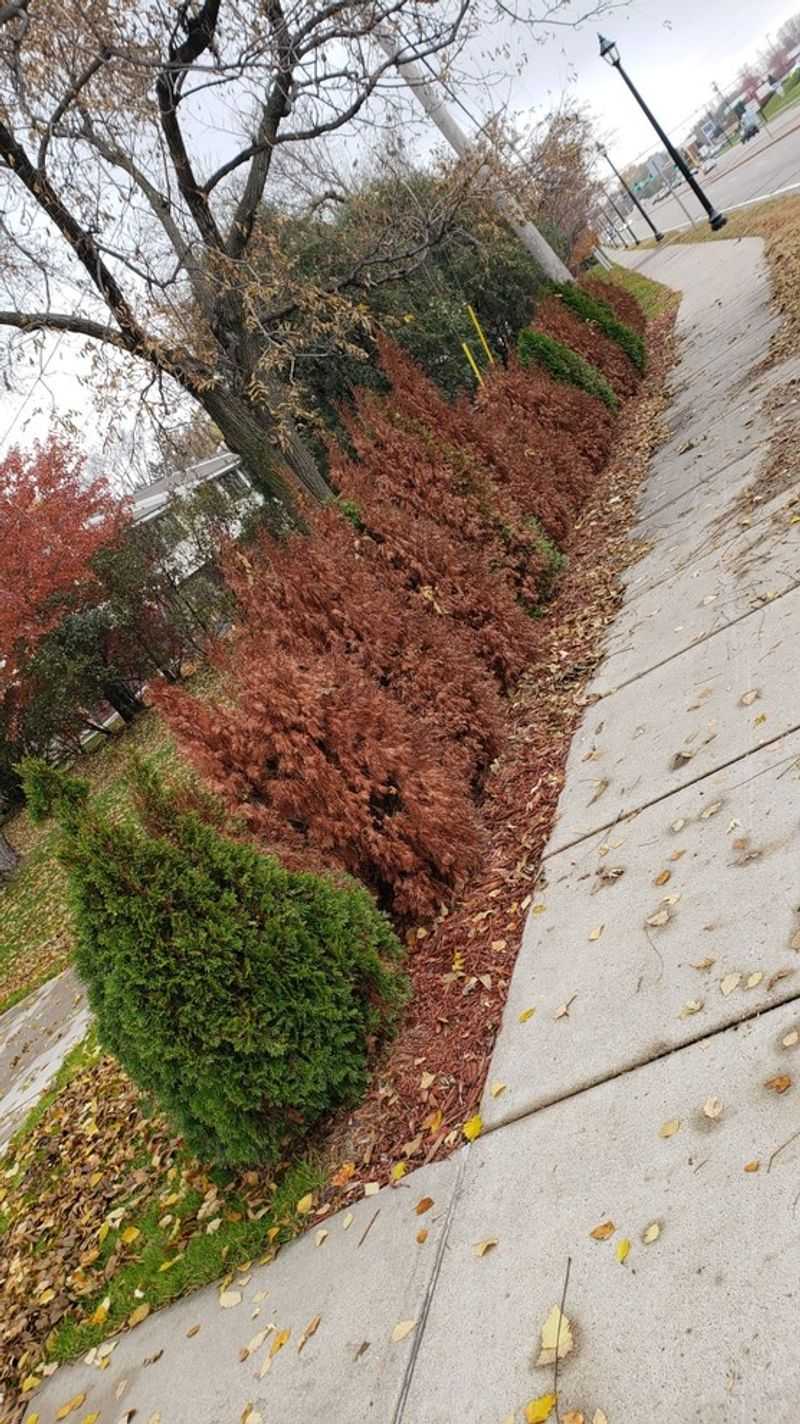
Not all browning comes from the weather. De-icing salt can cause damage that looks almost exactly like winter burn, and it makes true winter burn even worse. Shrubs near roads, driveways, and sidewalks often suffer the most.
Salt harms plants in two ways. Spray from passing cars and plows settles on foliage and pulls moisture right out of it. Then salty meltwater soaks into the soil, where it damages roots and makes it harder for plants to take up water.
That second problem hits hard, because the plant is already struggling to drink in frozen ground. Add salt, and the roots have an even tougher job come spring.
Luckily, you can fight back. Use sand, kitty litter, or plant-friendly de-icers near your evergreens whenever possible. Products made with calcium magnesium acetate tend to be gentler than regular rock salt.
Watch where the shovel goes too. Avoid piling salty snow on top of plant beds, even though it is the handiest spot. Set up burlap barriers on the side facing the road or driveway to catch spray before it lands on leaves.
When spring arrives, water deeply around affected shrubs. Several long soakings help flush salt down and away from the root zone, giving plants a cleaner start.
Michigan uses a lot of road salt, and winters can stretch on for months. Homes near busy streets see heavy salt spray all season long. A few simple habits can keep your front-yard shrubs looking fresh instead of scorched.
8. Choose Hardy Varieties For Future Plantings
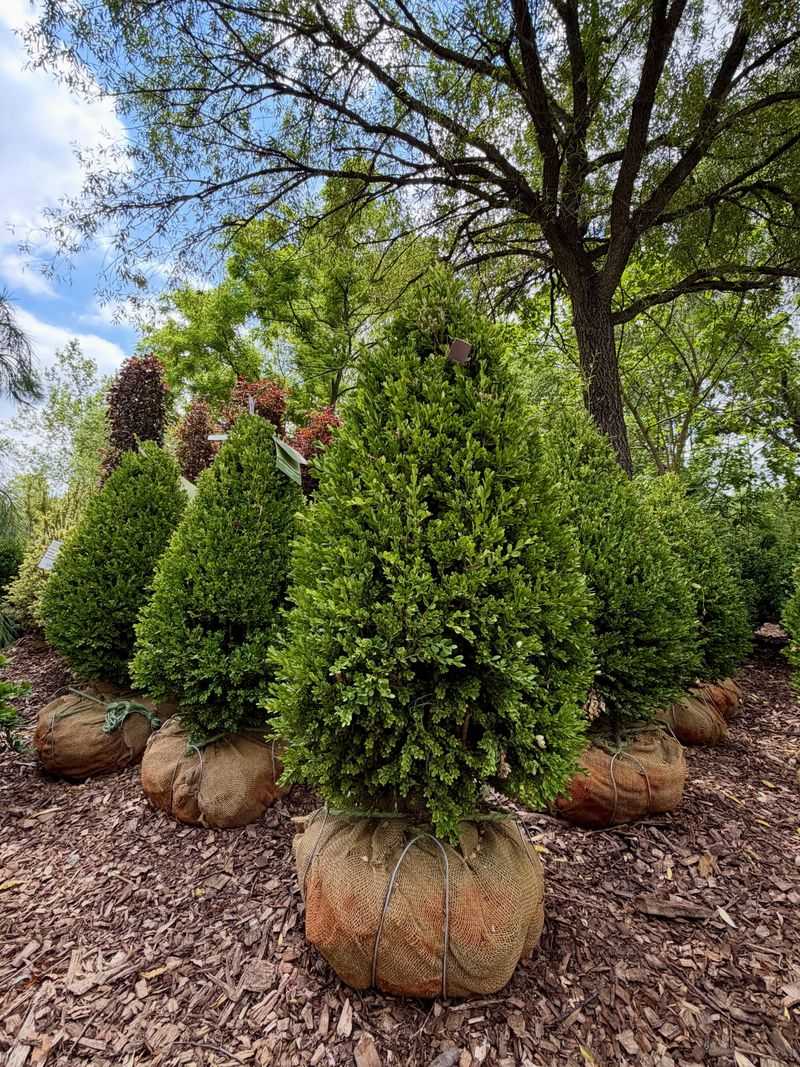
The strongest defense against winter burn might start at the garden center. Some evergreen varieties handle cold, wind, and winter sun far better than others. Picking the right plant can save you years of wrapping, worrying, and trimming brown tips.
Boxwood is a great example. Many common boxwoods came from milder climates and struggle in harsh northern winters. Others were bred specifically to stand up to tough conditions, and the difference shows every spring.
Several varieties have strong reputations for cold hardiness. Green Velvet stays nicely green and forms a rounded shape.
Chicagoland Green was selected for Midwest winters, and Green Gem keeps a tidy, compact form with good color through the cold months.
Before buying anything, flip over the plant tag. Look for the USDA hardiness zone listed there. Choose plants rated for your zone or a colder one, which gives you a little extra safety during a rough winter.
Michigan covers a surprising range. The Upper Peninsula and northern Lower Peninsula can be very cold, while the southern Lower Peninsula and the Lake Michigan shoreline stay milder. A shrub that thrives in Grand Rapids may struggle near Marquette.
Your local MSU Extension office is a great resource if you are unsure about your zone or which plants do well nearby.
Staff there know which varieties hold up in your area. Smart choices today mean greener shrubs for many winters ahead, with a lot less work along the way.