What Chewed Coneflower Petals In Michigan Are Telling You About Late-Summer Pests
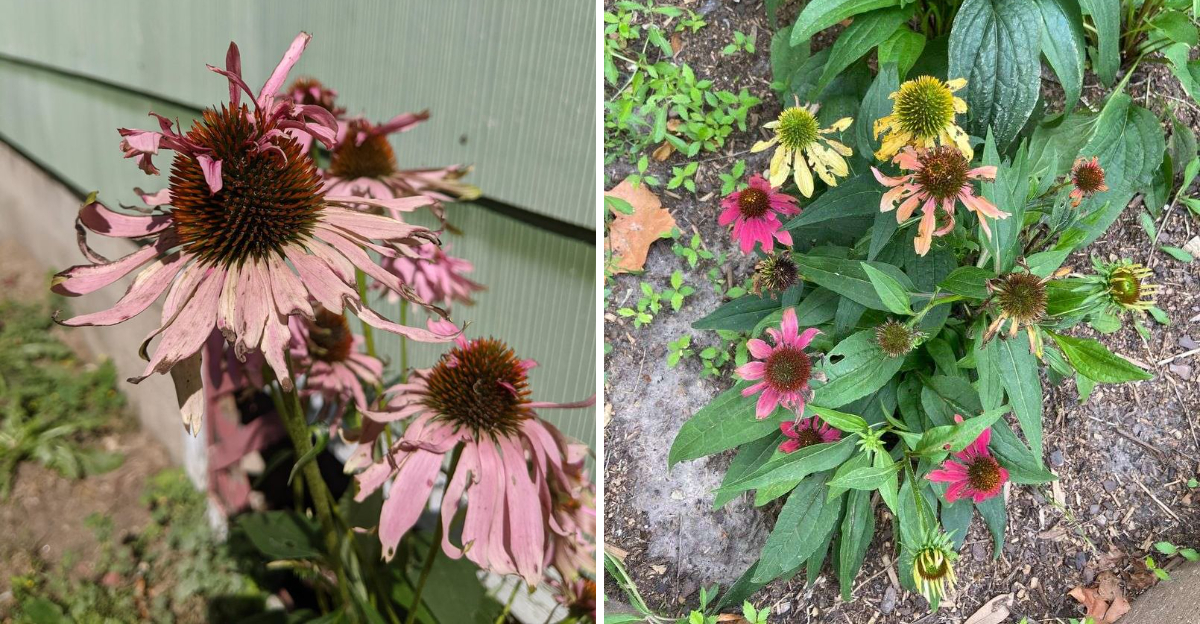
Chewed coneflower petals are easy to write off as minor cosmetic damage during a busy Michigan August.
They are actually one of the more readable signals a late-summer garden produces.
The pattern of damage, where on the petal it starts, whether the chewing follows the edge or punches through the center, and what time of day fresh damage appears all point toward specific insects with different behaviors and different solutions.
Coneflowers attract a wide range of late-season feeders in Michigan, and not all of them cause meaningful harm.
Identifying which one is responsible before responding saves time and protects the beneficial insects that are using the same plants for entirely different and useful reasons.
1. Japanese Beetles May Be Feeding On The Blooms
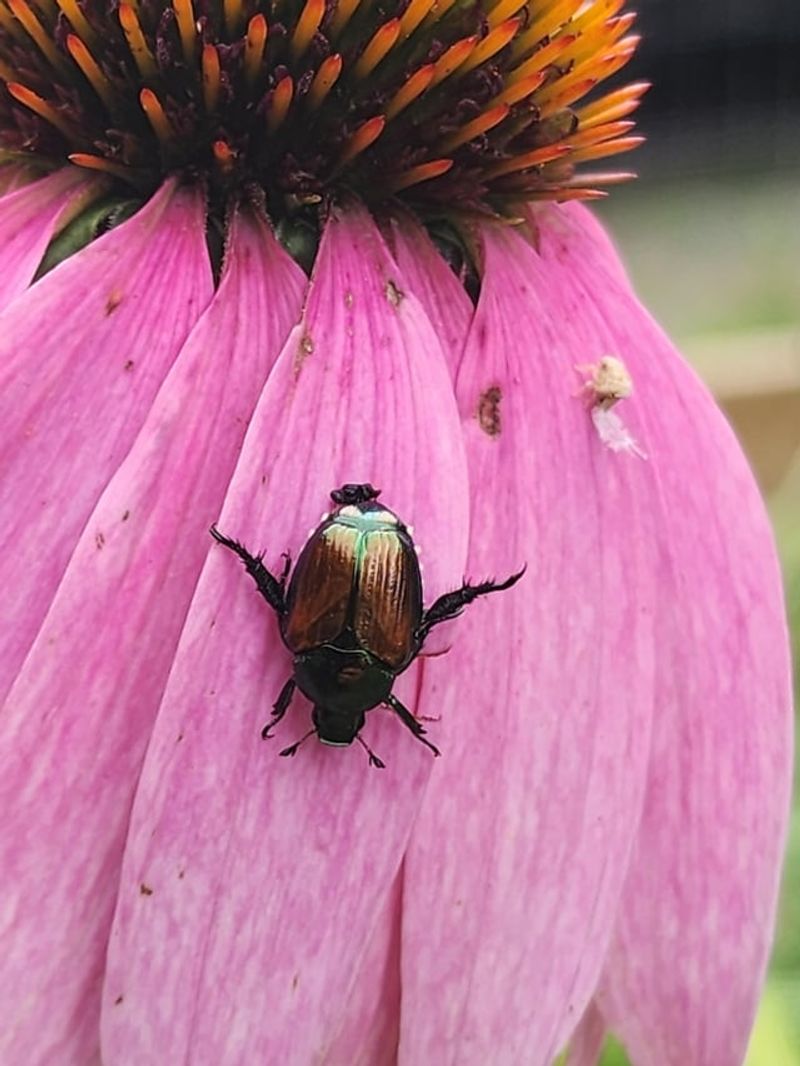
Spotting a shiny, metallic insect clinging to your coneflower on a sunny afternoon is a pretty clear signal that Japanese beetles have arrived.
These beetles are one of the most recognizable garden pests in Michigan, and they tend to show up in force from early summer all the way into early fall. They are not subtle about their feeding habits, either.
Japanese beetles chew through flower petals and leaves in a skeletonizing pattern, leaving behind lacy, tattered remnants where a full bloom used to be.
They prefer feeding during warm, sunny parts of the day, so your best chance of catching them in action is between late morning and late afternoon.
Look closely at the tops of your coneflower blooms and along the petals for clusters of beetles with their signature copper-colored wing covers and iridescent green bodies.
One beetle alone may not cause a ton of visible damage, but these insects tend to gather in groups, and that is when things get out of hand fast.
They release pheromones that attract more beetles to the same spot, turning one plant into a feeding frenzy.
Checking your coneflowers every day during peak season gives you the best shot at catching an infestation before it spreads across the whole bed.
Knocking beetles into a bucket of soapy water in the morning when they are sluggish is one of the most practical ways to reduce their numbers.
Avoid using traps with lures, since research suggests those can actually draw more beetles into your yard than you started with.
2. Grasshoppers And Katydids Can Leave Ragged Petals
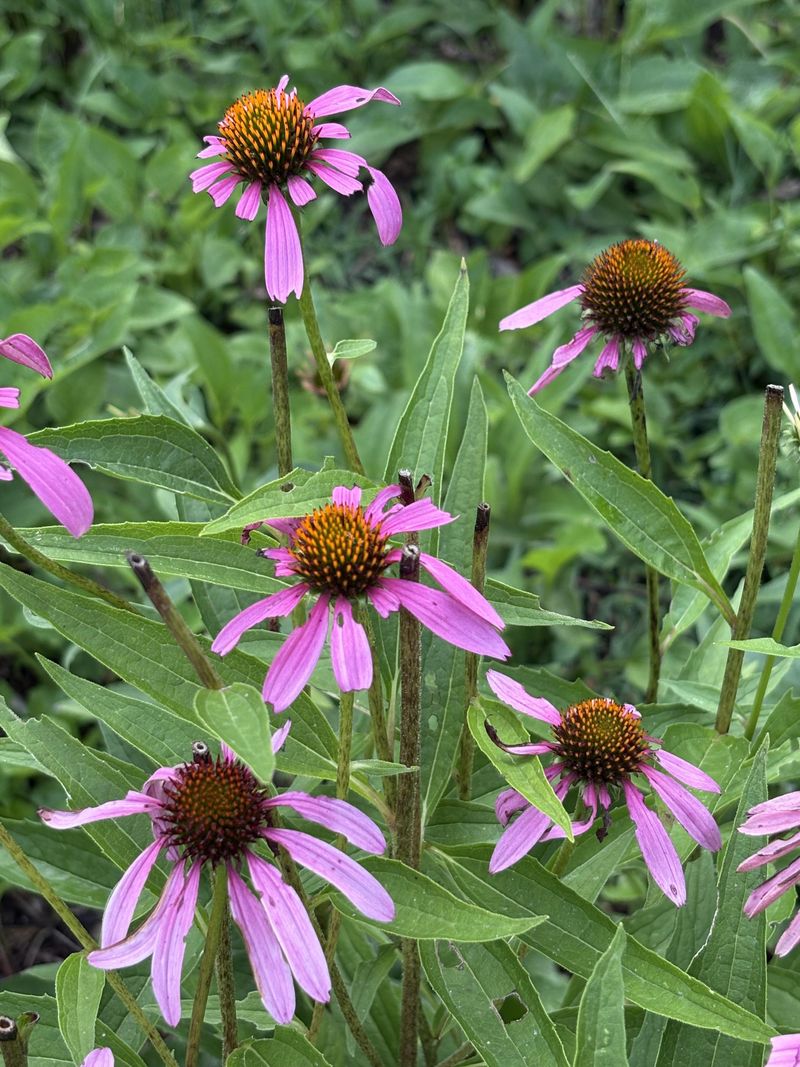
Not every chewed coneflower petal comes from a beetle. Grasshoppers and katydids are active feeders during Michigan’s warm late-summer months, and they can do a surprising amount of petal damage in just a short period of time.
If your coneflowers have petals with large, irregular bites taken out of them, these jumpy insects are worth considering as the culprit.
Grasshoppers tend to feed during the day and are often spotted resting on flower stems or nearby foliage.
They use strong chewing mouthparts to take big, uneven chunks from petals and leaves, leaving behind damage that looks rougher and more random than the skeletonizing pattern you see from beetles.
Katydids, which are close relatives, are usually more active in the evening but can also feed during the day in shaded spots.
Your Michigan Garden Changes Every Week. Your Plan Should Too.
Gardening in Michigan changes quickly throughout the season. Every Friday you’ll receive a simple weekly plan showing exactly what to plant, prune, fertilize, harvest, and protect so you never miss the right timing.
Michigan gardens surrounded by open fields or grassy areas are especially likely to see grasshopper activity in August and September.
Populations tend to build up when summers are hot and dry, and mature garden plants become a convenient food source.
Checking your coneflowers in the morning can reveal fresh damage from the night before, which helps narrow down whether a daytime or evening feeder is responsible.
Removing weedy grassy areas near your garden can reduce the habitat these insects prefer. For smaller infestations, manually removing grasshoppers by hand or with a net works well.
Keeping your garden well-watered and healthy also helps plants recover from surface petal damage more quickly and keep producing new blooms through the season.
3. Small Caterpillars May Be Hiding In The Flowers
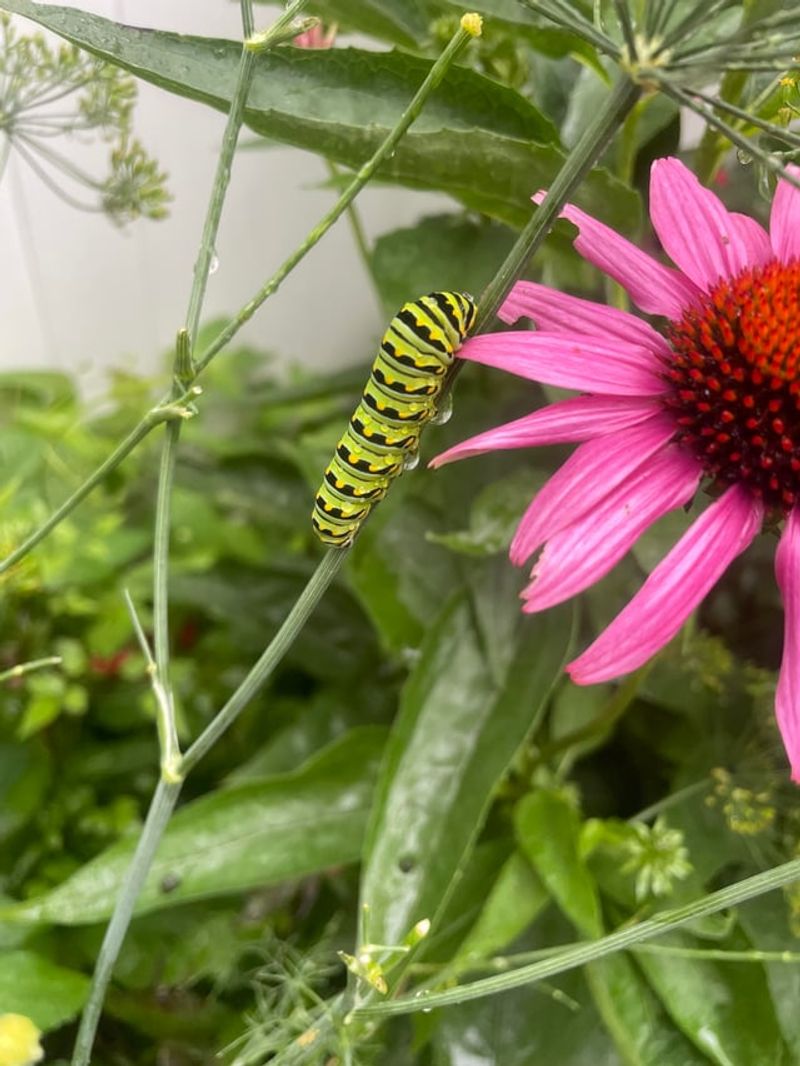
Sometimes the pest doing the most damage is the hardest one to spot. Small caterpillars have a habit of tucking themselves into tight spaces on coneflowers, including inside the flower cone, along folded petals, and underneath nearby leaves.
By the time a gardener notices the chewing, the caterpillar may already be well-hidden and feeding happily.
Several moth and butterfly species lay eggs on coneflowers and related plants during late summer.
When the eggs hatch, the tiny caterpillars immediately begin feeding on whatever is closest, which often means petals, buds, and sometimes the flower cone itself.
The damage can look similar to beetle feeding at first glance, but caterpillars tend to leave behind frass, which is a polite word for insect droppings, that looks like tiny dark specks near where they are feeding.
Before assuming beetles or grasshoppers caused the chewing on your coneflowers, take a few minutes to inspect the plant carefully.
Gently part the petals and look into the flower center. Check the underside of leaves and along the stems near the bloom. A small caterpillar may be curled up in a spot that is easy to miss during a quick look.
If you find caterpillars, removing them by hand is usually the most straightforward approach. Dropping them into soapy water takes care of the problem without affecting other insects nearby.
For larger infestations, a targeted application of Bacillus thuringiensis, commonly called Bt, is a naturally occurring option that affects caterpillars specifically without harming bees or other beneficial visitors to your garden.
4. Night Feeding Can Point To Slugs Or Earwigs
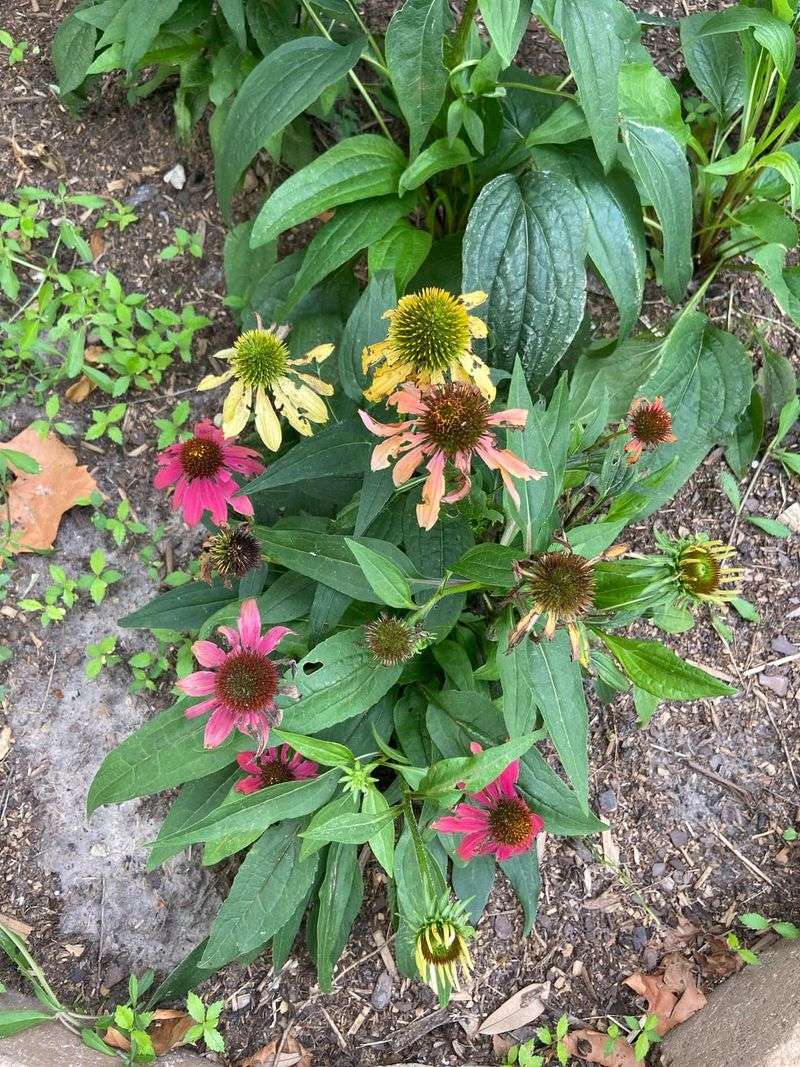
Walking out to your garden in the morning and finding fresh petal damage that was not there the evening before is a telltale sign that something is feeding after dark.
Slugs and earwigs are two of the most common nighttime pests in Michigan gardens, and both of them have a real preference for cool, damp conditions that late summer evenings tend to provide.
Slugs leave a distinctive slime trail that often dries to a faint silvery streak on leaves or petals by morning.
Their feeding damage tends to look ragged and irregular, similar to what caterpillars leave, but the slime trail is the giveaway.
Earwigs, on the other hand, are fast-moving insects with pincer-like appendages at the back end of their bodies.
They hide in moist debris during the day and come out at night to feed on soft plant tissue including flower petals.
Grabbing a flashlight and heading out to your coneflower bed an hour or two after sunset is one of the most reliable ways to confirm whether slugs or earwigs are the problem.
Check the base of the plant, underneath leaves, and in any mulch or debris nearby. Both pests tend to cluster in damp, sheltered spots.
Reducing excess moisture around your plants helps make the environment less attractive to both slugs and earwigs.
Pulling mulch back slightly from the base of stems, improving drainage, and cleaning up leaf litter can all make a real difference.
Iron phosphate slug bait is a gardener-friendly option that targets slugs without posing a risk to birds or other wildlife visiting your yard.
5. Petal Damage Is Often Cosmetic If The Plant Stays Strong
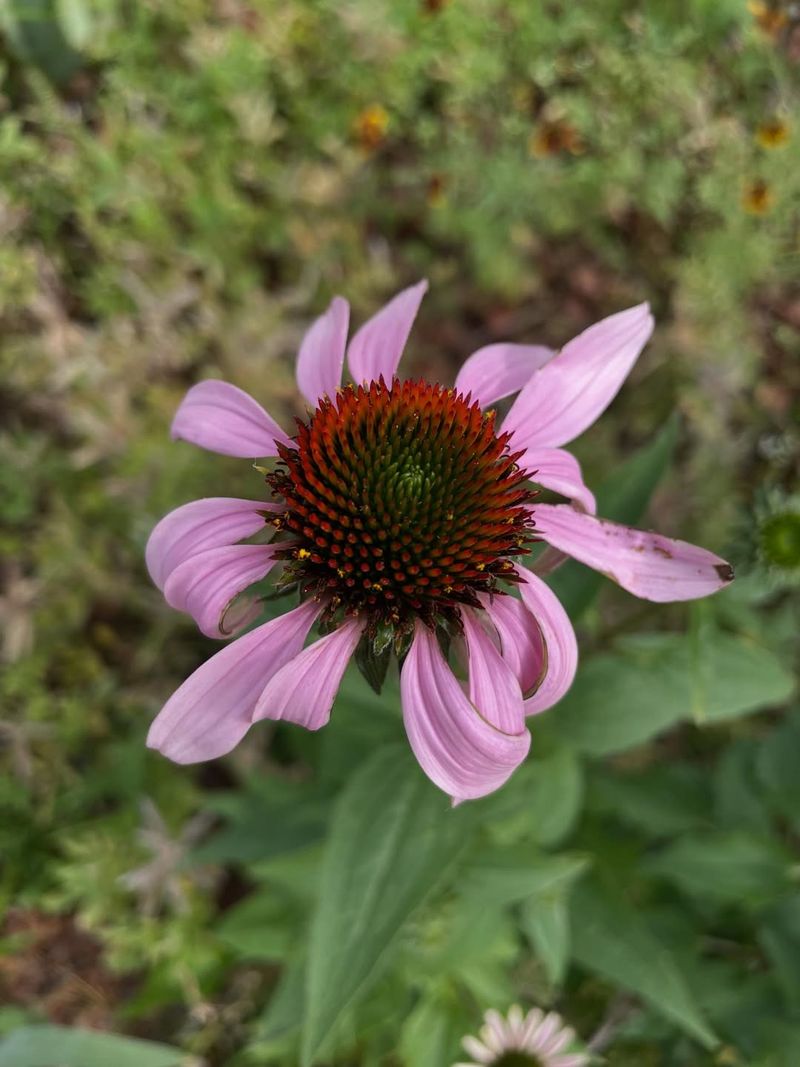
Chewed petals can look alarming, but they do not always mean your coneflower is in serious trouble.
Echinacea plants are tough, and a little petal damage from insects does not automatically threaten the health of the whole plant.
Before reaching for any kind of treatment, take a step back and look at the bigger picture of what the plant is telling you.
Healthy coneflowers have sturdy green stems, firm leaves without significant yellowing or wilting, and the ability to keep pushing out new buds even while earlier blooms are being nibbled.
If your plant is still doing all of those things, the damage you are seeing is most likely cosmetic.
The flowers may not look perfect for a vase arrangement, but the plant itself is doing fine and will continue to support pollinators and produce seeds through the season.
Where things get more concerning is when you start seeing damage that goes beyond the petals.
Stems that are chewed through, leaves that are heavily skeletonized across most of the plant, or buds that never open properly can all signal a more serious feeding situation that warrants closer attention.
Keep an eye on the overall plant health alongside the petal condition. Michigan coneflowers are built to handle some insect pressure.
They have been growing alongside native insects for a very long time, and a healthy plant in good soil with adequate moisture can bounce back from moderate feeding damage with ease.
Focusing on soil health, consistent watering, and avoiding over-fertilizing with nitrogen helps your coneflowers stay strong enough to handle the seasonal pest pressure that comes with every late summer garden.
6. Damage Patterns Help Identify The Pest
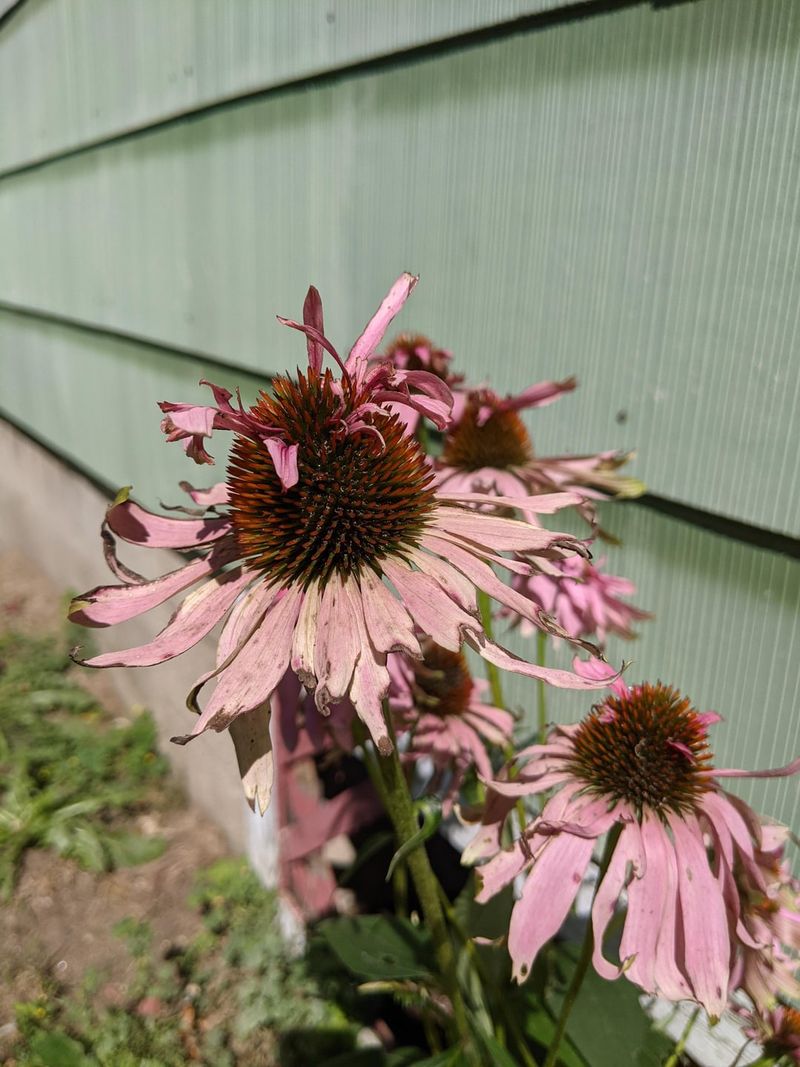
Reading the pattern of damage on your coneflowers is one of the most useful skills a Michigan gardener can develop.
Not all chewing looks the same, and the specific way petals and leaves are affected can point directly to which pest is responsible. Paying attention to the details saves time and helps you choose the right response.
Japanese beetles typically leave a lacy or skeletonized appearance on leaves, with the veins left mostly intact while the softer tissue between them gets consumed. On petals, their feeding often starts at the edges and moves inward.
Grasshoppers and katydids leave larger, more random bites with uneven edges, and the damage can appear anywhere on the petal without a clear pattern.
These insects are strong chewers, so the bites tend to be substantial. Caterpillar feeding is often concentrated in one area of the plant since the caterpillar stays close to where it is resting.
You may notice a cluster of damaged petals or a partially chewed bud alongside frass near the same spot.
Night feeders like slugs and earwigs tend to leave damage that appears fresh in the morning on petals that were intact the evening before, and slug damage often comes with that characteristic slime residue nearby.
Taking a photo of the damage pattern and the pest itself, if you spot one, makes it much easier to look up information or ask a local extension service for help with identification.
Michigan State University Extension offers free resources and sometimes plant diagnostic support for home gardeners dealing with pest questions exactly like this one.
7. Broad Sprays Can Harm The Helpful Visitors Too
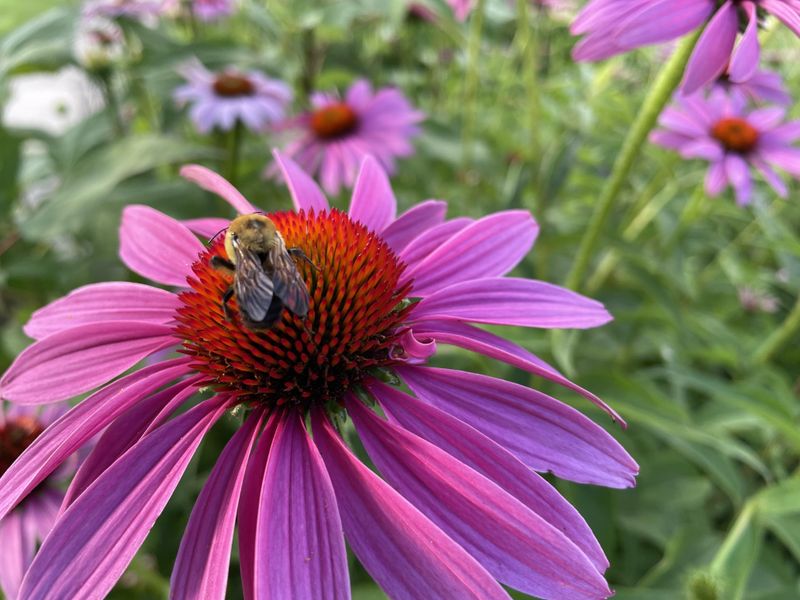
Coneflowers are among the most pollinator-friendly plants you can grow in a Michigan garden.
Bees, butterflies, and beneficial wasps all visit them regularly through late summer, and that activity supports the health of your entire yard and the surrounding landscape.
Reaching for a broad-spectrum spray the moment you spot chewed petals can do more harm than good when those helpful visitors are already working the blooms.
Many common insecticides do not discriminate between the pest chewing your petals and the bumblebee collecting pollen on the next flower over.
Even products marketed as organic can be harmful to bees and butterflies if applied at the wrong time or in the wrong concentration.
Spraying a plant that is actively in bloom puts pollinators at direct risk every time they visit, which can ripple through your garden in ways that are hard to undo.
The smarter approach is to identify the pest first and then choose the least disruptive method that actually fits the problem.
Hand-removing beetles or caterpillars, setting out traps for slugs, or reducing damp hiding spots for earwigs are all targeted strategies that do not put pollinators in harm’s way.
Saving any spray applications for very specific situations, and applying them in the early morning or evening when bee activity is lower, helps reduce the collateral impact.
Coneflowers are genuinely one of the best plants you can grow for supporting Michigan’s native bee populations.
Protecting that relationship between plant and pollinator is worth a little extra effort when pests show up. A flower with a few chewed petals can still feed a bee just as effectively as a perfect one.
8. The Best Response Is Regular Scouting
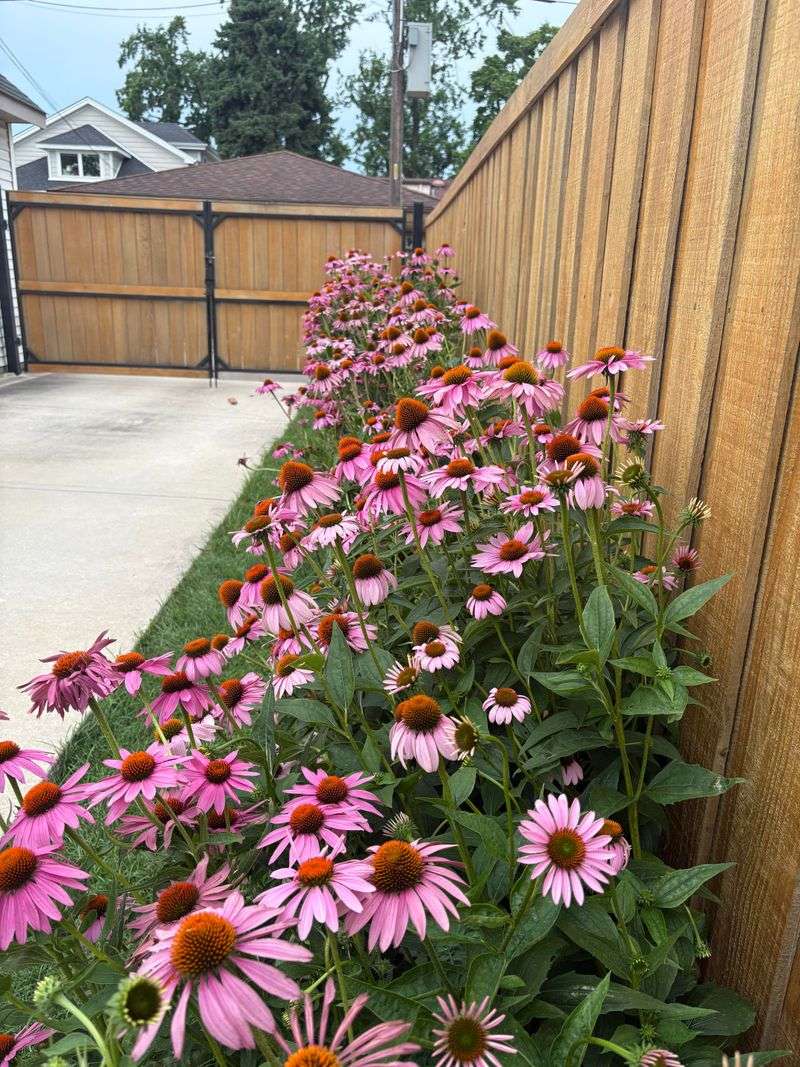
When your coneflowers start showing chewed petals in late summer, the most valuable tool you have is your own attention.
Regular scouting, which simply means checking your plants consistently and carefully, gives you the information you need to respond thoughtfully instead of reactively. Most pest problems are much easier to manage when you catch them early.
A good scouting routine includes checking your coneflower bed at least a couple of times per week, once during the day when Japanese beetles and grasshoppers are most active, and once in the evening when slugs and earwigs come out to feed.
Look at the tops and undersides of leaves, inside flower cones, along stems, and at the base of plants near the soil.
Fresh damage, live insects, slime trails, or frass are all signs that something is actively feeding.
The likely suspects in a Michigan late-summer garden include Japanese beetles, grasshoppers, katydids, small caterpillars, slugs, and earwigs.
Each one responds to slightly different management strategies, which is why identifying the correct pest matters before taking action.
Hand-picking works well for beetles and caterpillars. Reducing moisture and debris helps with slugs and earwigs.
Targeted products used carefully and at the right time can help with larger infestations when hand removal is not practical.
Keeping your coneflower bed generally healthy through consistent watering, good soil, and occasional deadheading also helps plants recover from minor pest pressure on their own.
A well-tended garden is more resilient, and resilient plants are far better at bouncing back from the kind of late-season insect activity that is simply part of gardening in Michigan.